

Crematogaster reticulata
- Scientific Name
- Crematogaster reticulata
- Subgenus
- Orthocrema
- Tribe
- Crematogastrini
- Subfamily
- Myrmicinae
- Author
- Hosoishi, 2009
- Distribution
- Found in 1 countries
Crematogaster reticulata Overview
Crematogaster reticulata is an ant species of the genus Crematogaster. It is primarily documented in 1 countries , including Malaysia. Detailed taxonomic data and occurrence records can be further explored via authoritative databases such as AntWeb or the Global Biodiversity Information Facility (GBIF).
Crematogaster reticulata
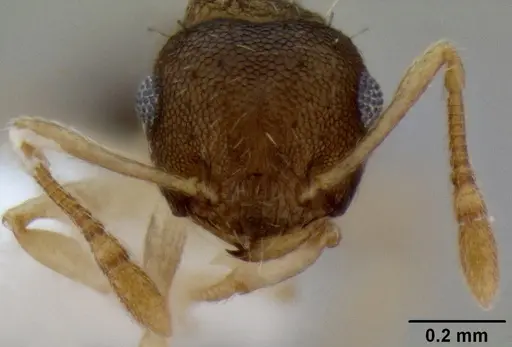
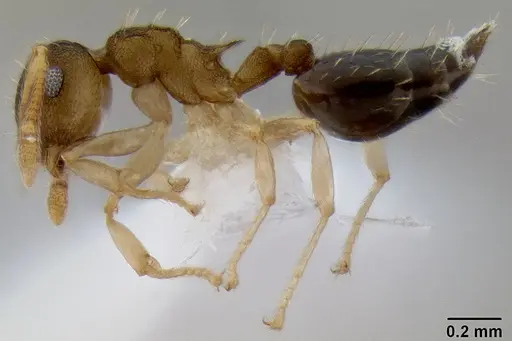
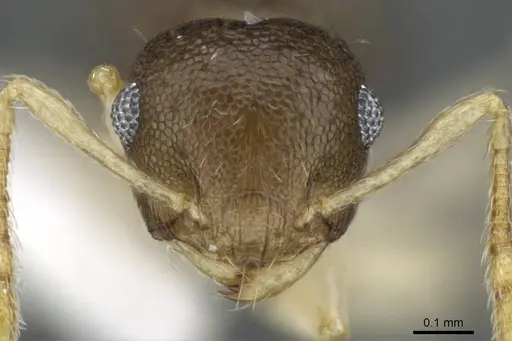
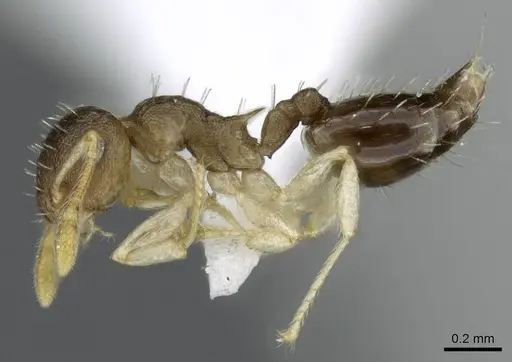
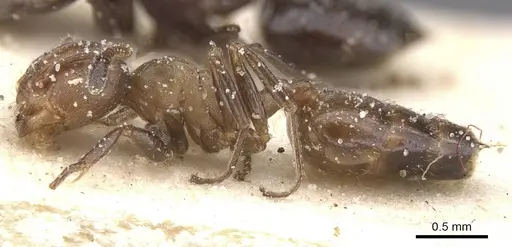
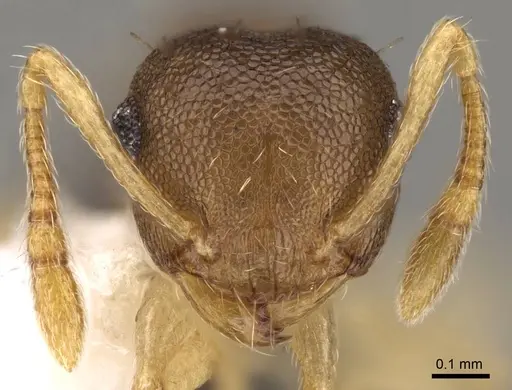
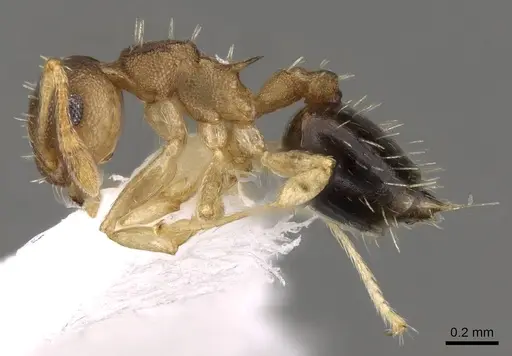
Crematogaster reticulata is a small to medium-sized ant belonging to the subgenus Orthocrema, found exclusively in Southeast Asia including southern Thailand, Malaysia (both Peninsula and Borneo), and Brunei [1]. Workers measure 0.40-0.46mm in head width and have a distinctly reticulated (net-like) sculpture pattern on their head, mesosoma, petiole, and postpetiole that gives them their name [1]. They have strongly projecting compound eyes and squared petioles without angulate corners, distinguishing them from similar species like C. schimmeri [2]. This species inhabits developed forests and nests in dead twigs or dead leaves on trees, making them a true arboreal nester [1]. A notable trait is the presence of intermediate workers, unusually large workers that can approach queen size, complete with three ocelli and a highly convex mesonotum [1].
Quick Summary
- Difficulty: Medium
- Origin & Habitat: Southeast Asia, southern Thailand, Malaysia (Peninsula and Borneo), and Brunei. Inhabits developed forests and nests in dead twigs or dead leaves on trees [1].
- Colony Type: Colony structure is unconfirmed. The genus Crematogaster typically forms monogyne colonies, but this specific species has not been studied for queen number. Intermediate workers (large workers approaching queen size) are documented [1].
- Founding: Claustral
- Size & Growth:
- Queen: Estimated 6-7mm based on intermediate worker size (0.66-0.75mm HW) and genus patterns [1].
- Worker: 0.40-0.46mm head width [1].
- Colony: Estimated moderate-sized colonies (several hundred workers) based on genus patterns and tropical habitat [3].
- Growth: Moderate, tropical species with year-round activity expected
- Development: Estimated 6-8 weeks based on typical Crematogaster development at tropical temperatures. (Development time is estimated from related Crematogaster species, specific data for C. reticulata is not available)
- Antkeeping:
- Temperature: Keep at 24-28°C. As a tropical Southeast Asian species, they need warm, stable temperatures year-round. A heating cable on one side of the nest can create a gentle gradient.
- Humidity: High humidity (70-85%) is essential. As an arboreal nester in dead leaves and twigs, they prefer damp conditions. Keep the nest substrate consistently moist but not waterlogged, with some drier areas available.
- Diapause: No, this is a tropical species from Southeast Asia with no cold tolerance requirement. They remain active year-round at room temperature.
- Nesting: Arboreal nester, in nature they nest in dead twigs and dead leaves on trees. In captivity, a Y-tong (AAC) nest or plaster formicarium with small chambers works well. Provide twigs or small branches as enrichment. They prefer tight, enclosed spaces scaled to their small size [1][2].
- Behavior: Crematogaster ants are known for their distinctive heart-shaped gaster that they can raise and curl over their body when threatened, giving them the common name 'acrobat ants.' They are generally active foragers and will recruit nestmates to food sources. Workers are small (under 5mm) so escape prevention should be taken seriously, use fine mesh and tight-fitting lids. Their small size means they can squeeze through surprisingly small gaps. They are not aggressive toward keepers but will defend their colony if threatened [2].
- Common Issues: escape prevention is critical due to their very small size, they can squeeze through tiny gaps, tropical species may struggle in air-conditioned rooms or cold climates, arboreal nesting means they need humidity control, too dry causes colony decline, intermediate workers may be mistaken for queens by inexperienced keepers, wild-caught colonies may carry parasites that can devastate captive colonies
Nest Preferences and Housing
Crematogaster reticulata is an arboreal species that naturally nests in dead twigs and dead leaves suspended in trees within developed forests [1]. In captivity, you should replicate these conditions as closely as possible. A Y-tong (AAC) nest works well because it provides the dark, enclosed chambers these ants prefer. Alternatively, a plaster or acrylic formicarium with small, tight chambers scaled to their tiny worker size (under 0.5mm) is suitable. Avoid large, open spaces that would make them feel exposed. Adding small twigs or pieces of bark to the outworld gives them natural foraging surfaces. Keep the nest humid, these forest ants need moisture to thrive, but ensure some ventilation to prevent mold buildup. The outworld should have a water source and sugar station, with protein prey offered in a shallow dish they can easily access.
Feeding and Diet
Like other Crematogaster species, C. reticulata is omnivorous and will accept both sugar sources and protein. In the wild, they likely forage for honeydew from aphids and scale insects, as well as small insects and other protein sources. In captivity, provide a constant supply of sugar water (1:1 ratio) or honey. For protein, offer small prey items like fruit flies, pinhead crickets, mealworms, or other appropriately-sized insects. Feed protein 2-3 times per week, removing any uneaten prey after 24-48 hours to prevent mold. They are small ants, so prey items should be appropriately sized, nothing larger than their own body size. Observe your colony's preferences and adjust feeding frequency accordingly. A well-fed colony will show active foraging and brood development. [2]
Temperature and Seasonal Care
As a tropical species from Southeast Asia, Crematogaster reticulata requires warm temperatures year-round. Keep the nest area at 24-28°C (75-82°F) for optimal brood development. A heating cable placed on one side of the nest creates a temperature gradient, allowing the ants to self-regulate by moving to their preferred zone. Avoid temperatures below 20°C as this can slow or stop brood development and weaken the colony. Unlike temperate species, they do not require hibernation or diapause, in fact, cold exposure can be fatal. Room temperature is often suitable, but monitor during winter months when heating may be reduced. Stable temperatures are important, avoid placing the colony near drafts, air conditioners, or windows with direct sunlight that could cause temperature swings. [1]
Behavior and Temperament
Crematogaster reticulata displays the classic acrobat ant behavior, when threatened, workers raise their heart-shaped gaster over their body, resembling an acrobat balancing on a wire. This is both a defensive posture and a warning display. They are generally not aggressive toward keepers and rarely bite, making them suitable for observation-focused antkeepers. Workers are active foragers and will quickly discover and recruit to food sources. Their small size (under 0.5mm) makes them excellent escape artists, even tiny gaps in setup will result in escapes. Always use fine mesh on any ventilation holes and ensure all connections are sealed. The presence of intermediate workers (unusually large workers approaching queen size) is notable in this species, these are not queens but may serve specialized roles within the colony [1].
Frequently Asked Questions
How long does it take for Crematogaster reticulata to produce first workers?
The exact timeline is unconfirmed for this species, but based on typical Crematogaster development, expect approximately 6-8 weeks from egg to worker at optimal tropical temperatures (24-28°C). Factors like temperature, humidity, and nutrition can affect this timeline.
Can I keep Crematogaster reticulata in a test tube setup?
Test tubes can work for founding colonies, but these arboreal ants prefer enclosed spaces. A test tube with a cotton water reservoir can work for a single queen, but plan to move them to a more appropriate setup (Y-tong or formicarium) once the colony reaches 20-30 workers.
Do Crematogaster reticulata ants sting?
Crematogaster ants have stingers but rarely use them against humans due to their small size. Their primary defense is the acrobat display, raising the gaster, rather than stinging. They are not considered dangerous to keepers.
What temperature do Crematogaster reticulata need?
Keep them at 24-28°C (75-82°F). As a tropical species from Southeast Asia, they need warm conditions year-round. A heating cable on part of the nest can help maintain proper temperatures.
Are Crematogaster reticulata good for beginners?
This species is rated as Medium difficulty. While not the hardest species, they do require specific conditions (high humidity, tropical temperatures, arboreal-style nesting) that make them better suited for keepers with some experience. Beginners should ensure they can maintain warm, humid conditions consistently.
How big do Crematogaster reticulata colonies get?
Colony size is unconfirmed for this specific species, but based on genus patterns and their tropical distribution, colonies likely reach several hundred workers. The presence of intermediate workers suggests complex social structure.
Do Crematogaster reticulata need hibernation?
No. This is a tropical species from Southeast Asia and does not require hibernation or any cold period. They remain active year-round at room temperature. Exposure to cold temperatures can be harmful or fatal.
Why are my Crematogaster reticulata escaping?
Their small size (under 0.5mm) makes them excellent escape artists. Check all seams, lid edges, and ventilation holes. Use fine mesh (at least 0.5mm or smaller) and consider applying fluon or similar barrier to any potential escape routes. Even tiny gaps that seem impossible for larger ants can be exploited.
Can I keep multiple queens together?
Colony structure is unconfirmed for this species. The genus Crematogaster typically forms single-queen colonies, but polygyny has been documented in some species. Without specific data for C. reticulata, it is not recommended to combine unrelated queens. If you obtain multiple founding queens, house them separately.
What do Crematogaster reticulata eat?
They are omnivorous. Offer sugar water or honey constantly as an energy source. For protein, provide small insects like fruit flies, pinhead crickets, or small mealworms 2-3 times per week. Remove uneaten prey after 24-48 hours.
When should I move my colony to a formicarium?
Move from a test tube setup to a proper nest (Y-tong, plaster, or acrylic formicarium) when the colony reaches 20-30 workers or when the test tube becomes cramped. Ensure the new setup can maintain proper humidity.
Is Crematogaster reticulata invasive anywhere?
This species is native to Southeast Asia (Thailand, Malaysia, Brunei) and has not been documented as invasive. However, never release ant colonies outside their native range.
References

This caresheet is licensed under CC BY-SA 4.0 .
CASENT0193610
View on AntWeb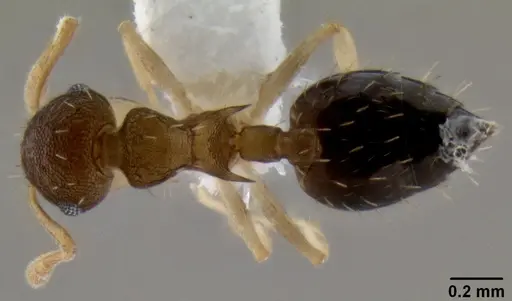
CASENT0905905
View on AntWeb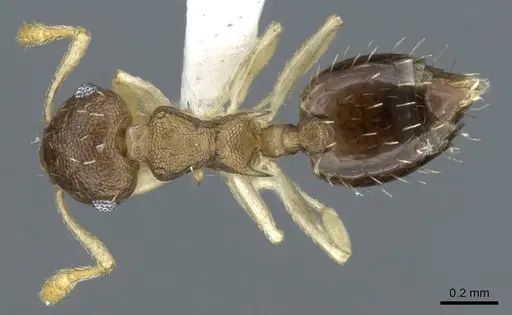
CASENT0912718
View on AntWeb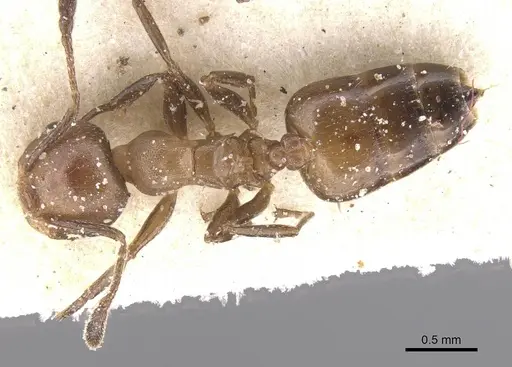
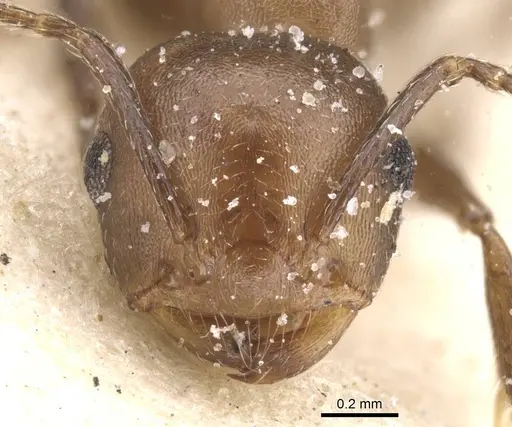
CASENT0914544
View on AntWeb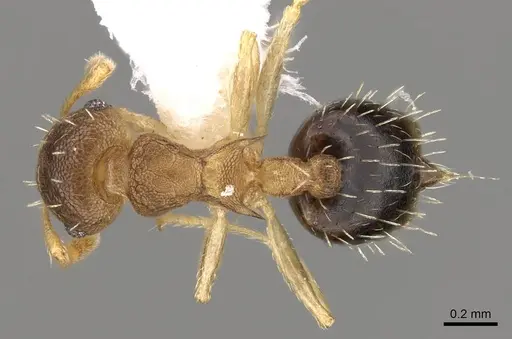
Literature
Loading...Loading products...