

Crematogaster rectinota
- Scientific Name
- Crematogaster rectinota
- Subgenus
- Orthocrema
- Tribe
- Crematogastrini
- Subfamily
- Myrmicinae
- Author
- Forel, 1913
- Distribution
- Found in 5 countries
Crematogaster rectinota Overview
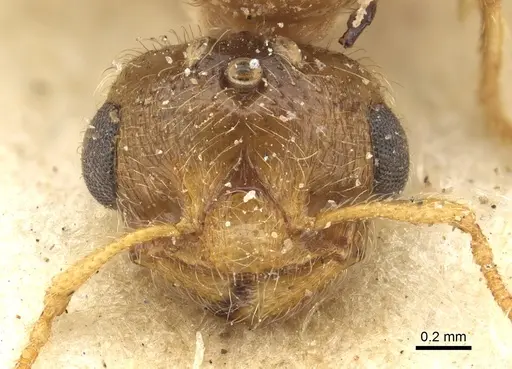
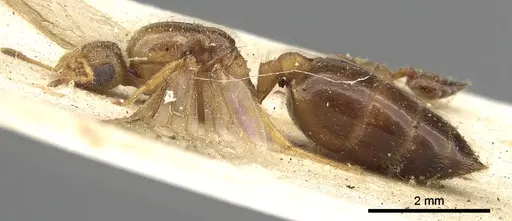
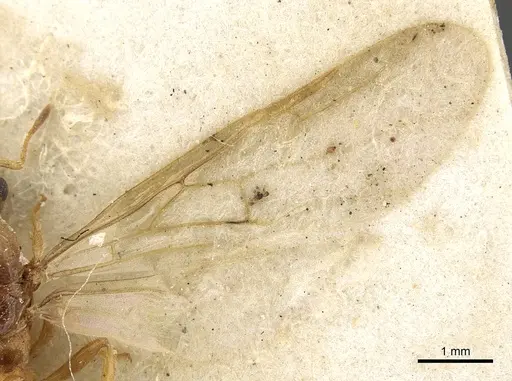
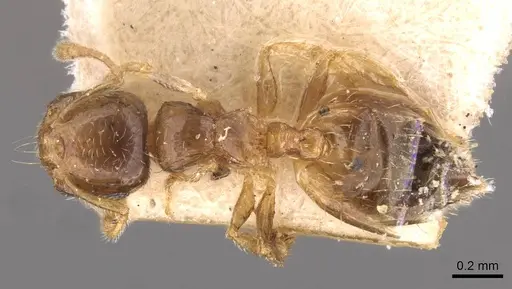
Crematogaster rectinota is an ant species of the genus Crematogaster. It is primarily documented in 5 countries , including Rwanda, Eswatini, South Africa. Detailed taxonomic data and occurrence records can be further explored via authoritative databases such as AntWeb or the Global Biodiversity Information Facility (GBIF).
Crematogaster rectinota
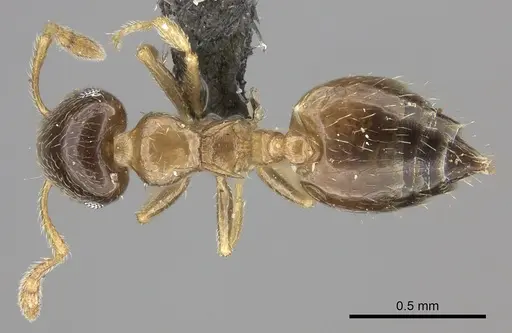
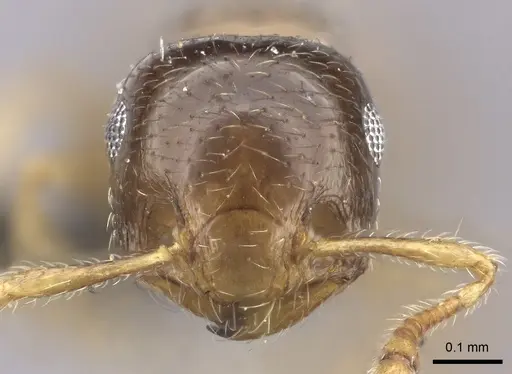
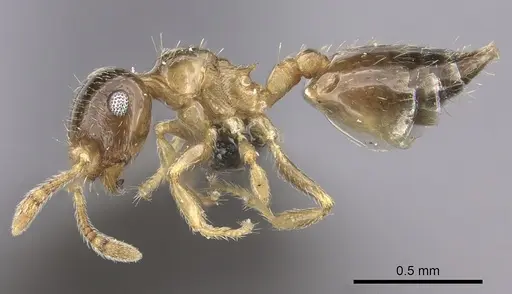
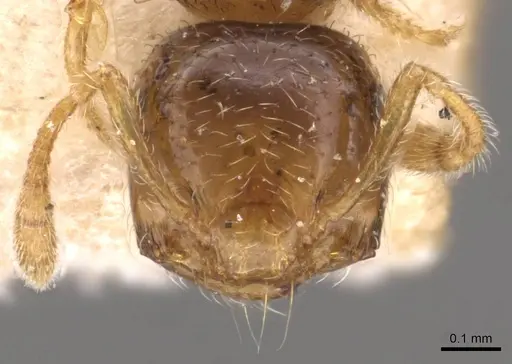
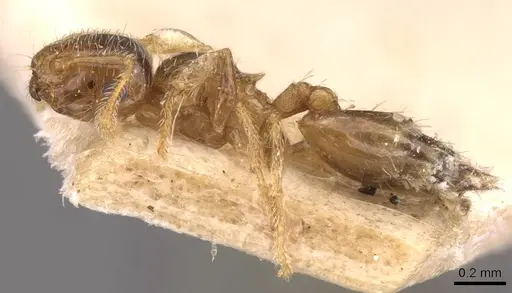
Crematogaster rectinota is a small myrmicine ant species native to the Afrotropical region, found across eastern and southern Africa including Kenya, Tanzania, Zimbabwe, and recently recorded in Rwanda [1]. Workers are small ants, typically 2-4mm, with the genus characteristic heart-shaped abdomen that they can raise over their head like an acrobat, hence the common name 'acrobat ant.' The species has a dark brown to black coloration typical of many Crematogaster species, with a smooth and glossy appearance. This ant was originally described as a subspecies of C. sordidula in 1913 from Bulawayo, Zimbabwe, before being elevated to full species status [2].
This species shows promise as an interesting ant for keepers interested in African species, though it remains relatively uncommon in the hobby. Research indicates C. rectinota serves as an indicator species for healthy, undisturbed grassland ecosystems in southern Africa [3], suggesting it prefers natural habitats with minimal disturbance. The species has been documented in Akagera National Park in Rwanda, indicating it occupies savanna and grassland habitats across its range.
Quick Summary
- Difficulty: Medium
- Origin & Habitat: Afrotropical region, found in Kenya, Tanzania, Zimbabwe, and Rwanda. Inhabits grassland and savanna ecosystems, with research showing preference for control/undisturbed sites [3][1].
- Colony Type: Likely monogyne (single queen) based on typical Crematogaster genus patterns. Colony structure specific to this species is unconfirmed in scientific literature.
- Colony: Monogyne
- Founding: Claustral
- Size & Growth:
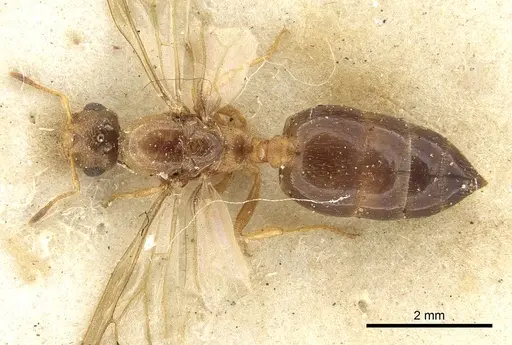
- Queen: Estimated 5-7mm based on genus patterns [2]
- Worker: Estimated 2-4mm based on genus patterns [2]
- Colony: Estimated moderate colonies of several hundred workers based on typical Crematogaster size [2]
- Growth: Moderate, estimated based on genus patterns
- Development: Estimated 6-8 weeks based on typical Myrmicinae development at warm temperatures (Development timeline is estimated from genus patterns, not directly studied for this species)
- Antkeeping:
- Temperature: Aim for 22-26°C based on African grassland habitat. Provide a gentle temperature gradient allowing workers to self-regulate. Room temperature in this range is suitable.
- Humidity: Moderate humidity around 50-70%. Keep nest substrate slightly moist but not waterlogged. Provide a water source via test tube cotton.
- Diapause: Unknown for this species, African ants from this region may not require true hibernation but may have reduced activity during cooler dry seasons
- Nesting: In nature they likely nest in soil, under stones, or in rotting wood based on genus patterns. Test tube setups work well for founding colonies. Y-tong or plaster nests suitable for established colonies.
- Behavior: Crematogaster ants are known for their distinctive defensive behavior, they raise their abdomen over their head when threatened, which gives them their 'acrobat ant' name. Workers are active foragers and may be aggressive when defending the nest. They have a functional stinger but are too small to cause significant pain to humans. Escape prevention should be moderate, their small size means they can squeeze through small gaps but they are not extreme escape artists like some tiny species.
- Common Issues: limited availability in antkeeping hobby, may be difficult to source, wild-caught colonies may carry parasites that affect captive survival, small colony size during founding phase requires careful monitoring, temperature management important for this African species, avoid cool conditions, limited species-specific care information means keepers must rely on genus knowledge
Housing and Nest Setup
For founding colonies, a simple test tube setup works well. Fill a test tube with water and plug the open end with cotton wool, creating a water reservoir. Place the queen in a founding chamber, you can use a small plastic container or a section of the test tube. Keep the setup in darkness and avoid disturbing the queen during the founding phase. Once workers arrive (nanitics will be small), you can continue in the test tube for several months. For established colonies, Y-tong nests or plaster nests work well. The species likely prefers nesting in slightly moist conditions with some organic material. Avoid overly dry or overly wet conditions. [2]
Feeding and Diet
Crematogaster rectinota is likely an omnivorous forager based on genus patterns. Offer sugar water or honey as a constant energy source. For protein, provide small insects like fruit flies, pinhead crickets, or mealworms. They are likely to accept small prey items and may tend aphids for honeydew in captivity. Feed protein 2-3 times per week, and keep sugar water available at all times. Remove uneaten prey after 24 hours to prevent mold issues. Fresh killed insects are generally better accepted than live prey for smaller colonies. [2]
Temperature and Seasonal Care
Maintain temperatures between 22-26°C for optimal colony development. This species comes from African grasslands, so warmth is important. A heating cable on one side of the nest can create a temperature gradient. Avoid temperatures below 18°C for extended periods. Regarding diapause, this species likely does not require true hibernation given its African origin, but may show reduced activity during cooler periods. If your room temperature drops significantly in winter, consider providing gentle warmth. Monitor colony behavior, if workers become less active, slightly reduce feeding rather than expect full dormancy. [3][1]
Behavior and Handling
Crematogaster ants are known for their distinctive defensive display, when threatened, workers raise their abdomen over their thorax and head, like an acrobat balancing on their hands. This is where the common name 'acrobat ant' comes from. They do have a stinger but due to their small size, it rarely penetrates human skin. Workers are active foragers and will readily explore their outworld for food. They are generally more nervous than aggressive but will defend the nest if threatened. Handle with care and provide appropriate escape prevention, though they are not among the most problematic escape artists. [2]
Colony Development
The queen will seal herself in a small chamber during claustral founding, living off her stored fat reserves while raising the first brood. Expect the first workers (nanitics) to emerge in 6-8 weeks under warm conditions. These first workers will be smaller than mature workers. The colony will grow gradually through the worker population increasing over several months to years. Colony growth rate is moderate, expect several dozen workers by the end of the first year under good conditions. Mature colonies may reach several hundred workers. The queen is long-lived and can produce workers for many years. [2]
Frequently Asked Questions
How long does it take for Crematogaster rectinota to produce first workers?
Expect 6-8 weeks from egg to first worker (nanitics) under optimal warm conditions (around 24-26°C). This is an estimate based on typical Myrmicinae development, as this specific species has not been directly studied.
Do Crematogaster rectinota ants sting?
Yes, they have a stinger but due to their very small size (2-4mm), it rarely penetrates human skin. Most keepers report minimal to no pain from their sting. The more notable defensive behavior is raising their abdomen over their head.
What do Crematogaster rectinota ants eat?
They are omnivorous. Offer sugar water or honey constantly for energy, and protein sources like small insects (fruit flies, pinhead crickets, mealworms) 2-3 times per week. They will likely accept a variety of foods typical of the genus.
Are Crematogaster rectinota good for beginners?
This species is rated as Medium difficulty. While not the most challenging ant, the limited species-specific information available means keepers may need to rely on genus knowledge. They are more commonly available in Europe than in North America.
What temperature do Crematogaster rectinota need?
Keep them warm at 22-26°C. This African species does not tolerate cool conditions well. Room temperature in this range is suitable, or use a heating cable on one side of the nest to create a gradient.
Do Crematogaster rectinota need hibernation?
True hibernation is likely not required given their African origin. They may show reduced activity during cooler periods but should not be subjected to cold temperatures like temperate species. Keep them warm year-round.
How big do Crematogaster rectinota colonies get?
Colony size is estimated at several hundred workers based on typical Crematogaster patterns. This species has not been extensively studied in captivity, so exact maximum sizes are uncertain.
Can I keep multiple Crematogaster rectinota queens together?
This species is likely monogyne (single queen) based on typical genus patterns. Combining unrelated queens is not recommended as they may fight. If you obtain a colony, assume single-queen structure.
What type of nest is best for Crematogaster rectinota?
Test tubes work well for founding colonies. For established colonies, Y-tong nests or plaster nests with moisture retention are suitable. They likely prefer slightly moist conditions over completely dry setups.
Where is Crematogaster rectinota found?
This species is native to the Afrotropical region, specifically documented in Kenya, Tanzania, Zimbabwe, and Rwanda. It inhabits grassland and savanna ecosystems.
References

This caresheet is licensed under CC BY-SA 4.0 .
Literature
Loading...Loading products...