

Crematogaster raptor
- Scientific Name
- Crematogaster raptor
- Subgenus
- Orthocrema
- Tribe
- Crematogastrini
- Subfamily
- Myrmicinae
- Author
- Longino, 2003
- Distribution
- Found in 2 countries
Crematogaster raptor Overview
Crematogaster raptor is an ant species of the genus Crematogaster. It is primarily documented in 2 countries , including Costa Rica, Ecuador. Detailed taxonomic data and occurrence records can be further explored via authoritative databases such as AntWeb or the Global Biodiversity Information Facility (GBIF).
Crematogaster raptor
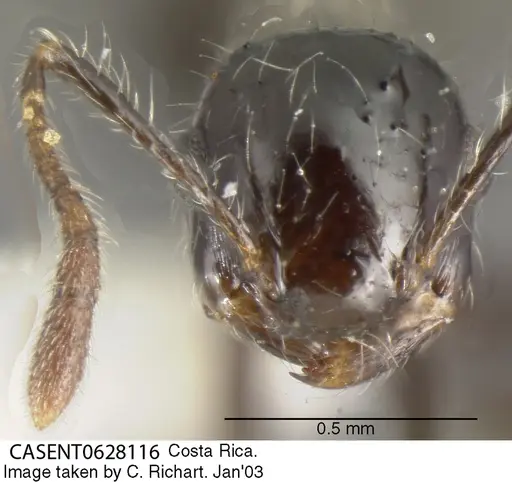
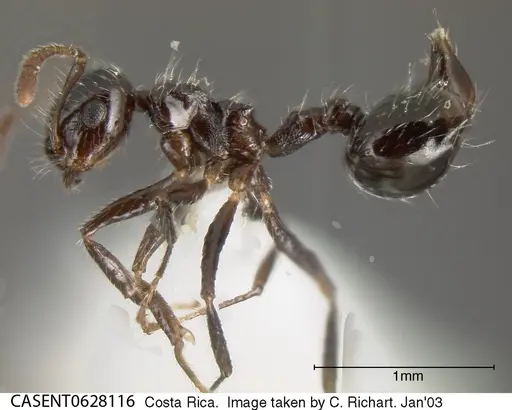
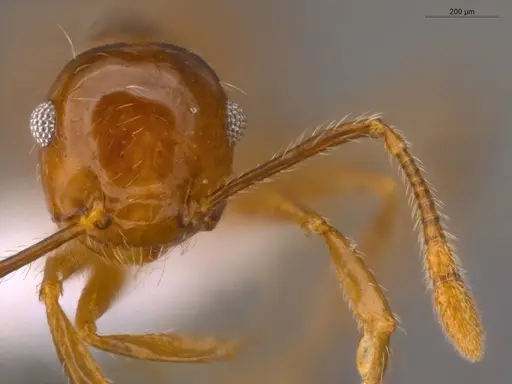
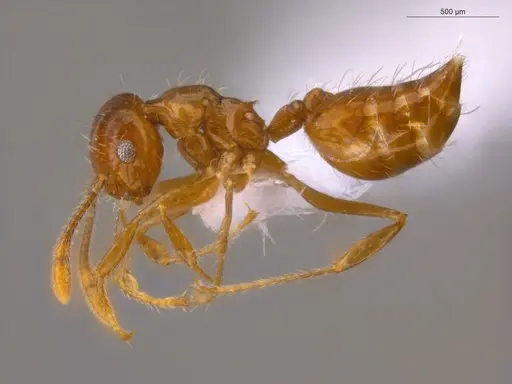
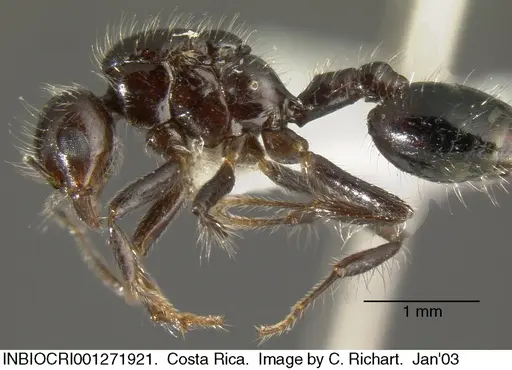
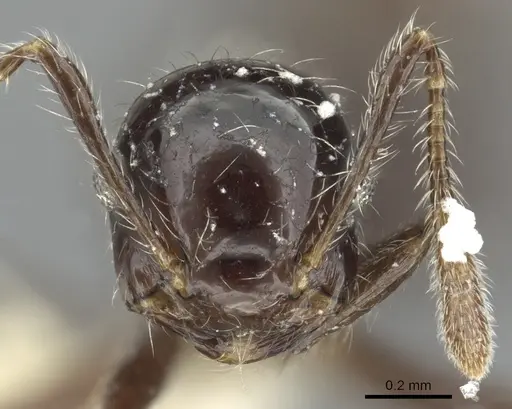
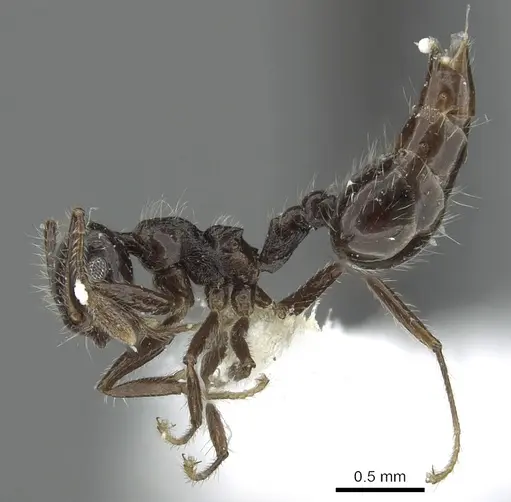
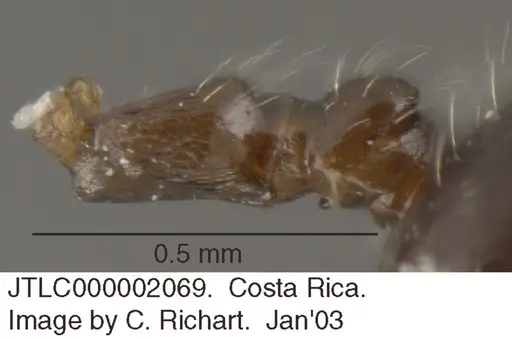
Crematogaster raptor is a small, arboreal ant species native to the lowland wet forests of Costa Rica. Workers measure 0.63-0.69mm in head length and display a dark red-brown to black coloration with a smooth, shiny body surface and abundant erect white setae. The most distinctive feature is the greatly reduced propodeal spines, appearing as mere low ridges rather than proper spines. Queens are equally striking with their polished, shiny body and uniquely hooked (falcate) mandibles that give the species its name 'raptor', referring to the raptorial or predatory nature of these mandibles. This species constructs carton nests wedged between vegetation, typically 1.5-2m above ground, and workers actively tend Homoptera (aphids and scale insects) for honeydew. The species exhibits temporary social parasitism, with queens invading established colonies of related species like Crematogaster carinata to establish their own colonies [1].
Quick Summary
- Difficulty: Expert
- Origin & Habitat: Costa Rica, lowland wet forests (Corcovado National Park, Tortuguero, La Selva Biological Station, Cerro Tortuguero). Nests in carton material between vegetation, typically 1.5-2m above ground, or in dead vines [1][2].
- Colony Type: Temporary social parasite, queens invade established colonies of Crematogaster carinata to found colonies. Colony structure after establishment is unconfirmed but appears to be single-queen based on observations [1].
- Colony: Monogyne
- Queen: Temporary parasitic
- Size & Growth:
- Queen: Approximately 0.67mm head length (estimated from worker proportions, queen described but exact measurements limited) [1]
- Worker: 0.63-0.69mm head length (HL), workers are small relative to many Crematogaster species [1]
- Colony: Unknown, only small colonies observed in the wild [1]
- Growth: Unknown
- Development: Unconfirmed, no direct development data exists for this species. Based on typical Crematogaster patterns in tropical conditions, estimate 4-8 weeks at warm temperatures. (Development timeline has not been directly studied. Related tropical Crematogaster species typically develop faster than temperate species.)
- Antkeeping:
- Temperature: Keep warm, approximating lowland tropical conditions. Aim for 24-28°C with stable temperatures. Avoid temperature drops below 22°C [1].
- Humidity: Requires high humidity, think damp rainforest conditions. Keep nest substrate consistently moist but not waterlogged. Provide humidity levels of 70-80% in the nest area. These are forest-dwelling ants that need moisture [1].
- Diapause: Unlikely, as a tropical species from lowland Costa Rica, they probably do not require a true diapause. Maintain warm conditions year-round.
- Nesting: Arboreal nesting, they build carton nests in vegetation. In captivity, provide a naturalistic setup with plant material or cork bark pieces they can build between. A Y-tong or acrylic nest with added plant material works well. They prefer elevated nesting sites, not ground-level nests. Keep nest humidity high and provide small chambers [1].
- Behavior: Workers are active foragers that tend Homoptera (aphids and scale insects) for honeydew, this is a key part of their diet. They are nocturnal to crepuscular, with specimens collected during nighttime collecting trips. Workers are relatively non-aggressive compared to some Crematogaster species but will defend their nest. The species shows temporary social parasitism during colony founding, queens seek out established colonies of related species (C. carinata) to invade. Escape risk is moderate due to small size, use standard barrier methods but they are not extreme escape artists like some tiny species. Queens have distinctive falcate mandibles that may be used in host colony integration [1].
- Common Issues: temporary social parasitism makes founding extremely difficult, queens need a host colony to establish, tropical humidity requirements mean dry conditions quickly cause colony decline, nocturnal activity pattern means they may be less visible during daytime, arboreal nesting means standard ground nests may not be accepted, very limited distribution means wild colonies are rarely available, host specificity, may only parasitize specific Crematogaster species
Understanding Crematogaster raptor's Unique Biology
Crematogaster raptor stands out among ants due to its distinctive colony founding strategy. Unlike most ants where queens establish colonies independently, C. raptor queens practice temporary social parasitism. The queen seeks out an established colony of a related species (specifically Crematogaster carinata has been documented) and infiltrates it. This behavior is reflected in her unique morphology, the strongly falcate (hook-like) mandibles that give the species its name 'raptor' are likely adaptations for this parasitic lifestyle, potentially used to subdue or intimidate host workers during infiltration. Once established, the queen presumably kills or replaces the host queen and uses the host workers to raise her own brood until her first workers emerge. This makes captive establishment extremely challenging, you would need both the parasitic queen and an established host colony [1].
Housing and Nest Setup
This is an arboreal species that naturally nests in carton material constructed between vegetation, typically 1.5-2 meters above ground. They also occupy hollow dead vines. In captivity, provide a naturalistic setup that mimics these conditions. A formicarium with cork bark, twigs, or other plant material arranged vertically gives them options for nest construction. Alternatively, a Y-tong nest with added moist plant material can work. The key is elevation, they prefer nesting above ground level. Keep humidity high (70-80%) and ensure the nest material stays damp but not soaking wet. Because they tend Homoptera, you might consider providing a small plant or stem section where they can tend aphids. Avoid fully enclosed test tube setups, they prefer more open, ventilated arboreal conditions [1].
Feeding and Diet
In the wild, Crematogaster raptor workers are active tenders of Homoptera (aphids and scale insects), collecting the honeydew these insects produce. This sugar source is a primary food resource. They also likely supplement their diet with small insects and other protein sources. In captivity, offer sugar water or honey water as a constant food source to mimic honeydew. For protein, provide small live prey like fruit flies, pinhead crickets, or similar small insects. Because they are small ants, prey items should be appropriately sized. The nocturnal activity pattern means they may be most active in evening hours, consider timing protein feedings accordingly. Always ensure fresh water is available [1].
Temperature and Seasonal Care
As a lowland tropical species from Costa Rica, Crematogaster raptor requires warm, stable temperatures year-round. Maintain nest temperatures between 24-28°C, avoiding any prolonged drops below 22°C. These ants come from consistently warm, humid rainforest environments where temperatures vary little throughout the year. Unlike temperate species, they do not require hibernation or diapause periods. A heating cable or mat on one side of the nest can help maintain appropriate temperatures, but always provide a temperature gradient so ants can self-regulate. Room temperature in most homes may be too cool, consider using a small thermostat-controlled heater for the ant area. High ambient humidity is equally important, dry conditions quickly stress these forest-dwelling ants [1].
The Challenge of Colony Establishment
Prospective keepers should understand that establishing Crematogaster raptor in captivity presents unique challenges due to their temporary social parasitic founding strategy. Wild-caught queens alone will likely fail to establish because they require a host colony to infiltrate. Even if you obtain a queen with workers from the wild, the colony dynamics may be unstable. The most successful approach would require maintaining both the host species (Crematogaster carinata or a closely related species) and introducing the parasitic queen, a complex undertaking. This species is best suited for experienced antkeepers with specific knowledge of Neotropical ant husbandry. For most hobbyists, alternative Crematogaster species with straightforward claustral founding would be more practical choices. If you do obtain a colony, expect slow growth and be prepared for potential colony failure [1].
Frequently Asked Questions
How do I establish a Crematogaster raptor colony?
Establishing this species is extremely difficult due to temporary social parasitism. Queens cannot found colonies independently, they must invade an established colony of a related species (Crematogaster carinata has been documented as a host). You would need to maintain both the host colony and introduce the parasitic queen. This makes C. raptor one of the most challenging Crematogaster species to keep and is not recommended for beginners [1].
What do Crematogaster raptor ants eat?
They primarily feed on honeydew from Homoptera (aphids and scale insects) in the wild. In captivity, provide sugar water or honey water as a constant food source. For protein, offer small live prey like fruit flies or tiny crickets. Their small size means prey should be appropriately sized [1].
What temperature do Crematogaster raptor ants need?
Keep them warm at 24-28°C. This is a lowland tropical species from Costa Rica that requires year-round warmth. Avoid temperatures below 22°C for extended periods. A heating setup with temperature gradient is recommended [1].
Do Crematogaster raptor ants need hibernation?
No, they do not require hibernation. As a tropical species from lowland Costa Rica, they need warm conditions year-round. There is no diapause period, maintain stable warm temperatures throughout the year.
What size are Crematogaster raptor workers?
Workers are small, measuring 0.63-0.69mm in head length. They are relatively small compared to many other Crematogaster species. Queens are similarly sized with distinctive falcate (hook-like) mandibles [1].
Where does Crematogaster raptor live in the wild?
This species is found only in Costa Rica, specifically in lowland wet forests including Corcovado National Park, Tortuguero, and La Selva Biological Station. They nest in carton material between vegetation, typically 1.5-2m above ground, or in dead vines [1].
Are Crematogaster raptor ants aggressive?
They are relatively non-aggressive compared to some Crematogaster species, but will defend their nest if threatened. Workers are nocturnal foragers and tend to avoid confrontation. The main defense is their ability to construct carton nests in elevated locations away from ground predators [1].
How big do Crematogaster raptor colonies get?
The maximum colony size is unknown. Only small colonies have been observed in the wild. Based on related species, colonies likely reach several hundred workers, but this is an estimate as specific data is lacking [1].
What makes Crematogaster raptor different from other Crematogaster?
Several unique traits: 1) Temporary social parasitism during colony founding,2) Greatly reduced propodeal spines (appearing as low ridges),3) Distinctive falcate mandibles on the queen,4) Arboreal carton nesting (not ground-nesting),5) Nocturnal activity pattern,6) Very limited distribution in Costa Rica only [1].
Can I keep Crematogaster raptor in a test tube setup?
A standard test tube setup is not ideal. This is an arboreal species that naturally nests in elevated carton material between vegetation. They prefer more naturalistic setups with plant material, cork bark, or similar structures they can build between. A Y-tong with added plant material or a naturalistic formicarium would be more appropriate [1].
Do Crematogaster raptor ants sting?
Crematogaster ants have a stinger but it is small and rarely penetrates human skin. While they can sting, the pain is minimal compared to larger ants. The main concern is their ability to squirt formic acid when threatened, which can be irritating [2].
Is Crematogaster raptor suitable for beginners?
No, this species is not suitable for beginners. The temporary social parasitic founding strategy makes establishment extremely difficult, requiring both a host colony and parasitic queen. Additionally, they have specific humidity and temperature requirements matching their lowland tropical habitat. This species is best left to expert antkeepers with specific Neotropical ant experience [1].
References

This caresheet is licensed under CC BY-SA 4.0 .
CASENT0628116
View on AntWeb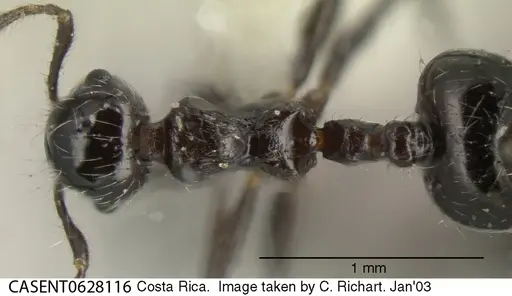
ECOFOG-CSG15-0223-04
View on AntWeb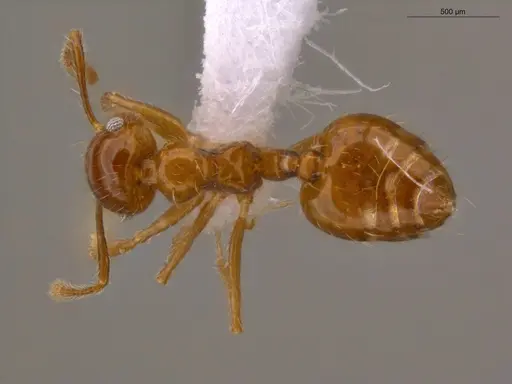
INBIOCRI001271921
View on AntWeb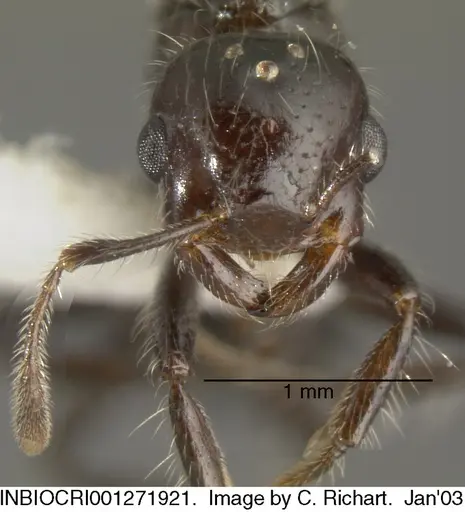
JTLC000001412
View on AntWeb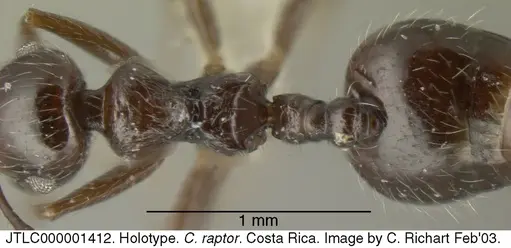
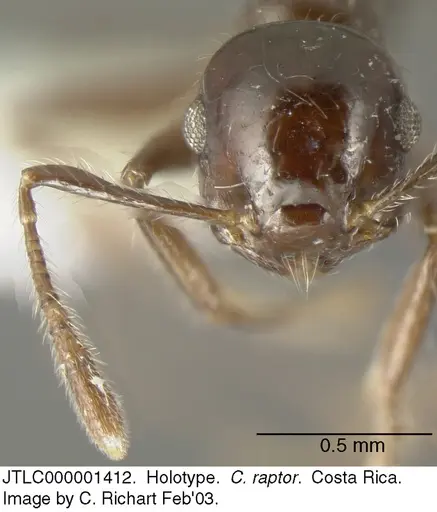
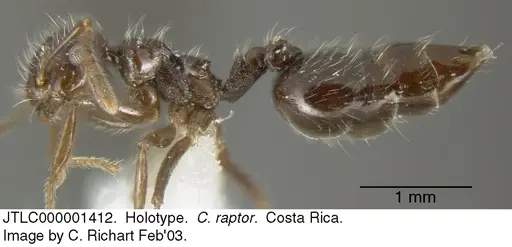
JTLC000001413
View on AntWeb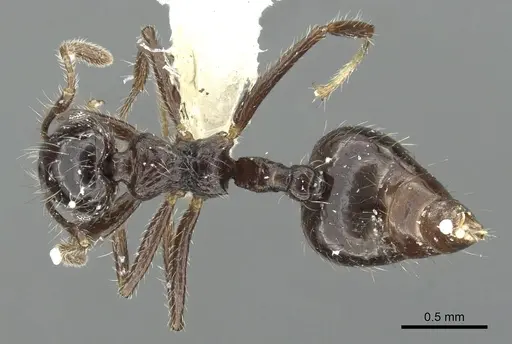
JTLC000002069
View on AntWeb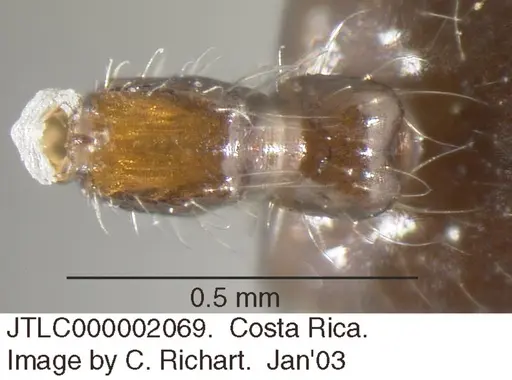
Literature
Loading...Loading products...