

Crematogaster ramamy
- Scientific Name
- Crematogaster ramamy
- Tribe
- Crematogastrini
- Subfamily
- Myrmicinae
- Author
- Blaimer, 2013
- Distribution
- Found in 1 countries
Crematogaster ramamy Overview
Crematogaster ramamy is an ant species of the genus Crematogaster. It is primarily documented in 1 countries , including Madagascar. Detailed taxonomic data and occurrence records can be further explored via authoritative databases such as AntWeb or the Global Biodiversity Information Facility (GBIF).
Crematogaster ramamy
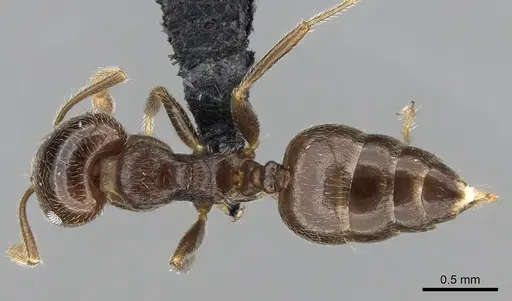
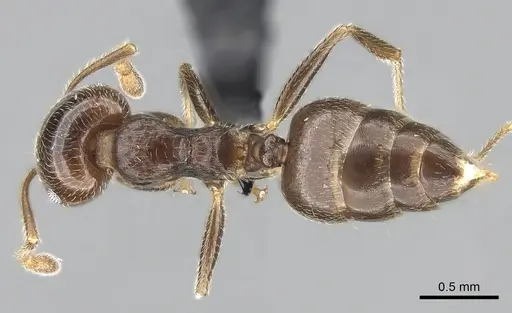
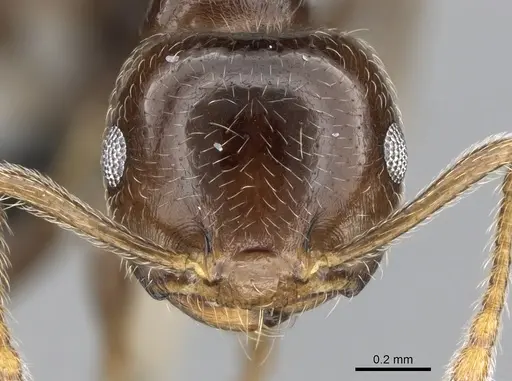
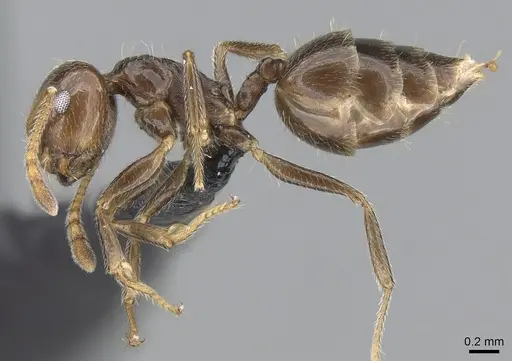
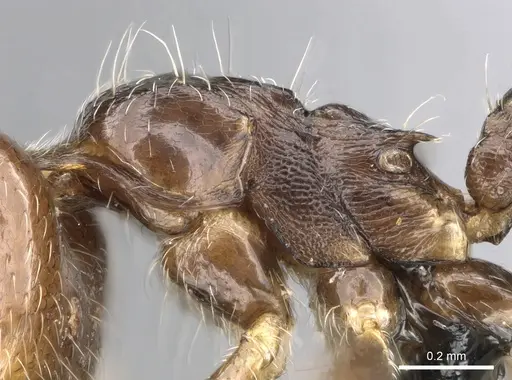
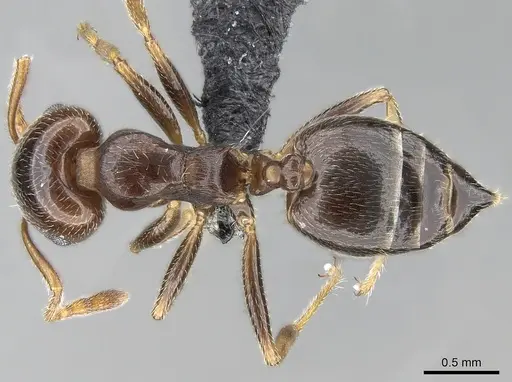
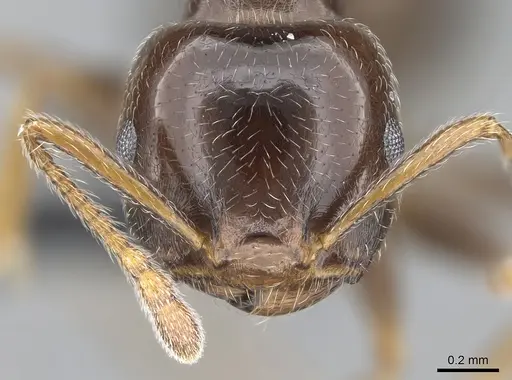
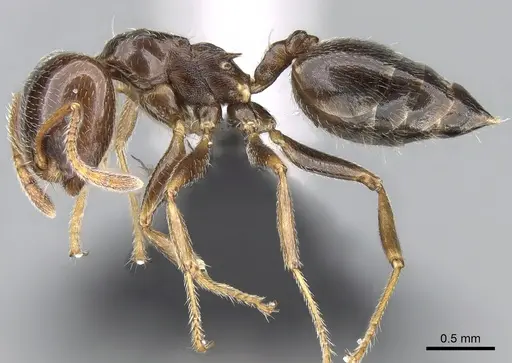
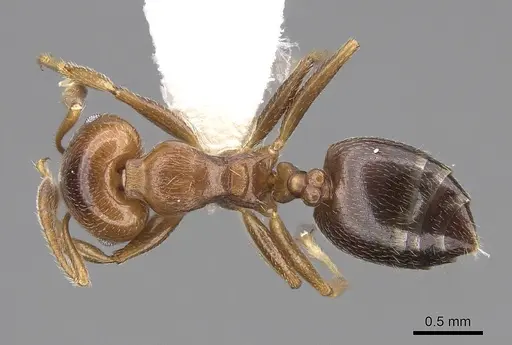
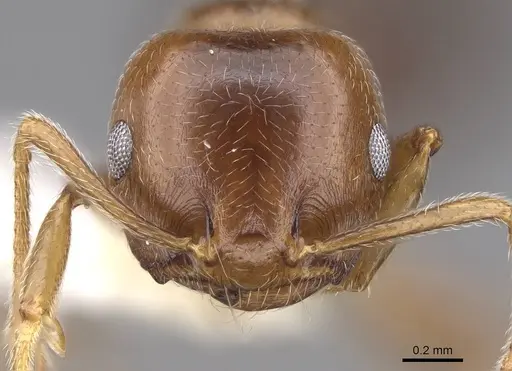
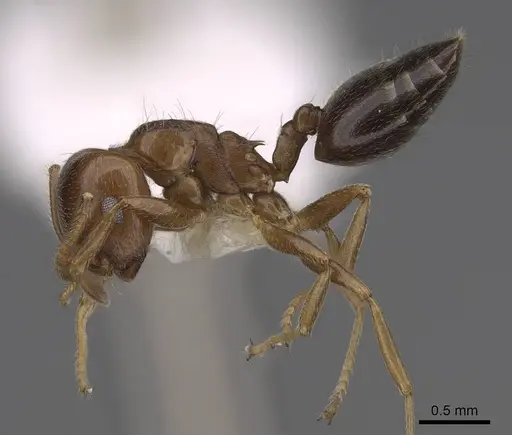
Crematogaster ramamy is a small to medium-sized ant native to Madagascar, measuring 0.75-1.04mm in head width. Workers are reddish brown to dark brown with distinctive features including abundant erect hairs on the promesonotum (more than eight setae) and short propodeal spines. A unique identifying feature is a transverse impression across the propodeum. This species nests arboreally in dead twigs above ground and is found at low elevations in western and northwestern Madagascar, including dry forest, savannah, and mangrove habitats, with an isolated population at higher altitude (1410m) in RS Amhohitantely. Unlike many ant species, C. ramamy is equally active foraging during both day and night, and they are strongly attracted to protein baits.
Quick Summary
- Difficulty: Medium
- Origin & Habitat: Western and northwestern Madagascar, dry forest, savannah, and mangrove habitats at elevations from sea level to 1410m [1][2]
- Colony Type: Colony structure is unconfirmed. Only the worker caste has been documented. Based on typical Crematogaster patterns, likely single-queen colonies.
- Size & Growth:
- Queen: Unknown, queen caste has not been described
- Worker: 0.75-1.04mm head width,0.86-1.12mm mesosoma length [1]
- Colony: Unknown, colony size data not available
- Growth: Unknown, development timeline has not been studied
- Development: Unconfirmed, no direct data available. Based on typical Crematogaster development, estimate 6-10 weeks at optimal temperature. (Development time is unconfirmed for this species. Related Crematogaster species typically develop from egg to worker in 6-10 weeks depending on temperature.)
- Antkeeping:
- Temperature: Keep at 22-26°C. This species comes from warm Madagascar habitats including lowland mangroves, so they prefer warmer conditions. A gentle temperature gradient allows workers to regulate their exposure.
- Humidity: Moderate humidity (50-70%). These ants naturally inhabit dry forest and savannah, so they tolerate drier conditions better than rainforest species. Allow the nest to dry out partially between water additions.
- Diapause: Unconfirmed, no specific data on hibernation requirements. Madagascar has mild winters, so a brief cool period (2-3 months at 15-18°C) may be beneficial but is not required.
- Nesting: Arboreal nester, in captivity they do well in Y-tong nests, acrylic nests, or test tube setups with twigs/branches available. Provide narrow chambers and small passages scaled to their tiny size. They prefer nesting in elevated positions.
- Behavior: Crematogaster ramamy is an active forager that hunts both day and night. Workers are attracted to protein baits and likely tend aphids for honeydew in captivity. They have a defensive bite and may raise their abdomen (the classic Crematogaster gaster flag display) when threatened. Their small size makes escape prevention important, use fine mesh and tight-fitting barriers. They are arboreal by nature and will explore vertically.
- Common Issues: escape prevention is critical due to their very small size, they can squeeze through standard barrier gaps, lack of colony data means keepers are working with estimates, monitor colony response and adjust care accordingly, wild-caught colonies may carry parasites that can cause colony failure, protein-focused diet is essential, they are strongly attracted to protein baits and may ignore sugar-only offerings, arboreal nature means they prefer elevated nest positions and may not thrive in ground-level setups
Housing and Nest Setup
Crematogaster ramamy is an arboreal species that naturally nests in dead twigs above ground. In captivity, Y-tong (AAC) nests work well because they provide narrow chambers scaled to these tiny ants. Acrylic nests or test tube setups with small diameter tubes are also suitable. The key is providing chambers and passages that match their small size, passages that are too wide make them feel insecure. They prefer elevated nest positions, so placing the nest above the outworld floor level helps them feel at home. A small outworld connected to the nest allows for foraging. Escape prevention is critical due to their tiny size, use fine mesh barriers (at least 0.5mm mesh or tighter) and ensure all connections are sealed. [1][2]
Feeding and Diet
In the wild, C. ramamy is strongly attracted to protein baits including fish baits, and they are active foragers both day and night. This suggests they are primarily predatory or scavengers on protein sources. In captivity, offer small protein sources like fruit flies, pinhead crickets, mealworms, and other small insects. They may also accept sugar water or honey, though they are less strongly attracted to sugar than some Crematogaster species. Feed protein 2-3 times per week, and keep a sugar water source available at all times. Remove uneaten prey after 24-48 hours to prevent mold. Their small size means prey should be appropriately sized, tiny insects are better than large ones. [1]
Temperature and Humidity
This species comes from warm Madagascar habitats including mangroves, so they prefer temperatures in the 22-26°C range. A gentle temperature gradient (warm end around 26°C, cooler end around 22°C) allows workers to self-regulate. Heating cables or mats placed on one side of the nest can create this gradient. For humidity, aim for 50-70%, these ants naturally inhabit dry forest and savannah, so they are more tolerant of drier conditions than rainforest species. Allow the nest substrate to dry out partially between water additions. Avoid keeping them too wet, as this can cause mold problems. Good ventilation helps maintain appropriate humidity while preventing stagnation. [1][2]
Behavior and Temperament
Crematogaster ramamy is an active species with workers that forage both during the day and at night, this is unusual among ants and indicates high activity levels. When threatened, they may raise their abdomen in a gaster flag display, a classic Crematogaster defense behavior. Workers are small but active and will explore their environment thoroughly. They are not particularly aggressive toward humans but will defend their nest. Their arboreal nature means they are comfortable climbing and will often travel along branches, tubes, or other elevated paths. Provide enrichment in the outworld such as small branches or structures to climb on. [1]
Colony Development and Growth
Since only the worker caste is known from scientific collections, there is limited data on colony development for this species. The first workers (nanitics) will likely be smaller than mature workers. Based on typical Crematogaster development patterns, expect 6-10 weeks from egg to first worker at optimal temperature. Growth rate is unknown but is likely moderate. Colonies should be started with a claustral founding queen, though the queen caste has not yet been described in scientific literature. Monitor your colony's growth and adjust feeding and temperature based on their activity levels and brood production.
Seasonal Care and Overwintering
Madagascar has mild winters, so this species may not require a true hibernation period. However, a brief cool period (2-3 months at 15-18°C) during winter months may be beneficial and mimics natural seasonal changes. Reduce feeding during this period and keep the colony slightly cooler. Do not cool them dramatically, they are not cold-hardy. If you choose not to provide a cool period, maintain normal temperatures year-round. Watch for signs of stress during cooler periods, if workers become sluggish and brood development stops, slightly warming them may help.
Frequently Asked Questions
How long does it take for Crematogaster ramamy to produce first workers?
The exact development time is unconfirmed for this species. Based on typical Crematogaster development patterns, expect 6-10 weeks from egg to first worker at optimal temperature (22-26°C). The first workers will likely be smaller (nanitics) than mature workers.
What do Crematogaster ramamy ants eat?
They are strongly attracted to protein sources. Offer small insects like fruit flies, pinhead crickets, or mealworms 2-3 times per week. They may accept sugar water or honey, but protein is the primary food source. Remove uneaten prey after 24-48 hours.
Can I keep Crematogaster ramamy in a test tube setup?
Yes, test tube setups work well for starting colonies. Use a small diameter tube (around 1cm or less) scaled to their tiny size. Ensure excellent escape prevention, their small size means they can squeeze through tiny gaps. A Y-tong or acrylic nest is also suitable once the colony grows.
Do Crematogaster ramamy ants sting?
They have a stinger but are not considered dangerous to humans. When threatened, they may display the classic Crematogaster gaster flag behavior (raising the abdomen) as a defensive warning. They are more likely to bite and escape than to sting.
What temperature do Crematogaster ramamy need?
Keep them warm at 22-26°C. A gentle temperature gradient allows workers to regulate their exposure. They come from warm Madagascar habitats including mangroves, so they prefer warmer conditions. A heating cable on one side of the nest can create this gradient.
Are Crematogaster ramamy good for beginners?
This species is rated as Medium difficulty. While not the most challenging ant, there is limited captive care data available since the species was only described in 2013. Beginners should monitor their colony closely and adjust care based on the ants' behavior. Their small size requires attention to escape prevention.
How big do Crematogaster ramamy colonies get?
Colony size data is not available for this species. Maximum colony size is unknown. Based on related Crematogaster species, colonies likely reach several hundred workers over time with moderate growth.
Do Crematogaster ramamy need hibernation?
Hibernation requirements are unconfirmed. Madagascar has mild winters, so a true hibernation may not be necessary. A brief cool period (2-3 months at 15-18°C) may be beneficial but is not required. Maintain normal temperatures year-round if desired.
Why are my Crematogaster ramamy dying?
Common causes include: escape prevention failures (check for tiny gaps), improper humidity (too wet causes mold, too dry causes desiccation), temperature stress (too cold slows activity, too hot can kill), and poor nutrition. Wild-caught colonies may carry parasites. Review each parameter and adjust based on worker behavior.
When should I move my colony to a formicarium?
Move to a formicarium (like Y-tong or acrylic nest) when the test tube becomes crowded or when the colony has 20+ workers. Arboreal ants like C. ramamy prefer nests with small chambers and elevated positions. Ensure the formicarium has appropriate humidity control and escape prevention.
References

This caresheet is licensed under CC BY-SA 4.0 .
Literature
Loading...Loading products...