

Crematogaster queenslandica
- Scientific Name
- Crematogaster queenslandica
- Subgenus
- Orthocrema
- Tribe
- Crematogastrini
- Subfamily
- Myrmicinae
- Author
- Forel, 1902
- Distribution
- Found in 1 countries
Crematogaster queenslandica Overview
Crematogaster queenslandica is an ant species of the genus Crematogaster. It is primarily documented in 1 countries , including Australia. Detailed taxonomic data and occurrence records can be further explored via authoritative databases such as AntWeb or the Global Biodiversity Information Facility (GBIF).
Crematogaster queenslandica
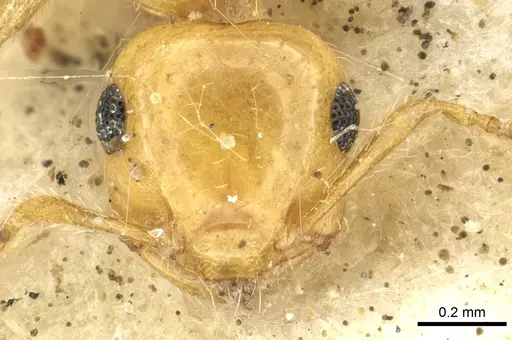
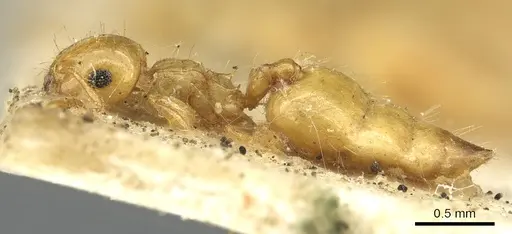
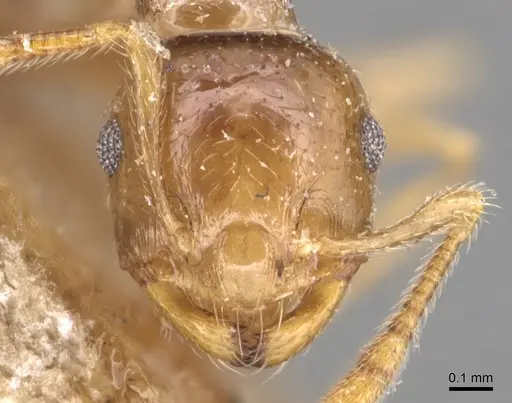
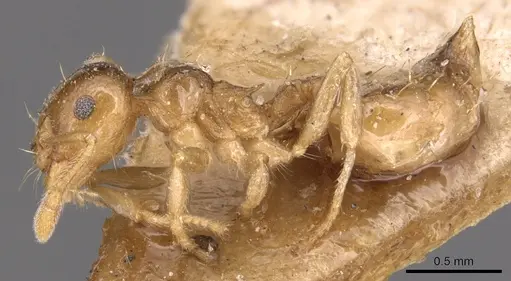
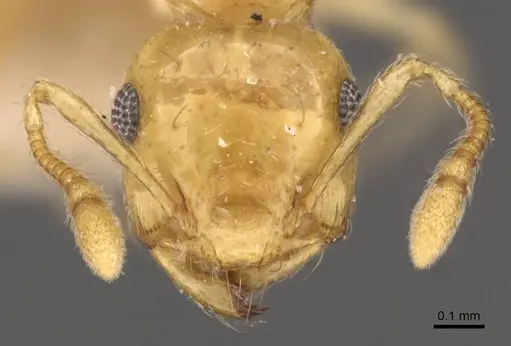
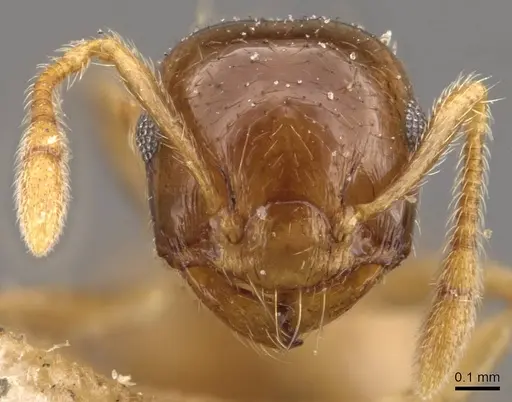
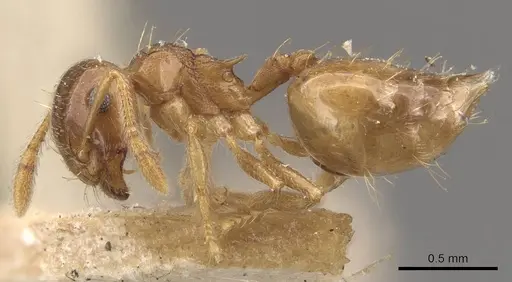
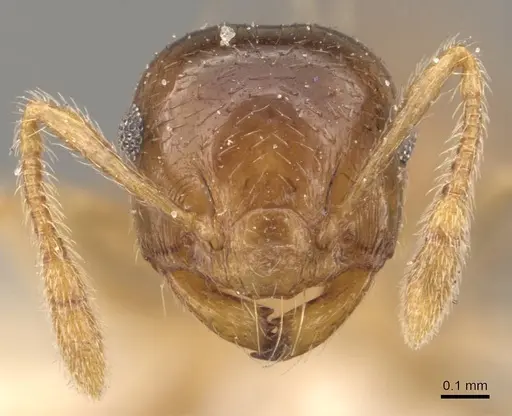
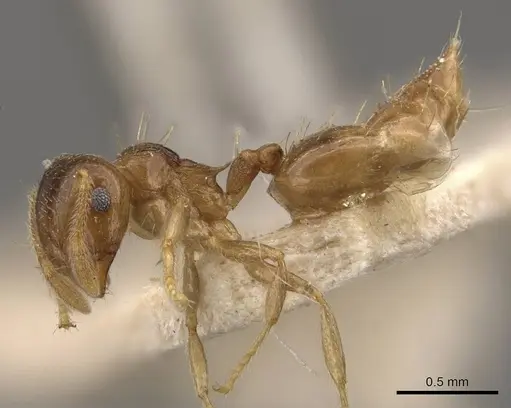
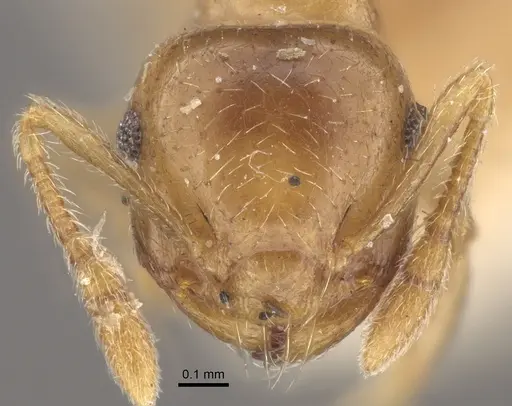
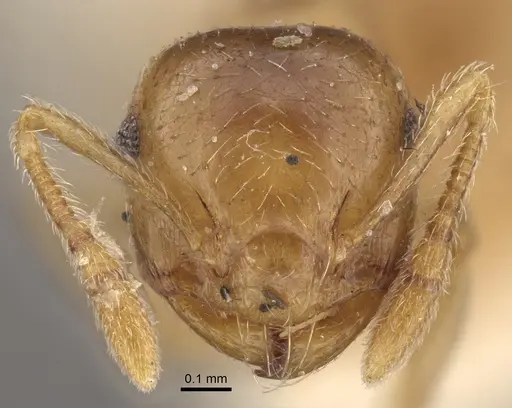
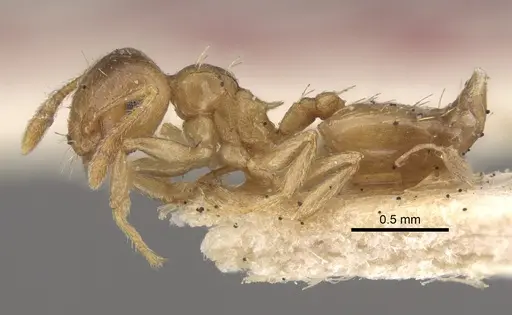
Crematogaster queenslandica is a small to medium-sized ant native to Queensland, Australia. Workers are typically brown and measure around 3-5mm. They get their common name 'acrobat ants' from their distinctive behavior of raising their abdomen over their head and thorax when disturbed, making them appear to be doing a handstand. This species is widespread across northern Australia and is one of the more common ant species in the region [1]. They belong to the subfamily Myrmicinae and are part of the Generalised Myrmicinae functional group, meaning they are adaptable foragers that can exploit various food resources [2]. The postpetiole (the segment behind the waist) is distinctly bilobate, helping distinguish them from similar species like C. dispar [3].
Quick Summary
- Difficulty: Easy
- Origin & Habitat: Northern Australia, primarily Queensland but also found in Western Australia and the Northern Territory. They inhabit tropical and subtropical environments, often nesting in dead wood, under bark, or in hollow plant stems [2].
- Colony Type: Single-queen colonies (monogyne). Colonies are typically moderate in size for Crematogaster species.
- Colony: Monogyne
- Founding: Claustral
- Size & Growth:
- Queen: Estimated 6-8mm based on genus patterns
- Worker: Estimated 3-5mm based on genus patterns
- Colony: Estimated several hundred workers based on typical Crematogaster colony sizes
- Growth: Moderate
- Development: Estimated 6-8 weeks at optimal temperature based on related Crematogaster species (Development time is typical for tropical Myrmicinae, faster than temperate species)
- Antkeeping:
- Temperature: Keep at 24-28°C. Australian tropical species prefer warm conditions. A heating cable on one side of the nest creates a gentle gradient [2].
- Humidity: Moderate humidity around 50-70%. These ants tolerate drier conditions than many Myrmicinae but still need some moisture. Provide a water tube for drinking.
- Diapause: No true diapause required. Australian species may reduce activity during cooler months but year-round warmth is recommended.
- Nesting: Y-tong (AAC) nests work well, or test tube setups. They prefer nests with narrow chambers and dark conditions. They will accept acrylic, plaster, or naturalistic setups with dead wood pieces.
- Behavior: Generally peaceful but will defend the nest vigorously if threatened. Workers are active foragers that search for sweet liquids, honeydew, and small insects. They are not aggressive toward humans but their small stinger can deliver a mild sting. Escape prevention should be moderate, they are not strong climbers but can squeeze through small gaps.
- Common Issues: colonies may decline if kept too cold, maintain warm temperatures year-round, overfeeding can lead to mold in nest areas, remove uneaten food promptly, wild-caught colonies may have parasites, quarantine and monitor new colonies, queens can be claustral but some Crematogaster species may semi-claustral founding, observe behavior, small colony size means they are vulnerable to stress, avoid disturbing founding colonies
Nest Preferences
In the wild, Crematogaster queenslandica nests in dead wood, under loose bark, and in hollow plant stems [2]. They prefer dark, humid microhabitats with some moisture but not waterlogged conditions. For captive care, Y-tong (AAC) nests work excellently because they provide the dark, compact chambers these ants prefer. Test tube setups are suitable for founding colonies, the queen will seal herself in a chamber and raise the first workers alone. Avoid nests that are too wet or too dry, aim for substrate that feels slightly damp but shows no standing water. Naturalistic setups with pieces of dead wood or cork bark mimic their natural nesting sites and work well for established colonies.
Feeding and Diet
Crematogaster queenslandica is an omnivorous forager with a preference for sweet liquids. In captivity, offer sugar water, honey, or diluted honey water as a constant energy source. They also need protein from small insects like fruit flies, pinhead crickets, or mealworms. Feed protein prey 2-3 times per week, and provide a sugar source continuously, replacing it every few days before it ferments. These ants are efficient foragers and will send workers to collect food quickly. Remove any uneaten prey after 24 hours to prevent mold. They are not picky eaters and will accept most standard ant foods, making them easy to feed.
Temperature and Care
As a tropical Australian species, Crematogaster queenslandica thrives in warm conditions. Keep the nest area at 24-28°C for optimal brood development [2]. Room temperature in most homes (20-24°C) is acceptable, but warmer conditions will speed up development and increase activity. Use a heating cable on one side of the nest if your room is cooler, place it on top of the nest, not underneath, to avoid excessive drying. Unlike temperate species, they do not require hibernation or diapause. Maintain stable temperatures rather than allowing big fluctuations. They can tolerate brief temperature drops but prolonged cold will slow or stop colony growth.
Behavior and Temperament
These ants get their 'acrobat ant' name from their defensive behavior, when threatened, workers raise their abdomen over their head, almost touching their mandibles, making them appear to be performing a handstand. This posture allows them to use their small stinger more effectively. They are not particularly aggressive toward humans and rarely sting, but they will defend their nest vigorously if provoked. Workers are active foragers that search both the nest area and outworld for food. They communicate using chemical trails and will quickly mobilize workers to exploit food sources. Colonies are moderately sized and grow steadily under good conditions.
Colony Growth Timeline
After the queen lays her first eggs, expect 6-8 weeks until the first workers (nanitics) emerge, based on typical Crematogaster development at warm temperatures. The first workers will be smaller than normal workers but will immediately begin helping the queen care for brood. Colony growth is moderate, you can expect the colony to reach 50-100 workers within the first year under good conditions. Growth rate depends heavily on temperature and feeding. Warmer temperatures (within the safe range) and consistent protein feeding will speed development. Once the colony reaches several hundred workers, growth will slow as the colony approaches its typical maximum size.
Frequently Asked Questions
How long does it take for Crematogaster queenslandica to produce first workers?
Expect 6-8 weeks from egg to first worker at optimal temperature (24-28°C). This is typical for tropical Crematogaster species. The first workers (nanitics) will be smaller than normal workers but will immediately help care for more brood.
What do Crematogaster queenslandica ants eat?
They are omnivorous with a sweet tooth. Offer sugar water, honey, or diluted honey continuously. For protein, feed small insects like fruit flies, pinhead crickets, or mealworms 2-3 times per week. Remove uneaten prey after 24 hours to prevent mold.
Do Crematogaster queenslandica ants sting?
Yes, they have a small stinger, but their sting is mild and rarely felt by humans. The more notable behavior is their 'acrobat' defensive posture where they raise their abdomen over their head when threatened.
What temperature do Crematogaster queenslandica ants need?
Keep them warm at 24-28°C. They are tropical Australian ants that thrive in warm conditions. Room temperature is acceptable, but warmer temperatures will speed up brood development.
Do Crematogaster queenslandica ants need hibernation?
No, they do not require hibernation or diapause. As a tropical species, they remain active year-round with consistent warmth. Cooler temperatures will slow their activity but they do not need a winter rest period.
How big do Crematogaster queenslandica colonies get?
Colonies typically reach several hundred workers. This is moderate for Crematogaster species, not as large as some tree-nesting Crematogaster that can reach thousands, but substantial enough to be rewarding to watch.
What type of nest is best for Crematogaster queenslandica?
Y-tong (AAC) nests work well for established colonies. For founding colonies, use a simple test tube setup. They prefer dark, compact chambers and will accept acrylic, plaster, or naturalistic setups with dead wood pieces.
Are Crematogaster queenslandica ants good for beginners?
Yes, they are considered easy to keep. They are adaptable, not aggressive, and accept a wide variety of foods. Their main requirements are warm temperatures and basic humidity control, making them suitable for new ant keepers.
Can I keep multiple Crematogaster queenslandica queens together?
This species is monogyne, single-queen colonies. Combining unrelated queens is not recommended as they will likely fight. Only keep one queen per colony.
Why do my Crematogaster queenslandica ants do handstands?
This is their defensive 'acrobat' behavior! When threatened, they raise their abdomen over their head toward their mandibles. This posture allows them to aim their stinger and is a warning display. It's completely normal behavior.
References

This caresheet is licensed under CC BY-SA 4.0 .
CASENT0902130
View on AntWeb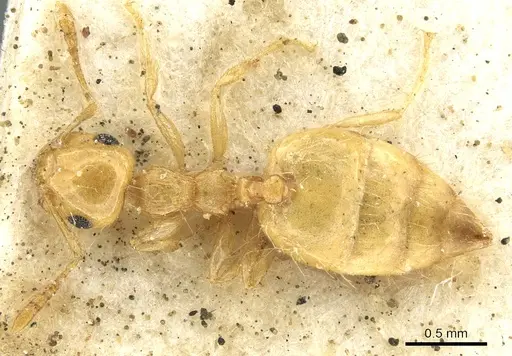
CASENT0904498
View on AntWeb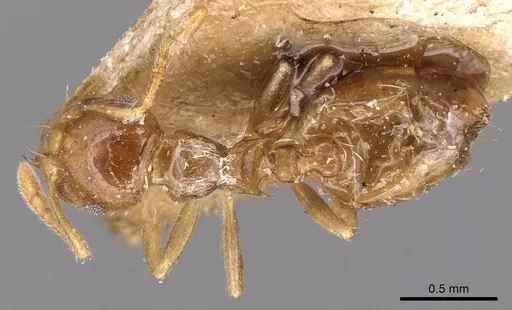
CASENT0908379
View on AntWeb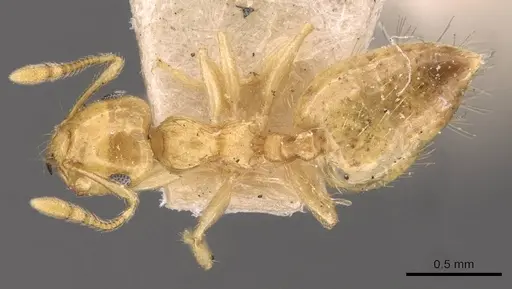
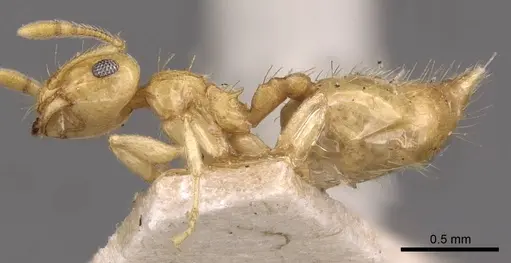
CASENT0908380
View on AntWeb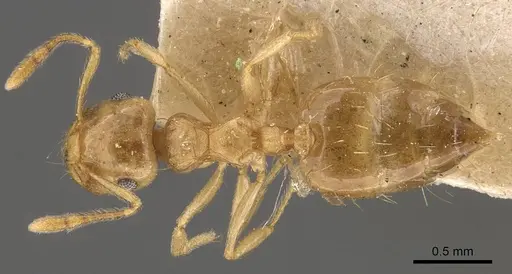
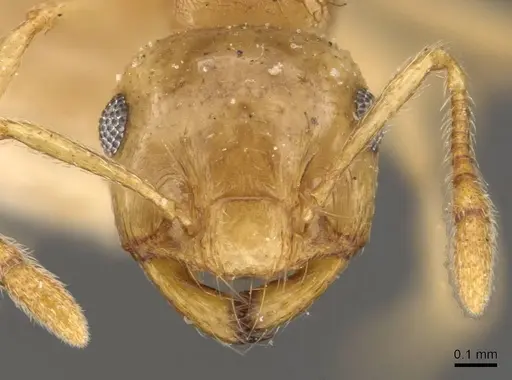
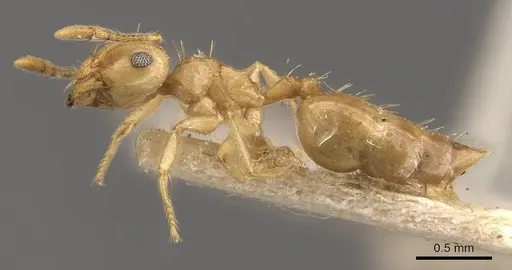
CASENT0908381
View on AntWeb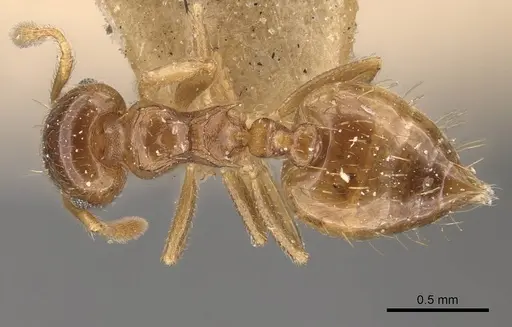
CASENT0908382
View on AntWeb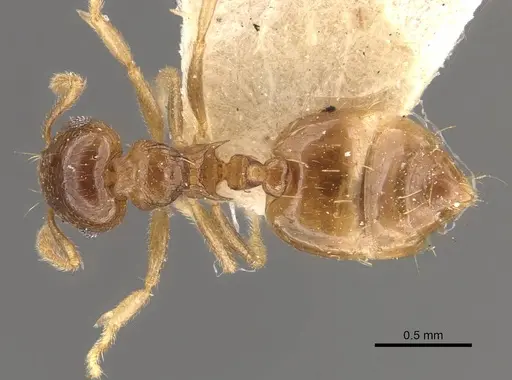
CASENT0917801
View on AntWeb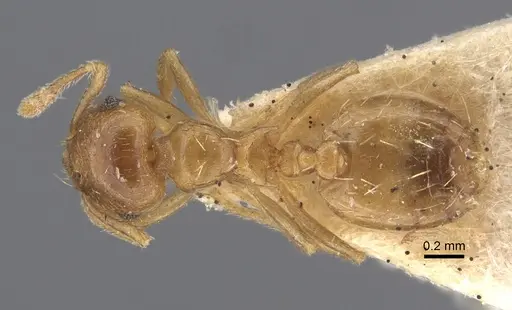
Literature
Loading...Loading products...