

Crematogaster pygmaea
- Scientific Name
- Crematogaster pygmaea
- Subgenus
- Orthocrema
- Tribe
- Crematogastrini
- Subfamily
- Myrmicinae
- Author
- Forel, 1904
- Distribution
- Found in 1 countries
Crematogaster pygmaea Overview
Crematogaster pygmaea is an ant species of the genus Crematogaster. It is primarily documented in 1 countries , including Brazil. Detailed taxonomic data and occurrence records can be further explored via authoritative databases such as AntWeb or the Global Biodiversity Information Facility (GBIF).
Crematogaster pygmaea
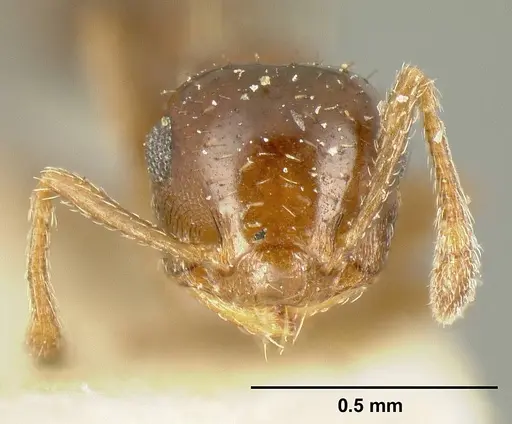
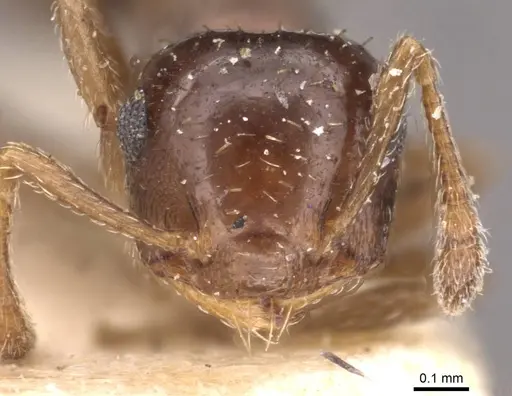
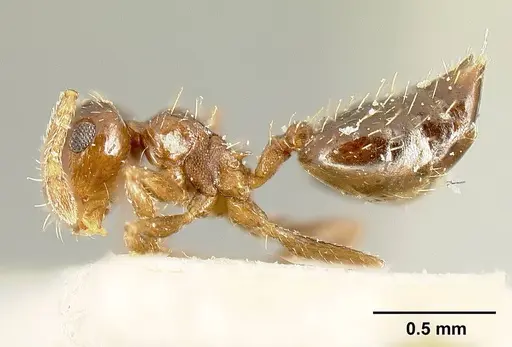
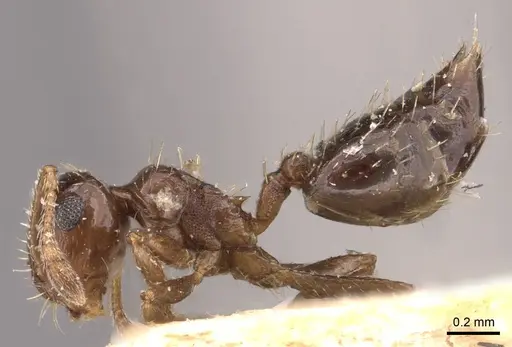
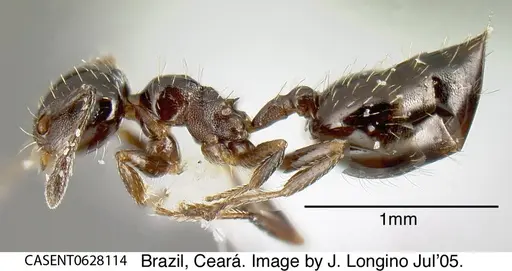
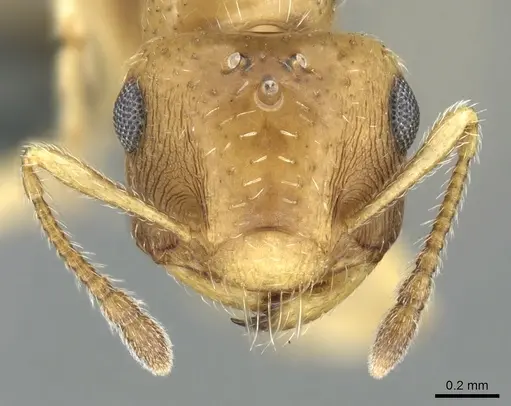
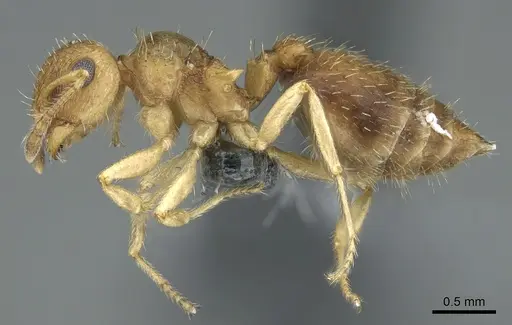
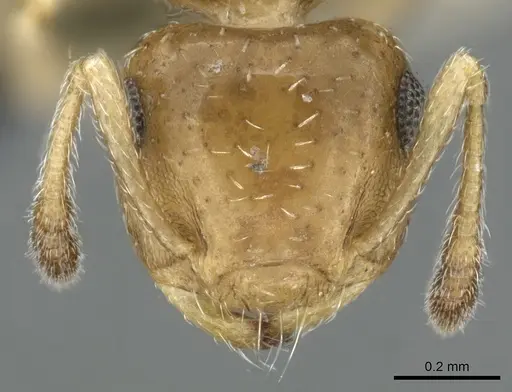
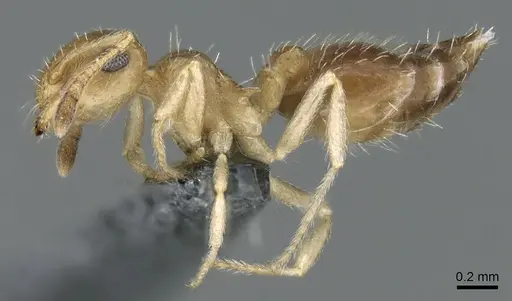
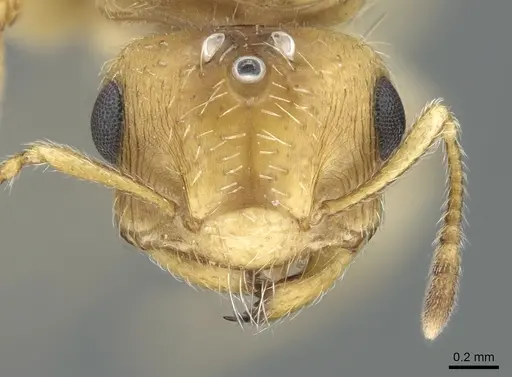
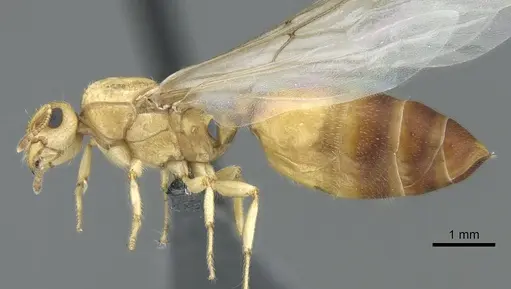
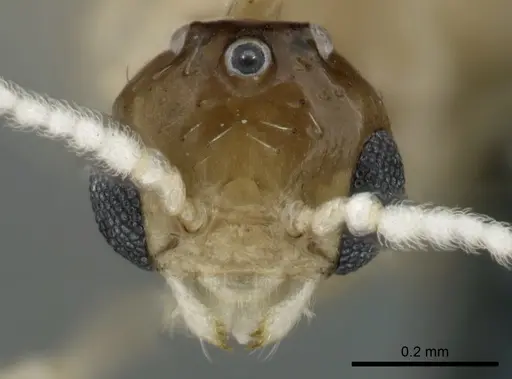
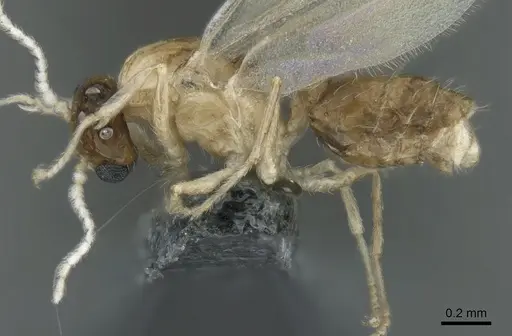
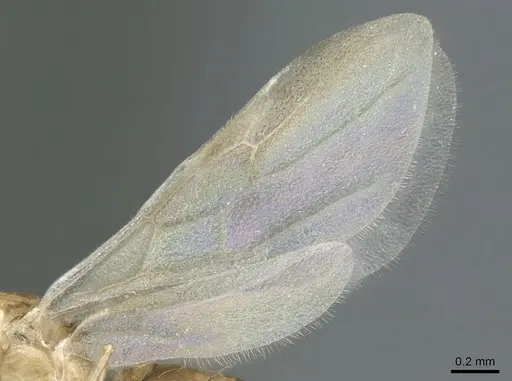
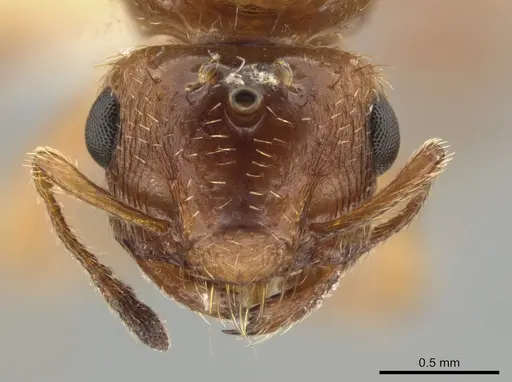
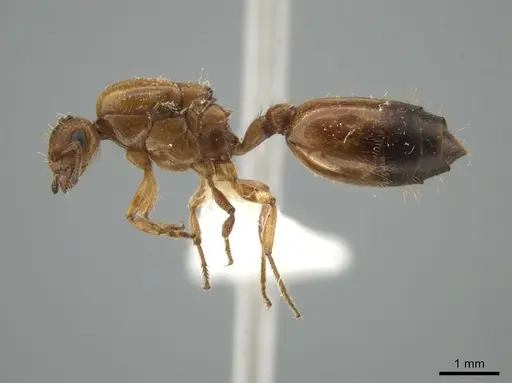
Crematogaster pygmaea is a small ground-nesting ant from northeastern Brazil, specifically the coastal regions of Ceará state. Workers measure around 2.1mm and have a distinctive shiny face with very wide postpetiole and short propodeal spines [1]. This species is unusual among tropical Crematogaster ants because it nests in the soil rather than in trees or dead wood [2]. It forms highly polygynous (multiple queens) and polydomous (multiple nests) colonies that can extend over 26 by 10 meters with dozens of nest entrances connected by surface trails [1]. The most fascinating aspect of this species is its three-caste system: besides normal workers and winged queens, it produces 'intermediates', a soldier caste with specialized trophic functions that are a mosaic of queen-like and worker-like traits [3].
Quick Summary
- Difficulty: Medium
- Origin & Habitat: Northeastern Brazil, specifically Ceará state. Habitat specialist in coastal littoral zone and adjacent savanna-like 'tabuleiro' formation. Never found in the dry 'caatinga' thorn woodland zone [1][2].
- Colony Type: Highly polygynous (multiple queens per nest) and polydomous (multiple connected nests). Queen/worker ratio is approximately 1:100,with some nests containing over 10 queens. Average of 2 queens per nest year-round, rising to 6 at the start of rainy season [1][4].
- Colony: Polygyne
- Size & Growth:
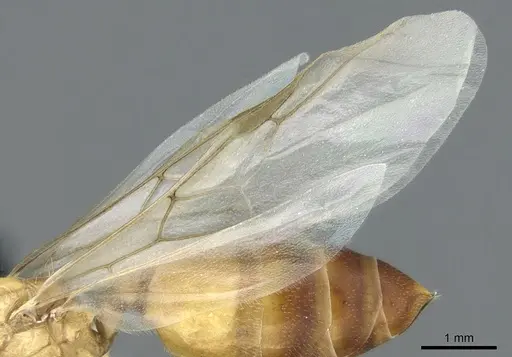
- Queen: 6.59mm total length,1.78mm gaster width [3]
- Worker: 2.1mm total length [3]
- Colony: Colonies can extend over 26x10m with 36+ nest entrances and nearly 104m of trails. Multiple nests per colony, each with 1-4 chambers [1]
- Growth: Moderate, seasonal growth tied to rainy season
- Development: Unknown, no direct development data available. Estimate 6-8 weeks based on typical Crematogaster genus patterns at optimal temperature. (Growth likely accelerates during rainy season when food sources are abundant)
- Antkeeping:
- Temperature: Keep at 24-32°C. Foraging activity drops above 32°C and stops entirely when soil temperature exceeds 40°C [1]. This is a warm-climate species from tropical Brazil.
- Humidity: Requires humid conditions, they nest in warm, humid soils in their native habitat [5]. Keep substrate consistently moist but not waterlogged.
- Diapause: No, this is a tropical species from northeastern Brazil with semi-arid climate. However, they do show seasonal behavior changes: trail networks shrink significantly during the dry season [1].
- Nesting: Ground-nesting species. In captivity, use test tubes or a naturalistic soil setup. Nests in the wild are simple, a single vertical gallery about 20cm deep with 1-4 horizontal chambers, each roughly 3cm diameter [1]. Provide moist soil or sand substrate.
- Behavior: Generally peaceful but territorial. Workers from different colonies show aggressive behavior toward each other, while workers from the same colony cooperate [4]. They forage day and night on honeydew and extrafloral nectar. They possess contact defensive secretions from a hypertrophied Dufour's gland and have antibacterial venom [5]. Escape risk is moderate, workers are small (~2mm) but not extremely tiny. They may emit a noticeable acetic acid smell when disturbed [5].
- Common Issues: tropical species needs warmth, temperatures below 24°C will reduce foraging activity, ground-nesting requires moist substrate, dry conditions will cause colony decline, foraging stops at high temperatures, avoid overheating the colony, highly polygynous structure means multiple queens are normal, don't remove extra queens, small size means escape prevention should be adequate but not extreme
Nest Preferences and Housing
Crematogaster pygmaea is a ground-nesting species that excavates simple nests in soil. In the wild, each nest consists of a single vertical gallery about 20cm deep with 1-4 horizontal chambers roughly 3cm in diameter [1]. The gallery entrance is only about 1.9mm wide, which gives you an idea of how small these ants are. In captivity, provide a naturalistic setup with moist soil or sand substrate, or use test tubes with a soil chamber. Because they are polydomous (multiple nests), they may benefit from having multiple nest sites connected by foraging areas. Keep the substrate consistently moist, these ants naturally live in humid, warm soils in their coastal Brazilian habitat [5]. Avoid completely dry conditions.
Feeding and Diet
In the wild, C. pygmaea forages extensively on honeydew from scale insects and aphids, as well as extrafloral nectar from plants like Borreria verticillata and Turnera subulata [1]. They are primarily sugar-feeding ants but also attend to hemipteran colonies. In captivity, offer sugar water or honey constantly, and provide protein sources like small insects. Their diet should be high in sugars with moderate protein. The workers are small (~2mm) so prey items should be appropriately sized. They are not aggressive predators but will scavenge protein. Their unique Dufour's gland secretions also play a role in their chemical defense [5].
Temperature and Seasonal Care
This is a warm-climate species from tropical Brazil. Optimal foraging temperature range is 24-32°C, and activity drops significantly above 32°C [1]. In captivity, maintain temperatures in the mid-to-high 20s°C range. Unlike temperate species, they do not require hibernation or diapause. However, they do show seasonal behavior in the wild, the trail network shrinks dramatically during the dry season and expands during the rainy season [6]. In captivity, you might observe reduced activity during simulated dry periods. The key is to avoid high temperatures above 32°C, as this will cause foraging to stop entirely.
Unique Colony Structure
Crematogaster pygmaea has one of the most complex social structures among ants. Colonies are both polygynous (multiple queens) and polydomous (multiple nests). A single colony can span 26 by 10 meters with 36+ nest entrances connected by nearly 104 meters of trails [1]. Each nest typically has 2 queens on average, but this rises to about 6 queens per nest during the rainy season. Some nests contain over 10 queens, giving a queen/worker ratio of approximately 1:100 [1]. This is similar to invasive 'tramp' species but C. pygmaea is NOT invasive, workers from different colonies are hostile to each other [4]. The third caste (intermediates/soldiers) is particularly interesting, these are morphologically intermediate between workers and queens, produced seasonally, and serve a specialized trophic function [3].
Defense Mechanisms
This species has several interesting defensive adaptations. Their venom has demonstrated antibacterial properties against both gram-positive and gram-negative bacteria [5]. More notably, they possess a hypertrophied Dufour's gland whose secretions are applied directly onto enemies using their spatulate sting, this is a contact defensive secretion rather than an injected venom [5]. When disturbed, they release acetic acid, which serves as an alarm pheromone and gives off a distinctive vinegar-like smell [5]. This combination of antibacterial venom and contact defensive secretions makes them well-equipped for defending their extensive colony network.
Frequently Asked Questions
How long does it take for Crematogaster pygmaea to produce first workers?
The exact egg-to-worker timeline has not been documented for this species. Based on typical Crematogaster development patterns, expect approximately 6-8 weeks from egg to first worker at optimal temperature (24-32°C). Growth is seasonal in the wild, accelerating during the rainy season.
Can I keep multiple Crematogaster pygmaea queens together?
Yes, this is normal for the species. C. pygmaea is highly polygynous, meaning colonies naturally have multiple queens. In the wild, nests contain an average of 2 queens year-round, rising to about 6 queens during the rainy season. Some nests have over 10 queens. You do not need to separate queens, they coexist peacefully within the same colony.
What temperature do Crematogaster pygmaea ants need?
Keep them warm, between 24-32°C. This is a tropical Brazilian species. Foraging activity drops above 32°C and stops completely when temperatures exceed 40°C. A temperature gradient in the mid-to-high 20s°C is ideal.
Do Crematogaster pygmaea ants sting?
They have a spatulate sting used to apply contact defensive secretions rather than to inject venom. Their venom does have antibacterial properties, but the primary defense is applying Dufour's gland secretions directly onto enemies. When disturbed, they may emit a vinegar-like smell from acetic acid release.
Are Crematogaster pygmaea good for beginners?
This is a medium-difficulty species. They have specific temperature requirements (need warmth) and need humid soil conditions for ground-nesting. Their complex polygynous/polydomous colony structure is fascinating but different from typical antkeeping. They are not aggressive but do have defensive secretions. The main challenges are maintaining proper temperature and humidity.
What do Crematogaster pygmaea eat?
They are primarily sugar-feeding ants. In captivity, provide constant access to sugar water or honey. They also need protein from small insects. Their diet in the wild consists mainly of honeydew from scale insects and extrafloral nectar from plants.
How big do Crematogaster pygmaea colonies get?
Colonies can be massive in the wild, spanning 26 by 10 meters with 36+ nest entrances and nearly 104 meters of trails. Each colony has dozens of nests, each containing multiple chambers. In captivity, colonies will grow more slowly but can eventually become quite large.
Do Crematogaster pygmaea need hibernation?
No, they do not need hibernation. This is a tropical species from northeastern Brazil. However, they do show seasonal behavior, trail networks shrink significantly during the dry season. In captivity, maintain consistent warm temperatures year-round.
How should I set up a nest for Crematogaster pygmaea?
Use a naturalistic setup with moist soil or sand substrate since they are ground-nesting ants. Test tubes with a soil chamber also work well. Provide multiple nest sites since they are polydomous (multiple nests). Keep the substrate consistently moist but not waterlogged. The nest entrance in the wild is only about 1.9mm wide, so chambers should be appropriately sized.
References

This caresheet is licensed under CC BY-SA 4.0 .
CASENT0603551
View on AntWeb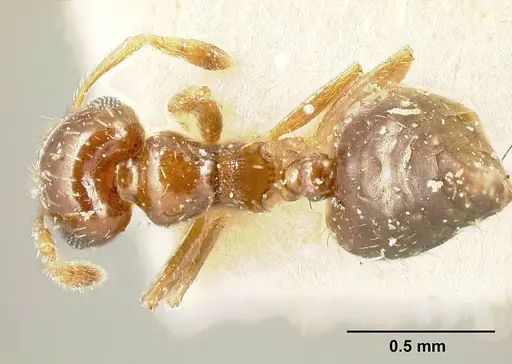
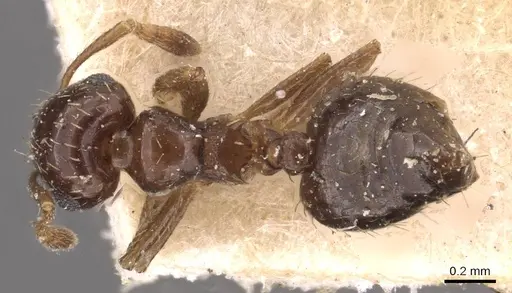
CASENT0628114
View on AntWeb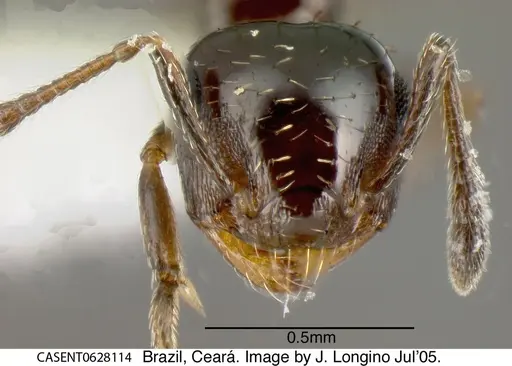
CASENT0906661
View on AntWeb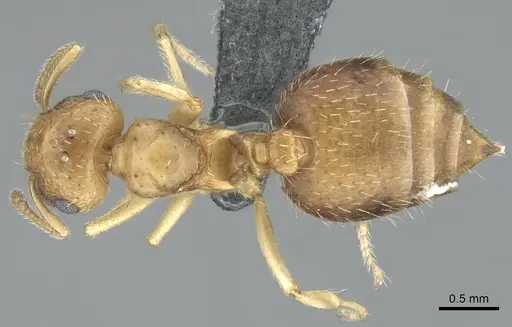
CASENT0906662
View on AntWeb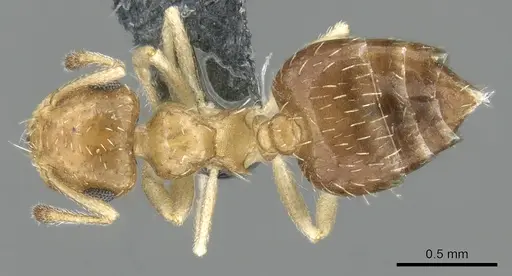
CASENT0906663
View on AntWeb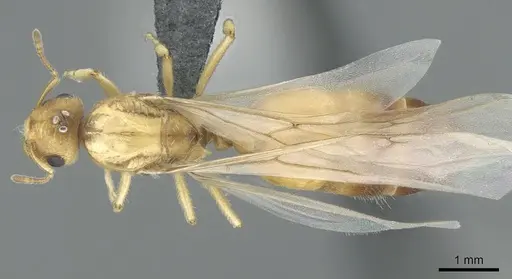
CASENT0906664
View on AntWeb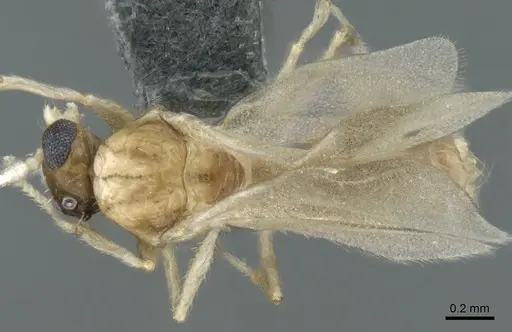
JTLC000003537
View on AntWeb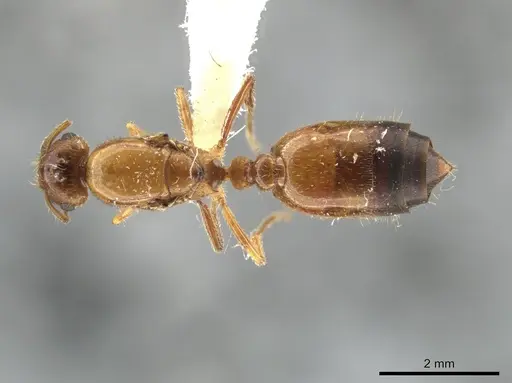
Literature
Loading...Loading products...