

Crematogaster popohana
- Scientific Name
- Crematogaster popohana
- Tribe
- Crematogastrini
- Subfamily
- Myrmicinae
- Author
- Forel, 1912
- Distribution
- Found in 1 countries
Crematogaster popohana Overview
Crematogaster popohana is an ant species of the genus Crematogaster. It is primarily documented in 1 countries , including Taiwan, Province of China. Detailed taxonomic data and occurrence records can be further explored via authoritative databases such as AntWeb or the Global Biodiversity Information Facility (GBIF).
Crematogaster popohana
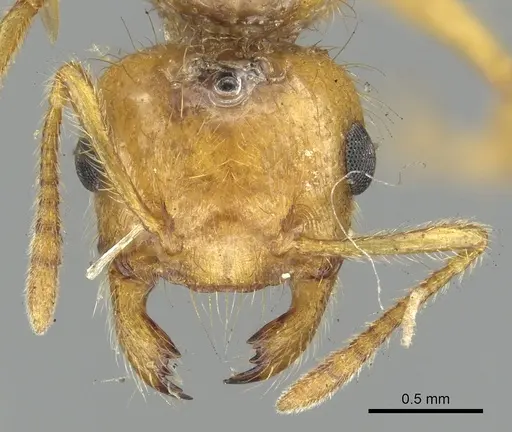
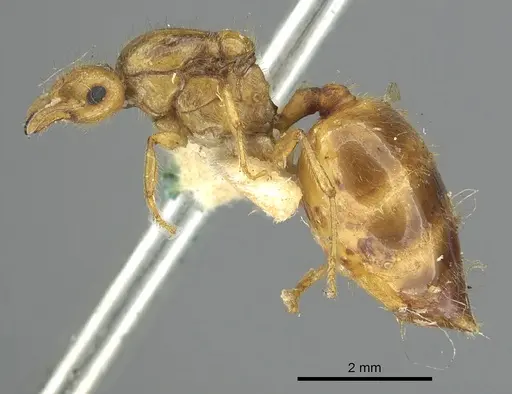
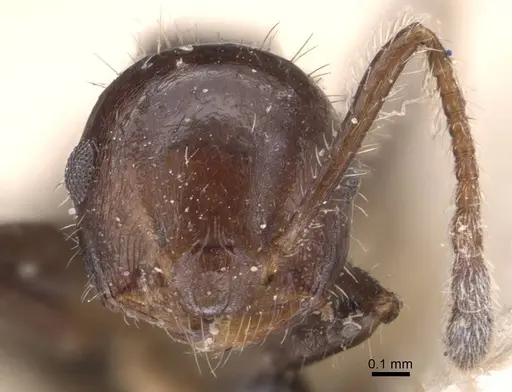
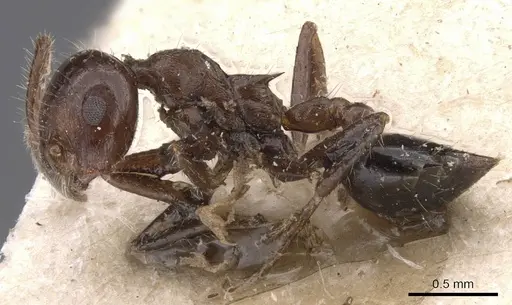
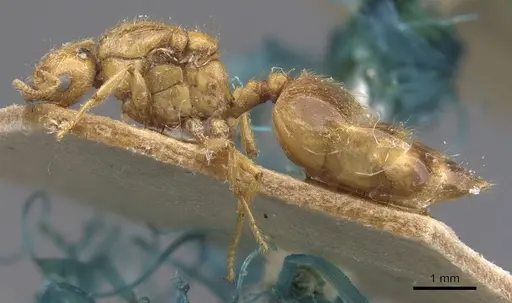
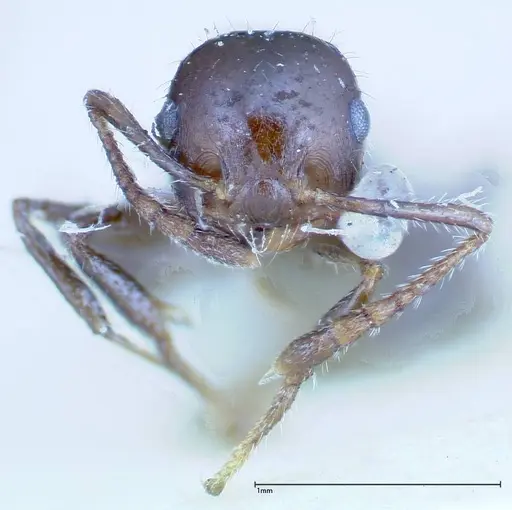
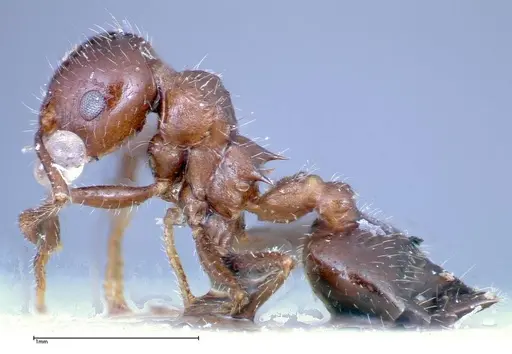
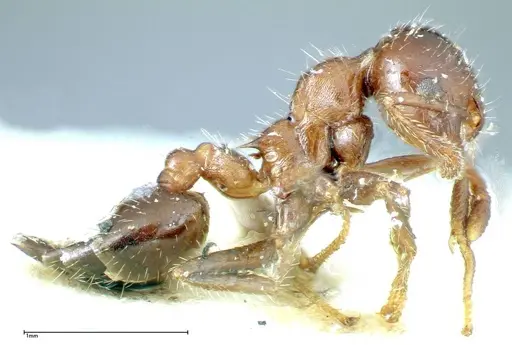
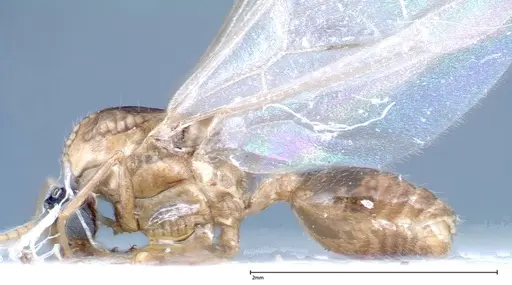
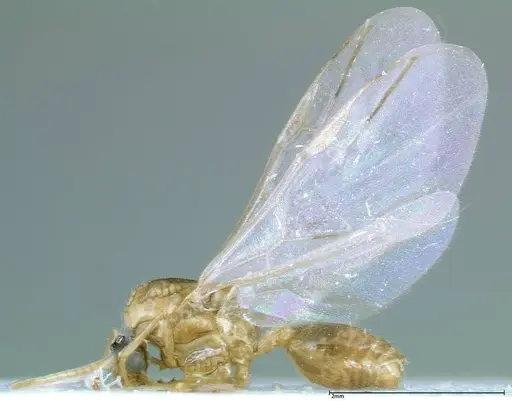
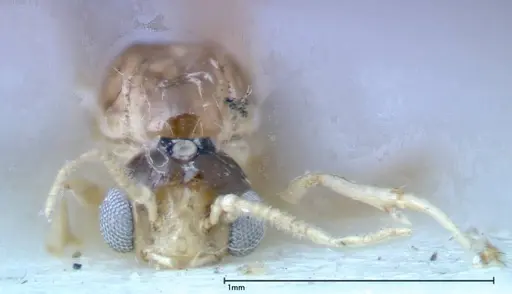
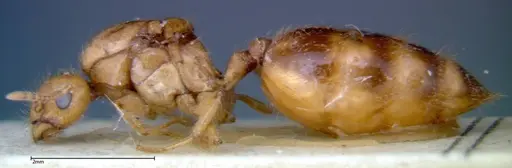
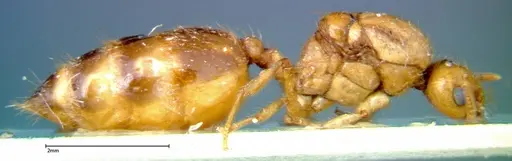
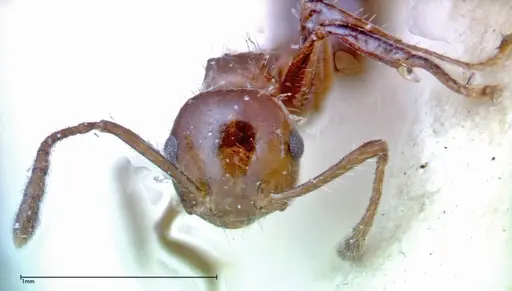
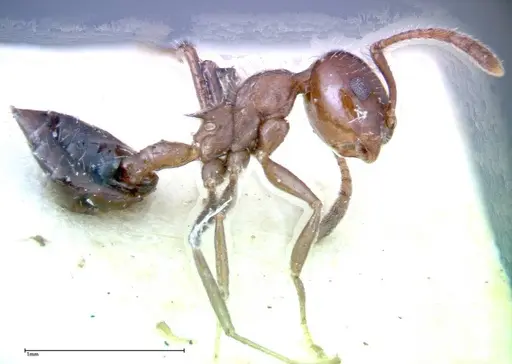
Crematogaster popohana is a small to medium-sized ant species native to Taiwan, belonging to the Crematogaster popohana group within the subgenus Crematogaster. Workers measure 0.73-0.85mm in head width and show weak polymorphism, meaning some workers are slightly larger than others but the size difference is not dramatic [1]. The body is reddish-brown with a distinctive dark brown gaster (abdomen), and they have long straight propodeal spines that help distinguish them from related species like C. fumikoae [1]. These ants are found in Taiwan's forested habitats at elevations ranging from 435-500 meters, particularly in areas like Fushan in Taipei and Jiaxian in Kaoshiung [1].
This species remains poorly studied in the wild, with essentially no documented biology or colony behavior information available. What makes C. popohana interesting is its limited geographic distribution, it appears to be endemic to Taiwan, making it a relatively rare species in the antkeeping hobby. The popohana group is distinguished by having a slender petiole with weakly convex sides, a trait shared with its close relatives C. fumikoae and C. popohana amia [2].
Quick Summary
- Difficulty: Unknown, likely Medium based on genus patterns
- Origin & Habitat: Taiwan, Indomalaya Region. Found in forested areas at 435-500m elevation in subtropical conditions [1].
- Colony Type: Unconfirmed, no colony structure data exists for this species
- Size & Growth:
- Queen: Unconfirmed, no queen measurements documented [1]
- Worker: 0.73-0.85mm head width (HW), total length approximately 4-5mm [1]
- Colony: Unknown, no colony size data available
- Growth: Unknown, estimated moderate based on genus patterns
- Development: Estimated 6-8 weeks based on typical Crematogaster development at 24-26°C (No direct data exists for this species. Estimates based on genus-level data for similar subtropical Crematogaster species.)
- Antkeeping:
- Temperature: Subtropical species, keep around 24-26°C. Taiwan has a warm humid climate year-round, so stable warmth is important. A gentle gradient allowing cooler areas around 22°C is beneficial.
- Humidity: Moderate to high, aim for 60-80% humidity. Provide a moist nest substrate as these forest-dwelling ants prefer damp conditions.
- Diapause: Likely minimal or none, Taiwan is subtropical with mild winters. However, a brief cool period (15-18°C for 2-3 months) may benefit colony health.
- Nesting: No specific data exists. Based on genus patterns, likely nests in rotting wood, under bark, or in soil cavities. A Y-tong or plaster nest with some moisture works well for captive care.
- Behavior: No specific behavior data exists for this species. Crematogaster ants in general are known for their characteristic heart-shaped gaster which they can raise and curl over their body as a defensive display. They are typically arboreal or forest-floor dwellers, active foragers that will explore their surroundings actively. Workers are moderate in size and likely good climbers. Escape prevention should be moderate, they are not tiny but can squeeze through small gaps.
- Common Issues: no biological data means care requirements are largely inferred from genus patterns, colony founding success rate is unknown, may require specific conditions, growth rate is unconfirmed so patience may be needed, humidity requirements are estimated rather than confirmed, no documented nuptial flight timing makes captive breeding challenging
Species Identification and Distinction
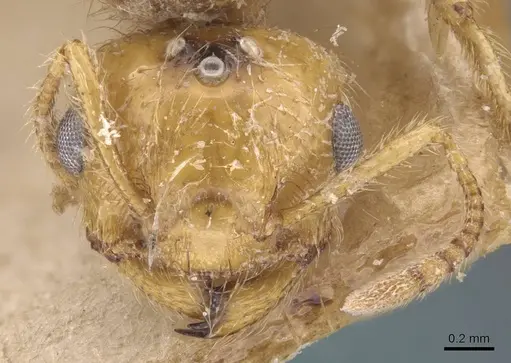
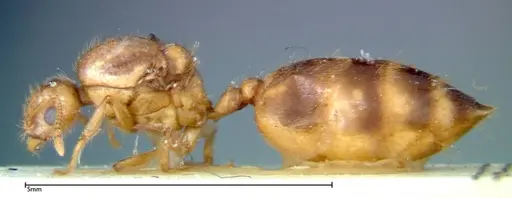
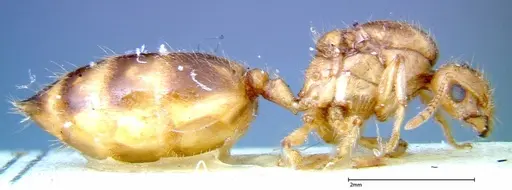
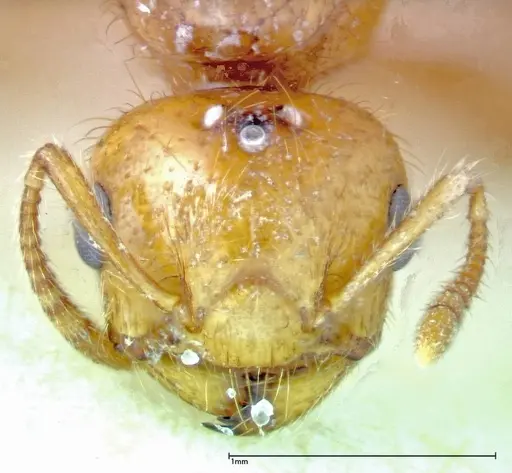
Crematogaster popohana belongs to the Crematogaster popohana group, which includes C. fumikoae and C. popohana amia. This group is distinguished from other Asian Crematogaster species by having a slender petiole with weakly convex sides [1]. Workers of C. popohana can be identified by their straight propodeal spines (unlike the curved spines of some relatives), smooth central mesopleuron (the side of the middle body section is mostly smooth), and an undeveloped or weakly developed subpetiolar process (a small projection beneath the petiole) [1]. Workers measure 0.73-0.85mm in head width and have a reddish-brown body with a notably darker brown gaster [1]. The species shows weak polymorphism, meaning some workers are slightly larger but the size range is not extreme.
Distribution and Habitat
Crematogaster popohana is endemic to Taiwan, making it a relatively rare species both in the wild and in the antkeeping hobby. The species has been documented at several locations including Akau and Kosempo in southern Taiwan (the original type localities), Fushan in Wulai (Taipei) at 500m elevation, and Jiaxian in Kaoshiung at 435m elevation [1]. These locations represent Taiwan's forested subtropical environments. The elevational range of 435-500m suggests these ants prefer shaded, humid forest floor or lower canopy microhabitats. No specific nesting substrate has been documented, but the genus Crematogaster typically nests in rotting wood, under bark, or in soil cavities in forested areas.
Housing and Nest Preferences
Since no specific nesting data exists for C. popohana, care recommendations must be based on typical Crematogaster husbandry. These ants do well in Y-tong (acrylic) nests or plaster nests that can hold moisture. The nest should have chambers scaled appropriately for workers that are approximately 4-5mm in total length. Provide a water reservoir or moisture source to maintain moderate humidity. An outworld for foraging allows workers to explore and collect food. Given their Taiwanese forest origin, include some hiding structures and climbing surfaces in the outworld. Escape prevention should be moderate, while not among the smallest ants, they can squeeze through gaps if motivated.
Feeding and Diet
No specific dietary data exists for C. popohana. Based on genus patterns, these ants are omnivorous and likely accept sugar sources (honey water, sugar water) and protein sources (insects, small arthropods). Crematogaster species typically forage actively and will collect both liquid carbohydrates and protein prey. Offer a drop of honey water or sugar water as a constant food source, and provide protein prey (small crickets, mealworms, fruit flies) 2-3 times per week. Remove uneaten prey after 24-48 hours to prevent mold. Fresh fruit can also be offered occasionally.
Temperature and Seasonal Care
As a subtropical species from Taiwan, C. popohana requires warm and relatively stable temperatures. Aim for 24-26°C in the nest area, with a slight gradient allowing workers to move to cooler areas (around 22°C) if needed. A heating cable on one side of the nest can help maintain warmth without drying out the substrate. Taiwan's climate is warm year-round with mild winters, so these ants likely do not require a true hibernation. However, a brief cool period at 15-18°C for 2-3 months during winter months may help simulate natural seasonal cycles and benefit colony health. Monitor colony activity, if workers become sluggish, slightly reduce temperature, if they are very active and clustering near heat, the temperature may be too low.
Colony Development and Growth
No specific development data exists for C. popohana. Based on typical Crematogaster patterns, expect approximately 6-8 weeks from egg to first worker at optimal temperature (24-26°C). The first workers (nanitics) will likely be smaller than mature workers. Colony growth rate is estimated as moderate, Crematogaster colonies typically grow steadily but not explosively. Maximum colony size is unknown for this species. Given the lack of biological data, be patient with founding colonies and maintain stable conditions. Queens are unconfirmed in size but likely in the 6-8mm range based on genus patterns.
Frequently Asked Questions
How long does it take for Crematogaster popohana to produce first workers?
No specific data exists for this species. Based on typical Crematogaster development, expect approximately 6-8 weeks from egg to first worker at optimal temperature (24-26°C). The exact timeline may vary depending on conditions.
What do Crematogaster popohana ants eat?
No specific dietary studies exist for this species. Based on genus patterns, they are omnivorous and likely accept sugar sources (honey water, sugar water) and protein (small insects like fruit flies, mealworms, crickets). Offer sugar water constantly and protein prey 2-3 times weekly.
What temperature do Crematogaster popohana ants need?
As a subtropical species from Taiwan, keep them warm at 24-26°C. A slight temperature gradient allowing cooler areas around 22°C is beneficial. Avoid temperatures below 20°C for extended periods.
Are Crematogaster popohana ants good for beginners?
Difficulty level is unknown since this species has no documented care history. Based on genus patterns, they are likely manageable for intermediate antkeepers. However, the complete lack of biological data makes this a species for keepers comfortable with inferring care from related species.
How big do Crematogaster popohana colonies get?
Colony size data is not available for this species. Based on typical Crematogaster genus patterns, colonies likely reach several hundred to a few thousand workers over time. Their limited distribution in Taiwan suggests moderate-sized colonies.
Do Crematogaster popohana ants sting?
Crematogaster ants have a stinger but are not considered dangerous to humans. They may use their characteristic gaster-raising display as a defensive behavior rather than stinging. The small size makes any sting barely noticeable even if it occurs.
What humidity do Crematogaster popohana ants need?
No specific humidity data exists. Based on their Taiwanese forest origin, aim for moderate to high humidity around 60-80%. Keep the nest substrate moist but not waterlogged. A Y-tong or plaster nest with a water reservoir works well.
Can I keep multiple Crematogaster popohana queens together?
Colony structure (monogyne vs polygyne) has not been documented for this species. Combining unrelated queens is not recommended since no data exists on their founding behavior. In the wild, Crematogaster can be either single-queen or multi-queen depending on the species.
When do Crematogaster popohana nuptial flights occur?
Nuptial flight timing is completely unknown for this species. No research has documented when sexuals (males and new queens) appear or mate. This remains one of the many unknown aspects of this species' biology.
What makes Crematogaster popohana different from other Crematogaster?
C. popohana is distinguished by its straight propodeal spines, smooth central mesopleuron, and weakly developed subpetiolar process. It belongs to the C. popohana group which has a slender petiole. It is also endemic to Taiwan, making it geographically restricted.
References

This caresheet is licensed under CC BY-SA 4.0 .
CASENT0902129
View on AntWeb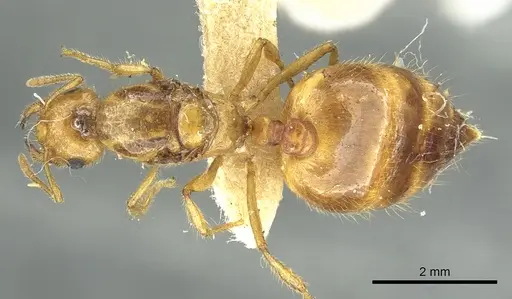
CASENT0907502
View on AntWeb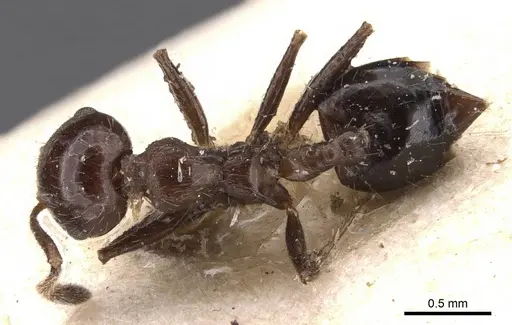
CASENT0907508
View on AntWeb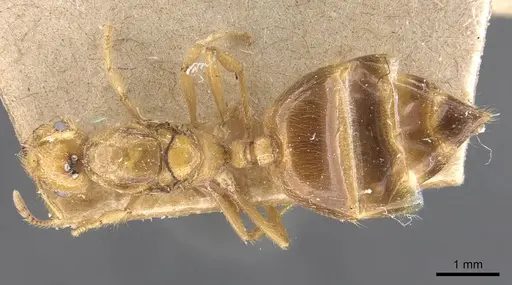
FOCOL0259
View on AntWeb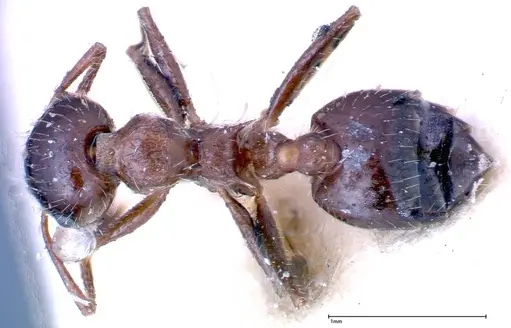
FOCOL0260
View on AntWeb
FOCOL0262
View on AntWeb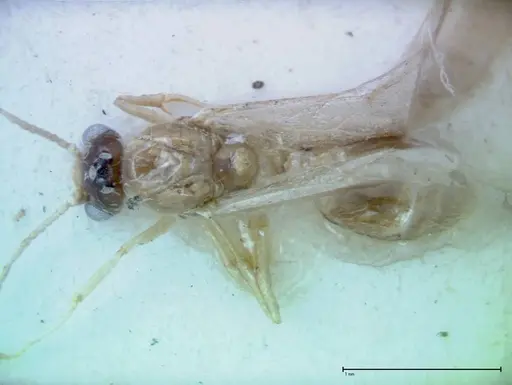
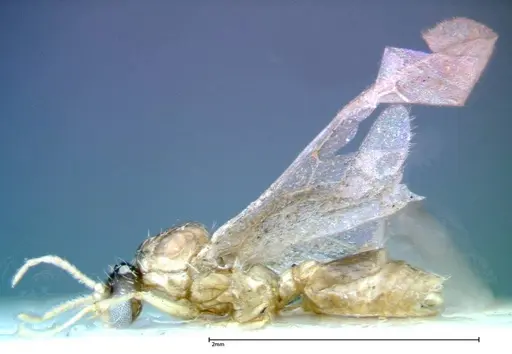
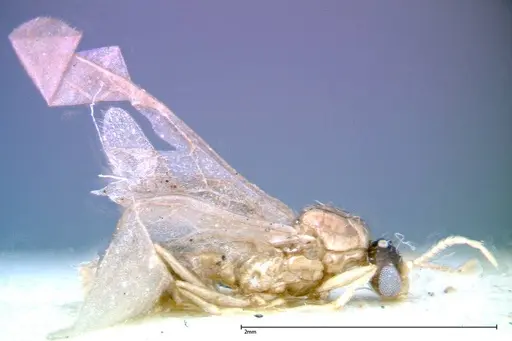
FOCOL0263-1
View on AntWeb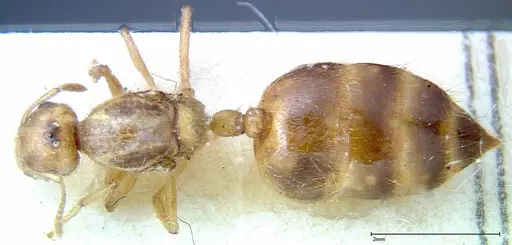
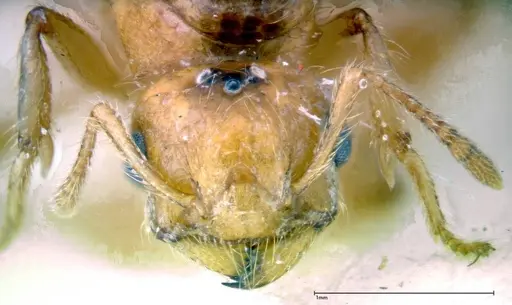
FOCOL0263-2
View on AntWeb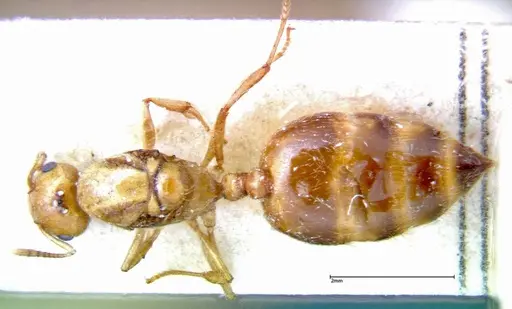
FOCOL0264
View on AntWeb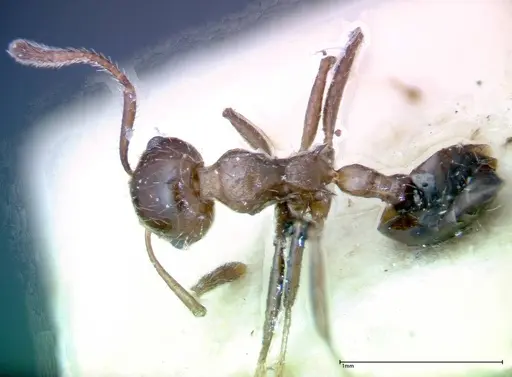
Literature
Loading...Loading products...