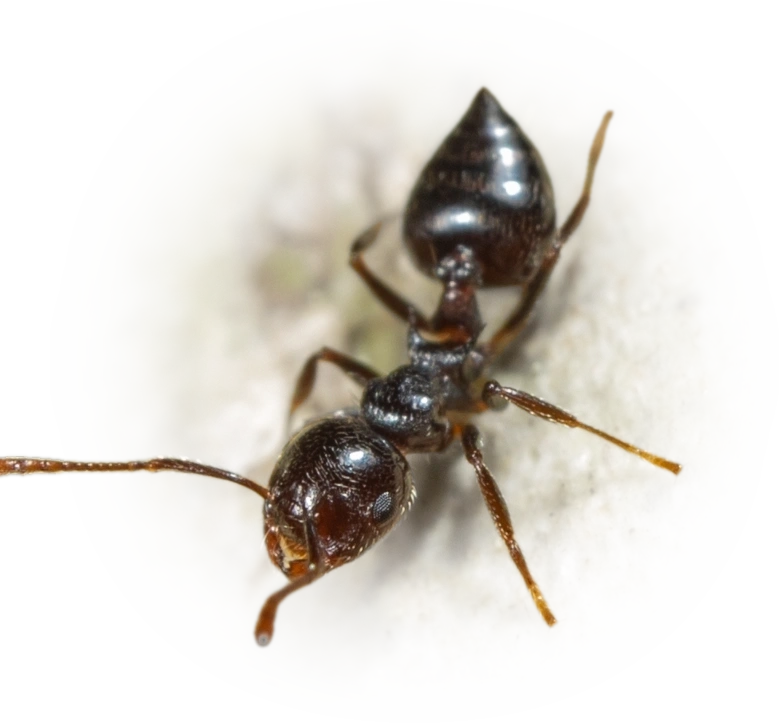

Crematogaster pilosa
- Scientific Name
- Crematogaster pilosa
- Tribe
- Crematogastrini
- Subfamily
- Myrmicinae
- Author
- Emery, 1895
- Common Name
- Hairy-headed Acrobat Ant
- Distribution
- Found in 1 countries
Crematogaster pilosa Overview
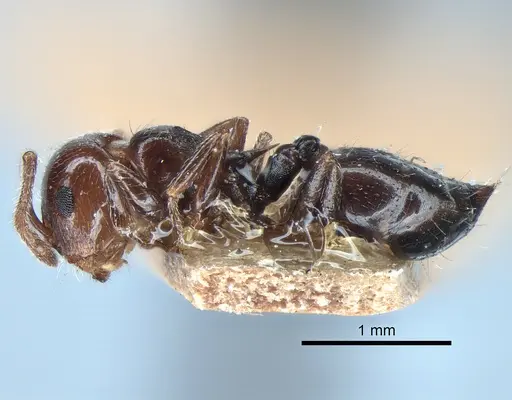
Crematogaster pilosa (commonly known as the Hairy-headed Acrobat Ant) is an ant species of the genus Crematogaster. It is primarily documented in 1 countries , including United States of America. Detailed taxonomic data and occurrence records can be further explored via authoritative databases such as AntWeb or the Global Biodiversity Information Facility (GBIF).
Crematogaster pilosa - "Hairy-headed Acrobat Ant"
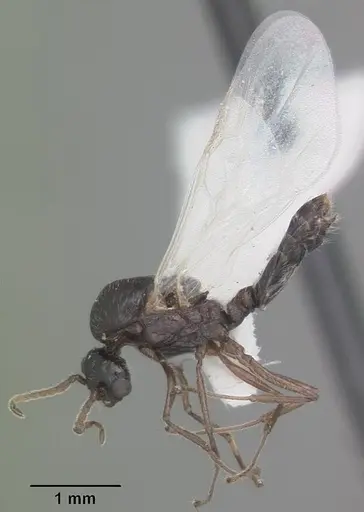
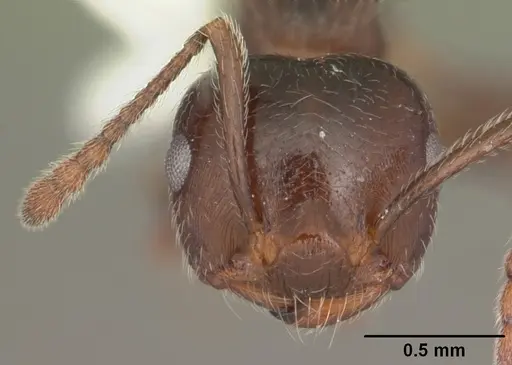
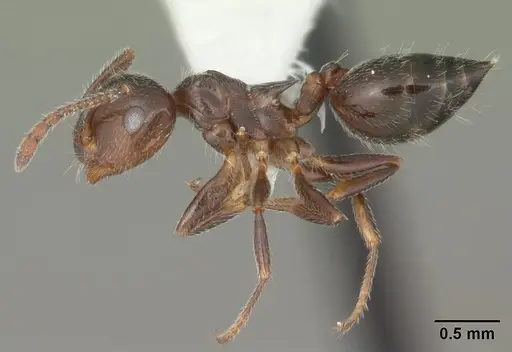
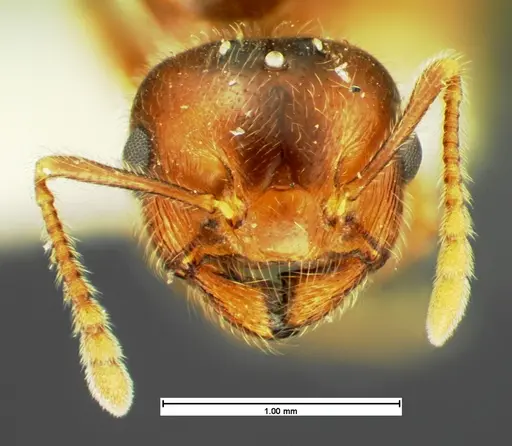
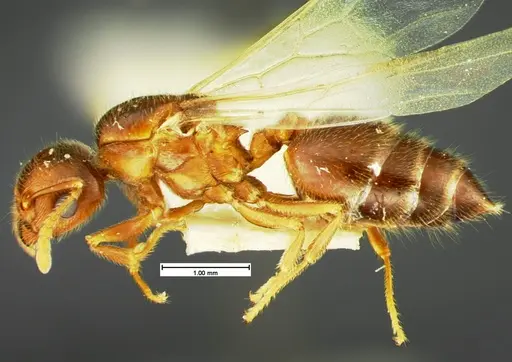
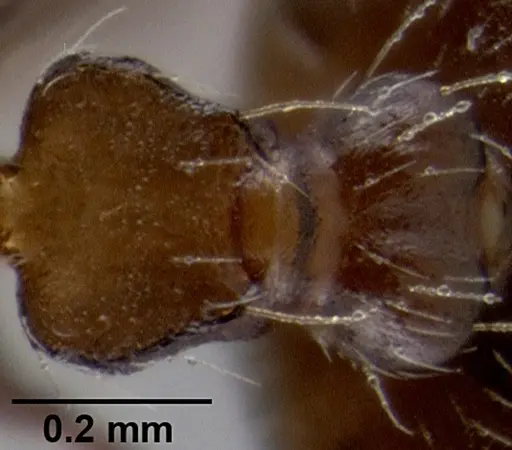
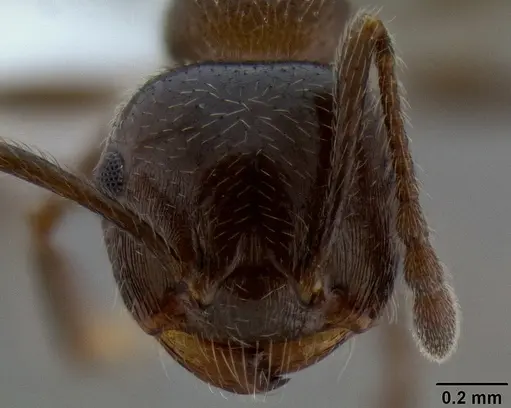
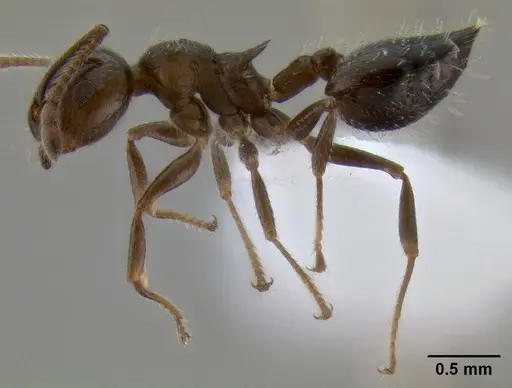
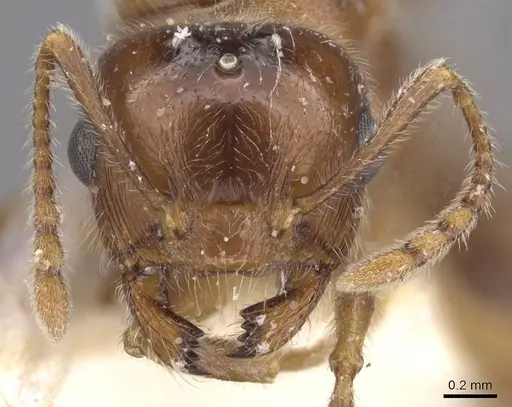
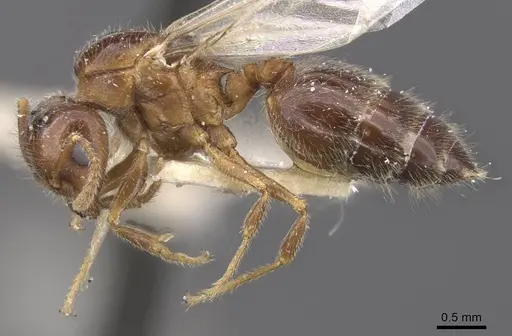
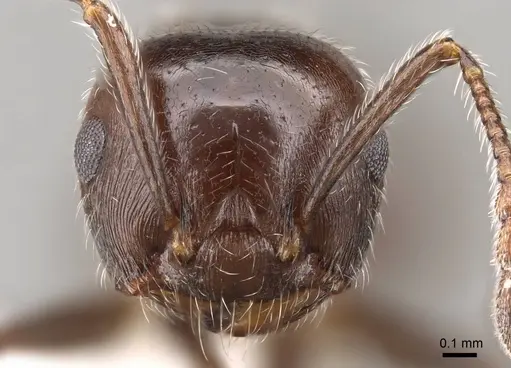
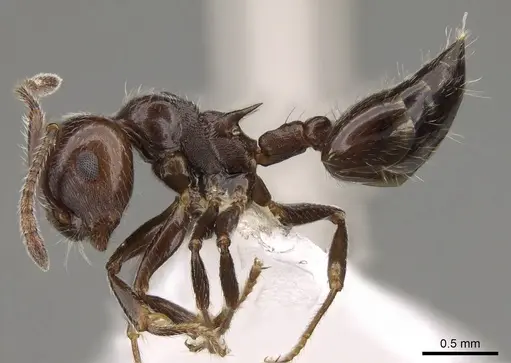
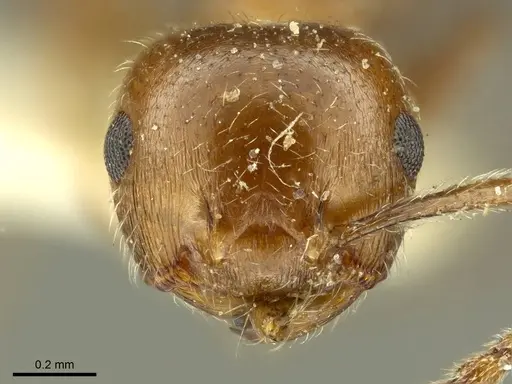
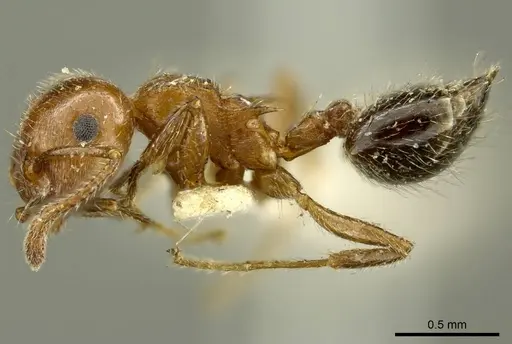
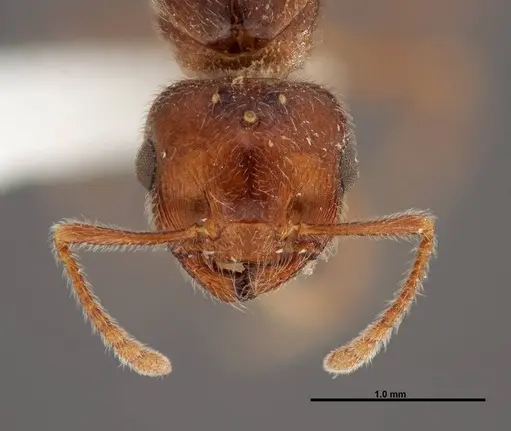
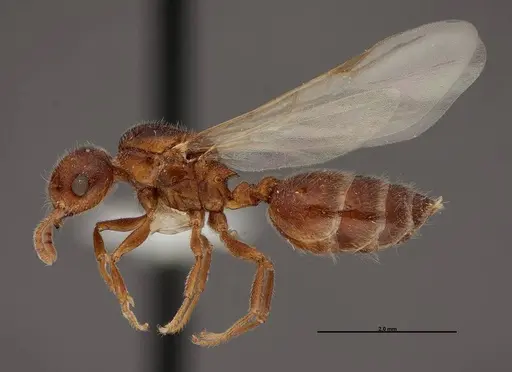
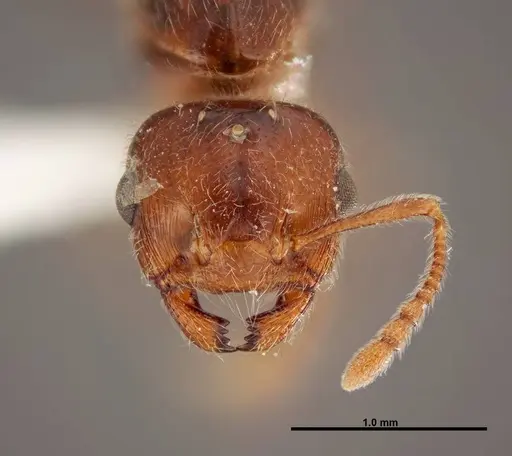
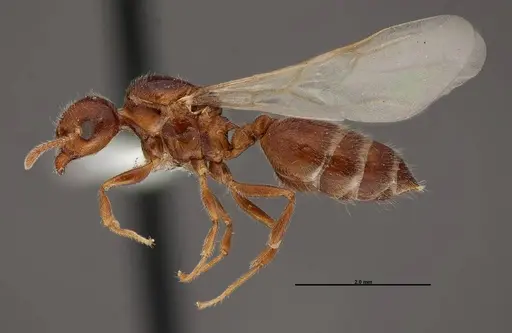
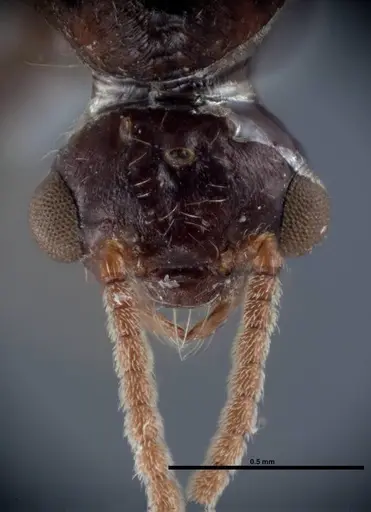
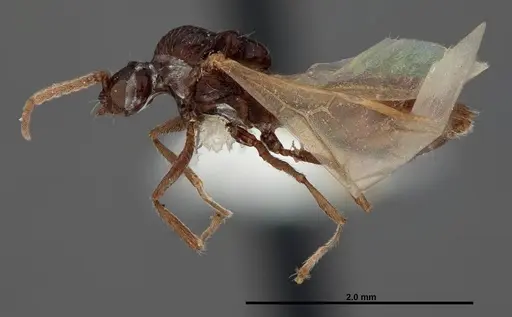
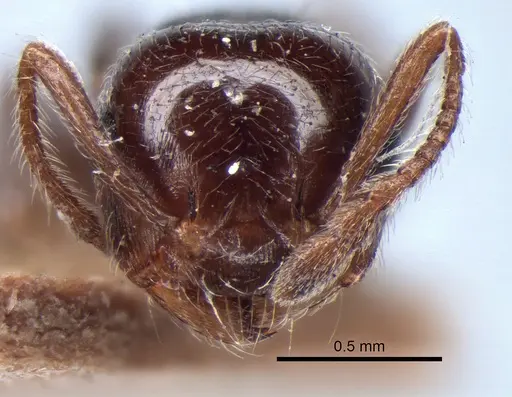
Crematogaster pilosa is a medium-sized ant native to the eastern United States, ranging from New Jersey south to Florida and west to Texas. Workers measure 2.7-3.7mm with a distinctive dark reddish-brown body and nearly black gaster. They often show bicolored patterns with red and black coloration, particularly in Florida and Gulf Coast populations. The species gets its common name from its characteristic defensive behavior, when threatened, workers raise their abdomen over their head like an acrobat, exposing the stinger underneath. This is one of the larger Crematogaster species in North America and is identified by the erect or suberect hairs on its head, which distinguishes it from similar species that have flat, appressed hairs [1][2].
This ant is a habitat specialist found primarily in moist environments including spring-fed wet meadows, marshes, coastal dunes, and forested areas. Unlike many ants that nest underground, C. pilosa is predominantly arboreal, nesting in hollow twigs, dead branches, grass clumps, and the pithy stems of reeds and shrubs. They also occasionally nest under bark on logs and stumps. The species is polygynous, meaning colonies can have multiple queens, and colonies can grow quite large with 1,300 to 12,000 workers [3][4].
Quick Summary
- Difficulty: Medium
- Origin & Habitat: Eastern United States from New Jersey to Florida, west to Texas. Found in moist habitats including spring-fed wet meadows, marshes, coastal dunes, old fields, and moist forested areas. Predominantly arboreal, nesting in hollow twigs, branches, dead stems, and grass clumps [1][4][5].
- Colony Type: Polygynous (multiple queens per colony) with monomorphic workers. Colonies can contain 1,300-12,000 workers [3][6].
- Colony: Polygyne
- Size & Growth:
- Queen: Estimated 6-8mm based on genus patterns
- Worker: 2.7-3.7mm [1][7]
- Colony: 1,300-12,000 workers [3]
- Growth: Moderate, estimated based on colony size and typical Crematogaster development
- Development: 6-10 weeks estimated based on genus-level data for similar Crematogaster species (Development time is inferred from related species, specific data for C. pilosa is not available)
- Antkeeping:
- Temperature: Keep at 20-26°C. This species tolerates a range from around 18°C up to typical room temperature. They are found across varied elevations (594-1673m) suggesting adaptability to different temperatures. Provide a gentle temperature gradient if possible [8][1].
- Humidity: Moderate to high humidity. In the wild they inhabit moist environments like marshes and wet meadows. Keep nest substrate moderately moist but not waterlogged. Provide a water tube for drinking access [1][5].
- Diapause: Yes, they experience winter dormancy in their native range. Provide a cool period around 10-15°C for 2-3 months during winter, mimicking their natural seasonal cycle in the eastern US [1].
- Nesting: Arboreal nester, use setups that mimic hollow twigs and branches. Y-tong (AAC) nests work well, or a naturalistic setup with cork or wooden formicarium. They also accept test tubes with cotton as a water source. Provide enrichment like small twigs or grass stems if using a naturalistic setup [9][1].
- Behavior: Acrobat ants are named for their unique defensive display, when threatened, workers raise their gaster over their head like a scorpion, exposing the stinger. They are generally more defensive than aggressive but will respond to disturbance. Workers forage on the ground, under bark, and up tree trunks. They are generalist feeders and will scavenge for protein and sugar. Colonies are polydomous, meaning they maintain multiple nest sites connected by trails. Escape prevention is moderate, they are not tiny ants but can squeeze through small gaps if determined. Use standard barrier methods [3][1].
- Common Issues: colonies may abandon test tube nests if too dry, monitor humidity carefully, polygynous colonies can be aggressive toward each other during founding, best to let queens establish separately then introduce carefully, arboreal nesting means they need vertical space and climbing surfaces, their defensive gaster-raising can startle keepers but is normal behavior, large colonies need expanding space, be prepared to upgrade nest size
Housing and Nest Setup
Crematogaster pilosa is an arboreal species that naturally nests in hollow twigs, dead branches, grass stems, and the pithy centers of reeds and shrubs. In captivity, they adapt well to several setups. Y-tong (AAC) acrylic nests work excellently because they provide the dark, enclosed spaces these ants prefer. You can also use test tube setups with a water reservoir via cotton, though you'll want to provide some vertical elements or small twigs inside for enrichment. naturalistic setups with cork or wooden formicaria mimic their natural nesting sites well. Because they are polydomous in the wild (maintaining multiple connected nests), consider providing multiple chambers or connected sections so the colony can spread out. They do not require soil in the nest chamber but appreciate a humid environment. Connect the nest to an outworld with smooth walls and use fluon or barrier tape to prevent escapes, they are moderate climbers but standard escape prevention works well [1][9].
Feeding and Diet
These ants are generalist feeders with a broad diet. In the wild, workers have been observed feeding on flower nectar (specifically Oxypolis rigidior), dead cicadas, and other insects. They will readily accept protein sources like mealworms, crickets, and other small insects. For sugar, offer honey water, sugar water, or commercial ant nectar. Feed protein 2-3 times per week and keep a constant sugar source available. Because they are one of the larger Crematogaster species, they can handle prey items similar in size to their workers. Remove uneaten prey after 24-48 hours to prevent mold. Their colony sizes can reach 12,000 workers, so expect food consumption to increase significantly as the colony grows [1][10].
Temperature and Seasonal Care
Crematogaster pilosa tolerates a range of temperatures typical of the eastern United States. Keep the nest area at 20-26°C, with room temperature (around 21-24°C) being ideal for most of the year. They have been found at elevations from 594 to 1673 meters in the Great Smoky Mountains, suggesting they can handle cooler conditions. During winter in their native range, colonies enter dormancy. Provide a cool period around 10-15°C for 2-3 months during winter months (roughly November through February in the Northern Hemisphere). This diapause period helps maintain natural colony cycles and supports healthy reproduction. You can achieve this by moving the colony to a cooler room or unheated garage, but avoid temperatures below freezing [8][1].
Behavior and Defense
The most distinctive behavior of Crematogaster pilosa is their acrobat-like defensive display. When threatened, workers raise their abdomen over their head and thorax, pointing the stinger upward, hence the name 'acrobat ant.' This posture allows them to deliver a sting while minimizing their own exposure. Studies show they display a range of responses from alert (antenna waving, mandible opening) to full attack. They are not typically aggressive toward keepers but will defend the nest vigorously if disturbed. Workers also use chemical alarm signals to recruit nestmates. In the wild, colonies are polydomous, meaning they maintain multiple nest sites connected by foraging trails. This is important to replicate in captivity if possible, providing multiple chambers helps them feel secure. Colonies can reach 12,000 workers, so they develop substantial worker populations over time [3][1].
Colony Structure and Multi-Queen Care
Crematogaster pilosa is polygynous, meaning colonies naturally contain multiple reproductive queens. This is unusual among many ant species and affects how you can keep them. In the wild, colonies can have from around 1,300 to 12,000 workers with multiple egg-laying queens cooperating. When starting a colony from a wild-caught queen, you may find multiple queens already present. If combining unrelated foundress queens, introduce them gradually and monitor for aggression, while polygynous, unfamiliar queens may still fight initially. The presence of multiple queens helps colonies grow faster initially since egg production is distributed. However, this also means colonies can become very large, so plan for eventual housing upgrades. Workers are monomorphic, all the same size, which is typical for this species [6][3].
Frequently Asked Questions
How long does it take for Crematogaster pilosa to produce first workers?
Based on typical Crematogaster development, expect 6-10 weeks from egg to first worker at room temperature. Specific development data for C. pilosa is not available, so this is an estimate based on genus-level patterns. The exact timing depends on temperature, warmer conditions within their range can speed development slightly.
Do Crematogaster pilosa ants sting?
Yes, they can sting. Their common name 'acrobat ant' comes from their defensive behavior, when threatened, they raise their abdomen over their head to deliver a sting. The sting is not medically significant for healthy humans but can cause mild irritation. They are not aggressive toward keepers but will defend their nest if disturbed.
Can I keep multiple Crematogaster pilosa queens together?
Yes, this species is naturally polygynous (multiple queens per colony). Wild colonies typically have multiple egg-laying queens. If you have multiple unrelated foundress queens, introduce them gradually and monitor for initial aggression, but they should eventually integrate. Having multiple queens helps the colony grow faster initially.
What is the best nest type for Crematogaster pilosa?
Y-tong (AAC) acrylic nests work well because they provide the dark, enclosed spaces arboreal ants prefer. Test tube setups with a water reservoir also work. Because they are polydomous (maintaining multiple connected nests in the wild), providing multiple chambers helps them feel secure. Naturalistic setups with cork or wooden formicaria mimic their natural nesting in hollow twigs and branches.
How big do Crematogaster pilosa colonies get?
Colonies can reach 1,300 to 12,000 workers in the wild [3]. With good care, captive colonies can grow to several thousand workers over several years. Be prepared to upgrade to larger housing as the colony expands.
Do Crematogaster pilosa need hibernation?
Yes, they benefit from a winter dormancy period. In their native eastern US range, they experience cold winters. Provide a cool period around 10-15°C for 2-3 months during winter (roughly November-February). This helps maintain natural colony cycles and supports healthy reproduction. A cool room or unheated garage works well.
Are Crematogaster pilosa good for beginners?
This species is rated as medium difficulty. They are more forgiving than some species but have specific needs, they require higher humidity than desert ants and need arboreal-style nesting. Their polygynous nature and large colony sizes may require more space planning. They are rewarding for intermediate keepers comfortable with managing larger colonies.
What do Crematogaster pilosa eat?
They are generalist feeders. Offer protein (mealworms, crickets, small insects) 2-3 times per week and keep a constant sugar source (honey water, sugar water, or commercial ant nectar). They also scavenge in the wild and will take dead insects. Remove uneaten prey after 24-48 hours.
Why does my Crematogaster pilosa raise its abdomen?
This is their signature defensive behavior, the 'acrobat' display. When threatened, workers raise their gaster over their head like a scorpion, positioning the stinger to attack. This is normal behavior and not cause for concern. It simply means they feel threatened by something in their environment.
Where is Crematogaster pilosa found in the wild?
They range across the eastern United States from New Jersey south to Florida and west to Texas. They are habitat specialists found primarily in moist environments like spring-fed wet meadows, marshes, coastal dunes, and moist forests. They are predominantly arboreal, nesting in hollow twigs, branches, and grass stems [4][5].
References

This caresheet is licensed under CC BY-SA 4.0 .
CASENT0103803
View on AntWeb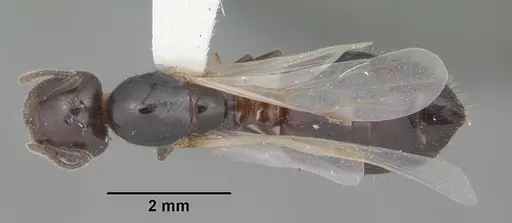
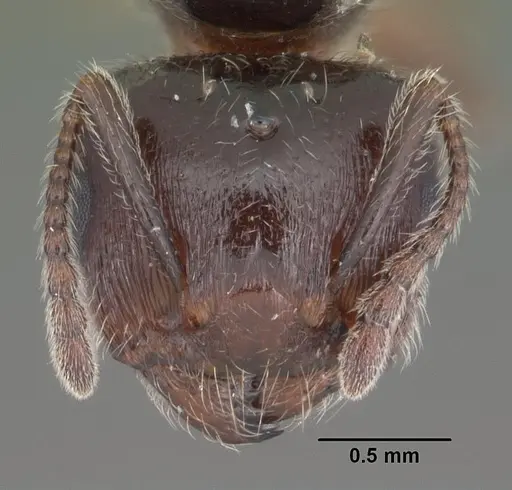
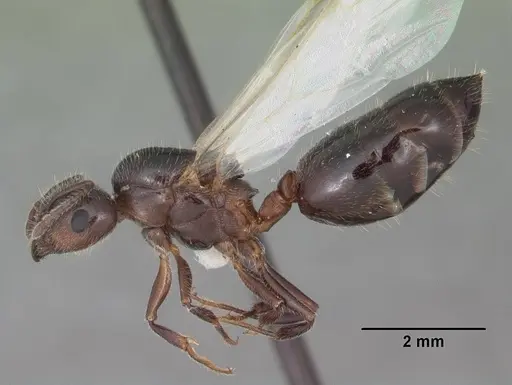
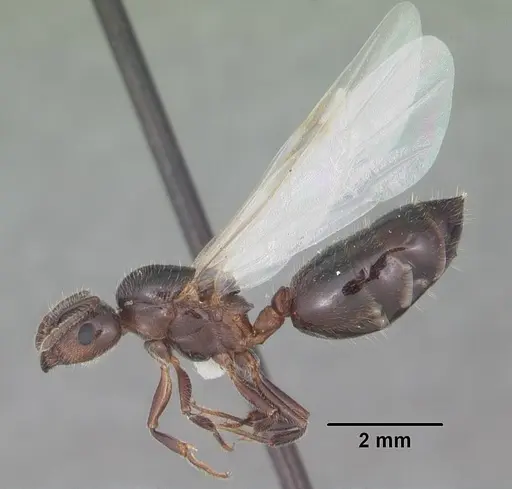
CASENT0103804
View on AntWeb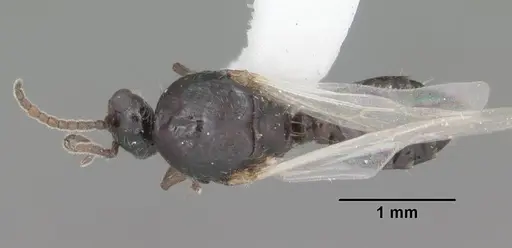
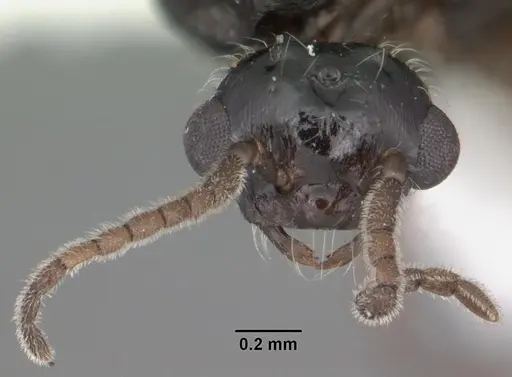
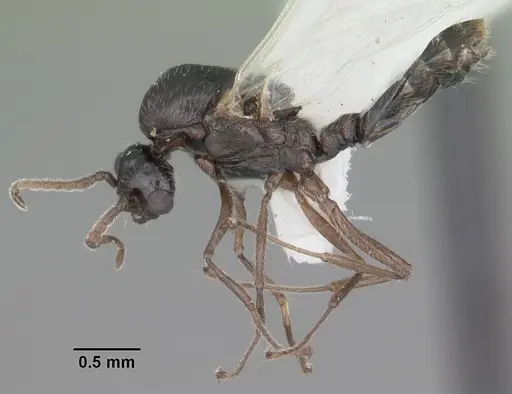
CASENT0103806
View on AntWeb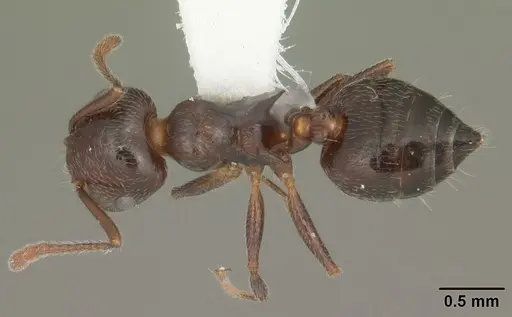
CASENT0105566
View on AntWeb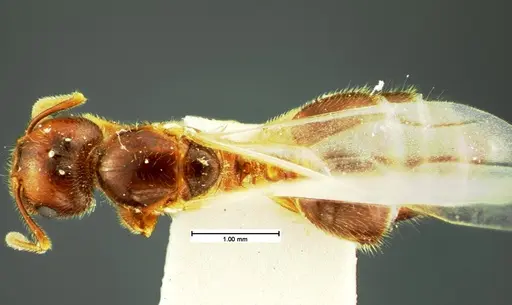
CASENT0193165
View on AntWeb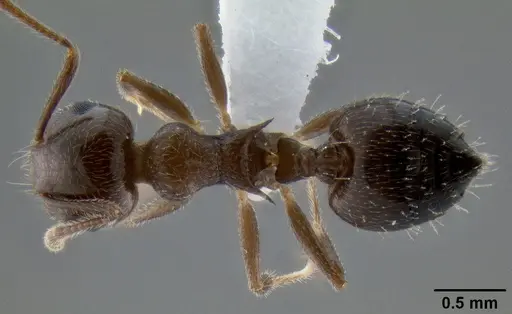
CASENT0912712
View on AntWeb
CASENT0914530
View on AntWeb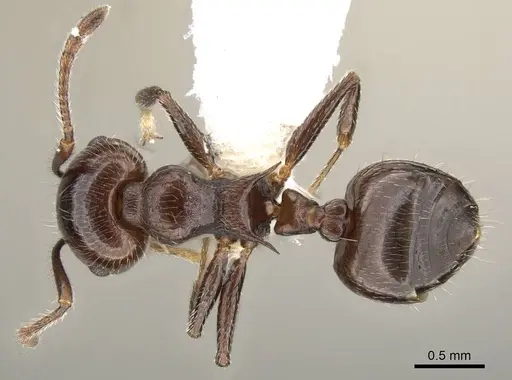
CASENT0919707
View on AntWeb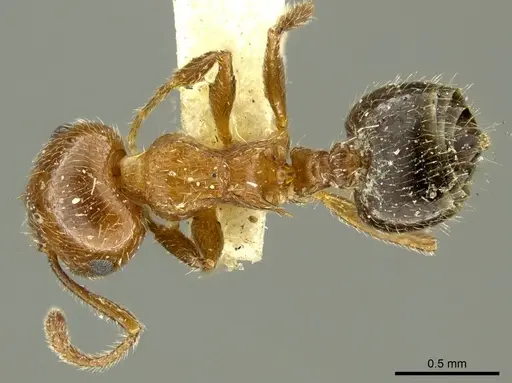
FMNHINS0000062697
View on AntWeb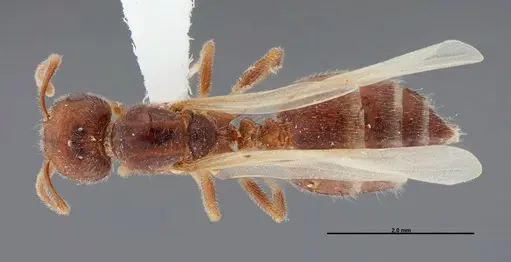
FMNHINS0000062698
View on AntWeb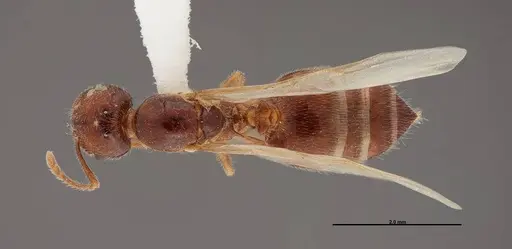
FMNHINS0000062699
View on AntWeb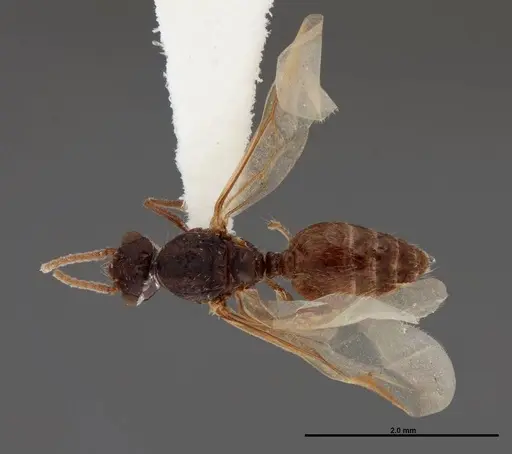
LACMENT182007
View on AntWeb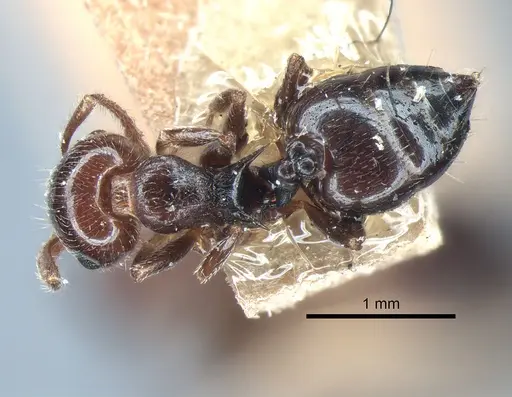
Literature
Loading...Loading products...