

Crematogaster parapilosa
- Scientific Name
- Crematogaster parapilosa
- Tribe
- Crematogastrini
- Subfamily
- Myrmicinae
- Author
- Ward & Blaimer, 2022
- Common Name
- Atkinson's Acrobat Ant
- Distribution
- Found in 1 countries
Crematogaster parapilosa Overview
Crematogaster parapilosa (commonly known as the Atkinson's Acrobat Ant) is an ant species of the genus Crematogaster. It is primarily documented in 1 countries , including United States of America. Detailed taxonomic data and occurrence records can be further explored via authoritative databases such as AntWeb or the Global Biodiversity Information Facility (GBIF).
Crematogaster parapilosa - "Atkinson's Acrobat Ant"
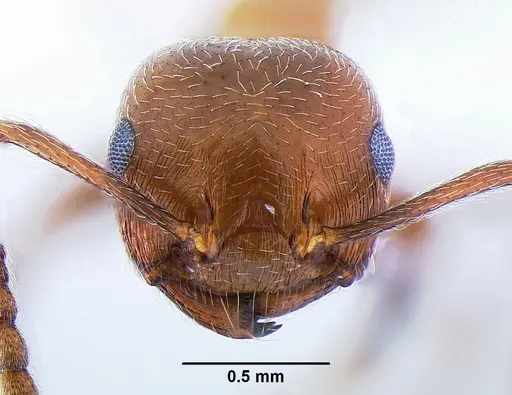
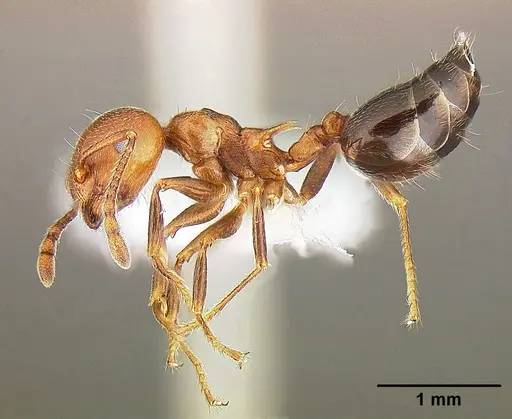
Crematogaster parapilosa is a small ant species native to the marshlands of the southeastern United States, specifically Florida. Workers measure around 3-5mm in total length with a distinctive smooth and shiny body surface. The species was only formally described in 2022,making it one of the newer additions to the ant fauna of North America. These ants are characterized by their long, slender propodeal spines that spread outward and their moderate standing hairs on the head and body. In their natural habitat, they construct carton nests on vegetation above ground, a common trait among marsh-inhabiting Crematogaster species. When disturbed, they display typical acrobat ant behavior, raising their abdomen over their head as a defensive display.
Quick Summary
- Difficulty: Medium
- Origin & Habitat: Marshlands of the southeastern United States, primarily Florida. They inhabit wetland areas and construct carton nests on vegetation above the ground [1].
- Colony Type: Colony structure is unconfirmed for this species. Based on typical Crematogaster patterns, likely single-queen colonies but further study is needed.
- Size & Growth:
- Queen: Unknown, not yet documented in scientific literature
- Worker: Workers are 3-5mm total length with head width (HW) 0.83-1.13mm [1]
- Colony: Unknown, no colony size data available for this newly described species
- Growth: Unknown, no development data available
- Development: Unknown, no direct measurements. Based on typical Crematogaster patterns, likely 6-10 weeks at warm temperatures. (This is a newly described species (2022) with no published development data. Estimates based on related Crematogaster species.)
- Antkeeping:
- Temperature: Keep at 22-26°C. Provide a gentle temperature gradient allowing workers to self-regulate. Marsh species benefit from moderate warmth with access to cooler areas.
- Humidity: Moderate to high humidity (60-80%). These marsh ants prefer damp conditions but avoid waterlogging. Provide moisture through substrate or water reservoir.
- Diapause: Likely requires a winter rest period (diapause) given their temperate North American origin. Reduce temperature to 10-15°C for 2-3 months during winter.
- Nesting: Arboreal/naturalistic setups work well. In captivity, they accept Y-tong nests, acrylic nests, or naturalistic setups with plants. They prefer enclosed nests with some vertical space for their carton-building behavior.
- Behavior: These ants are defensive and will display typical acrobat ant behavior when threatened, raising the abdomen over the head. They are arboreal by nature and construct nests on vegetation. Workers are active foragers and will explore their environment actively. Escape prevention should be moderate, they are small but not extremely tiny. They may accept sugar water and protein sources but specific dietary preferences are unconfirmed for this species.
- Common Issues: newly described species means limited care information, some aspects are based on genus-level knowledge rather than species-specific research, escape prevention is important despite their moderate size, they are agile and will exploit small gaps, marsh habitat requirements mean they need higher humidity than typical dry-nest species, winter diapause is likely required but specific timing and temperature needs are unconfirmed, carton nest building behavior may cause them to build on enclosure walls and decorations rather than in provided nest areas
Nest Preferences and Housing
Crematogaster parapilosa is a marsh-inhabiting species that naturally constructs carton nests on vegetation above ground. In captivity, they do well in arboreal-style setups or naturalistic terrariums that mimic their wetland habitat. Y-tong (acrylic) nests work well, as do plaster nests that can hold some moisture. Because they naturally build carton structures, providing live plants or artificial vegetation in a naturalistic setup encourages their natural building behavior. The nest should have chambers sized appropriately for their worker size (3-5mm) with narrow enough passages to make them feel secure. Avoid very dry setups, these marsh ants need access to moisture. [1]
Feeding and Diet
The specific dietary preferences of Crematogaster parapilosa have not been documented, but based on typical Crematogaster behavior, they likely consume honeydew from aphids and scale insects in addition to small insects. In captivity, offer sugar water or honey water as a constant carbohydrate source. For protein, provide small insects such as fruit flies, small crickets, or mealworms. Being a newly described species, their exact food preferences are unknown, observe your colony's acceptance of various foods and adjust accordingly. Remove uneaten protein within 24-48 hours to prevent mold issues.
Temperature and Seasonal Care
Keep colony temperatures in the 22-26°C range, which supports moderate activity and brood development. As a marsh species from the southeastern United States, they are adapted to warm, humid conditions. Provide a temperature gradient so workers can self-regulate by moving between warmer and cooler areas of the nest. During winter, they will likely require a diapause period (2-3 months at 10-15°C) mimicking their natural seasonal cycle in Florida marshes. Reduce feeding during this period and avoid disturbing the colony. Resume normal care when temperatures are gradually increased in spring. [1]
Behavior and Temperament
Crematogaster ants are commonly called 'acrobat ants' due to their defensive behavior of raising their abdomen over their head when threatened. This species will likely exhibit similar behavior, they are defensive and may spray formic acid or bite when disturbed. Workers are active foragers and will explore their environment thoroughly. They are not extremely large ants, but they are agile and determined. Escape prevention should be taken seriously, check lid seals and any gaps in the enclosure. They construct carton nests in the wild, so in naturalistic setups they may build papery structures on plants or enclosure walls. This is normal behavior and should be allowed. [1]
Colony Structure and Reproduction
The colony structure of Crematogaster parapilosa has not been documented in scientific literature. As a newly described species (2022), there are no published studies on their queen number, nuptial flight timing, or reproductive behavior. Most Crematogaster species form single-queen colonies, but some can be polygynous. Nuptial flights likely occur during warm summer months in Florida, but exact timing is unknown. If you maintain a colony, observe queen behavior and worker interactions for signs of reproductive activity. Do not combine unrelated queens unless you have specific information about this species' founding behavior. [1]
Frequently Asked Questions
How long does it take for Crematogaster parapilosa to produce first workers?
The exact development timeline is unknown for this newly described species. Based on typical Crematogaster patterns, expect 6-10 weeks from egg to worker at optimal temperatures (22-26°C). Be patient, this is a newly described species with no published development data.
What size colony does Crematogaster parapilosa reach?
Colony size is unconfirmed for this species. No published data exists on maximum colony size. Based on related Crematogaster species, colonies likely reach several hundred to a few thousand workers over several years.
Do Crematogaster parapilosa ants sting?
Crematogaster ants can bite and may spray formic acid as a defensive mechanism. They are not considered dangerous to humans. Their small size means any bite or spray is unlikely to break human skin. However, they are defensive and will protect their nest vigorously.
Can I keep Crematogaster parapilosa in a test tube setup?
Test tubes can work for founding colonies, but these marsh ants prefer some humidity and may do better in nests that can hold moisture. A test tube with a water reservoir can work for the founding stage, but consider moving to a more elaborate setup (Y-tong, plaster, or naturalistic) once the colony reaches 20-30 workers.
Do Crematogaster parapilosa need hibernation?
Yes, they likely require a winter rest period (diapause) given their origin in the southeastern United States. Reduce temperatures to 10-15°C for 2-3 months during winter. Reduce feeding and avoid disturbing the colony during this period.
Are Crematogaster parapilosa good for beginners?
This species is rated as Medium difficulty. While not the most challenging ant to keep, it is a newly described species with limited available care information. Some aspects of care must be inferred from genus-level knowledge. Beginners may want to start with more established species in the hobby.
What do Crematogaster parapilosa eat?
Specific dietary preferences are unconfirmed. Based on typical Crematogaster behavior, offer sugar water or honey water as a constant carbohydrate source. For protein, provide small insects like fruit flies, small crickets, or mealworms. Remove uneaten food promptly.
When should I move my colony to a formicarium?
Move to a proper nest setup (Y-tong, plaster, or naturalistic) when the colony reaches 20-30 workers and outgrows the founding setup. These ants naturally build carton nests, so a naturalistic setup with plants may encourage their natural behavior.
Can I keep multiple Crematogaster parapilosa queens together?
Colony structure is unconfirmed for this species. Combining unrelated queens is not recommended without specific information. Most Crematogaster species are single-queen (monogyne), and pleometrosis (multiple queens founding together) has not been documented for this species.
Why is my Crematogaster parapilosa colony dying?
Common causes include: incorrect humidity (too dry for this marsh species), temperature stress (too hot or too cold), insufficient protein leading to starvation, or stress from disturbance during founding. Ensure proper humidity levels, appropriate temperature with gradient, and consistent access to protein and sugar sources.
References

This caresheet is licensed under CC BY-SA 4.0 .
CASENT0863386
View on AntWeb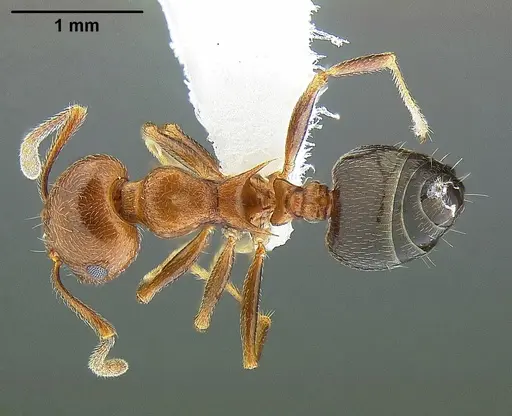
Literature
Loading...Loading products...