

Crematogaster paradoxa
- Scientific Name
- Crematogaster paradoxa
- Subgenus
- Orthocrema
- Tribe
- Crematogastrini
- Subfamily
- Myrmicinae
- Author
- Emery, 1894
- Distribution
- Found in 2 countries
Crematogaster paradoxa Overview
Crematogaster paradoxa is an ant species of the genus Crematogaster. It is primarily documented in 2 countries , including Indonesia, Papua New Guinea. Detailed taxonomic data and occurrence records can be further explored via authoritative databases such as AntWeb or the Global Biodiversity Information Facility (GBIF).
Crematogaster paradoxa
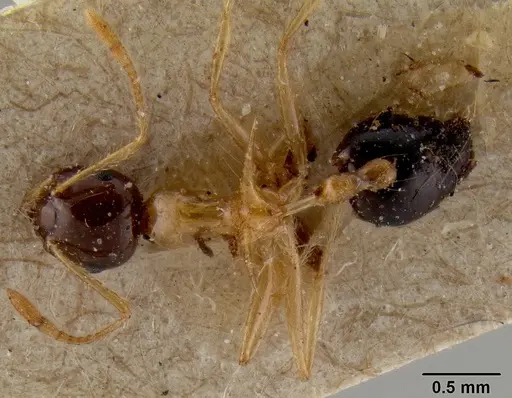
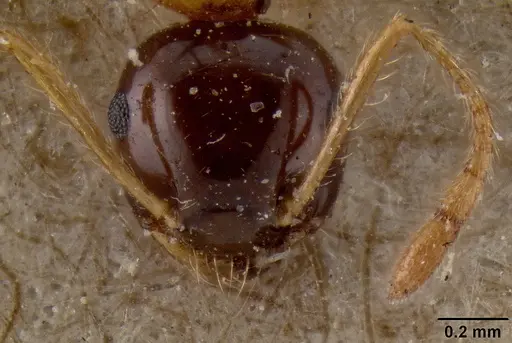
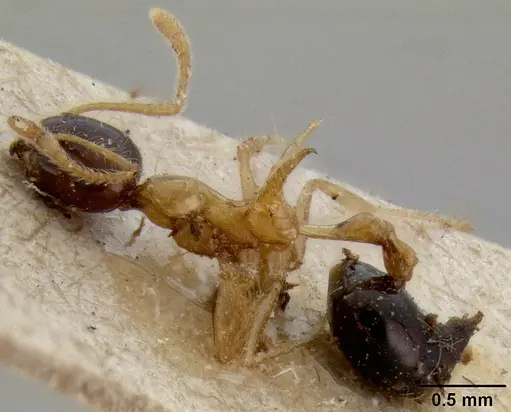
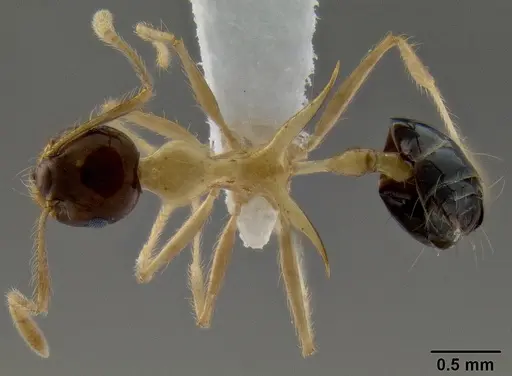
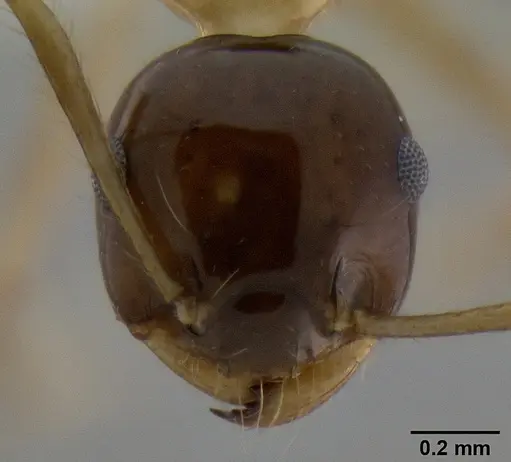
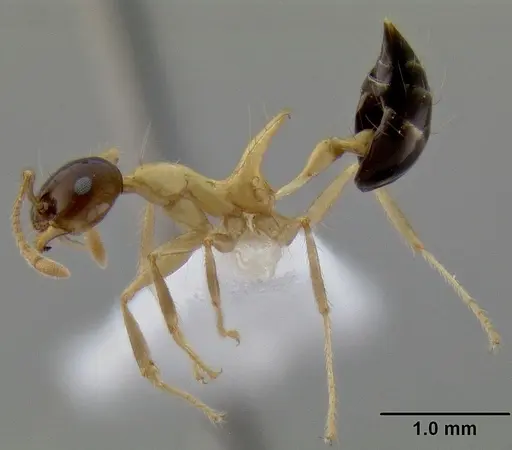
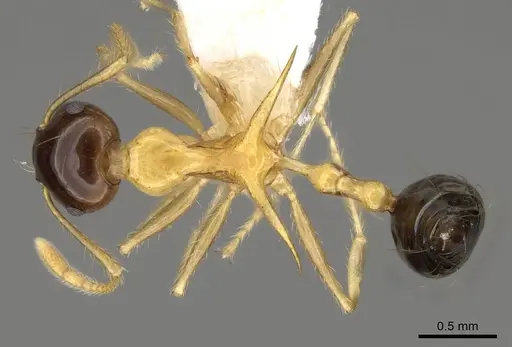
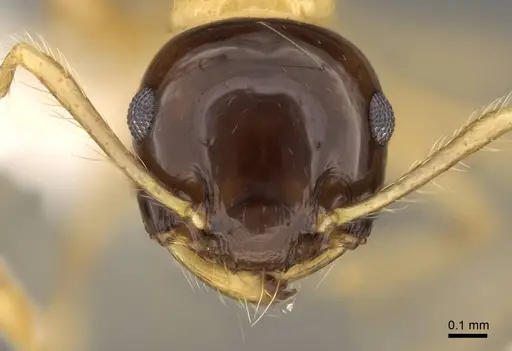
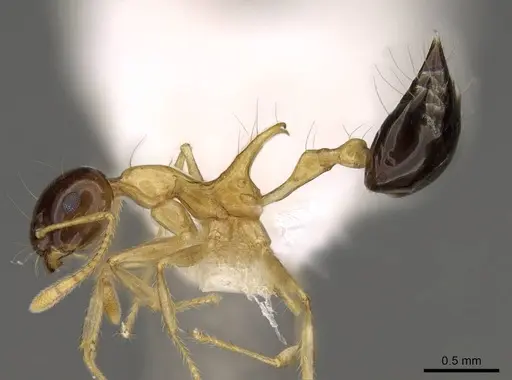
Crematogaster paradoxa is a small ant species native to New Guinea, specifically found in the Irian Jaya region of Indonesia. Workers are typical of the genus, small ants with a distinctive ability to raise their abdomen over their thorax and head like an acrobat, which gives them their common name. The species has distinctly elongated propodeal spines (the spiny projections on their back) [1]. This species belongs to the Orthocrema clade within Crematogaster, a group of related species found throughout the Asia-Pacific region [2]. Little is known about their specific colony size or behavior in the wild, but they are expected to share general Crematogaster traits of nesting in rotting wood and being moderate-sized colonies.
Quick Summary
- Difficulty: Medium
- Origin & Habitat: Native to New Guinea, specifically Irian Jaya (Yos Sudarso Bay/Humboldt Bay) in Indonesia [3]. They inhabit tropical rainforest environments typical of lowland New Guinea.
- Colony Type: Likely monogyne (single queen) based on typical Crematogaster patterns, though colony structure is unconfirmed for this specific species.
- Colony: Monogyne
- Founding: Claustral
- Size & Growth:
- Queen: Estimated 6-8mm based on genus patterns
- Worker: Estimated 3-5mm based on genus patterns
- Colony: Estimated several hundred workers based on typical Crematogaster colony sizes
- Growth: Moderate
- Development: Estimated 6-8 weeks at tropical temperatures based on related species (Development timeline is estimated from genus patterns, specific data for C. paradoxa is unavailable)
- Antkeeping:
- Temperature: Keep at 24-28°C, reflecting their tropical New Guinea origin. A slight gradient allowing cooler areas around 22°C is beneficial.
- Humidity: Moderate to high humidity (60-80%). Keep the nest substrate moist but not waterlogged, typical of rainforest-dwelling ants.
- Diapause: Unlikely, as a tropical species from New Guinea, they probably do not require a true hibernation period. However, slight seasonal reduction in activity during cooler months may occur.
- Nesting: In captivity, they do well in Y-tong nests, plaster nests, or naturalistic setups with rotting wood. They prefer enclosed spaces with some moisture retention. Avoid completely dry environments.
- Behavior: Crematogaster ants are generally not aggressive but will defend their nest vigorously if threatened. They are known for their acrobat behavior, raising the abdomen over the head when disturbed. Workers are active foragers that will search for honeydew, small insects, and sugar sources. They have a moderate escape risk due to their small size, use standard barrier methods. They are not known to be particularly difficult to keep, making them suitable for intermediate antkeepers.
- Common Issues: tropical humidity requirements mean mold can develop if ventilation is poor, ensure adequate airflow, small size makes escape prevention important, use fine mesh and tight-fitting lids, limited species-specific information means keepers must monitor colony health closely and adjust care as needed, wild-caught colonies may harbor parasites or diseases that can affect captive colonies
Housing and Nest Setup
Crematogaster paradoxa does well in enclosed nest setups that retain moisture. Y-tong (acrylic) nests work excellently for this species, providing the dark, humid environment they prefer. Plaster nests with water reservoirs are also suitable, as they help maintain the humidity levels these tropical ants need. For the outworld, a simple container with a small foraging area is sufficient, these ants are not large and do not need expansive spaces. Ensure the nest has chambers sized appropriately for a colony of several hundred workers. Adding a layer of substrate (soil or sand) in the outworld allows for natural foraging behaviors.
Feeding and Diet
Like other Crematogaster species, C. paradoxa likely accepts a varied diet. Offer sugar water, honey, or diluted syrup as a constant energy source, these ants are particularly attracted to sweet liquids. For protein, provide small insects such as fruit flies, small crickets, or mealworms. In the wild, they likely forage for honeydew from aphids and scale insects, so sugar sources are important. Feed protein 2-3 times per week, and always have sugar water available. Remove uneaten prey after 24-48 hours to prevent mold.
Temperature and Humidity
As a tropical species from New Guinea, these ants need warm and humid conditions. Maintain temperatures between 24-28°C during the active season. A slight temperature gradient (allowing workers to choose warmer or cooler areas) is beneficial. For humidity, aim for 60-80% within the nest. The substrate should feel consistently moist but never waterlogged. Using a water reservoir in plaster nests or regularly misting (lightly) the nest area helps maintain proper humidity. Avoid placing the colony near air conditioning or drafty areas that could cause temperature drops.
Behavior and Colony Care
Crematogaster paradoxa displays the characteristic acrobat behavior of their genus, when threatened, workers raise their abdomen over their head and thorax. They are generally peaceful but will release alarm pheromones and attack if their nest is disturbed. The colony will likely establish a central nest with workers actively foraging in the outworld. They are moderate climbers and foragers. Watch for colony growth, once the colony reaches a few hundred workers, consider whether the nest needs upgrading to accommodate more workers. These ants do not require hibernation but may show reduced activity during cooler periods.
Frequently Asked Questions
How long does it take for Crematogaster paradoxa to produce first workers?
Based on related Crematogaster species, expect first workers (nanitics) approximately 6-8 weeks after the queen lays eggs, assuming temperatures around 26°C. This timeline is estimated as specific development data for C. paradoxa is not available.
Do Crematogaster paradoxa ants sting?
Crematogaster ants can bite and may use their stingers, but they are not considered dangerous to humans. Their sting is mild and these ants are generally not aggressive toward keepers. The main defense is their ability to raise the abdomen in an acrobat-like display.
What temperature should I keep Crematogaster paradoxa at?
Keep them at 24-28°C, reflecting their tropical New Guinea origin. Room temperature in most homes (around 20-22°C) may be slightly cool, consider using a heating cable or mat on one side of the nest to create a warm zone.
Can I keep multiple Crematogaster paradoxa queens together?
This is not recommended. While some Crematogaster species can be polygynous, there is no specific data on C. paradoxa colony structure. It is safest to start with a single queen colony (monogyne) as is typical for most Crematogaster species.
What do Crematogaster paradoxa eat?
Feed them a mix of sugar sources (honey, sugar water, or diluted syrup) and protein (small insects like fruit flies, pinhead crickets, or mealworms). Sugar water should be available constantly, with protein offered 2-3 times per week.
Is Crematogaster paradoxa a good species for beginners?
This species is rated as medium difficulty. While not the easiest species, it is manageable for keepers with some experience. The main challenges are maintaining proper humidity and warmth. Complete beginners may want to start with more forgiving species.
Do Crematogaster paradoxa need hibernation?
No, hibernation is not required. As a tropical species from New Guinea, they do not experience cold winters in their natural habitat. They may show reduced activity during cooler months but do not need a true diapause period.
How big do Crematogaster paradoxa colonies get?
Based on typical Crematogaster colony sizes, expect colonies to reach several hundred workers. Specific maximum size for C. paradoxa is unknown, but colonies of this size are common in the genus.
What type of nest is best for Crematogaster paradoxa?
Y-tong (acrylic) nests or plaster nests with water reservoirs work well. The key is maintaining humidity while providing a dark, enclosed space. Avoid dry, open setups that would cause the colony to dry out.
Why is my Crematogaster paradoxa colony dying?
Common causes include: too low humidity (below 50%), temperatures outside their 24-28°C range, mold from poor ventilation, or stress from too frequent disturbances. Check these parameters first and adjust accordingly. Wild-caught colonies may also carry parasites.
References

This caresheet is licensed under CC BY-SA 4.0 .
Literature
Loading...Loading products...