

Crematogaster oxygynoides
- Scientific Name
- Crematogaster oxygynoides
- Subgenus
- Orthocrema
- Tribe
- Crematogastrini
- Subfamily
- Myrmicinae
- Author
- Santschi, 1934
- Distribution
- Found in 1 countries
Crematogaster oxygynoides Overview
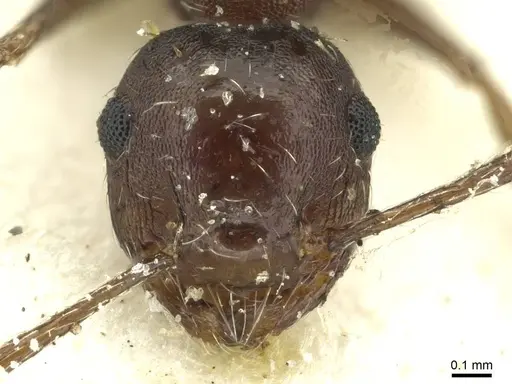
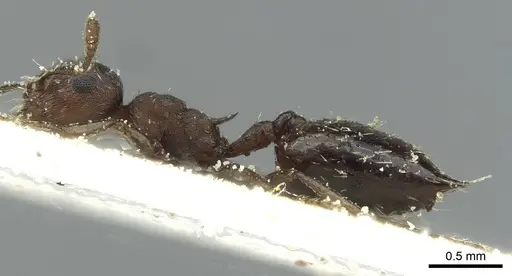
Crematogaster oxygynoides is an ant species of the genus Crematogaster. It is primarily documented in 1 countries , including Argentina. Detailed taxonomic data and occurrence records can be further explored via authoritative databases such as AntWeb or the Global Biodiversity Information Facility (GBIF).
Crematogaster oxygynoides
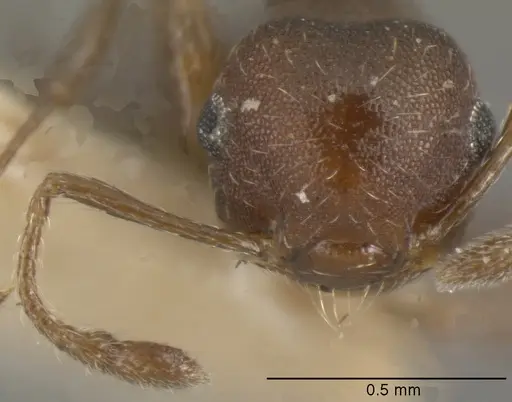
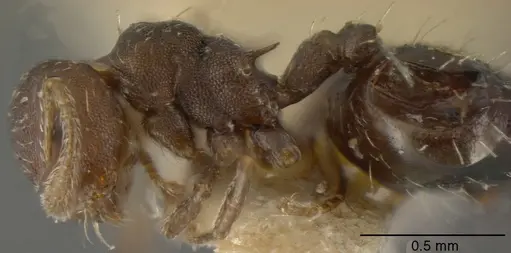
Crematogaster oxygynoides is a small myrmicine ant species native to the Neotropical region, specifically documented in Argentina's Misiones province and parts of Brazil [1]. Workers are typical of the genus, with the characteristic heart-shaped gaster that gives these ants their common name 'acrobat ants', they can raise and curl their abdomen over their head when threatened. The species was described by Santschi in 1934 from specimens collected in Loreto, Misiones [2].
This species belongs to the Generalized Myrmicinae functional group, which includes many adaptable, generalist ants common in tropical and subtropical regions [1]. Like other Crematogaster species, they likely nest in dead wood, under bark, or in hollow plant stems. They are foragers that likely tend honeydew-producing insects and hunt small prey.
Quick Summary
- Difficulty: Unknown, Limited Data
- Origin & Habitat: Misiones province in Argentina and southern Brazil, tropical and subtropical forest environments [1][2]
- Colony Type: Unconfirmed, colony structure has not been documented for this specific species. Most Crematogaster species are monogyne (single queen) but some can form multi-queen colonies.
- Size & Growth:
- Queen: Undocumented, estimated 5-7mm based on genus typical sizes
- Worker: Undocumented, estimated 2-4mm based on genus typical sizes
- Colony: Undocumented, likely several hundred workers based on genus patterns
- Growth: Unknown, no development data available
- Development: Unknown, estimated 4-8 weeks based on typical tropical Crematogaster patterns (Development timeline has not been directly studied. Estimates based on related tropical Myrmicinae.)
- Antkeeping:
- Temperature: Estimated 22-28°C, provide a gradient and monitor colony activity. Tropical species typically prefer warmer conditions.
- Humidity: Moderate to high, aim for 60-80% humidity. Keep substrate slightly moist but not waterlogged.
- Diapause: Likely minimal or no true diapause, tropical species may slow down slightly during cooler months but do not require hibernation.
- Nesting: Likely prefers nesting in dead wood, small cavities, or hollow stems. In captivity, a small Y-tong nest, acrylic formicarium with narrow chambers, or test tube setup works well. Avoid overly large spaces, they prefer tight, snug chambers.
- Behavior: Temperament is typically moderate, they are not particularly aggressive but will defend their nest. Workers are active foragers, both on the ground and possibly climbing. They likely tend honeydew and collect small insects. Escape risk is moderate due to their small size, use standard barrier methods. They have a functional stinger but rarely use it on humans due to their small size.
- Common Issues: limited data means specific care requirements are uncertain, start with genus-typical conditions and adjust based on colony behavior, small colony size makes them vulnerable to stress, avoid disturbing founding colonies, tropical species may struggle in cool, dry environments, monitor temperature and humidity closely, escape prevention is important due to small worker size, wild-caught colonies may carry parasites or diseases that can affect captive colonies
Nest Preferences
In their natural habitat in Misiones, these ants likely nest in dead wood, under loose bark, or in hollow plant stems, typical locations for Neotropical Crematogaster species. They prefer snug, enclosed spaces that retain some moisture. In captivity, provide a small, well-humidified nest with tight chambers. A Y-tong (AAC) nest or small acrylic formicarium works well. Test tube setups are suitable for founding colonies. Avoid large, open spaces, these ants feel more secure in compact quarters. Ensure the nest has some moisture available but is not waterlogged. [1][2]
Feeding and Diet
Like most Crematogaster species, they are generalist feeders. They likely collect honeydew from aphids and scale insects in the wild, and supplement this with small insects and nectar. In captivity, offer sugar water or honey water as a constant energy source. For protein, provide small prey items like fruit flies, pinhead crickets, or small mealworms. They are small ants, so prey should be appropriately sized. Observe your colony's acceptance of different foods and adjust accordingly. Fresh food should be offered regularly and removed before it molds.
Temperature and Care
As a tropical species from Misiones, Argentina, they likely prefer warmer conditions in the 22-28°C range. Provide a temperature gradient so the colony can choose its preferred zone. A heating cable on one side of the nest can help maintain warmth, but avoid overheating. Room temperature in the low-to-mid 20s°C is likely suitable for most of the year. Monitor colony activity, if workers become sluggish, consider increasing temperature slightly. Unlike temperate species, they likely do not require a true hibernation period, though they may reduce activity during cooler months. [1]
Behavior and Temperament
Crematogaster oxygynoides workers are active foragers, likely searching for honeydew and small prey both on the ground and on vegetation. They have the characteristic heart-shaped gaster that they can raise over their thorax and head, this is where their common name 'acrobat ants' comes from. When threatened, they may release formic acid or use their stinger, though their small size makes them unlikely to penetrate human skin significantly. They are not typically aggressive toward keepers but will defend their nest vigorously. Their small size means some escape prevention measures are advisable, though they are not as prone to escaping as truly tiny species.
Frequently Asked Questions
How long does it take for Crematogaster oxygynoides to produce first workers?
The exact timeline is unknown, no direct development studies exist for this species. Based on typical tropical Crematogaster patterns, expect first workers (nanitics) in approximately 4-8 weeks after the queen lays eggs. Factors like temperature and feeding can affect this timeline.
What temperature do Crematogaster oxygynoides ants need?
Based on their tropical origin in Argentina's Misiones province, aim for temperatures in the 22-28°C range. Provide a gradient so the colony can self-regulate. Room temperature in the low-to-mid 20s is likely suitable. Avoid temperatures below 18°C for extended periods.
Can I keep multiple Crematogaster oxygynoides queens together?
This has not been documented for this specific species. While some Crematogaster species are polygynous (multi-queen), most are monogyne (single queen). Unless you observe queens tolerating each other, it is safest to keep only one queen per colony. Combining unrelated foundresses is not recommended without documented evidence of tolerance.
Do Crematogaster oxygynoides ants sting?
Yes, they have a stinger, but due to their very small size, it rarely penetrates human skin. Most keepers report minimal or no pain from their sting. They may also release formic acid as a defense. They are not considered dangerous to humans.
What do Crematogaster oxygynoides eat?
They are generalist feeders. Offer sugar water or honey water as a constant carbohydrate source. For protein, provide small live or freshly killed insects like fruit flies, pinhead crickets, or small mealworms. They likely also accept honeydew if available.
Is Crematogaster oxygynoides a good species for beginners?
Due to limited documented care information, this species is not ideal for complete beginners. However, experienced antkeepers familiar with general Crematogaster care should be able to maintain them successfully. Start with genus-typical conditions and adjust based on your colony's behavior.
How big do Crematogaster oxygynoides colonies get?
Colony size has not been documented for this species. Based on typical Crematogaster patterns, colonies likely reach several hundred workers. They are not among the largest Myrmicinae, but can still form substantial colonies over time.
Do Crematogaster oxygynoides need hibernation?
As a tropical species from Misiones, they likely do not require a true hibernation period. They may reduce activity during cooler months, but this is not a proper diapause. Maintain normal temperatures year-round, though you may notice slightly reduced activity in winter.
Where is Crematogaster oxygynoides found?
This species is documented in the Neotropical region, specifically Argentina's Misiones province and southern Brazil [1]. Misiones is a subtropical region with high humidity and warm temperatures year-round.
References

This caresheet is licensed under CC BY-SA 4.0 .
CASENT0625398
View on AntWeb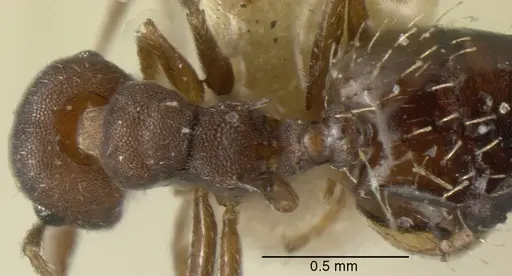
CASENT0912746
View on AntWeb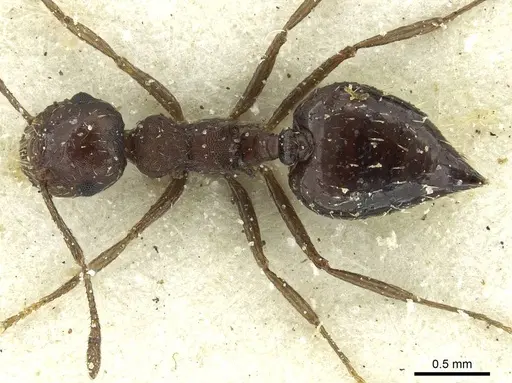
Literature
Loading...Loading products...