

Crematogaster overbecki
- Scientific Name
- Crematogaster overbecki
- Subgenus
- Orthocrema
- Tribe
- Crematogastrini
- Subfamily
- Myrmicinae
- Author
- Viehmeyer, 1916
- Distribution
- Found in 1 countries
Crematogaster overbecki Overview
Crematogaster overbecki is an ant species of the genus Crematogaster. It is primarily documented in 1 countries , including Singapore. Detailed taxonomic data and occurrence records can be further explored via authoritative databases such as AntWeb or the Global Biodiversity Information Facility (GBIF).
Crematogaster overbecki
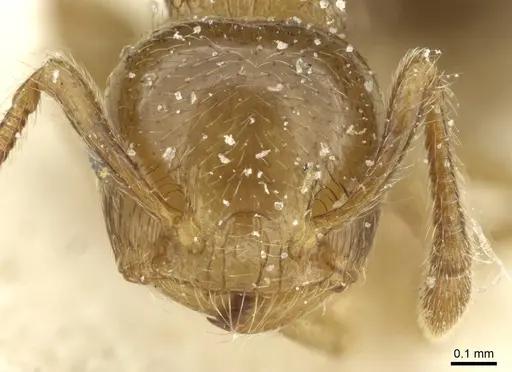
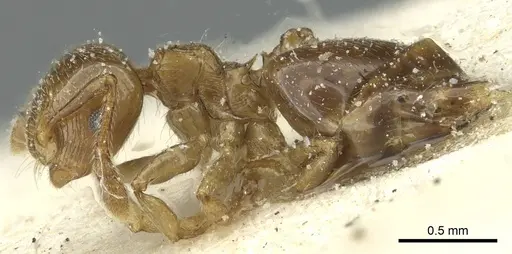
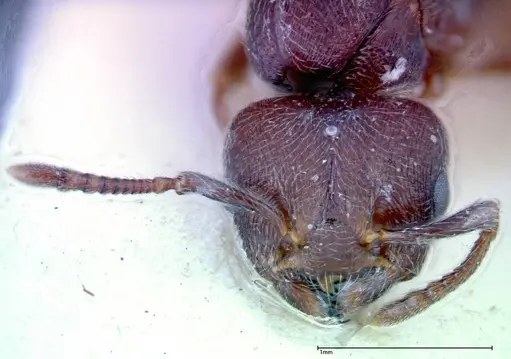
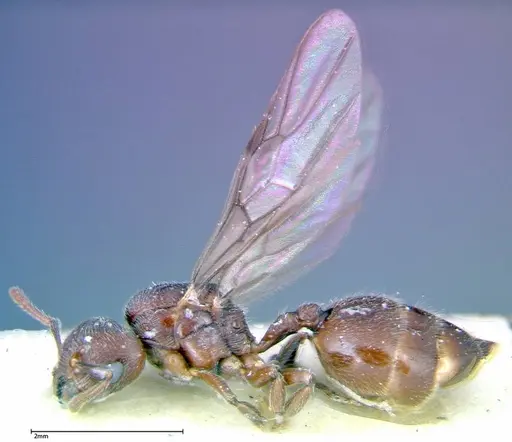
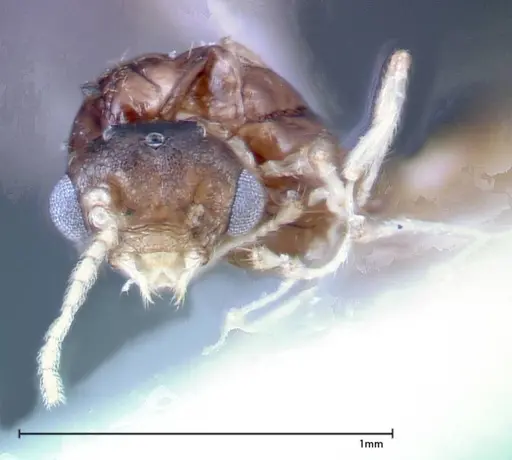
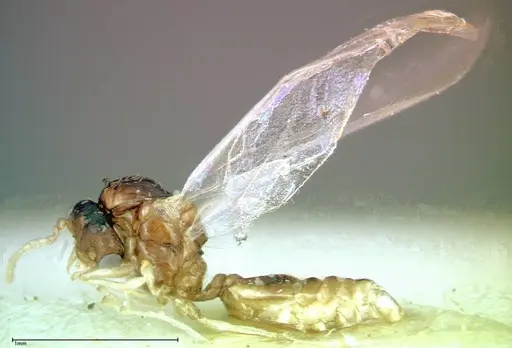
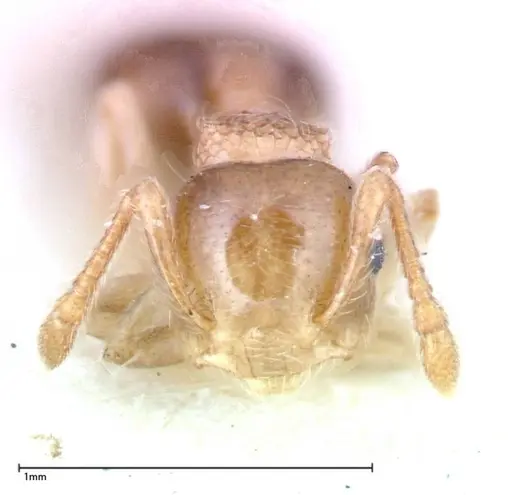
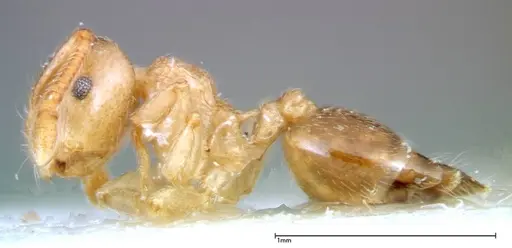
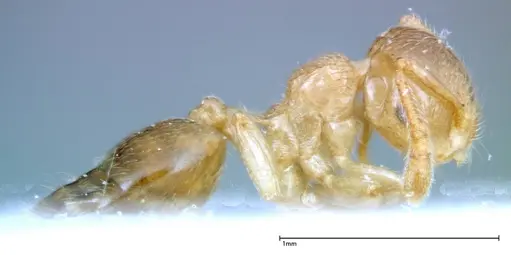
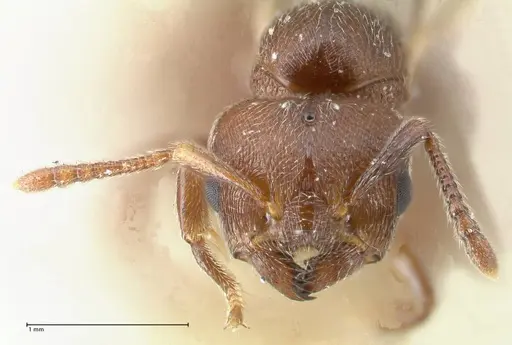
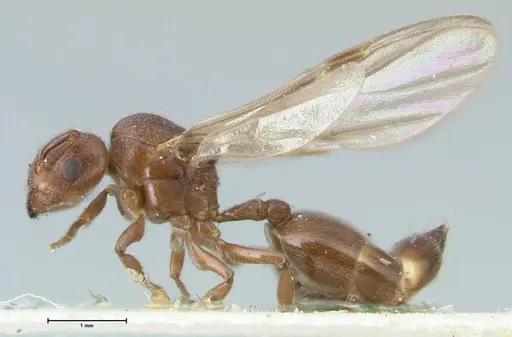
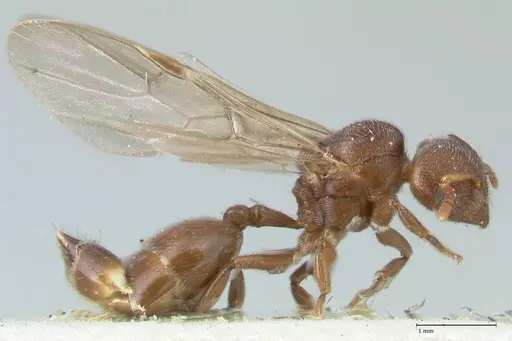
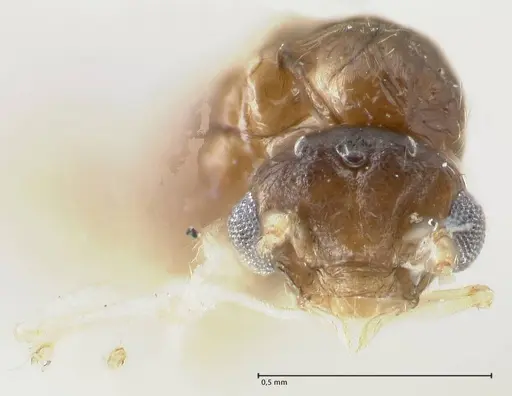
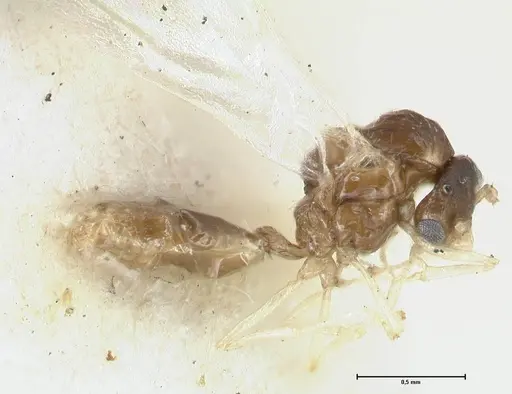
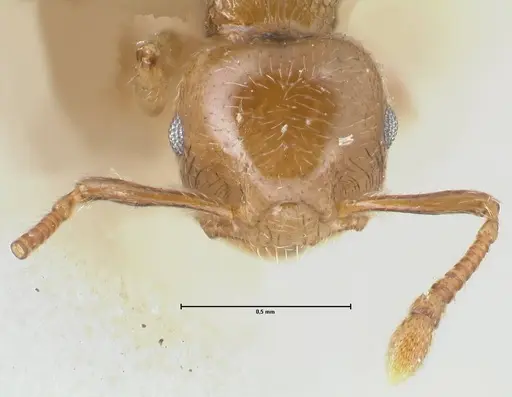
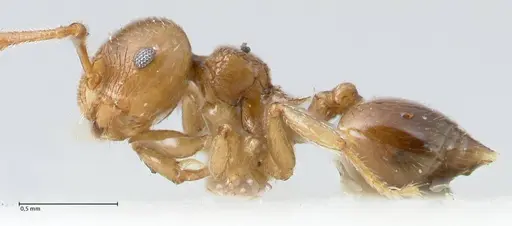
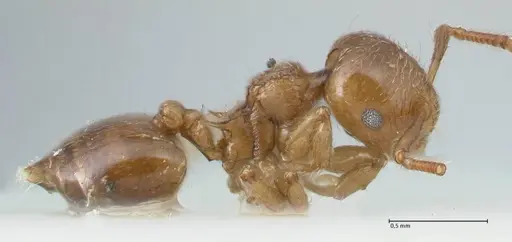
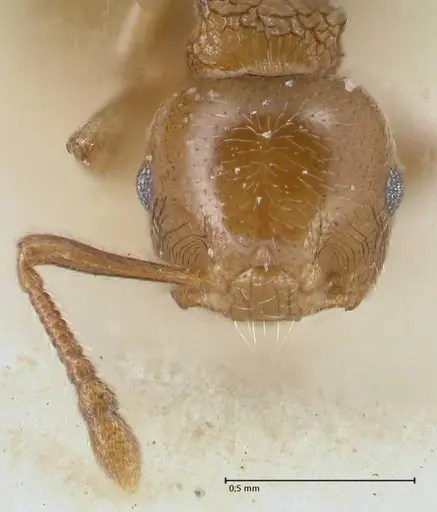
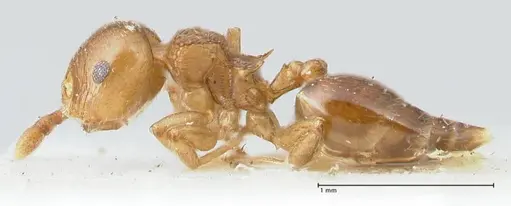
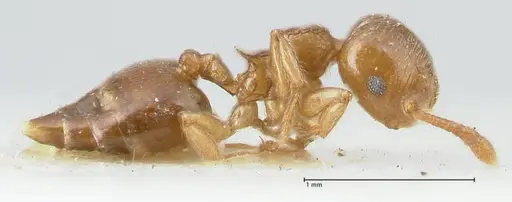
Crematogaster overbecki is a tiny myrmicine ant measuring just 0.63mm in head width for workers [1]. The species belongs to the Crematogaster brevis group and can be identified by its 11-segmented antennae with a 2-segmented club, propodeal spines that curve upward and are longer than the propodeal spiracle diameter, and a weakly bilobed postpetiole [1][2]. The head is mostly smooth with longitudinal rugulae on the malar region, while the promesonotum has distinctive reticulate sculpture with shiny interspaces [1]. This species is known only from its type locality in Singapore, making it one of the more geographically restricted Crematogaster species in Asia [1][3]. The genus Crematogaster is known for their distinctive heart-shaped gaster that they can raise and curl when threatened, and these ants typically nest in rotting wood, under bark, or in hollow plant stems.
Quick Summary
- Difficulty: Medium
- Origin & Habitat: Known only from Singapore, a tropical city-state in Southeast Asia. The natural habitat would be tropical forest environments with high humidity and consistent year-round temperatures [1].
- Colony Type: Colony structure is unconfirmed. The Crematogaster brevis group typically has monogyne (single queen) colonies, but specific data for C. overbecki is lacking [2].
- Size & Growth:
- Queen: Unconfirmed, no queen measurements available in the original description or redescription [1].
- Worker: 0.63mm head width (HW), with corresponding measurements: HL 0.63mm, SL 0.44mm, WL 0.64mm [1].
- Colony: Unknown, no colony size data exists for this species.
- Growth: Unknown, no development data available.
- Development: Unconfirmed, no direct development data exists for this species. Based on typical tropical Crematogaster patterns, development likely takes 4-8 weeks at optimal temperature. (Development timeline is unconfirmed. Related tropical Crematogaster species typically develop faster than temperate species due to year-round warm conditions.)
- Antkeeping:
- Temperature: Based on the tropical Singapore origin, keep nest areas at 24-28°C. Room temperature in most homes (20-24°C) may be slightly cool, consider a gentle heat gradient using a heating cable on one side of the nest.
- Humidity: Tropical species require high humidity. Keep nest substrate consistently moist but not waterlogged. The substrate should feel damp to the touch, with some drier areas available for the ants to self-regulate.
- Diapause: No, as a tropical species from Singapore, year-round activity is expected. No winter dormancy period is required.
- Nesting: In nature, Crematogaster species typically nest in rotting wood, under loose bark, or in hollow plant stems. In captivity, a Y-tong (AAC) nest or plaster nest works well. The chambers should be appropriately scaled to their tiny 0.63mm worker size.
- Behavior: Crematogaster ants are known for their active foraging and ability to raise their heart-shaped gaster when threatened. They may use chemical defense through their metapleural gland. Workers are small at 0.63mm, so escape prevention must be excellent, use fine mesh barriers and tight-fitting lids. They likely forage for honeydew and small prey, typical of the genus.
- Common Issues: escape prevention is critical due to their very small 0.63mm worker size, they can squeeze through standard test tube barriers, lack of species-specific care data means keepers must rely on genus-level inference, high humidity requirements can lead to mold issues if ventilation is inadequate, tropical species may struggle in air-conditioned rooms with low humidity, no documented colony founding behavior, unknown if claustral or semi-claustral
Nest Preferences
In the wild, Crematogaster species typically nest in decaying wood, under loose bark, or within hollow plant stems and bamboo. The type specimen was collected in Singapore, a tropical environment with high humidity year-round. For captive care, a Y-tong (AAC) nest or plaster formicarium works well for this species. The chambers should be appropriately sized for their tiny worker size of 0.63mm, narrow passages and tight chambers help them feel secure. Provide some damp substrate (cotton or soil) in the outworld to maintain humidity. Avoid overly dry conditions that would cause desiccation. [1]
Feeding and Diet
Crematogaster ants are generalist foragers that typically collect honeydew from aphids and scale insects, along with small insects and other protein sources. In captivity, offer sugar water or honey as a constant energy source. For protein, provide small prey items appropriate to their tiny size, fruit flies, pinhead crickets, or small mealworms work well. Given their small worker size (0.63mm), prey items should be appropriately scaled. Observe feeding behavior to adjust portion sizes.
Temperature and Care
As a species from tropical Singapore, Crematogaster overbecki requires warm, humid conditions. Keep the nest area at 24-28°C for optimal activity and any potential brood development. A heating cable placed on one side of the nest can create a temperature gradient, allowing the ants to self-regulate. Avoid temperatures below 20°C for extended periods. High humidity is essential, aim for 70-80% relative humidity in the nest area. Use a water tube or moist substrate in the outworld to help maintain humidity. Avoid placing the colony near air conditioning vents or in rooms with fluctuating temperatures. [1]
Behavior and Temperament
Crematogaster ants are known for their distinctive defensive behavior, when threatened, they raise their heart-shaped gaster and may release formic acid or other defensive chemicals from their metapleural gland. Workers are active foragers and will readily explore their outworld for food. Their small size (0.63mm) makes them excellent escape artists, so use fine mesh (at least 0.5mm or smaller) on all ventilation holes and ensure all connections are sealed. They are not aggressive toward keepers but will defend their nest vigorously if disturbed. [1]
Frequently Asked Questions
How long does it take for Crematogaster overbecki to produce first workers?
The egg-to-worker timeline is unconfirmed for this species as no development data exists. Based on typical tropical Crematogaster patterns, expect approximately 4-8 weeks at optimal temperature (24-28°C). However, this is an estimate, actual development time may vary.
What do Crematogaster overbecki ants eat?
Like other Crematogaster species, they likely feed on honeydew from aphids and scale insects, plus small insects and other protein sources. In captivity, offer sugar water or honey as a constant energy source and small prey items like fruit flies or tiny crickets for protein.
Do Crematogaster overbecki ants sting?
Crematogaster ants have a stinger but are too small to penetrate human skin effectively. They rely more on chemical defense through their metapleural gland and may raise their gaster in a defensive posture when threatened.
Can I keep Crematogaster overbecki in a test tube setup?
Yes, a test tube setup can work for founding colonies. Ensure the water reservoir is appropriately sized and use cotton to create a humid chamber. However, due to their very small 0.63mm worker size, excellent escape prevention is essential, consider using fine mesh barriers.
What temperature is best for Crematogaster overbecki?
Keep nest areas at 24-28°C based on their tropical Singapore origin. Room temperature (20-24°C) may be slightly cool. A gentle heat gradient using a heating cable on part of the nest allows the ants to choose their preferred temperature.
Do Crematogaster overbecki need hibernation?
No, as a tropical species from Singapore, they do not require hibernation or winter dormancy. Maintain year-round warm, humid conditions.
How big do Crematogaster overbecki colonies get?
Colony size is unknown, no published data exists on maximum colony size for this species. Based on related Crematogaster species, moderate colony sizes of several hundred workers are typical.
Are Crematogaster overbecki good for beginners?
This species is not ideal for beginners due to the lack of species-specific care data and their very small size requiring excellent escape prevention. The difficulty is rated as Medium, more experienced antkeepers who can provide appropriate tropical conditions will have better success.
When should I move Crematogaster overbecki to a formicarium?
Move to a formicarium when the colony reaches several dozen workers and the test tube setup becomes cramped. For this tiny species, ensure the formicarium has appropriately scaled chambers and passages. Maintain high humidity in the nest area.
Why are my Crematogaster overbecki escaping?
Their very small 0.63mm worker size means they can squeeze through tiny gaps. Use fine mesh (0.5mm or smaller) on all openings, seal all connections with fluon or similar barriers, and check for any gaps in the setup regularly.
References

This caresheet is licensed under CC BY-SA 4.0 .
CASENT0912734
View on AntWeb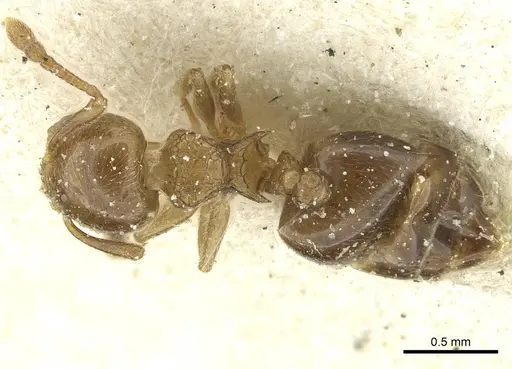
FOCOL0272
View on AntWeb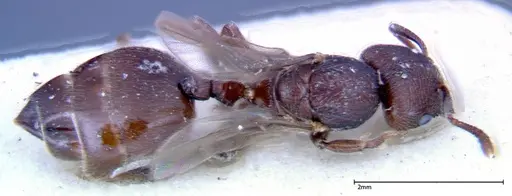
FOCOL0273
View on AntWeb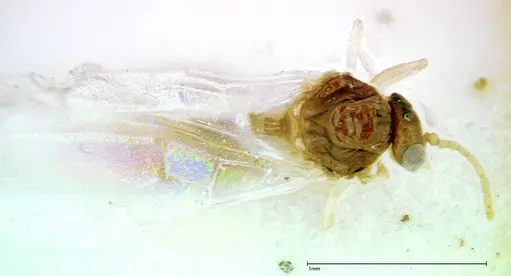
FOCOL0274
View on AntWeb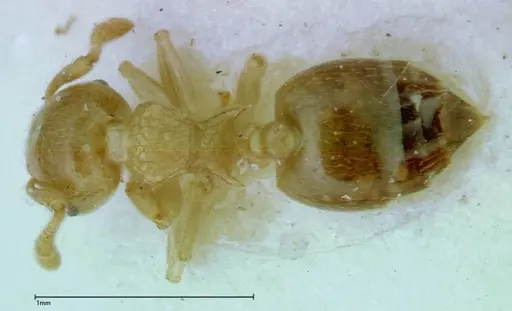
FOCOL1634
View on AntWeb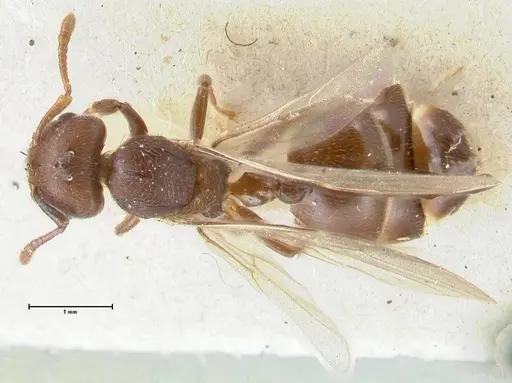
FOCOL1635
View on AntWeb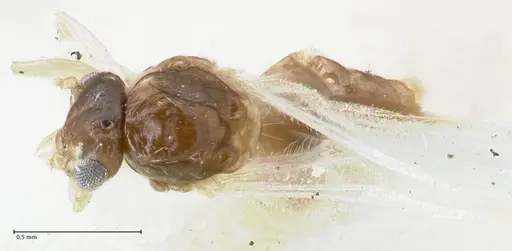
FOCOL1636
View on AntWeb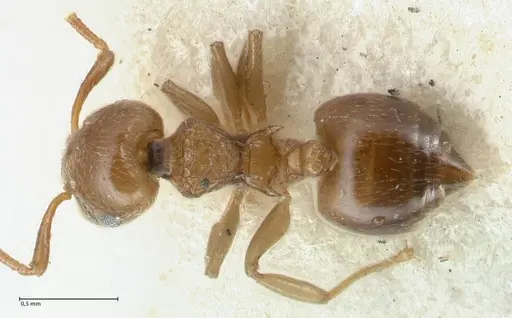
FOCOL1637
View on AntWeb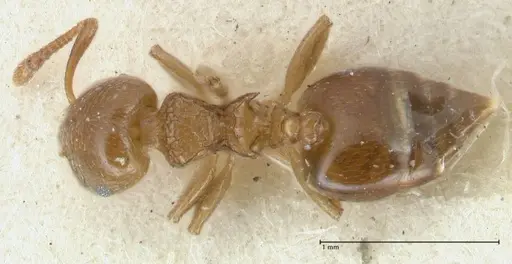
Literature
Loading...Loading products...