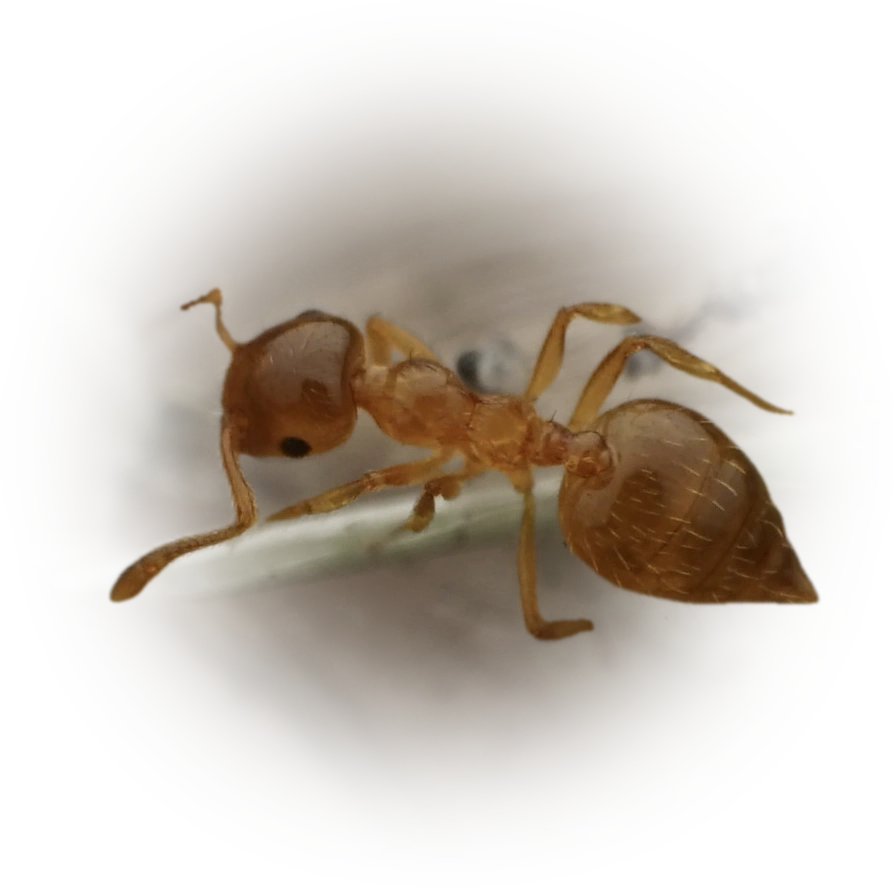

Crematogaster osakensis
- Scientific Name
- Crematogaster osakensis
- Subgenus
- Orthocrema
- Tribe
- Crematogastrini
- Subfamily
- Myrmicinae
- Author
- Forel, 1900
- Distribution
- Found in 4 countries
Crematogaster osakensis Overview
Crematogaster osakensis is an ant species of the genus Crematogaster. It is primarily documented in 4 countries , including China, Japan, Korea. Detailed taxonomic data and occurrence records can be further explored via authoritative databases such as AntWeb or the Global Biodiversity Information Facility (GBIF).
Crematogaster osakensis
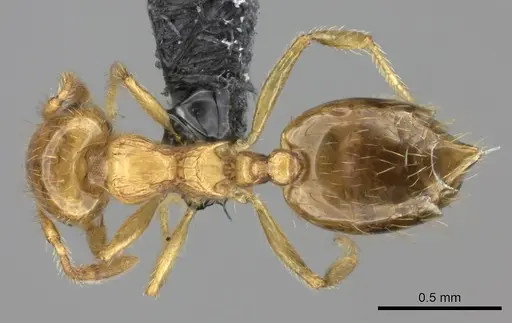
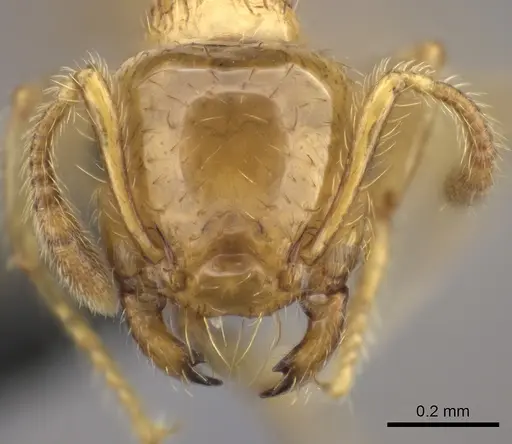
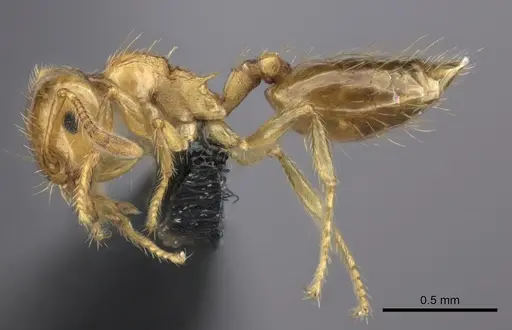
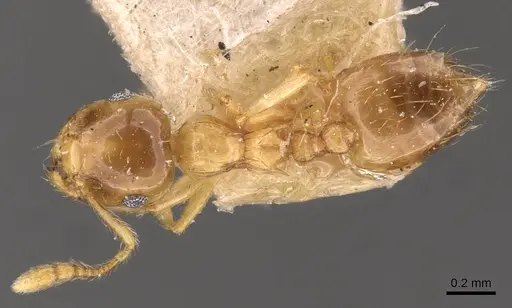
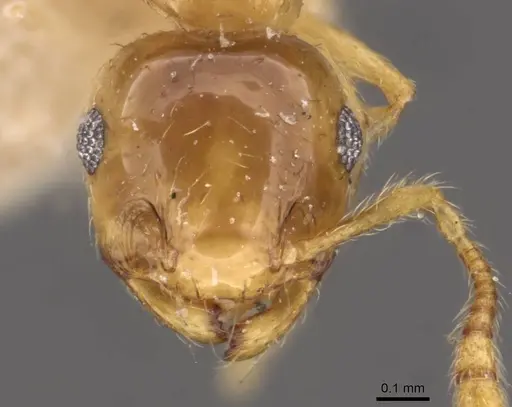
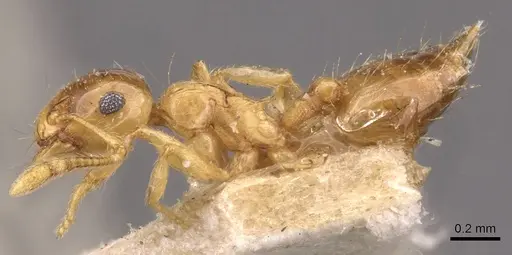
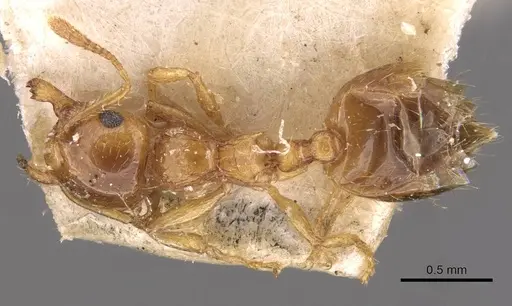
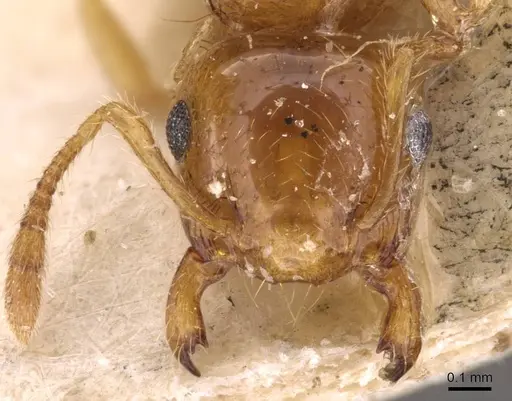
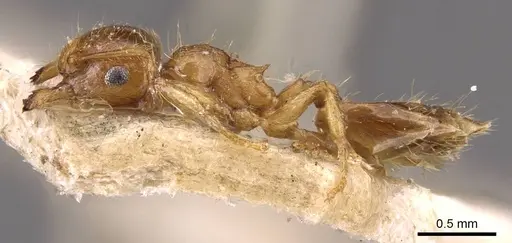
Crematogaster osakensis is a small yellow to brownish-yellow ant native to East Asia, found across Japan, Korea, and parts of China. Workers measure 2-3mm with a distinctive heart-shaped gaster that they raise in an aggressive display when threatened. These ants belong to the Crematogaster genus, known for their ability to squirt formic acid from their gaster as a defense mechanism. They inhabit areas ranging from grasslands to forests, typically nesting under stones or in soil and leaf litter [1][2].
What makes C. osakensis particularly interesting is its winter activity, unlike most ants that become dormant in cold months, this species remains active throughout the year in Japan. Research shows they forage even when soil temperatures drop to 4-5°C, making them one of the few ant species active during Japanese winters. They are also known to attend to the larvae of the lycaenid butterfly Arhopala japonica, demonstrating a facultative mutualistic relationship with these butterflies.
Quick Summary
- Difficulty: Easy
- Origin & Habitat: Native to Japan, Korean Peninsula, and eastern China. Found in grasslands to forests, nesting under stones and in soil or leaf litter [1][2].
- Colony Type: Polygynous (multiple-queen) colonies. Colonies contain multiple reproductive queens that work together to establish and maintain the colony [1].
- Colony: Polygyne
- Size & Growth:
- Queen: Estimated 5-6mm based on genus patterns
- Worker: 2-3mm [2][3]
- Colony: Unknown maximum, but polygynous colonies can become quite large
- Growth: Moderate, based on typical Crematogaster development patterns
- Development: Estimated 6-8 weeks at optimal temperature based on genus patterns (Development time inferred from typical Myrmicinae patterns, specific data for this species not available)
- Antkeeping:
- Temperature: Room temperature (18-25°C) is suitable. Notably tolerant of cool conditions, foraging continues when ground temperature is above 6-7°C or soil temperature above 4-5°C. This makes them adaptable to typical room temperatures without specialized heating.
- Humidity: Keep nest substrate moderately moist. They naturally inhabit areas with some moisture, including leaf litter and soil under stones. Provide a gradient with slightly drier areas for workers to choose.
- Diapause: No true diapause required. This species is winter-active in Japan and remains foraging even in cold months. However, activity slows significantly in winter, so reducing feeding frequency during December-February is advisable.
- Nesting: Test tube setups work well for founding colonies. For established colonies, a Y-tong (AAC) or plaster nest with chambers scaled to their small size is appropriate. They prefer nesting in soil or under stones in the wild, so a naturalistic setup with some soil depth also works [1].
- Behavior: Crematogaster osakensis is relatively calm but will defend aggressively when their nest is threatened. Workers raise their gaster in a defensive posture and can spray formic acid, this is their primary defense mechanism. They are attracted to both sweet baits (honey, sugar water) and protein sources (cheese, insects). They are persistent foragers that dominate food sources for extended periods [4]. Workers are small (2-3mm) but can escape through small gaps, use fine mesh and tight-fitting lids. They are not aggressive toward humans and rarely sting.
- Common Issues: escape prevention is critical due to their small 2-3mm size, they can squeeze through tiny gaps, overheating can be an issue if kept too warm, they tolerate cool conditions better than most ants, polygynous colonies may have multiple queens, do not remove queens as they coexist peacefully, mold can develop in nests if substrate stays too wet, maintain proper ventilation, winter slowdown is normal, beginners may mistake reduced activity for illness or death
Housing and Nest Setup
For founding colonies, a standard test tube setup works well. Fill the tube with water and plug with cotton, providing a dark covering to simulate the underground chamber queens naturally select. Once the colony reaches 20-30 workers, you can move them to a formicarium. Y-tong (AAC) nests are excellent for Crematogaster because the narrow chambers match their small size and the acrylic allows you to observe colony development. Alternatively, a plaster nest with some soil depth mimics their natural preference for nesting in soil and under stones. Regardless of nest type, ensure there is a water reservoir to maintain humidity, these ants prefer moderately moist conditions but not waterlogged substrate. An outworld for foraging is essential, connected to the nest via tubing. [1][2]
Feeding and Diet
Crematogaster osakensis is omnivorous and readily accepts both sweet and protein foods. In captivity, they will take sugar water, honey, and maple syrup as carbohydrate sources. For protein, offer small insects like fruit flies, pinhead crickets, or mealworms. Research shows they are attracted to both honey and cheese baits in the wild, demonstrating flexible feeding habits [4]. Feed protein sources 2-3 times per week, and keep a constant supply of sugar water. Remove uneaten prey after 24-48 hours to prevent mold. Given their small size, ensure prey items are appropriately sized, tiny insects and larvae are better than large prey they cannot subdue.
Temperature and Seasonal Care
This species is remarkably tolerant of cool temperatures compared to most ants. Research in western Japan shows they remain active throughout winter, foraging when ground temperature exceeds 6-7°C or soil temperature exceeds 4-5°C. This means room temperature (18-25°C) is perfectly suitable, and you do not need specialized heating. In fact, they may be more comfortable in cooler conditions than many tropical species. During winter months (December-February in the Northern Hemisphere), reduce feeding frequency as their activity naturally decreases. They do not require a true diapause period, simply allowing cooler room temperatures during winter mimics their natural cycle. Avoid temperatures above 30°C, as this can stress the colony.
Colony Structure and Multi-Queen Care
Crematogaster osakensis is polygynous, meaning colonies naturally contain multiple queens. This is unusual among ants, many species have single-queen colonies, but this species has evolved to have multiple reproductive queens working together. When keeping this species, you do not need to separate or remove excess queens, they coexist cooperatively. A founding colony may start with one queen, but additional queens may join or the colony may have established multiple queens from the start. This polygynous structure likely contributes to their success in colonizing new areas and their ability to remain active year-round. Do not confuse ergatoid (wingless) queens with polygyny, ergatoids serve as replacement reproductives if the primary queen dies, but the colony remains functionally polygynous with one or more primary egg-layers. [1][2]
Defense Mechanisms
Like all Crematogaster ants, this species has a distinctive defense mechanism: they can raise their gaster (abdomen) over their head and spray formic acid at threats. This is called the 'acid spray' defense and is effective against both predators and rival ants. When threatened, workers become agitated and will aggressively defend the colony. In captivity, you may observe this behavior when the nest is disturbed or during colony maintenance. The spray is not dangerous to humans but can be irritating if sprayed in eyes. This defensive behavior makes them effective at protecting their colony but also means they are more likely to escape if they feel threatened, work carefully around the nest.
Winter Activity and Care
Unlike most ant species that enter dormancy during winter, Crematogaster osakensis remains active year-round in its native Japan. Studies show they are one of only four ant species that continue foraging on bait in January and February [4]. This does not mean they need special winter care, simply maintain their normal setup and reduce feeding frequency. Their activity level drops significantly in cold months, which is normal. The key insight from research is that they can tolerate and even remain active at temperatures that would send most ants into dormancy. This makes them an excellent species for keepers who keep their ant room at cooler room temperatures or live in climates with cold winters.
Frequently Asked Questions
How long does it take for Crematogaster osakensis to produce first workers?
Based on typical Crematogaster development patterns, expect 6-8 weeks from egg to first worker at room temperature. Specific development data for this species is not available, but related species in the genus typically develop within this timeframe. The first workers (nanitics) will be smaller than mature workers.
Do Crematogaster osakensis ants need hibernation?
No, they do not require a hibernation period. This species is winter-active in Japan and remains foraging even in cold months when soil temperatures are above 4-5°C. Simply reduce feeding frequency during winter months and allow them to slow down naturally.
Can I keep multiple queens together in one colony?
Yes, this species is naturally polygynous, meaning colonies have multiple queens. Unlike many ant species where queens will fight, C. osakensis queens coexist peacefully. You can start a colony with multiple foundress queens if you obtain them, though single-queen colonies are also successful.
What do Crematogaster osakensis eat?
They are omnivorous and accept both sweet and protein foods. Offer sugar water, honey, or maple syrup as constant carbohydrate sources. For protein, feed small insects like fruit flies, small crickets, or mealworms 2-3 times per week. They are attracted to both honey and cheese baits in the wild.
Are Crematogaster osakensis good for beginners?
Yes, they are considered an easy species to keep. They are tolerant of a wide temperature range, remain active year-round, and are not aggressive. Their polygynous colony structure also makes them more forgiving of beginner mistakes. The main challenge is their small size requiring good escape prevention.
Do Crematogaster osakensis ants sting?
They do not sting humans. Their primary defense mechanism is spraying formic acid from their gaster rather than using a stinger. The spray can be irritating if it gets in your eyes but is not dangerous to humans.
When do Crematogaster osakensis have nuptial flights?
In Japan, reproductive alates (winged queens and males) fly in the evening during September. They are attracted to lights, which can draw them to artificial light sources during their flight season.
How big do Crematogaster osakensis colonies get?
Colony size maximum is not well documented, but as a polygynous species with multiple queens, colonies can grow quite large, likely several hundred to over a thousand workers. Growth rate is moderate.
Why are my Crematogaster osakensis dying outside the nest?
Some worker mortality outside the nest is normal, older workers often die away from the colony. However, if you see many dying workers, check for improper humidity (too wet or too dry), temperature stress (above 30°C), or poor ventilation causing mold. Their small size also means they may be escaping and dying in spaces you cannot see.
References

This caresheet is licensed under CC BY-SA 4.0 .
Literature
Loading...Loading products...