

Crematogaster opuntiae
- Scientific Name
- Crematogaster opuntiae
- Tribe
- Crematogastrini
- Subfamily
- Myrmicinae
- Author
- Buren, 1968
- Distribution
- Found in 1 countries
Crematogaster opuntiae Overview
Crematogaster opuntiae is an ant species of the genus Crematogaster. It is primarily documented in 1 countries , including United States of America. Detailed taxonomic data and occurrence records can be further explored via authoritative databases such as AntWeb or the Global Biodiversity Information Facility (GBIF).
Crematogaster opuntiae
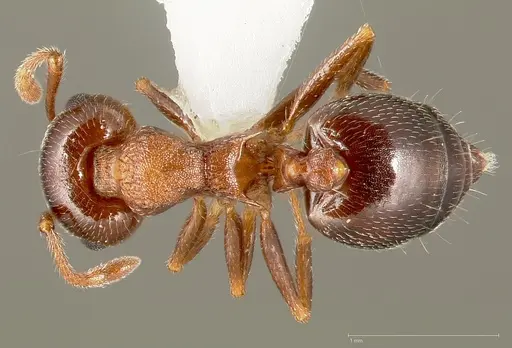
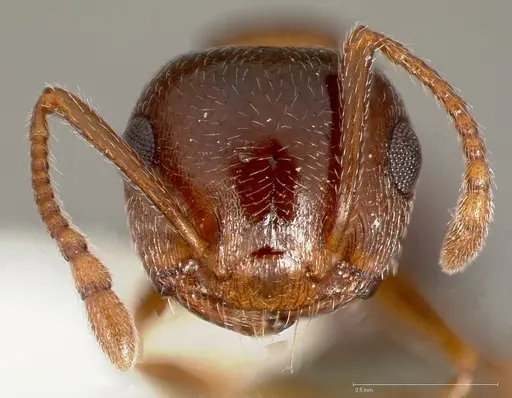
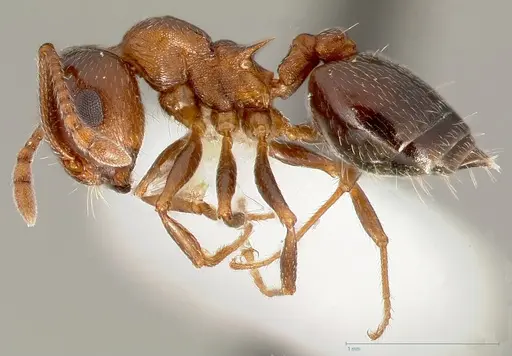
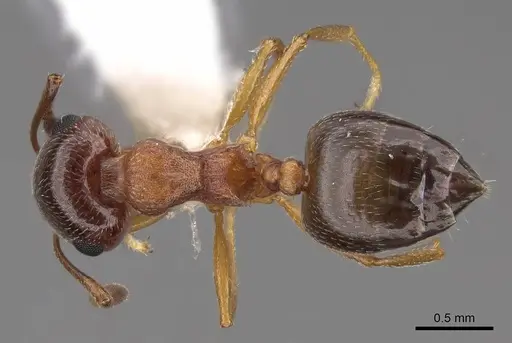
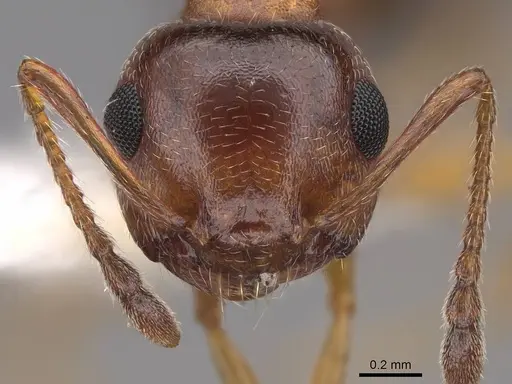
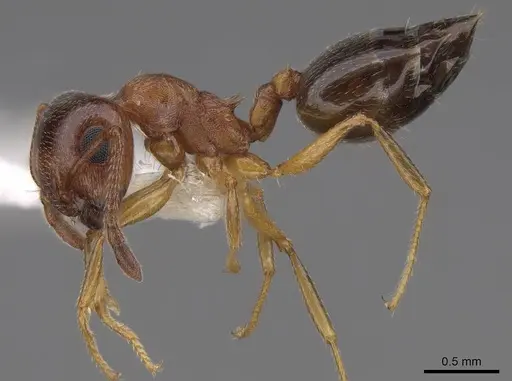
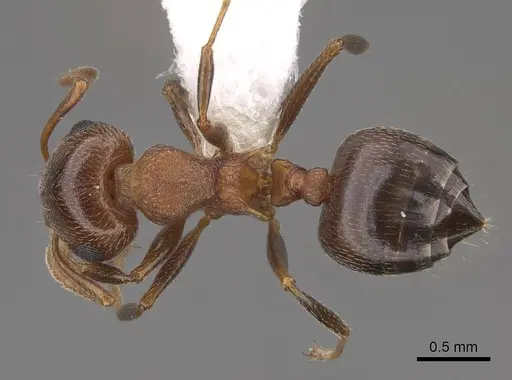
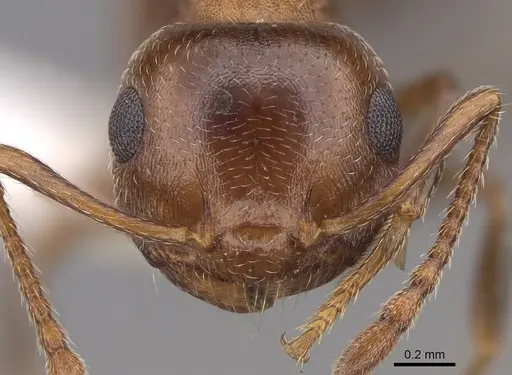
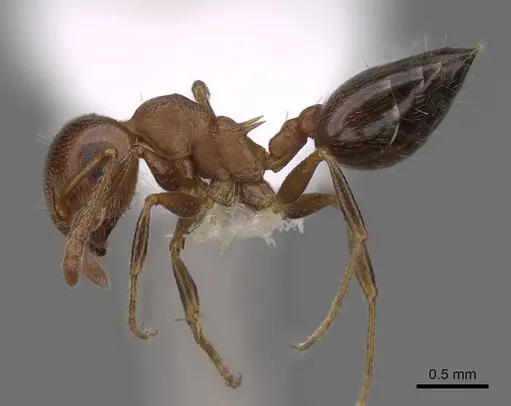
Crematogaster opuntiae is a small to medium-sized ant native to the American Southwest and northern Mexico. Workers measure 3.5-4.5mm with a distinctive dark coloration in life, often reddish-brown to black. They are easily recognized by their shiny head, mostly appressed (flat-lying) pubescence on the scapes and head, and typically just one pair of erect hairs on the pronotal shoulders. These ants are famous for their mutualistic relationship with desert cacti, particularly cholla (Opuntia) and Ferocactus wislizeni, where they protect plants from herbivores in exchange for extrafloral nectar. This makes them one of the more interesting ants to keep if you're interested in observing plant-ant interactions.
Quick Summary
- Difficulty: Medium
- Origin & Habitat: Native to the American Southwest, Arizona, southern Nevada, southeastern California, and northern Mexico. They inhabit Chihuahuan Desert scrub and grasslands, with transitional areas into Sonoran Desert, up into pinyon-juniper forests and oak forests up to 1380 meters elevation [1].
- Colony Type: Polydomous, colonies maintain multiple nest sites and are often associated with individual cacti for extended periods. Ground-nesting in desert and semi-desert regions [2][3]. Colony structure details (monogyne/polygyne) are unconfirmed.
- Size & Growth:
- Queen: Not specifically documented, genus estimate 6-9mm
- Worker: 3.5-4.5mm [1][2]
- Colony: Large polydomous colonies, exact worker count unconfirmed but colonies can be extensive given their polydomous nature
- Growth: Moderate, estimated based on similar desert Crematogaster species
- Development: Estimated 6-10 weeks based on genus patterns and related species [4] (Colonies in lab conditions kept at 22°C successfully raised brood [4]. Development likely faster at warmer temperatures given their activity in hot desert conditions.)
- Antkeeping:
- Temperature: Warm conditions preferred, they are active up to 45°C in the wild and have a critical thermal maximum of 50.1°C. Average active temperature in the field is around 35.9°C. Keep nest area at 24-28°C with a gradient, allowing them to self-regulate [3].
- Humidity: Low to moderate, desert species. Keep nest substrate moderately dry with a small water tube as their primary moisture source. Avoid damp conditions that can lead to mold.
- Diapause: Likely partial or minimal, they remain active year-round in much of their range. However, in cooler parts of their range or if kept in cold climates, a brief winter rest period at 10-15°C for 2-3 months may benefit colonies.
- Nesting: Ground-nesting species that naturally nests in soil, under stones, in rotten wood, and in cactus cavities. In captivity, a naturalistic setup with soil substrate or a Y-tong/plaster nest works well. They do well with moderate nesting space and will expand into multiple chambers if provided.
- Behavior: These ants are aggressive defenders of their host plants and will readily attack intruders. They show a strong alarm response to threats, 98% of ants contacted by lycaenid butterfly tentacular organs showed increased activity [4]. They are polydomous and maintain long-term trail networks to food sources. Workers are active foragers that collect small prey, honeydew, and carrion. They readily accept sugar water and protein sources in captivity. Escape risk is moderate, use standard barrier methods but they're not particularly small or agile escape artists.
- Common Issues: colonies may decline if kept too cold, they are adapted to desert heat and need warmth to stay active, polydomous nature means they may establish secondary nests outside the main formicarium if given the opportunity, overfeeding can lead to mold issues in their dry desert environment, they may be aggressive toward other ant species if housed in shared spaces, lab colonies successfully kept at 22°C but wild colonies are active at much higher temperatures, provide a temperature gradient
Housing and Nest Setup
Crematogaster opuntiae does well in naturalistic setups that mimic their desert ground-nesting habitat. Use a soil-based substrate (sand/soil mix works well) in a formicarium, or provide a Y-tong/plaster nest with moderate chamber sizes. These ants naturally nest under stones, in soil, and in cactus cavities, so include some flat stones or cork bark pieces in a naturalistic setup. They are polydomous and will maintain multiple nest sites if space allows, this is normal behavior. Provide a water test tube as their primary moisture source. Because they are desert ants, keep the nest relatively dry with good ventilation to prevent mold. A small outworld area for foraging works well, they readily explore and will establish foraging trails. [2][1]
Feeding and Diet
In the wild, Crematogaster opuntiae collects small prey, honeydew from aphids and scale insects, and carrion [5]. They are also mutualists with desert cacti, feeding on extrafloral nectar. In captivity, offer a mix of protein and carbohydrates. Sugar water or honey works well as a carbohydrate source. For protein, offer small insects like fruit flies, pinhead crickets, or mealworms. Lab colonies have been successfully kept on Manduca sexta larvae (tobacco hornworm) as a protein source and 20% sucrose solution [4]. They show a shift in food preferences based on colony needs, they prefer high-carbohydrate foods when raising brood [4]. Feed protein 2-3 times per week and keep sugar water available constantly.
Temperature Requirements
This is a warm-desert species with remarkable heat tolerance. In the wild, they remain active on cactus plants until temperatures reach about 45°C, with a critical thermal maximum of 50.1°C [3]. Their average active temperature in the field is around 35.9°C. For captive colonies, keep the nest area at 24-28°C, but provide a temperature gradient so workers can self-regulate. They can tolerate higher temperatures than most ants, making them a good choice if your room runs warm. However, avoid extreme heat, a simple heating cable on one side of the nest creating a gradient is ideal. Lab colonies have been successfully maintained at 22°C [4], but they will be more active and grow faster at warmer temperatures within their range.
Behavior and Colony Structure
Crematogaster opuntiae is a polydomous species, colonies maintain multiple nest sites connected by foraging trails [5]. They are fiercely protective of their territory and will aggressively defend host plants from herbivores. Workers show a strong alarm response, when they detect lycaenid butterfly secretions,98% of ants contacting them increase their activity tempo significantly [4]. They are not particularly aggressive toward keepers but will defend their nest vigorously. Their polydomous nature means they may establish satellite nests, this is normal and not a sign of colony stress. They are active foragers that maintain long-term trail networks to food sources. Colonies can be kept in plastic boxes with Fluon-coated walls to prevent escape [4].
Seasonal Care and Overwintering
In their native range across the American Southwest, these ants remain active year-round in many areas due to the mild desert winters. However, in captivity or in cooler climates, a brief winter rest period may benefit the colony. Reduce temperatures to 10-15°C for 2-3 months during winter if your colony shows signs of slowing. Many keepers in temperate climates report success with a minimal or no diapause for this species since they originate from a warm climate. Watch your colony's behavior, if workers become less active and cluster together, a brief cool period may help. In the wild, brood is found from March to October, with sexuals (reproductives) appearing in July-September [1].
Frequently Asked Questions
How long does it take for Crematogaster opuntiae to produce first workers?
Based on related desert Crematogaster species and lab conditions, expect first workers (nanitics) approximately 6-10 weeks after the queen lays eggs. Development is temperature-dependent, warmer temperatures within their range will speed this up, while cooler temperatures will slow it down.
Can I keep Crematogaster opuntiae in a test tube setup?
Yes, test tubes work for founding colonies and small colonies. However, because they are polydomous and prefer dry desert conditions, you may need to provide a larger naturalistic setup as the colony grows. They do well with a simple test tube for the founding stage, then move to a small formicarium as the colony reaches 50+ workers.
Do Crematogaster opuntiae ants sting?
Crematogaster ants have a stinger but it is rarely used against humans. These ants are more likely to bite and use their chemical defenses. They are not considered dangerous to keepers.
What temperature should I keep Crematogaster opuntiae at?
Keep nest temperatures between 24-28°C with a gradient. They can tolerate much higher temperatures (active up to 45°C in the wild) but a moderate range is ideal for captive colonies. Lab colonies have been successfully kept at 22°C, but warmer temperatures will increase activity and growth.
Are Crematogaster opuntiae good for beginners?
They are moderate difficulty, not the easiest but not challenging. They are more interesting than basic species due to their cactus mutualism behavior and heat tolerance. They require warm conditions and dry nesting, which is straightforward to provide. Their polydomous nature is something to be aware of.
How big do Crematogaster opuntiae colonies get?
Exact colony sizes are not documented, but as a polydomous species with extensive trail networks, colonies can become quite large. Expect several hundred workers in a mature captive colony.
Do Crematogaster opuntiae need hibernation?
Minimal or no true hibernation is required. In the wild they remain active year-round in much of their range. A brief cool period (10-15°C for 2-3 months) may benefit colonies in captivity but is not strictly necessary.
What do Crematogaster opuntiae eat?
They are omnivorous with a preference for carbohydrates. Offer sugar water or honey constantly, and protein (small insects like fruit flies, mealworms, or crickets) 2-3 times per week. They will also accept extrafloral nectar if provided with a suitable cactus host.
Why are my Crematogaster opuntiae dying?
The most common issues are keeping them too cold (they need warmth), overwatering leading to mold in their dry desert environment, or insufficient food. They are adapted to desert conditions, keep them warm, provide a dry nest, and ensure they have constant access to sugar and regular protein.
References

This caresheet is licensed under CC BY-SA 4.0 .

Literature
Loading...Loading products...