

Crematogaster onusta
- Scientific Name
- Crematogaster onusta
- Tribe
- Crematogastrini
- Subfamily
- Myrmicinae
- Author
- Stitz, 1925
- Distribution
- Found in 2 countries
Crematogaster onusta Overview
Crematogaster onusta is an ant species of the genus Crematogaster. It is primarily documented in 2 countries , including Malaysia, Philippines. Detailed taxonomic data and occurrence records can be further explored via authoritative databases such as AntWeb or the Global Biodiversity Information Facility (GBIF).
Crematogaster onusta
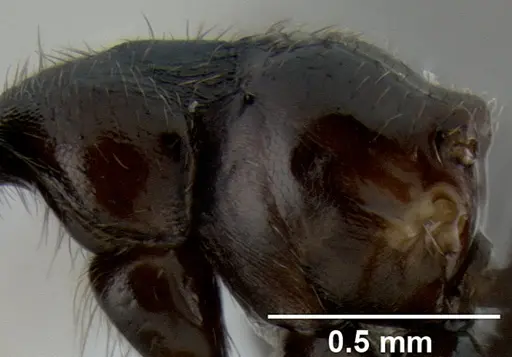
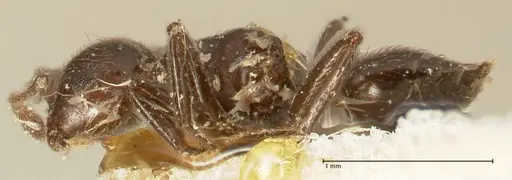
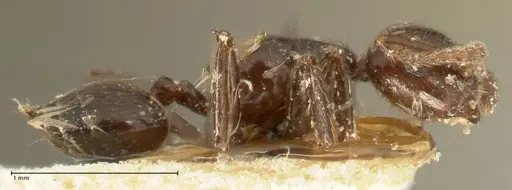
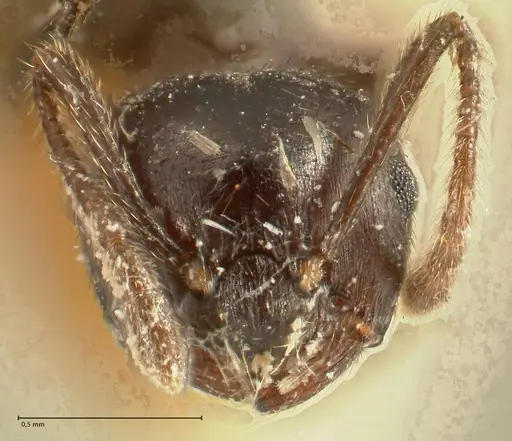
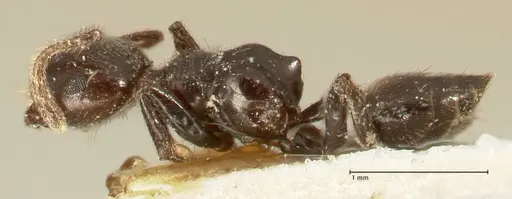
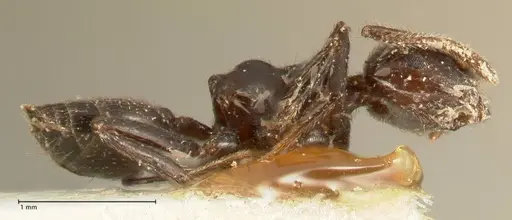
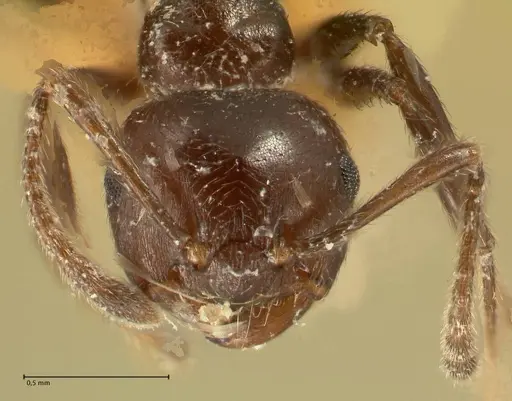
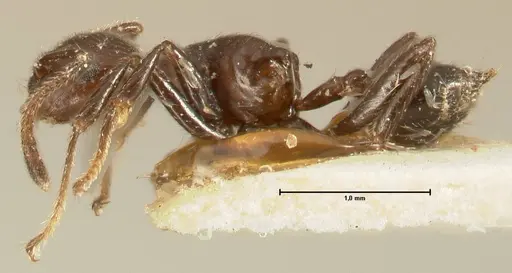
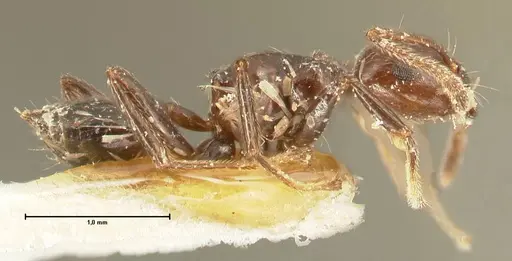
Crematogaster onusta is a small to medium-sized acrobat ant species native to Southeast Asia, found across Borneo, Indonesia, Malaysia, the Philippines, and Thailand [1]. Workers measure 0.82-1.05mm in head width and are monomorphic in size, with a distinctive swollen propodeum that appears raised above the promesonotum in profile view, a key identification feature of the C. inflata-group [2]. Body color varies geographically: specimens from Tioman Island are red while those from other localities are brown [1]. Unlike many Crematogaster, this species lacks propodeal spines entirely [1].
This species belongs to the Physocrema subgenus and is closely related to C. aurita, with genetic divergence estimated at around 5 million years ago [2]. In their natural habitat of primary lowland tropical forests, these ants typically nest in dead wood or under bark. They get their common name 'acrobat ants' from their ability to raise their gasters over their heads when disturbed, displaying their abdominal glands as a defensive behavior common to the genus.
Quick Summary
- Difficulty: Medium
- Origin & Habitat: Primary lowland tropical forests of Southeast Asia, including Borneo, Indonesia (Kalimantan), Malaysia (Peninsula, Sabah, Sarawak), Philippines (Palawan), and Thailand [1][3]. Found in Tioman Island as well [1].
- Colony Type: Colony structure is unconfirmed for this specific species. Most Crematogaster species are monogyne (single queen), but some tropical species can be polygyne. Further research needed to confirm the colony type for C. onusta.
- Founding: Claustral
- Size & Growth:
- Queen: Not directly measured for this species, estimates based on genus patterns suggest queens around 6-8mm
- Worker: 0.82-1.05mm head width,1-1.22mm mesosoma length [1]
- Colony: Unknown for this species, related species in the genus typically reach several hundred to a few thousand workers
- Growth: Moderate, based on typical Crematogaster development patterns
- Development: Estimated 6-8 weeks at optimal tropical temperatures based on genus-level data for related species (Development time inferred from typical Crematogaster patterns, specific data for this species unavailable)
- Antkeeping:
- Temperature: Keep at 24-28°C, these are lowland tropical ants requiring warm, stable conditions. A heating cable on one side of the nest can create a gentle gradient if room temperature is below this range.
- Humidity: Maintain moderate to high humidity (60-80%). These forest-dwelling ants prefer moist conditions. Keep the nest substrate consistently damp but not waterlogged, with some drier areas available for the ants to regulate their own moisture exposure.
- Diapause: Unlikely, as a tropical species from Southeast Asian lowland forests, they do not require true hibernation. However, they may show reduced activity during cooler or drier seasonal periods.
- Nesting: In captivity, they do well in Y-tong (AAC) nests, plaster nests, or naturalistic setups with dead wood or cork. They prefer tight chambers and narrow passages scaled to their worker size. Avoid tall, open spaces, these are not arboreal nesters in the traditional sense but prefer enclosed spaces.
- Behavior: Crematogaster onusta is a defensive species, when threatened, workers will raise their gasters over their heads to expose their abdominal glands, a characteristic 'acrobat' defense behavior. They are moderately active foragers and will search for both protein sources and sugar. Workers are small (under 1.1mm) so escape prevention must be excellent, they can squeeze through surprisingly small gaps. They are not aggressive toward keepers but will defend their nest vigorously. Foraging occurs primarily at night in captivity, matching their natural nocturnal patterns.
- Common Issues: escape prevention is critical due to their very small worker size, use fine mesh barriers and tight-fitting lids, tropical species are sensitive to temperature drops below 22°C, cold stress can weaken or kill colonies, humidity must be monitored closely, too dry and brood desiccates, too wet and mold becomes a problem, limited specific care information exists for this species, much is inferred from genus patterns, wild-caught colonies may carry parasites or diseases that can cause colony failure in captivity
Nest Preferences and Housing
Crematogaster onusta naturally nests in dead wood, under bark, and in similar protected microhabitats within tropical lowland forests. In captivity, they adapt well to Y-tong (AAC) nests, plaster nests, or naturalistic setups featuring cork or wooden structures. The key is providing appropriately scaled chambers, these are small ants, so tight-fitting passages and small chambers work better than large open spaces. A test tube setup can work for founding colonies, but be prepared to move them to a more permanent nest once the colony reaches 20-30 workers. They do best with a water reservoir to maintain humidity, but ensure the nest area itself doesn't become waterlogged. Place the nest in a quiet location away from direct sunlight and vibrations. [1][3]
Feeding and Diet
Like other Crematogaster species, C. onusta is an omnivore that accepts both protein and sugar sources. Offer sugar water, honey, or diluted maple syrup as a constant carbohydrate source. For protein, provide small insects such as fruit flies, small crickets, mealworms, or other appropriately sized prey. In their natural tropical forest habitat, they likely forage for honeydew from aphids and scale insects, plus small arthropods. Feed protein sources 2-3 times per week, removing any uneaten prey after 24 hours. Fresh sugar water should always be available. Observe your colony's preferences, some Crematogaster can be picky eaters, so experiment with different protein sources if acceptance is low. [3]
Temperature and Seasonal Care
These are lowland tropical ants requiring warm, stable temperatures between 24-28°C. Avoid temperatures below 22°C as prolonged cold exposure can weaken or kill colonies. A heating cable placed on one side of the nest can create a gentle temperature gradient, allowing ants to self-regulate by moving between warmer and cooler areas. As a tropical species from Southeast Asian forests, they do not require a diapause or hibernation period. However, they may show reduced activity during naturally cooler or drier periods in their native range. In captivity, maintain consistent warm conditions year-round. Avoid placing the nest near air conditioning vents or drafty windows. [3]
Behavior and Defense
Crematogaster onusta exhibits the characteristic acrobat ant defense behavior, when disturbed, workers raise their gasters over their heads to expose chemical defensive glands. This is their primary defense mechanism rather than biting or stinging. They are not particularly aggressive toward keepers but will vigorously defend their nest against intruders. Workers are moderately active and primarily nocturnal foragers in my experience with the genus. Their small size (under 1.1mm) makes them excellent escape artists, always use fine mesh barriers and ensure all enclosure openings are tightly sealed. They communicate through chemical trails and will quickly recruit nestmates to food sources. [3]
Colony Growth and Development
Colony development in C. onusta follows typical Crematogaster patterns, though specific timelines are not documented. Founding queens likely seal themselves in a small chamber (claustral founding) and raise the first workers (nanitics) alone on stored fat reserves. The first workers are typically smaller than mature workers and emerge within 6-8 weeks under optimal conditions. Growth rate is moderate, the colony will expand gradually as more workers hatch. A healthy mature colony may eventually reach several hundred to a few thousand workers based on related species in the genus. Patience is key during the founding phase, as disturbing the queen before first workers emerge can cause colony failure. [1]
Frequently Asked Questions
How long does it take for Crematogaster onusta to produce first workers?
Based on typical Crematogaster development patterns, expect first workers (nanitics) around 6-8 weeks after the queen lays eggs, assuming optimal tropical temperatures of 24-28°C. The exact timeline for this specific species has not been documented.
What temperature do Crematogaster onusta ants need?
Keep them at 24-28°C. These are lowland tropical ants requiring warm, stable conditions. Avoid temperatures below 22°C as prolonged cold stress can weaken or kill the colony.
Are Crematogaster onusta ants good for beginners?
This species is rated as medium difficulty. While not the hardest species, the lack of specific care information and their tropical temperature requirements make them better suited for keepers who already have some experience with ant keeping. Their small size also demands excellent escape prevention.
Do Crematogaster onusta ants sting?
Crematogaster ants have a stinger but rely primarily on their abdominal gland secretions for defense rather than stinging. They are not considered dangerous to humans. Their main defense is the characteristic 'acrobat' pose where they raise their gaster over their head.
What do Crematogaster onusta ants eat?
They are omnivores. Offer a constant sugar source (sugar water, honey, or maple syrup) and protein 2-3 times weekly (small insects like fruit flies, crickets, or mealworms). Remove uneaten protein after 24 hours.
How big do Crematogaster onusta colonies get?
The maximum colony size for this specific species is unknown, but related Crematogaster species typically reach several hundred to a few thousand workers. Expect moderate growth over 1-2 years to a substantial colony.
Do Crematogaster onusta ants need hibernation?
No. As a tropical species from Southeast Asian lowland forests, they do not require a diapause or hibernation period. Maintain warm conditions year-round.
Can I keep multiple Crematogaster onusta queens together?
The colony structure for this specific species is unconfirmed. Most Crematogaster are monogyne (single queen), but some tropical species can be polygyne. Without specific data, it is not recommended to combine unrelated foundress queens, as fighting is likely.
What size nest do Crematogaster onusta ants need?
They do well in Y-tong (AAC), plaster, or naturalistic nests with small, tight-fitting chambers scaled to their tiny worker size (under 1.1mm). Avoid large, open spaces. A test tube works for founding colonies but plan to upgrade as the colony grows.
Why are my Crematogaster onusta ants dying?
Common causes include: temperature below 22°C (cold stress), too dry or too wet conditions, escape-related losses due to their tiny size, parasites from wild-caught colonies, or disturbance during the claustral founding phase. Review your temperature, humidity, and escape prevention setup.
References

This caresheet is licensed under CC BY-SA 4.0 .
CASENT0193714
View on AntWeb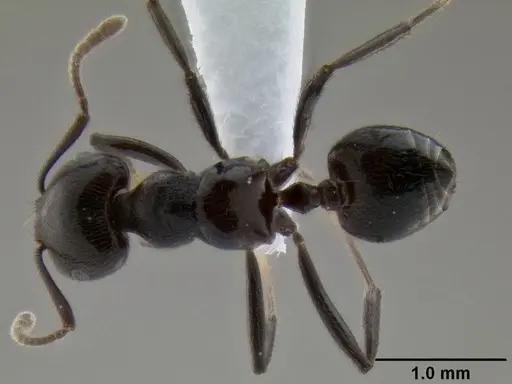
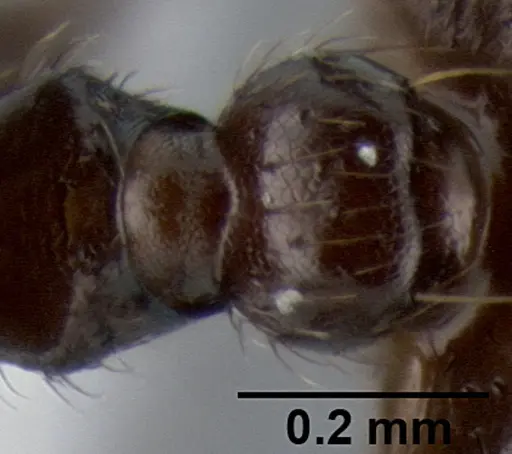
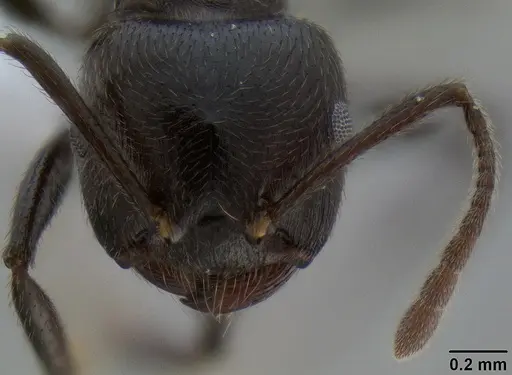
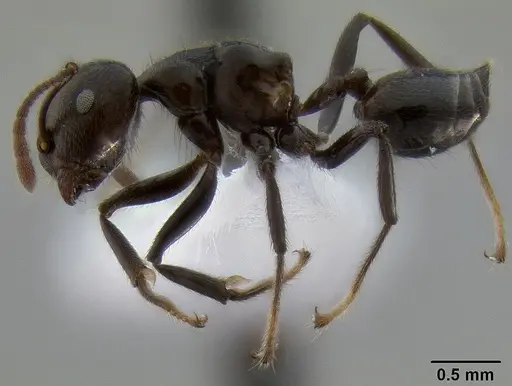
FOCOL1439
View on AntWeb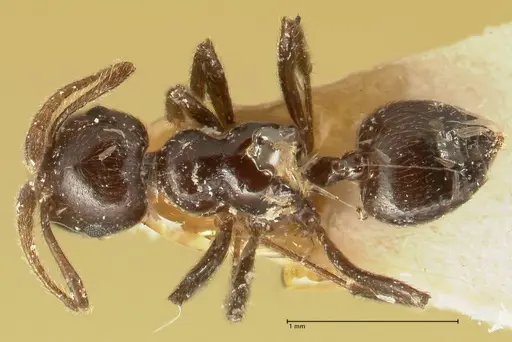
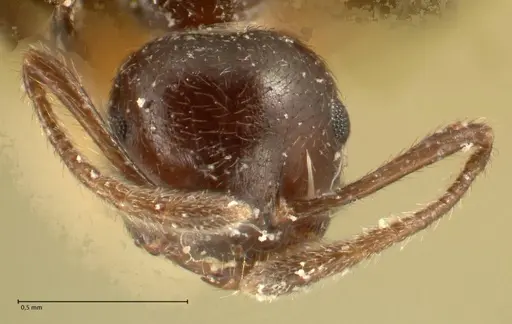
FOCOL1440
View on AntWeb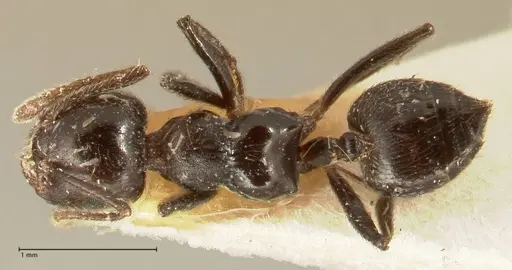
FOCOL1441
View on AntWeb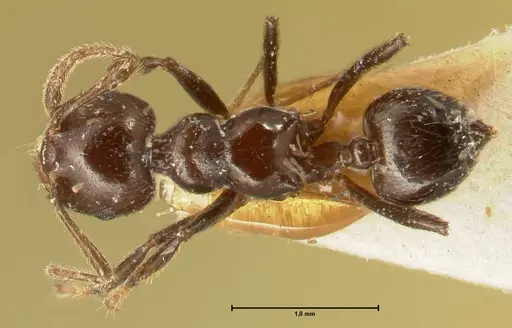
Literature
Loading...Loading products...