

Crematogaster obscurata
- Scientific Name
- Crematogaster obscurata
- Subgenus
- Orthocrema
- Tribe
- Crematogastrini
- Subfamily
- Myrmicinae
- Author
- Emery, 1895
- Common Name
- Ant
- Distribution
- Found in 10 countries
Crematogaster obscurata Overview
Crematogaster obscurata (commonly known as the Ant) is an ant species of the genus Crematogaster. It is primarily documented in 10 countries , including Aruba, Bonaire, Sint Eustatius and Saba. Detailed taxonomic data and occurrence records can be further explored via authoritative databases such as AntWeb or the Global Biodiversity Information Facility (GBIF).
Crematogaster obscurata - "Ant"
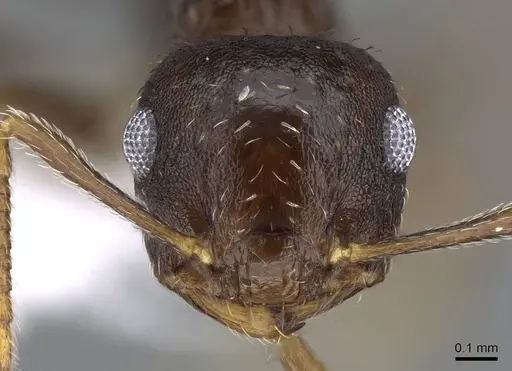
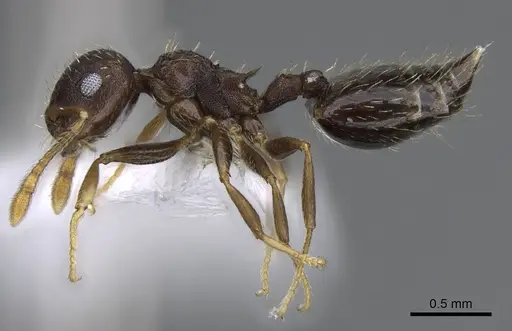
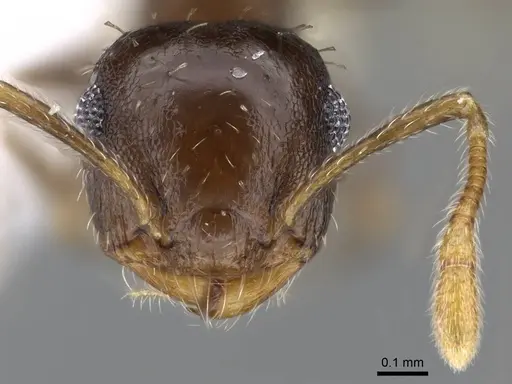
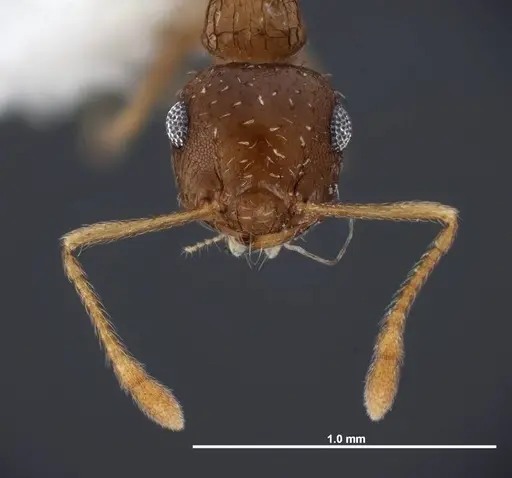
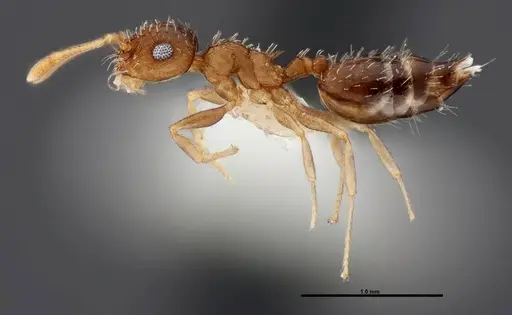
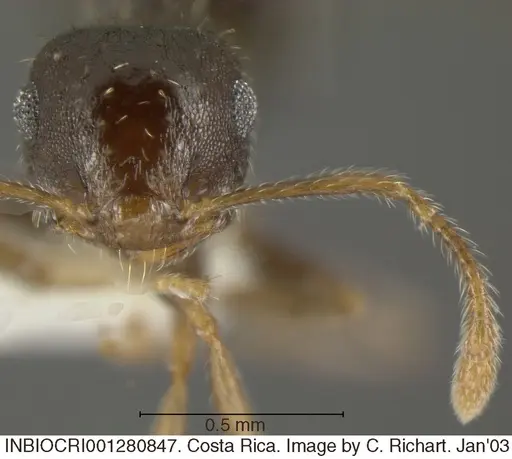
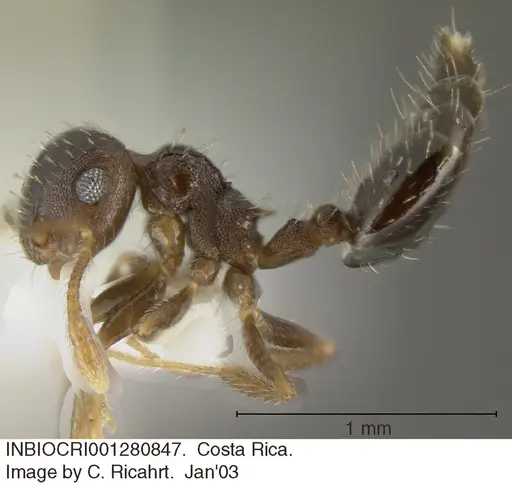
Crematogaster obscurata is a small arboreal ant native to Central and South America, ranging from southern Texas and Florida south to Venezuela. Workers measure just 0.6mm and are reddish-brown with a darker gaster and face. They belong to the genus Crematogaster, known for their distinctive heart-shaped gaster that they can raise like an acrobat when threatened, hence the common name 'acrobat ant' [1][2]. This species prefers dry forest habitats and beach margins, nesting in dead portions of live trees, hollow twigs, and tree knots [1][3]. Unlike many ants that nest in soil, these are true arboreal ants that make their homes in vegetation above ground.
Quick Summary
- Difficulty: Medium
- Origin & Habitat: Native to Central and South America (Mexico, Guatemala, Belize, Costa Rica, Panama, Colombia, Venezuela). Introduced to southern Florida (Monroe County). Found in dry forests, beach margins, and secondary growth habitats [1][2][4].
- Colony Type: Colony structure is not well documented in scientific literature. Based on genus patterns, likely monogyne (single queen) but facultatively polygyny may occur. Colonies are small to moderate, with workers numbering in the hundreds [2][5].
- Colony: Monogyne
- Founding: Claustral
- Size & Growth:
- Queen: Unconfirmed, related species suggest queens around 5-7mm
- Worker: 0.55-0.66mm (head length 0.555-0.622mm, head width 0.608-0.657mm) [1]
- Colony: Likely several hundred workers based on similar arboreal Crematogaster species [5]
- Growth: Moderate, estimated 6-10 weeks from egg to worker based on genus patterns
- Development: 6-10 weeks (estimated based on genus patterns for tropical species) (Development time is inferred from related tropical Crematogaster species. Warmer temperatures within their range may accelerate development.)
- Antkeeping:
- Temperature: Keep at 24-28°C. This is a tropical to subtropical species native to warm regions, so they need consistent warmth. A heating cable on one side of the nest creates a gradient for them to regulate their temperature [1].
- Humidity: Moderate humidity around 50-70%. These ants are adapted to dry forest conditions, so they tolerate lower humidity than many tropical species. Allow the nest to dry out partially between rehydrations [1].
- Diapause: No, being a tropical/subtropical species, they do not require hibernation. However, they may show reduced activity during cooler winter months if your room temperature drops [1].
- Nesting: Arboreal, they naturally nest in hollow twigs, dead portions of live trees, and tree knots. In captivity, they do well in acrylic nests, Y-tong nests, or naturalistic setups with cork or wood pieces. Avoid fully soil-based nests as they prefer above-ground nesting [1][6].
- Behavior: These are generalist omnivores that forage in trees and shrubs. They recruit nestmates to food sources efficiently using chemical trails. When threatened, they raise their gaster in an acrobat-like display and may release defensive chemicals from their anal gland. They are not particularly aggressive but will defend their nest. Workers are small but active foragers. Escape prevention is important due to their small size, use fine mesh barriers [7][5].
- Common Issues: small size means escapes are likely without fine mesh barriers, arboreal nesting means they may not adapt well to soil-based formicariums, wild-caught colonies may have parasites that kill them in captivity, dry forest origins mean over-humid conditions can cause mold problems, slow founding means colonies may take months to establish first workers
Housing and Nest Setup
Crematogaster obscurata is an arboreal species, so your setup should reflect their natural nesting preferences. They do best in acrylic nests, Y-tong nests, or naturalistic setups that mimic their tree-dwelling lifestyle. Avoid traditional soil-based formicariums, these ants prefer dry, elevated nesting sites. Include small chambers with narrow passages scaled to their tiny worker size (under 1mm). If using a naturalistic setup, provide cork bark, small twigs, or wooden structures for them to nest in. A small outworld with live plants or artificial vegetation works well since they naturally forage in trees and shrubs [1][6].
Feeding and Diet
These are generalist omnivores, meaning they accept a wide variety of foods. In captivity, offer sugar water or honey as an energy source, and protein sources like small insects (fruit flies, pinhead crickets, mealworms). They have been documented foraging in agricultural settings and are considered generalist omnivores in functional group studies. Feed protein 2-3 times per week and keep sugar water available constantly. Remove uneaten prey after 24 hours to prevent mold [7].
Temperature and Heating
As a tropical to subtropical species from Central America and northern South America, Crematogaster obscurata needs warm conditions. Keep the nest at 24-28°C for optimal colony development. A heating cable placed on one side of the nest creates a temperature gradient so workers can regulate their own temperature by moving between warmer and cooler areas. Avoid temperatures below 20°C for extended periods. Room temperature in most homes should suffice, but a small heat mat can help maintain consistency during cooler months [1][2].
Humidity and Water
This species is adapted to dry forest conditions, so they are more tolerant of lower humidity than many tropical ants. Aim for moderate humidity around 50-70% in the nest. Allow the nest to partially dry between water additions, overwatering is more dangerous than underhydration for this species. A small water tube or moist cotton ball in the outworld provides drinking water. Monitor for mold, which is their primary humidity-related risk [1].
Behavior and Defense
Crematogaster ants get their common name from their defensive behavior, when threatened, workers raise their heart-shaped gaster over their head like an acrobat. They can also release defensive chemicals from their anal gland. This species is not particularly aggressive toward keepers but will defend their nest vigorously against intruders. Workers are small but fast-moving and excellent at recruiting nestmates to food sources. They forage primarily in the upper portions of their environment, reflecting their arboreal nature [1][5].
Colony Establishment
Starting a colony from a wild-caught queen is the most common method. Like most Crematogaster species, the queen likely seals herself in a small chamber and raises the first brood alone (claustral founding). She will use stored fat reserves to survive until her first workers emerge. Founding colonies are slow to establish, be patient during the first few months. Wild-caught colonies may carry parasites that can cause problems in captivity, so quarantine and monitor new colonies carefully [1].
Frequently Asked Questions
Can I keep Crematogaster obscurata in a test tube?
Yes, test tubes work well for founding colonies. Use a small test tube with a cotton ball providing water access. Since they are arboreal, you may need to provide a small twig or piece of cork for them to walk on inside the tube. They do well in test tubes until the colony reaches 20-30 workers, then consider moving to a small acrylic or Y-tong nest.
What do Crematogaster obscurata ants eat?
They are generalist omnivores. Offer sugar water or honey constantly for energy, and protein sources like small fruit flies, pinhead crickets, or mealworms 2-3 times per week. They will also accept other small insects and may scavenge on dead insects in their environment.
How long until first workers appear?
Based on related tropical Crematogaster species, expect 6-10 weeks from egg to first worker at optimal temperature (24-28°C). Founding is slow, queens seal themselves in and raise the first brood alone using stored fat reserves.
Do Crematogaster obscurata ants sting?
They do not have a functional stinger like some ant species. However, they can release defensive chemicals from their anal gland when threatened. These chemicals can be irritating but are not dangerous to humans. Their main defense is raising their gaster and swarming potential threats.
Are Crematogaster obscurata good for beginners?
This is a medium-difficulty species. They are more forgiving of humidity mistakes than many tropical ants due to their dry forest origins, but their small size requires good escape prevention. They are slower to establish than some common species, so patience is needed. They are fascinating to watch with their acrobat-like gaster-raising behavior.
Do they need hibernation?
No, they do not require hibernation. As a tropical/subtropical species, they are active year-round when kept warm. However, they may show reduced activity if temperatures drop below 20°C. Maintain consistent warmth for best colony growth.
Why are my ants dying?
Common causes include: over-humid conditions causing mold (their primary risk), temperatures too low (below 20°C), escape through tiny gaps due to their small size, or parasites from wild-caught colonies. Check your humidity levels, ensure temperatures are in the 24-28°C range, and verify escape prevention is adequate.
When should I move them to a formicarium?
Move from test tube to a small nest when the colony reaches 20-30 workers or the test tube becomes crowded. They do well in acrylic nests, Y-tong nests, or naturalistic setups with cork/twigs. Avoid large formicariums for small colonies, they prefer tight, cozy spaces.
How big do colonies get?
Based on similar arboreal Crematogaster species, colonies likely reach several hundred workers. They are not among the largest Crematogaster species but can still form substantial colonies over time. Colony growth is moderate, expect several months to reach 50 workers.
References

This caresheet is licensed under CC BY-SA 4.0 .
CASENT0103800
View on AntWeb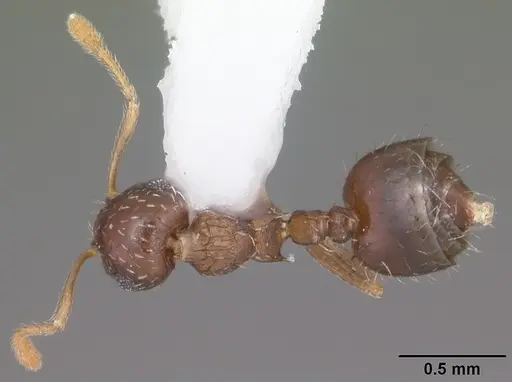
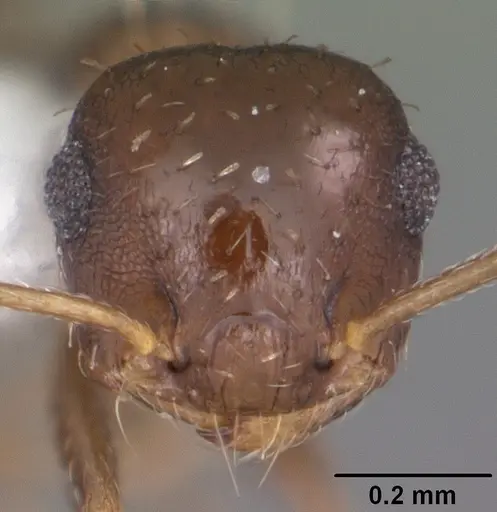
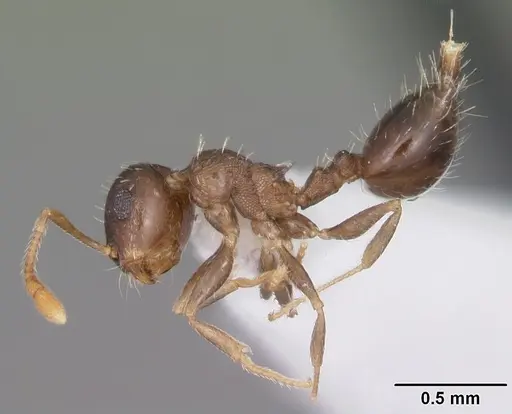
CASENT0914637
View on AntWeb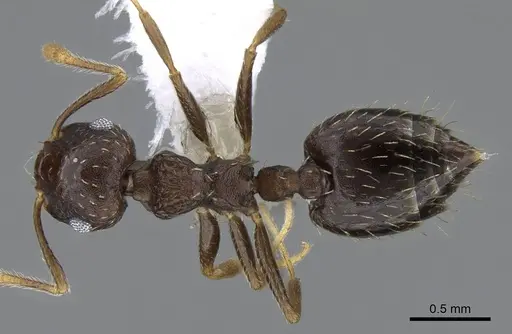
CASENT0914638
View on AntWeb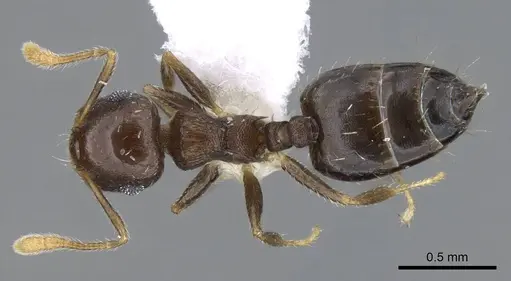
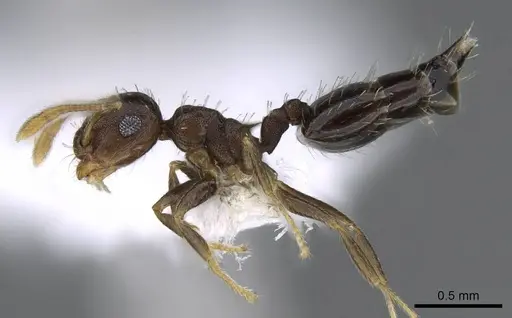
CBUMAGENT42077
View on AntWeb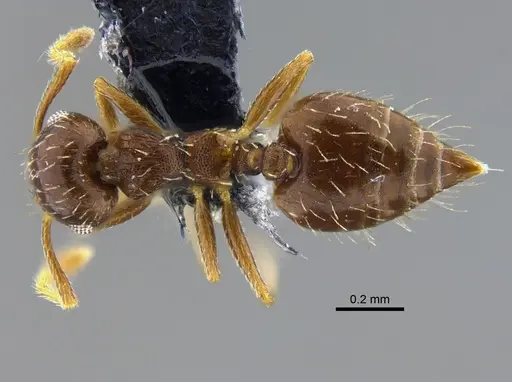
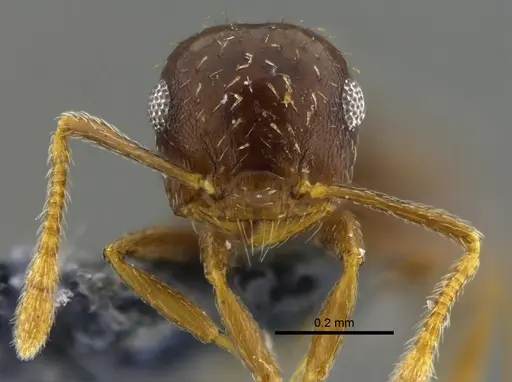
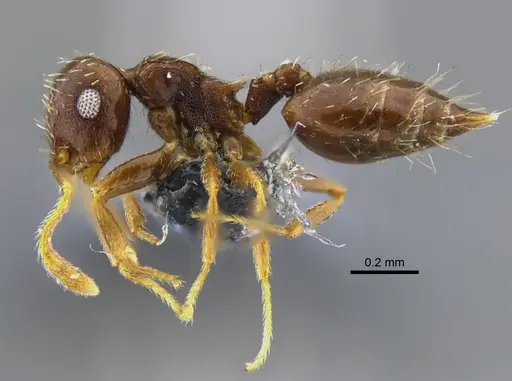
FMNHINS0000088665
View on AntWeb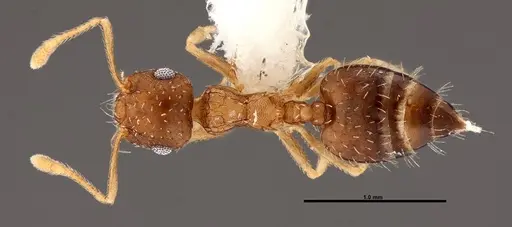
INBIOCRI001280847
View on AntWeb
JTLC000002484
View on AntWeb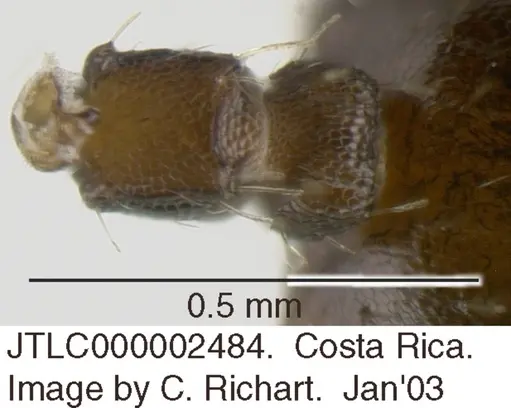
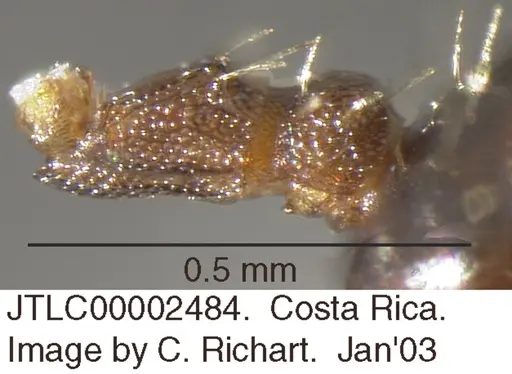
Literature
Loading...Loading products...