

Crematogaster nocturna
- Scientific Name
- Crematogaster nocturna
- Tribe
- Crematogastrini
- Subfamily
- Myrmicinae
- Author
- Buren, 1968
- Distribution
- Found in 1 countries
Crematogaster nocturna Overview
Crematogaster nocturna is an ant species of the genus Crematogaster. It is primarily documented in 1 countries , including United States of America. Detailed taxonomic data and occurrence records can be further explored via authoritative databases such as AntWeb or the Global Biodiversity Information Facility (GBIF).
Crematogaster nocturna
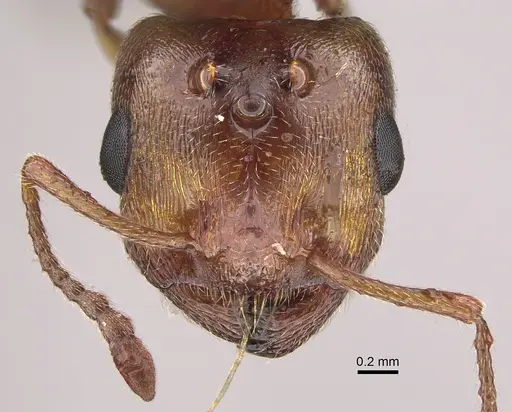
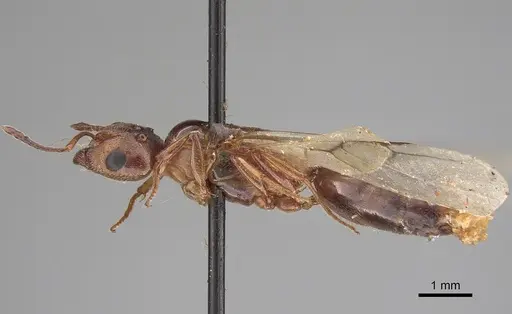
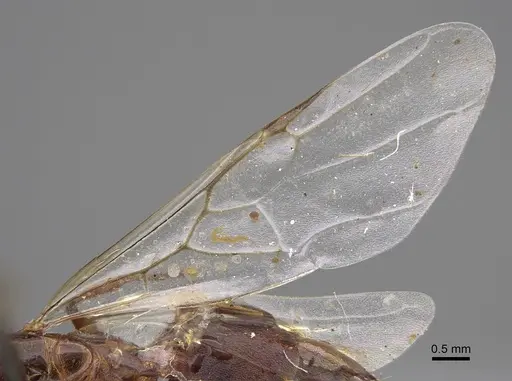
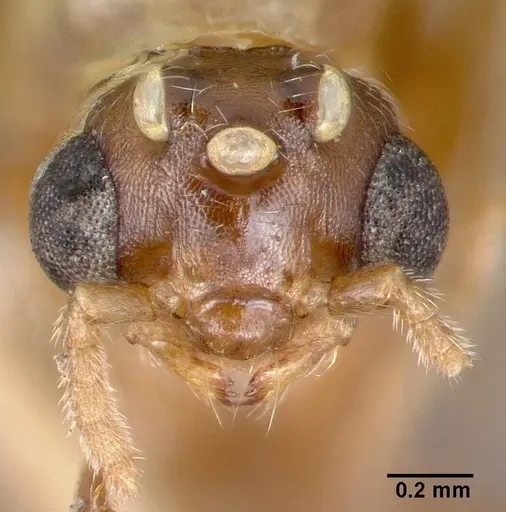
Crematogaster nocturna is a small to medium-sized acrobat ant native to the desert regions of northern Arizona, Utah, and Nevada. Workers measure approximately 3.5-3.7mm and are dark reddish-brown with a distinctive black gaster, giving them a two-toned appearance. Queens are significantly larger at around 10mm, while males reach 3.8-4mm. This species gets its name from the remarkably large eyes and ocelli of the reproductive forms, which are believed to be adaptations for nocturnal nuptial flights [1]. The genus Crematogaster is known for their distinctive habit of raising their abdomen like an acrobat when disturbed, and this desert species is no exception.
Quick Summary
- Difficulty: Medium
- Origin & Habitat: Native to the Hot Desert regions of northern Arizona, Utah, and Nevada at elevations of 2,700-3,200 feet. Nests are typically found at the base of creosote bush (Larrea) stems, often marked by small crater-like entrances [2].
- Colony Type: Colony structure is not definitively documented. Workers have not been definitively linked to the reproductive forms collected at the type locality, so the typical colony size and queen number remain unknown [3].
- Size & Growth:
- Queen: Approximately 10mm [2]
- Worker: Approximately 3.5-3.7mm [2]
- Colony: Unknown, no documented colony sizes in available literature
- Growth: Unknown, no development data available
- Development: Unknown, no direct measurements available. Based on typical Crematogaster patterns in desert species, estimate 6-10 weeks at optimal temperature. (Development timeline is unconfirmed. Related Crematogaster species typically complete development in 6-10 weeks depending on temperature.)
- Antkeeping:
- Temperature: Keep at room temperature around 20-24°C. As a desert species from the American Southwest, they can tolerate warmer conditions but avoid extreme heat. A gentle gradient allowing them to choose their preferred temperature works best.
- Humidity: Low to moderate. This is a desert species adapted to dry conditions. Provide a water tube but avoid excessive moisture in the nest area. The substrate should be allowed to dry between waterings.
- Diapause: Likely required. Given their range in northern Arizona and Utah, they likely experience cold winters and would benefit from a diapause period of 2-3 months at temperatures around 10-15°C.
- Nesting: In captivity, a Y-tong (AAC) or plaster nest works well. This species prefers dry to moderately humid conditions. Provide a small water chamber but avoid oversaturation. Natural setups with dry substrate and minimal moisture are appropriate given their desert origin.
- Behavior: This is a nocturnal species, active primarily at night when temperatures are cooler. Workers are relatively small and fast-moving. When disturbed, they will raise their abdomen in the characteristic acrobat ant defensive posture. They are likely generalist foragers, collecting nectar, honeydew, and small insects. Escape prevention should be moderate, while not the smallest ants, they are agile and can squeeze through small gaps.
- Common Issues: colony structure is poorly documented, making it difficult to know exact requirements, no established care guidelines exist, much is inferred from related species, desert species can be sensitive to overwatering and poor ventilation, hibernation requirements are not well documented but likely necessary, wild-caught colonies may be difficult to establish due to limited data
Species Identification and Range
Crematogaster nocturna is a North American desert ant found exclusively in the Hot Desert regions of the American Southwest, specifically northern Arizona, Utah, and Nevada. The species was described by Buren in 1968 based on queens and males collected in the Navajo Mountains of Arizona. The type locality is Rainbow Lodge at 6,500 feet elevation. Workers have not been definitively associated with the reproductive forms, which is why they were not included in worker identification keys [3]. The species name 'nocturna' refers to the exceptionally large eyes and ocelli of the males and queens, believed to be adaptations for nocturnal mating flights [2].
Natural Nesting Behavior
In the wild, this species nests at the base of creosote bush (Larrea) stems, which are abundant in the desert habitats they occupy. Nests often have small crater-like entrances, which are characteristic of many desert ant species. The elevation range of 2,700-3,200 feet places them in hot desert environments with significant temperature swings between day and night. This nocturnal species has evolved large eyes to navigate and find mates during cooler nighttime hours, avoiding the extreme daytime heat of their desert habitat [2].
Housing and Nest Setup
For captive care, provide a dry to moderately humid environment. A Y-tong (AAC) nest or plaster formicarium works well for this species. Because they are a desert species, avoid excessive moisture, the nest should have a small water chamber but the substrate should not remain constantly wet. Provide a test tube setup with a small water reservoir for humidity control. Ensure adequate ventilation to prevent mold, which can be deadly to desert-adapted ants. The outworld can be kept at room temperature, with the nest area offering a slight temperature gradient.
Feeding and Diet
Like other Crematogaster species, they are likely generalist foragers. Offer sugar water or honey as an energy source, and protein in the form of small insects like fruit flies, pinhead crickets, or mealworms. Their nocturnal activity pattern means they will likely be most active and accepting of food during evening hours. The desert environment suggests they may be adapted to sparse food sources, so avoid overfeeding. Remove uneaten food promptly to prevent mold issues in the relatively dry setup they require.
Temperature and Seasonal Care
Keep the colony at room temperature, roughly 20-24°C. As a desert species from the American Southwest, they can tolerate warmer conditions but should be protected from direct heat sources that could cause overheating. Given their range in northern Arizona and Utah, they likely experience cold winters and would benefit from a diapause period. During winter (roughly November through February), reduce temperatures to around 10-15°C to simulate natural seasonal changes. This rest period is important for colony health and may trigger reproductive behavior in the spring. [2]
Behavior and Defense
Crematogaster ants are named for their distinctive defensive behavior, when threatened, they raise their abdomen above their head like an acrobat, which is how they got the common name. This species is nocturnal, meaning they are most active at night when temperatures are cooler. Workers are relatively small but fast-moving. They likely use chemical alarm signals to coordinate colony defense. While not aggressive toward humans, their defensive posture and ability to release formic acid make them effective at deterring predators. In captivity, they may be shy initially but will become more active as the colony grows. [2]
Frequently Asked Questions
How long does it take for Crematogaster nocturna to produce first workers?
The exact development timeline is unknown for this species. Based on typical Crematogaster patterns, expect 6-10 weeks from egg to worker at optimal temperature (around 22-24°C). However, this is an estimate since no specific development data exists for C. nocturna.
What temperature do Crematogaster nocturna ants need?
Keep them at room temperature, roughly 20-24°C. As a desert species, they can tolerate warmer conditions but avoid extreme heat. A gentle gradient allowing them to choose their preferred temperature is ideal.
Do Crematogaster nocturna ants need hibernation?
Likely yes. Given their range in northern Arizona and Utah, they likely experience cold winters. Provide a diapause period of 2-3 months at temperatures around 10-15°C during winter months.
How big do Crematogaster nocturna colonies get?
The maximum colony size is unknown. No documented colony sizes exist in the scientific literature for this species. Related Crematogaster species typically reach several hundred to a few thousand workers.
What do Crematogaster nocturna ants eat?
They are generalist foragers. Offer sugar water or honey for energy, and small insects like fruit flies, pinhead crickets, or mealworms for protein. They are most likely to accept food during evening hours when they are naturally active.
Is Crematosaurus nocturna a good species for beginners?
This species is not ideal for beginners. Very little specific care information exists since workers have not been definitively linked to the reproductive forms. Much of the care must be inferred from related species and general Crematogaster husbandry principles.
Do Crematogaster nocturna ants sting?
Crematogaster ants can release formic acid as a defensive spray when threatened. They are not known for painful stings like some other ant genera, but their defensive posture and chemical defenses can deter handlers.
Can I keep multiple Crematogaster nocturna queens together?
The colony structure is not well documented for this species. Without knowing whether they are monogyne (single queen) or polygyne (multiple queens), combining unrelated queens is not recommended. There is no documented evidence for successful pleometrosis (multiple queen founding) in this species.
When are Crematogaster nocturna nuptial flights?
The timing of nuptial flights is not documented. The species name suggests nocturnal mating flights, likely during warmer months. In the American Southwest, this would typically be spring to early fall, with peaks possibly in summer during monsoon season.
What humidity level do Crematogaster nocturna ants need?
Low to moderate humidity. This is a desert species adapted to dry conditions. Provide a small water source but avoid excessive moisture in the nest. Allow the substrate to dry between waterings.
References

This caresheet is licensed under CC BY-SA 4.0 .
CASENT0923321
View on AntWeb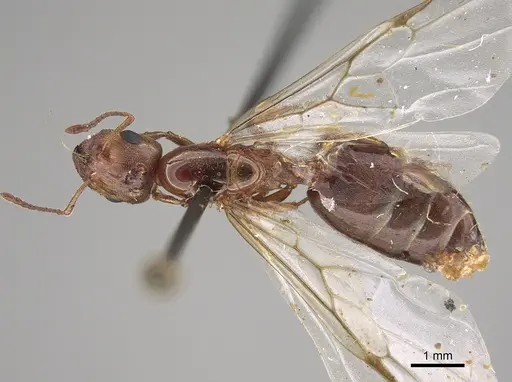
CASTYPE11424
View on AntWeb


Literature
Loading...Loading products...