

Crematogaster nitidiceps
- Scientific Name
- Crematogaster nitidiceps
- Subgenus
- Orthocrema
- Tribe
- Crematogastrini
- Subfamily
- Myrmicinae
- Author
- Emery, 1895
- Distribution
- Found in 5 countries
Crematogaster nitidiceps Overview
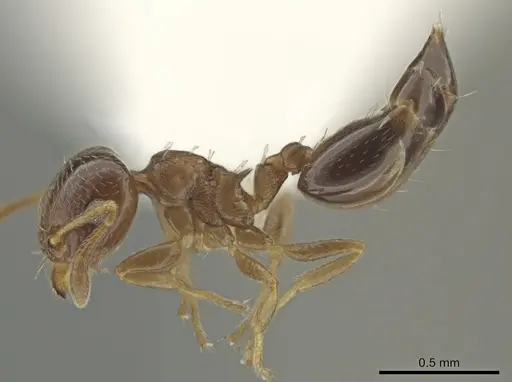
Crematogaster nitidiceps is an ant species of the genus Crematogaster. It is primarily documented in 5 countries , including Brazil, Colombia, Peru. Detailed taxonomic data and occurrence records can be further explored via authoritative databases such as AntWeb or the Global Biodiversity Information Facility (GBIF).
Crematogaster nitidiceps
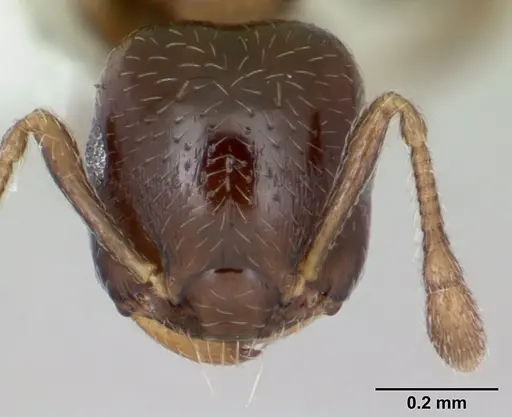
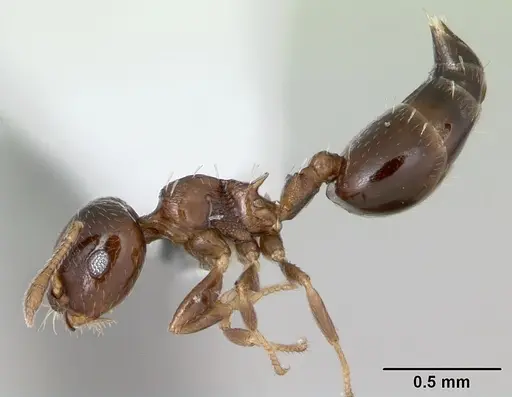
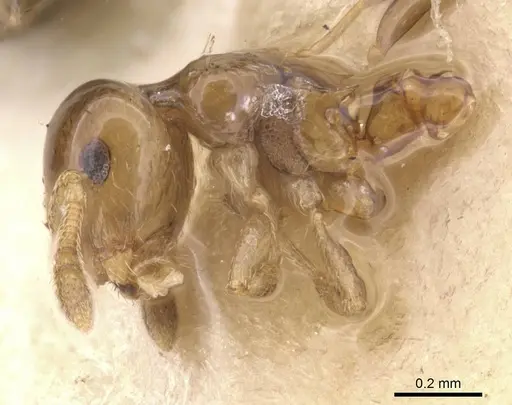
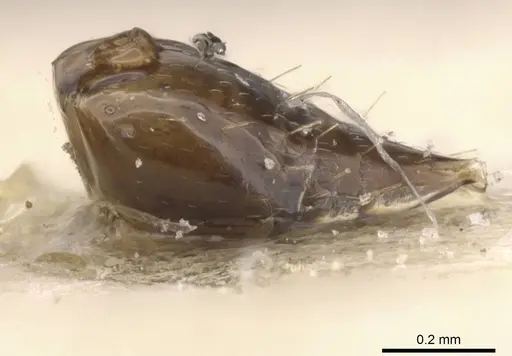
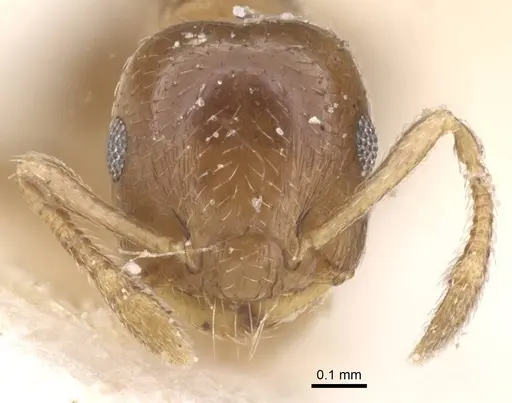
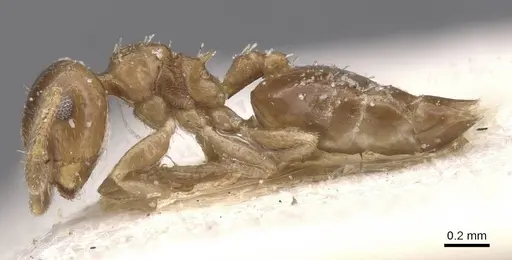
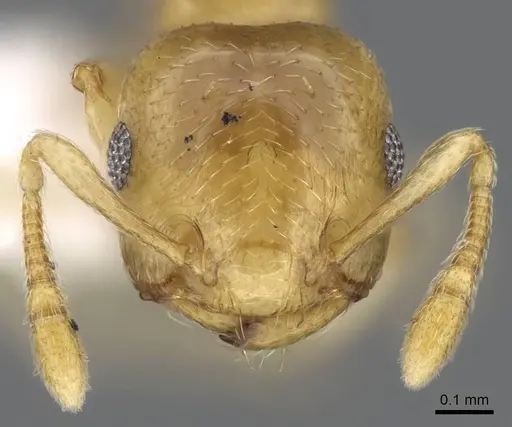
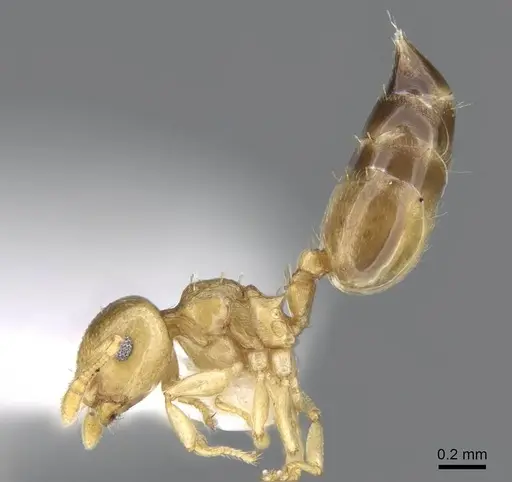
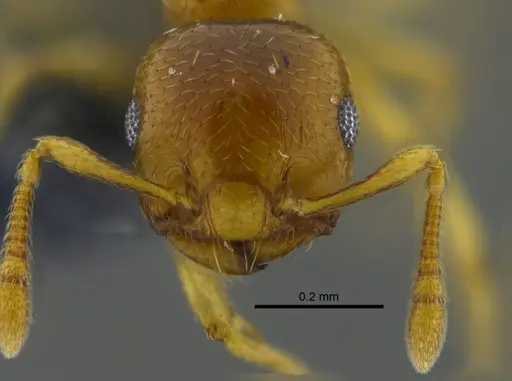
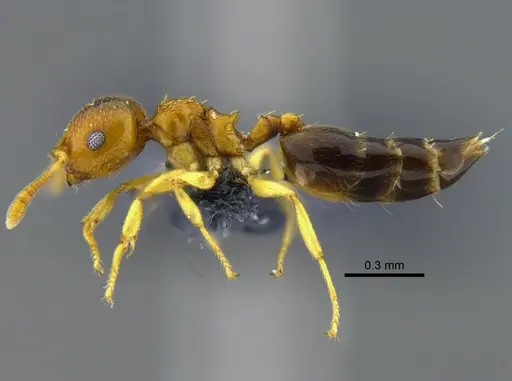
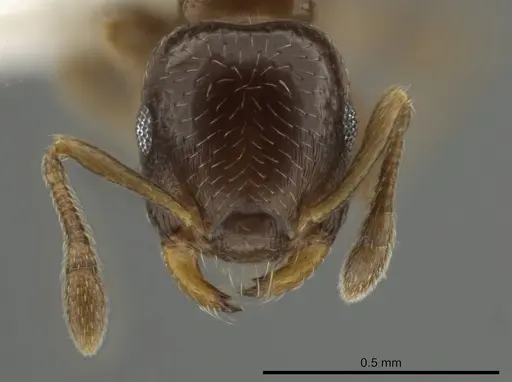
Crematogaster nitidiceps is a small myrmicine ant native to the Neotropical region of South America, found across Argentina, Brazil, Paraguay, Peru, Uruguay, and Colombia [1]. Workers are tiny at 2-4mm with the characteristic Crematogaster trait of being able to raise their abdomen over their head when threatened, giving them the common name 'acrobat ants'. The species was previously classified as a variety of C. victima but was elevated to full species status due to distinct morphological differences including shorter antennal scapes, a longer head, and a smooth pronotum [2].
This species nests in rotting wood and forest habitats in the warm, humid Neotropics. Like other Crematogaster, they are arboreal and often found in dead branches, tree hollows, or under bark. They are generalist foragers that tend honeydew-producing insects and hunt small prey.
Quick Summary
- Difficulty: Medium
- Origin & Habitat: Neotropical South America, Argentina, Brazil, Paraguay, Peru, Uruguay, and Colombia (Sierra Nevada de Santa Marta) [1][3]. Found in forest habitats, typically nesting in rotting wood or dead branches.
- Colony Type: Likely monogyne (single queen) based on typical Crematogaster patterns, though colony structure has not been directly documented for this species.
- Colony: Monogyne
- Founding: Claustral
- Size & Growth:
- Queen: Estimated 5-7mm based on genus patterns
- Worker: 2-4mm [4]
- Colony: Estimated several hundred workers based on typical Crematogaster colony sizes
- Growth: Moderate, based on genus patterns
- Development: Estimated 6-8 weeks at tropical temperatures based on related species (Development time inferred from typical Crematogaster genus patterns, specific data for this species is unavailable)
- Antkeeping:
- Temperature: Keep at 24-28°C, these are tropical ants that need warmth. A heating cable on one side of the nest creates a gradient. Avoid temperatures below 20°C.
- Humidity: High humidity (60-80%) is essential. Keep the nest substrate consistently moist but not waterlogged. Mist occasionally and provide a water tube.
- Diapause: No, being a tropical species, they do not require hibernation. Keep temperatures stable year-round.
- Nesting: In captivity, they do well in Y-tong (AAC) nests, plaster nests, or naturalistic setups with rotting wood. They prefer tight chambers and narrow passages scaled to their small size. Avoid dry conditions.
- Behavior: Crematogaster nitidiceps is an active forager with moderate aggression when threatened. They will raise their abdomen as a defensive display, this is where the 'acrobat ant' name comes from. Workers are small (2-4mm) so escape prevention is important, use fine mesh and tight-fitting lids. They are generalists that will accept sugar water, honey, and small insects.
- Common Issues: escape prevention is critical due to their tiny size, they can squeeze through standard gaps, tropical species cannot tolerate cool temperatures, keep above 20°C or colony may decline, dry conditions cause colony failure, monitor humidity closely, wild-caught colonies may have parasites that kill them in captivity, slow founding phase means beginners often give up too soon
Nest Preferences
In the wild, Crematogaster nitidiceps nests in rotting wood, dead branches, and tree hollows in Neotropical forests [1]. They are arboreal and often found in elevated positions rather than ground nests. In captivity, provide them with a nest that mimics these conditions, Y-tong (AAC) nests work well, as do plaster nests or naturalistic setups with pieces of rotting wood. The chambers should be tight and scaled to their small 2-4mm worker size. Avoid tall, open spaces that stress these tiny ants. They need consistent access to moisture since they come from humid tropical environments.
Feeding and Diet
Crematogaster ants are generalist foragers. They readily accept sugar sources like honey, sugar water, or honeydew. They also need protein from small insects, flightless fruit flies, pinhead crickets, small mealworms, or similar appropriately-sized prey. Feed protein 2-3 times per week and keep a constant sugar source available. Remove uneaten prey after 24 hours to prevent mold. Since they are small, portion sizes should be tiny, a few drops of sugar water and prey items smaller than their head.
Temperature and Care
As a tropical Neotropical species, Crematogaster nitidiceps needs warm temperatures between 24-28°C. Do not let temperatures drop below 20°C for extended periods, this can weaken and kill the colony. Use a heating cable or heating mat on one side of the nest to create a temperature gradient, allowing workers to choose their preferred warmth. Place the heating on top of the nest, not underneath, to avoid drying out the substrate. Since they come from humid environments, maintain 60-80% humidity by misting occasionally and keeping the nest substrate moist.
Behavior and Temperament
These ants get their common name 'acrobat ants' from their defensive behavior, when threatened, workers raise their abdomen over their head, ready to spray formic acid or bite. They are not overly aggressive but will defend their nest vigorously. Workers are active foragers and will scout for food both in the nest area and the outworld. Their small size (2-4mm) means they can escape through tiny gaps, use fine mesh (at least 0.5mm) on all openings and ensure lids fit tightly. They are diurnal and most active during daylight hours.
Colony Founding
Founding behavior has not been directly documented for this species. Based on typical Crematogaster genus patterns, the queen likely seals herself in a small chamber (claustral founding) and lives off stored fat reserves until her first workers emerge. The founding phase may take 6-10 weeks. During this time, the queen needs complete darkness and minimal disturbance. Do not check on the founding chamber for at least 4 weeks after setup.
Frequently Asked Questions
Can I keep Crematogaster nitidiceps in a test tube?
Test tubes can work for founding colonies but these ants prefer wood-based nests. A test tube setup with a cotton ball for moisture can work for the founding phase, but plan to move them to a Y-tong or naturalistic nest once they have 20+ workers.
How long until first workers in Crematogaster nitidiceps?
Based on typical Crematogaster development, expect first workers (nanitics) in 6-8 weeks at optimal tropical temperatures (24-28°C). The exact timeline for this species is unconfirmed but genus patterns suggest this range.
Do Crematogaster nitidiceps ants sting?
Crematogaster ants do not have a stinger like many ants. Instead, they raise their abdomen and spray formic acid as a defensive spray. They may bite if handled roughly, but they are not dangerous to humans.
What do Crematogaster nitidiceps eat?
They are generalists. Offer sugar water or honey as a constant energy source and small insects (fruit flies, pinhead crickets, small mealworms) as protein 2-3 times per week. Remove uneaten prey after 24 hours.
Are Crematogaster nitidiceps good for beginners?
This species is rated Medium difficulty. They require warm, humid conditions typical of tropical ants, which can be challenging to maintain consistently. Their small size also requires good escape prevention. Experienced antkeepers should have success, but complete beginners may struggle with the humidity and temperature requirements.
Do Crematogaster nitidiceps need hibernation?
No, as a tropical Neotropical species, they do not require hibernation. Keep temperatures stable year-round between 24-28°C. Temperatures below 20°C can be harmful.
When should I move Crematogaster nitidiceps to a formicarium?
Move them once the colony reaches 20-30 workers or when the test tube setup becomes cramped. They do well in Y-tong nests, plaster nests, or naturalistic setups with rotting wood.
How big do Crematogaster nitidiceps colonies get?
Based on typical Crematogaster colony sizes, expect several hundred workers at maturity. The exact maximum for this species is unconfirmed but likely in the 300-500 worker range.
Why are my Crematogaster nitidiceps dying?
Common causes include: temperatures below 20°C (tropical species cannot tolerate cool conditions), dry humidity (they need 60-80% humidity), escape-related losses due to their tiny size, or parasites from wild-caught colonies. Check your temperature and humidity levels first.
Can I keep multiple queens together?
Combining unrelated queens of this species has not been documented. Based on typical Crematogaster patterns, they are likely single-queen (monogyne) species. Keeping multiple unrelated foundress queens together may result in fighting.
References

This caresheet is licensed under CC BY-SA 4.0 .
CASENT0173941
View on AntWeb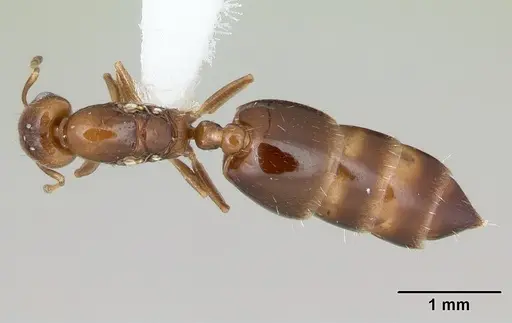
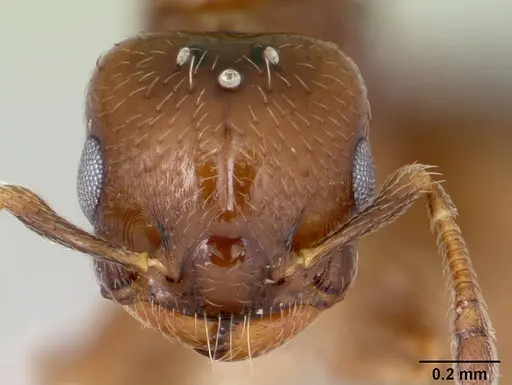
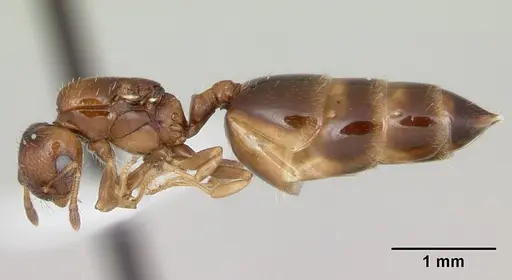
CASENT0173942
View on AntWeb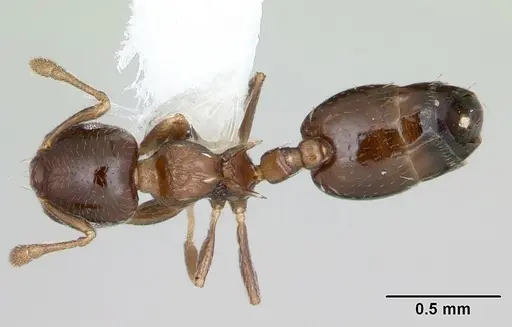
CASENT0908430
View on AntWeb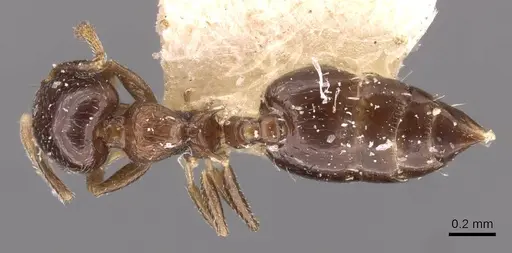
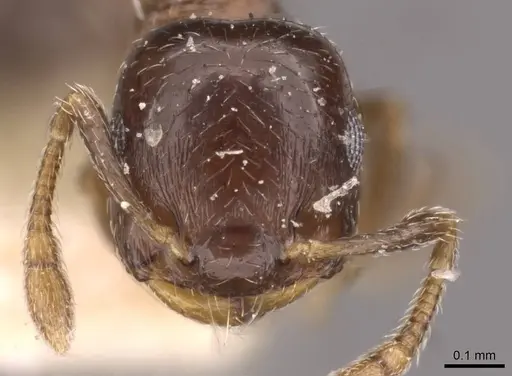
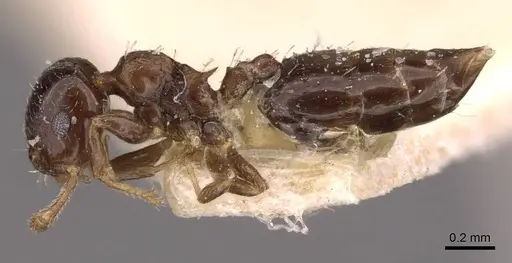
CASENT0912784
View on AntWeb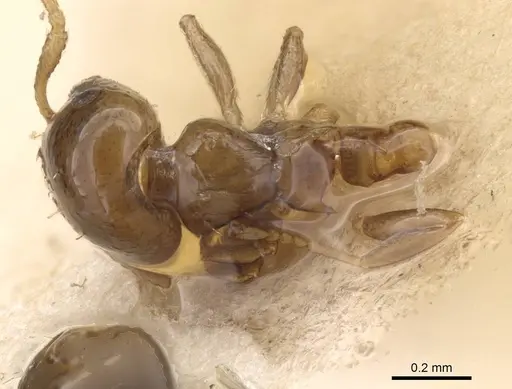
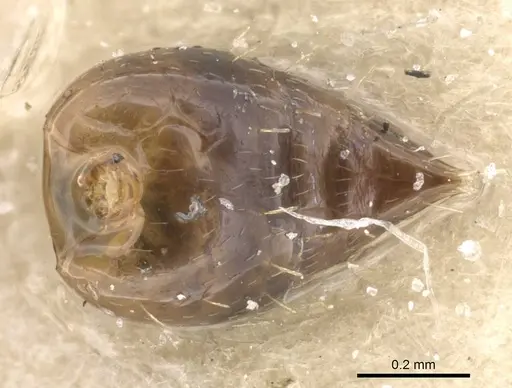
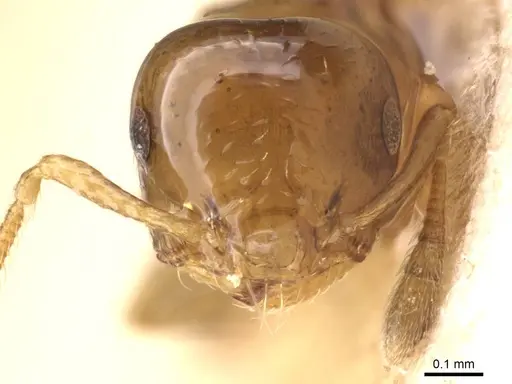
CASENT0912785
View on AntWeb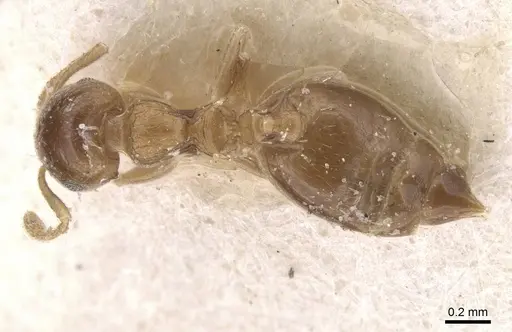
CASENT0914579
View on AntWeb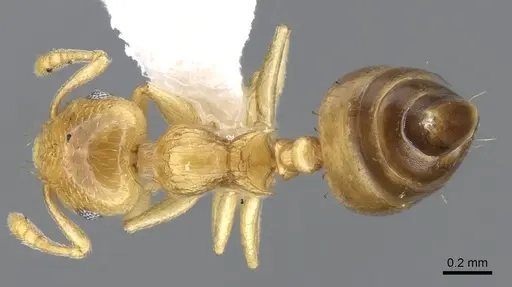
CASENT0919711
View on AntWeb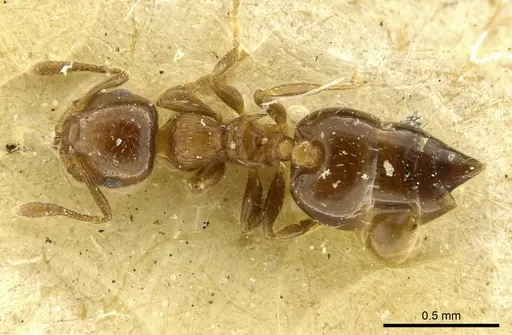
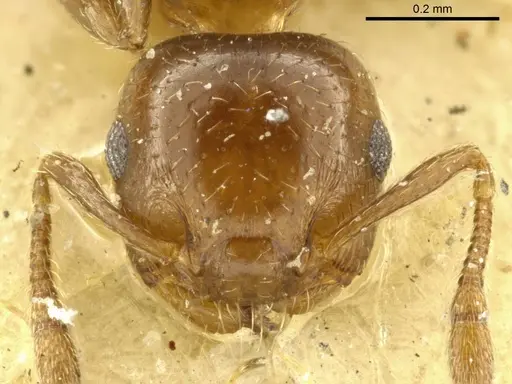
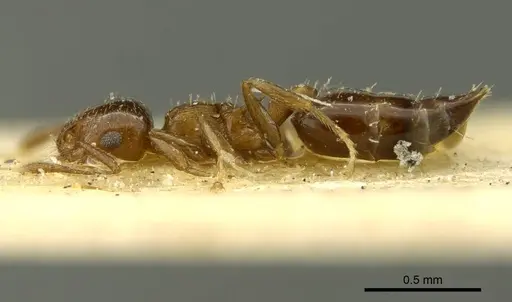
CBUMAGENT41939
View on AntWeb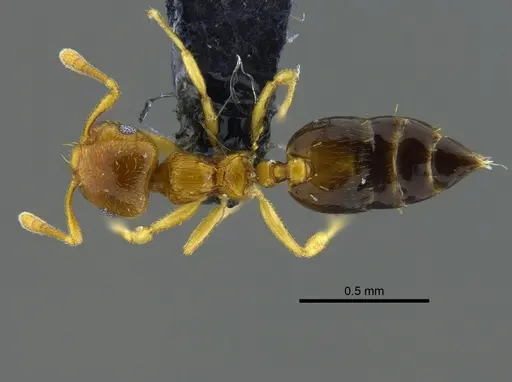
JTLC000001455
View on AntWeb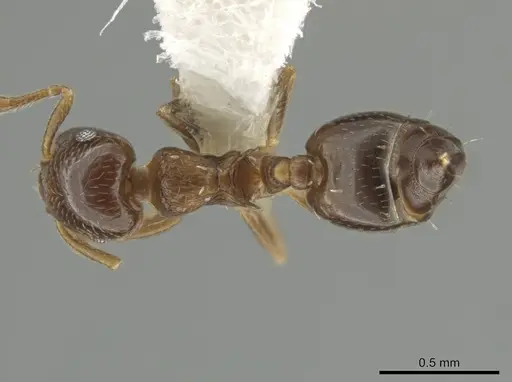
Literature
Loading...Loading products...