

Crematogaster nawai
- Scientific Name
- Crematogaster nawai
- Tribe
- Crematogastrini
- Subfamily
- Myrmicinae
- Author
- Ito, 1914
- Distribution
- Found in 2 countries
Crematogaster nawai Overview
Crematogaster nawai is an ant species of the genus Crematogaster. It is primarily documented in 2 countries , including Japan, Korea, Republic of. Detailed taxonomic data and occurrence records can be further explored via authoritative databases such as AntWeb or the Global Biodiversity Information Facility (GBIF).
Crematogaster nawai
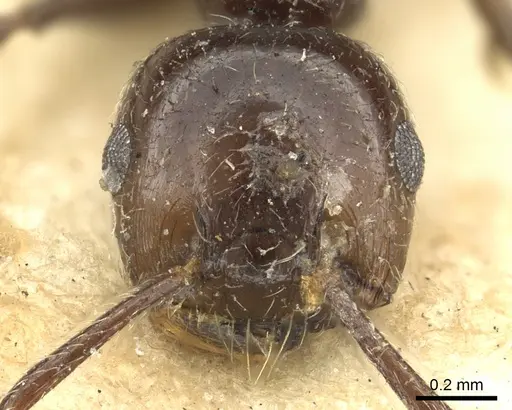
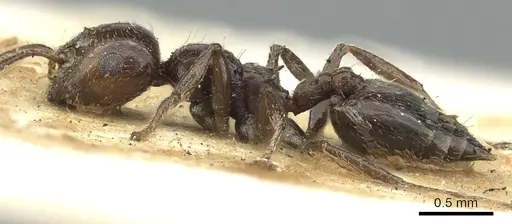
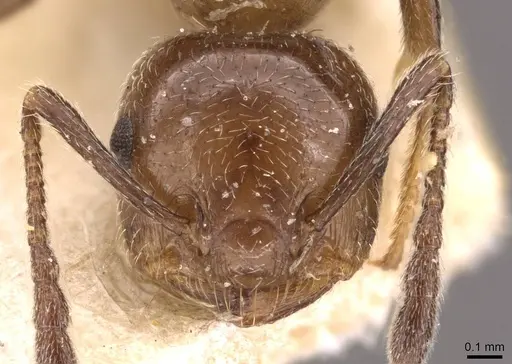
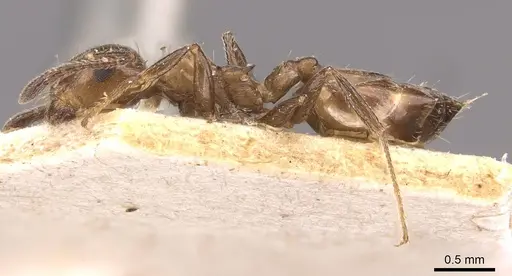
Crematogaster nawai is a small to medium-sized ant species native to East Asia, found throughout Japan, Korea, and parts of China. Workers measure 3-5.5mm with a distinctive shiny dark brown to blackish-brown body. The species gets its common name from its habit of raising its abdomen when alarmed, giving it a 'cocktail' appearance. This ant is easily identified by its convex thoracic dorsum that lacks lateral margins and its petiole that is longer than wide. In the wild, C. nawai thrives near sea shores and nests primarily under stones, occasionally in decaying wood [1][2].
What makes this species interesting is its ecological flexibility, it's one of the dominant ant species in open volcanic lava fields in southern Japan, where it has adapted to harsh, treeless environments [3]. It's also a stenochoric species, meaning it's adapted to specific habitat conditions and doesn't tolerate broad environmental changes [4]. For antkeepers, this species offers a rewarding challenge with its active foraging behavior and interesting social structure.
Quick Summary
- Difficulty: Medium
- Origin & Habitat: Coastal East Asia, found throughout Japan (Honshu, Shikoku, Kyushu, Ryukyu Islands), Korea, and parts of China (Yunnan, Shanghai, Jiangsu, Taiwan). Naturally nests under stones near sea shores and in open land environments [1][5][2].
- Colony Type: Monogyne, colonies have a single queen. This species is monogynous, meaning one queen heads each colony [4].
- Colony: Monogyne
- Founding: Claustral
- Size & Growth:
- Queen: Estimated 6-8mm based on genus patterns
- Worker: 3-5.5mm [1][2]
- Colony: Likely moderate, several hundred workers based on similar Crematogaster species
- Growth: Moderate
- Development: 6-8 weeks estimated based on typical Crematogaster development at room temperature (Development time is inferred from genus patterns, specific data for this species is unavailable)
- Antkeeping:
- Temperature: Keep at room temperature, roughly 20-26°C. This species tolerates a range of conditions from cooler temperate areas to warmer subtropical regions. A gentle gradient allows workers to self-regulate [1].
- Humidity: Moderate humidity around 50-70%. These ants naturally nest under stones in coastal areas, which suggests they tolerate drier conditions than forest-dwelling species. Keep the nest slightly moist but allow some drying between waterings.
- Diapause: Yes, as a species native to temperate Japan and Korea, they require a winter rest period. Reduce temperature to around 10-15°C for 2-3 months during winter [1].
- Nesting: Prefers干燥的石下环境。Use a naturalistic setup with flat stones or a Y-tong/plaster nest with moderate chambers. They do well in formicariums that allow them to nest under objects, mimicking their natural stone-nesting behavior. Avoid overly humid conditions that can cause mold [1].
- Behavior: Crematogaster nawai is an active forager with a defensive temperament. When threatened, workers raise their abdomen high (the 'cocktail' posture) and may release formic acid as a defensive spray. They are stenochoric, adapted to specific open habitats and sensitive to environmental changes [4]. Escape prevention is important as they are agile climbers, though not extremely small. They forage actively and will recruit nestmates to food sources quickly.
- Common Issues: colonies may fail if humidity stays too high, these are not rainforest ants, winter diapause is required or colony health will decline over time, stenochoric nature means they may be sensitive to habitat changes, avoid moving nests frequently, wild-caught colonies may have parasites that affect captive survival, formic acid spraying can irritate skin, handle gently during nest maintenance
Nest Preferences and Housing
Crematogaster nawai naturally nests under stones in coastal areas and open land environments. In captivity, they do well in naturalistic setups that mimic these conditions. A Y-tong (acrylic) nest or plaster formicarium works well, especially when paired with a layer of substrate they can burrow into or stones they can nest under. The key is providing moderate humidity without excess moisture, these ants are not rainforest species and can develop mold problems in overly damp conditions. Some keepers successfullly use flat stone arrangements where the ants can establish colonies beneath stones placed on soil or sand. For the outworld, a simple container with some substrate and hiding spots works fine since they primarily nest rather than forage extensively in the open. [1][4]
Feeding and Diet
Like other Crematogaster species, C. nawai is omnivorous with a preference for protein and sugar sources. They readily accept sugar water, honey, or diluted syrup as an energy source. For protein, offer small insects like fruit flies, small mealworms, or cricket pieces. In the wild, they forage for honeydew from aphids and small invertebrates, so a varied diet works best. Feed protein sources 2-3 times per week and keep sugar water available constantly. Remove uneaten prey after 24-48 hours to prevent mold. This species is relatively small, so prey items should be appropriately sized, tiny insects work better than large chunks.
Temperature and Seasonal Care
This species tolerates a broad temperature range from roughly 18°C to 28°C, making room temperature suitable for most keepers. In their native Japan and Korea, they experience distinct seasons, so they benefit from a winter diapause period. During winter (roughly November to February in the Northern Hemisphere), reduce temperatures to 10-15°C and reduce feeding. This rest period supports colony health and queen longevity. Avoid sudden temperature changes and keep the nest away from direct sunlight or heating elements that could cause overheating. A simple approach is to use room temperature year-round in a naturally cool room, or move the colony to a cooler location during winter months. [1]
Behavior and Defense
Crematogaster nawai has a distinctive defensive behavior, when threatened, workers raise their abdomen high in the air (the 'cocktail' posture that gives the genus its common name). They can release formic acid as a defensive spray, which may irritate sensitive skin. This species is relatively aggressive when defending the nest but not particularly large or dangerous to humans. They are active foragers and quickly recruit nestmates to food sources through chemical trails. Workers are agile climbers, so escape prevention should include smooth barriers like fluon on the rim of the outworld. They are stenochoric, meaning they're adapted to specific habitat conditions and may be stressed by major changes to their environment. [4]
Colony Growth and Development
Colonies start with a single claustral queen who seals herself in a chamber and raises the first brood alone. First workers (nanitics) are typically smaller than mature workers. Growth rate is moderate, expect 6-8 weeks from egg to first worker under optimal conditions. Mature colonies likely reach several hundred workers based on similar species in the genus. The monogyne colony structure means you'll have one queen per colony, and the colony will focus its energy on raising brood from her eggs. Regular feeding and stable conditions support healthy growth. These ants are small-sized compared to other common ant species, so patience is needed during the founding phase. [1][2][8]
Field Observations and Ecology
In the wild, Crematogaster nawai is abundant near sea shores and nests primarily under stones. Studies in Japan show they inhabit open land environments and are one of the dominant ant species in volcanic lava fields like those in Sakurajima [3]. They are stenochoric, adapted to specific, relatively open habitats rather than being generalists [4]. This species has been recorded at ports in the Ryukyu Islands, showing it can tolerate disturbed coastal areas [6][7]. It's also known to be consumed by moles more frequently than larger ant species, suggesting it's common and abundant in its preferred habitats [8][9]. Additionally, this species is associated with Spindasis takanonis butterfly larvae, showing it participates in ant-butterfly mutualistic relationships [10].
Frequently Asked Questions
How long does it take for Crematogaster nawai to raise first workers?
Expect 6-8 weeks from egg to first worker at room temperature. This is an estimate based on typical Crematogaster development, specific development data for this species is not available. The queen will stay sealed in her chamber until nanitics emerge.
Do Crematogaster nawai ants sting?
They do not have a painful sting like some ants. Instead, they raise their abdomen in a defensive 'cocktail' posture and can spray formic acid. This can irritate skin but isn't dangerous to healthy humans.
What temperature do Crematogaster nawai need?
Room temperature (roughly 20-26°C) works well. They tolerate a range from about 18°C to 28°C. A winter diapause at 10-15°C for 2-3 months is recommended for colony health.
Can I keep multiple Crematogaster nawai queens together?
No. This species is monogynous, colonies have a single queen. Combining unrelated queens is not recommended and would likely result in fighting.
Are Crematogaster nawai good for beginners?
They are medium difficulty. They require winter diapause and are sensitive to overly humid conditions, which may challenge complete beginners. However, they are not overly demanding once basic requirements are understood.
What do Crematogaster nawai eat?
They are omnivorous. Offer sugar water, honey, or syrup constantly for energy, and protein sources like small insects (fruit flies, small mealworms) 2-3 times per week. Remove uneaten prey after 24-48 hours.
How big do Crematogaster nawai colonies get?
Based on similar species, colonies likely reach several hundred workers. They are not among the largest Crematogaster species but can establish substantial colonies over several years.
Do Crematogaster nawai need hibernation?
Yes. As a species native to temperate Japan and Korea, they require a winter rest period. Reduce temperatures to 10-15°C for 2-3 months during winter to maintain colony health.
What size formicarium do they need?
Start with a simple test tube setup for the founding queen. Once the colony reaches 20-30 workers, you can move to a small Y-tong or plaster nest. They do well with moderate chamber sizes and benefit from having stones or objects to nest under in naturalistic setups.
Why is my Crematogaster nawai colony dying?
Common causes include: too high humidity (they're not rainforest ants), lack of winter diapause, stress from frequent nest changes (stenochoric species), or parasites from wild-caught colonies. Check that humidity is moderate, temperatures are stable, and winter rest was provided.
References

This caresheet is licensed under CC BY-SA 4.0 .
CASENT0902139
View on AntWeb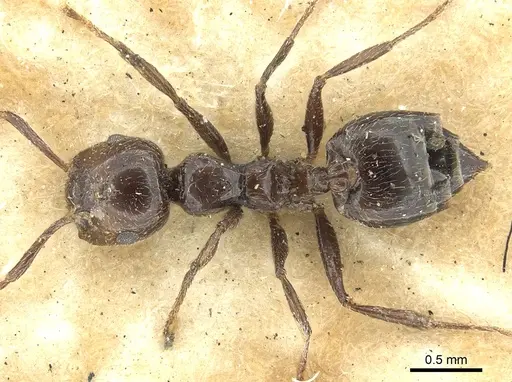
CASENT0908485
View on AntWeb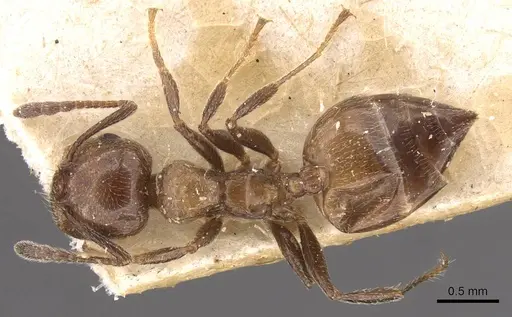
Literature
Loading...Loading products...