

Crematogaster natalensis
- Scientific Name
- Crematogaster natalensis
- Subgenus
- Orthocrema
- Tribe
- Crematogastrini
- Subfamily
- Myrmicinae
- Author
- Forel, 1910
- Common Name
- Natal Cocktail ant
- Distribution
- Found in 2 countries
Crematogaster natalensis Overview
Crematogaster natalensis (commonly known as the Natal Cocktail ant) is an ant species of the genus Crematogaster. It is primarily documented in 2 countries , including Lesotho, South Africa. Detailed taxonomic data and occurrence records can be further explored via authoritative databases such as AntWeb or the Global Biodiversity Information Facility (GBIF).
Crematogaster natalensis - "Natal Cocktail ant"
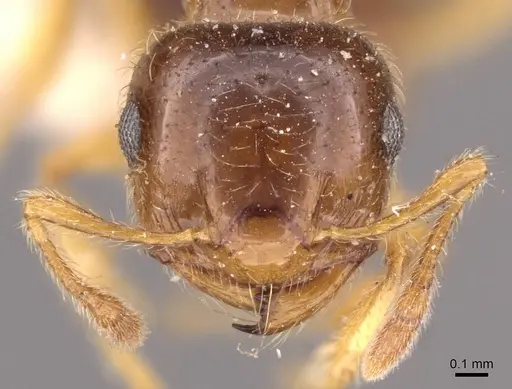
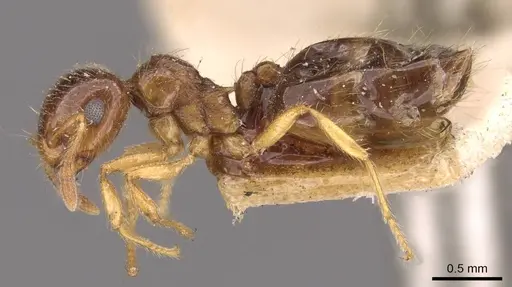
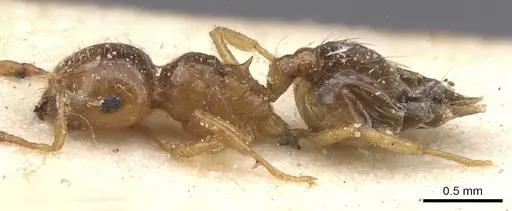
Crematogaster natalensis is a small to medium-sized ant native to southern Africa, found primarily in South Africa and Lesotho. Workers are typically 3-5mm with the characteristic heart-shaped gaster that they can raise over their body like an acrobat, giving them their common name. They have a dark brown to reddish-brown coloration and a distinct two-segmented petiole. This species nests in natural cavities, under rocks, and in rotting wood in mountainous regions of their range. Like other Crematogaster species, they are arboreal-foraging and will tend aphids for honeydew while also hunting small insects.
Quick Summary
- Difficulty: Easy
- Origin & Habitat: Native to the Afrotropical region, specifically South Africa (Natal mountains) and Lesotho. Found in mountainous areas and rocky habitats at various elevations [1].
- Colony Type: Likely monogyne (single queen colonies) based on typical Crematogaster patterns, though colony structure is not specifically documented for this species.
- Colony: Monogyne
- Founding: Claustral
- Size & Growth:
- Queen: Estimated 7-9mm based on genus patterns [1]
- Worker: 3-5mm [1]
- Colony: Estimated moderate colonies of several hundred workers based on genus typical size
- Growth: Moderate, Crematogaster colonies typically grow at a steady pace
- Development: Estimated 6-8 weeks at warm temperatures based on related species patterns (Development time inferred from genus-level data, warmer temperatures within their range will speed development)
- Antkeeping:
- Temperature: Keep at 22-26°C. They come from a warm temperate to subtropical region and tolerate a range from roughly 20-28°C. A gentle heat gradient allows workers to regulate their own temperature [1].
- Humidity: Moderate humidity around 50-70%. Provide a moist nest chamber but allow some drier areas for workers to self-regulate. Native to mountainous areas with variable moisture.
- Diapause: Likely a mild winter rest period given their southern African range. Reduce temperatures to 15-18°C for 2-3 months during winter months. Monitor for natural slowing of activity.
- Nesting: Y-tong (acrylic) nests work well, or a naturalistic setup with cork or plaster. They prefer tight-fitting chambers and appreciate multiple chambers connected by narrow passages. Provide some vertical space for their characteristic gaster-raising behavior.
- Behavior: Generally peaceful but can be defensive when threatened. They will raise their heart-shaped gaster as a warning display and may release a foul-smelling secretion. They are active foragers, primarily arboreal in their foraging patterns, and will readily climb to reach food sources. Workers are agile and can escape through small gaps, use standard escape prevention. They are not particularly aggressive toward humans and rarely sting.
- Common Issues: colonies can be slow to establish, patience is needed during the founding phase, their small size means escape prevention must be good despite them not being extreme escape artists, wild-caught colonies may carry parasites that can devastate captive colonies, overheating is more dangerous than slight underheating, keep away from direct heat sources, they prefer to forage upward, place food sources at various heights in the outworld
Housing and Nest Setup
Crematogaster natalensis adapts well to various nest types. Y-tong (acrylic) nests with narrow chambers work excellently, the tight spaces mimic their natural nesting in rock crevices and rotting wood. Plaster nests or cork setups also work well. Provide a nest chamber that stays consistently moist but not waterlogged. The outworld should have some vertical elements since these ants naturally forage upward and appreciate climbing space. A test tube setup works for founding colonies, place the tube horizontally in a dark area and keep it stable. Move to a proper formicarium once the colony reaches 20-30 workers. [1]
Feeding and Diet
Like other Crematogaster species, C. natalensis is omnivorous. They readily accept sugar sources, offer diluted honey water or sugar water 2-3 times per week. For protein, provide small insects like fruit flies, small mealworms, or cricket pieces. They will also scavenge on dead insects. Some colonies will accept fruit or very small amounts of seeds, but protein from insects is their primary nutritional need. Remove uneaten food after 24-48 hours to prevent mold. A constant sugar source is recommended once workers are established, a small dish of honey water or sugar water that refills as needed. [1]
Temperature and Seasonal Care
Maintain temperatures between 22-26°C for optimal colony development. They can tolerate brief periods slightly outside this range but prolonged cold slows growth significantly. A heat cable on one side of the nest creates a temperature gradient workers can use to regulate their own conditions. Place the heating on top of the nest, not underneath, to avoid excessive drying. During winter (roughly November-February in the northern hemisphere), reduce temperatures to 15-18°C to provide a natural rest period. Do not feed heavily during this dormant phase, reduce feeding to once every two weeks or less. Return to warm conditions gradually in spring. [1]
Behavior and Defense
Crematogaster natalensis has a distinctive defense mechanism, when threatened, workers raise their heart-shaped gaster over their body in an acrobat-like pose. They can release a foul-smelling chemical from their glands as an alarm signal. While they possess a stinger, it is small and rarely used against humans, most keepers report minimal risk of stings. They are generally calm-natured and focus on foraging rather than defending the nest aggressively. Workers are active and agile, readily exploring their environment. They are not prone to biting. Their small size means they can squeeze through small gaps, use standard mesh barriers and ensure any connections between nest areas are tight-fitting. [1]
Colony Development
A newly mated queen will seal herself in a small chamber and lay eggs after a few weeks. The first workers (called nanitics) are smaller than mature workers but will begin foraging once they emerge. Colony growth is steady but not explosive, expect 6-12 months to reach 50 workers under good conditions. Growth rate depends heavily on temperature and feeding consistency. A healthy colony will eventually reach several hundred workers. Unlike some ants, Crematogaster colonies do not typically have supercolony tendencies, they maintain distinct colony boundaries. Queens are long-lived and can produce workers for several years. [1]
Frequently Asked Questions
How long does it take for Crematogaster natalensis to produce first workers?
Expect first workers (nanitics) approximately 6-8 weeks after the queen lays eggs, assuming temperatures around 24-26°C. This timeline is based on typical Crematogaster development patterns.
Do Crematogaster natalensis ants sting?
They have a small stinger but rarely use it. Most keepers experience no stings, they rely on their warning display (raising the gaster) and chemical secretions instead. They are not considered dangerous to humans.
What do Crematogaster natalensis eat?
They are omnivorous. Offer sugar water or honey water as a constant energy source, plus small insects (fruit flies, small mealworms, cricket pieces) 2-3 times per week for protein. They will also scavenge on dead insects.
Can I keep multiple Crematogaster natalensis queens together?
This is not recommended. While some Crematogaster can be polygyne, combining unrelated foundress queens typically leads to fighting. Start with a single queen for best success.
Do Crematogaster natalensis need hibernation?
Yes, a mild winter rest is recommended. Reduce temperatures to 15-18°C for 2-3 months during winter. Reduce feeding significantly during this period. This mimics their natural seasonal cycle in southern Africa.
What is the best nest type for Crematogaster natalensis?
Y-tong (acrylic) nests with narrow chambers work well, as do plaster or cork naturalistic nests. They prefer tight-fitting chambers that stay moderately humid. Avoid very large, open spaces.
How big do Crematogaster natalensis colonies get?
Colonies typically reach several hundred workers. Maximum size is not specifically documented but based on genus patterns, expect 300-500 workers in a mature colony.
Are Crematogaster natalensis good for beginners?
Yes, they are considered beginner-friendly. They are forgiving of minor temperature fluctuations, not aggressive, and adapt well to captivity. The main challenges are their slow founding phase and ensuring proper escape prevention.
Why is my Crematogaster natalensis colony dying?
Common causes include: parasites from wild-caught colonies, excessive heat or dryness, mold from overfeeding, or stress from too much disturbance. Ensure proper humidity, moderate temperatures, and avoid overfeeding. Wild-caught colonies should be quarantined and monitored for parasites.
When should I move my colony to a formicarium?
Move from a test tube setup once the colony reaches 20-30 workers and the water reservoir is running low. Make sure the new nest has appropriately sized chambers, too large a space can stress the colony.
References

This caresheet is licensed under CC BY-SA 4.0 .
CASENT0908360
View on AntWeb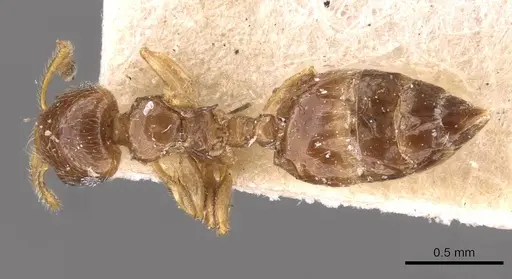
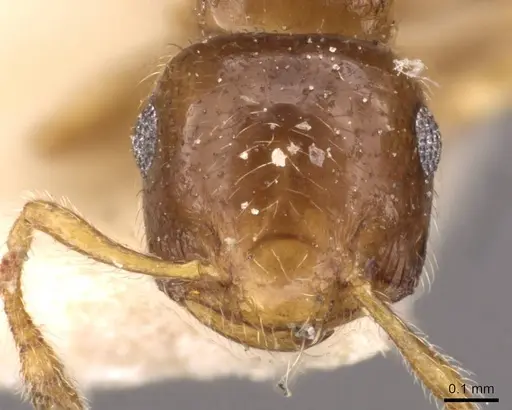
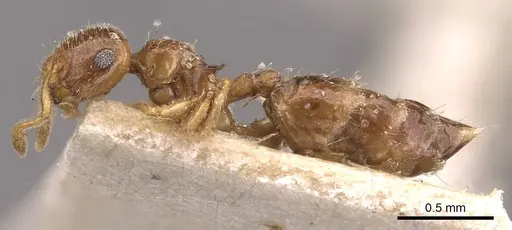
CASENT0908361
View on AntWeb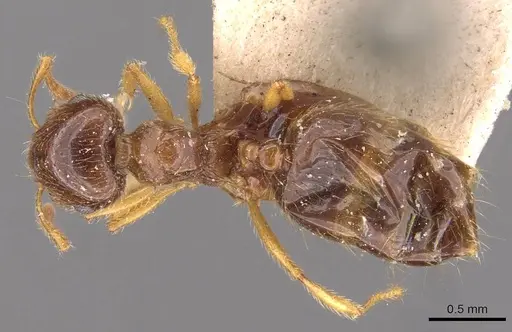
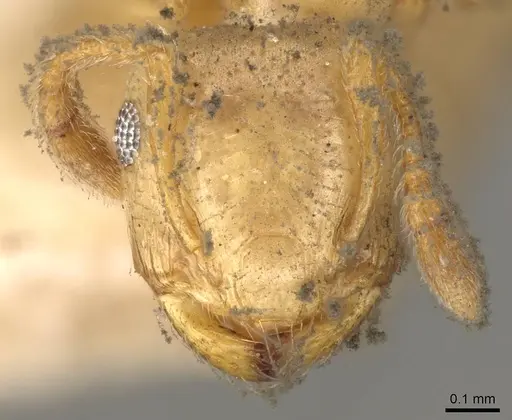
CASENT0912777
View on AntWeb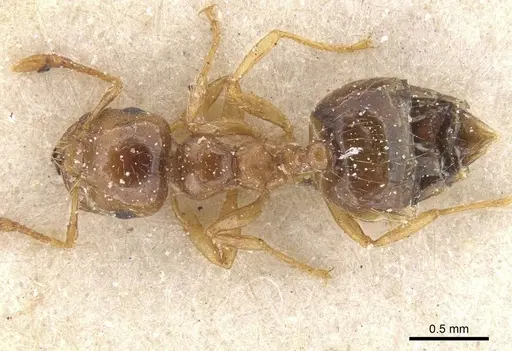
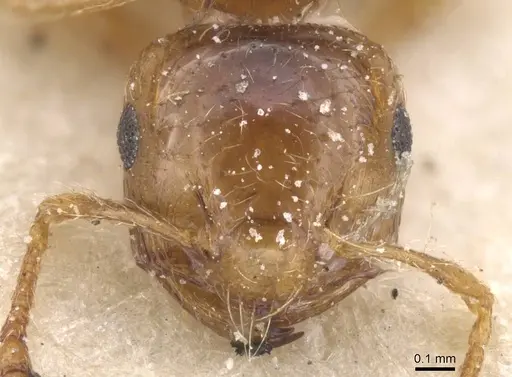
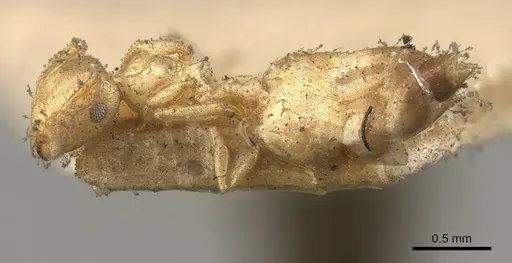
CASENT0914282
View on AntWeb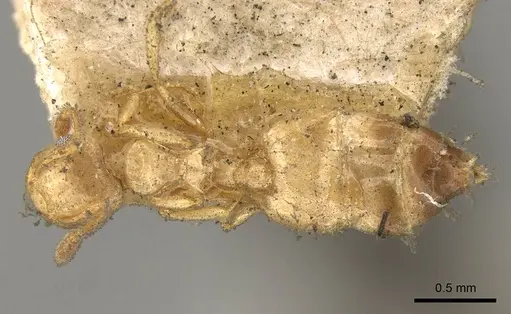
Literature
Loading...Loading products...