

Crematogaster muralti
- Scientific Name
- Crematogaster muralti
- Subgenus
- Orthocrema
- Tribe
- Crematogastrini
- Subfamily
- Myrmicinae
- Author
- Forel, 1910
- Distribution
- Found in 1 countries
Crematogaster muralti Overview
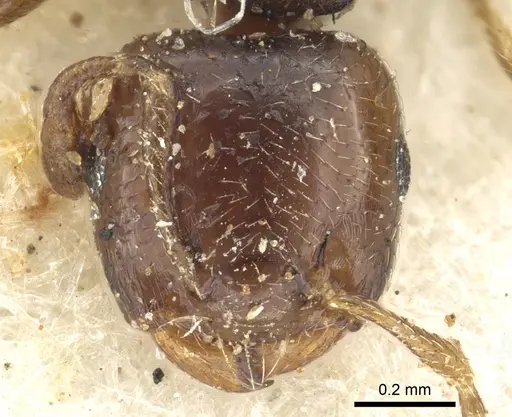
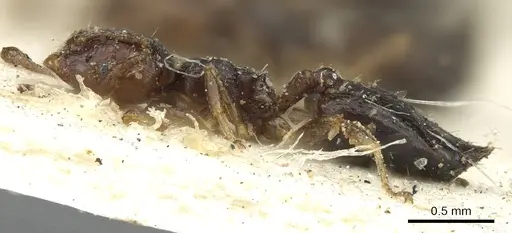
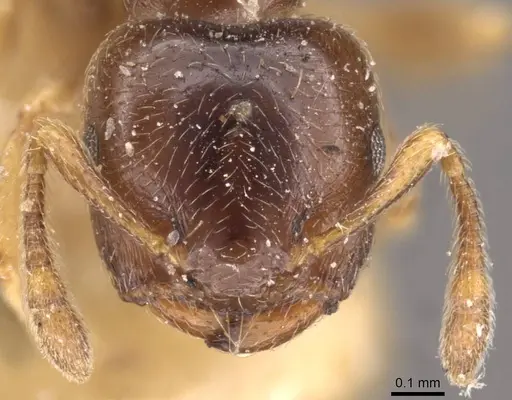
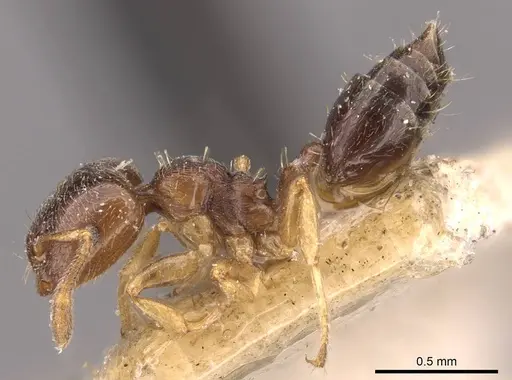
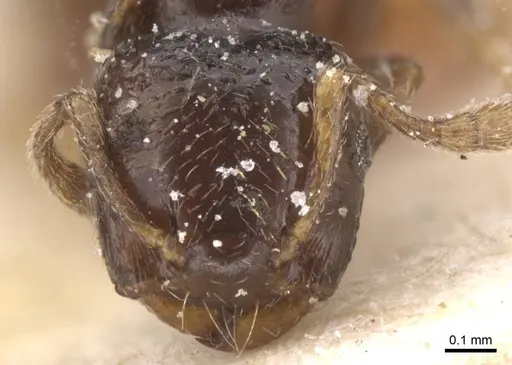
Crematogaster muralti is an ant species of the genus Crematogaster. It is primarily documented in 1 countries , including Zambia. Detailed taxonomic data and occurrence records can be further explored via authoritative databases such as AntWeb or the Global Biodiversity Information Facility (GBIF).
Crematogaster muralti
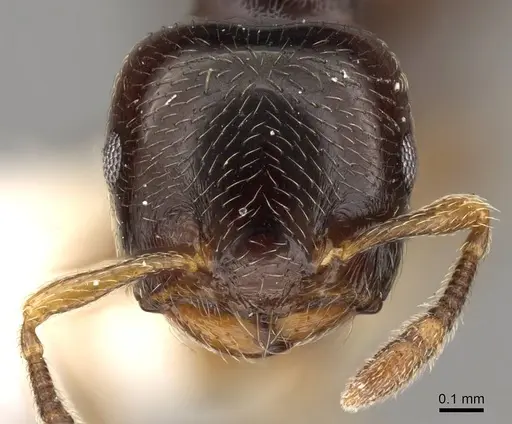
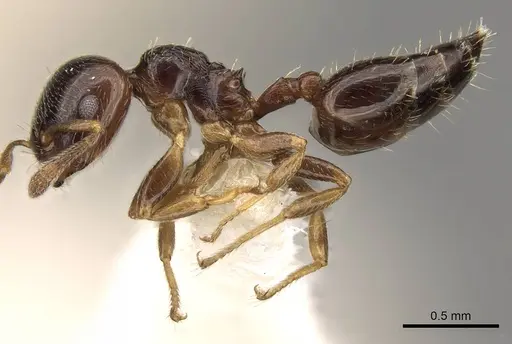
Crematogaster muralti is a small ant species native to the Democratic Republic of Congo. Workers are tiny ants, typically measuring 2-4mm. They belong to the Crematogaster genus, known for their distinctive habit of raising their abdomen over their head when disturbed, giving them the common name 'acrobat ants'. The species was originally described from specimens collected in the Congo region, with recent records confirming its presence in multiple provinces (KL, KS, MN, TO) [1]. These ants are likely arboreal or semi-arboreal in their nesting habits, typical of many Crematogaster species found in African forests.
Quick Summary
- Difficulty: Medium
- Origin & Habitat: Democratic Republic of Congo, tropical forest regions
- Colony Type: Likely monogyne (single queen) based on typical genus patterns, though colony structure is unconfirmed for this specific species
- Size & Growth:
- Queen: Estimated 5-7mm based on genus typical sizes
- Worker: Estimated 2-4mm based on genus typical sizes
- Colony: Likely moderate, possibly several hundred workers based on genus patterns
- Growth: Moderate, typical for tropical Crematogaster
- Development: Estimated 6-8 weeks at tropical temperatures (Development time is estimated based on typical Crematogaster patterns in tropical conditions)
- Antkeeping:
- Temperature: Keep at 24-28°C, they are a tropical species from central Africa
- Humidity: Moderate to high, aim for 60-80% humidity. Provide a moist nest substrate but allow some drying areas
- Diapause: Unlikely, being a tropical species from equatorial DRC, they probably do not require hibernation. However, slight temperature reductions during 'winter' months may be beneficial
- Nesting: Arboreal or semi-arboreal preferences suggest they do well in Y-tong nests, acrylic nests, or naturalistic setups with dead wood or cork. They often nest in hollow stems or under bark in the wild
- Behavior: Generally non-aggressive but will defend their nest vigorously. They are active foragers and will scout for food. Their characteristic defensive posture (raising the abdomen) serves as a warning. They are not known to be particularly aggressive toward keepers. Escape risk is moderate due to their small size, standard barrier methods should suffice
- Common Issues: tropical species may struggle if temperatures drop below 22°C, small colony size means founding colonies are fragile and sensitive to disturbance, arboreal nesting preferences mean they may not thrive in fully soil-based setups, wild-caught colonies from DRC may carry parasites that can affect captive colonies, limited species-specific information means care is based on genus patterns rather than direct study
Housing and Nest Preferences
Crematogaster muralti is likely an arboreal or semi-arboreal species, which influences their housing needs. In the wild, many Crematogaster species nest in hollow stems, under bark, or in rotting wood. For captivity, a Y-tong (acrylic) nest or a naturalistic setup with cork or dead wood works well. These ants do not require soil-based nests and often prefer more compact spaces. Ensure the nest has adequate humidity control, a water tube attached to the nest chamber helps maintain moisture. Because they are small, avoid nests with overly large chambers as they may feel exposed. A test tube setup can work for founding colonies, but transfer to a more suitable nest once the colony reaches 20-30 workers.
Feeding and Diet
Like most Crematogaster species, these ants are omnivorous. They readily accept sugar sources, a drop of sugar water or honey should be offered 2-3 times per week. For protein, provide small insects such as fruit flies, pinhead crickets, or mealworm pieces. They are foragers and will scout their outworld for food. Feed small amounts initially and observe how quickly they consume it. Remove uneaten prey after 24 hours to prevent mold. Some Crematogaster species also consume nectar, so occasional offering of diluted honey or sugar water is beneficial. A varied diet helps promote colony growth and health.
Temperature and Seasonal Care
Being from the Democratic Republic of Congo, an equatorial tropical region, these ants require warm conditions. Keep the nest area at 24-28°C. A heating cable on one side of the nest can create a temperature gradient, allowing the ants to regulate their own temperature by moving between warmer and cooler areas. Avoid temperatures below 22°C as this can slow colony development and potentially stress the ants. Since DRC is near the equator, there is minimal seasonal temperature variation in their natural habitat, so they likely do not require a true hibernation period. However, a slight reduction in temperature during what would be 'winter' months (around 20-22°C) may be natural and could help synchronize their annual cycle.
Behavior and Temperament
Crematogaster muralti exhibits the characteristic defensive behavior that gives the genus its common name, 'acrobat ants'. When threatened, workers raise their abdomen over their head, displaying their stinger as a warning. They are not typically aggressive toward keepers but will defend their nest if disturbed. They are active foragers and will establish clear trails to food sources. Their small size means they can squeeze through small gaps, so ensure your setup has good escape prevention, though they are not as prone to escaping as some truly tiny species. They are generally calm in captivity and make interesting observation subjects.
Colony Establishment
Starting a colony of Crematogaster muralti requires patience. A newly mated queen can be housed in a test tube setup with a water reservoir. She will likely seal herself in a chamber (claustral founding) and lay eggs without leaving to forage, surviving on her stored fat reserves. The first workers (nanitics) will be smaller than mature workers and will emerge after several weeks. Do not disturb the queen during this founding period. Once workers emerge, they will begin foraging in the outworld. Only after the colony reaches 30-50 workers should you consider moving them to a more elaborate nest setup. Growth is typically moderate, expect several months before you have a established colony.
Frequently Asked Questions
How long does it take for Crematogaster muralti to produce first workers?
Based on typical Crematogaster development, expect 6-8 weeks from egg to first worker at optimal temperatures (24-28°C). The first workers will be smaller (nanitics) and the colony will grow gradually from there.
What temperature do Crematogaster muralti ants need?
Keep them warm at 24-28°C. This is a tropical species from the Democratic Republic of Congo, so they need consistently warm conditions. Avoid temperatures below 22°C.
Can I keep Crematogaster muralti in a test tube?
Yes, test tubes work well for founding colonies. However, once the colony reaches 30-50 workers, consider moving them to a more suitable nest like a Y-tong or naturalistic setup with cork or dead wood.
Do Crematogaster muralti ants sting?
Yes, they have a stinger but due to their small size, the sting is typically not painful to humans. Their main defense is the characteristic 'acrobat' posture where they raise their abdomen as a warning.
What do Crematogaster muralti eat?
They are omnivorous. Offer sugar water or honey 2-3 times per week and small insects (fruit flies, pinhead crickets, mealworm pieces) for protein. They are active foragers and will readily search for food.
Are Crematogaster muralti good for beginners?
They are rated as medium difficulty. They require warm tropical conditions and have specific arboreal nesting preferences. While not the hardest species, they are not ideal for complete beginners due to their specific temperature needs and limited species-specific information.
How big do Crematogaster muralti colonies get?
Based on typical genus patterns, colonies likely reach several hundred workers. Growth is moderate, expect several months to a year to establish a decent-sized colony.
Do Crematogaster muralti need hibernation?
Probably not. Being from equatorial DRC, they likely do not require a true hibernation period. A slight temperature reduction during winter months may be beneficial but is not strictly necessary.
Why is my Crematogaster muralti colony declining?
Common causes include: temperatures below 22°C, too dry or too wet conditions, disturbance during founding, or parasites from wild-caught colonies. Check your temperature and humidity levels first. Avoid moving the nest frequently.
References

This caresheet is licensed under CC BY-SA 4.0 .
CASENT0902067
View on AntWeb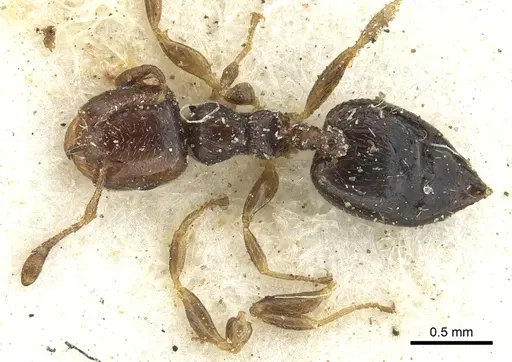
CASENT0908359
View on AntWeb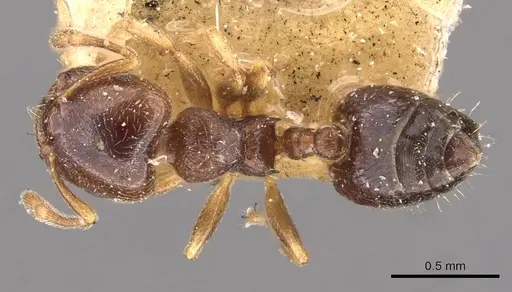
CASENT0912775
View on AntWeb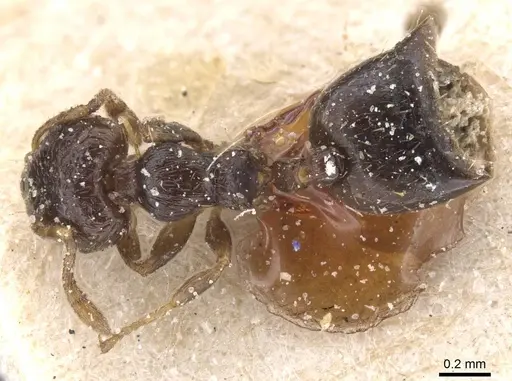
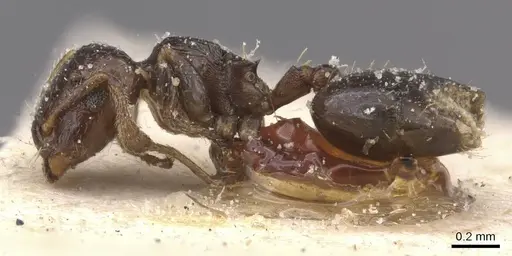
CASENT0912776
View on AntWeb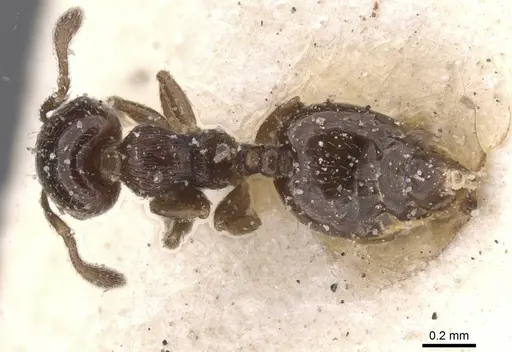
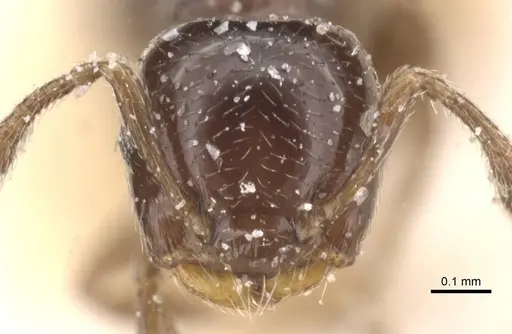
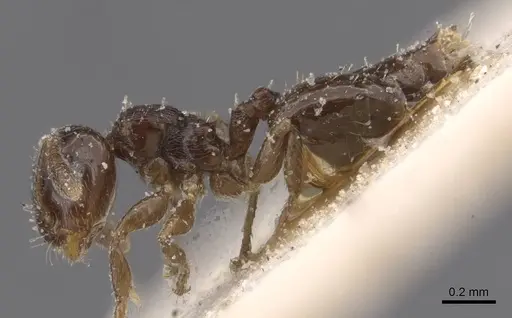
CASENT0914283
View on AntWeb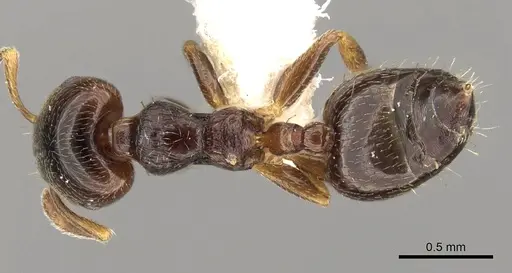
Literature
Loading...Loading products...