

Crematogaster missouriensis
- Scientific Name
- Crematogaster missouriensis
- Subgenus
- Orthocrema
- Tribe
- Crematogastrini
- Subfamily
- Myrmicinae
- Author
- Emery, 1895
- Common Name
- Missouri Acrobat Ant
- Distribution
- Found in 2 countries
Crematogaster missouriensis Overview
Crematogaster missouriensis (commonly known as the Missouri Acrobat Ant) is an ant species of the genus Crematogaster. It is primarily documented in 2 countries , including Mexico, United States of America. Detailed taxonomic data and occurrence records can be further explored via authoritative databases such as AntWeb or the Global Biodiversity Information Facility (GBIF).
Crematogaster missouriensis - "Missouri Acrobat Ant"
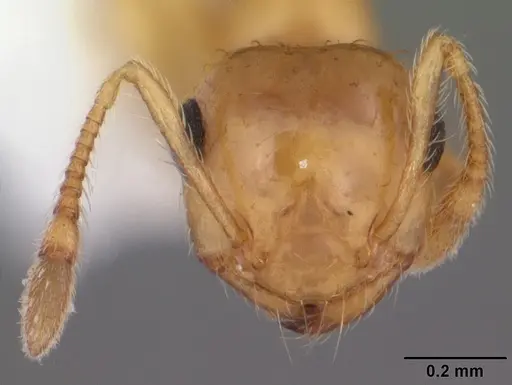
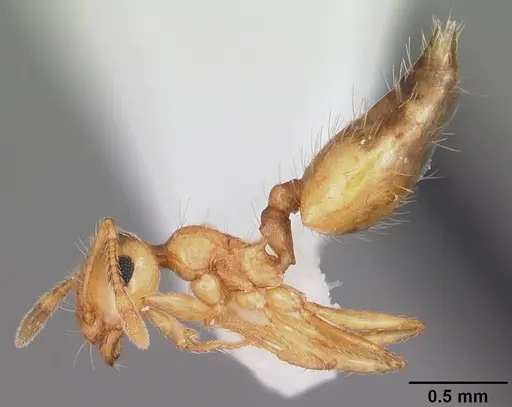
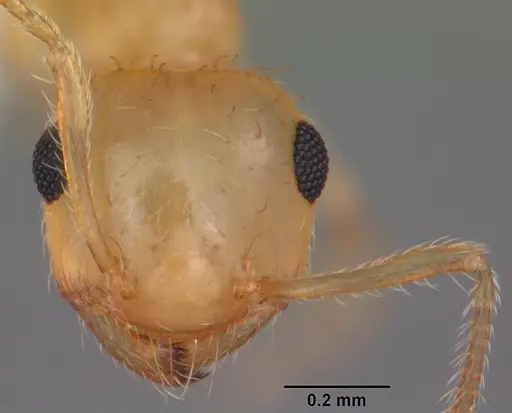
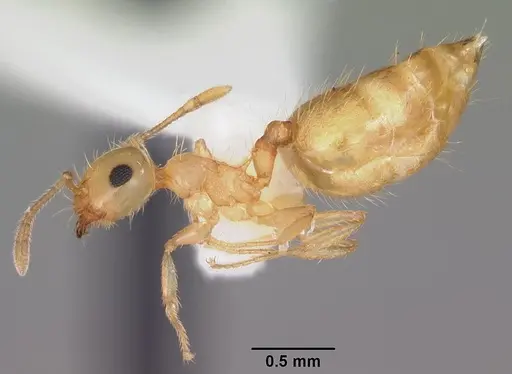
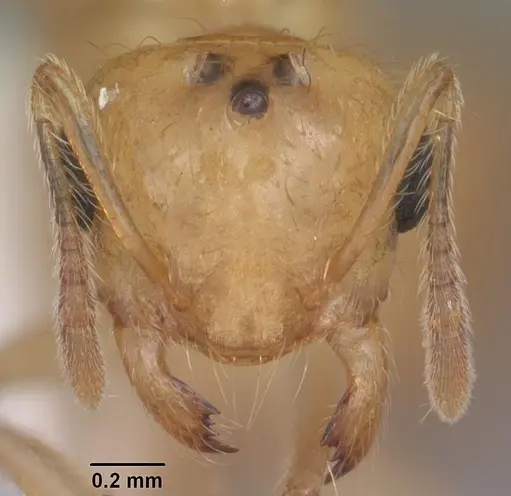
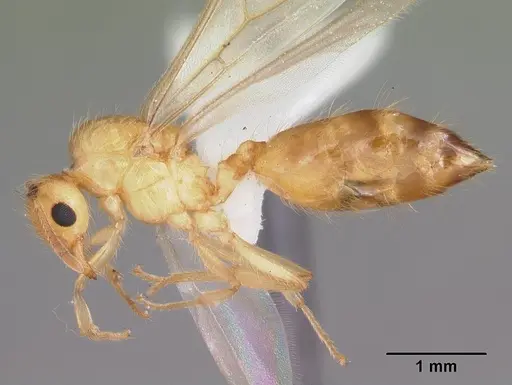
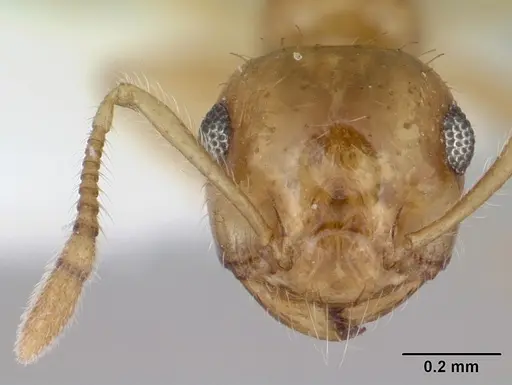
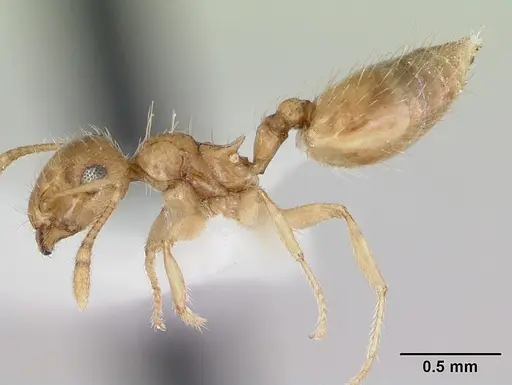
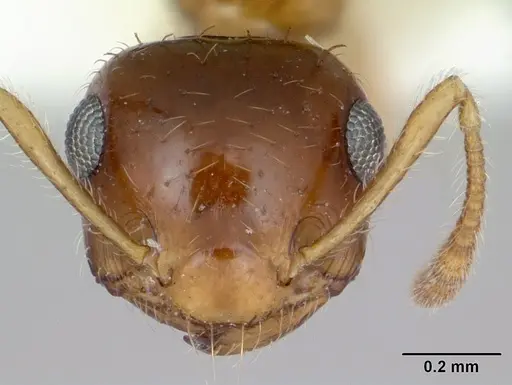
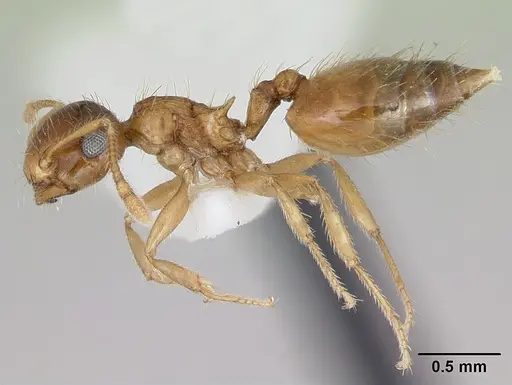
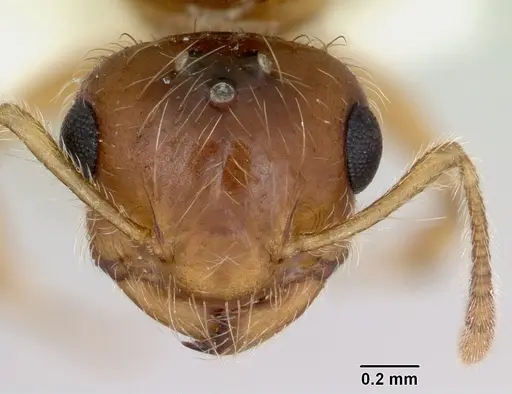
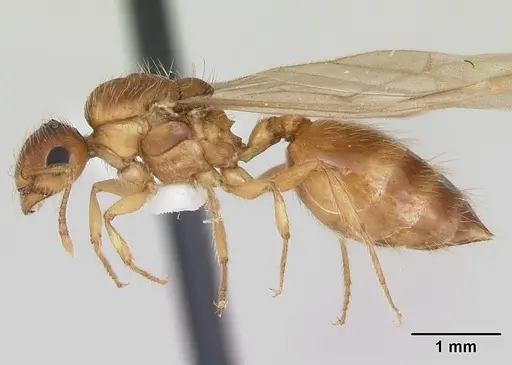
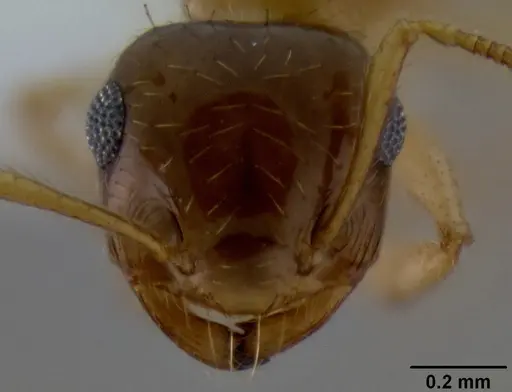
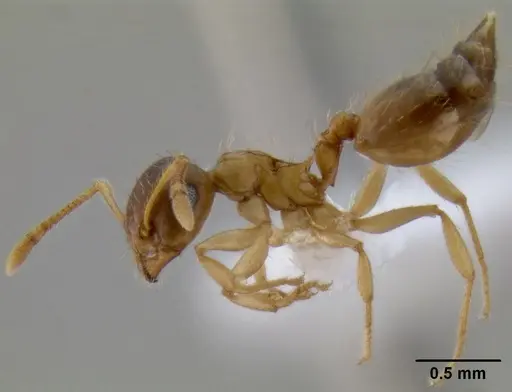
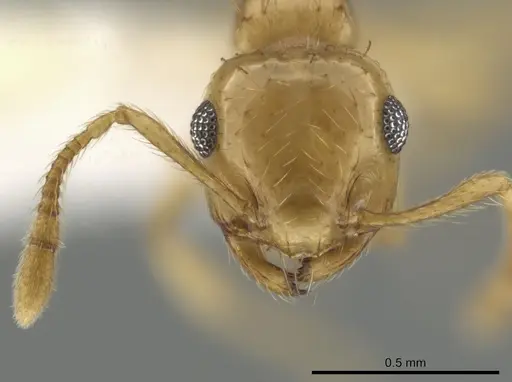
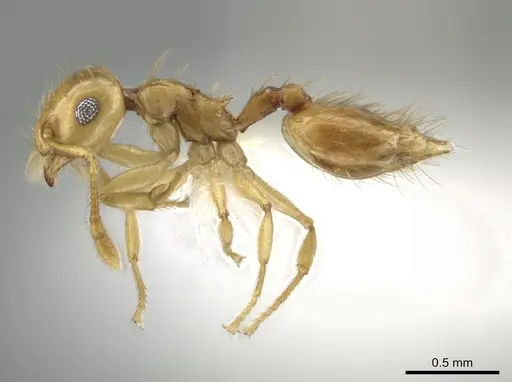
Crematogaster missouriensis is a tiny acrobat ant native to central and eastern North America. Workers measure just 1.4-2.7mm and are dark yellowish-brown in color, making them much smaller than other Crematogaster species in the region [1]. Queens are significantly larger at 5-6mm [2]. These ants get their 'acrobat' name from their habit of raising their abdomen over their head when disturbed, like a gymnast balancing. They create small, inconspicuous soil nests in open or semi-open areas, sometimes with a tiny crater mound at the entrance [2]. This species has an extremely short active season, in Kansas and Missouri they are only visible above ground for a few weeks in late spring and early summer before disappearing for the rest of the year (AntWiki).
Quick Summary
- Difficulty: Medium
- Origin & Habitat: Native to central and eastern United States, from North Carolina and Tennessee south to northern Florida, west to Iowa, Oklahoma, and Texas, extending into northern Mexico [2][3]. Found in open prairies, woodland edges, and roadside areas [1][4].
- Colony Type: Monogynous, colonies have a single queen. Monodomous, they maintain a single nest. Colony size is modest, typically 100-200 workers [2].
- Colony: Monogyne
- Founding: Claustral
- Size & Growth:
- Antkeeping:
- Temperature: Keep at room temperature around 20-24°C. This species comes from temperate regions with distinct seasons, so a mild temperature gradient is appropriate. Avoid overheating.
- Humidity: Moderate humidity around 50-60%. These ants nest in soil and tolerate somewhat drier conditions than rainforest species. Provide a water tube for drinking moisture.
- Diapause: Yes, this species has an extremely short active season in the wild (only weeks in late spring/early summer), suggesting a strong diapause requirement. Expect reduced activity in winter months.
- Nesting: Small soil nests work well. A small test tube setup or mini formicarium with fine substrate works for founding colonies. They prefer tight, small chambers scaled to their tiny size.
- Behavior: Workers forage actively on the ground, up logs, and into foliage searching for honeydew and small prey [1]. They are not particularly aggressive but will use their acrobat defense (raising the abdomen) when threatened. Escape prevention is critical, at only 1.4-2.7mm, they can squeeze through tiny gaps. Use fine mesh barriers and tight-fitting lids.
- Common Issues: escape prevention is critical, their tiny size means they can escape through gaps invisible to the naked eye, colonies remain small (100-200 workers) so don't expect massive colonies, winter dormancy is required, active season is only weeks per year in the wild, slow founding, claustral queens may take time to establish first workers
Housing and Nest Setup
Crematogaster missouriensis is a tiny ant that needs appropriately scaled housing. For founding colonies, a small test tube setup works well, use a narrow diameter tube with a small water reservoir. The chambers should be tight and small, not the large open spaces you'd use for bigger ants. As the colony grows, you can move to a small formicarium or mini Y-tong nest. These ants naturally nest in soil, sometimes under stones or in small craters, so a substrate-based naturalistic setup works well. Always use fine mesh on any ventilation holes, these ants are tiny enough to escape through standard ant mesh. [2][1]
Feeding and Diet
Like other Crematogaster species, these ants are omnivorous but prefer sweet liquids. Offer sugar water, honey, or diluted maple syrup regularly, they will readily accept these. For protein, offer small prey items like fruit flies, pinhead crickets, or mealworm pieces. Workers forage actively on the ground and vegetation, so place food where they can access it easily. In the wild they collect honeydew from aphids and scale insects, so sugar sources are important for their diet. Feed protein 1-2 times per week and keep sugar water available constantly. [1]
Temperature and Seasonal Care
Keep your colony at room temperature, ideally around 20-24°C. This species comes from temperate regions with distinct seasons, and they are adapted to seasonal changes. In the wild, they are only active above ground for a few weeks in late spring and early summer, then disappear underground for the rest of the year. This strongly suggests they need a winter dormancy period. Reduce temperatures to around 10-15°C during winter months (roughly November through March, depending on your location). Do not feed heavily during this dormant period. A slight temperature drop rather than complete cold is fine, they are not a hard northern species.
Colony Development and Growth
Colonies remain relatively small compared to many ant species, typically reaching only 100-200 workers at maturity [2]. This is normal for the species, don't expect massive colonies. Queens are claustral, meaning they seal themselves in a chamber and raise the first brood alone using stored fat reserves. The founding process may take several months before the first workers (nanitics) emerge. After that, growth is moderate but steady. Because colonies stay small, avoid overfeeding that could lead to mold issues in their modest living space.
Behavior and Defense
These ants get their common name from their distinctive defensive behavior, when threatened, workers raise their abdomen over their head like an acrobat balancing. This is not a stinging species, but they may emit formic acid as a chemical defense. They are not particularly aggressive toward keepers but will retreat if given the chance. Workers are active foragers, searching for food both on the ground and climbing vegetation. Their small size and cryptic nesting make them easy to overlook, but they are active and alert. The biggest behavioral concern for keepers is escape, their tiny size means they require excellent barrier protection. [1]
Frequently Asked Questions
How long does it take for Crematogaster missouriensis to produce first workers?
Expect 6-8 months from founding to first workers. Queens are claustral and seal themselves in, raising the first brood alone. This timeline is estimated from typical Crematogaster behavior since specific development data for this species is not available.
Can I keep multiple Crematogaster missouriensis queens together?
No. This species is monogynous, meaning colonies have a single queen. Multiple queens will fight. Only introduce one queen when starting a colony.
Do Crematogaster missouriensis ants sting?
They do not have a painful sting like some ants. Their main defense is raising their abdomen (the 'acrobat' behavior) and emitting formic acid. They are not dangerous to humans.
What do Crematogaster missouriensis eat?
They are omnivores with a sweet tooth. Offer sugar water, honey, or diluted syrup as a constant food source. For protein, provide small insects like fruit flies, pinhead crickets, or small mealworm pieces. Feed protein 1-2 times per week.
Do Crematogaster missouriensis need hibernation?
Yes, strongly recommended. In the wild, this species is only active above ground for a few weeks in late spring and early summer. They disappear underground for most of the year. Provide a winter rest period of 3-4 months at reduced temperatures (around 10-15°C).
How big do Crematogaster missouriensis colonies get?
Colonies remain modest, typically only 100-200 workers at maturity [2]. This is normal for the species. Do not expect large, impressive colonies.
Why are my Crematogaster missouriensis escaping?
Your ants are tiny (1.4-2.7mm) and can squeeze through gaps you cannot even see. Use fine mesh (0.3mm or smaller), apply fluon to barrier edges, and check all lid seams. Even a hair-width gap is an escape route for these tiny ants.
Is Crematogaster missouriensis good for beginners?
Medium difficulty. They are small and require excellent escape prevention, which can be challenging. However, their modest colony size and simple care requirements make them manageable once you have experience with escape barriers. They are not the best choice for your first ant colony.
When should I move my colony to a formicarium?
Move to a small formicarium or larger test tube setup once you have 20-30 workers. They naturally nest in soil, so a substrate-based or mini Y-tong nest works well. Do not give them overly large spaces, they prefer tight, appropriately scaled chambers.
References

This caresheet is licensed under CC BY-SA 4.0 .
CASENT0102833
View on AntWeb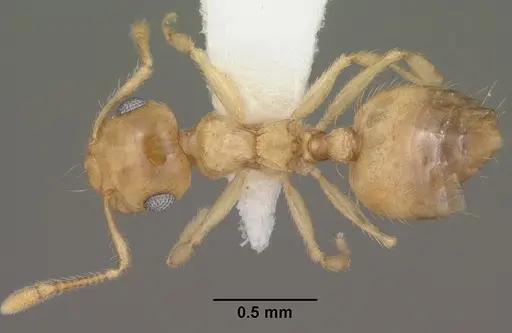
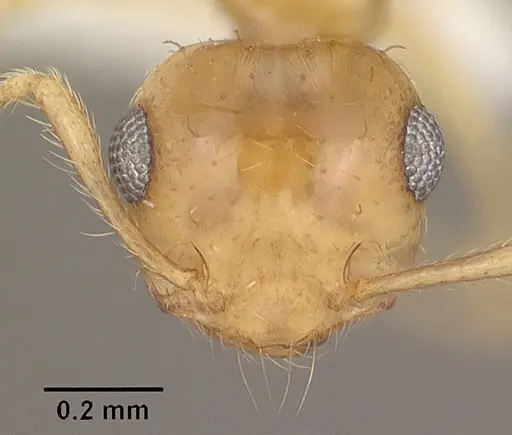
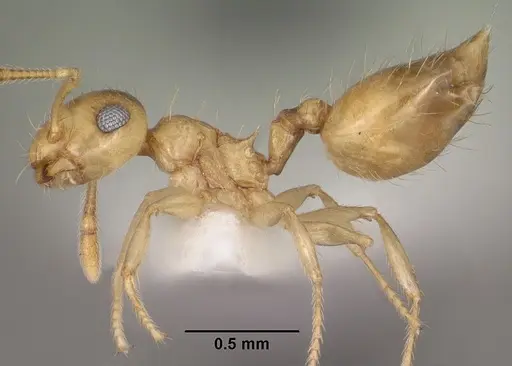
CASENT0103794
View on AntWeb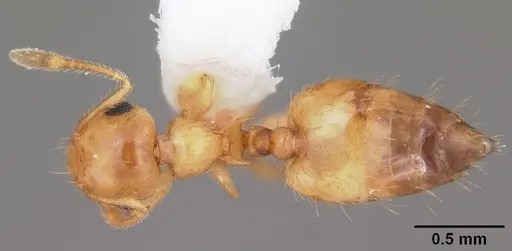
CASENT0103795
View on AntWeb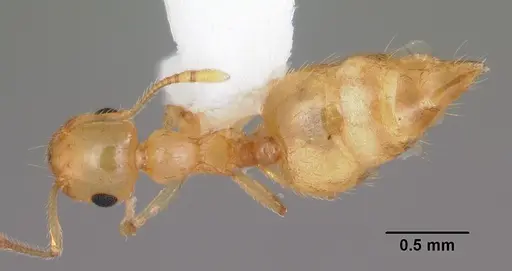
CASENT0103796
View on AntWeb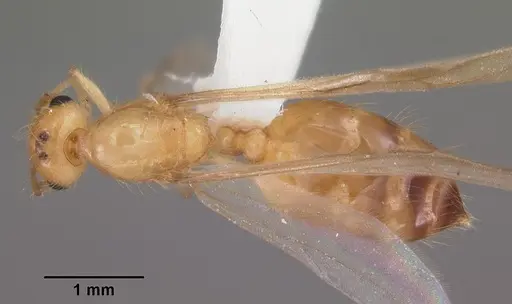
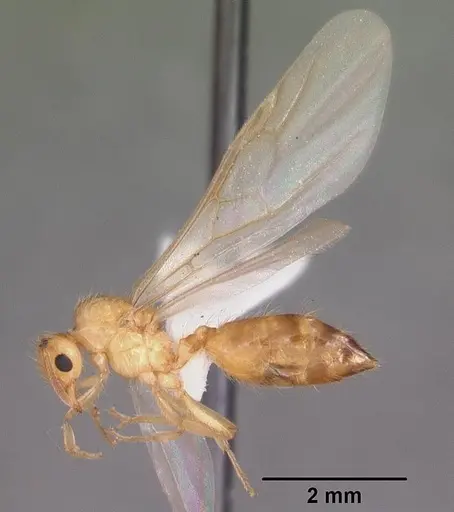
CASENT0170171
View on AntWeb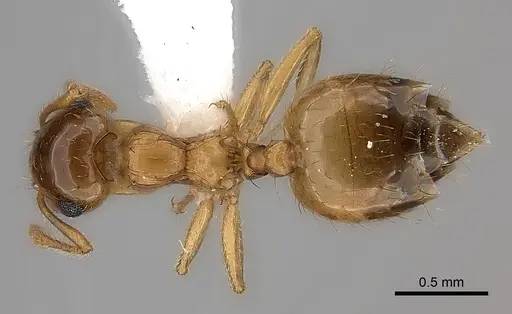
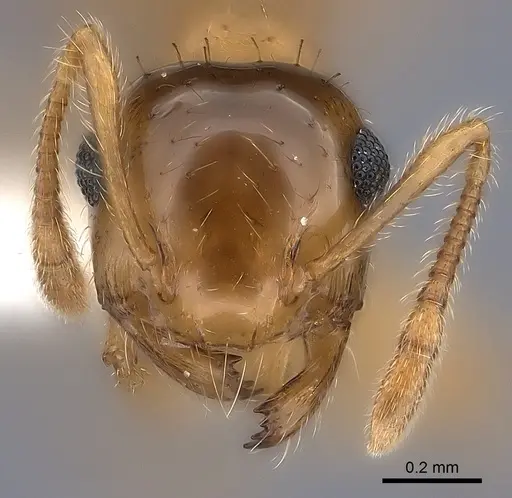
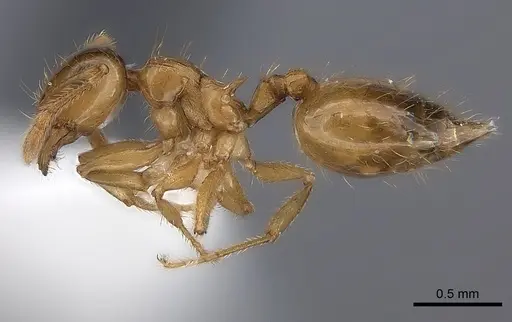
CASENT0172944
View on AntWeb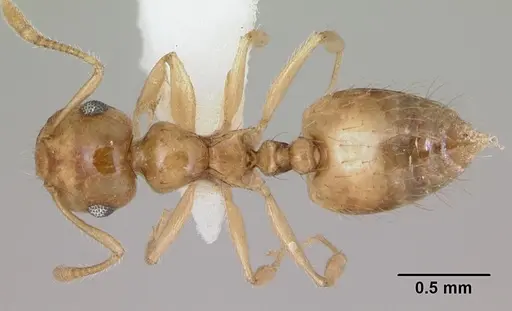
CASENT0172945
View on AntWeb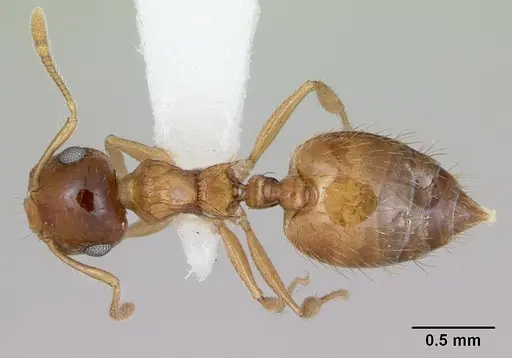
CASENT0172946
View on AntWeb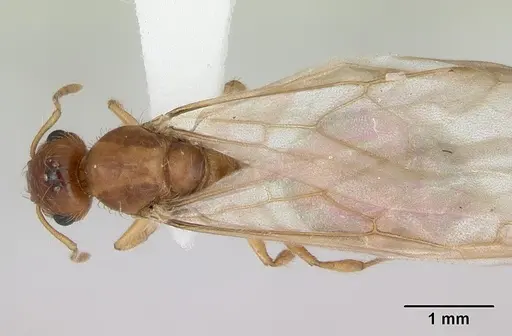
CASENT0193697
View on AntWeb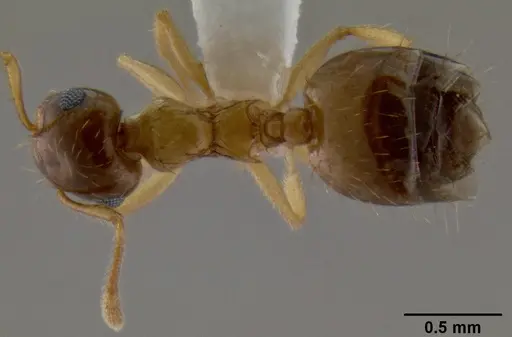
CASENT0648379
View on AntWeb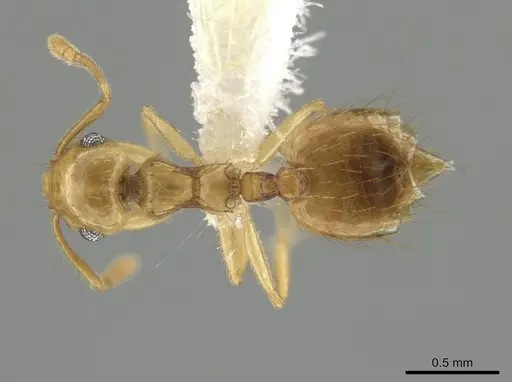
Literature
Loading...Loading products...