

Crematogaster marioni
- Scientific Name
- Crematogaster marioni
- Tribe
- Crematogastrini
- Subfamily
- Myrmicinae
- Author
- Buren, 1968
- Common Name
- Marion's Acrobat Ant
- Distribution
- Found in 1 countries
Crematogaster marioni Overview
Crematogaster marioni (commonly known as the Marion's Acrobat Ant) is an ant species of the genus Crematogaster. It is primarily documented in 1 countries , including United States of America. Detailed taxonomic data and occurrence records can be further explored via authoritative databases such as AntWeb or the Global Biodiversity Information Facility (GBIF).
Crematogaster marioni - "Marion's Acrobat Ant"
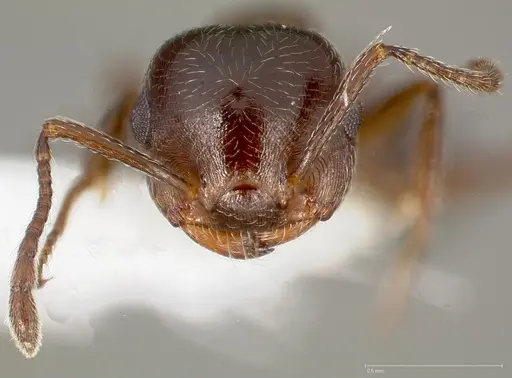
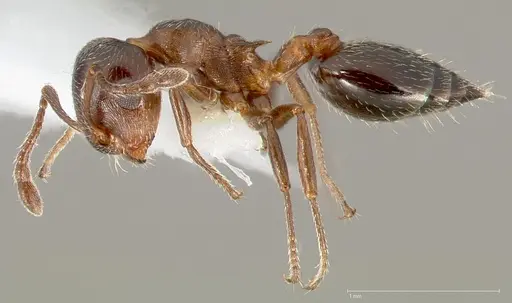
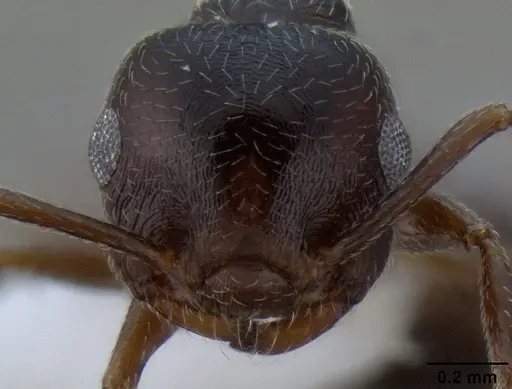
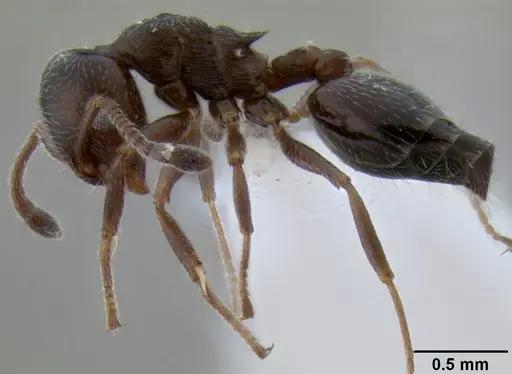
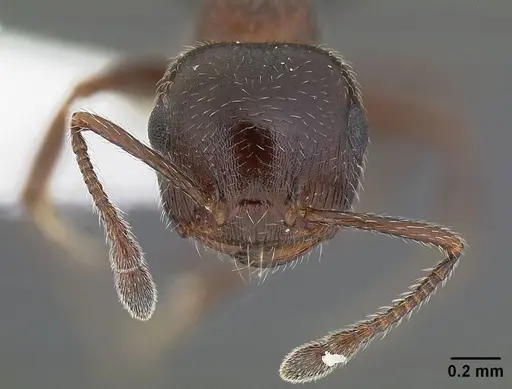
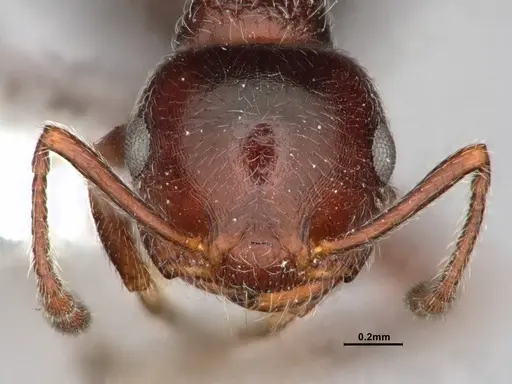
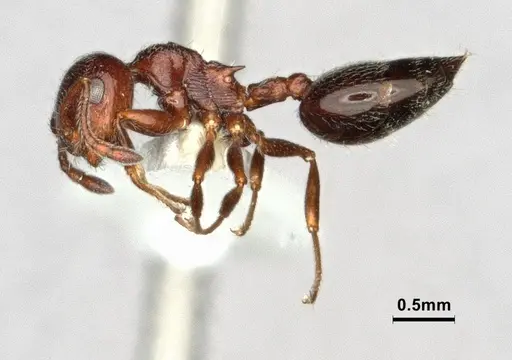
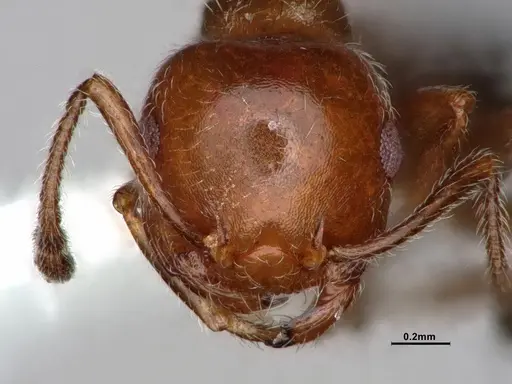
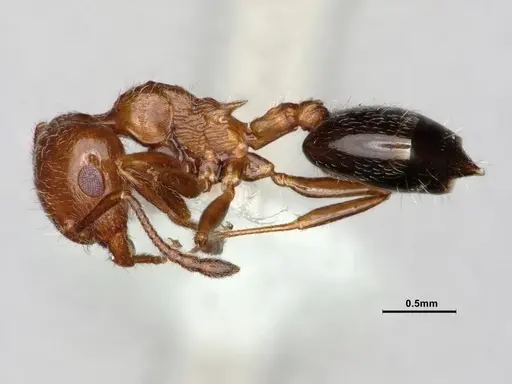
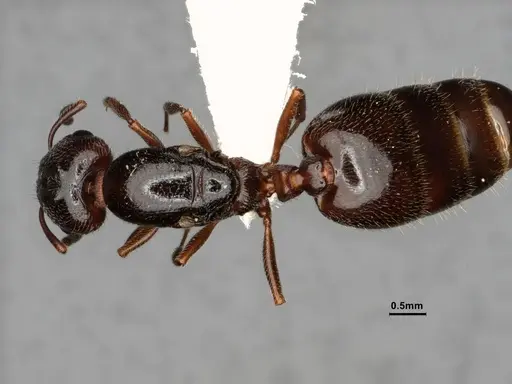
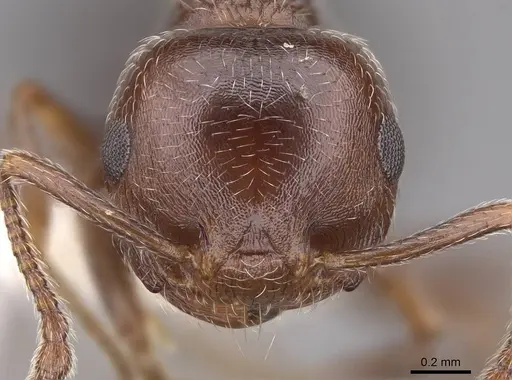
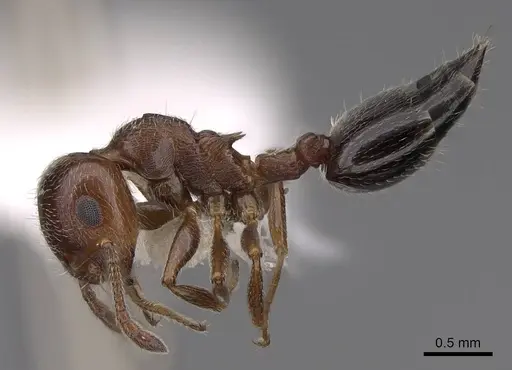
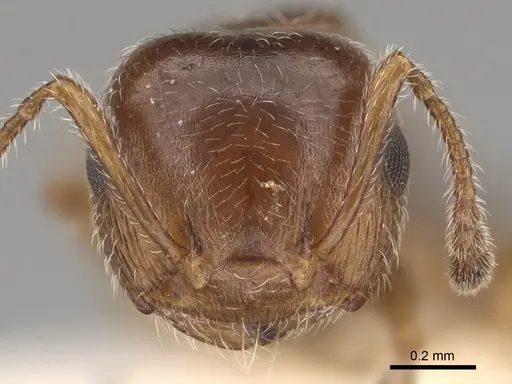
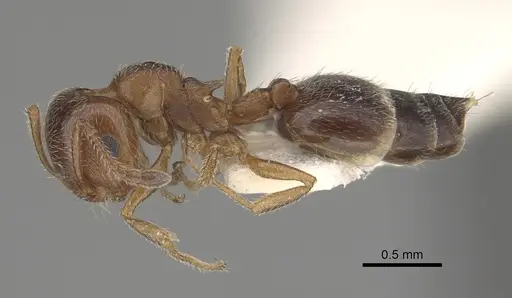
Crematogaster marioni is a small arboreal ant native to the California Floristic Province, ranging from northern California to northern Baja California, Mexico [1]. Workers measure 2.8-3.3mm and are easily recognized by their dark brown head, lighter thorax, and dark brown gaster, along with their distinctive heart-shaped gaster that they raise when threatened, a signature behavior of acrobat ants [2]. This species is entirely arboreal, nesting exclusively in trees and shrubs rather than ground nests [2]. What makes C. marioni particularly interesting is its highly specific nesting preferences, it colonizes hollow branches, oak galls, and dead wood in live oak and manzanita trees, making it one of the more specialized nest-site specialists in the region [1].
Quick Summary
- Difficulty: Medium
- Origin & Habitat: Native to the California Floristic Province in the southwestern United States and northern Baja California, Mexico. Found in oak woodland, riparian woodland, chaparral, and coastal scrub habitats [1].
- Colony Type: Monogyne, colonies have a single queen. Workers are monomorphic (all the same size) [3].
- Colony: Monogyne
- Founding: Claustral
- Size & Growth:
- Queen: Estimated 5-7mm based on genus patterns
- Worker: 2.8-3.3mm [2]
- Colony: Estimated several hundred workers based on typical Crematogaster colony sizes
- Growth: Moderate
- Development: Estimated 6-8 weeks based on genus patterns (Development time is inferred from related Crematogaster species, specific data for C. marioni is not available)
- Antkeeping:
- Temperature: Keep at room temperature, roughly 20-24°C. They naturally occur in Mediterranean climates with mild winters and warm summers, so a typical indoor environment works well.
- Humidity: Moderate humidity around 50-60%. Being arboreal nesters, they prefer slightly drier conditions than ground-nesting ants. Ensure the nest has some moisture but avoid damp substrate.
- Diapause: Yes, this species experiences a winter dormancy period typical of temperate ants. Reduce temperatures to 10-15°C for 2-3 months during winter.
- Nesting: Arboreal specialists, they need elevated nest structures. In captivity, they do well in acrylic nests or Y-tong setups with narrow chambers. Provide twigs, small branches, or cork bark pieces within the setup to simulate their natural tree-nesting environment [1].
- Behavior: Acrobat ants are named for their defensive behavior, when threatened, they raise their heart-shaped gaster over their head like a scorpion. They are generally non-aggressive toward keepers but will defend their nest vigorously. Workers are active foragers that patrol trees and shrubs. Their small size (under 4mm) means escape prevention is important, use fine mesh barriers. They are fast-moving and excellent climbers.
- Common Issues: escape prevention is critical due to their tiny size, they can squeeze through standard barrier gaps, arboreal nesting means they need elevated spaces and branches, not just horizontal chambers, colonies may be slow to establish initially after queen founding, wild-caught colonies may have parasites or be stressed from relocation, overheating is a risk, avoid direct heat sources since they nest in trees, not sun-baked ground
Nest Preferences and Housing
Crematogaster marioni is an obligate arboreal nester, this is perhaps the most critical aspect of their care. In the wild, they exclusively nest in above-ground locations including hollow branches of oak and manzanita (Arctostaphylos), oak galls, dead branches of Baccharis and Pinus, and rotten pine logs [1]. In captivity, you should replicate these conditions using acrylic or Y-tong nests with narrow chambers, but importantly, add elevated structures like small twigs, cork bark pieces, or artificial branches within the setup. They prefer tight-fitting chambers scaled to their small size (under 4mm). Test tubes can work for founding colonies but add some elevation or branches once workers emerge. Avoid deep soil setups, these ants simply don't nest in ground substrate.
Feeding and Diet
Like other Crematogaster species, C. marioni is omnivorous with a preference for protein and sugar sources. In nature, they forage on trees and shrubs, tending aphids for honeydew and hunting small insects. In captivity, offer a varied diet: sugar water or honey as a constant energy source, and protein sources like small crickets, mealworms, fruit flies, or other tiny insects 2-3 times per week. They are small ants, so prey items should be appropriately sized, fruit flies and springtails are ideal. Remove uneaten prey within 24-48 hours to prevent mold. Their arboreal foraging style means they may take food from elevated positions rather than the nest floor.
Temperature and Seasonal Care
This species naturally occurs in the Mediterranean climate of coastal California, where temperatures are mild year-round. Keep your colony at room temperature (20-24°C), this is ideal for their activity and brood development. They do not require additional heating in most home environments. During winter, they enter a natural dormancy period. Reduce temperatures to 10-15°C for 2-3 months, mimicking the cooler California winters. During this time, reduce feeding frequency but keep a small sugar source available. Do not freeze them, just cool them down. This diapause period is important for colony health and may trigger reproductive behavior in spring.
Behavior and Defense
The common name 'acrobat ant' comes from their distinctive defensive display, when threatened, workers raise their heart-shaped gaster over their head, resembling an acrobat balancing. They possess a stinger but rarely use it on humans due to their small size. This species is not aggressive toward keepers but will vigorously defend the nest. Workers are active foragers and excellent climbers, they will readily ascend branches and vertical surfaces. Their small size (under 4mm) makes them prone to escaping through tiny gaps. Always use fine mesh barriers and ensure all connections are tight. They are fast-moving and can be skittish, so observe them calmly without sudden movements near the nest.
Colony Establishment and Growth
Like most Crematogaster species, C. marioni queens are likely claustral, they seal themselves in a small chamber and raise the first brood alone using stored fat reserves. After the first workers (nanitics) emerge, the colony grows gradually. Expect 6-10 workers in the first few months, with growth accelerating through the first year. Colony size likely reaches several hundred workers at maturity, though specific data for this species is limited. Growth is moderate, faster than some slow-growing genera like Camponotus but not as rapid as invasive species like Wasmannia. Patience is key during founding. Avoid disturbing the queen during this critical period.
Frequently Asked Questions
Can I keep Crematogaster marioni in a test tube?
Yes, test tubes work well for founding colonies. However, once workers emerge, add some elevated structures like small twigs or cork bark pieces to satisfy their arboreal nesting instincts. They won't use ground substrate like many other ants.
What do Crematogaster marioni ants eat?
They are omnivores. Offer sugar water or honey constantly for energy, and protein sources like fruit flies, small crickets, or mealworms 2-3 times per week. Their small size means prey should be tiny, fruit flies and springtails are ideal.
Do Crematogaster marioni ants sting?
Yes, they have a stinger but rarely use it on humans. Their small size makes it difficult for the stinger to penetrate human skin. The more notable defense is their acrobat behavior, raising the gaster over the head.
How long does it take for first workers to emerge?
Estimated 6-8 weeks from egg to first worker based on related Crematogaster species. Specific development data for C. marioni is not available. Temperature affects this timeline, warmer conditions speed development slightly.
Do Crematogaster marioni need hibernation?
Yes, they benefit from a winter dormancy period. Reduce temperatures to 10-15°C for 2-3 months during winter. This mimics their natural environment in California and helps maintain colony health.
Are Crematogaster marioni good for beginners?
They are moderate difficulty, not the easiest but not challenging once you understand their arboreal nesting needs. The key is providing elevated nest structures rather than ground-based setups. Their small size requires good escape prevention.
Can I keep multiple Crematogaster marioni queens together?
No. This species is monogyne, colonies have a single queen. Combining unrelated queens will likely result in fighting. Only keep one queen per colony.
Why are my Crematogaster marioni escaping?
Their small size (under 4mm) means they can squeeze through tiny gaps. Use fine mesh barriers on all openings, check that lid seals are tight, and ensure any tubing connections are secure. They are excellent climbers so also check vertical surfaces.
When should I move my colony to a formicarium?
Keep them in a test tube or small container for the founding stage. Once the colony reaches 20-30 workers and you see them using branches or elevated spaces, you can move them to a proper acrylic or Y-tong nest with arboreal elements.
What makes Crematogaster marioni different from other ants?
They are entirely arboreal, they never nest in soil. Their distinctive heart-shaped gaster and acrobat defense display (raising the gaster like a scorpion) set them apart. They are also specialists in specific tree species in the California Floristic Province.
References

This caresheet is licensed under CC BY-SA 4.0 .
CASENT0005670
View on AntWeb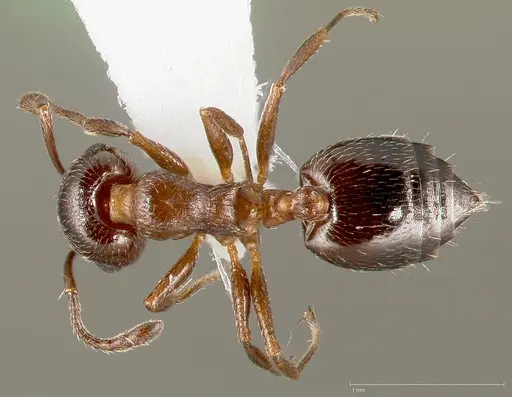
CASENT0193063
View on AntWeb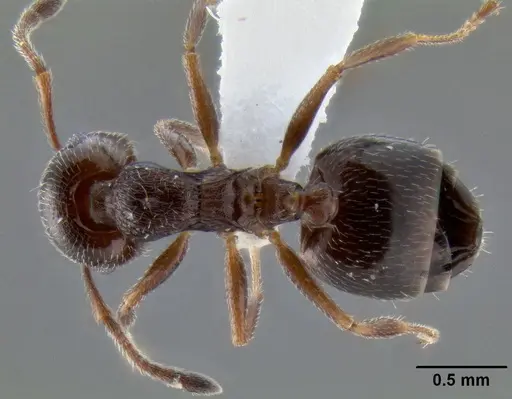
CASENT0761114
View on AntWeb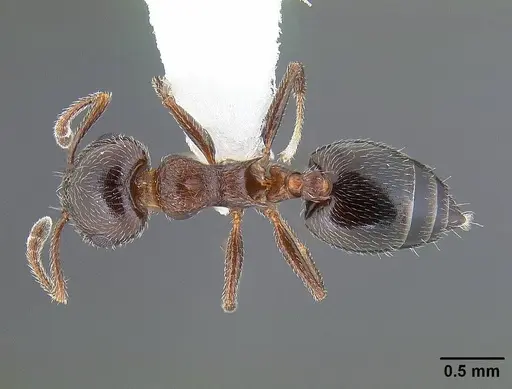
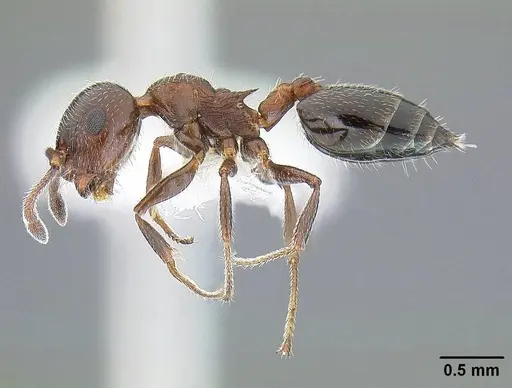
CASENT0843681
View on AntWeb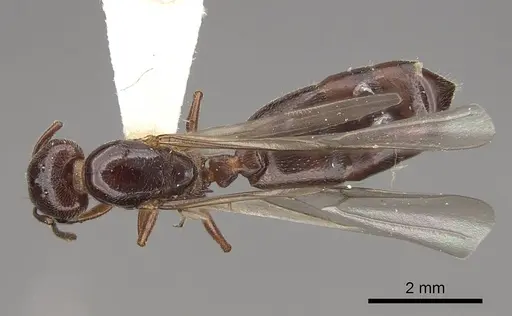
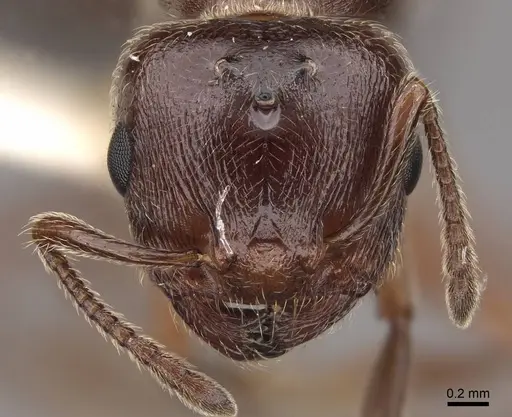
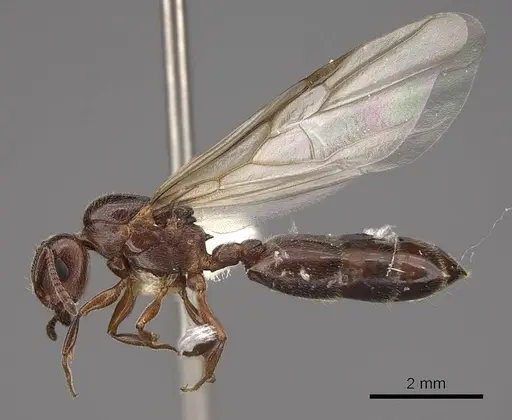
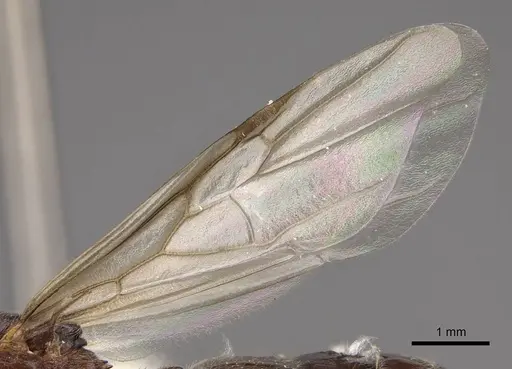
CASENT0843682
View on AntWeb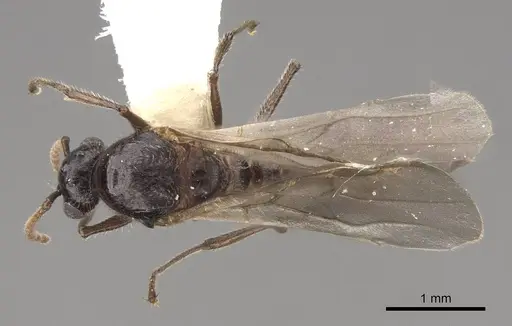
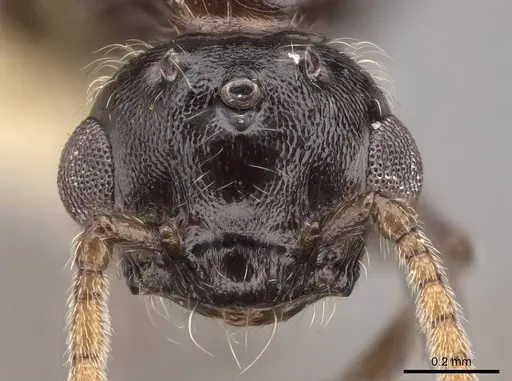
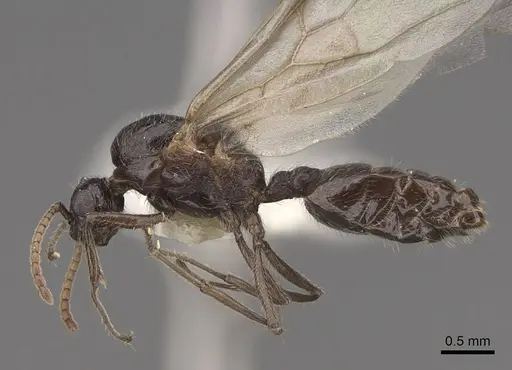
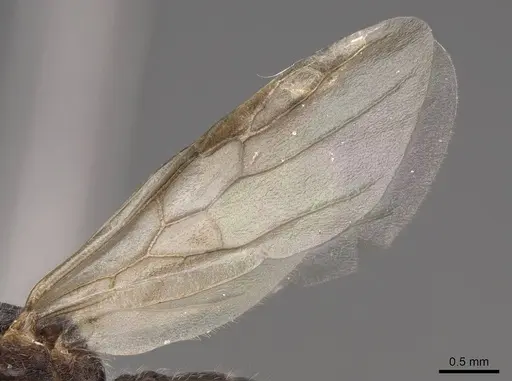
CASENT0886896
View on AntWeb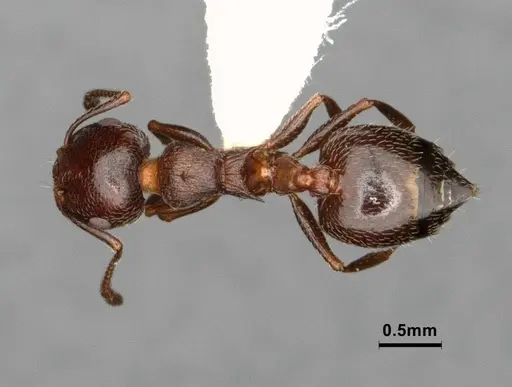
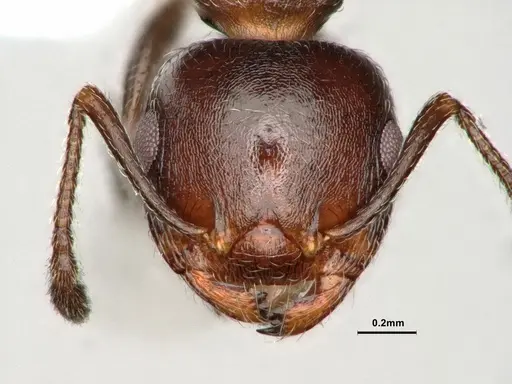
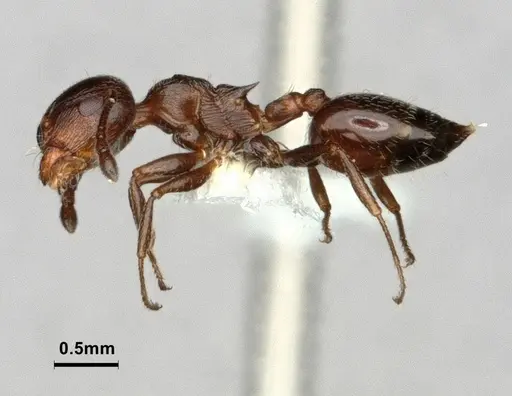
CASENT0886897
View on AntWeb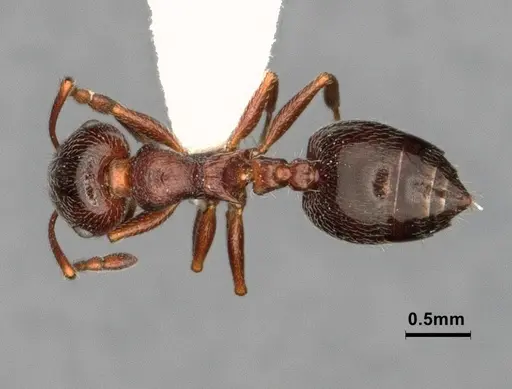
CASENT0886984
View on AntWeb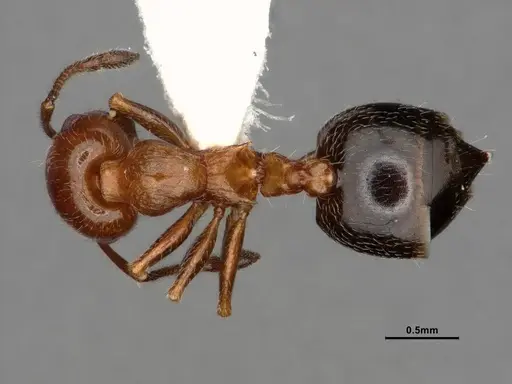
CASENT0886987
View on AntWeb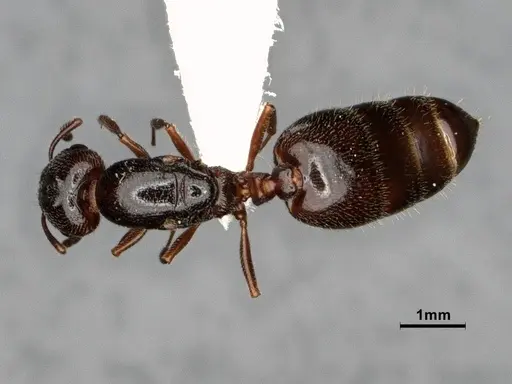
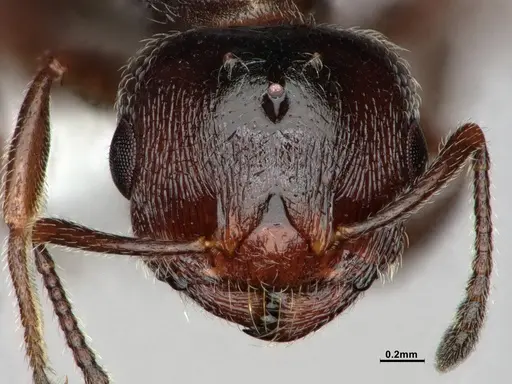
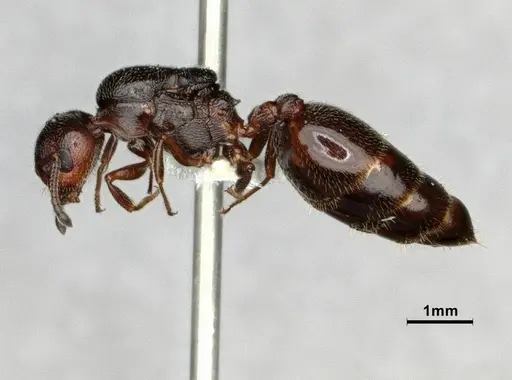
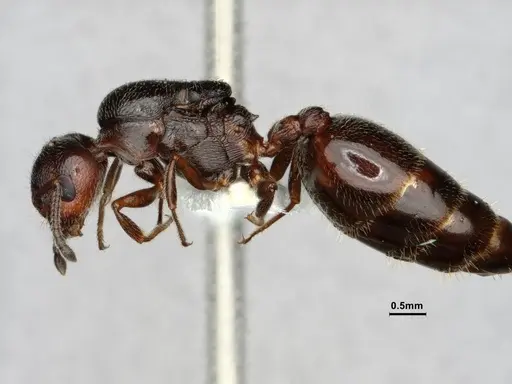
CASENT0922734
View on AntWeb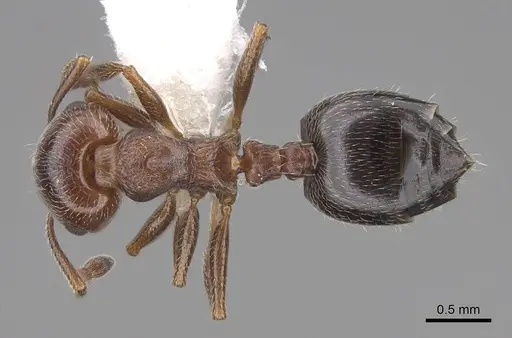
LACMENT164545
View on AntWeb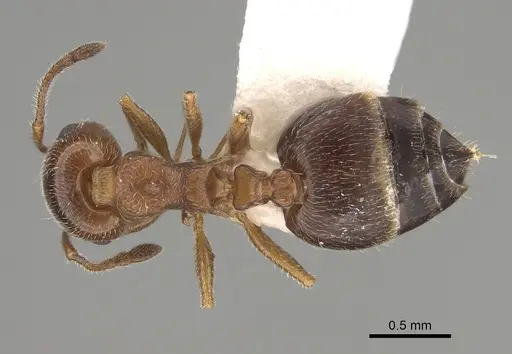
Literature
Loading...Loading products...