

Crematogaster maina
- Scientific Name
- Crematogaster maina
- Tribe
- Crematogastrini
- Subfamily
- Myrmicinae
- Author
- Blaimer, 2013
- Distribution
- Found in 3 countries
Crematogaster maina Overview
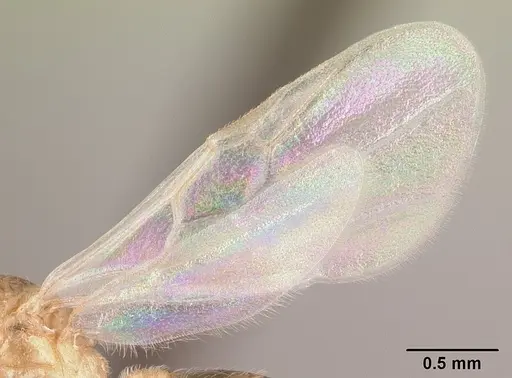
Crematogaster maina is an ant species of the genus Crematogaster. It is primarily documented in 3 countries , including Comoros, Madagascar, Mayotte. Detailed taxonomic data and occurrence records can be further explored via authoritative databases such as AntWeb or the Global Biodiversity Information Facility (GBIF).
Crematogaster maina
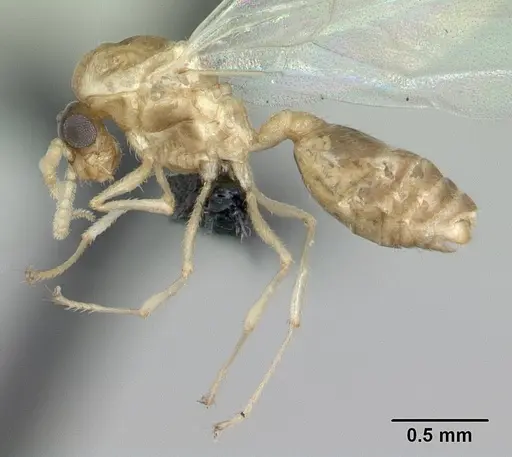
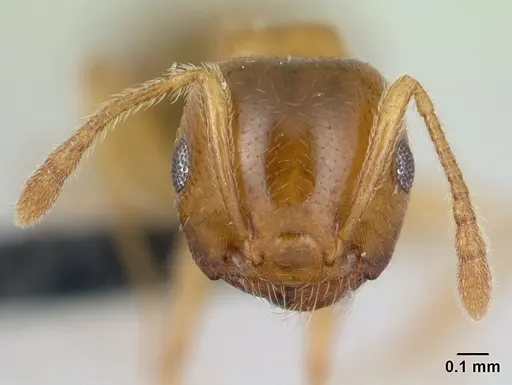
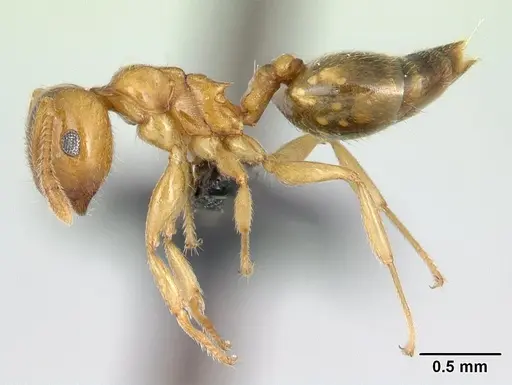
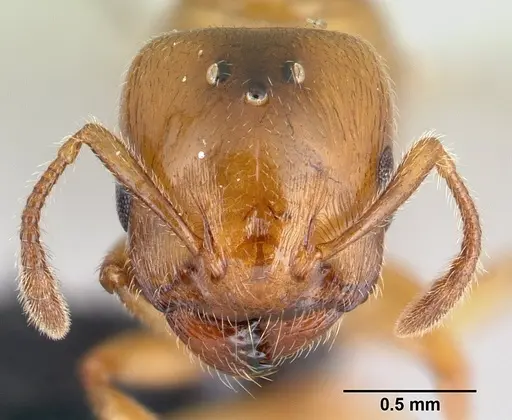
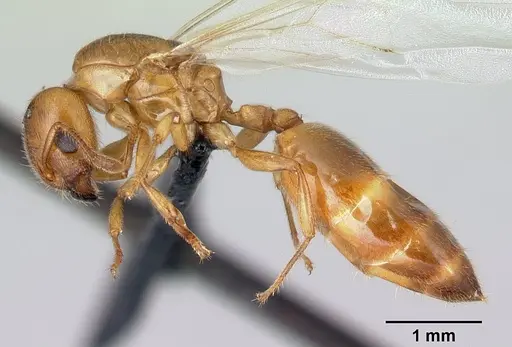
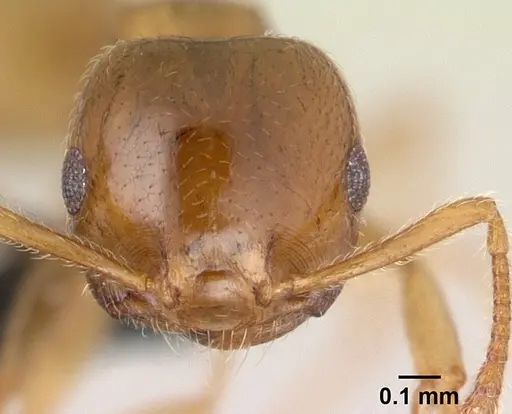
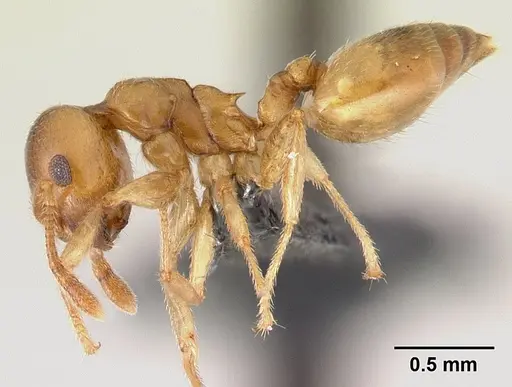
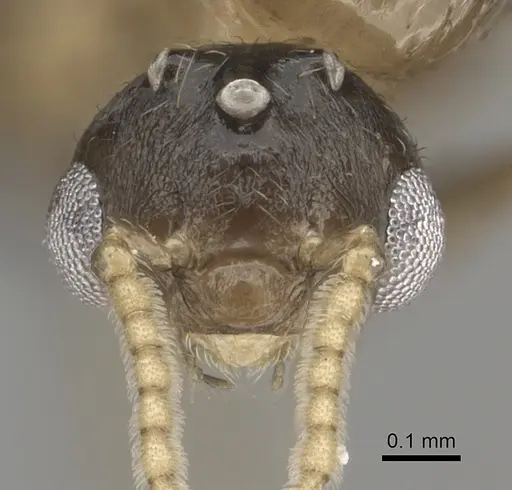
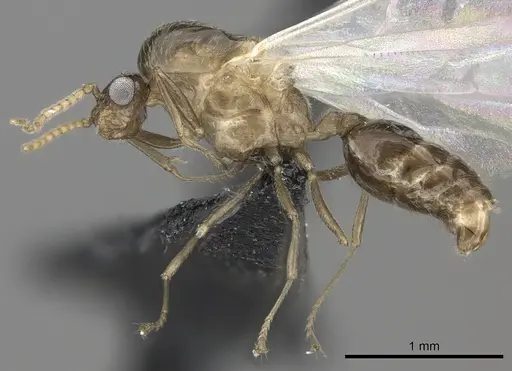
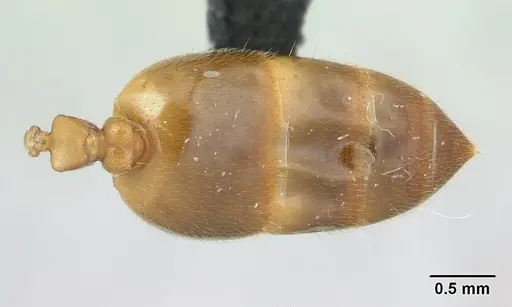
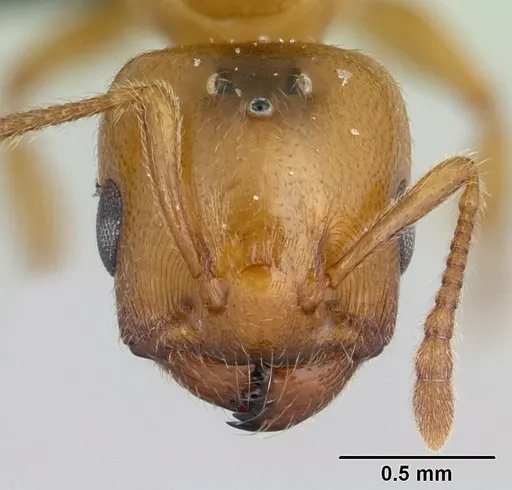
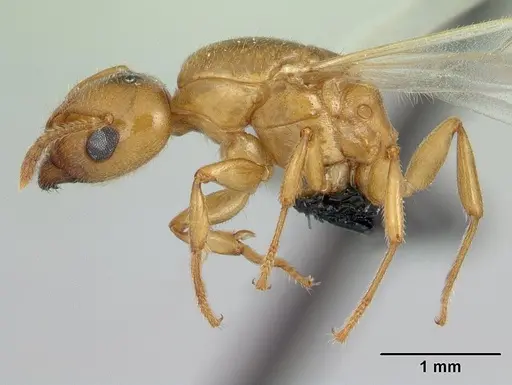
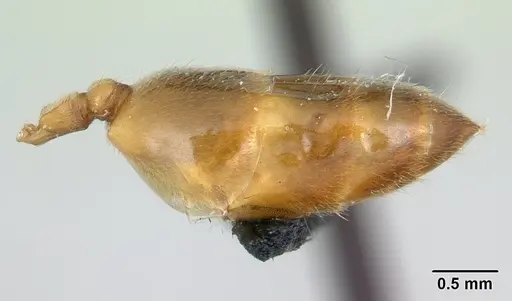
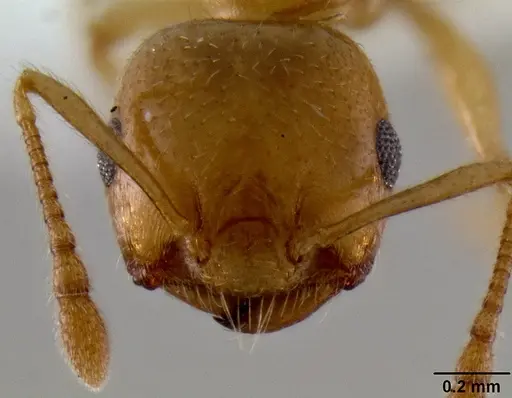
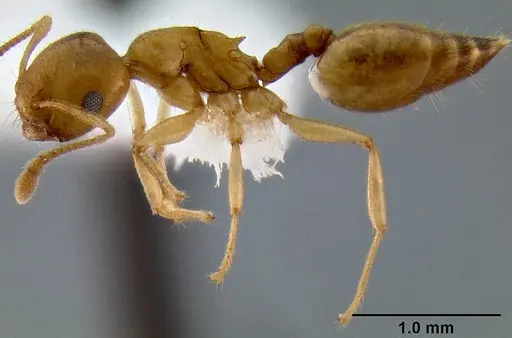
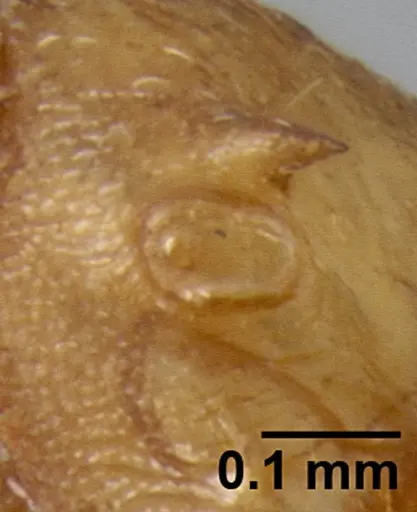
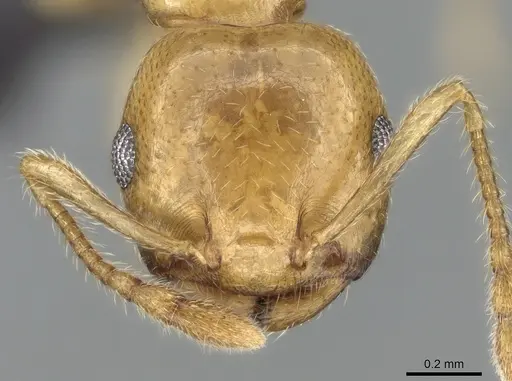
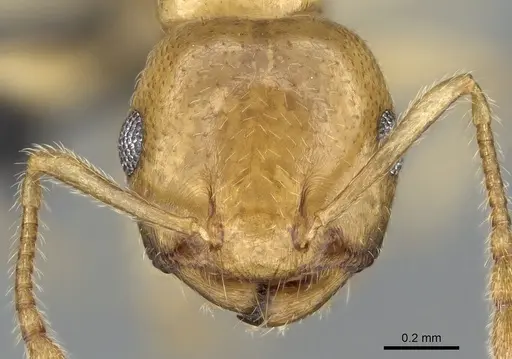
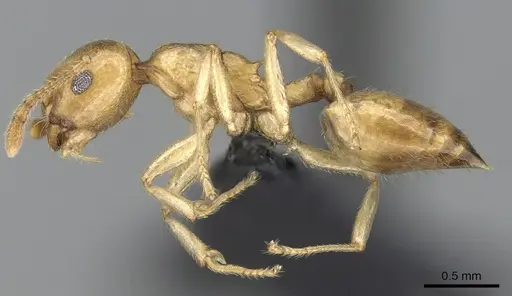
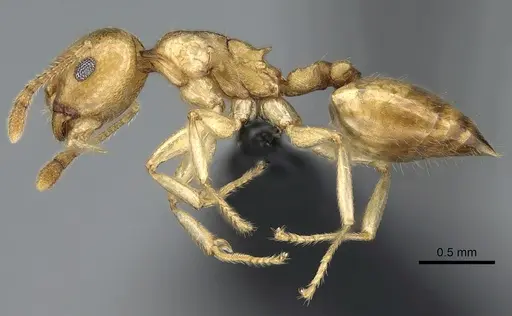
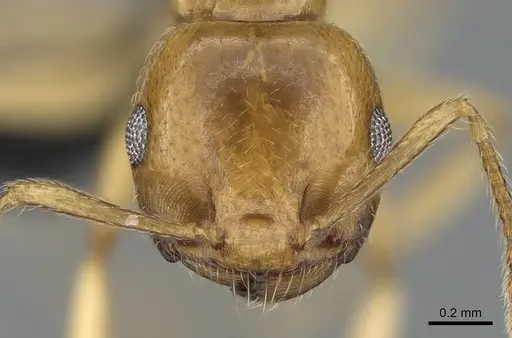
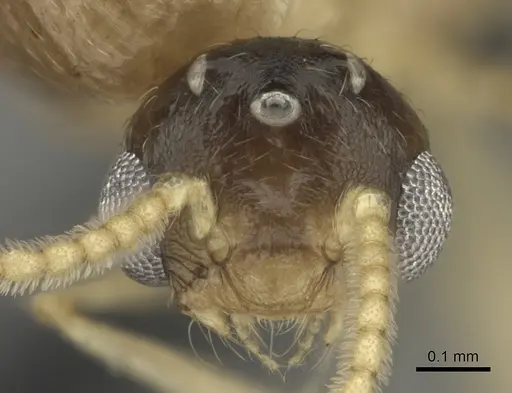
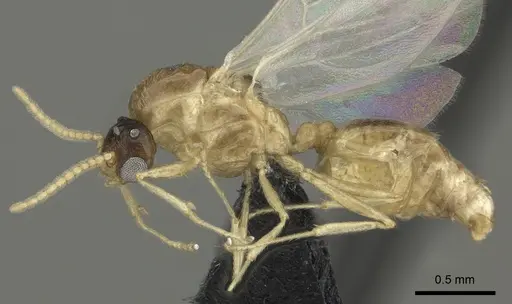
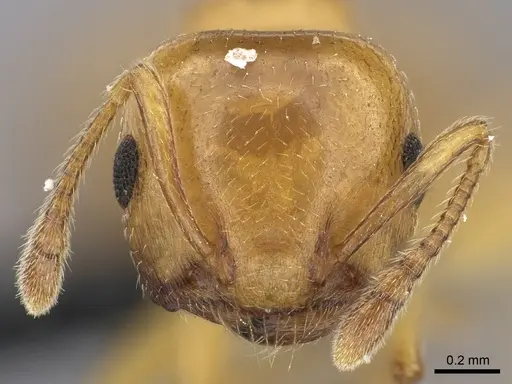
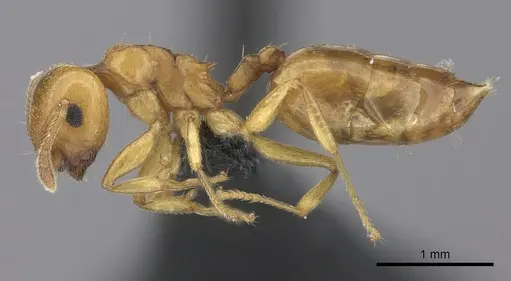
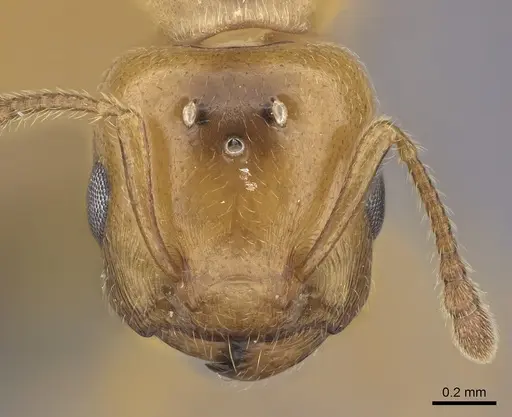
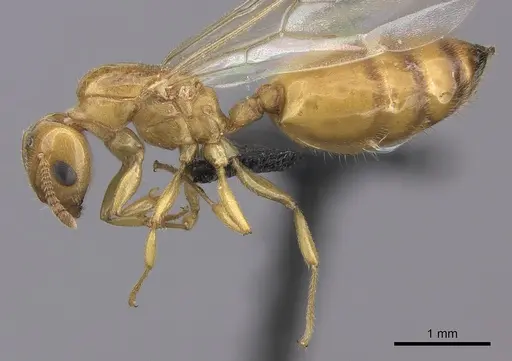
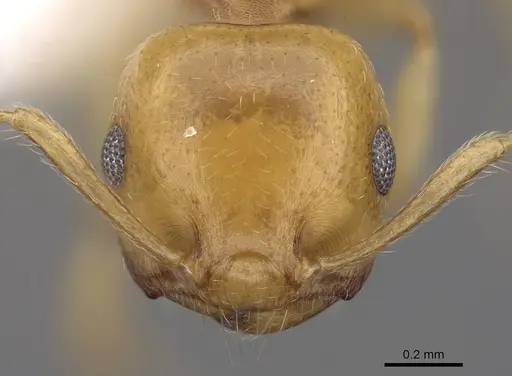
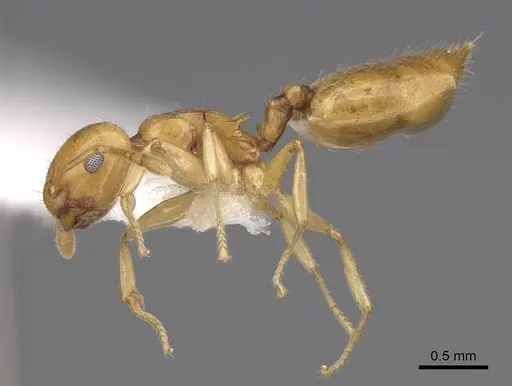
Crematogaster maina is a tiny, bright yellow ant native to Madagascar, the Comoros Islands, and Mayotte. Workers measure just 0.6-0.9mm in body length, making them one of the smaller ant species you'll encounter in the hobby. Their distinctive yellow coloration sets them apart from most other Crematogaster species in the region, which are typically darker. This species is arboreal by nature, nesting in dead twigs and branches rather than underground. A key trait that makes them unique is their strictly nocturnal behavior, they've never been observed foraging during the day, which explains their pale yellow coloring (darker pigments aren't needed for daytime sun protection). Their small size and yellow color make them quite distinctive in the antkeeping world.
Quick Summary
- Difficulty: Medium
- Origin & Habitat: Native to Madagascar, Comoros Islands, and Mayotte. Found in dry forests, littoral forests, and spiny forests at low elevations up to 1410m [1][2].
- Colony Type: Colony structure is unconfirmed, wild colonies have been observed but specific queen numbers have not been documented.
- Size & Growth:
- Queen: Unknown, not directly measured in available research. Based on genus patterns, likely 4-6mm.
- Worker: 0.60-0.86mm head width,0.66-0.93mm mesosoma length [1][2].
- Colony: Unknown, colony size data has not been documented in available research.
- Growth: Moderate, based on typical Crematogaster development patterns.
- Development: Estimated 6-8 weeks at optimal temperature based on genus patterns. (No species-specific development data available. Estimates based on typical Crematogaster genus development.)
- Antkeeping:
- Temperature: Keep around 24-28°C, they come from tropical Madagascar so warmth is important. A gentle gradient allowing them to choose their preferred temperature works best.
- Humidity: Moderate, they inhabit dry forests so avoid overly damp conditions. Allow the nest to dry out partially between waterings.
- Diapause: Unlikely, being from tropical Madagascar, they probably don't require a true hibernation. However, they may slow down during cooler periods.
- Nesting: Arboreal species, they naturally nest in dead twigs and branches. In captivity, they do well in Y-tong nests, acrylic nests with narrow chambers, or setups with small-diameter tubes/tunnels. Avoid large open spaces, they prefer tight, enclosed spaces scaled to their tiny size.
- Behavior: These ants are strictly nocturnal, they only become active at night and remain motionless during daylight hours. They are generally calm and not aggressive toward keepers. Their small size means they can easily slip through standard barrier setups, excellent escape prevention is essential. They have a characteristic habit of raising their gaster when disturbed, though they lack a painful sting. They are arboreal by nature and prefer to stay elevated rather than travel along ground surfaces.
- Common Issues: escape prevention is critical due to their tiny size, they can squeeze through gaps that seem impossible, their nocturnal nature means you won't see much activity during daylight hours, this is normal, not a problem, being from dry forests, they can die from excessive moisture, keep conditions relatively dry, slow colony growth can frustrate beginners, patience is key with this species, wild-caught colonies may have parasites that affect survival in captivity
Housing and Nest Preferences
Crematogaster maina is an arboreal species, meaning they naturally live in elevated positions like dead twigs and branches rather than underground nests. In captivity, they do best in Y-tong (AAC) nests or acrylic formicariums with small, tight chambers scaled to their tiny size. Avoid large, open spaces, these ants feel safest in snug, enclosed areas. Test tube setups can work for founding colonies, but you may need to use tubes with very small diameters since standard test tubes are proportionally huge for these tiny ants. Some keepers have success with naturalistic setups featuring small twigs or cork bark arranged vertically. Whatever nest type you choose, ensure there are no gaps larger than 0.5mm anywhere, these ants will find and exploit any escape route. [1][2]
Feeding and Diet
While specific diet data for C. maina is not available, Crematogaster species are typically omnivorous and accept a variety of foods. In captivity, they likely feed on sugar sources (honey water, sugar water, ripe fruit) and protein (small insects like fruit flies, pinhead crickets, mealworms). Their tiny size means any prey items should be appropriately scaled, flightless fruit flies and small springtails are ideal. They probably also collect honeydew in the wild, so offering sweet liquids is recommended. Feed them small amounts every 2-3 days and remove any uneaten food to prevent mold. Since they're nocturnal, place food in their foraging area in the evening and check in the morning.
Temperature and Environmental Needs
Being native to tropical Madagascar, these ants need warm conditions. Aim for temperatures between 24-28°C (75-82°F) in the nest area. You can create a gentle temperature gradient using a heating cable on one side of the nest, allowing the ants to move to their preferred temperature zone. Room temperature may be sufficient if your home stays in this range, but monitor colony activity, if workers seem sluggish, warming may help. Unlike temperate species, they likely don't need a winter dormancy period. However, avoid placing them in direct sunlight or near air conditioning vents that create temperature fluctuations. Their nocturnal nature means they may prefer dimmer lighting conditions, so avoid bright lights near their enclosure. [1][2]
Understanding Their Nocturnal Behavior
One of the most distinctive traits of Crematogaster maina is their strictly nocturnal activity pattern, they've never been observed foraging during the day in the wild. This is actually quite rare among ants and explains their pale yellow coloration (they don't need dark pigments for sun protection since they avoid daylight). As a keeper, this means you should expect minimal visible activity during daylight hours. The best time to observe them is in the evening and at night. Don't be alarmed if your colony seems inactive during the day, this is completely normal behavior for this species. Some keepers find it helpful to use red light when observing them at night, as ants generally can't see red wavelengths. [1][2]
Escape Prevention
Due to their extremely small size (workers are under 1mm), excellent escape prevention is absolutely essential. Standard barrier methods that work for larger ants may fail with this species. Use fluon (PFTE) on all rim edges, ensure container lids fit tightly with no gaps, and consider using fine mesh (0.5mm or smaller) on any ventilation holes. Check enclosures daily during the founding stage, escapes are most likely then. Even seemingly impossible gaps can be exploited by these tiny ants. When setting up their outworld, make sure all connections are secure and consider using cotton plugs in test tube setups rather than standard foam stoppers, as some ants can pull foam apart. [1]
Colony Development and Expectations
Starting a colony of Crematogaster maina requires patience. Since specific development data isn't available, expect roughly 6-8 weeks from egg to first worker based on typical Crematogaster patterns. The first workers (nanitics) will be very small, don't be alarmed by their tiny size. Colony growth is typically moderate rather than fast. A healthy founding colony may take 6-12 months to reach 50-100 workers. During this time, keep feeding them regularly but don't overfeed, excess food mold can be deadly to small colonies. Once established, colonies may grow more steadily, but don't expect the explosive growth rates seen in some Lasius or Camponotus species. Focus on maintaining stable conditions rather than pushing for rapid growth.
Frequently Asked Questions
Can I keep Crematogaster maina in a test tube?
Yes, test tubes can work for founding colonies, but you'll need to use tubes with very small diameters since these ants are tiny (under 1mm). Standard test tubes are proportionally huge for them. Consider using narrow-bore glass tubing or capillary tubes for the water reservoir section.
Why is my Crematogaster maina colony always sleeping during the day?
This is completely normal, Crematogaster maina is strictly nocturnal. They've never been observed foraging during the day in the wild. Your ants should become active in the evening and night hours. This is not a problem or sign of illness.
How long does it take for Crematogaster maina to produce first workers?
Based on typical Crematogaster development, expect roughly 6-8 weeks from egg to first worker at optimal temperature (around 24-28°C). No species-specific development data is available, so this is an estimate based on genus patterns.
Do Crematogaster maina ants sting?
Crematogaster ants have a stinger but it's very small and not painful to humans. When threatened, they may raise their gaster in a defensive posture, but they're generally calm toward keepers. Their main defense is escaping rather than stinging.
Are Crematogaster maina good for beginners?
They are rated as medium difficulty. Their small size and escape risk make them challenging for complete beginners, but their relatively simple care requirements (warm, dry conditions) are manageable once you understand antkeeping basics. Patience is key due to slower colony growth.
What do Crematogaster maina eat?
They likely accept sugar sources (honey water, sugar water) and small protein items (fruit flies, tiny crickets, springtails). Their tiny size means prey should be appropriately scaled. No specific diet studies exist for this species, but Crematogaster species are typically omnivorous.
Do Crematogaster maina need hibernation?
Unlikely, being from tropical Madagascar, they probably don't require a true hibernation period. They may slow down during cooler weather, but a full diapause is not necessary. Keep them at warm temperatures year-round (24-28°C).
Why is my Crematogaster maina colony dying?
Common causes include: excessive humidity (they're from dry forests), poor escape prevention (they're tiny and can escape easily), temperatures that are too cold, or mold from overfeeding. Check that conditions match their dry forest habitat and verify there are no tiny gaps in their enclosure.
When should I move my colony to a formicarium?
Wait until the colony has at least 30-50 workers and is actively using a significant portion of their test tube setup. Moving too early can stress the colony. For this small species, a Y-tong or small acrylic nest works well.
Can I keep multiple Crematogaster maina queens together?
Colony structure is not documented for this species. Combining unrelated queens is not recommended since it hasn't been studied and could result in fighting. It's best to start with a single queen for now.
References

This caresheet is licensed under CC BY-SA 4.0 .
CASENT0132785
View on AntWeb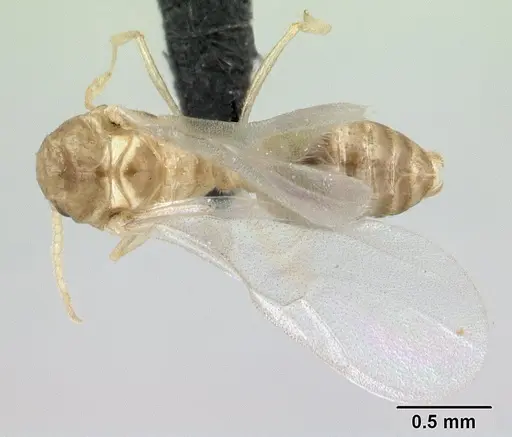
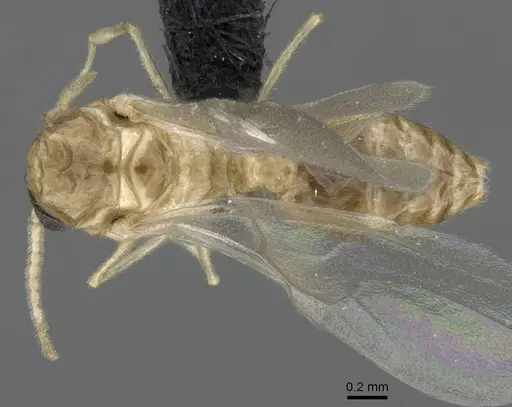
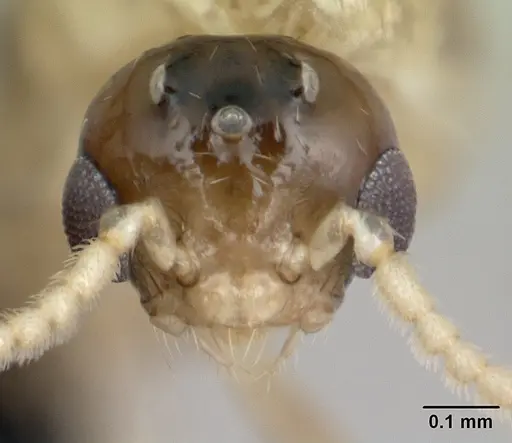
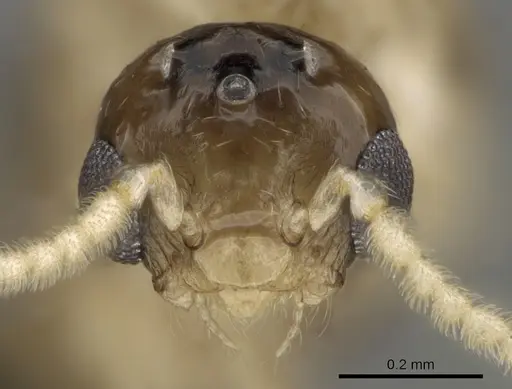
CASENT0134845
View on AntWeb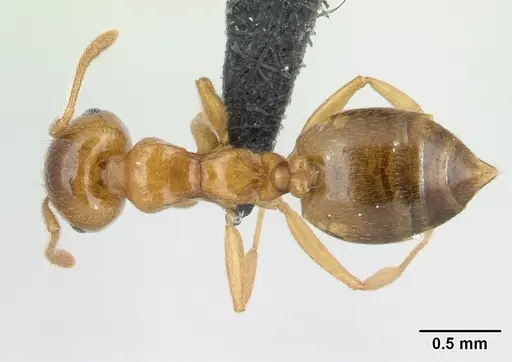
CASENT0146394
View on AntWeb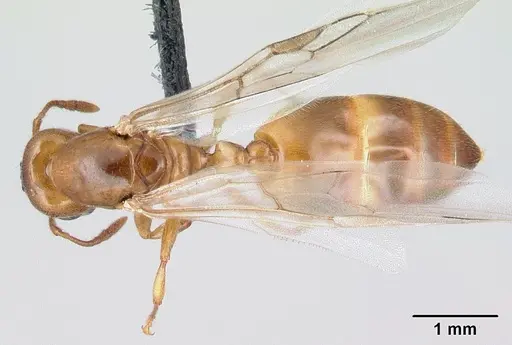
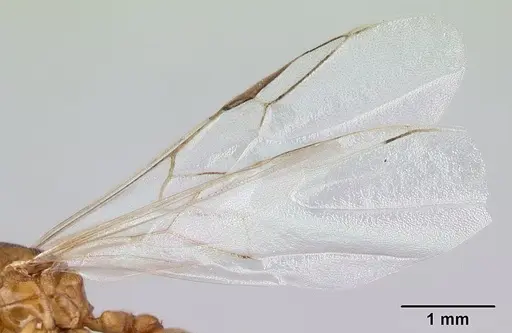
CASENT0146405
View on AntWeb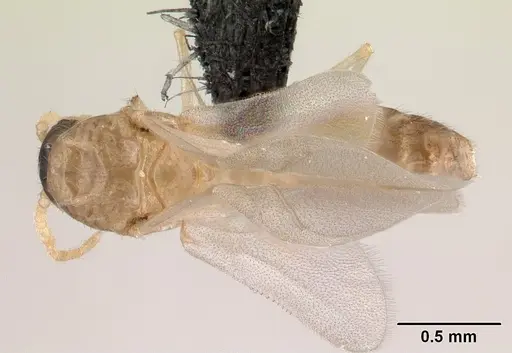
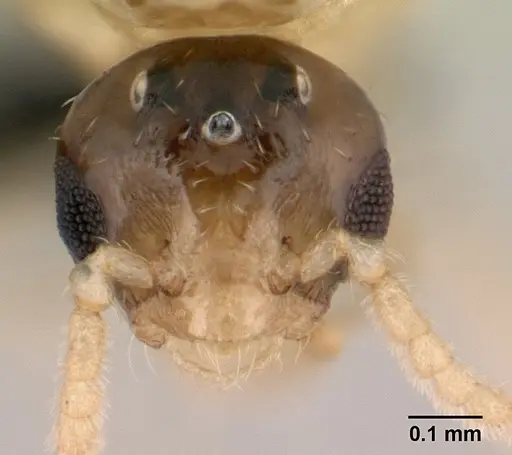
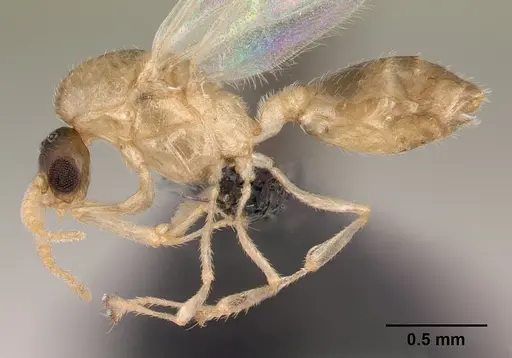
CASENT0147214
View on AntWeb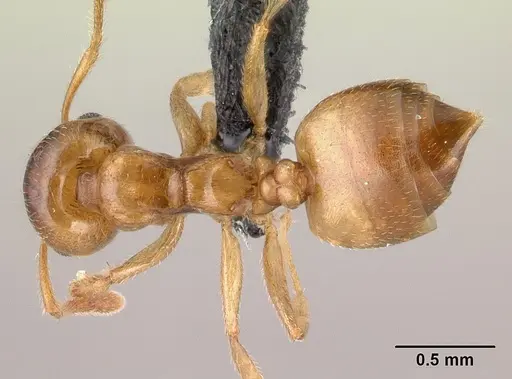
CASENT0156645
View on AntWeb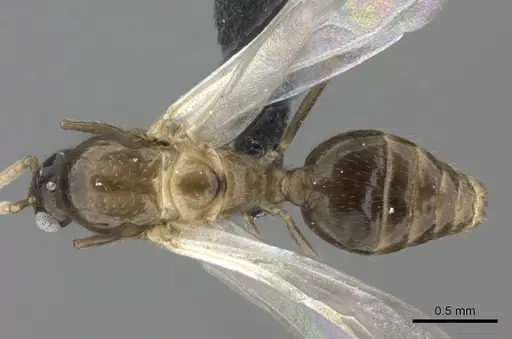
CASENT0178193
View on AntWeb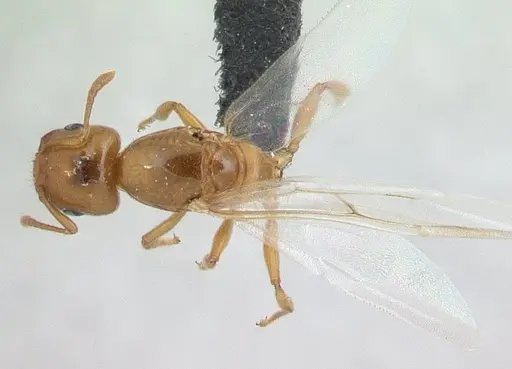
CASENT0193399
View on AntWeb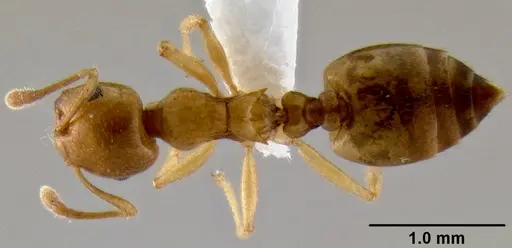
CASENT0317758
View on AntWeb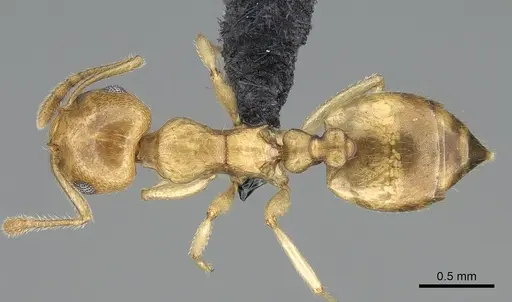
CASENT0317759
View on AntWeb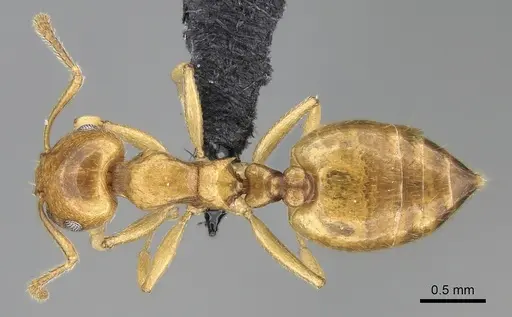
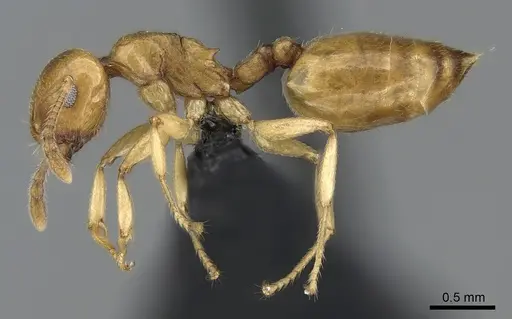
CASENT0317760
View on AntWeb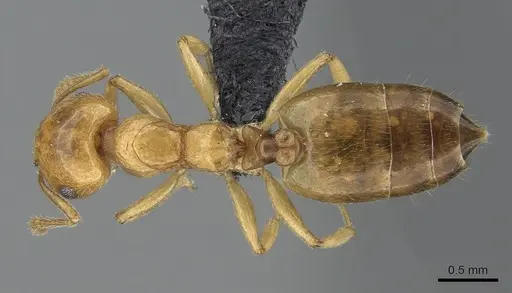
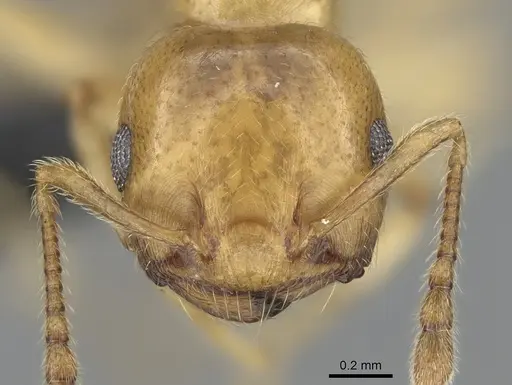
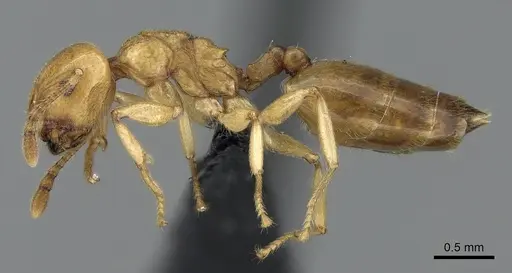
CASENT0455252
View on AntWeb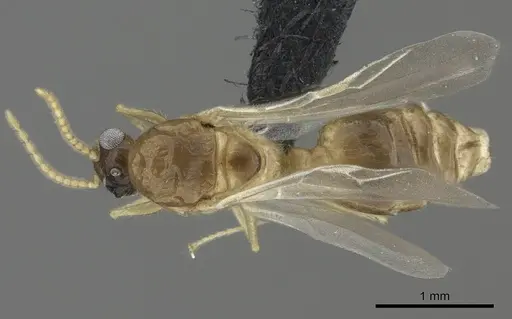
CASENT0455261
View on AntWeb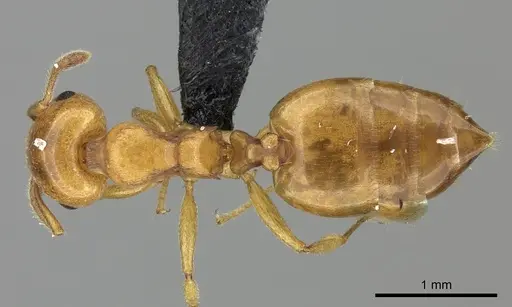
CASENT0485040
View on AntWeb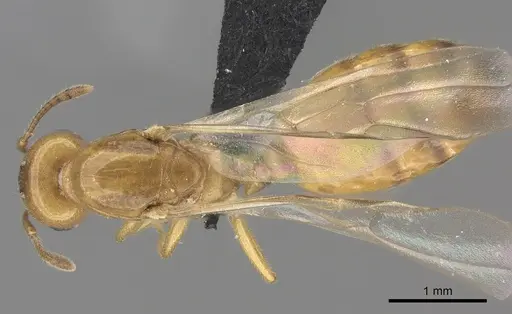
CASENT0922635
View on AntWeb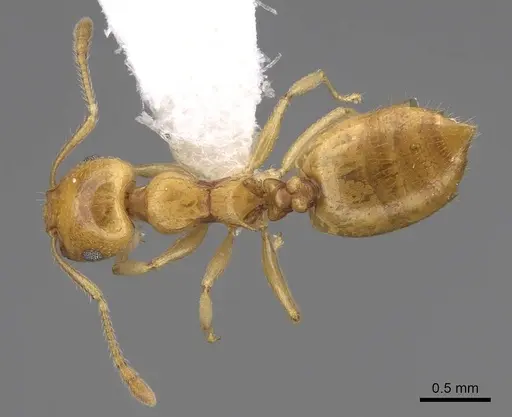
Literature
Loading...Loading products...