

Crematogaster magnifica
- Scientific Name
- Crematogaster magnifica
- Subgenus
- Orthocrema
- Tribe
- Crematogastrini
- Subfamily
- Myrmicinae
- Author
- Santschi, 1925
- Distribution
- Found in 1 countries
Crematogaster magnifica Overview
Crematogaster magnifica is an ant species of the genus Crematogaster. It is primarily documented in 1 countries , including Brazil. Detailed taxonomic data and occurrence records can be further explored via authoritative databases such as AntWeb or the Global Biodiversity Information Facility (GBIF).
Crematogaster magnifica
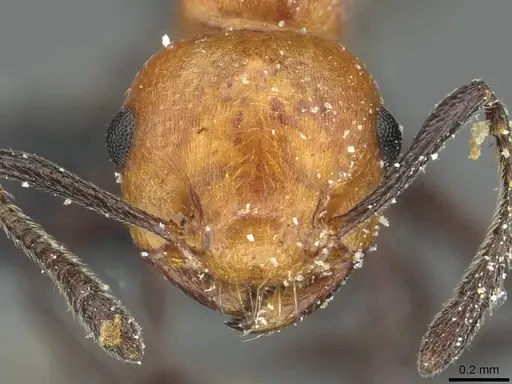
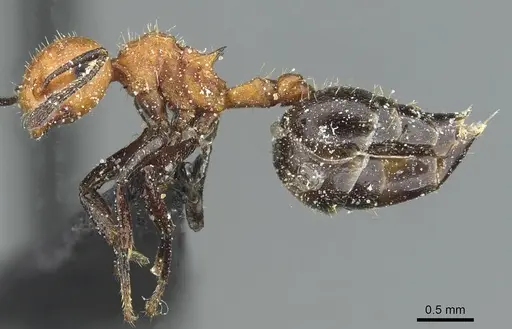
Crematogaster magnifica is a Neotropical ant species native to Brazil, specifically found in the states of Paraná and Bahia. Workers are typical of the Crematogaster genus, with a distinctive heart-shaped gaster that they raise when threatened, giving them the common name 'acrobat ants'. The species was first described by Santschi in 1925,with the synonym C. magnifica var. nociva later synonymized by Kempf in 1968 [1]. This species inhabits the Atlantic Forest region of Brazil, where Crematogaster ants typically nest in rotting wood, hollow twigs, or under bark in arboreal and semi-arboreal microhabitats.
Quick Summary
- Difficulty: Medium
- Origin & Habitat: Brazil (Paraná and Bahia states), Neotropical region, Atlantic Forest habitat [1]
- Colony Type: Unconfirmed, typical Crematogaster colonies are usually monogyne (single queen) but some species can be polygyne
- Colony: Monogyne
- Founding: Claustral
- Size & Growth:
- Queen: Estimated 8-10mm based on genus patterns
- Worker: Estimated 3-5mm based on genus patterns
- Colony: Estimated several hundred workers based on genus patterns
- Growth: Moderate
- Development: Estimated 6-8 weeks based on typical Crematogaster development (Development time is inferred from genus-level data, species-specific timing unconfirmed)
- Antkeeping:
- Temperature: Keep at 22-26°C, typical for Neotropical species. A gentle gradient allows workers to self-regulate.
- Humidity: Moderate to high humidity (60-80%). Keep nest substrate slightly moist but not waterlogged. Provide a water tube.
- Diapause: Unconfirmed for this species, Neotropical ants may have reduced activity in cooler months but true hibernation is unlikely
- Nesting: Crematogaster magnifica likely prefers arboreal-style setups. Y-tong nests, plaster nests, or naturalistic setups with rotting wood/twigs work well. They prefer tight, enclosed spaces scaled to their size.
- Behavior: Crematogaster ants are known for their defensive behavior, when threatened, they raise their abdomens (gaster) high in the air, which is where the common name 'acrobat ants' comes from. They can emit a defensive secretion from their gaster. Workers are active foragers and tend to be aggressive when defending the colony. Escape prevention is important as they are good climbers and can squeeze through small gaps. They are omnivorous, feeding on honeydew, small insects, and sweet liquids.
- Common Issues: escape prevention is critical, Crematogaster are excellent climbers and will find any gap, colonies may be slow to establish during founding, patience is needed, wild-caught colonies may harbor parasites that can decimate the colony in captivity, overfeeding can lead to mold issues in enclosed nests, too-dry conditions will cause colony decline, monitor humidity consistently
Housing and Nest Preferences
Crematogaster magnifica is a Neotropical species that likely prefers arboreal-style nesting. In captivity, Y-tong (acrylic) nests work well, as do plaster nests with narrow chambers. They prefer dark, enclosed spaces and will do well in naturalistic setups with rotting wood or cork bark. The nest should be scaled to colony size, tight chambers are better than large open spaces. Provide a water tube or moisture source connected to the nest area. Outworld space should allow for foraging, these ants are active and will explore. Use escape prevention measures like fluon on rim edges since they are excellent climbers.
Feeding and Diet
Crematogaster ants are omnivorous. They will accept sugar sources like honey water, sugar water, or diluted maple syrup. Protein is important for colony growth, offer small insects like fruit flies, pinhead crickets, or mealworms. In the wild, they also tend honeydew-producing insects (aphids, scale insects) and will scavenge on dead insects. Feed them a few times per week, removing uneaten prey after 24 hours to prevent mold. Sugar water should be available constantly in a test tube or feeder. Adjust feeding frequency based on colony size and consumption rates.
Temperature and Seasonal Care
Keep your colony at 22-26°C, which mimics their Neotropical habitat in Brazil. A temperature gradient allows workers to choose their preferred zone. Heating is usually not necessary if your room stays within this range, but a heating cable on one side of the nest can help in cooler climates. Place the heating on top of the nest, not underneath, to avoid drying out the nest. As a Neotropical species, they likely do not require true hibernation, but you may notice reduced activity during winter months if temperatures drop. Avoid temperatures below 18°C for extended periods.
Behavior and Defense
Crematogaster magnifica exhibits the classic Crematogaster defensive behavior, when threatened, workers raise their abdomens high above their heads, giving them the name 'acrobat ants'. They can also emit a defensive secretion from their gaster. Workers are aggressive when defending the colony and will readily bite and secrete chemicals. They are active foragers and will search the outworld for food. Colony activity levels are typically high, with workers constantly moving between nest and outworld. They are good climbers and will explore vertical surfaces, making escape prevention essential.
Colony Establishment and Growth
New colonies start with a claustral queen who seals herself in a chamber and raises the first brood alone. The founding queen uses stored fat reserves to survive until her first workers (nanitics) emerge. This process typically takes 6-8 weeks in optimal conditions. After the first workers arrive, the colony will gradually grow. Growth rate is moderate, expect several months to reach 50 workers, and a year or more to reach several hundred. Crematogaster colonies can live for several years with a healthy queen. Regular feeding and proper humidity are key to successful colony development.
Frequently Asked Questions
How long does it take for Crematogaster magnifica to get first workers?
Expect first workers (nanitics) to emerge 6-8 weeks after the queen lays eggs, assuming optimal temperature (22-26°C). This is based on typical Crematogaster development patterns, as species-specific timing has not been documented.
What do Crematogaster magnifica ants eat?
They are omnivorous. Offer sugar water, honey, or diluted maple syrup as a constant carbohydrate source. For protein, feed small insects like fruit flies, pinhead crickets, or small mealworms. They will also scavenge on dead insects.
Do Crematogaster magnifica ants sting?
Crematogaster ants can bite and emit defensive secretions, but they are not considered dangerous to humans. Their main defense is raising their abdomen and using chemical secretions rather than stinging.
What size nest do I need for Crematogaster magnifica?
Start with a test tube setup for founding colonies. Once the colony reaches 20-30 workers, you can move to a small Y-tong or plaster nest. They prefer tight chambers scaled to their size, not large open spaces.
Are Crematogaster magnifica good for beginners?
This species is rated as Medium difficulty. They are more challenging than common beginner species like Lasius or Tetramorium, but manageable for intermediate antkeepers. Their main challenges are escape prevention and establishing proper humidity.
Do Crematogaster magnifica need hibernation?
As a Neotropical species from Brazil, they likely do not require true hibernation. However, they may have reduced activity in cooler months. Avoid temperatures below 18°C for extended periods.
How big do Crematogaster magnifica colonies get?
Based on typical genus patterns, colonies likely reach several hundred workers over several years. Exact maximum size is unconfirmed for this species.
Why are my Crematogaster magnifica dying?
Common causes include: too-dry conditions (keep substrate moist), poor escape prevention (check all gaps), mold from overfeeding (remove uneaten food), or temperatures outside their 22-26°C range. Wild-caught colonies may also carry parasites.
Can I keep multiple Crematogaster magnifica queens together?
Not recommended. While some Crematogaster species can be polygynous, this has not been documented for C. magnifica. Combining unrelated queens typically leads to fighting.
When should I move my colony to a formicarium?
Move to a formicarium (like Y-tong or plaster nest) once the colony reaches 20-30 workers and outgrows the test tube setup. Make sure the new nest has appropriate chamber sizes and humidity control.
References

This caresheet is licensed under CC BY-SA 4.0 .
CASENT0912743
View on AntWeb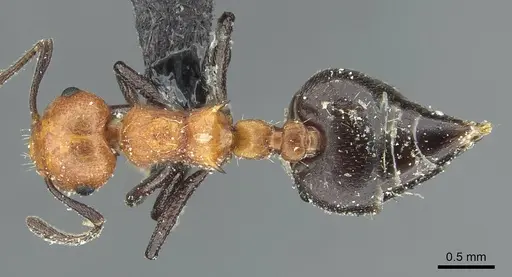
Literature
Loading...Loading products...