

Crematogaster libengensis
- Scientific Name
- Crematogaster libengensis
- Tribe
- Crematogastrini
- Subfamily
- Myrmicinae
- Author
- Stitz, 1916
- Distribution
- Found in 1 countries
Crematogaster libengensis Overview
Crematogaster libengensis is an ant species of the genus Crematogaster. It is primarily documented in 1 countries , including Liberia. Detailed taxonomic data and occurrence records can be further explored via authoritative databases such as AntWeb or the Global Biodiversity Information Facility (GBIF).
Crematogaster libengensis
Crematogaster libengensis is a small ant species originally described from the Democratic Republic of Congo [1]. Like other Crematogaster species, they are known as 'acrobat ants' due to their distinctive ability to raise their abdomen over their head when threatened, often accompanied by defensive formic acid spraying. Workers are typically small, around 3-5mm, with a characteristic heart-shaped gaster that they use as a defensive weapon. This species is found in central African regions, specifically documented from the DRC. They are arboreal and forest-dwelling ants that typically nest in rotting wood, under bark, or in hollow plant stems. Colonies are moderate in size compared to other Crematogaster species.
Quick Summary
- Difficulty: Medium
- Origin & Habitat: Democratic Republic of Congo, central Africa. Found in forest habitats where they nest in rotting wood and arboreal locations [1].
- Colony Type: Colony structure is unconfirmed for this specific species. Most Crematogaster species are monogyne (single queen) but some can be polygyne. Ergatoid replacement reproductives have been documented in related species.
- Founding: Claustral
- Size & Growth:
- Queen: Estimated 7-9mm based on genus typical sizes, not directly measured for this species
- Worker: Estimated 3-5mm based on genus typical sizes
- Colony: Estimated several hundred workers based on related species, not directly documented
- Growth: Moderate, typical for Crematogaster genus
- Development: Estimated 6-8 weeks based on genus patterns (Development time is inferred from related Crematogaster species, specific data for C. libengensis is not available)
- Antkeeping:
- Temperature: Keep around 22-26°C. Provide a gentle temperature gradient so ants can self-regulate. Room temperature within this range works well, otherwise use a heating cable on one side of the nest.
- Humidity: Moderate to high humidity, around 60-80%. Keep the nest substrate consistently moist but not waterlogged. Mist occasionally and provide a water source.
- Diapause: Unknown for this specific species. Many central African ants do not require strong diapause but may slow down during cooler periods.
- Nesting: Y-tong (AAC) nests or plaster nests work well. They prefer nesting in wood-like materials or tight spaces. Provide narrow chambers and passages scaled to their small size. They are arboreal-adapted so some vertical space and climbing opportunities help.
- Behavior: Crematogaster libengensis is defensive and will raise its abdomen when threatened. They can spray formic acid and have a mild sting. They are active foragers and will scout for food actively. Workers are small but determined. Escape prevention should be good despite their small size, they are not particularly strong climbers compared to some Crematogaster species but still use Fluon on edges.
- Common Issues: colony decline during founding phase is common, ensure queen has proper claustral conditions and minimal disturbance, escape risk exists despite small size, use proper barriers and tight-fitting lids, stress from overhandling or excessive light can cause colony abandonment of brood, mold issues in nests if humidity is too high without ventilation, aggressive defensive behavior means handling requires care, they will spray formic acid
Nest Preferences
Crematogaster libengensis is an arboreal-adapted species that naturally nests in rotting wood, under bark, and in hollow plant stems. In captivity, Y-tong (AAC) nests work very well as they mimic the tight, wood-like conditions these ants prefer. Plaster nests are also suitable, especially if you add some wood or bark pieces for them to explore. They prefer narrow chambers and passages scaled to their small worker size, avoid large, open spaces. Provide some vertical climbing space and rough surfaces for grip. The nest should be kept humid but with adequate ventilation to prevent mold. Test tubes can work for founding colonies but may need to be moved to a proper formicarium once the colony reaches 20-30 workers.
Feeding and Diet
Crematogaster libengensis is an omnivorous species that accepts a variety of foods. In captivity, offer sugar water, honey, or diluted maple syrup as a constant carbohydrate source. For protein, they accept small insects like fruit flies, pinhead crickets, and mealworms. They are active foragers and will scout the outworld for food, so place offerings where they can easily find them. Related Crematogaster species also feed on honeydew from aphids, so providing a sugar source is important. Feed protein 2-3 times per week depending on colony size, and keep sugar water available at all times. Remove uneaten prey after 24-48 hours to prevent mold.
Temperature and Care
Keep your Crematogaster libengensis colony at 22-26°C. This range supports normal activity and brood development. A temperature gradient is ideal, place a heating cable on one side of the nest so workers can move between warmer and cooler areas as needed. Room temperature in this range works without additional heating. If your room is cooler, use a low-level heating cable or heating mat under one end of the nest. Monitor colony behavior, if workers are consistently clustered in one area, they may be seeking heat. Avoid temperatures above 30°C as this can stress the colony. Humidity should be moderate to high, around 60-80% in the nest area.
Behavior and Temperament
This species has a well-developed defensive system. When threatened, workers raise their abdomen over their head in an 'acrobat' pose and can spray formic acid. While not dangerously venomous to humans, the spray can be irritating and some individuals may experience mild allergic reactions. They are active foragers and will explore their outworld regularly. Workers are relatively small but bold in their foraging. They are not particularly aggressive toward humans but will defend their nest vigorously. Escape prevention should be maintained, while they are not extreme escape artists, small gaps can still allow them to squeeze through. Apply Fluon to the edges of the outworld and ensure all lids fit tightly.
Colony Growth and Development
Colony growth is moderate, typical for the Crematogaster genus. A newly mated queen will found her colony claustrally, she seals herself in a small chamber and survives on her stored fat reserves while raising the first brood. The first workers, called nanitics, are typically smaller than mature workers but will begin foraging to support further colony growth. Expect 6-8 weeks from egg to first worker under optimal conditions. After that, growth depends on temperature, feeding, and colony health. Maximum colony size for this species is not documented but related species typically reach several hundred workers. Growth can be faster with consistent warm temperatures and abundant protein feeding.
Frequently Asked Questions
How long does it take for Crematogaster libengensis to have first workers?
Expect first workers (nanitics) to emerge around 6-8 weeks after the queen lays her first eggs, assuming optimal temperatures of 24-26°C. This timeline is based on genus patterns since specific development data for C. libengensis is not available.
Do Crematogaster libengensis ants sting?
They can sting and also spray formic acid as a defense. While not dangerously venomous, the spray can irritate skin and eyes. They are not aggressive toward humans but will defend their nest if threatened.
What do Crematogaster libengensis eat?
They are omnivorous. Offer sugar water, honey, or maple syrup constantly for carbohydrates. For protein, feed small insects like fruit flies, pinhead crickets, or small mealworms 2-3 times per week.
Can I keep Crematogaster libengensis in a test tube?
Test tubes work for founding colonies but the colony will eventually need more space. Move to a proper nest (Y-tong or plaster formicarium) once the colony reaches 20-30 workers or the test tube becomes crowded.
Are Crematogaster libengensis good for beginners?
They are rated as Medium difficulty. They are more challenging than beginner species like Lasius because they require more specific humidity control and have more defensive behaviors. They are not recommended as a first ant species but are manageable for intermediate antkeepers.
Do Crematogaster libengensis need hibernation?
Hibernation requirements are unknown for this specific species. As a central African species, they likely do not require a true hibernation but may slow down during cooler periods. If you live in a temperate climate, a slight cool period (15-18°C) for 2-3 months in winter may be beneficial but is not strictly required.
How big do Crematogaster libengensis colonies get?
Maximum colony size is not documented for this species. Based on related Crematogaster species, expect colonies to reach several hundred workers. They are not among the largest ant species.
What temperature is best for Crematogaster libengensis?
Keep them at 22-26°C. Room temperature in this range works well. If needed, use a heating cable on one side of the nest to create a gentle gradient. Avoid temperatures above 30°C.
Why is my Crematogaster libengensis colony dying?
Common causes include: stress from excessive disturbance during founding, humidity issues (too dry or too wet), temperatures outside their preferred range, mold from poor ventilation, or poor nutrition. Ensure the queen has proper claustral conditions and minimize nest disturbances until workers emerge.
When should I move my Crematogaster libengensis to a formicarium?
Move from a test tube setup to a proper nest once the colony reaches 20-30 workers or shows signs of needing more space, such as workers clustering on the cotton or the water reservoir becoming contaminated.
References

This caresheet is licensed under CC BY-SA 4.0 .
CASENT0912807
View on AntWeb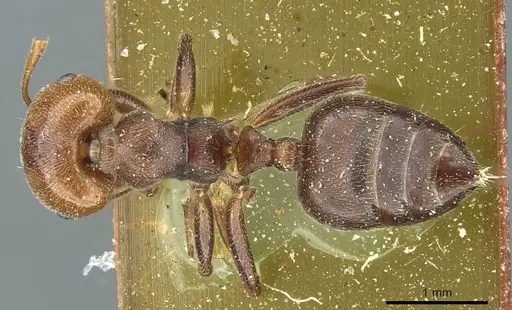
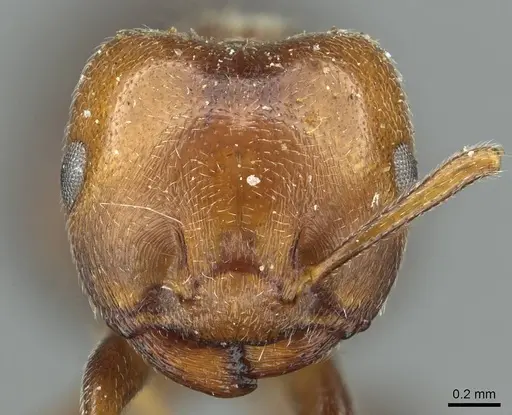
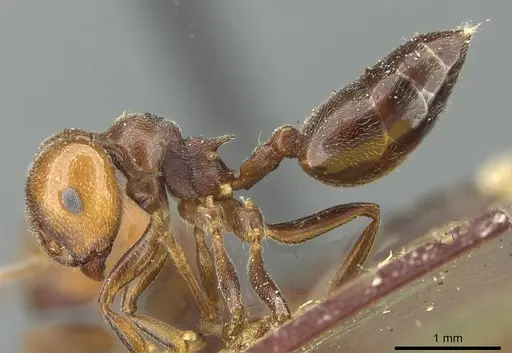
Literature
Loading...Loading products...