

Crematogaster levior
- Scientific Name
- Crematogaster levior
- Subgenus
- Orthocrema
- Tribe
- Crematogastrini
- Subfamily
- Myrmicinae
- Author
- Longino, 2003
- Distribution
- Found in 8 countries
Crematogaster levior Overview
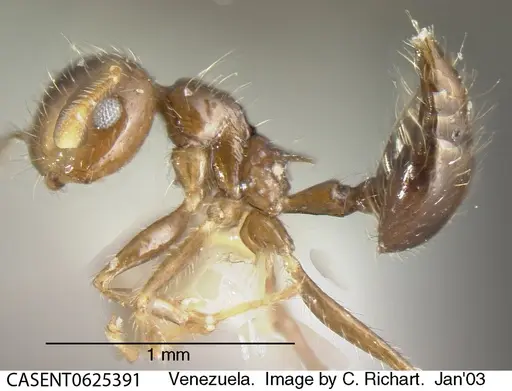
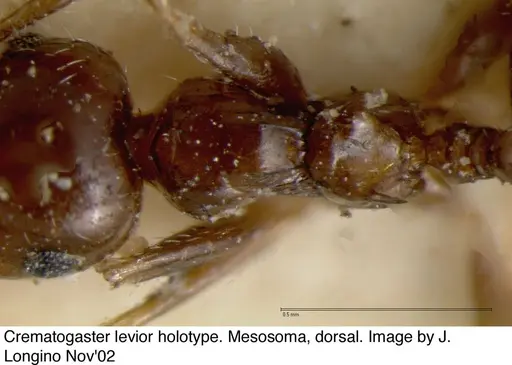
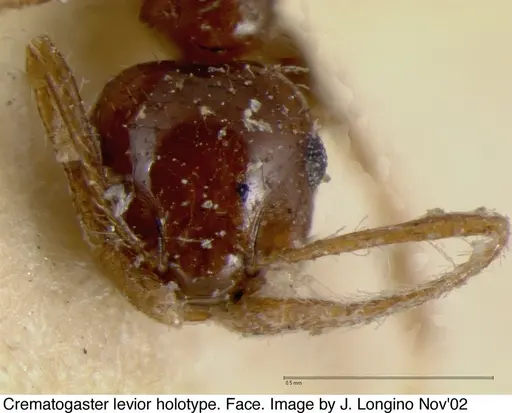
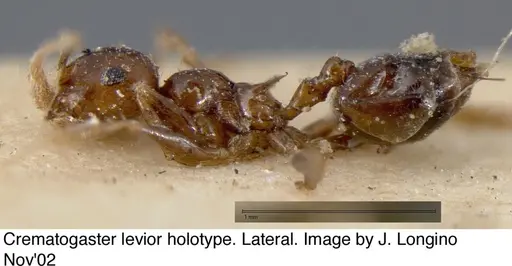
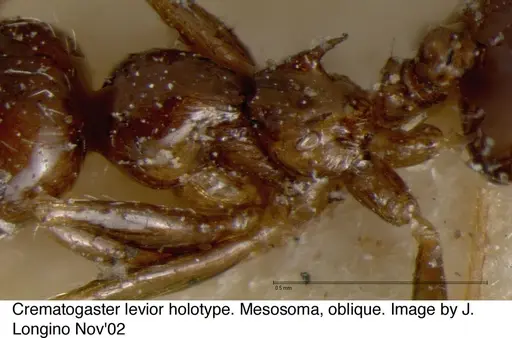
Crematogaster levior is an ant species of the genus Crematogaster. It is primarily documented in 8 countries , including Bolivia, Plurinational State of, Brazil. Detailed taxonomic data and occurrence records can be further explored via authoritative databases such as AntWeb or the Global Biodiversity Information Facility (GBIF).
Crematogaster levior
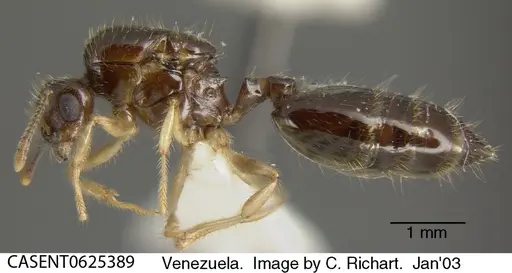
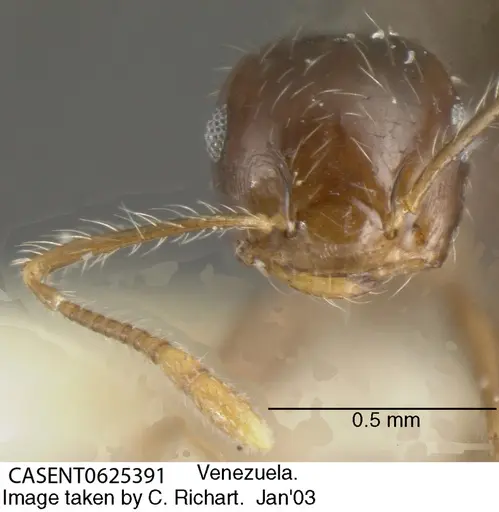
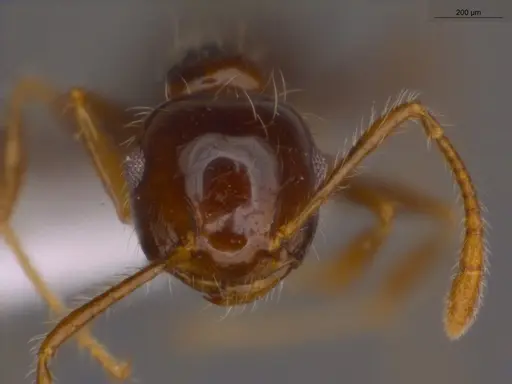
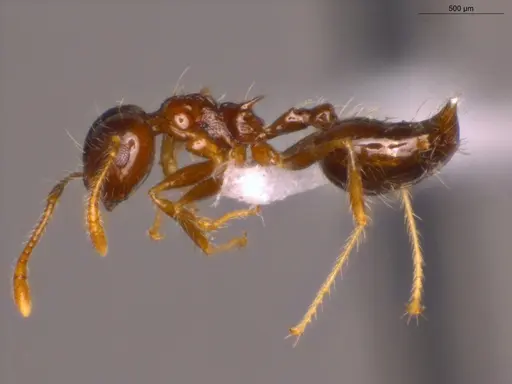
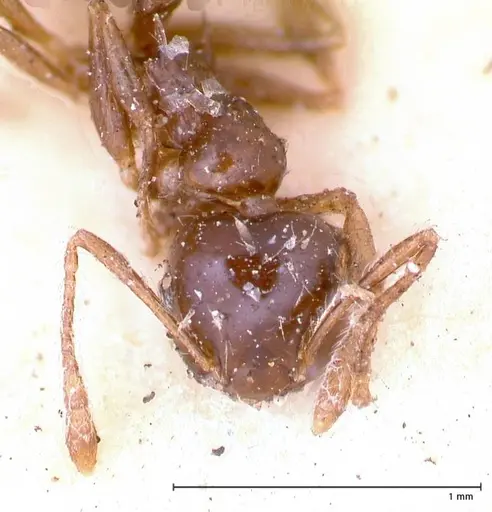
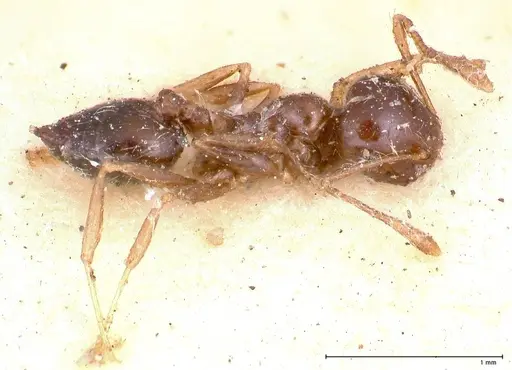
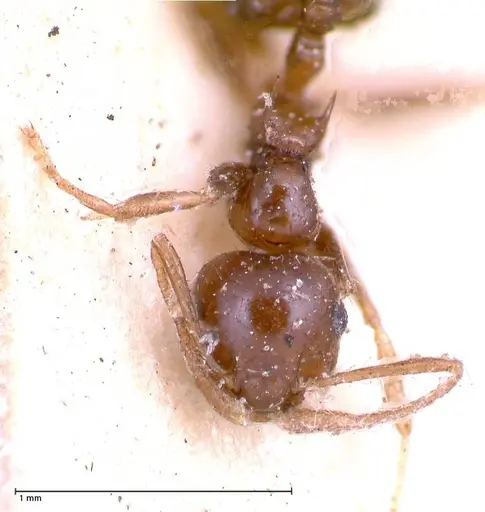
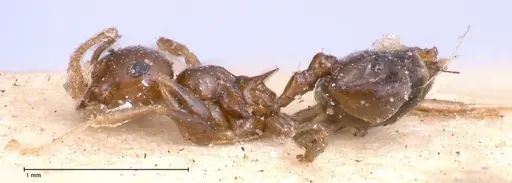
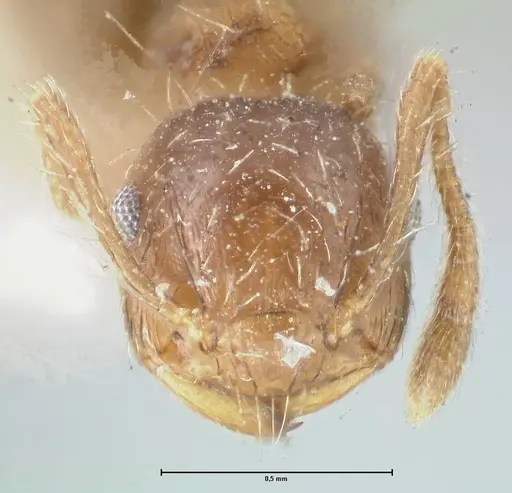
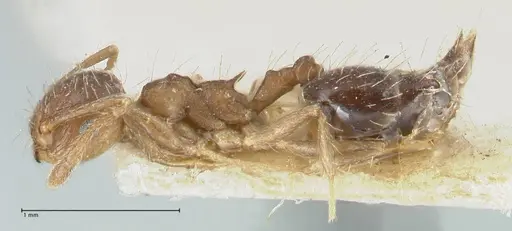
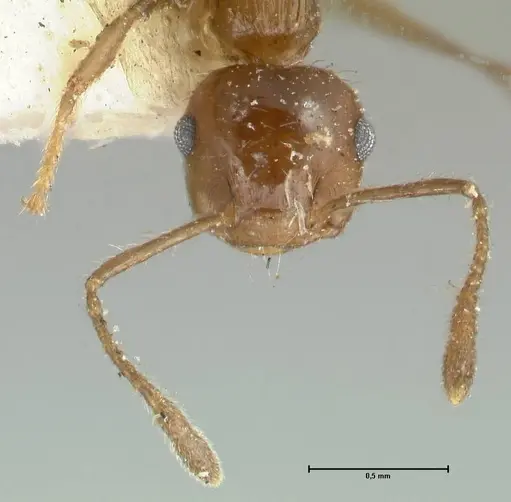
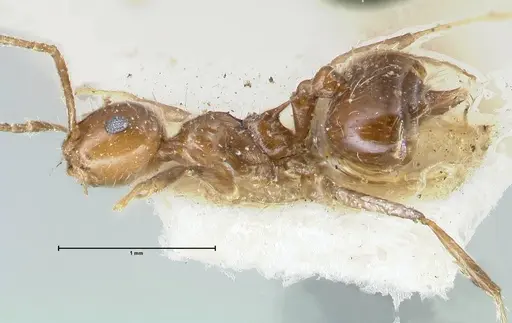
Crematogaster levior is a small, aggressive ant species native to Amazonian rainforests across South America. Workers measure around 2-3mm and have a smooth, shiny body with a uniform light brown color. This species is famous for its unique parabiotic relationship with the much larger Camponotus femoratus, they share the same nests (called ant gardens) built in trees, but keep their brood chambers separate. The two species benefit from each other: C. femoratus builds the nest structure and provides protection, while C. levior discovers food sources and shares them through trophallaxis. These ants are territorially dominant in canopy habitats and aggressively defend their ant gardens from intruders [1][2].
Quick Summary
- Difficulty: Medium
- Origin & Habitat: Amazonian lowland wet forests of Brazil, Guianas, Venezuela, Colombia, Ecuador, Peru, and Bolivia. They live in arboreal ant gardens in tree canopies, occasionally foraging on the forest floor [3].
- Colony Type: Facultatively polygynous, can form large polygynous colonies with multiple queens spread across many nests in tree canopies, or smaller monogynous colonies. Always found in parabiotic association with Camponotus femoratus [4][2].
- Colony: Optionally polygyne
- Size & Growth:
- Queen: Estimated 6-8mm based on genus patterns
- Worker: 2-3mm (HL 0.587,SL 0.586mm from type specimen) [3]
- Colony: Large polydomous colonies, colonies can have 3-33 nests spread across tree canopies, with potentially thousands of workers across all nests [5][6]
- Growth: Moderate
- Development: Estimated 6-8 weeks based on typical Crematogaster development in tropical conditions (Direct development data unavailable, estimate based on genus patterns for tropical species)
- Antkeeping:
- Temperature: Keep at 24-28°C, these are tropical ants requiring warm, stable conditions similar to their rainforest canopy habitat
- Humidity: High humidity (70-85%) is essential. These ants live in rainforest ant gardens where moisture is constantly present. Provide a water tube and keep the nest area consistently damp but not waterlogged
- Diapause: No, as a tropical species, they do not require hibernation. Maintain warm conditions year-round
- Nesting: Arboreal specialists, they need vertical space and prefer nests that mimic their natural ant garden environment. Y-tong (AAC) nests or plaster nests with multiple chambers work well. Provide climbing structures and branches. They do best with a setup that allows them to build carton-like material similar to their natural ant gardens
- Behavior: Highly aggressive and territorially dominant. Workers actively defend the nest and forage independently, they do not recruit nestmates to food sources, instead carrying prey back alone [1]. They forage both on the ground and in vegetation, with more nocturnal activity compared to their diurnal Camponotus partner [6][5]. They discover food sources efficiently and will aggressively claim resources, even stealing prey from C. femoratus when they arrive first [1]. Their small size means escape prevention is important, use fluon on tube edges and ensure any connections are secure. They produce cuticular hydrocarbons that differ from their parabiotic partner, allowing chemical recognition between species [7].
- Common Issues: tropical humidity requirements can be difficult to maintain, monitor condensation and substrate moisture regularly, small size means they can escape through tiny gaps, use fine mesh and check all connections, aggressive behavior toward other ants means they should be kept alone, they will attack and kill other ant species, lack of chemical defense means they rely on aggression and their partner C. femoratus, in captivity they may be more vulnerable to predators, no hibernation tolerance, sudden temperature drops can stress or kill colonies
The Parabiotic Relationship
Crematogaster levior has one of the most fascinating relationships in the ant world, parabiosis with Camponotus femoratus. These two species share the same nests (ant gardens) but maintain separate brood chambers within the shared structure. C. femoratus does the heavy lifting: building the carton nest structure from plant fibers, defending the territory aggressively, and protecting both species from predators. In return, C. levior serves as the food discoverer, they are more efficient at finding baits and food sources, and when they do, they share the resources through trophallaxis (mouth-to-mouth food sharing) with C. femoratus workers [1][8]. In captivity, you cannot replicate this relationship, keep C. levior alone. They will not survive without a partner, but they can adapt to solo housing as long as you provide appropriate care.
Housing and Nest Setup
These are arboreal ants that need vertical space and humid conditions. A Y-tong (AAC) nest or plaster formicarium works well, the multiple chambers mimic their natural ant garden structure. Add a water tube or sponge for humidity, and aim for 70-85% humidity in the nest area. Provide climbing structures like branches, cork, or fake plants, they naturally build their nests in tree forks and epiphyte root systems. The outworld should include vertical elements since they forage both on the ground and in vegetation. Temperature should stay warm (24-28°C) year-round, they are tropical and do not tolerate cool conditions. A small heat cable on one side of the nest can help maintain warmth without drying out the colony. [2][1]
Feeding and Diet
Crematogaster levior is omnivorous with generalist feeding habits [1]. They accept sugar sources (honey water, sugar water) and protein (small insects like fruit flies, pinhead crickets, mealworms). In their natural ant gardens, they also consume extrafloral nectar from epiphytes and fruit pulp from epiphyte fruits [6]. Feed them a few drops of sugar water twice a week, and offer small protein prey items 2-3 times weekly. Remove uneaten prey after 24 hours to prevent mold. They are efficient at discovering food, you will often see workers quickly locate and claim baits [1].
Behavior and Colony Dynamics
Workers are highly aggressive and territorially dominant, they actively defend their ant garden from intruders, including other ant species [1]. Unlike many ants, they forage individually rather than recruiting nestmates, a single worker will find food and carry it back alone without signaling others [1]. They are more active during the night compared to their diurnal C. femoratus partner [6][5]. Colonies can be polygynous (multiple queens) and polydomous (multiple nests), with natural colonies having 3-33 nests spread across tree canopies [5]. In captivity, a single-queen colony will thrive, they do not need multiple queens to establish successfully.
Temperature and Seasonal Care
As a tropical Amazonian species, C. levior requires warm, stable temperatures year-round. Keep the nest area at 24-28°C. They do not undergo diapause or hibernation, sudden temperature drops can stress or kill the colony. Room temperature may be sufficient if your home stays in this range, but monitor with a thermometer. If temperatures drop below 22°C, use a small heating cable or heat mat on one side of the setup. Avoid placing the nest directly on heating elements that could dry out the substrate. Maintain humidity alongside warmth, dry heat is as dangerous as cold for this moisture-dependent species. [2][3]
Frequently Asked Questions
Can I keep Crematogaster levior in a test tube setup?
A test tube can work for a founding queen or small colony initially, but these arboreal ants will do better in a Y-tong or plaster nest with multiple chambers. They need vertical space and climbing structures to feel secure. If using a test tube, ensure it has a water reservoir and keep humidity high, but plan to move them to a more appropriate setup as the colony grows.
How long does it take for the first workers to appear?
Based on typical Crematogaster development in tropical conditions, expect first workers (nanitics) around 6-8 weeks after the queen lays eggs. This is an estimate since specific development data for this species is not available. Keep temperatures warm (24-28°C) to support proper development.
Do Crematogaster levior ants sting?
Crematogaster ants have a stinger but it is very small and rarely penetrates human skin. These ants rely more on their aggressive behavior and chemical defenses than stinging. They are not considered dangerous to humans.
Are Crematogaster levior good for beginners?
This species is rated as medium difficulty. While their basic care (sugar water, small insects, warm humidity) is straightforward, their tropical requirements and small size demand more attention than common temperate species. They are best suited for keepers who can maintain warm, humid conditions year-round and provide secure housing.
Can I keep multiple queens together?
Crematogaster levior can form polygynous colonies in the wild, but combining unrelated foundress queens in captivity is not recommended, they may fight. If you start with a single queen, she will establish a healthy colony on her own. The polygynous structure develops naturally in established colonies, not from introducing multiple queens.
What do Crematogaster levior eat?
They are omnivorous. Offer sugar water or honey water as a constant energy source, and supplement with small protein sources like fruit flies, pinhead crickets, or small mealworms 2-3 times per week. They will also consume extrafloral nectar and fruit pulp if available in their setup.
Do they need hibernation or diapause?
No. As a tropical Amazonian species, they do not require hibernation. Keep them warm year-round at 24-28°C. They are active throughout the year in their natural habitat and will be stressed by cool temperatures.
Why are my Crematogaster levior dying?
Common causes include: temperature too cold (below 22°C), low humidity causing desiccation, escape through small gaps due to their tiny size, or stress from incompatible housing. Check your temperature and humidity levels first. Ensure all connections are secure and use fluon on tube edges. They are also sensitive to vibrations and disturbance during founding.
When should I move them to a formicarium?
Move them when the colony reaches around 20-30 workers and the test tube water reservoir is being depleted quickly. A Y-tong or plaster nest with a built-in water tower works well. They prefer nests with multiple connected chambers that mimic their natural ant garden structure.
References

This caresheet is licensed under CC BY-SA 4.0 .
CASENT0625389
View on AntWeb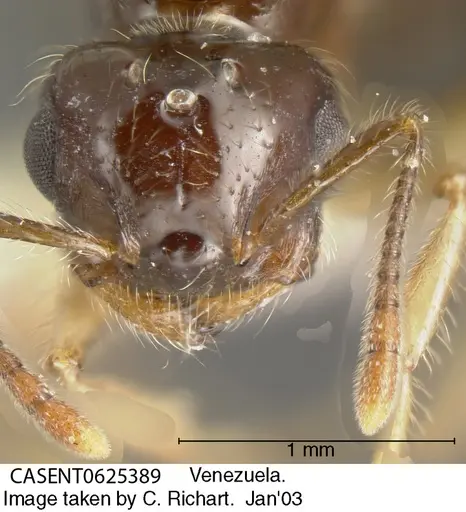
CASENT0625391
View on AntWeb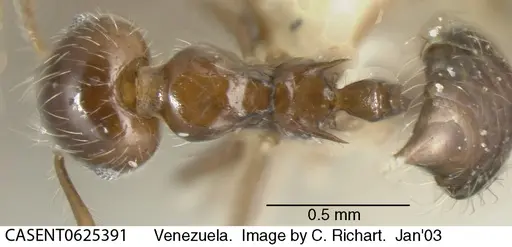
CBUMAGENT41936
View on AntWeb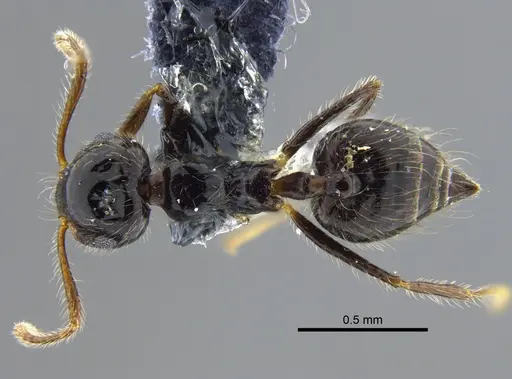
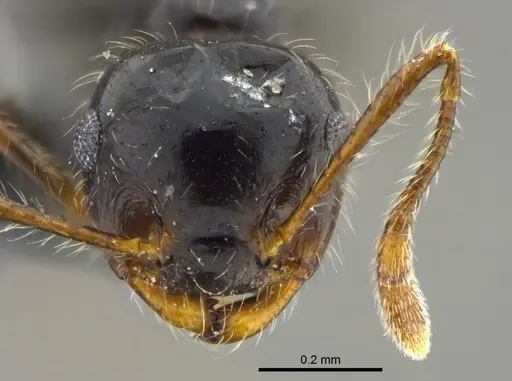
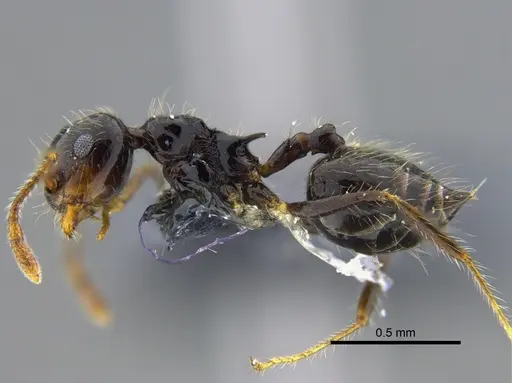
ECOFOG-MI15-0237-43
View on AntWeb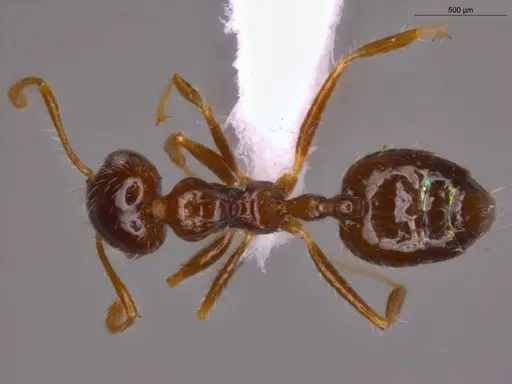
FOCOL0656-1
View on AntWeb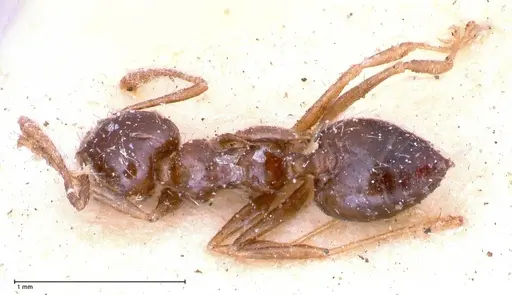
FOCOL0656-2
View on AntWeb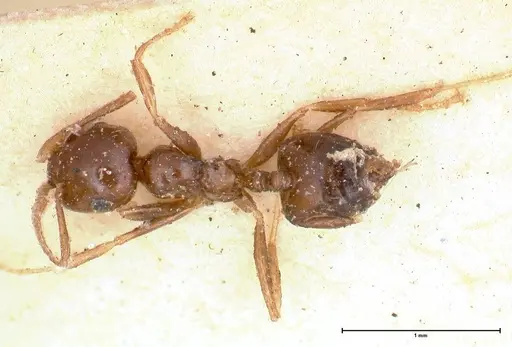
FOCOL1625
View on AntWeb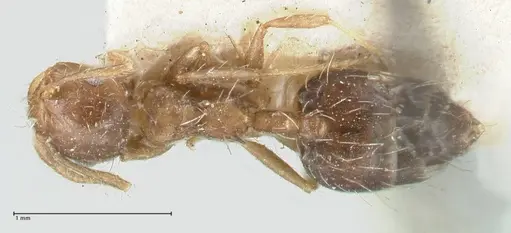
FOCOL1626
View on AntWeb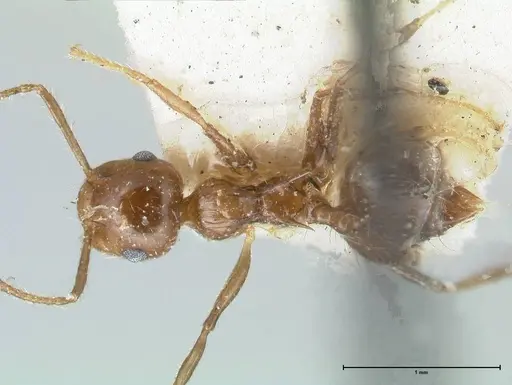
JTL328117
View on AntWeb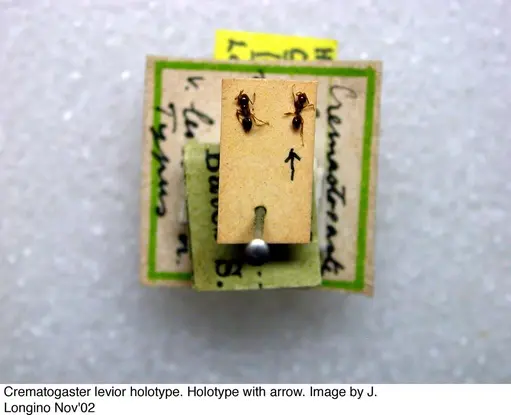
Literature
Loading...Loading products...