
Crematogaster laeviuscula exhibits a clear seasonal flight window. Peak flight activity is concentrated in June, with the overall period spanning June to August.
Crematogaster laeviuscula
- Scientific Name
- Crematogaster laeviuscula
- Tribe
- Crematogastrini
- Subfamily
- Myrmicinae
- Author
- Mayr, 1870
- Common Name
- Shiny Acrobat Ant
- Distribution
- Found in 2 countries
- Nuptial Flight
- from June to August, peaking in June
AI Identifiable
try →
Crematogaster laeviuscula Overview
Crematogaster laeviuscula (commonly known as the Shiny Acrobat Ant) is an ant species of the genus Crematogaster. It is primarily documented in 2 countries , including Mexico, United States of America. Detailed taxonomic data and occurrence records can be further explored via authoritative databases such as AntWeb or the Global Biodiversity Information Facility (GBIF).
The nuptial flight of Crematogaster laeviuscula is a significant biological event, typically occurring from June to August, peaking in June. During this time, winged queens and males leave the nest to mate and establish new colonies.
Crematogaster laeviuscula - "Shiny Acrobat Ant"
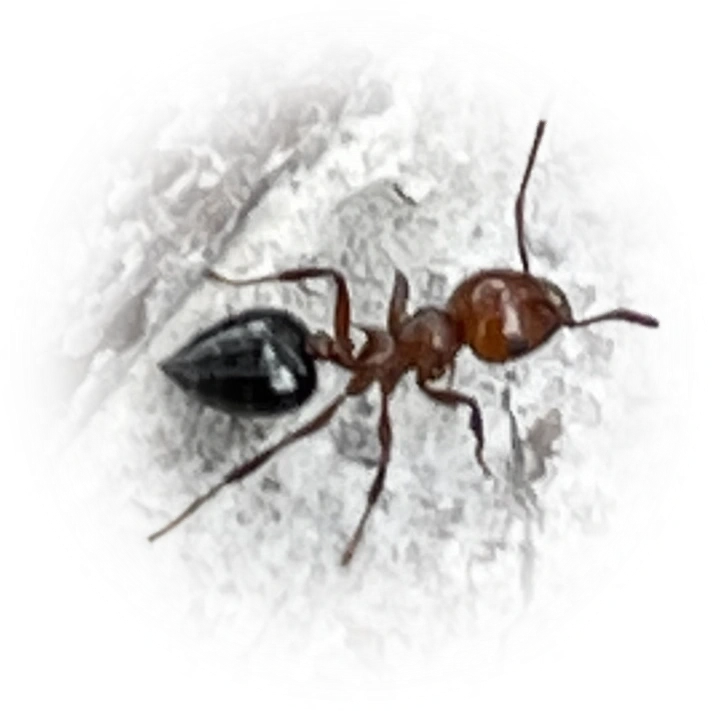
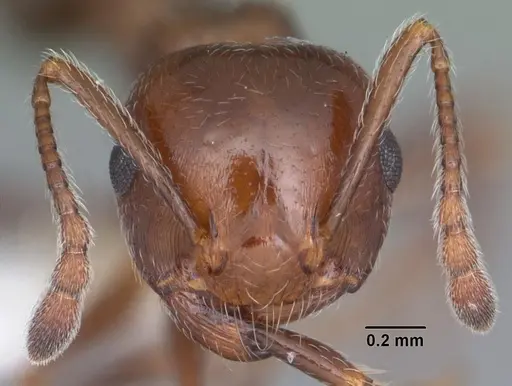
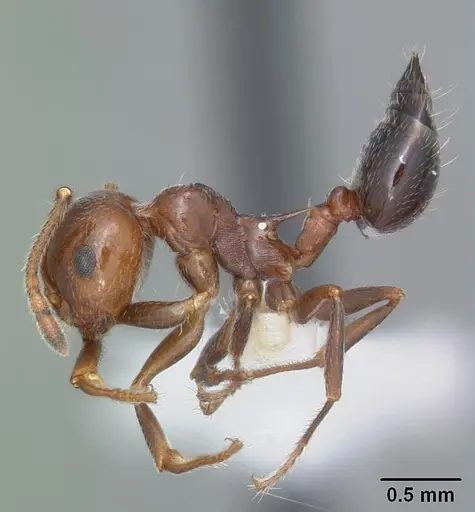
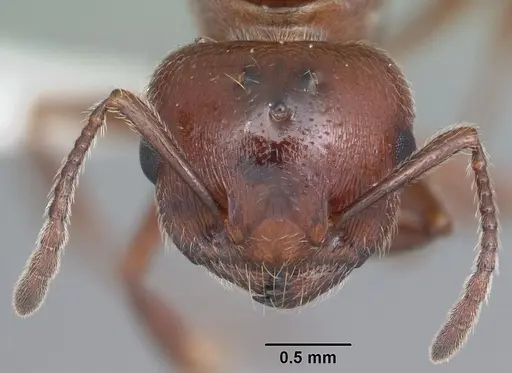
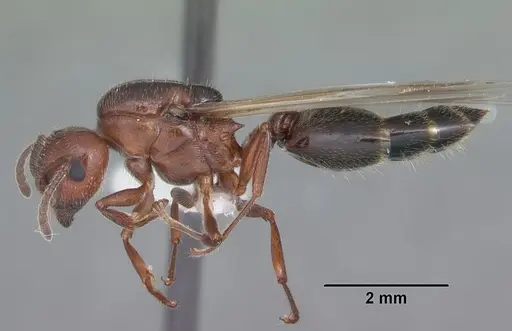
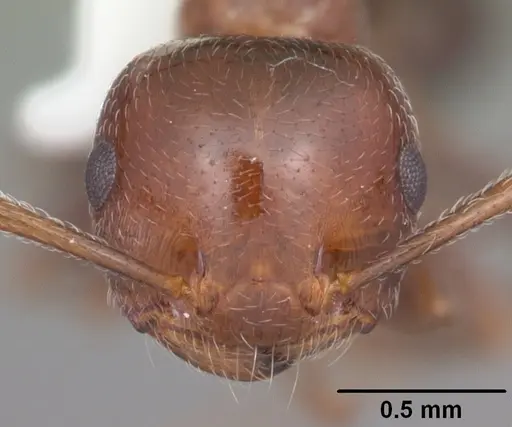
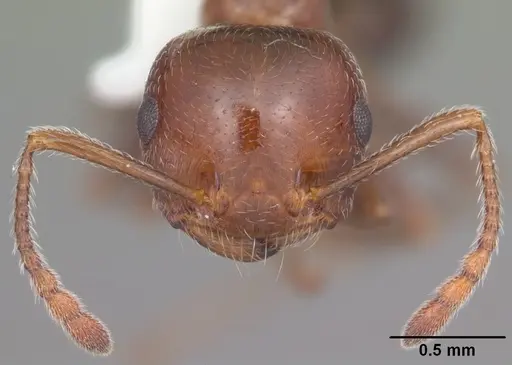
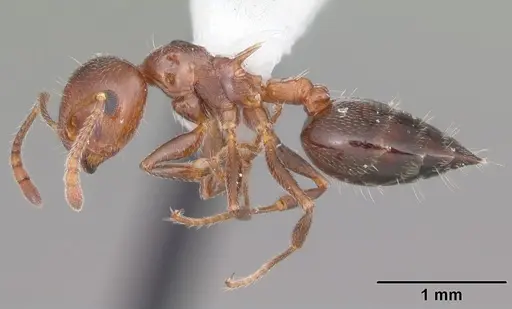
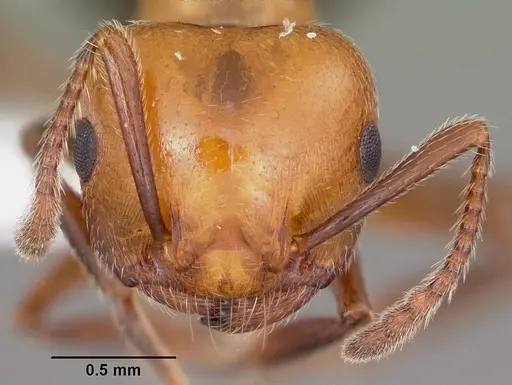
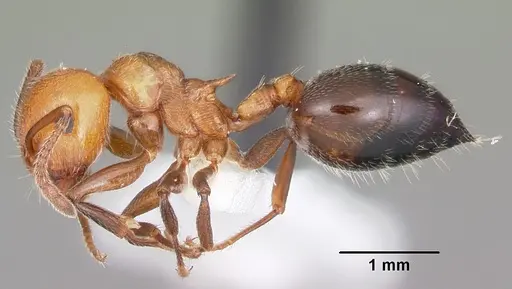
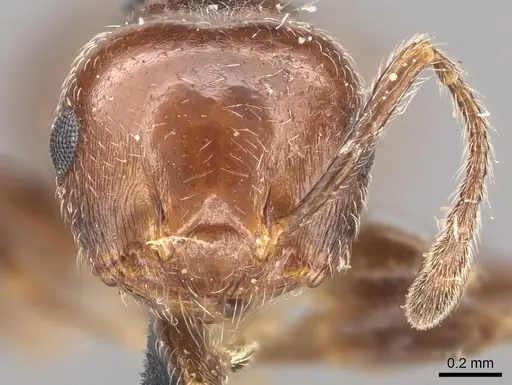
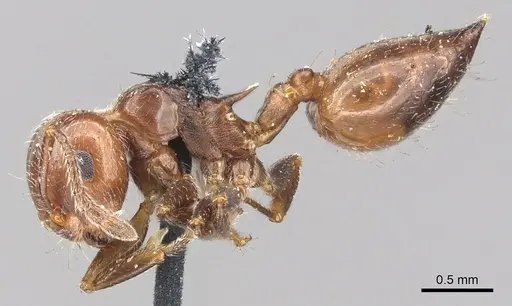
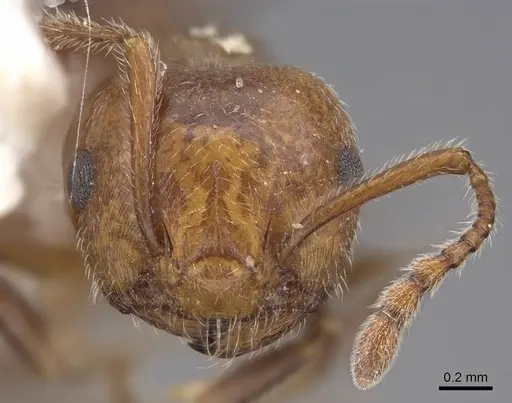
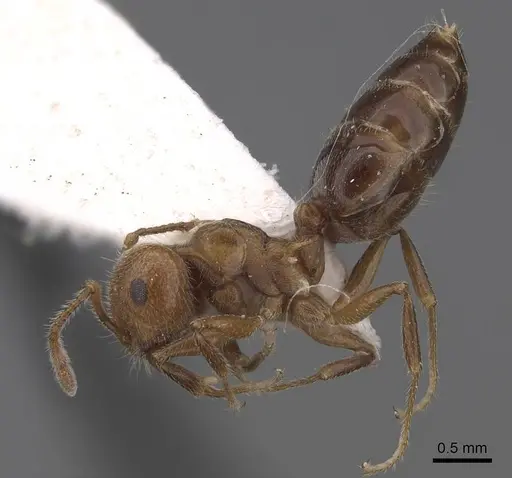
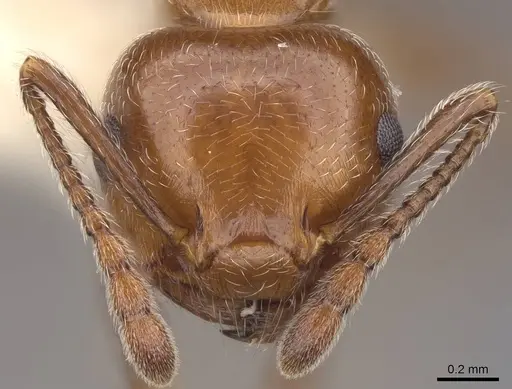
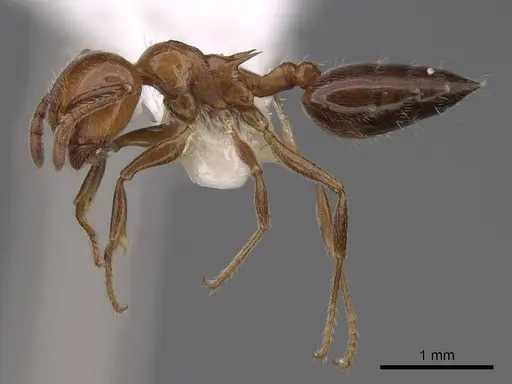
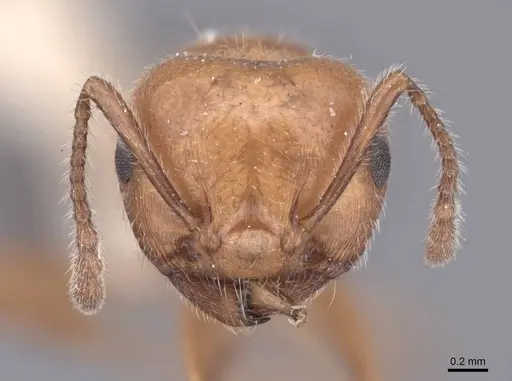
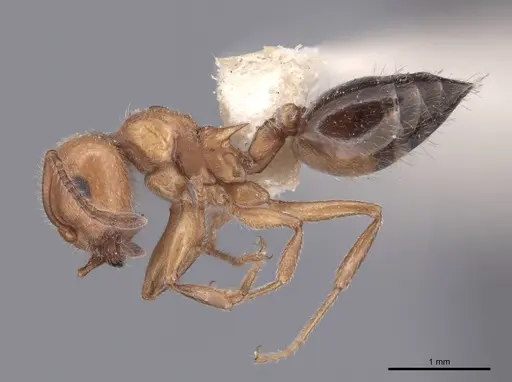
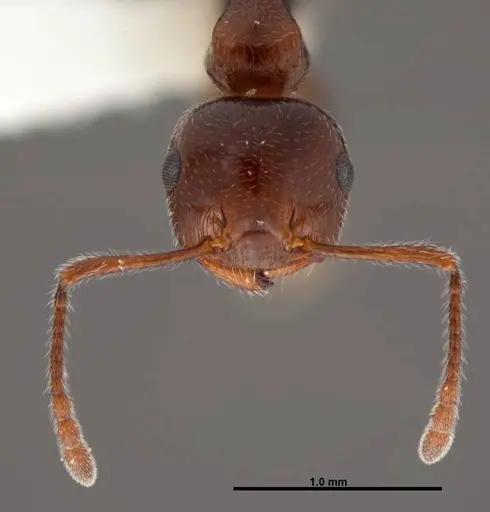
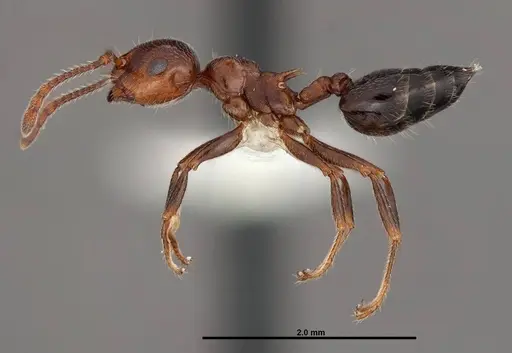
Crematogaster laeviuscula is a medium-sized arboreal ant native to central and southern North America. Workers are distinctive with their shiny appearance, the head and pronotum are glossy while the mesosoma has finer sculpturing. They are typically bicolored: bright red or reddish-yellow on the head and body with a dark black gaster, though color can vary from completely reddish to entirely dark brown [1]. These ants get their common name from their habit of raising their abdomen like an acrobat when disturbed, displaying a heart-shaped gaster. Colonies are monogyne (single queen) with hundreds of workers, and they nest in preformed cavities in trees, hollow twigs, under bark, and in rotting wood [2]. They are more aggressive than typical North American Crematogaster, with workers that will readily bite when their nest is disturbed.
Quick Summary
- Difficulty: Medium
- Origin & Habitat: Central United States south into Mexico, found in riparian forests, deciduous woodlands, urban areas, and even caves [1][3]. They prefer mesic sites but adapt to various habitats from desert riparian areas to pine forests.
- Colony Type: Monogyne (single-queen colonies) with monomorphic workers [4]. Colonies contain hundreds of workers plus brood and reproductives.
- Colony: Monogyne
- Founding: Claustral
- Size & Growth:
- Queen: Estimated 6-8mm based on genus patterns
- Worker: 3-5mm based on species descriptions [2]
- Colony: Hundreds of workers, colonies reach several hundred individuals [2]
- Growth: Moderate
- Development: Estimated 6-8 weeks based on typical Crematogaster development at warm temperatures (Brood overwinters as larvae in wild colonies [2])
- Antkeeping:
- Temperature: Keep at 22-26°C. They are thermal generalists active year-round, with heat tolerance varying seasonally (CTmax 50-54°C in summer) [5]. Room temperature is typically adequate, with a slight gradient preferred.
- Humidity: Moderate to high. They naturally inhabit riparian and woodland areas. Keep nest substrate slightly moist but not waterlogged, with some drier areas available.
- Diapause: Yes. Brood overwinters as larvae in wild colonies [2]. Provide a cool period around 10-15°C for 2-3 months during winter.
- Nesting: Arboreal nesting preferences. Provide a nest with wood-based cavities, Y-tong (AAC) nests, plaster nests with wood inserts, or naturalistic setups with hollow twigs/branches work well. They prefer preformed cavities similar to their natural hollow twig and bark nesting sites.
- Behavior: Workers are somewhat sluggish in cool temperatures but become more active when warmed. Large colonies are aggressive and workers will bite painfully for a Crematogaster [2]. They forage both in vegetation and on the ground, and are attracted to protein baits and sugar sources. They tend Hemiptera (aphids) and build protective earthen structures around them. Escape prevention should be moderate, they are not tiny but can climb smooth surfaces.
- Common Issues: colonies may fail if kept too dry, they need moderate humidity, winter die-offs occur if proper cool period is not provided, aggressive behavior can surprise keepers new to the genus, wild-caught colonies may have parasites including phorid flies and strepsipterans, they may escape through small gaps if not secured
Nuptial Flight Activity Analysis 283 observations
Flight Activity by Hour 283 observations
Crematogaster laeviuscula nuptial flight activity peaks around 12:00 during the late morning to early afternoon. Activity is spread across a 24-hour window (00:00–23:00). A secondary activity peak occurs around 14:00. Times may be influenced by human observation patterns.
Housing and Nest Preferences
Crematogaster laeviuscula is an arboreal species that naturally nests in preformed cavities in trees, hollow twigs, under bark, and in rotting logs and stumps [2]. In captivity, they do well in Y-tong (AAC) nests or plaster nests with wood inserts that mimic their natural nesting sites. They will also accept naturalistic setups with cork or wooden branches that provide hollow cavities. The key is providing narrow chambers and passages that match the tight spaces they occupy in the wild. Test tubes can work for founding colonies but may need to be modified to provide the dark, enclosed spaces they prefer. Avoid overly large, open spaces, these ants feel secure in snug quarters.
Feeding and Diet
In the wild, Crematogaster laeviuscula tends Hemiptera (aphids) and builds earthen shelters to protect them [2]. They are attracted to protein baits including meat, and have been observed eating cicada thoraces and other insects. They also consume honeydew from aphids. In captivity, offer a varied diet including: sugar water or honey as a constant carbohydrate source, protein sources like mealworms, crickets, or other small insects 2-3 times weekly, and occasional fruit or other sweet treats. They will readily accept protein baits, making them easy to feed. A constant sugar source is recommended along with regular protein offerings.
Temperature and Seasonal Care
These ants are thermal generalists, meaning they remain active throughout the year in the wild and can tolerate a wide range of temperatures [5]. Keep the nest at 22-26°C for optimal colony growth, this is warm enough to keep them active but not so hot that it stresses the colony. They can tolerate temperatures from roughly 15°C up to over 50°C in their active season (based on thermal tolerance studies showing CTmax of 50-54°C) [5]. However, they do require a winter rest period. In the wild, brood overwinters as larvae [2], so provide a cool period around 10-15°C for 2-3 months during winter. This diapause is important for colony health and should not be skipped.
Behavior and Temperament
Crematogaster laeviuscula is notably more aggressive than typical North American Crematogaster species [2]. Workers are somewhat sluggish in cool conditions but become quite active when warmed. When disturbed, they exhibit the characteristic acrobat behavior, raising their abdomen to display the heart-shaped gaster. Large colonies will readily attack and bite, and while their bite is not dangerous, it can be relatively painful for a Crematogaster. They forage both in vegetation (where they tend aphids) and on the ground, and will travel along hidden trails using hollow vegetation as camouflage. They are skilled climbers and can scale smooth surfaces, so escape prevention measures should be in place.
Colony Growth and Development
Colonies grow to several hundred workers over time [2]. Development from egg to worker takes approximately 6-8 weeks at optimal temperatures based on typical Crematogaster patterns. The first workers (nanitics) are typically smaller than mature workers. Brood development is temperature-dependent, cooler temperatures will slow development significantly. In the wild, brood overwinters as larvae [2], which is an important consideration for captive care. Mature colonies produce sexuals (alates), winged queens and males for mating flights.
Frequently Asked Questions
Are Crematogaster laeviuscula good for beginners?
They are intermediate in difficulty. While not as challenging as some species, their arboreal nesting preferences and need for a winter rest period make them better suited for keepers who have already kept at least one successful colony. Their aggressive temperament also requires careful handling.
How long does it take for first workers to appear?
Expect 6-8 weeks from egg to first worker at optimal temperatures (22-26°C). This is typical for Crematogaster species. Cooler temperatures will significantly slow development.
Do Crematogaster laeviuscula ants sting?
They do not have a functional stinger like some ants, but they will bite and can cause mild pain. Their bite is relatively painful for a Crematogaster, so handle with care.
What do Crematogaster laeviuscula eat?
They are omnivorous. Offer sugar water or honey constantly, and protein (insects like mealworms or crickets) 2-3 times weekly. They are particularly attracted to protein baits and will readily take meat offerings.
Do they need hibernation?
Yes. In the wild, brood overwinters as larvae, so you should provide a cool period around 10-15°C for 2-3 months during winter. This diapause is important for colony health.
Can I keep multiple queens together?
No. This species is monogyne, single queen colonies. Multiple unrelated queens will fight. Only keep one queen per colony.
What type of nest is best?
Arboreal preferences mean they do well in Y-tong (AAC) nests, plaster nests with wood inserts, or naturalistic setups with cork/branches providing hollow cavities. They prefer snug chambers similar to their natural twig and bark nesting sites.
How big do colonies get?
Colonies reach several hundred workers. This is moderate compared to some Crematogaster species that can produce thousands, but still substantial.
Are they escape artists?
They are good climbers and can scale smooth surfaces, but they are not tiny ants. Moderate escape prevention (barrier tape, smooth surfaces at the rim) is usually sufficient.
Where are they found in the wild?
They range from Virginia to Florida, west through Kansas, Texas, and New Mexico, south into Mexico. They inhabit riparian forests, woodlands, and even urban areas, and have been found in caves.
References

This caresheet is licensed under CC BY-SA 4.0 .
CASENT0103768
View on AntWeb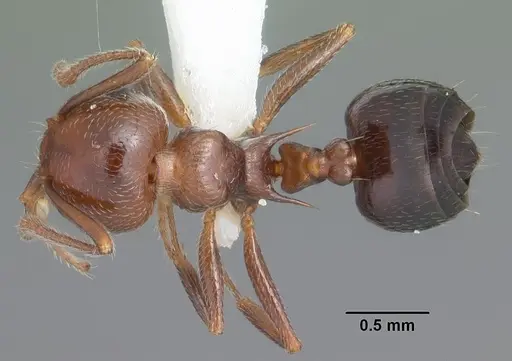
CASENT0103769
View on AntWeb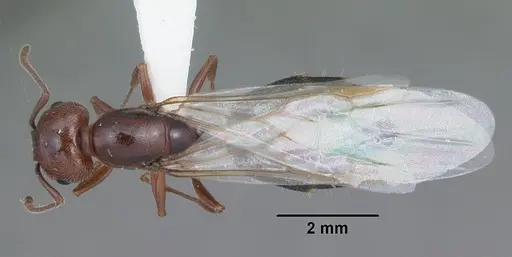
CASENT0103770
View on AntWeb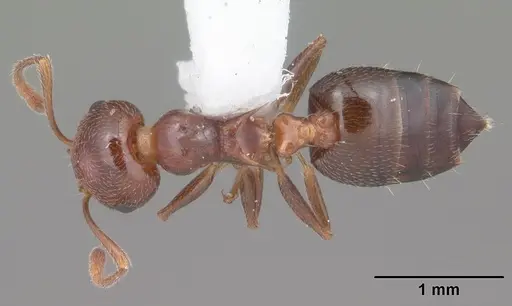
CASENT0104828
View on AntWeb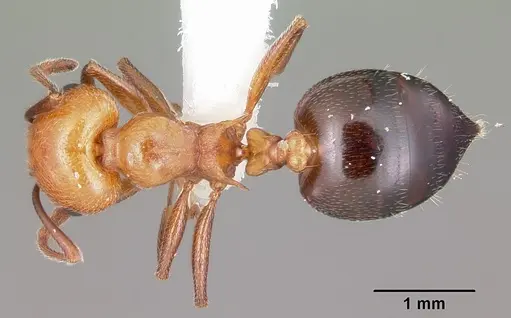
CASENT0902142
View on AntWeb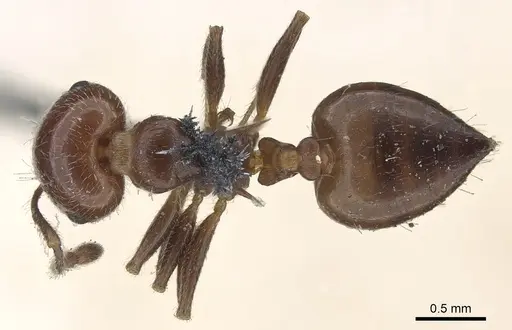
CASENT0914490
View on AntWeb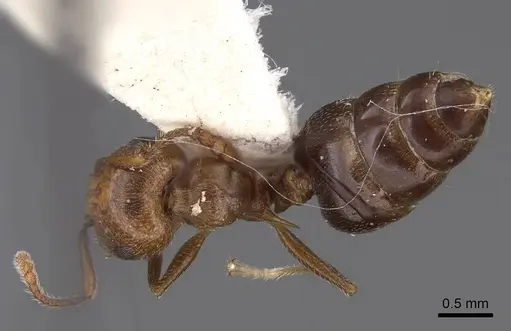
CASENT0922721
View on AntWeb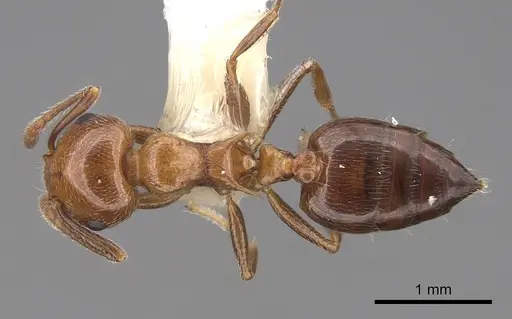
FMNHINS0000047746
View on AntWeb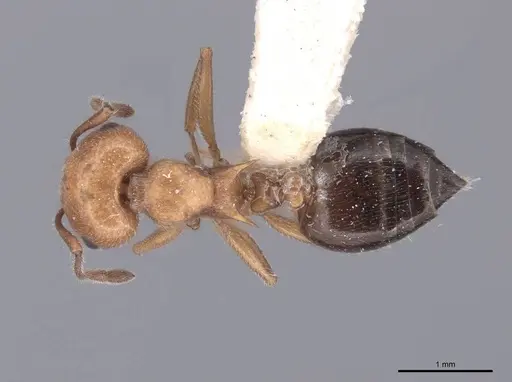
FMNHINS0000088664
View on AntWeb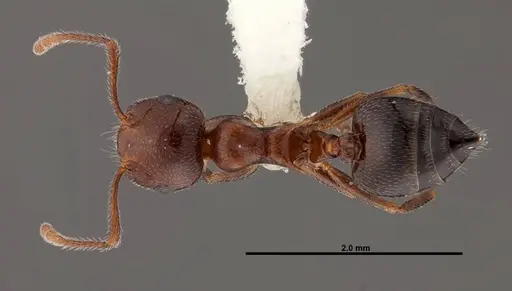
Literature
Loading...Loading products...