

Crematogaster laeviceps
- Scientific Name
- Crematogaster laeviceps
- Tribe
- Crematogastrini
- Subfamily
- Myrmicinae
- Author
- Smith, 1858
- Distribution
- Found in 1 countries
Crematogaster laeviceps Overview
Crematogaster laeviceps is an ant species of the genus Crematogaster. It is primarily documented in 1 countries , including Australia. Detailed taxonomic data and occurrence records can be further explored via authoritative databases such as AntWeb or the Global Biodiversity Information Facility (GBIF).
Crematogaster laeviceps
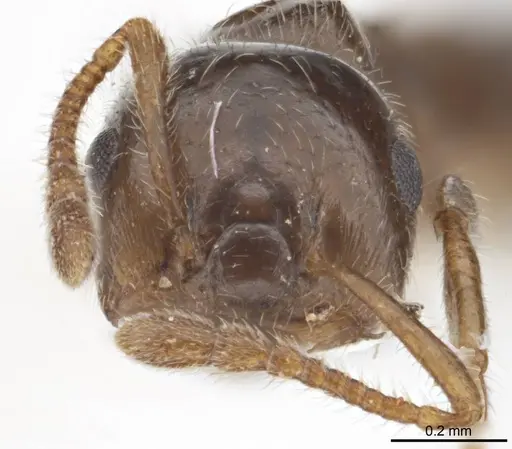
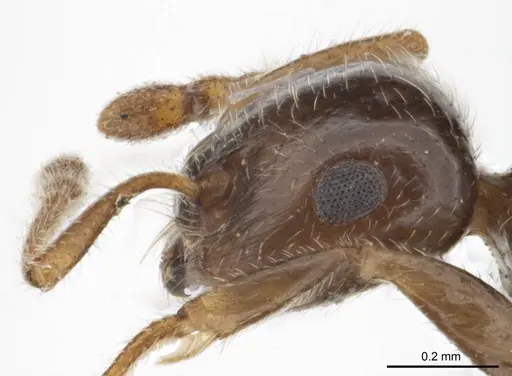
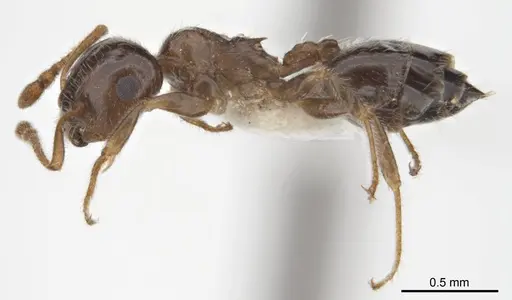
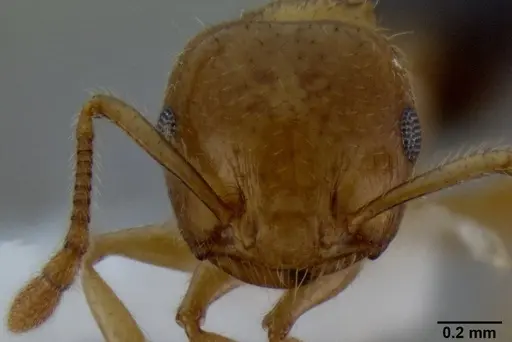
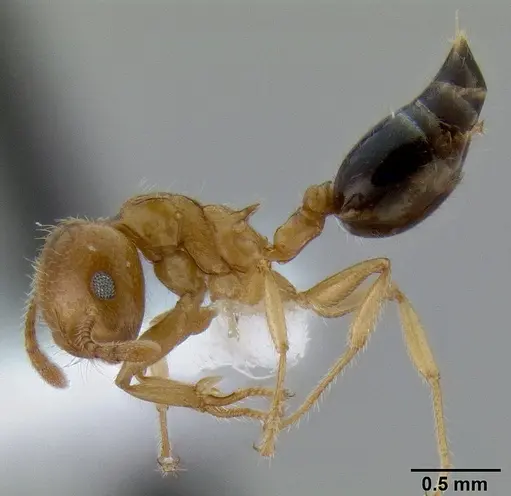
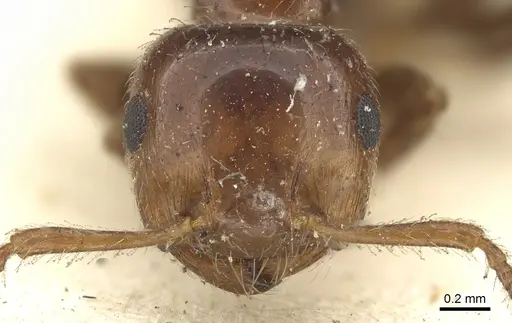
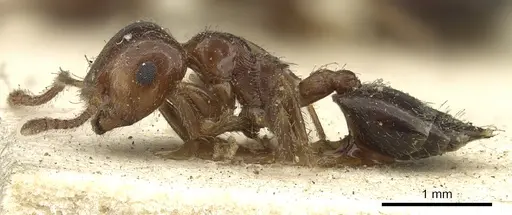
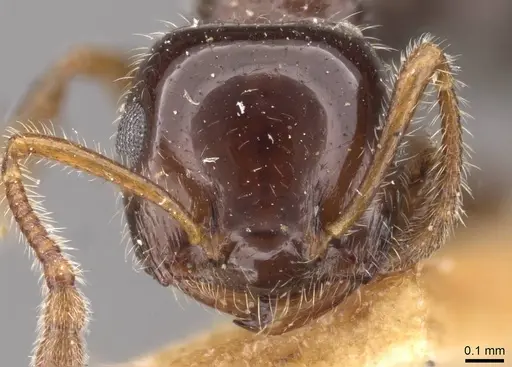
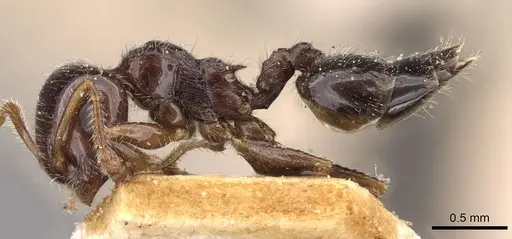
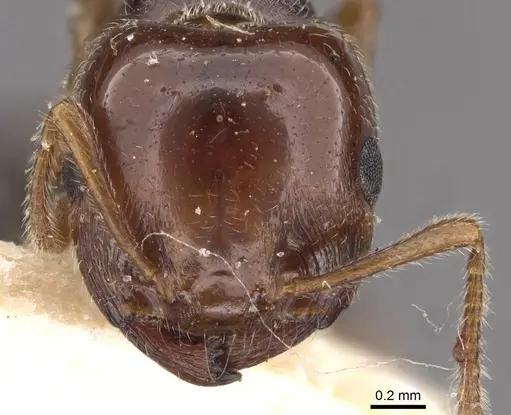
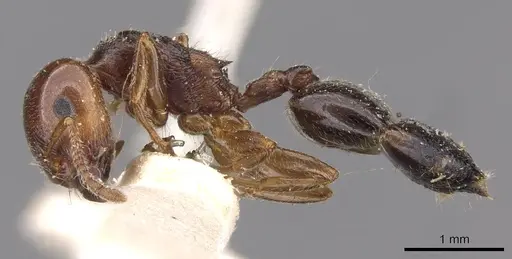
Crematogaster laeviceps is a small to medium-sized ant species belonging to the Crematogaster rogenhoferi group. Workers measure approximately 3-5mm and feature the characteristic heart-shaped gaster that gives Crematogaster ants their common name 'acrobatic ants', they raise their abdomen over their head when disturbed as a defensive display. The species has a dark brown to black coloration with relatively smooth and shiny body sculpture. This ant is the most common Crematogaster species in southwestern Western Australia, where it thrives in nearly all environments from urban green spaces to natural forests [1].
Quick Summary
- Difficulty: Easy
- Origin & Habitat: Southwestern Western Australia, with range extending to Victoria. Found across diverse environments including urban areas, eucalypt forests, and coastal regions. Nests arboreally in trees, under bark, and in hollow branches [1][2].
- Colony Type: Colonies are polygynous (multiple queens) with documented ergatoid (wingless) queens that may serve as replacement reproductives. The synonym C. laeviceps broomensis appears to represent ergatoid individuals [3].
- Colony: Optionally polygyne
- Founding: Claustral
- Size & Growth:
- Queen: Estimated 5-7mm based on genus patterns
- Worker: 3-5mm [3]
- Colony: Likely several hundred workers based on typical Crematogaster colony sizes
- Growth: Moderate
- Development: Estimated 6-8 weeks based on related Crematogaster species (Development time inferred from genus-level data, specific timeline for this species unconfirmed)
- Antkeeping:
- Temperature: Keep at 22-26°C. As a species from temperate southwestern Australia, room temperature is likely suitable. Provide a gentle heat gradient if colony shows signs of cold stress.
- Humidity: Moderate humidity around 50-70%. Arboreal nesting means they prefer drier conditions than ground-nesting ants. Ensure some moisture is available but avoid overly damp conditions.
- Diapause: Yes, southwestern Western Australia experiences cool, wet winters. Reduce temperature to 15-18°C for 2-3 months during winter months (Southern Hemisphere: June-August).
- Nesting: Arboreal nester, prefers nests in wood, under bark, or in hollow branches. In captivity, they do well in wood/plaster nests or acrylic setups with vertical orientation. Provide twigs or small wood pieces for nesting material. They will readily colonize wooden formicaria.
- Behavior: Day-active ants that forage in trails along tree trunks and branches. Workers are attracted to protein and fat sources, readily accepting minced meat and similar baits [4]. They are not particularly aggressive but will use their heart-shaped gaster display and mild chemical defense when threatened. Workers are small but agile, escape prevention should be moderate as they can climb smooth surfaces but are not extreme escape artists. They co-occur in habitats with trees and shrubs, preferring environments with complex vegetation structure [4].
- Common Issues: arboreal nature means they may not accept horizontal test tube setups, provide vertical nesting options, colonies can be polygynous so multiple queens may coexist peacefully, do not separate queens unless fighting observed, small colony fragments may struggle to establish, better to start with larger colony, may be outcompeted by more aggressive ant species if housed in community setups, escape prevention needed but not as critical as with tiny ants, standard barriers usually sufficient
Housing and Nest Preferences
Crematogaster laeviceps is an arboreal species that naturally nests in wood, under bark, and in hollow branches of trees like Callitris robusta and wattles (Acacia). In captivity, they do best in wooden formicaria, plaster nests with wood inserts, or acrylic nests that allow for vertical orientation. Avoid horizontal-only setups as they prefer to nest elevated. Provide small twigs, cork pieces, or pre-drilled wood chambers for them to colonize. They readily accept artificial nests and will often establish quickly if given appropriate wood-based housing. The nest should have multiple chambers connected vertically to accommodate their arboreal lifestyle. [1]
Feeding and Diet
This species is attracted to protein and fat sources. In studies, they readily accepted minced meat baits, indicating a preference for protein-rich foods [4]. Feed them small insects like fruit flies, pinhead crickets, and mealworms. They will also accept sugar sources like honey water or sugar water, though protein should form the primary diet. Feed protein prey 2-3 times per week, and keep a constant sugar water source available. Remove uneaten prey after 24-48 hours to prevent mold. Given their small worker size, prey items should be appropriately sized, very small insects or pre-killed/chopped prey works well.
Temperature and Seasonal Care
As a species from southwestern Australia (Mediterranean climate), Crematogaster laeviceps tolerates a range of temperatures but does best in the low-to-mid 20s°C. Room temperature (20-24°C) is typically suitable for keeping this species. During the Australian winter (June-August), reduce temperatures to 15-18°C to simulate their natural seasonal cycle. This winter rest period helps maintain colony health and may trigger reproductive behavior in spring. If your room temperature drops significantly in winter, consider moving the colony to a cooler location or reducing heating. They are day-active and benefit from a regular light cycle matching their natural environment. [1]
Colony Structure and Multi-Queen Care
This species is polygynous, meaning colonies naturally contain multiple queens. Unlike many ant species where multiple queens lead to fighting, Crematogaster laeviceps queens typically coexist peacefully. When starting a colony, you can introduce multiple founding queens together, they will establish a colony cooperatively. The species also produces ergatoid (wingless) queens that can serve as replacement reproductives if the primary queen dies [3]. This makes them more forgiving of queen loss than strictly monogyne species. Do not separate queens unless you observe actual aggression between them, which is uncommon in this species.
Behavior and Defense
Crematogaster laeviceps workers are day-active foragers that travel in characteristic trails along tree trunks and branches. When disturbed, they exhibit the classic Crematogaster defensive behavior, raising their heart-shaped gaster over their head in an 'acrobatic' display. They also have mild chemical defenses typical of the genus. They are not particularly aggressive toward keepers and rarely sting. Workers are small but determined climbers, use standard escape prevention (fluon on rim edges) but you don't need the fine mesh required for tiny ants. They prefer habitats with trees and shrubs and will do best in setups that provide some vertical space and climbing opportunities. [4]
Frequently Asked Questions
Can I keep Crematogaster laeviceps in a test tube?
Test tubes work for founding colonies but arboreal ants prefer vertical space. Once the colony reaches 10-20 workers, transfer to a wooden or acrylic nest with vertical chambers. They do best in nests that mimic their natural arboreal habitat with multiple small chambers.
How long does it take for first workers to emerge?
Based on related Crematogaster species, expect first workers (nanitics) approximately 6-8 weeks after the queen lays her first eggs. This timeline assumes temperatures around 24-26°C. Development may be slower at cooler temperatures.
Do Crematogaster laeviceps ants sting?
They have a stinger but rarely use it against humans. Their primary defense is raising their gaster in an acrobatic display and mild chemical secretions. They are not considered dangerous to keepers.
Can I keep multiple queens together?
Yes, this species is polygynous and multiple queens can coexist peacefully. You can keep multiple founding queens together, and established colonies typically have several reproductive queens. Only separate queens if you observe active fighting.
What do Crematogaster laeviceps eat?
They prefer protein sources. Feed small insects like fruit flies, pinhead crickets, or mealworms 2-3 times per week. They also accept sugar water or honey. Protein should form the main diet, with sugar as a supplement.
Do they need hibernation?
Yes, they benefit from a winter rest period. Reduce temperatures to 15-18°C for 2-3 months during winter (June-August in the Southern Hemisphere). This helps maintain colony health and may trigger spring reproduction.
Are Crematogaster laeviceps good for beginners?
Yes, they are considered easy to keep. They are tolerant of varying conditions, accept a wide range of foods, and have straightforward nesting requirements. Their polygynous nature also makes them more forgiving than single-queen species.
How big do colonies get?
Colonies likely reach several hundred workers based on typical Crematogaster colony sizes. Exact maximum is unconfirmed but they are not among the largest ant species.
When should I move them to a formicarium?
Move from test tube to a proper nest when the colony reaches 15-30 workers or when the test tube becomes crowded. Provide a wooden or acrylic nest with vertical orientation and multiple chambers.
Why are they called acrobatic ants?
The genus name Crematogaster means 'hanging belly' in Greek, referring to their distinctive behavior of raising their heart-shaped gaster over their head when threatened, an acrobatic defensive display!
References

This caresheet is licensed under CC BY-SA 4.0 .
ANTWEB1008630
View on AntWeb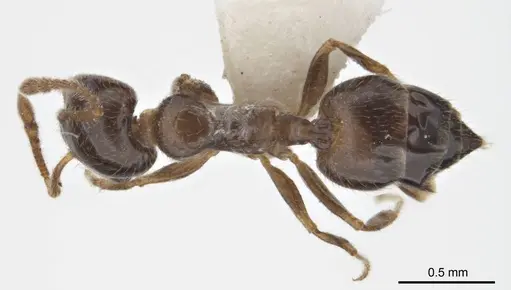
CASENT0193616
View on AntWeb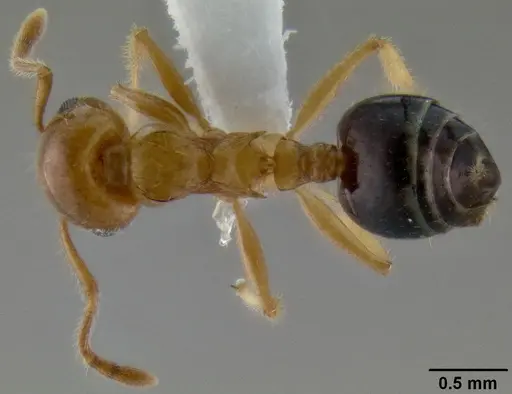
CASENT0902135
View on AntWeb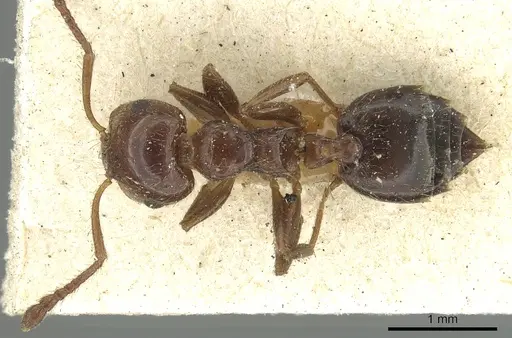
CASENT0908598
View on AntWeb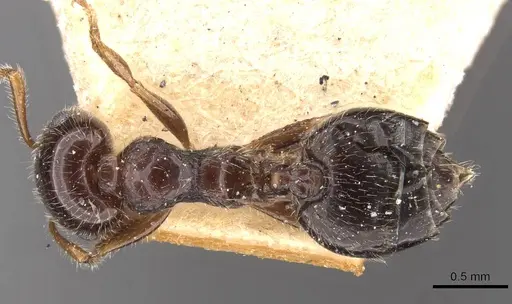
CASENT0908599
View on AntWeb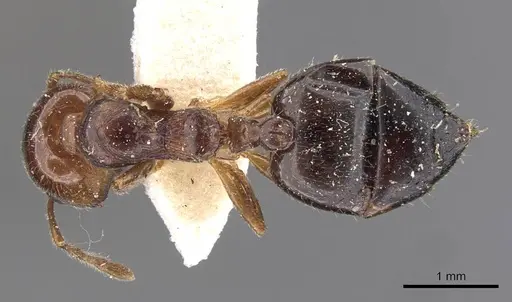
Literature
Loading...Loading products...