

Crematogaster laestrygon
- Scientific Name
- Crematogaster laestrygon
- Tribe
- Crematogastrini
- Subfamily
- Myrmicinae
- Author
- Emery, 1869
- Distribution
- Found in 7 countries
Crematogaster laestrygon Overview
Crematogaster laestrygon is an ant species of the genus Crematogaster. It is primarily documented in 7 countries , including Algeria, Spain, Italy. Detailed taxonomic data and occurrence records can be further explored via authoritative databases such as AntWeb or the Global Biodiversity Information Facility (GBIF).
Crematogaster laestrygon
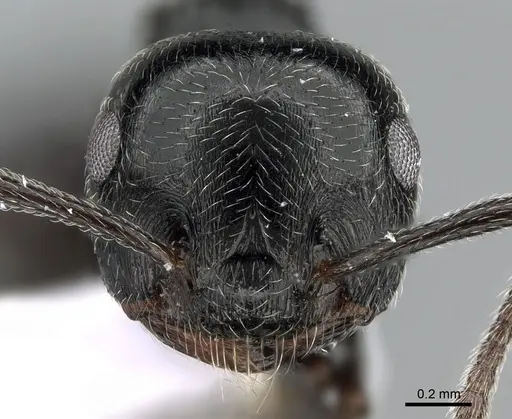
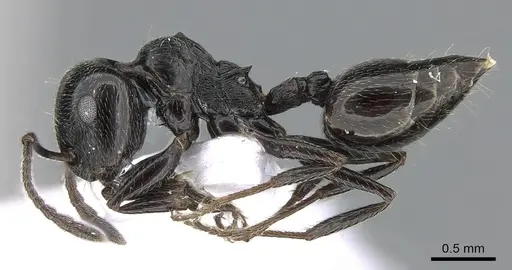
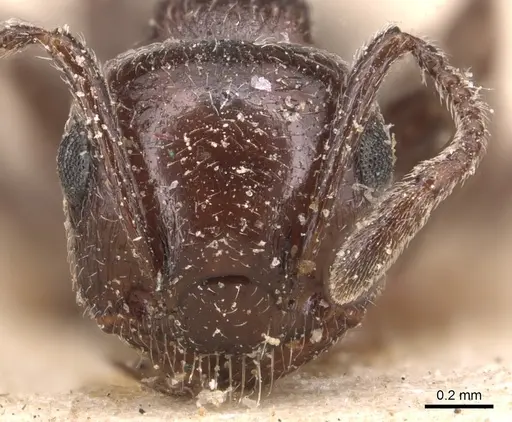
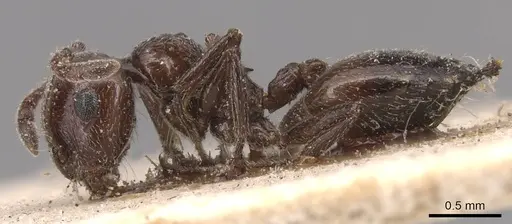
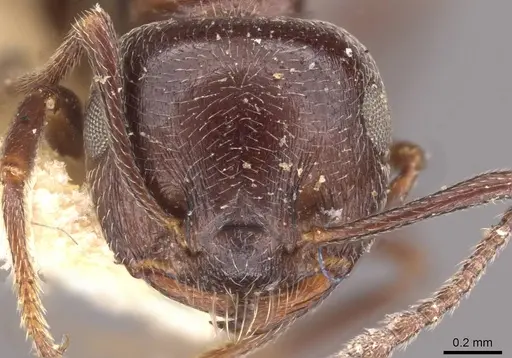
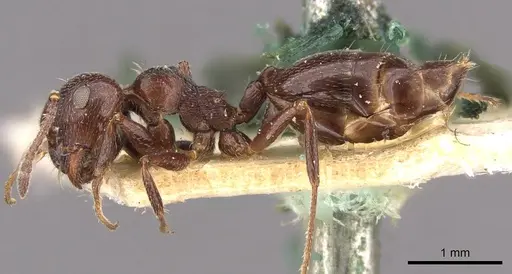
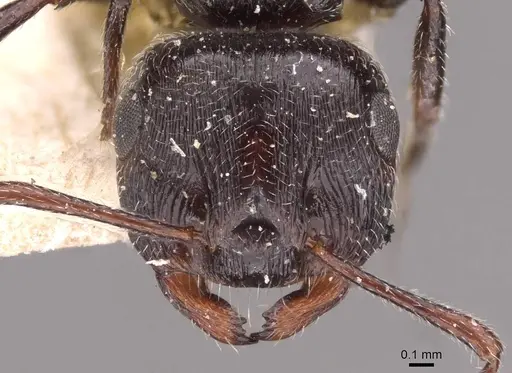
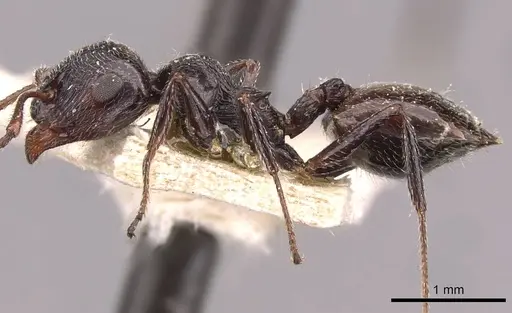
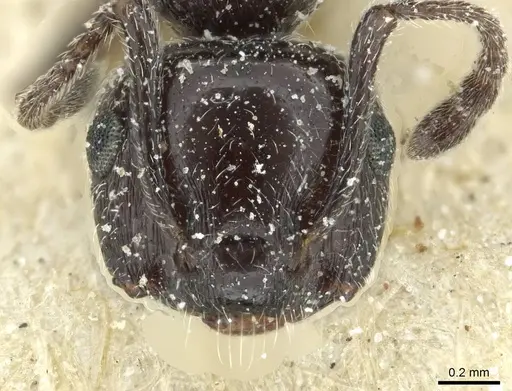
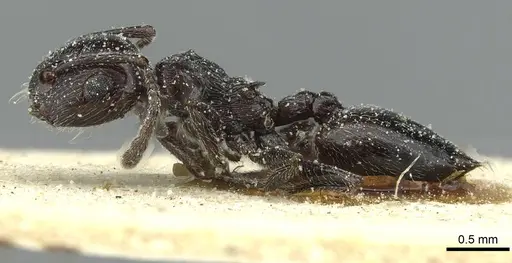
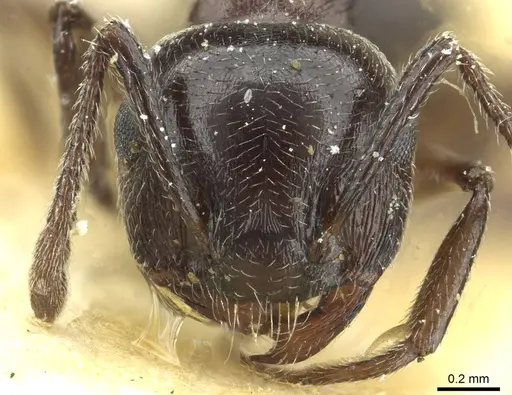
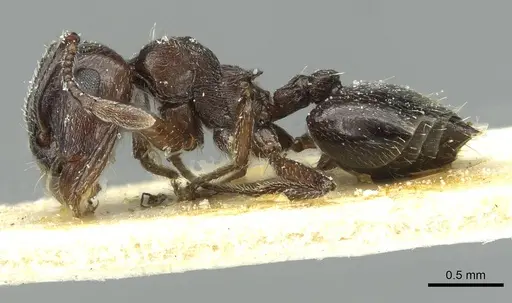
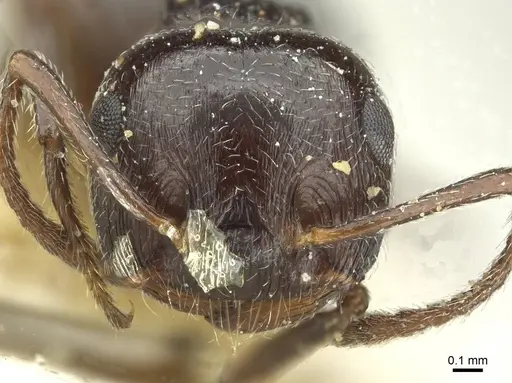
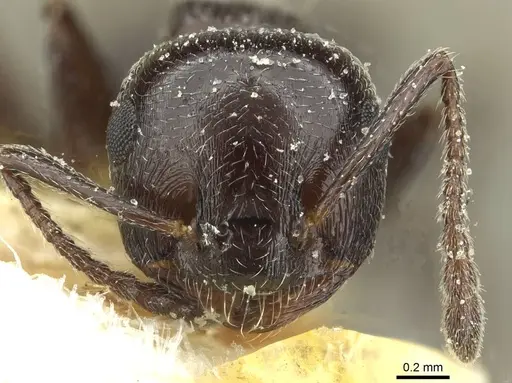
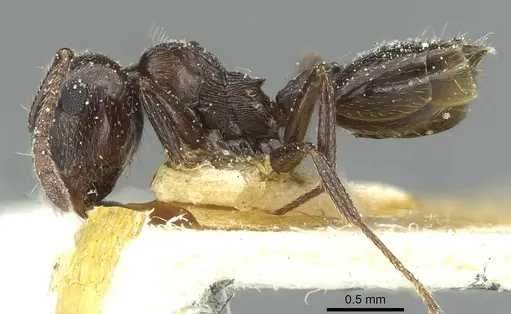
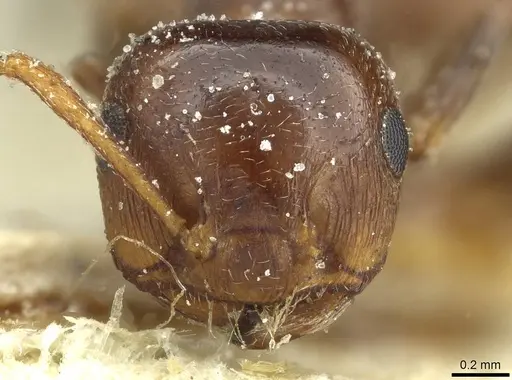
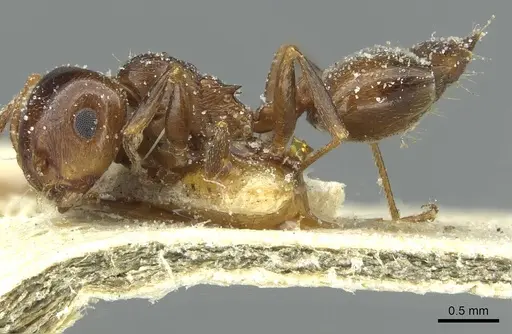
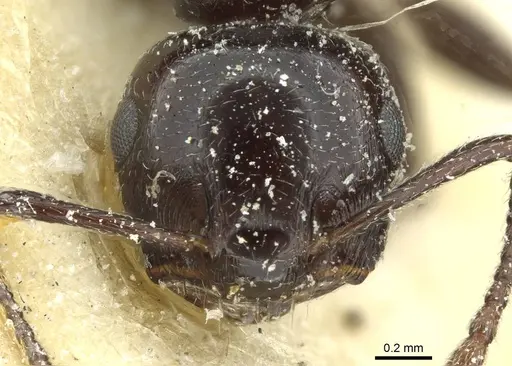
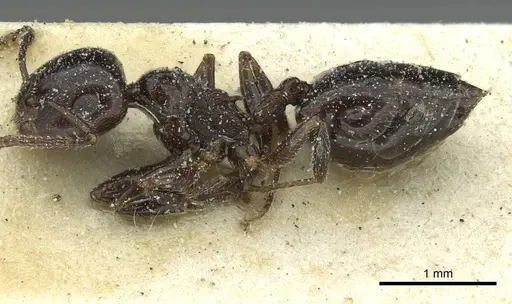
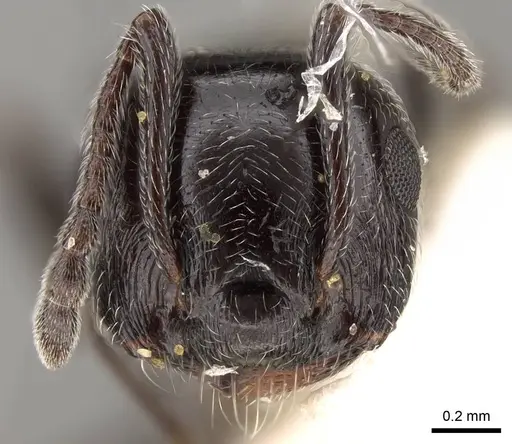
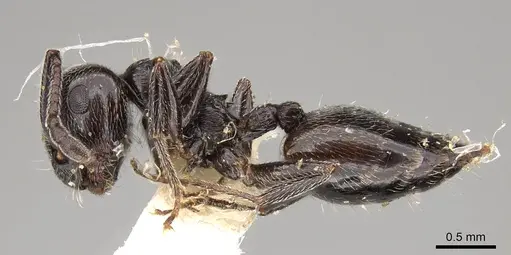
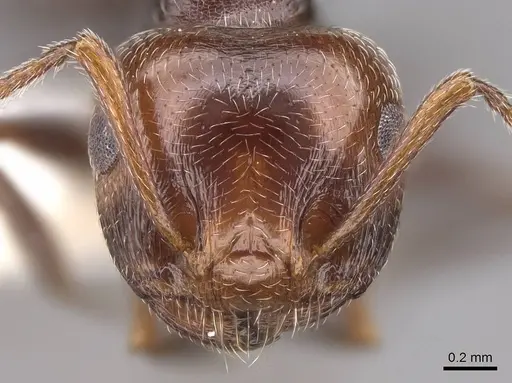
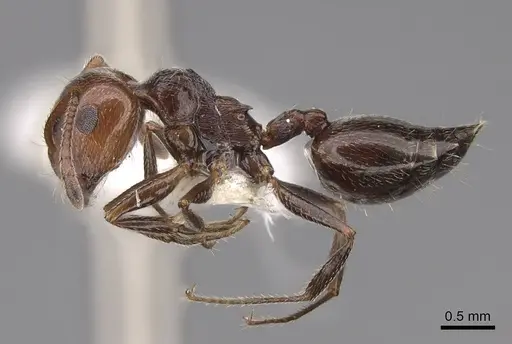
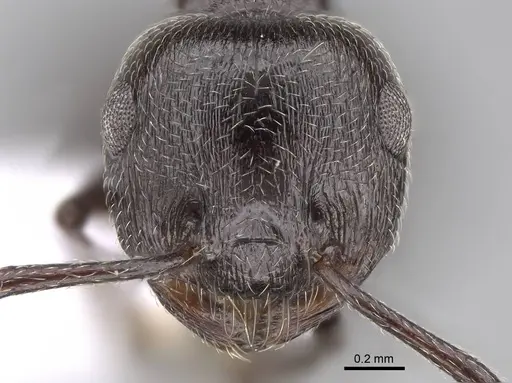
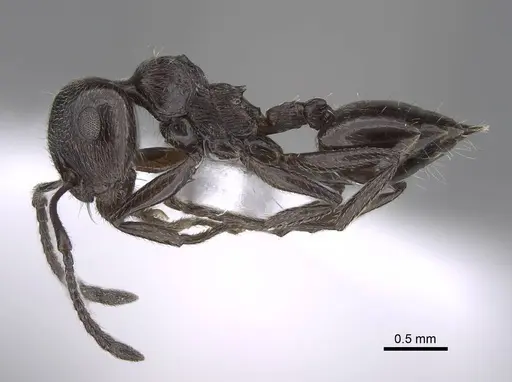
Crematogaster laestrygon is a small to medium-sized acrobat ant native to the Mediterranean region and Middle East. Workers measure 4-4.8mm with a distinctive dark brown to black coloration, though color varies from totally dark to grey with sometimes a reddish tinge. They are easily recognized by their strongly developed mesonotal keel and very short propodeal spines. This species has a complex taxonomic situation with nine described subspecies, and researchers believe it may actually be a species complex spanning southern Europe, North Africa, and the Arabian Peninsula [1][2]. The postpetiole is approximately twice as broad as long, and the promesonotum has distinct longitudinal striations [1].
Quick Summary
- Difficulty: Easy
- Origin & Habitat: Mediterranean region and Middle East, found across southern Europe (Spain, Italy, Sicily, Malta), North Africa (Morocco, Algeria, Tunisia, Libya, Egypt), Turkey, Georgia, Saudi Arabia, and Yemen. This holomediterranean species nests under stones in grazed and more or less degraded areas, typically at elevations from sea level up to 2200m in the Moroccan Atlas and even 3750m in Yemen's highest mountains [3][4][2].
- Colony Type: Colony structure is not well documented in scientific literature. Based on typical Crematogaster patterns, they likely form single-queen colonies (monogyne), though some subspecies may show flexibility. Multiple subspecies exist suggesting population-level variation in colony structure.
- Colony: Monogyne
- Founding: Claustral
- Size & Growth:
- Queen: Not specifically documented in available research, estimated 6-8mm based on genus patterns
- Worker: 4.0-4.8mm [5]
- Colony: Colony size not well documented, but Crematogaster colonies typically reach several hundred to a few thousand workers
- Growth: Moderate, based on typical Crematogaster development patterns
- Development: Estimated 6-8 weeks at optimal temperature based on genus patterns (Development time inferred from related Crematogaster species, specific data for this species is unavailable)
- Antkeeping:
- Temperature: Keep at room temperature around 20-26°C. As a Mediterranean species, they tolerate warmer conditions and can handle the typical room temperature range. A gentle gradient is beneficial but not required [4] shows elevation range 2-465m in Spain indicating adaptability.
- Humidity: Moderate humidity is suitable. In their natural habitat, they nest under stones in areas with varying moisture. Keep nest substrate lightly moist but not waterlogged. They tolerate drier conditions than many tropical ants due to their Mediterranean origin.
- Diapause: Yes, as a Mediterranean species from temperate regions, they require a winter dormancy period. Reduce temperature to around 10-15°C for 2-3 months during winter months (November-February in the Northern Hemisphere).
- Nesting: Natural nesting is under stones in grazed, often degraded areas. In captivity, they do well in test tubes for founding colonies and acrylic or Y-tong nests for established colonies. They prefer tight, enclosed spaces typical of their natural stone-nesting behavior. A small outworld area allows for foraging.
- Behavior: Crematogaster laestrygon is an active forager with typical acrobat ant behavior, workers carry their gasters raised when disturbed. They are not particularly aggressive but will defend their nest. Workers use chemical trails to recruit nestmates to food sources. They are moderate escape artists due to their small size, use standard barrier methods like fluon on smooth surfaces. They are primarily ground-nesting and forage actively on the substrate.
- Common Issues: small size means escapes are possible through tiny gaps, use fine mesh and tight-fitting lids, Mediterranean origin means they need winter dormancy, skipping hibernation can weaken colonies over time, wild-caught colonies may have parasites that affect survival in captivity, slow founding phase means beginners may lose patience, claustral queens seal themselves in and can take months before first workers appear, dry conditions can cause founding queens to abandon or die, maintain light humidity during colony founding
Nest Preferences and Housing
In the wild, Crematogaster laestrygon nests under stones in grazed, often degraded areas across the Mediterranean [3]. This preference for enclosed spaces translates well to captive care. For founding colonies, a simple test tube setup works well, the queen seals herself in a chamber and needs only a small water reservoir. As the colony grows, transfer to an acrylic nest or Y-tong formicarium. These ants prefer tight chambers rather than open spaces, mimicking the stone-cover they naturally seek. The nest should have some substrate moisture but avoid waterlogging, a slightly damp cotton ball at the far end of the test tube is sufficient. For the outworld, a small container with smooth walls allows them to forage. Standard escape prevention with fluon on rim edges works well, though their small size means checking for tiny gaps is important.
Feeding and Diet
Crematogaster laestrygon is an omnivorous forager typical of the genus. They readily accept sugar sources including honey water and sugar water (1:4 ratio), and protein sources like small insects (fruit flies, small crickets, mealworms). In their natural habitat in Algeria, they were most active during the development stage of alfa grass leaves, suggesting they may tend aphids and collect honeydew. In captivity, offer a constant sugar source (honey water or sugar water) and protein prey 2-3 times per week. Remove uneaten prey after 24 hours to prevent mold. They are not specialized predators, so a varied diet of sugars and protein works well. Some keepers report they prefer liquid sugars, so offering honey water in a small container works better than solid honey.
Temperature and Seasonal Care
As a Mediterranean species with a broad range from sea level to high elevations (up to 3750m in Yemen), Crematogaster laestrygon is adaptable to temperature but requires a winter dormancy period. Keep them at room temperature (20-26°C) during the active season, this range covers their natural conditions from lowland Spain to high-altitude Yemen. They can tolerate warmer conditions without issue. During winter (roughly November to February in the Northern Hemisphere), reduce temperature to 10-15°C to simulate hibernation. This dormancy is important for colony health and should not be skipped. A simple way to achieve this is moving the colony to a cooler area like an unheated garage or basement during winter months. Do not feed during hibernation but maintain light moisture in the nest. [4]
Behavior and Temperament
Crematogaster laestrygon displays typical acrobat ant behavior, when disturbed, workers raise their gasters as a defensive display, though they lack a painful sting. They are active foragers and will establish chemical trails to food sources, recruiting nestmates efficiently. They are not particularly aggressive toward keepers but will defend their nest vigorously if threatened. Workers are small (4-4.8mm) but active and visible in the outworld. They adapt well to captivity and can be kept in relatively small setups even as colonies grow. Their small size means they can squeeze through tiny gaps, inspect all connections and use fine mesh on any ventilation. They are diurnal foragers, most active during daylight hours in their natural habitat. [5]
Frequently Asked Questions
Can I keep Crematogaster laestrygon in a test tube?
Yes, test tubes work well for founding colonies. Queen will seal herself in the chamber and needs only a water reservoir. Keep it in a dark, quiet location and do not disturb for several weeks. Once workers emerge and colony reaches 20-30 workers, you can move to a formicarium.
How long until first workers appear?
Expect 6-8 weeks from egg to first worker at room temperature (around 22-25°C). This is based on typical Crematogaster development patterns since specific data for this species is unavailable. The founding queen seals herself in and may take 2-3 weeks just to lay eggs.
Do Crematogaster laestrygon ants sting?
Crematogaster ants have a stinger but it is small and not particularly effective against humans. They may bite if handled roughly, but they are not considered dangerous. Their main defense is raising the gaster and excreting formic acid.
What do Crematogaster laestrygon eat?
They are omnivorous, offer a constant sugar source (honey water or sugar water) and protein prey like fruit flies, small crickets, or mealworms 2-3 times per week. They likely also collect honeydew in captivity if aphids are available.
Do they need hibernation?
Yes, as a Mediterranean species they require a winter dormancy period. Reduce temperature to 10-15°C for 2-3 months during winter. This is important for colony health and mimics their natural seasonal cycle.
Are Crematogaster laestrygon good for beginners?
Yes, they are considered easy to keep. They are adaptable to room temperature, not overly demanding in humidity, and accept a wide variety of foods. The main requirements are providing hibernation in winter and ensuring good escape prevention due to their small size.
When should I move them to a formicarium?
Move from test tube to formicarium when the colony reaches 20-40 workers and you see them actively foraging in the test tube. An acrylic nest or Y-tong works well. They prefer tight chambers, so avoid large open spaces.
How big do colonies get?
Colony size is not specifically documented, but Crematogaster species typically reach several hundred to a few thousand workers. Given their Mediterranean distribution and multiple subspecies, expect moderate growth over 1-3 years.
Can I keep multiple queens together?
Not recommended. While colony structure is not well studied, combining unrelated queens of this species has not been documented. Keep one queen per colony for best success.
Why are my ants dying during hibernation?
This is often caused by keeping them too wet during dormancy or disturbing the colony. During hibernation, keep them slightly moist but not damp, and minimize vibrations and light. Also ensure temperature stays consistently cool (10-15°C) without freezing.
References

This caresheet is licensed under CC BY-SA 4.0 .
CASENT0281538
View on AntWeb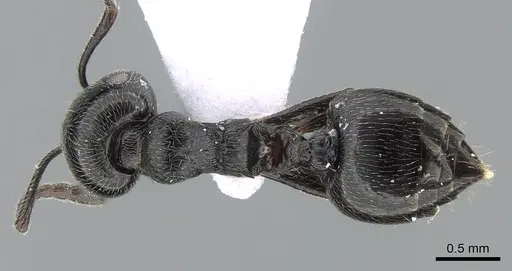
CASENT0904500
View on AntWeb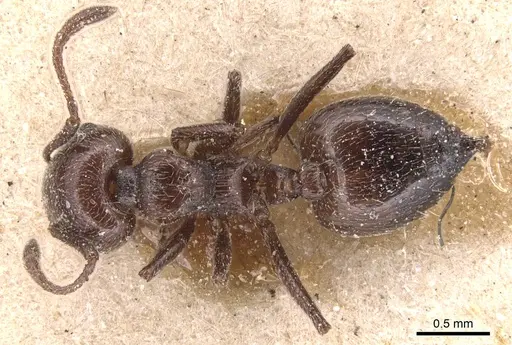
CASENT0908477
View on AntWeb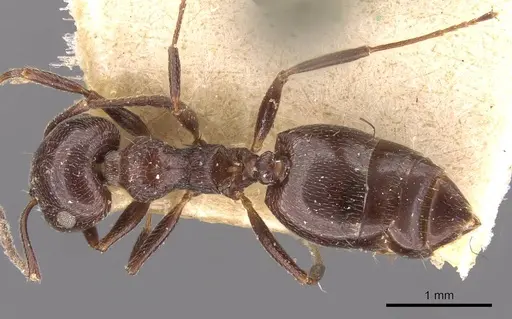
CASENT0908478
View on AntWeb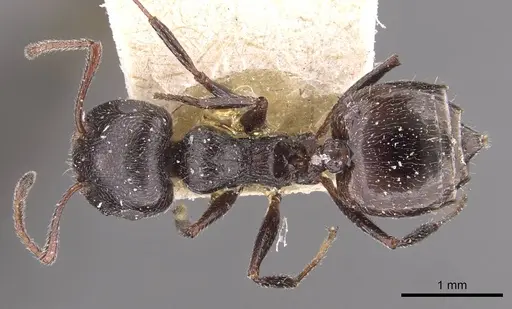
CASENT0912690
View on AntWeb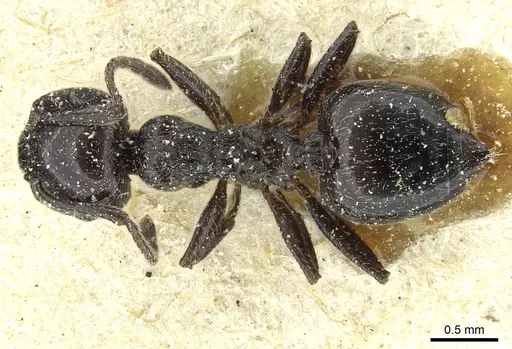
CASENT0912691
View on AntWeb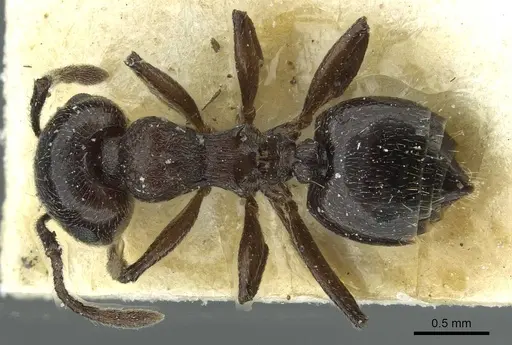
CASENT0912692
View on AntWeb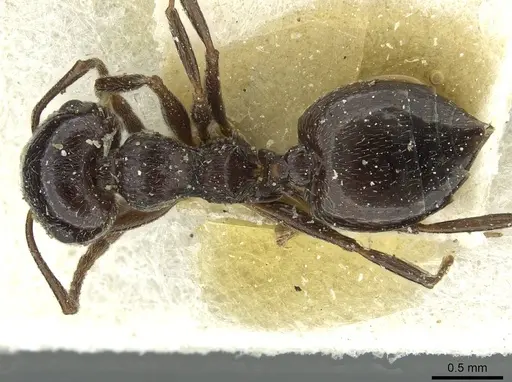
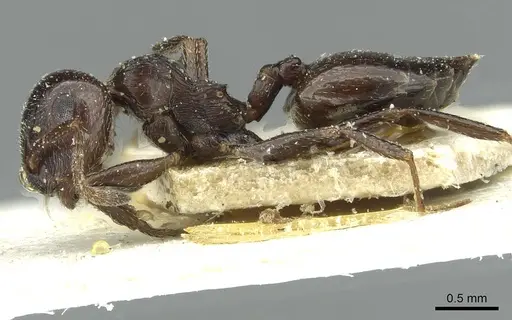
CASENT0912693
View on AntWeb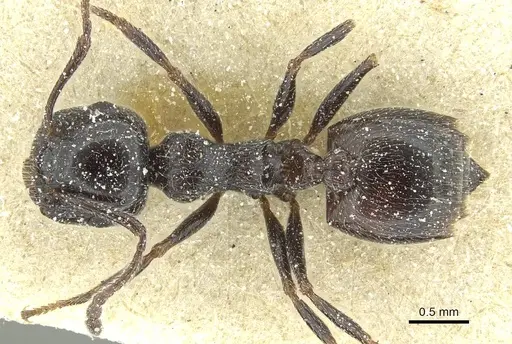
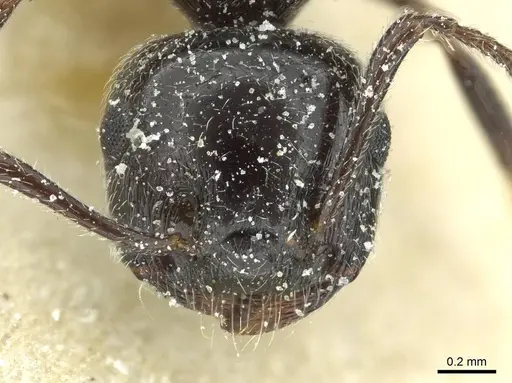
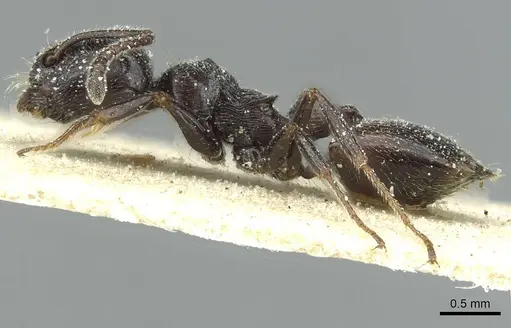
CASENT0912694
View on AntWeb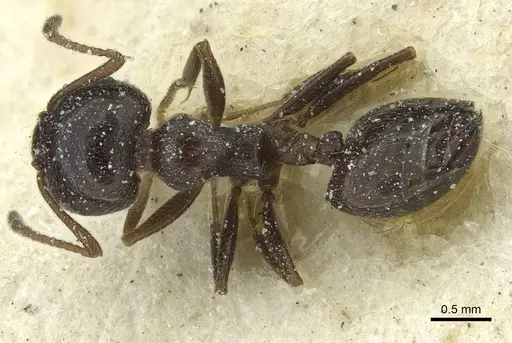
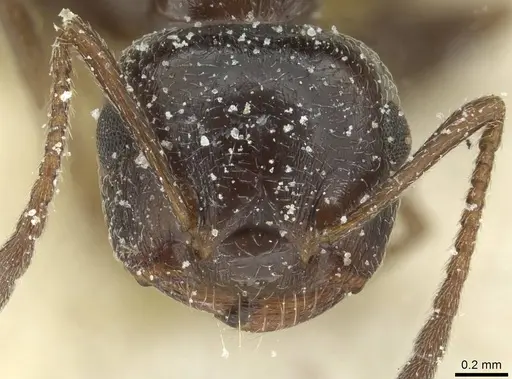
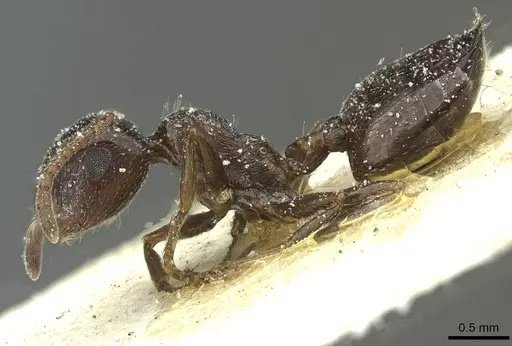
CASENT0912695
View on AntWeb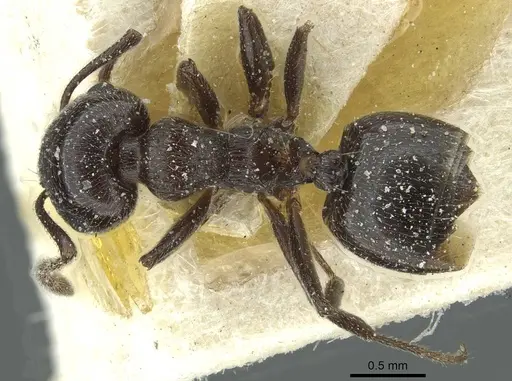
CASENT0912696
View on AntWeb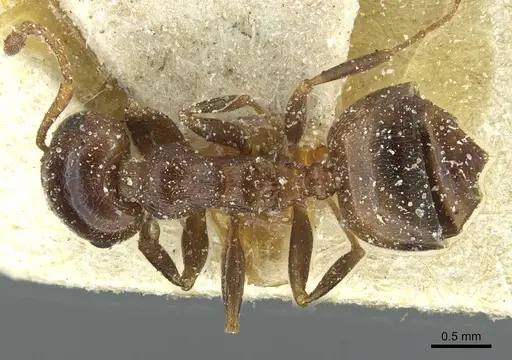
CASENT0912697
View on AntWeb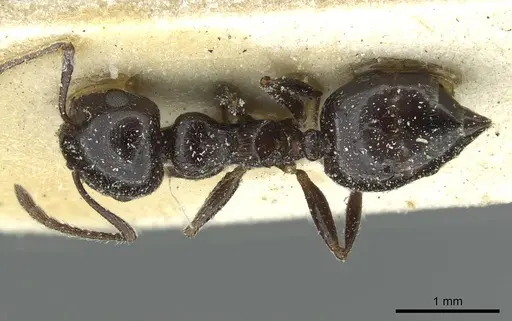
CASENT0914148
View on AntWeb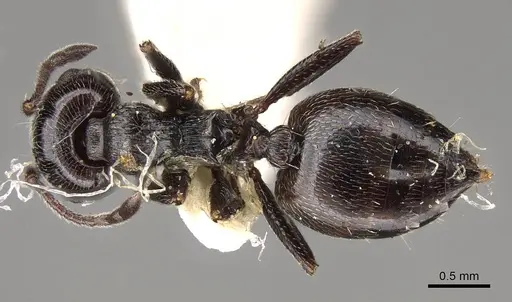
CASENT0922680
View on AntWeb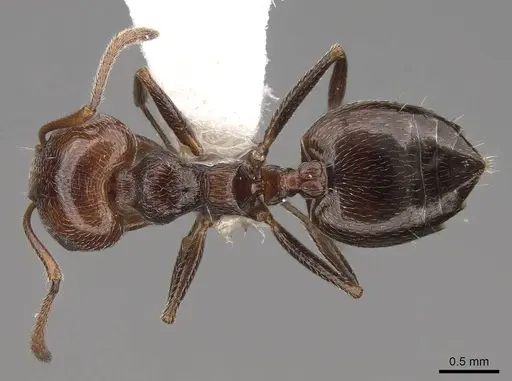
CASENT0922691
View on AntWeb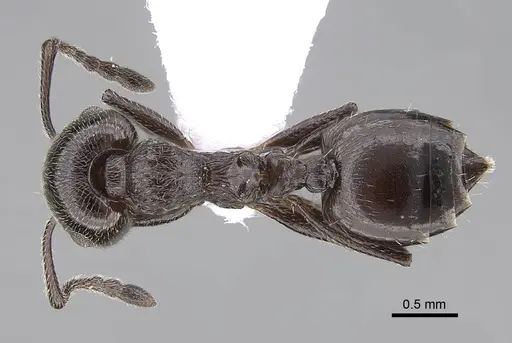
Literature
Loading...Loading products...