

Crematogaster irritabilis
- Scientific Name
- Crematogaster irritabilis
- Tribe
- Crematogastrini
- Subfamily
- Myrmicinae
- Author
- Smith, 1860
- Distribution
- Found in 1 countries
Crematogaster irritabilis Overview
Crematogaster irritabilis is an ant species of the genus Crematogaster. It is primarily documented in 1 countries , including Papua New Guinea. Detailed taxonomic data and occurrence records can be further explored via authoritative databases such as AntWeb or the Global Biodiversity Information Facility (GBIF).
Crematogaster irritabilis
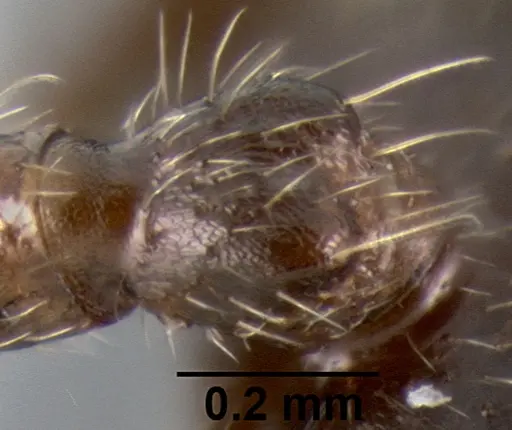
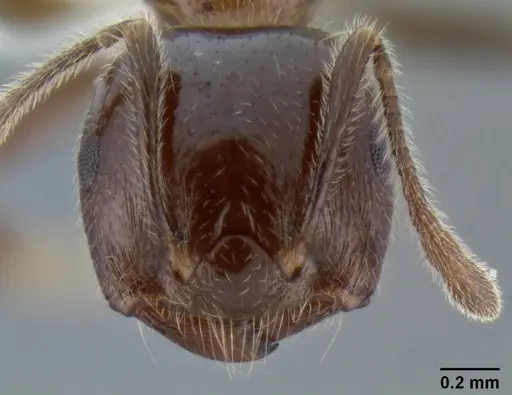
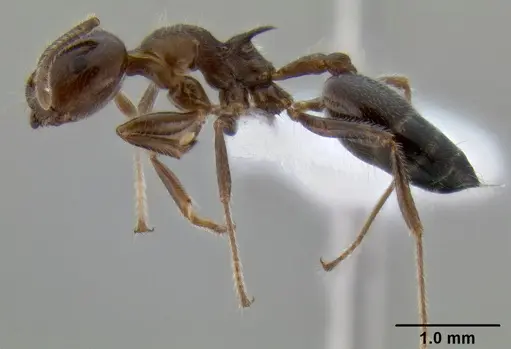
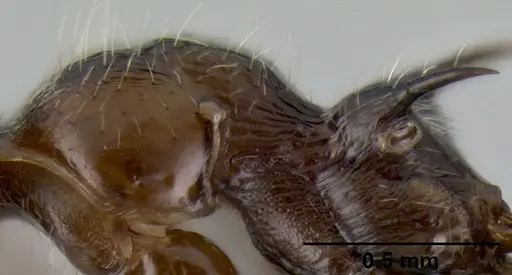
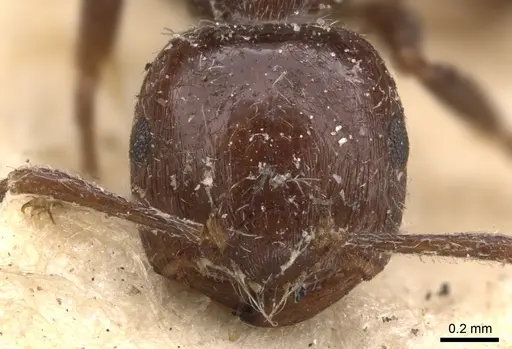
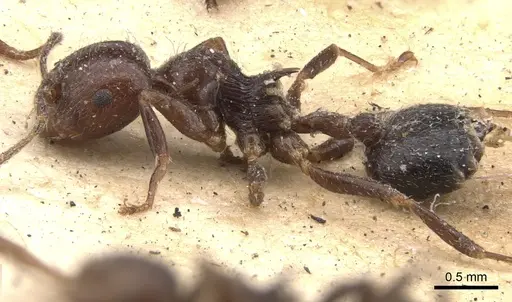
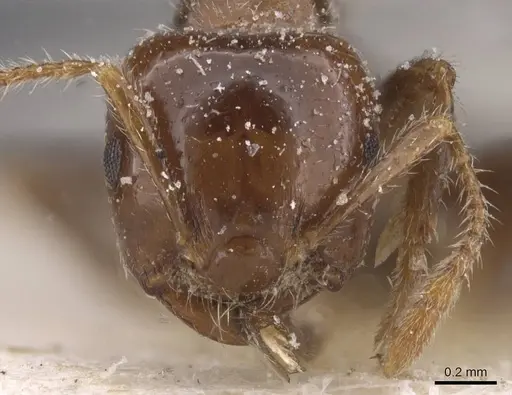
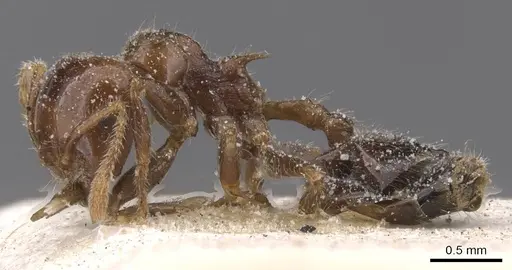
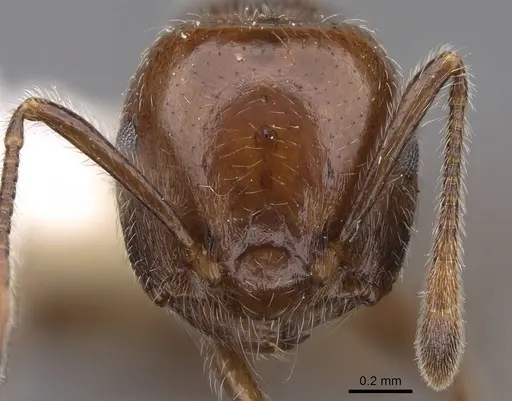
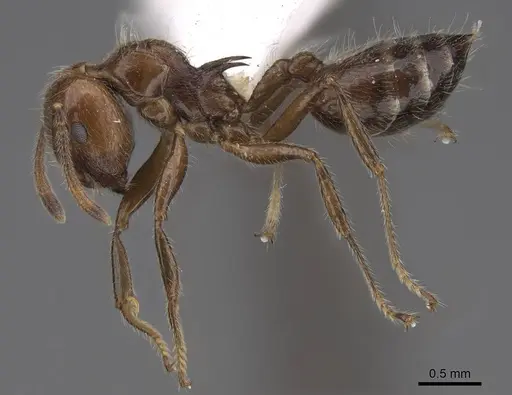
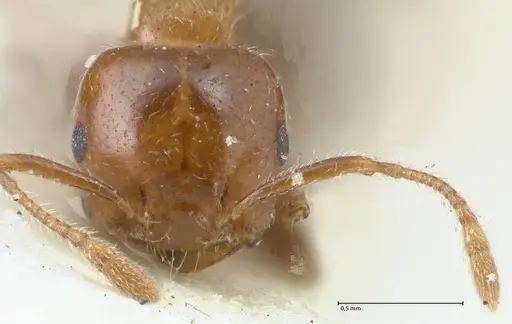
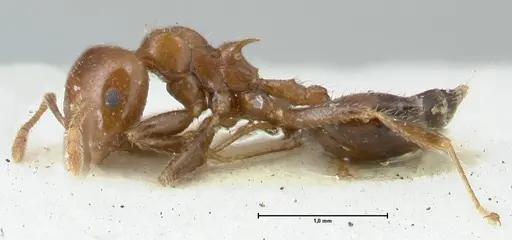
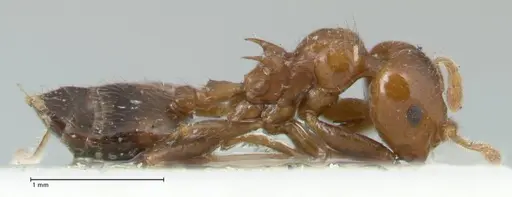
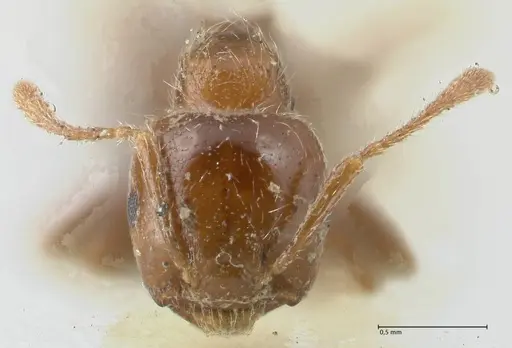
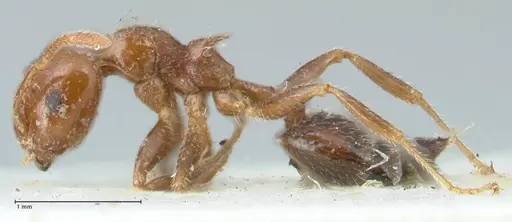
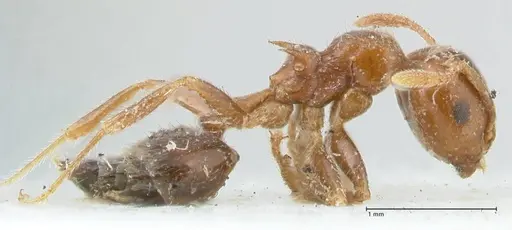
Crematogaster irritabilis is a small ant species native to New Guinea, belonging to the Crematogaster irritabilis group within the Orthocrema subgenus [1]. Workers measure approximately 4.2mm and have a distinctive appearance with chestnut-red head, thorax, and legs, while the abdomen is black, heart-shaped, and curves upward at the tip, giving them their 'acrobat' common name [1]. The species has two stout spines on the metathorax and features a unique two-node petiole structure with the first node being petiolated and grooved, and the second node subglobose [1].
This species plays an important ecological role as a predator, documented to reduce termite abundance by up to 50% in areas where it forages [2]. Like other Crematogaster species, they are arboreal nesters and can deliver a sting when threatened. The species is part of the Australasian Crematogaster clade distributed throughout New Guinea [3].
Quick Summary
- Difficulty: Medium
- Origin & Habitat: Native to New Guinea (Indonesia: Irian Jaya) in the Australasian region [1][3]. In the wild, they are arboreal nesters, typically colonizing trees, hollow branches, and sometimes human structures in tropical lowland forests.
- Colony Type: Monogyne (single-queen colonies), typical for the genus. Queens establish nests in arboreal cavities.
- Colony: Monogyne
- Founding: Claustral
- Size & Growth:
- Queen: Estimated 6-8mm based on genus patterns (no direct species measurement)
- Worker: Approximately 4.2mm (2 lines) [1]
- Colony: Estimated several hundred workers based on typical Crematogaster colony sizes
- Growth: Moderate
- Development: Estimated 6-8 weeks at optimal tropical temperatures (25-28°C) based on genus-level data for Crematogaster (Development time is inferred from related tropical Crematogaster species. Warmer temperatures within the safe range accelerate development.)
- Antkeeping:
- Temperature: Keep at 24-28°C. As a tropical species from New Guinea, they need warm conditions. A heating cable on one side of the nest creates a temperature gradient allowing workers to self-regulate [1].
- Humidity: High humidity (70-80%). These are tropical arboreal ants that prefer damp conditions. Keep the nest substrate consistently moist but not waterlogged. Misting the outworld regularly helps maintain humidity.
- Diapause: No, this is a tropical species that does not require hibernation. Maintain warm temperatures year-round.
- Nesting: Arboreal setup works best. Use a Y-tong (AAC) nest, plaster nest, or a naturalistic setup with cork bark or wooden branches. They prefer tight, enclosed spaces that mimic tree hollows. Avoid dry, open setups.
- Behavior: Active foragers with a strong predatory drive on termites and small insects. They are defensive and will raise their abdomens in an acrobatic threat display when disturbed. Workers are aggressive when defending the colony and can deliver stings. Escape risk is moderate, they are small but not as tiny as some species. Use standard barrier methods like Fluon on test tube setups.
- Common Issues: tropical species may struggle in cool rooms below 24°C, monitor temperature closely, arboreal nature means they need vertical space and climbing structures in the outworld, predatory feeding requirements mean they need regular live prey, not suitable if you want hands-off feeding, colonies may be slow to establish initially, patience is needed during founding phase, high humidity requirements can lead to mold if ventilation is poor
Housing and Nest Setup
Crematogaster irritabilis is an arboreal species, so your setup should reflect their natural nesting preferences. A Y-tong (AAC) nest or plaster nest works well, both provide the dark, enclosed chambers these ants prefer. The chambers should be appropriately sized for their worker size of about 4mm. In the outworld, include climbing structures like branches, cork bark, or artificial vines since they naturally forage in trees and shrubs. A test tube setup works for founding colonies, but be prepared to move them to a more elaborate setup as the colony grows. Ensure the nest has access to moisture, a water tube or moist substrate in the nest chamber helps maintain the high humidity they need. [1]
Feeding and Diet
This species is a confirmed predator with a strong impact on termite populations, research shows they can reduce termite abundance by up to 50% [2]. In captivity, offer small live prey regularly: fruit flies, pinhead crickets, small mealworms, and especially termites if available. They also accept sugar sources like honey water or sugar water, which should be provided at least twice weekly. Protein is essential for brood development, feed small insects 2-3 times per week. Remove uneaten prey after 24 hours to prevent mold. The predatory nature means this species is not ideal if you prefer low-maintenance feeding schedules.
Temperature and Humidity
As a tropical species from New Guinea, Crematogaster irritabilis needs warm, humid conditions. Maintain temperatures between 24-28°C, this range supports normal activity and brood development. A heating cable placed on one end of the nest creates a gradient that lets workers choose their preferred temperature. Avoid temperatures below 22°C as this can slow metabolism and brood development. Humidity should stay around 70-80%. Keep the nest substrate consistently moist but not flooded. Mist the outworld regularly and consider a water tube in the nest setup. Good ventilation is important to prevent mold while maintaining humidity. [1][3]
Behavior and Defense
Crematogaster ants are named 'acrobat ants' for their distinctive defensive display, when threatened, workers raise their abdomen over their head in an acrobatic pose [1]. This species will sting if provoked, so handle with care. They are active foragers with a strong predatory instinct, actively hunting termites and small insects in the wild. Workers are moderately aggressive in defending their nest. In the outworld, they are active and will explore extensively. They are not extreme escape artists, but standard barrier methods like Fluon on test tube rims are recommended. Their small size (4.2mm workers) means they can slip through small gaps, so check your setup regularly.
Colony Development
Colonies start with a claustral founding, the queen seals herself in a chamber and lives off stored fat reserves until her first workers (nanitics) emerge [1]. This founding phase typically takes 4-6 weeks under optimal conditions. After the first workers arrive, the colony grows gradually. Expect moderate growth rates, full maturity to several hundred workers may take 1-2 years. The queen is relatively long-lived, and colonies can persist for several years with proper care. Unlike some tropical species that reproduce quickly, this ant focuses on sustainable colony growth. Regular feeding and stable warm conditions are key to supporting healthy brood development.
Seasonal Care
This tropical species does not require hibernation or diapause. Maintain consistent warm temperatures (24-28°C) year-round. Seasonal changes in the wild are minimal in New Guinea's tropical climate, so your colony should be kept stable regardless of the season. In winter, ensure your heating setup maintains appropriate temperatures, room temperature may be insufficient. Continue regular feeding throughout the year. The main seasonal consideration is that cooler months may require additional heating to maintain optimal temperatures. [3]
Frequently Asked Questions
How long does it take for Crematogaster irritabilis to have first workers?
Expect first workers (nanitics) to emerge 4-6 weeks after the queen lays her first eggs, assuming optimal temperatures of 25-28°C. This is based on typical claustral founding behavior for the genus.
What do Crematogaster irritabilis ants eat?
They are predatory ants that need live prey like fruit flies, small crickets, and especially termites. They also accept sugar sources like honey water. Feed protein prey 2-3 times weekly and provide sugar water constantly.
Do Crematogaster irritabilis ants sting?
Yes, they can sting when threatened. While not dangerously venomous, the sting can cause mild irritation. They get their 'acrobat ant' name from their defensive display where they raise their abdomen over their head.
What temperature do Crematogaster irritabilis need?
Keep them warm at 24-28°C. As a tropical New Guinea species, they need consistent warmth. A heating cable on part of the nest creates a gradient they can regulate themselves.
Are Crematogaster irritabilis good for beginners?
This is a medium-difficulty species. They require warm, humid conditions and regular feeding of live prey, which makes them less ideal for complete beginners. However, they are not as demanding as some exotic species. Experience with tropical ants is helpful.
How big do Crematogaster irritabilis colonies get?
Based on typical Crematogaster colony sizes, expect several hundred workers at maturity. The colony grows gradually over 1-2 years with proper care.
Can I keep Crematogaster irritabilis in a test tube setup?
Test tubes work for founding colonies, but arboreal ants like this species prefer enclosed nests. Move to a Y-tong or plaster nest as the colony grows to provide appropriate humidity and space.
Do Crematogaster irritabilis need hibernation?
No, this is a tropical species from New Guinea and does not require hibernation. Keep them warm year-round at 24-28°C.
What size are Crematogaster irritabilis workers?
Workers are approximately 4.2mm (2 lines) in length [1]. They are small but not tiny ants.
Where is Crematogaster irritabilis native to?
This species is native to New Guinea, specifically Irian Jaya in Indonesia [1]. It belongs to the Australasian Crematogaster clade.
Why are they called acrobat ants?
Crematogaster ants are called 'acrobat ants' because of their unique defensive behavior, when threatened, they raise their abdomen over their head in an acrobatic pose, ready to sting [1].
What humidity level do Crematogaster irritabilis need?
High humidity around 70-80% is needed. These are tropical arboreal ants that prefer damp conditions. Keep the nest substrate consistently moist but not waterlogged.
References

This caresheet is licensed under CC BY-SA 4.0 .
CASENT0171215
View on AntWeb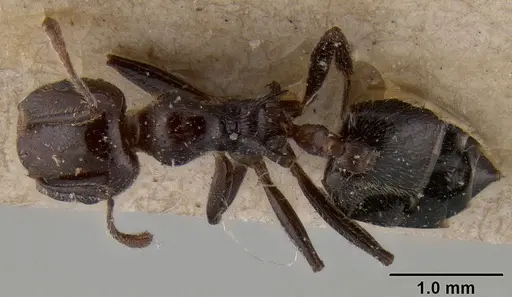
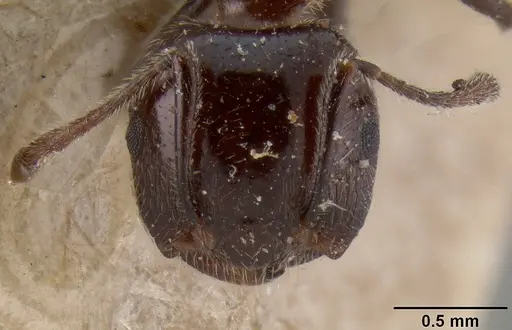
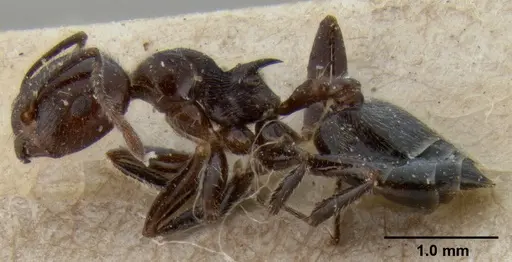
CASENT0193598
View on AntWeb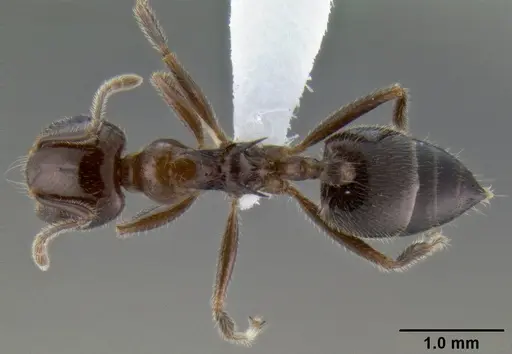
CASENT0901444
View on AntWeb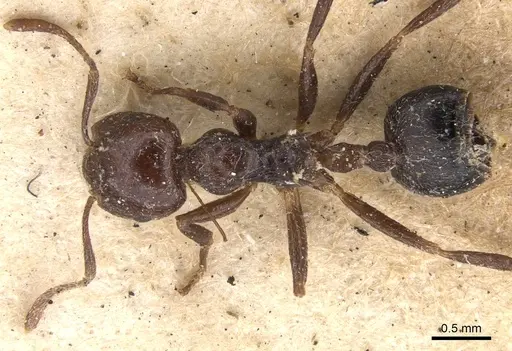
CASENT0912772
View on AntWeb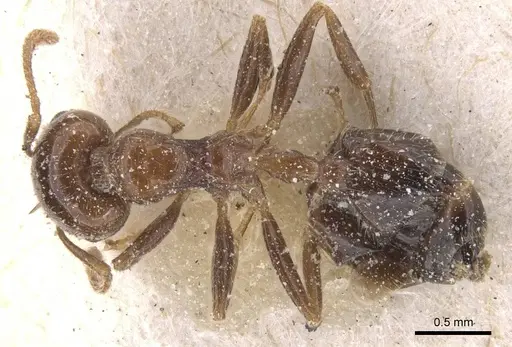
CASENT0922666
View on AntWeb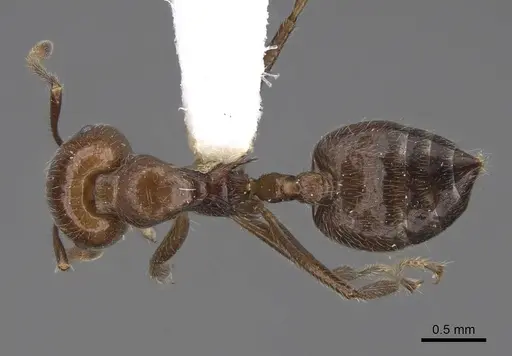
FOCOL1638
View on AntWeb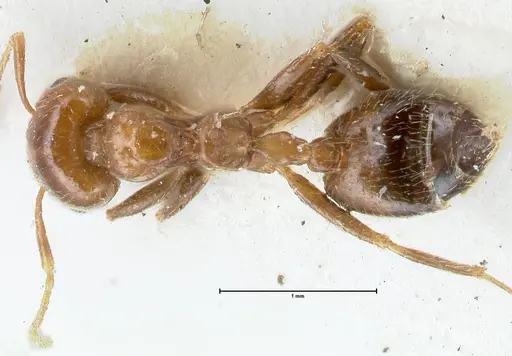
FOCOL1639
View on AntWeb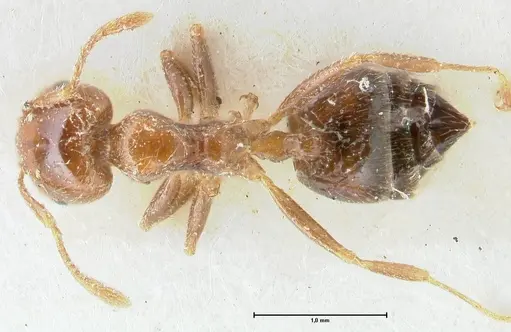
Literature
Loading...Loading products...