

Crematogaster inermis
- Scientific Name
- Crematogaster inermis
- Tribe
- Crematogastrini
- Subfamily
- Myrmicinae
- Author
- Mayr, 1862
- Distribution
- Found in 4 countries
Crematogaster inermis Overview
Crematogaster inermis is an ant species of the genus Crematogaster. It is primarily documented in 4 countries , including Cyprus, Egypt, Iran. Detailed taxonomic data and occurrence records can be further explored via authoritative databases such as AntWeb or the Global Biodiversity Information Facility (GBIF).
Crematogaster inermis
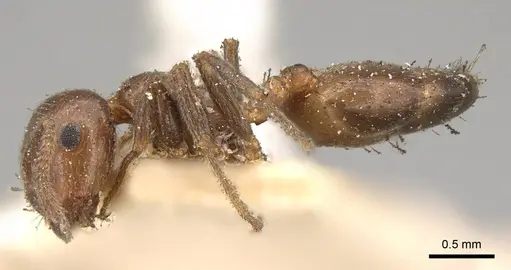
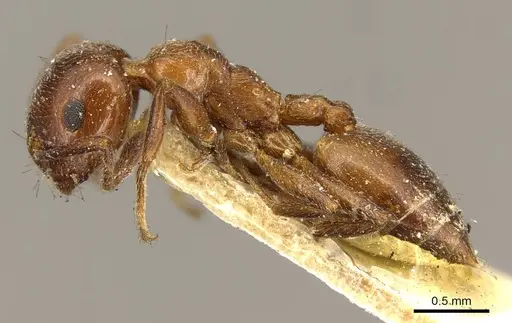
Crematogaster inermis is a small to medium-sized ant native to the Mediterranean region and Middle East. Workers measure 2-3mm and are typically uniform yellow-brown to deep brown or black in color. The species gets its scientific name 'inermis' (meaning 'unarmed') from its most distinctive feature, completely absent propodeal spines, which is unusual for Crematogaster ants. This trait alone helps separate it from most other acrobat ants. The species shows remarkable polymorphism: smaller workers have short triangular propodeal spines, while larger workers lack spines entirely with a rounded propodeum [1]. Colonies are found across North Africa, the Middle East, and have recently been documented nesting in trees in Spain, the first established outdoor population in continental Europe [1].
What makes C. inermis particularly interesting is its close relationship with aphids. This ant tends nine different aphid species in the wild, feeding on the honeydew these aphids produce [2]. It also shows unusual thermal tolerance, being active in the Negev Desert across a wide temperature range from 11°C to 28°C, with a remarkable upper limit of 45°C in laboratory conditions [1]. The species is behaviorally dominant and territorial, actively defending its foraging areas [1].
Quick Summary
- Difficulty: Medium
- Origin & Habitat: Native to Egypt (Sinai Peninsula type locality), now found across North Africa, the Middle East, and recently established in Spain. Inhabits dry to arid regions including desert edges, oases, and urban parks. Nests in trees (fruit trees, Tamarix, Robinia pseudoacacia) but may also nest underground [3][1].
- Colony Type: Colony structure is not well documented in scientific literature. Workers show significant size polymorphism, with larger colonies producing larger workers that lack propodeal spines entirely. Likely monogyne (single queen) based on typical Crematogaster patterns, but this requires confirmation.
- Founding: Claustral
- Size & Growth:
- Queen: Approximately 5-6mm (estimated from genus patterns)
- Worker: 2-3mm with polymorphism, smaller workers 2mm, larger workers up to 3mm [1]
- Colony: Likely several hundred workers based on typical Crematogaster colony sizes
- Growth: Moderate, estimated 6-10 weeks from egg to first worker at optimal temperature
- Development: 6-10 weeks (estimated based on typical Crematogaster development) (Development time is estimated from genus patterns since specific data for this species is not available. Higher temperatures within their range may accelerate development.)
- Antkeeping:
- Temperature: Keep nest area at 22-26°C. This species tolerates a wide range from 11°C to 28°C in the wild, with laboratory tests showing survival up to 45°C [1]. Room temperature is typically suitable, but a gentle heat gradient allows them to self-regulate. Avoid temperatures above 30°C for extended periods unless providing good hydration.
- Humidity: Moderate humidity around 50-60%. Unlike many tropical ants, this species naturally inhabits drier regions. Keep the nest substrate slightly moist but allow portions to dry between waterings. Provide a water tube for drinking access.
- Diapause: Yes, this species is native to temperate Mediterranean and arid Middle Eastern climates with distinct seasons. Provide a winter rest period of 8-12 weeks at 10-15°C during winter months. Reduce feeding and keep them slightly cooler during this period.
- Nesting: Tree-nesting species, in captivity they do well in Y-tong (AAC) nests, plaster nests, or naturalistic setups with wood pieces. They prefer narrow chambers and will readily adopt test tube setups. Because they naturally nest in trees, they appreciate vertical space and climbing opportunities. Avoid overly damp conditions that could cause wood decay.
- Behavior: Crematogaster inermis is a behaviorally dominant species with strong territorial aggression, they actively defend their foraging areas against other ants [1]. Workers are medium-active and will readily forage for food both day and night, reflecting their desert adaptation. They are not particularly aggressive toward keepers and rarely sting, though they may bite if threatened. Their small size (2-3mm) means escape prevention should be moderate, they can squeeze through small gaps but are not as tiny as some Myrmicinae. When disturbed, they raise their abdomen in a defensive display (typical acrobat ant behavior). They form well-organized foraging trails and are efficient at locating and exploiting food sources, including aphid colonies.
- Common Issues: colonies may fail if kept too wet, this is a dry-region species that prefers conditions drier than typical tropical ants, their dominant territorial behavior means they may attack and kill other ant species if colonies are kept near each other, polymorphic workers with varying spine development may confuse keepers about identification, larger workers lack spines entirely, test tube setups work but ensure good ventilation to prevent mold in their preferred drier conditions, winter diapause is important, skipping hibernation may weaken colonies over time
Housing and Nest Setup
Crematogaster inermis does well in various captive setups. Y-tong (acrylic) nests work excellently, the smooth walls mimic their natural tree-nesting preferences. Plaster nests are also suitable, especially if you add some cork or wood pieces for them to explore. Test tube setups can work but monitor humidity carefully since this species prefers drier conditions than many tropical ants.
Because they naturally nest in trees, they appreciate vertical space and climbing opportunities in their outworld. Provide branches, cork, or other structures they can walk on. This also helps them feel secure. The outworld should have good ventilation to prevent stale air, but avoid excessive airflow that dries them out too quickly.
Escape prevention should be moderate, at 2-3mm they are not the smallest ants, but they are agile and will explore gaps. Standard fluon barriers on smooth surfaces work well. They are not known for persistent escape attempts like some Camponotus species. [1][3]
Feeding and Diet
In the wild, Crematogaster inermis feeds on honeydew from tended aphids, tree sap, scavenging insect corpses, and small living prey [1]. In captivity, replicate this varied diet.
Protein is essential, offer small insects like fruit flies, pinhead crickets, or mealworms. Feed protein 2-3 times per week, adjusting based on colony size. Remove uneaten prey after 24-48 hours to prevent mold.
For sugar sources, offer diluted honey water or sugar water. They accept these readily, reflecting their honeydew-feeding habits in the wild. Provide a constant sugar water source, replacing every few days.
They are not particularly aggressive hunters but will take small live prey. The aphid association is key, if you keep them near aphid-infested plants (outdoor setups), they will tend those aphids and derive significant nutrition from honeydew.
Temperature and Seasonal Care
This species demonstrates remarkable thermal flexibility. In the Negev Desert, they are active between 11°C and 28°C, and laboratory tests show they can survive up to 45°C briefly [1]. For captive care, aim for 22-26°C as an ideal range.
Room temperature is often suitable for this species. If your room runs cooler, a small heating cable on one side of the nest creates a gradient they can use to regulate their temperature. Place heating on top of the nest, not underneath, to avoid drying out the nest too quickly.
Winter care requires a diapause period. Reduce temperatures to 10-15°C for 8-12 weeks during winter. This mimics their natural seasonal cycle and helps maintain colony health. During diapause, reduce feeding significantly, they will be less active and require less nutrition. Do not feed during the deepest part of winter rest.
Behavior and Colony Dynamics
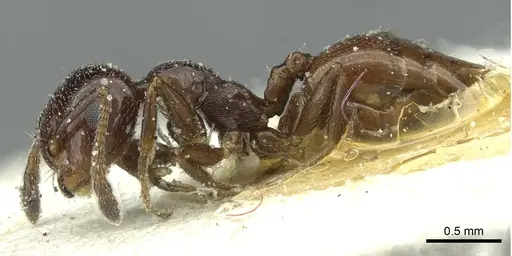
Crematogaster inermis displays notable worker polymorphism, the size of workers directly affects their morphology. Smaller workers have short triangular propodeal spines, while larger workers completely lack spines with a rounded propodeum [1]. This is not a sign of disease but normal variation within the colony.
They are behaviorally dominant and territorial, actively defending foraging areas from other ant species [1]. If you keep multiple ant species, ensure adequate separation to prevent conflicts. They are not aggressive toward keepers but may bite if the nest is disturbed.
The characteristic acrobat ant behavior, raising the abdomen when threatened, is present in this species. They can also release chemical alarms. Workers are active foragers, establishing trails to food sources and efficiently exploiting them.
Colony growth is moderate. Expect 6-10 weeks for first workers (nanitics) to emerge after the queen lays eggs. Colonies likely reach several hundred workers at maturity based on typical Crematogaster patterns.
Unique Identification Features
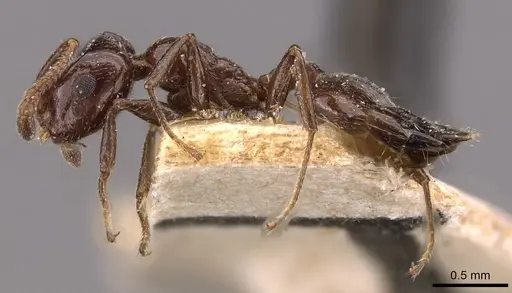
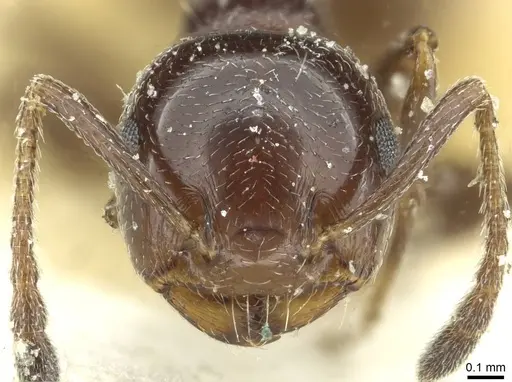
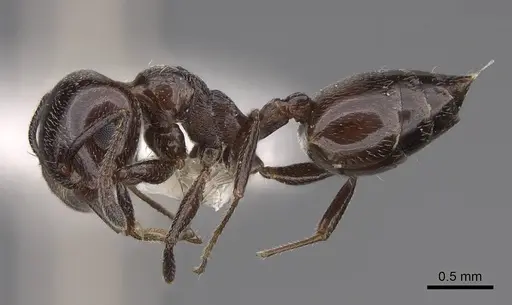
Crematogaster inermis can be identified by one key feature that sets it apart from most other Crematogaster species: completely absent propodeal spines [4]. The propodeum is simply angular or rounded in profile. This 'unarmed' characteristic gives the species its name 'inermis.'
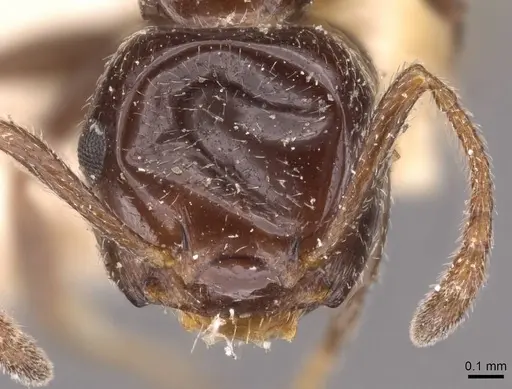
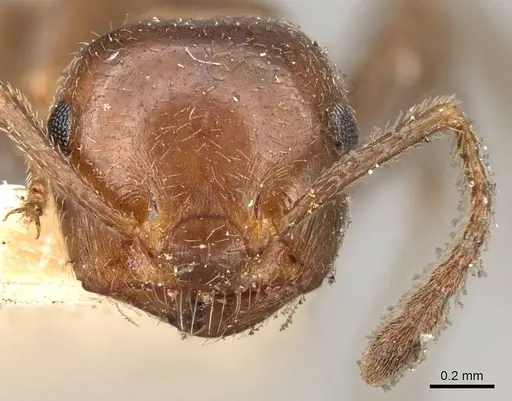
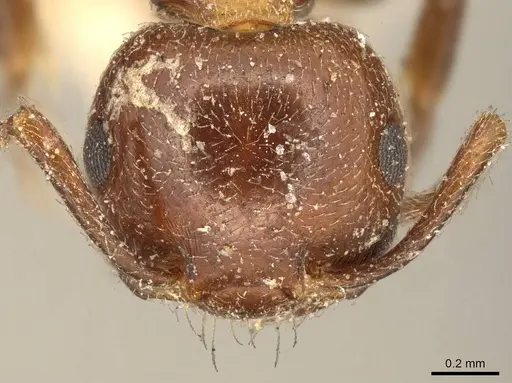
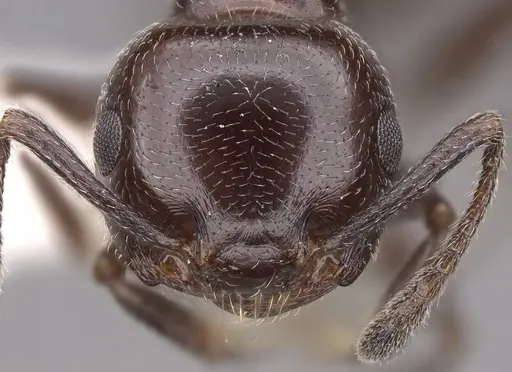
Workers are uniformly yellow-brown to deep brown or black. The head is slightly wider than long. In full face view, the compound eyes project beyond the lateral margins. The antennae have 11 segments with a three-segmented club [1].
This species may be confused with related species in the Mediterranean region. Recent research suggests C. inermis may actually be a group of cryptic species that look very similar but are genetically distinct [5][6]. The Jordan population may actually be Crematogaster warburgi rather than true C. inermis. This taxonomic complexity means some regional variations may exist in behavior or care requirements.
Frequently Asked Questions
Is Crematogaster inermis a good beginner ant?
This species is rated as medium difficulty. While not as demanding as tropical rainforest species, they have specific needs that beginners should understand. Their requirement for a winter diapause, preference for drier conditions, and territorial behavior toward other ants make them better suited for keepers who have kept ants through at least one seasonal cycle. The polymorphism (varying worker shapes) may also confuse beginners who think something is wrong with their colony.
How long does it take for first workers to appear?
Expect 6-10 weeks from egg to first worker (nanitics) at optimal temperature (around 24°C). This is an estimate based on typical Crematogaster development since specific timing for this species has not been documented. Cooler temperatures will slow development, while warmer temperatures within their range may speed it up slightly.
Do Crematogaster inermis ants sting?
They can sting but rarely do so. Their small size (2-3mm) means their sting is not very effective against human skin. They may bite if threatened or their nest is disturbed, but they are not considered dangerous or particularly aggressive toward keepers. The main defense mechanism is raising the abdomen in a warning display and using chemical alarm signals.
Can I keep multiple Crematogaster inermis queens together?
This has not been documented. The colony structure of this species is not well studied, so combining unrelated queens is not recommended. Most Crematogaster species establish single-queen colonies. If you obtain a wild-caught colony, it likely has one queen. Do not attempt to introduce additional queens to an established colony.
Do they need hibernation?
Yes. This species is native to regions with distinct seasons (Mediterranean climate and arid Middle Eastern regions). Provide a winter rest period of 8-12 weeks at 10-15°C during winter months. Reduce feeding during this time and avoid disturbing the colony. Skipping hibernation may weaken the colony over time and affect reproduction.
What do Crematogaster inermis eat?
They are omnivorous with a preference for sugar and protein. Feed small insects (fruit flies, pinhead crickets, mealworms) 2-3 times per week for protein. Provide constant access to sugar water or diluted honey. In the wild, they also feed on tree sap and honeydew from aphids, the sugar water replicates this part of their diet effectively.
Why do some workers lack propodeal spines?
This is completely normal for this species. Crematogaster inermis shows dramatic polymorphism based on worker size. Smaller workers have short triangular propodeal spines, while larger workers completely lack spines with a rounded propodeum [1]. This is not a defect or disease, it is natural variation within the colony. Larger workers in established colonies will always lack spines.
Can I keep this species with other ants?
Not recommended. Crematogaster inermis is behaviorally dominant and exhibits territorial aggression toward other ant species [1]. They will actively defend their territory and may attack and kill workers of other species. Keep them in separate setups away from other ant colonies.
What is the ideal temperature for keeping Crematogaster inermis?
Keep nest temperatures between 22-26°C. This species tolerates a wide range (11-28°C in the wild) but thrives in warm room-temperature conditions. Room temperature is typically suitable. If needed, a small heat source on one side of the nest creates a gradient they can use to regulate their temperature.
How big do colonies get?
Colony size is not well documented, but based on typical Crematogaster patterns, colonies likely reach several hundred workers at maturity. The significant worker polymorphism (size variation affecting morphology) suggests well-established colonies with distinct worker castes.
Is this species invasive anywhere?
Yes, Crematogaster inermis has recently established an outdoor population in Spain (Valencia), representing the first documented outdoor nesting in continental Europe [1]. This appears to be an introduced population. If you keep this species in Spain or neighboring countries, do not release it outdoors as it may become invasive and disrupt local ecosystems.
What makes this species different from other Crematogaster?
The most distinctive feature is the complete absence of propodeal spines in larger workers, most Crematogaster species have visible spines. They are also unusual in being tree-nesting ants that can also nest underground. Their remarkable thermal tolerance (active from 11°C to 45°C) and association with nine different aphid species are also notable traits.
References

This caresheet is licensed under CC BY-SA 4.0 .
CASENT0908481
View on AntWeb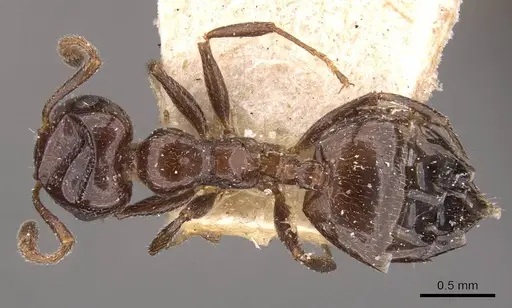
CASENT0912687
View on AntWeb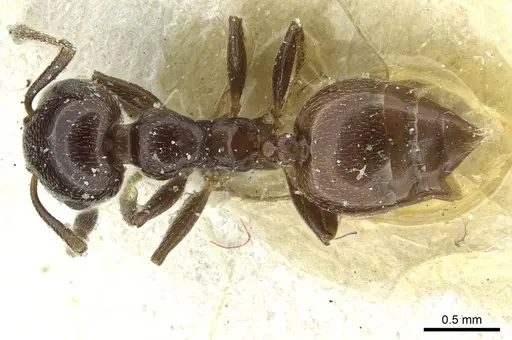
CASENT0914151
View on AntWeb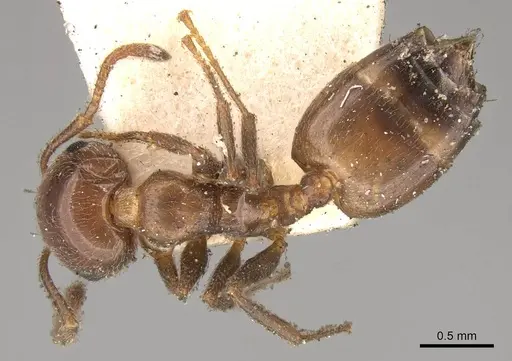
CASENT0916083
View on AntWeb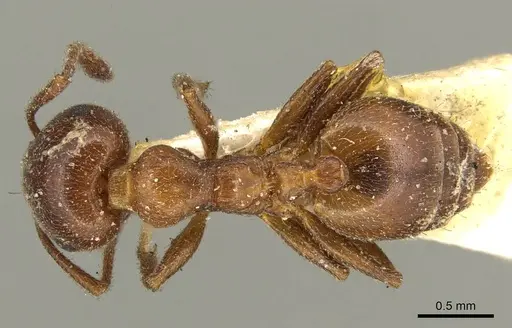
CASENT0922679
View on AntWeb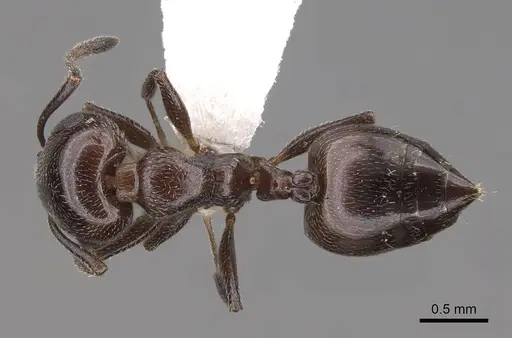
Literature
Loading...Loading products...