

Crematogaster impressiceps
- Scientific Name
- Crematogaster impressiceps
- Tribe
- Crematogastrini
- Subfamily
- Myrmicinae
- Author
- Mayr, 1902
- Distribution
- Found in 2 countries
Crematogaster impressiceps Overview
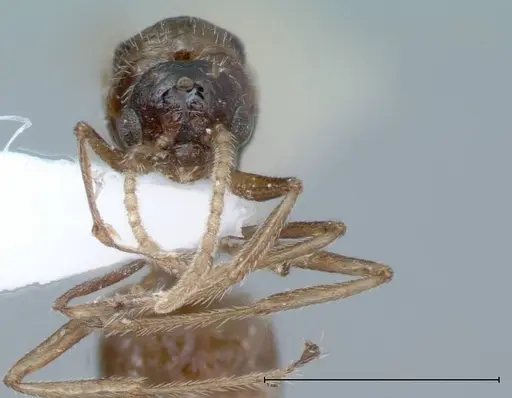
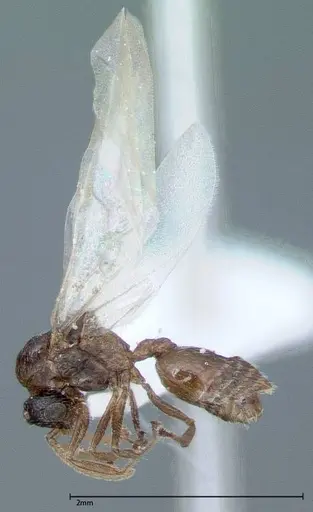
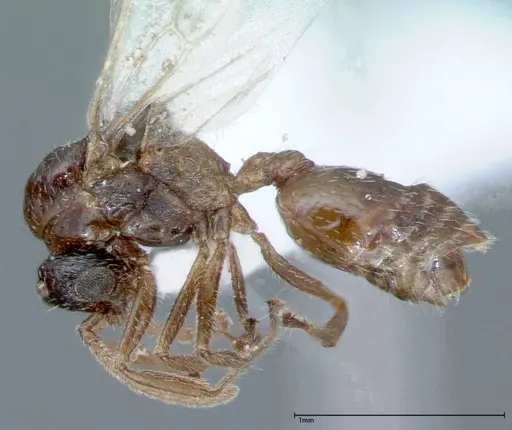
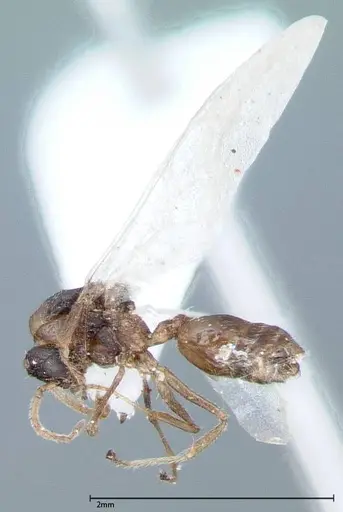
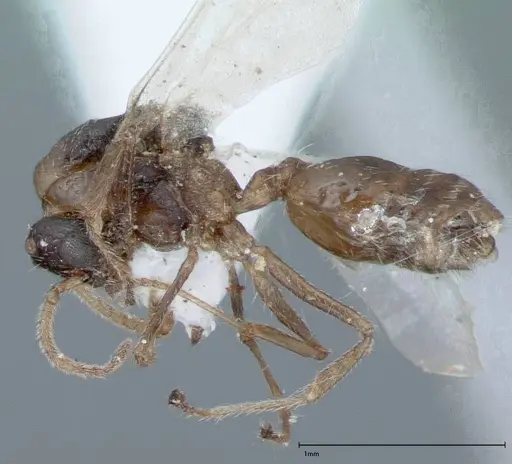
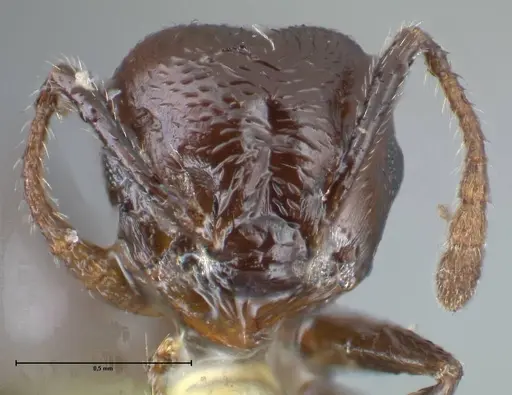
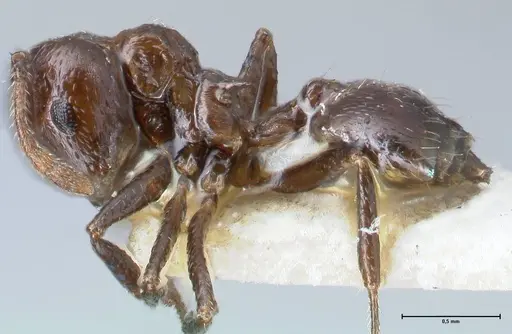
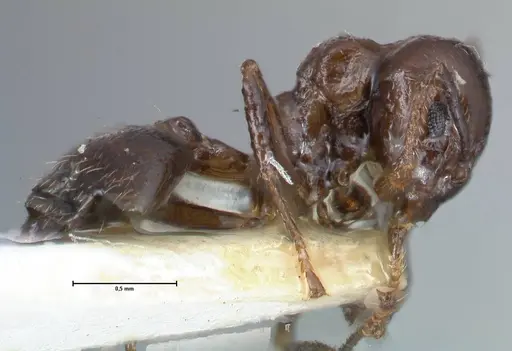
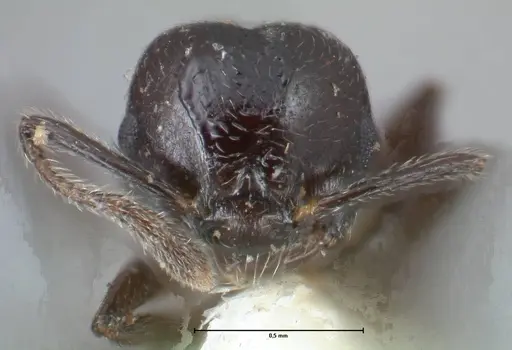
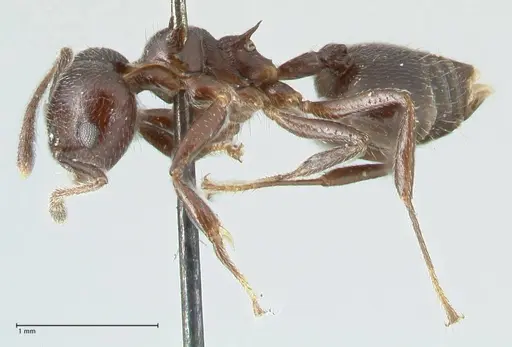
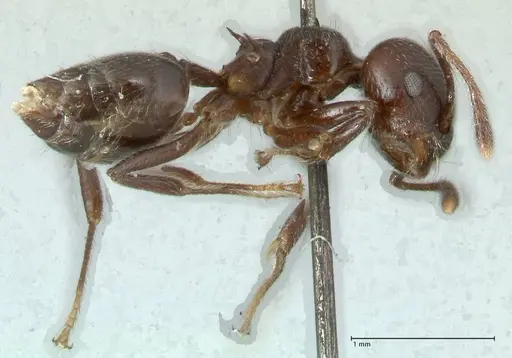
Crematogaster impressiceps is an ant species of the genus Crematogaster. It is primarily documented in 2 countries , including Angola, Congo, Democratic Republic of the. Detailed taxonomic data and occurrence records can be further explored via authoritative databases such as AntWeb or the Global Biodiversity Information Facility (GBIF).
Crematogaster impressiceps
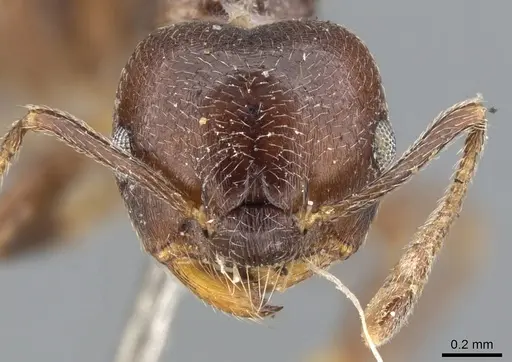
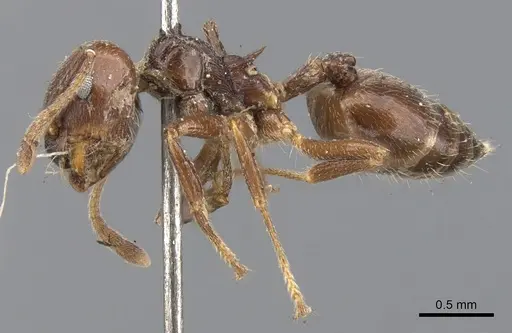
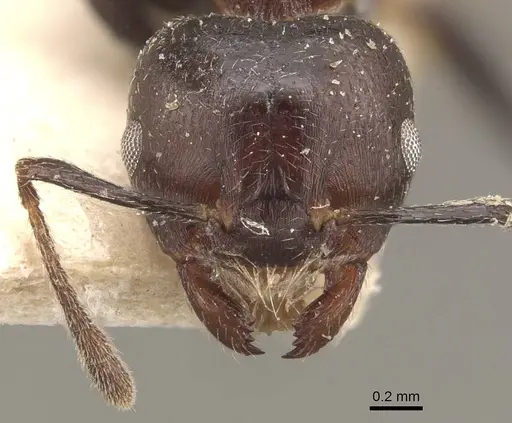
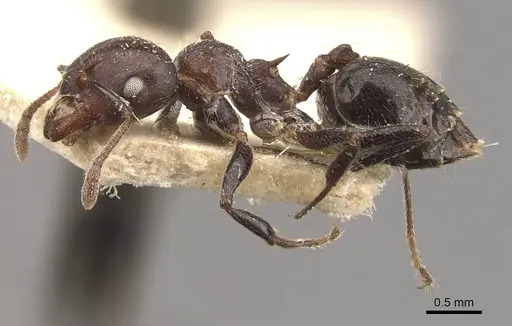
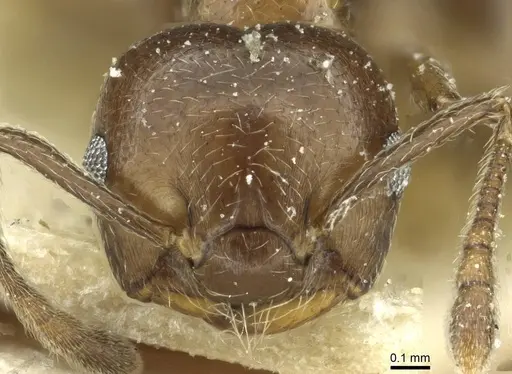
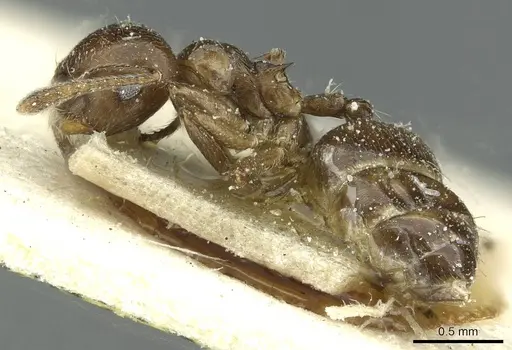
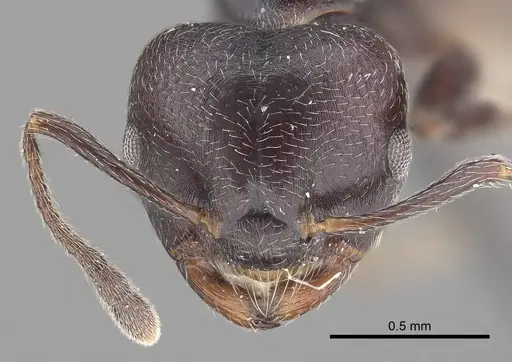
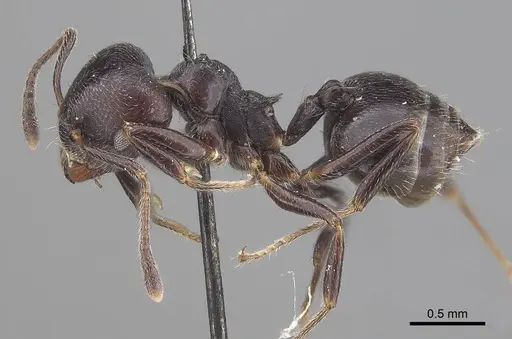
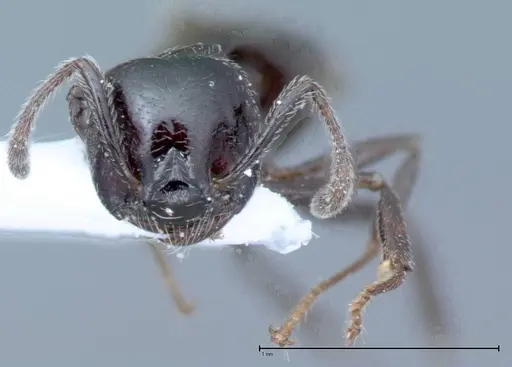
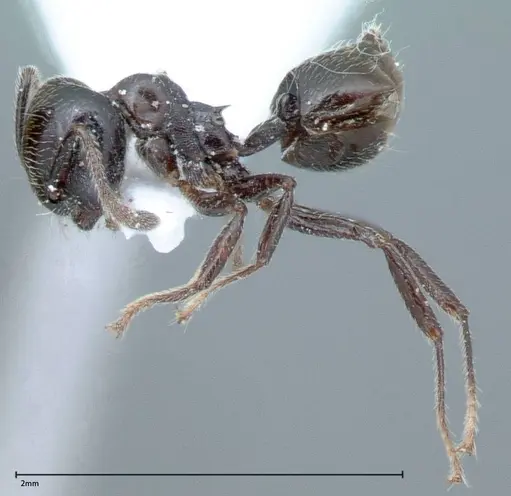
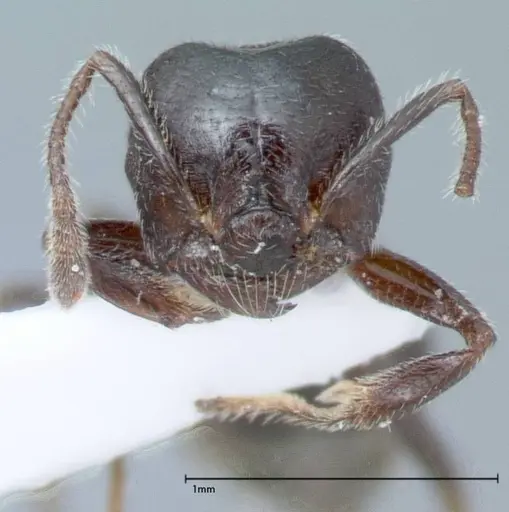
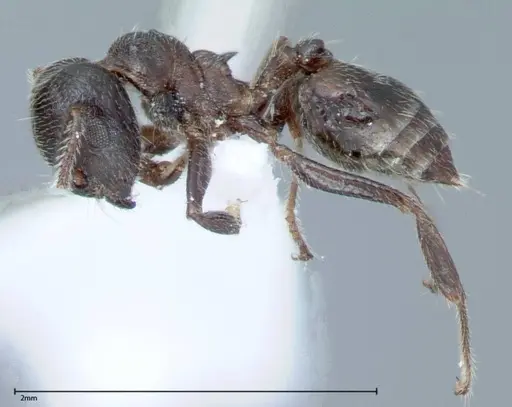
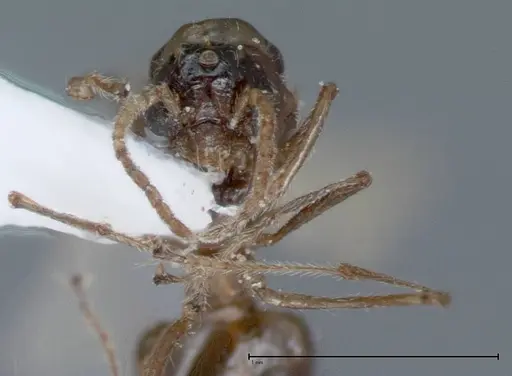
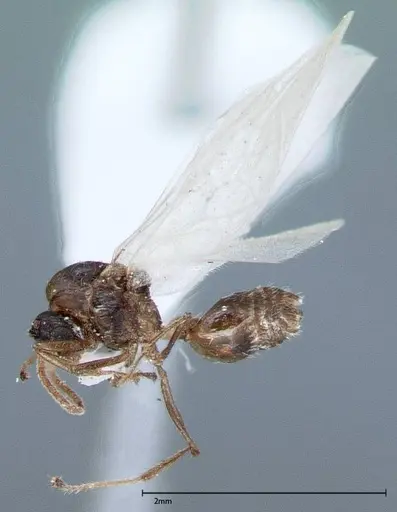
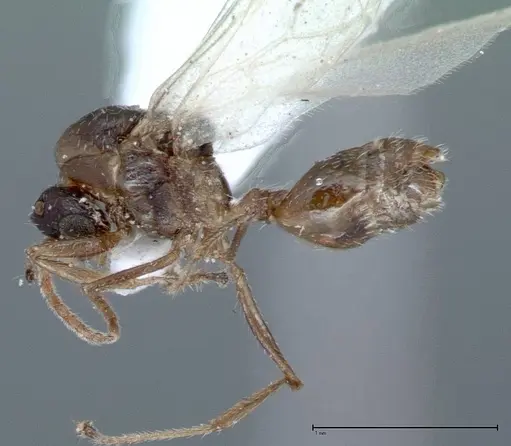
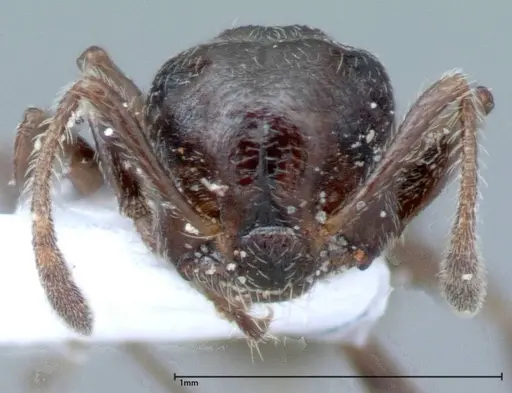
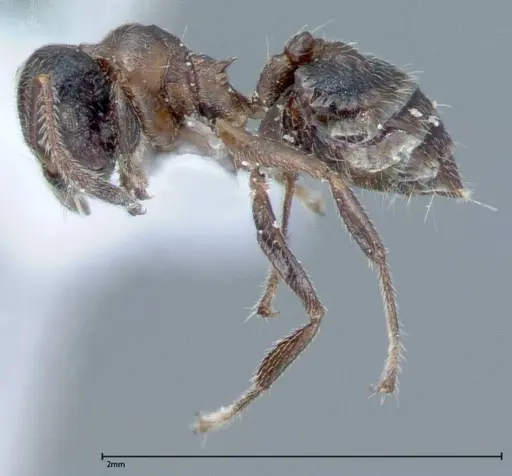
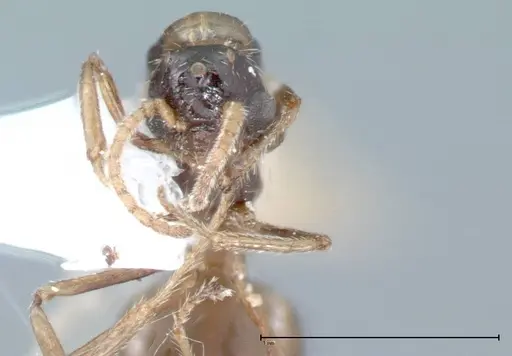
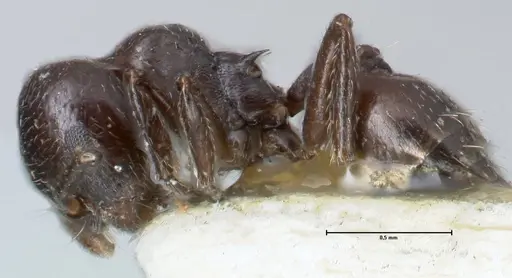
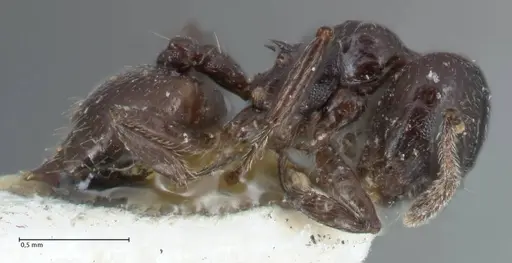
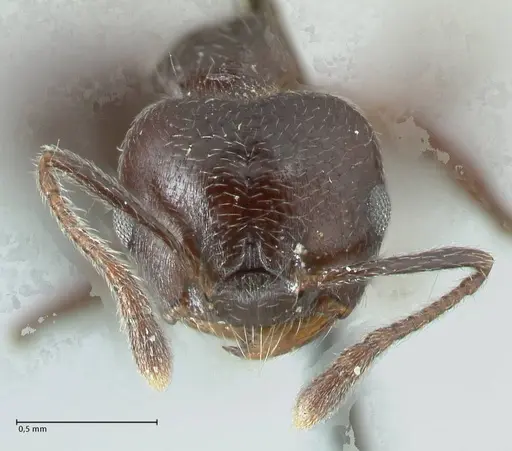
Crematogaster impressiceps is a small arboreal ant species native to Central Africa, specifically found in the Democratic Republic of Congo and Equatorial Guinea region [1]. Workers are typical of the genus, small with a distinctive heart-shaped abdomen that they raise in a defensive posture when threatened. This species nests naturally in the hollow twigs of trees, particularly Barteria fistulosa, and is associated with tending aphids for honeydew [2][3]. The species was described by Mayr in 1902 and has three recognized subspecies (frontalis, longiscapa, and lujana) [1].
What makes this species interesting is its arboreal lifestyle and association with specific plants. Unlike many ground-nesting ants, these ants live in elevated twig cavities, making them a good candidate for vertical or naturalistic setups that mimic their natural treetop habitat. However, this species remains poorly documented in scientific literature, so much of what we know comes from generalizing about the genus.
Quick Summary
- Difficulty: Unknown
- Origin & Habitat: Crematogaster impressiceps is endemic to the Afrotropical region, specifically the Democratic Republic of Congo and Equatorial Guinea (including Bioko Island and Cameroon) [1]. In the wild, they inhabit hollow twigs of Barteria fistulosa trees at locations like Panga, and have also been recorded at Faradje where they associate with aphids [2][3]. This is a tropical forest species adapted to warm, humid conditions.
- Colony Type: Colony structure is unconfirmed. Based on typical Crematogaster patterns, colonies likely have a single queen (monogyne), though some Crematogaster species can be polygyne. No data on ergatoid replacement reproductives exists for this specific species.
- Size & Growth:
- Queen: Estimated 6-8mm based on genus patterns for Crematogaster species
- Worker: Estimated 2-4mm based on genus patterns
- Colony: Unknown, no colony size data exists in scientific literature
- Growth: Unknown
- Development: Estimated 4-8 weeks based on typical Crematogaster development at tropical temperatures (This is an estimate based on genus-level data. No species-specific development studies exist.)
- Antkeeping:
- Temperature: Keep at 24-28°C, this is a tropical species from Central Africa that likely prefers warm, stable conditions. A gentle gradient allowing them to choose warmer or cooler areas is ideal.
- Humidity: Keep moderately humid (60-80%). As an arboreal species nesting in twigs, they likely prefer damp but not waterlogged conditions. Provide a water tube as their primary moisture source.
- Diapause: Unknown, being a tropical species, they likely do not require hibernation, but no formal studies exist on their seasonal requirements.
- Nesting: This species naturally nests in hollow twigs, so they do well in setups that provide narrow, vertical spaces. Test tubes with cotton work for founding colonies. For established colonies, a Y-tong (AAC) nest with narrow chambers or a naturalistic setup with twigs/branches works well. Avoid large, open spaces, they prefer tight-fitting cavities.
- Behavior: Crematogaster ants are known for their distinctive defensive behavior, they raise their heart-shaped abdomen high (like a scorpion) and can emit a foul-smelling liquid from their abdominal glands when threatened. They are generally not aggressive toward keepers but will defend their nest vigorously. Workers are active foragers and will tend aphids for honeydew. They have good climbing ability and are escape artists, use tight-fitting lids and barrier gel. Their small size (estimated 2-4mm) means they can slip through very small gaps.
- Common Issues: escape prevention is critical due to their small size, they can squeeze through tiny gaps, lack of species-specific care information means keepers must adapt from genus knowledge, wild-caught colonies may carry parasites or diseases not well-documented, overheating can be fatal, keep away from direct heat sources, dry conditions may be harmful, monitor humidity closely
Nest Preferences and Housing
In the wild, Crematogaster impressiceps nests in the hollow twigs of trees, particularly Barteria fistulosa [2][3]. This tells us they prefer tight, enclosed spaces with a vertical orientation. For captive care, a test tube setup works well for founding colonies, the queen seals herself in a chamber and raises her first workers there. For established colonies, provide narrow chambers or passages that mimic their natural twig-nesting habitat. A Y-tong (AAC) nest with appropriately scaled chambers works well, or you could create a naturalistic setup with actual twigs/branches. Avoid large, open formicaria, these ants feel safest in snug spaces. They are arboreal, so they appreciate having climbing structures and vertical space.
Feeding and Diet
Based on field observations at Faradje, this species associates with aphids [2], meaning they likely feed on honeydew in addition to protein. In captivity, offer a varied diet: sugar water or honey as a constant energy source, and protein sources like small insects (fruit flies, small mealworms, crickets) regularly. As with most Crematogaster, they are omnivorous and will accept both sweet liquids and protein. Feed protein 2-3 times per week, and keep sugar water available at all times. Remove uneaten prey after 24-48 hours to prevent mold.
Temperature and Seasonal Care
This is a tropical African species from the Congo region, so they need warmth. Keep the nest area at 24-28°C. Room temperature may suffice if your home stays in this range, otherwise use a heating cable on one side of the nest to create a gentle gradient. Never place them in direct sunlight or near heat sources that can overheat. Since they're from a tropical environment with consistent year-round temperatures, they likely do not require a diapause or hibernation period. However, if you live in a temperate climate, a slight cool-down in winter (to around 20-22°C) may be appropriate, but avoid true cold temperatures.
Behavior and Defense
Crematogaster ants have a distinctive defensive behavior, when threatened, they raise their heart-shaped abdomen high above their head (a posture that gives them their common name 'acrobat ants'). They can also emit a foul-smelling chemical from their abdominal glands as a deterrent. This species is not particularly aggressive toward keepers but will defend their nest vigorously if disturbed. Workers are active and will explore their outworld regularly. They are good climbers and can walk on smooth surfaces easily. Their small size (estimated 2-4mm for workers) means they are excellent escape artists, always use excellent escape prevention including tight-fitting lids, fine mesh barriers, and barrier gel on the edges of their enclosure.
Colony Establishment
No specific data exists on the founding behavior of Crematogaster impressiceps, but based on genus patterns, the queen likely seals herself in a small chamber (claustral founding) and raises her first workers entirely on stored body fat. The founding chamber should be small and dark. After the first workers (nanitics) emerge, the colony will gradually expand. Growth rate is unknown but likely moderate, expect several months before you see significant worker numbers. Be patient with founding colonies as they develop slowly at first. Once established, colonies may grow to moderate size, though exact maximum colony size is unconfirmed for this species.
Frequently Asked Questions
How long does it take for Crematogaster impressiceps to produce first workers?
The exact timeline is unconfirmed for this species, but based on typical Crematogaster development at tropical temperatures (24-28°C), expect around 4-8 weeks from egg to first worker. This is an estimate, actual times may vary.
What do Crematogaster impressiceps ants eat?
Based on their association with aphids in the wild, they likely feed on honeydew plus protein. In captivity, offer sugar water or honey constantly, and protein sources like small insects (fruit flies, small mealworms) 2-3 times per week.
Can I keep Crematogaster impressiceps in a test tube?
Yes, test tubes work well for founding colonies. Provide a water tube with a cotton barrier as their moisture source. Once the colony grows to 20+ workers, consider moving them to a more spacious nest like a Y-tong or naturalistic setup with narrow chambers.
Do Crematogaster impressiceps ants sting?
Crematogaster ants can bite and emit defensive chemicals, but they are not considered dangerous to humans. Their small size means their bite is barely noticeable. The main defense is their raised abdomen posture and chemical emission.
Are Crematogaster impressiceps good for beginners?
Difficulty level is uncertain due to limited species-specific data. They are a tropical species requiring warm, humid conditions, which is manageable for most keepers. However, their small size and escape risk require attention to housing. Their arboreal nature also means they need appropriate vertical space. If you're experienced with tropical Myrmicines, this species should be manageable.
Do Crematogaster impressiceps need hibernation?
As a tropical African species, they likely do not require hibernation. Keep them at warm temperatures year-round (24-28°C). If you live in a temperate climate, a slight seasonal temperature reduction in winter may be appropriate, but avoid cold temperatures.
How big do Crematogaster impressiceps colonies get?
Maximum colony size is unconfirmed for this species, no scientific data exists on colony size. Based on typical Crematogaster genus patterns, colonies likely reach several hundred workers at most. Related species in the genus typically form moderate-sized colonies.
Why are my Crematogaster impressiceps escaping?
Their small size (estimated 2-4mm) makes them excellent escape artists. Use excellent escape prevention: tight-fitting lids, fine mesh on any ventilation, and apply barrier gel (like Fluon) to the edges of their enclosure. Check for any tiny gaps regularly.
When should I move my colony to a formicarium?
Move to a larger nest once the test tube becomes crowded or the colony reaches around 20-30 workers. For this arboreal species, provide a nest with narrow chambers and vertical climbing space. A Y-tong (AAC) nest or naturalistic setup works well.
Can I keep multiple Crematogaster impressiceps queens together?
Colony structure is unconfirmed for this species. Some Crematogaster are monogyne (single queen) while others are polygyne. Without specific data, it is not recommended to combine unrelated queens. If you have a wild-caught queen, keep her alone until her colony establishes.
References

This caresheet is licensed under CC BY-SA 4.0 .
CASENT0902094
View on AntWeb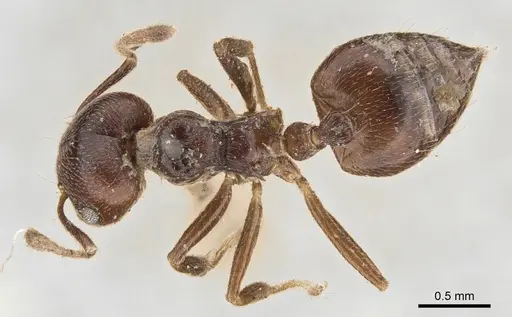
CASENT0908535
View on AntWeb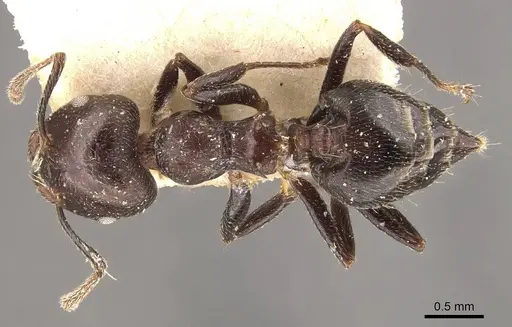
CASENT0912685
View on AntWeb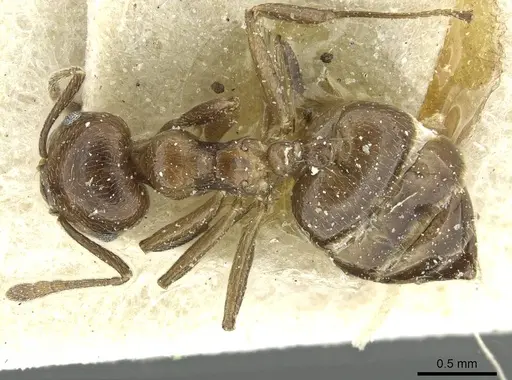
CASENT0919668
View on AntWeb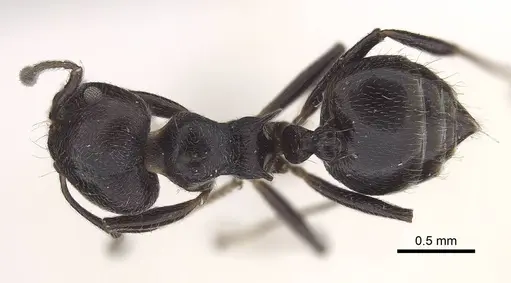
FOCOL0046-1
View on AntWeb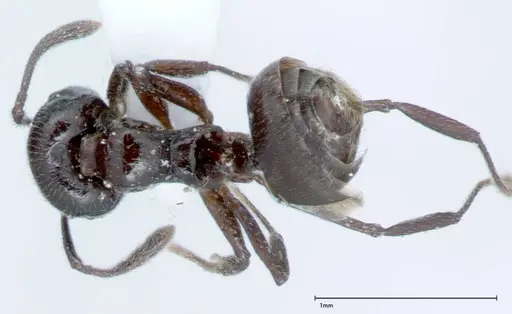
FOCOL0046-2
View on AntWeb
FOCOL0047-1
View on AntWeb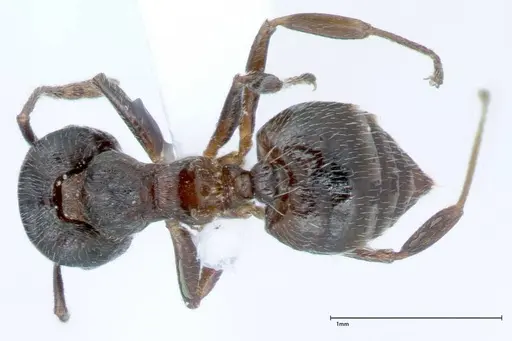
FOCOL0047-2
View on AntWeb
FOCOL0048-1
View on AntWeb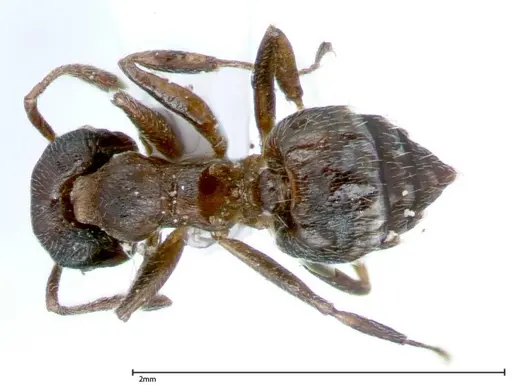
FOCOL0048-2
View on AntWeb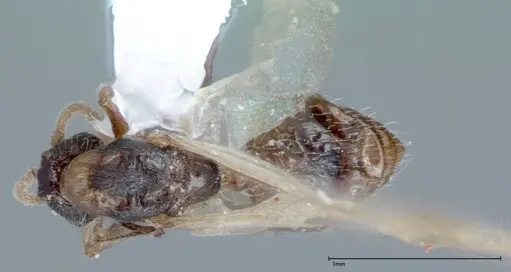
FOCOL1494
View on AntWeb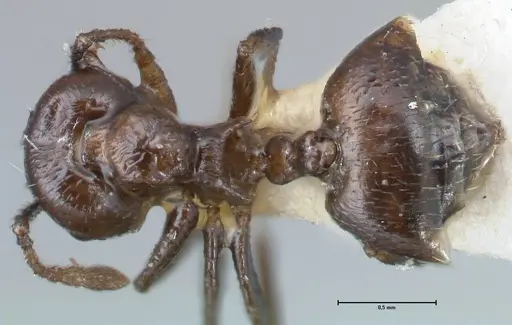
FOCOL1495
View on AntWeb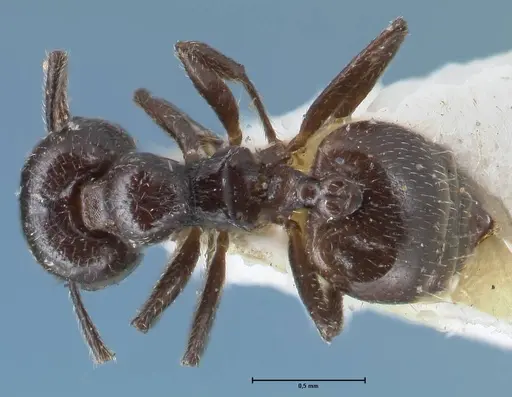
FOCOL1784
View on AntWeb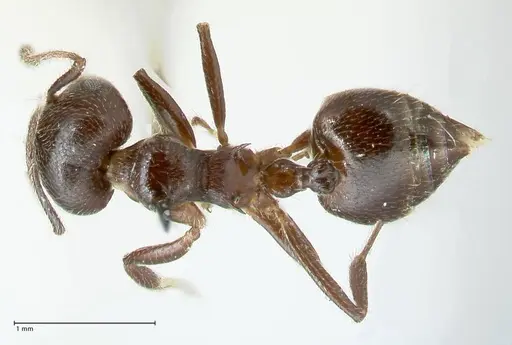
Literature
Loading...Loading products...