

Crematogaster impressa
- Scientific Name
- Crematogaster impressa
- Tribe
- Crematogastrini
- Subfamily
- Myrmicinae
- Author
- Emery, 1899
- Distribution
- Found in 2 countries
Crematogaster impressa Overview
Crematogaster impressa is an ant species of the genus Crematogaster. It is primarily documented in 2 countries , including Congo, Democratic Republic of the, Gambia. Detailed taxonomic data and occurrence records can be further explored via authoritative databases such as AntWeb or the Global Biodiversity Information Facility (GBIF).
Crematogaster impressa
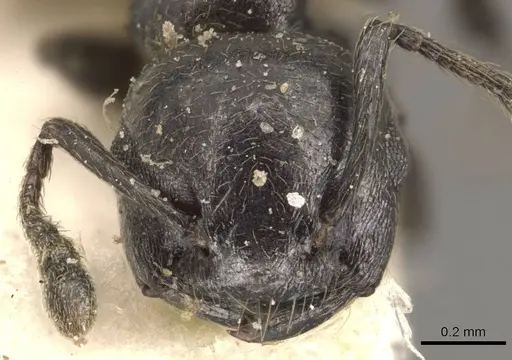
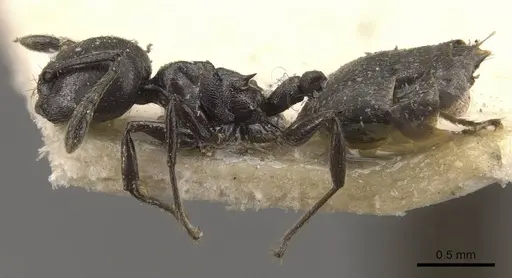
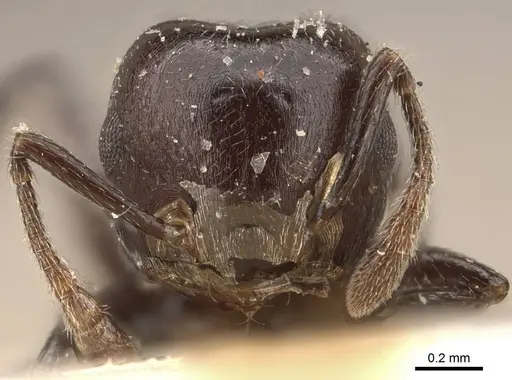
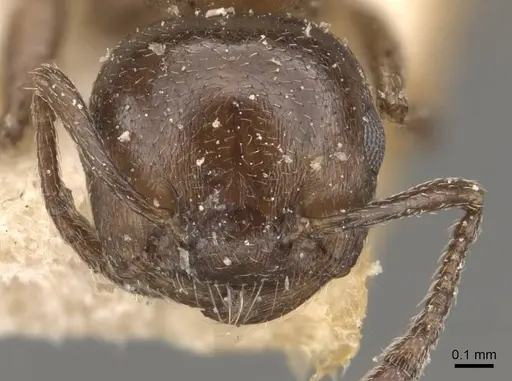
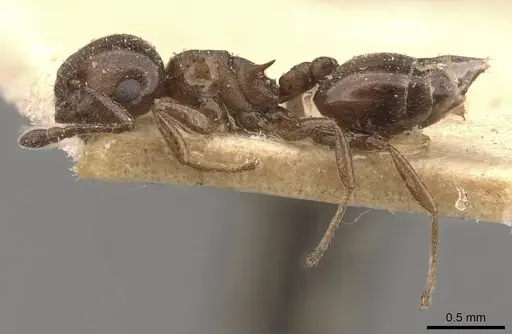
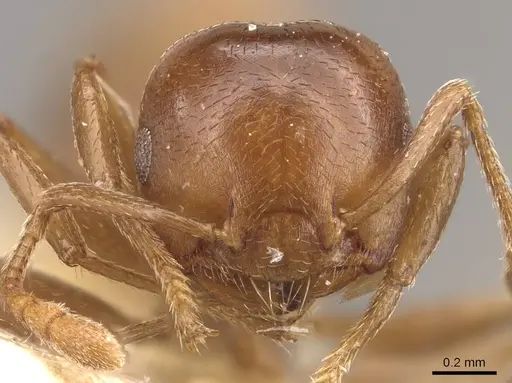
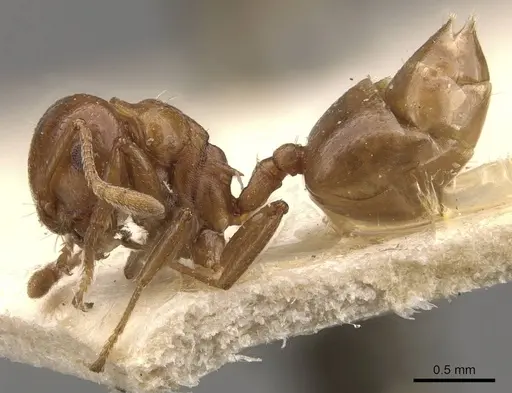
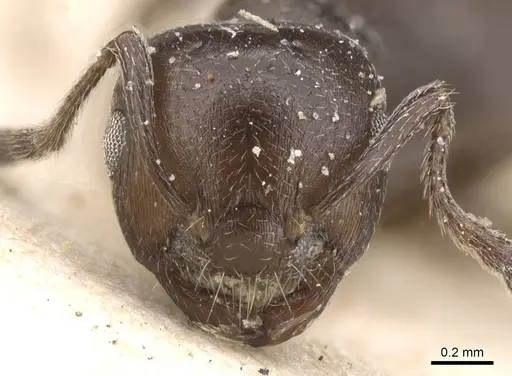
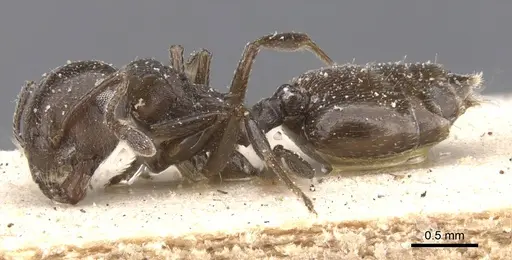
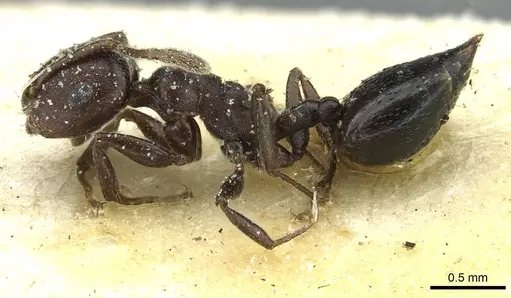
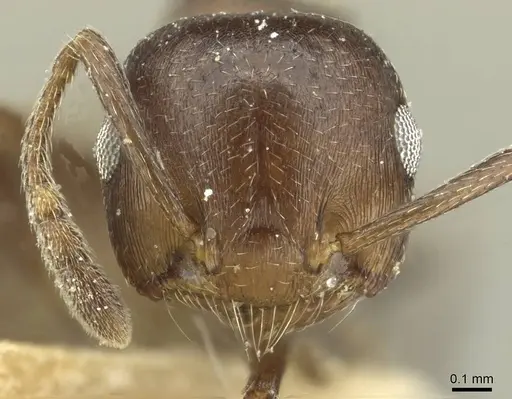
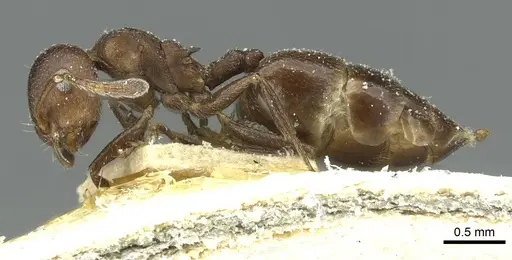
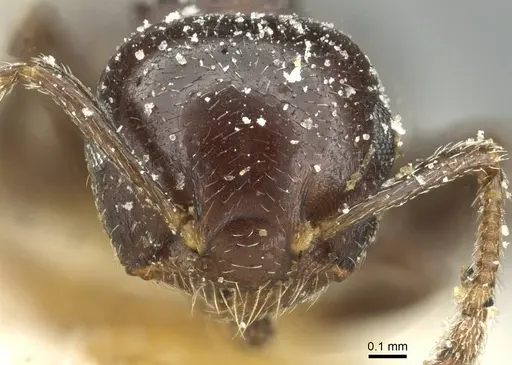
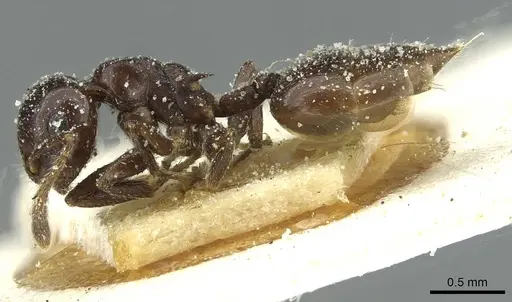
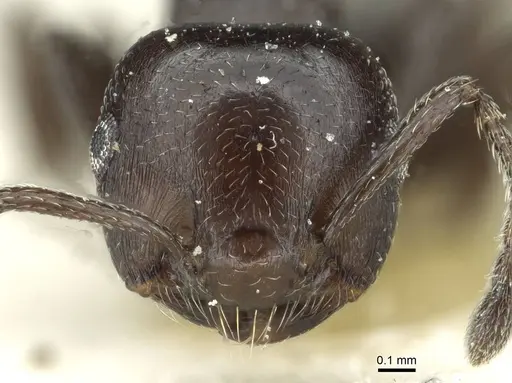
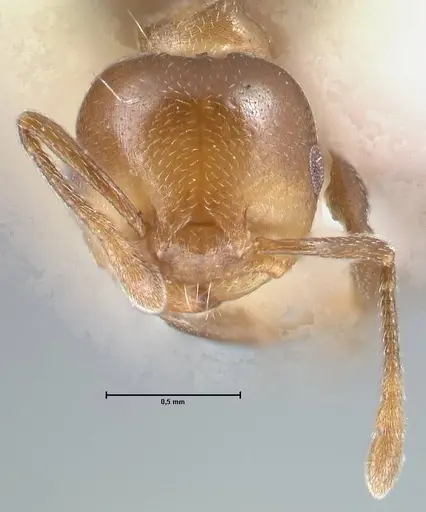
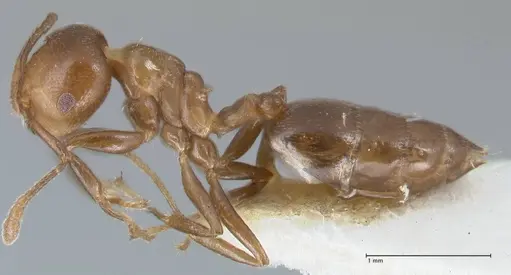
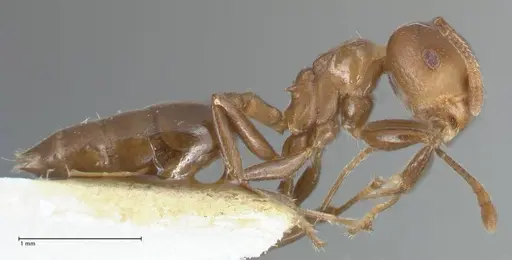
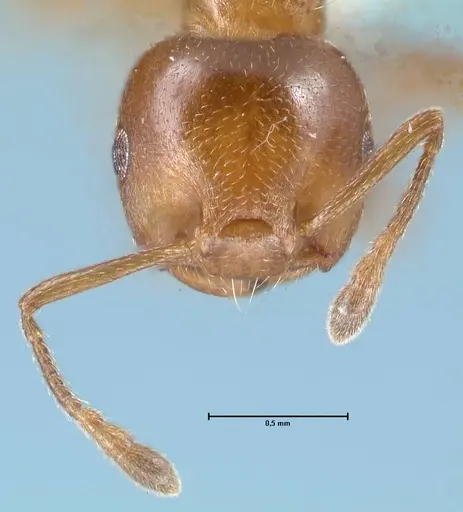
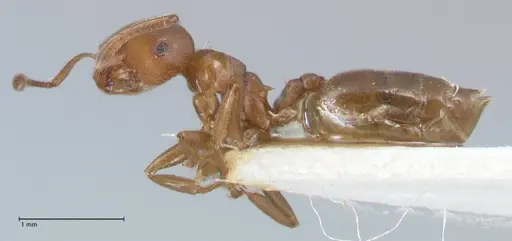
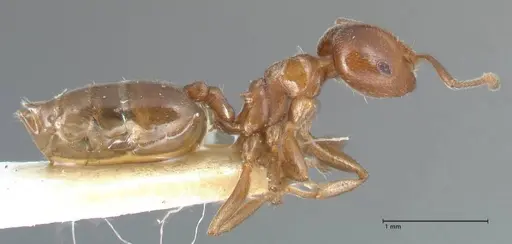
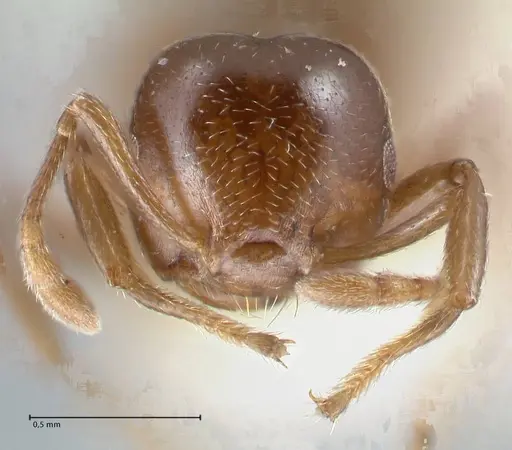
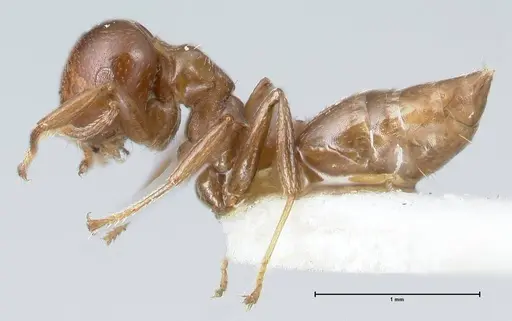
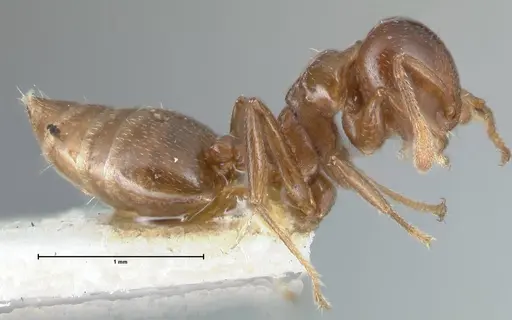
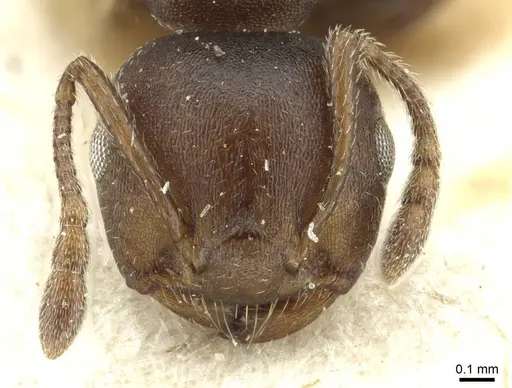
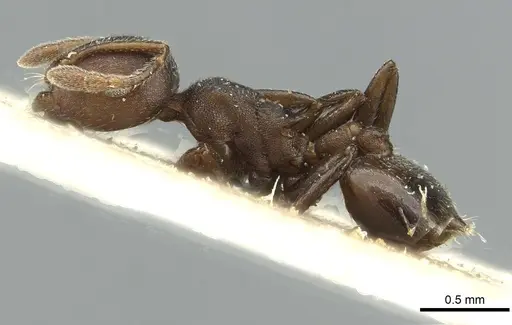
Crematogaster impressa is a small myrmicine ant native to West and Central Africa. Workers are typically 2-4mm with the characteristic Crematogaster feature of a heart-shaped abdomen that they raise like an acrobat when threatened. They have a dark reddish-brown to black coloration. This species is found across the Afrotropical region including Cameroon, Democratic Republic of Congo, Guinea, Ivory Coast, and Gambia. In the wild, they inhabit savanna and forest edge habitats where they nest in rotting wood or under stones. The species has three described subspecies: C. i. brazzai, C. i. maynei, and C. i. sapora. Like other Crematogaster, they are active foragers and will defend their nest vigorously.
Quick Summary
- Difficulty: Medium
- Origin & Habitat: West and Central Africa, found in Cameroon, Democratic Republic of Congo, Guinea, Ivory Coast, Gambia, and neighboring countries. Inhabits savanna and forest edge habitats, nesting in rotting wood and under stones [1][2][3].
- Colony Type: Colony structure is not well documented in scientific literature. Based on typical Crematogaster patterns, colonies are likely polygynous (multiple queens) with moderate colony sizes reaching several hundred to a few thousand workers.
- Colony: Polygyne
- Founding: Claustral
- Size & Growth:
- Queen: Estimated 5-7mm based on genus typical sizes, not directly measured for this species
- Worker: Estimated 2-4mm based on genus typical sizes, not directly measured for this species
- Colony: Estimated several hundred to a few thousand workers based on genus patterns
- Growth: Moderate, likely similar to other Crematogaster species
- Development: Estimated 6-8 weeks at optimal temperature based on genus patterns for tropical species (Direct development data not available for this species, estimates based on related Crematogaster)
- Antkeeping:
- Temperature: Keep around 24-28°C. They are a tropical species from West Africa and need warm conditions. A heating cable on one side of the nest can create a gentle gradient.
- Humidity: Moderate humidity around 50-70%. Keep the nest substrate slightly moist but not waterlogged. Provide a water tube for drinking.
- Diapause: Likely minimal or no true diapause given their tropical origin. They may show reduced activity during cooler periods but do not require hibernation like temperate species.
- Nesting: In captivity, they do well in Y-tong (AAC) nests, plaster nests, or naturalistic setups with rotting wood. They prefer tight, dark chambers. Avoid dry conditions.
- Behavior: Active foragers that will search for food both on the ground and up vertical surfaces. Workers are aggressive when defending the nest and will readily sting. They raise their abdomen (the acrobat ant behavior) when threatened as a warning display. They are skilled escape artists due to their small size, use fine mesh and tight-fitting barriers. They accept sugar water and small protein prey.
- Common Issues: escape prevention is critical due to their small size, they can squeeze through tiny gaps, colonies may be slow to establish initially, patience is needed during founding, tropical species may struggle in cool or dry conditions, aggressive defense means stings are likely when disturbing the nest, limited species-specific information means some care is based on genus patterns rather than direct observation
Housing and Nest Preferences
Crematogaster impressa does well in Y-tong (AAC) nests, plaster nests, or naturalistic setups. They prefer dark, tight-fitting chambers and will readily nest in rotting wood pieces. In a naturalistic setup, provide pieces of rotting wood or bark for them to nest under. They do not require large spaces, tight chambers help them feel secure. A small outworld connected to the nest allows for foraging. Ensure all connections are smooth and escape-proof since their small size allows them to squeeze through surprisingly small gaps. [3]
Feeding and Diet
Like other Crematogaster species, they are omnivorous with a preference for sugar sources and protein. Offer sugar water, honey, or diluted syrup regularly, they will readily accept these. For protein, provide small insects like fruit flies, pinhead crickets, or mealworm pieces. They are active foragers and will send workers to collect food from some distance. Feed protein 2-3 times per week and keep sugar water available at all times. Remove uneaten prey after 24-48 hours to prevent mold.
Temperature and Seasonal Care
As a tropical West African species, they need warm conditions. Keep the nest area at 24-28°C. A heating cable placed on one side of the nest creates a gentle temperature gradient that allows the ants to regulate their own exposure. They do not require hibernation or diapause like temperate species. However, they may show reduced activity during cooler periods. Avoid temperatures below 20°C as this can stress the colony. Room temperature within this range is acceptable.
Behavior and Defense
Workers display the classic Crematogaster defensive behavior, they raise their abdomen over their head like an acrobat when threatened. This is a warning display before they deliver a sting. Their sting is painful for their size. When working with the colony, move slowly and avoid disturbing the nest directly. They are active foragers and will explore their outworld thoroughly. Workers can climb smooth surfaces and are capable of escaping through small gaps. Always use excellent escape prevention, fine mesh on all ventilation holes and tight-fitting lids.
Frequently Asked Questions
How long does it take for Crematogaster impressa to produce first workers?
Based on typical Crematogaster development, expect first workers (nanitics) around 6-8 weeks after the queen lays eggs, assuming optimal temperature around 26°C. Development may be faster in warmer conditions or slower if temperatures are cool.
Can I keep multiple queens together?
Based on typical Crematogaster patterns, this species is likely polygynous (multiple queens per colony). However, combining unrelated foundress queens in captivity has not been documented for this specific species. It is generally safer to start with a single queen.
Do Crematogaster impressa ants sting?
Yes, they can sting and will do so when defending the nest. The sting is painful for such a small ant, similar to a mild bee sting. They raise their abdomen as a warning before stinging.
What is the best nest type for Crematogaster impressa?
Y-tong (AAC) nests, plaster nests, or naturalistic setups with rotting wood all work well. They prefer tight, dark chambers. Avoid dry conditions and ensure the nest maintains some moisture.
How big do Crematogaster impressa colonies get?
Based on typical Crematogaster colony sizes, expect several hundred to a few thousand workers at maturity. They are not among the largest Crematogaster species.
Do they need hibernation?
No, they are a tropical species and do not require hibernation. They may show reduced activity during cooler periods but do not need a diapause period.
What do Crematogaster impressa eat?
They accept sugar water, honey, or syrup for carbohydrates. For protein, offer small insects like fruit flies, pinhead crickets, or mealworm pieces. Keep sugar sources available at all times.
Are Crematogaster impressa good for beginners?
They are rated as medium difficulty. They are more challenging than simple species like Lasius but not as difficult as some exotic requirements. Their small size and escape ability require attention to escape prevention.
Why are my ants escaping?
Their small size makes them excellent escape artists. Check all ventilation holes, lid seams, and connection points. Use fine mesh (at least 0.5mm or smaller) and apply fluon to barrier edges. Even tiny gaps that seem too small for ants can allow escape.
When should I move them to a formicarium?
Wait until the colony has at least 20-30 workers before moving to a larger setup. They can remain in a test tube setup longer than many species since they tolerate cramped conditions well. Move them when the test tube becomes crowded or when you want to observe their behavior in a naturalistic setup.
References

This caresheet is licensed under CC BY-SA 4.0 .
CASENT0904517
View on AntWeb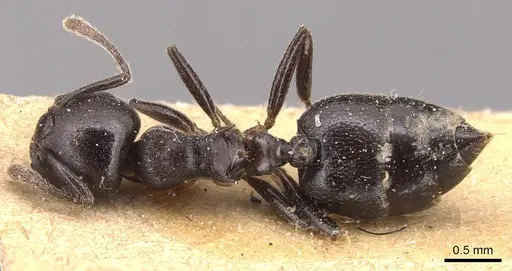
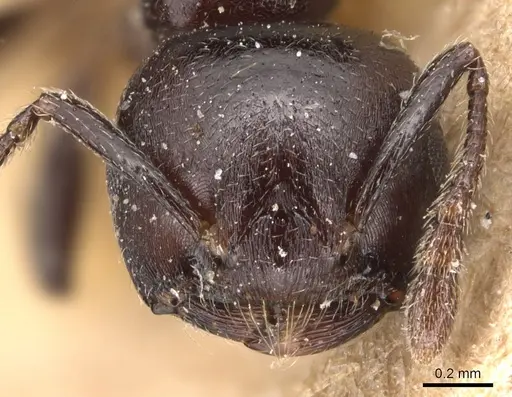
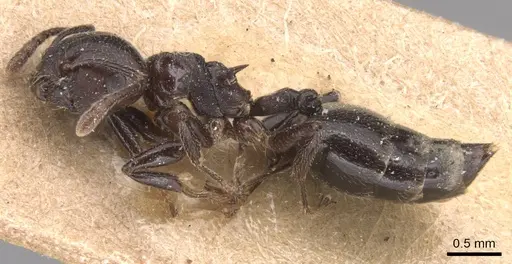
CASENT0908521
View on AntWeb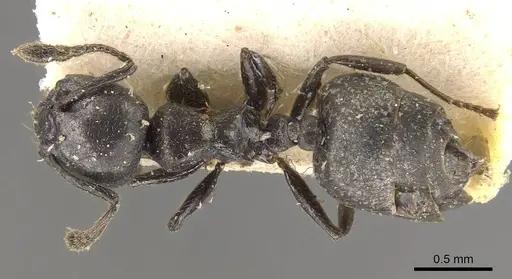
CASENT0908522
View on AntWeb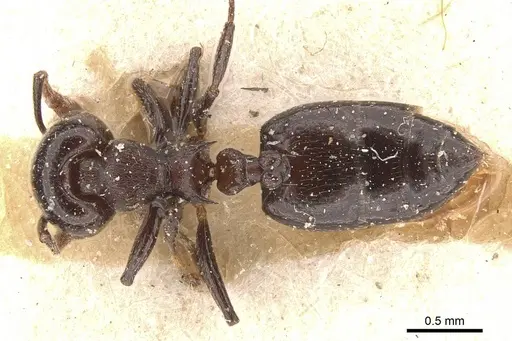
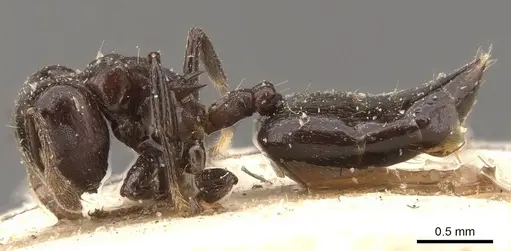
CASENT0908523
View on AntWeb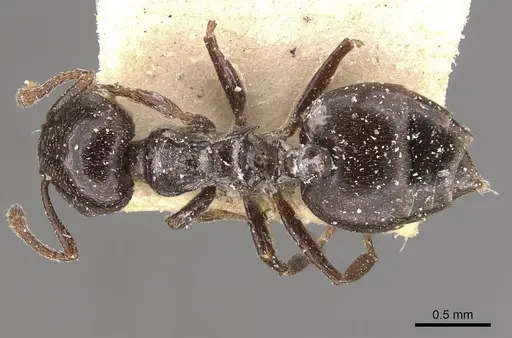
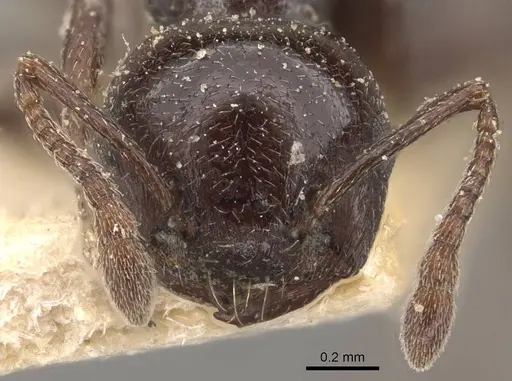
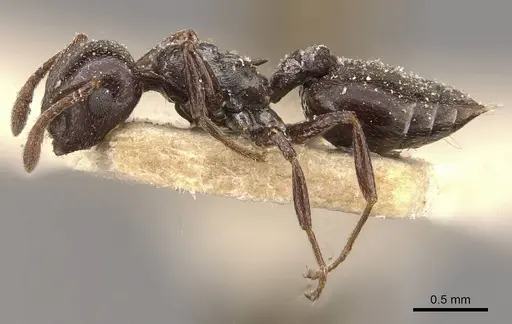
CASENT0908524
View on AntWeb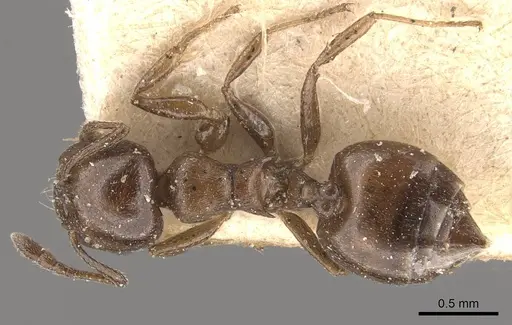
CASENT0908534
View on AntWeb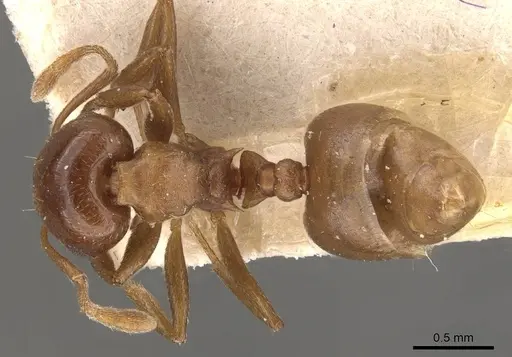
CASENT0912658
View on AntWeb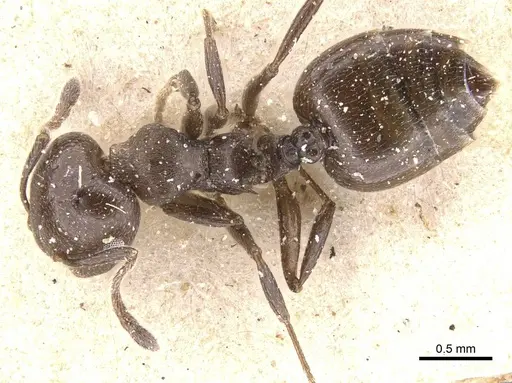
CASENT0912681
View on AntWeb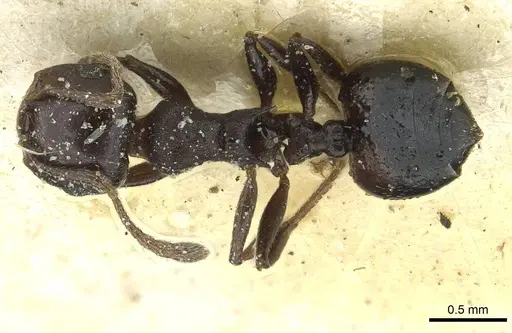
CASENT0912682
View on AntWeb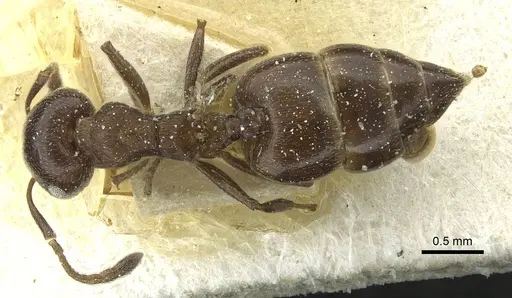
CASENT0912683
View on AntWeb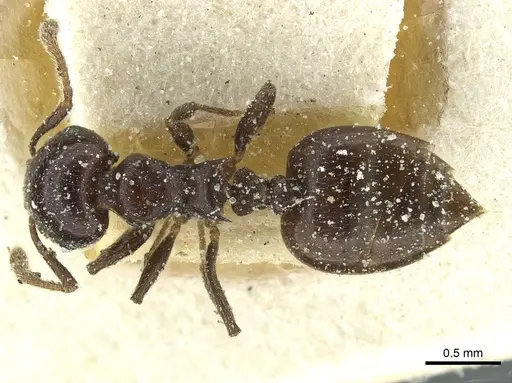
CASENT0912684
View on AntWeb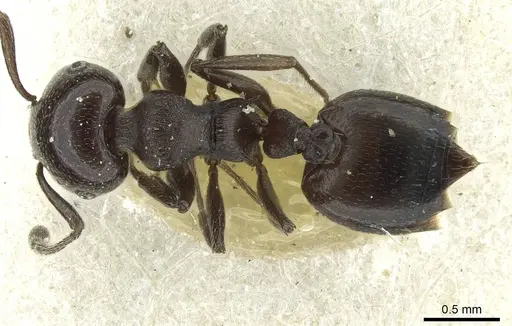
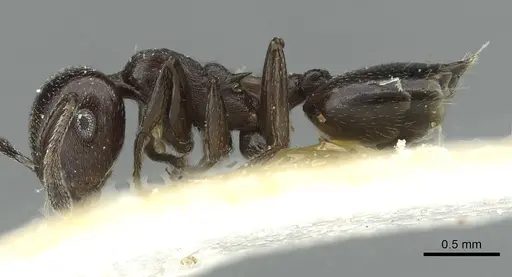
CASENT0914290
View on AntWeb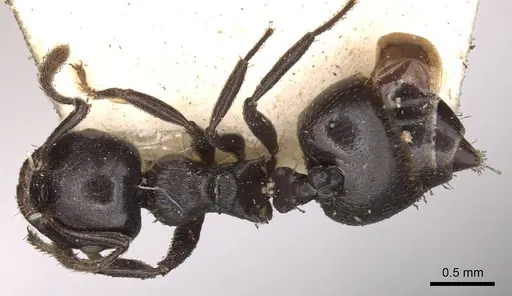
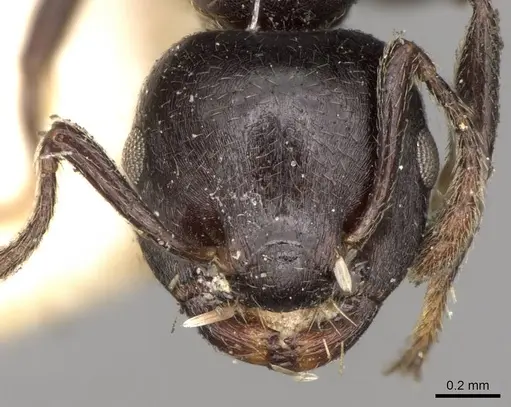
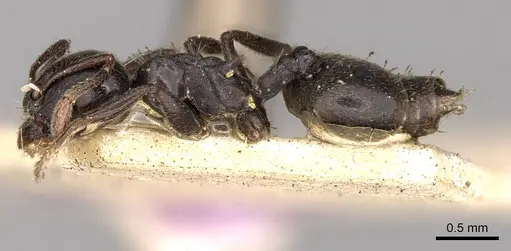
FOCOL1485
View on AntWeb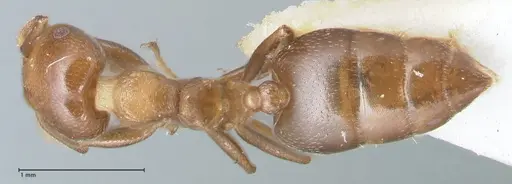
FOCOL1486
View on AntWeb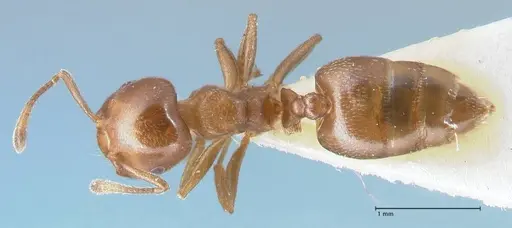
FOCOL1487
View on AntWeb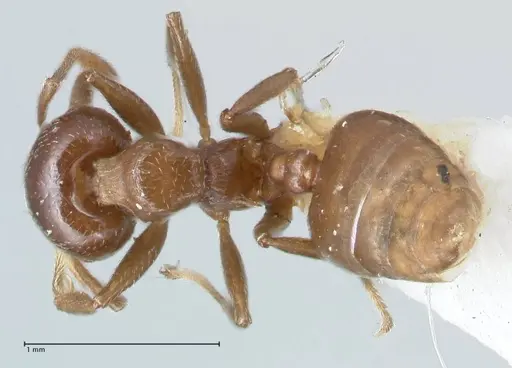
RMCAENT000017759
View on AntWeb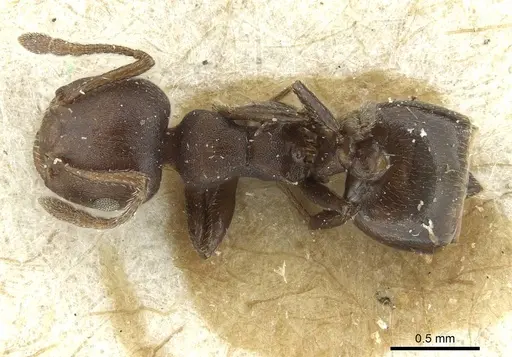
Literature
Loading...Loading products...