

Crematogaster hova
- Scientific Name
- Crematogaster hova
- Tribe
- Crematogastrini
- Subfamily
- Myrmicinae
- Author
- Forel, 1887
- Distribution
- Found in 1 countries
Crematogaster hova Overview
Crematogaster hova is an ant species of the genus Crematogaster. It is primarily documented in 1 countries , including Madagascar. Detailed taxonomic data and occurrence records can be further explored via authoritative databases such as AntWeb or the Global Biodiversity Information Facility (GBIF).
Crematogaster hova
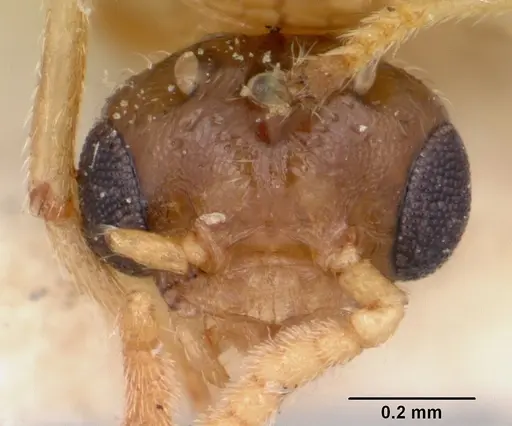
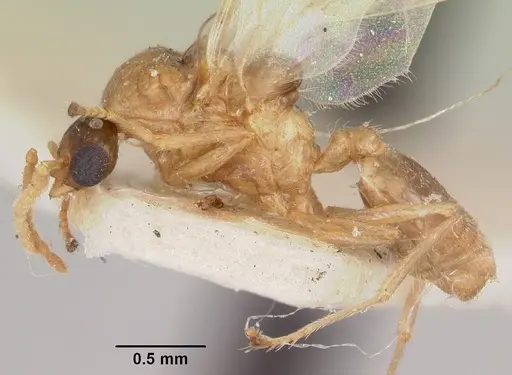
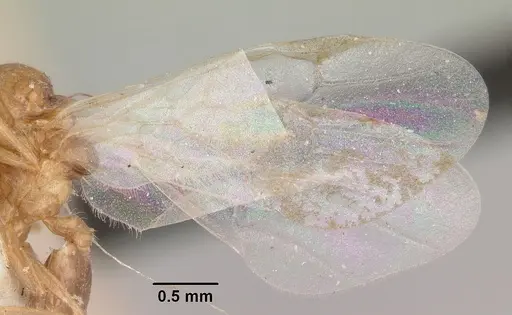
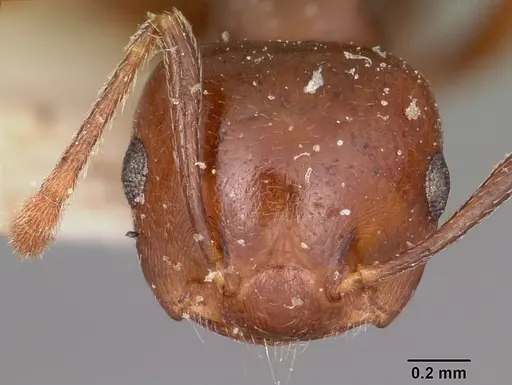
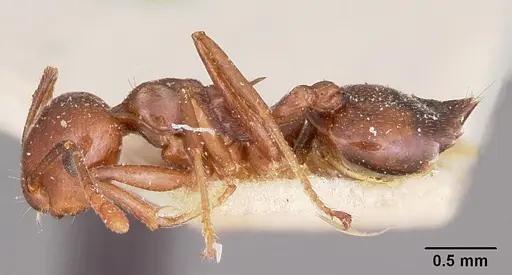
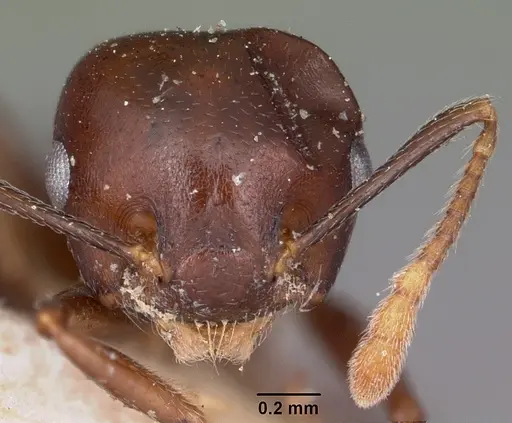
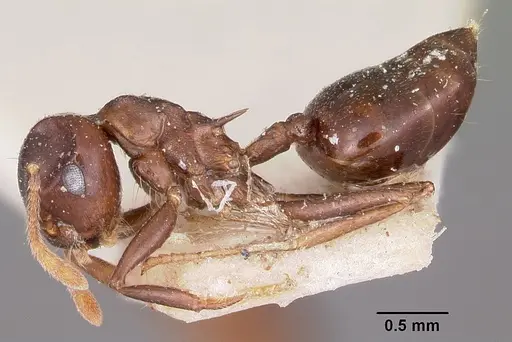
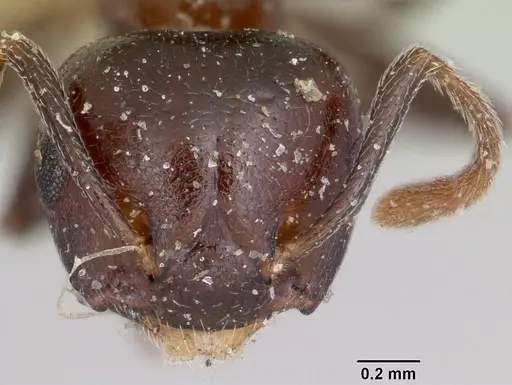
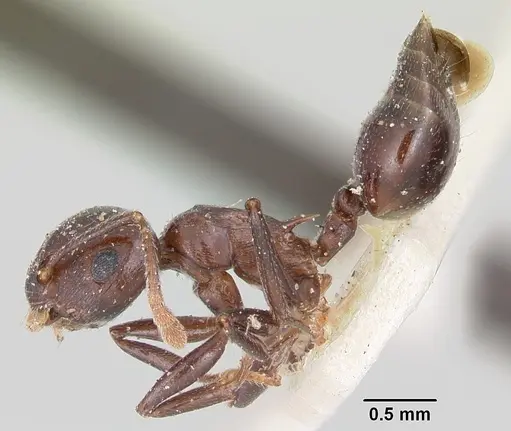
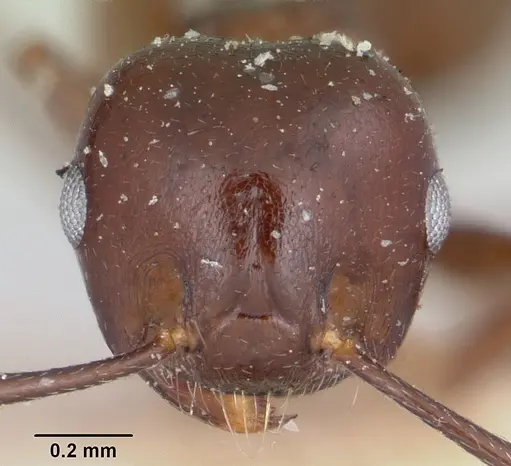
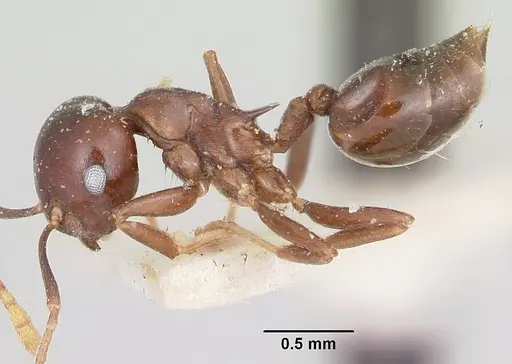
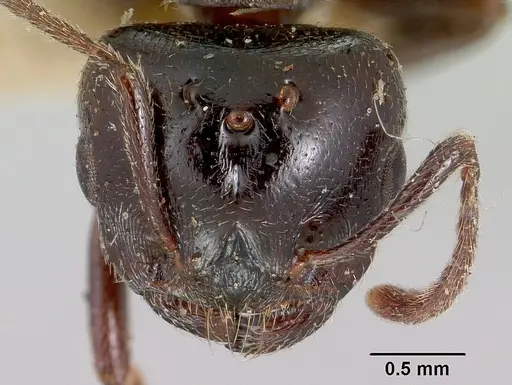
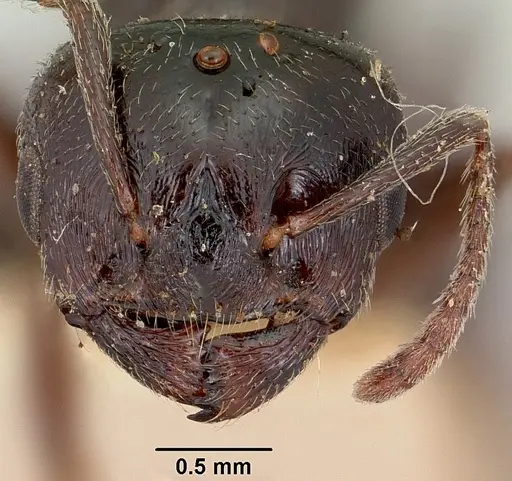
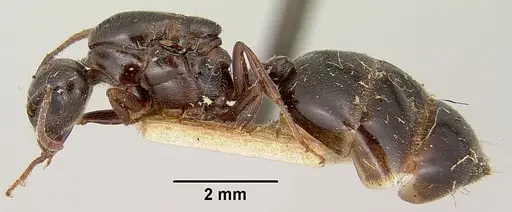
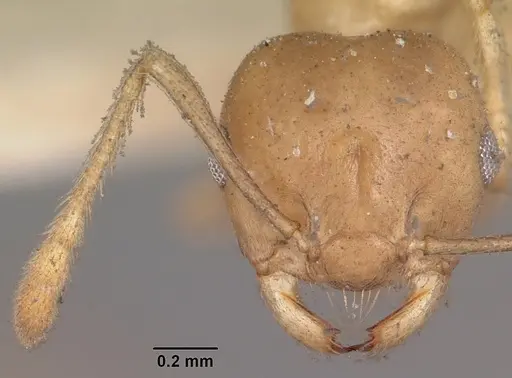
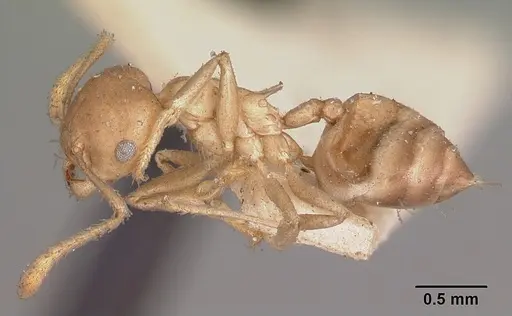
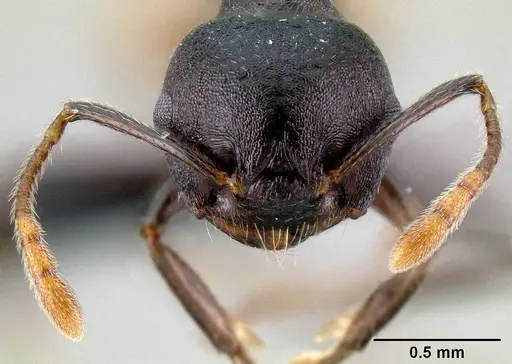
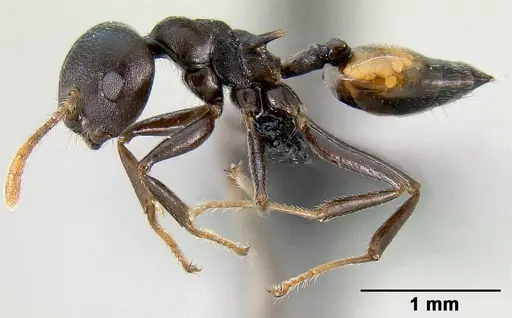
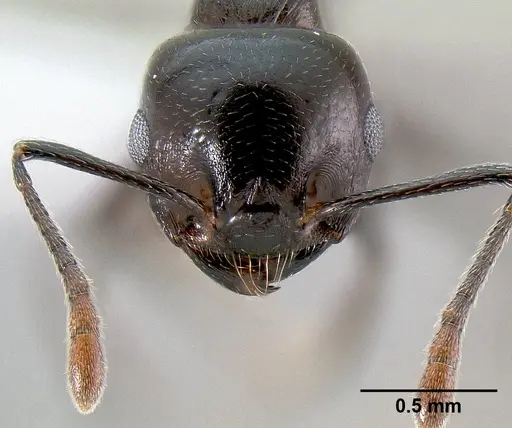
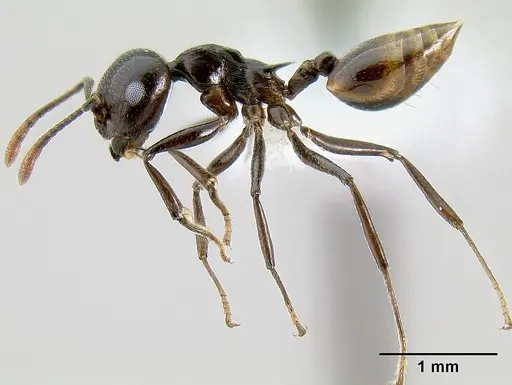
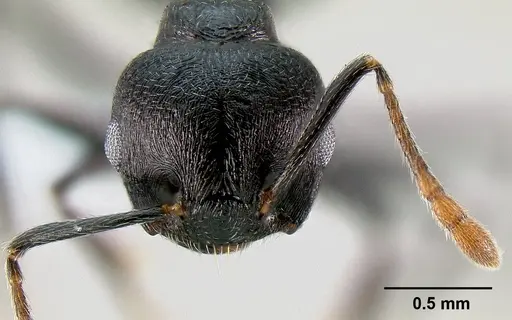
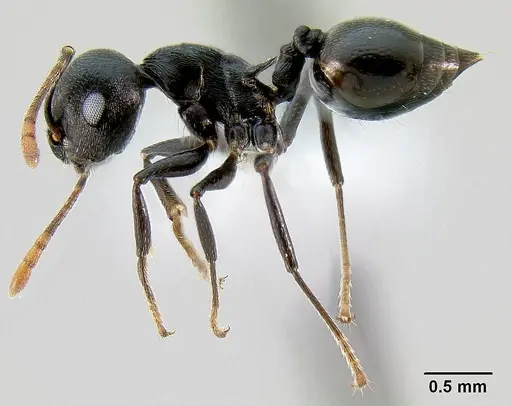
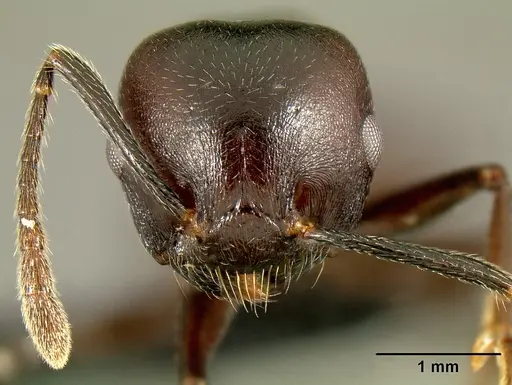
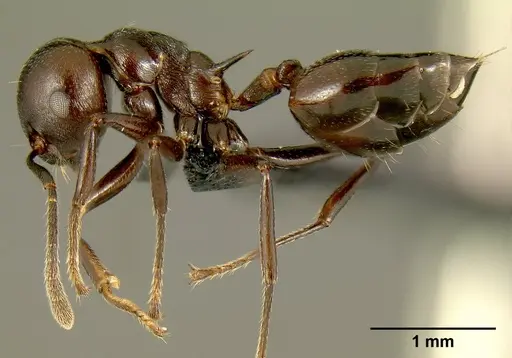
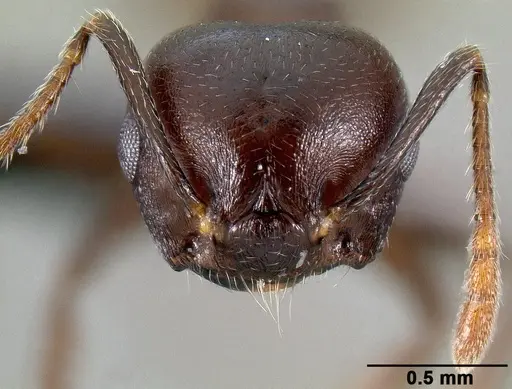
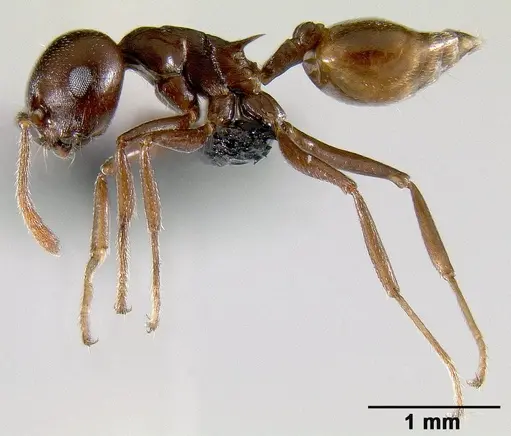
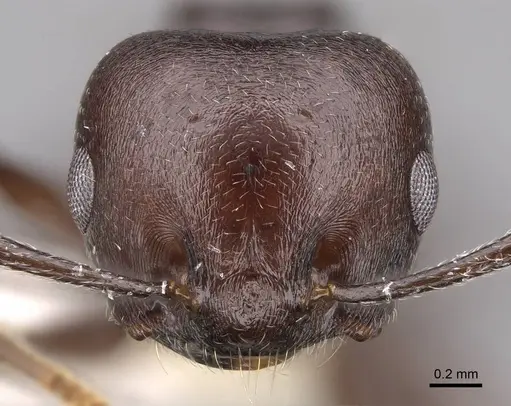
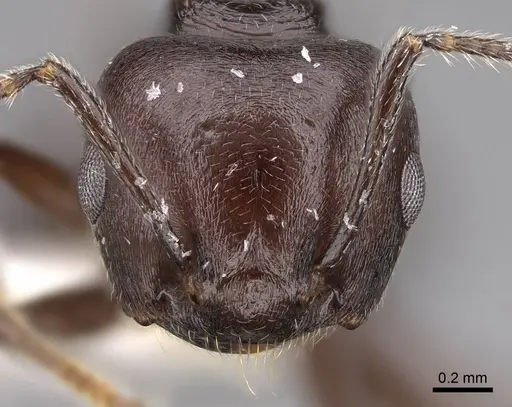
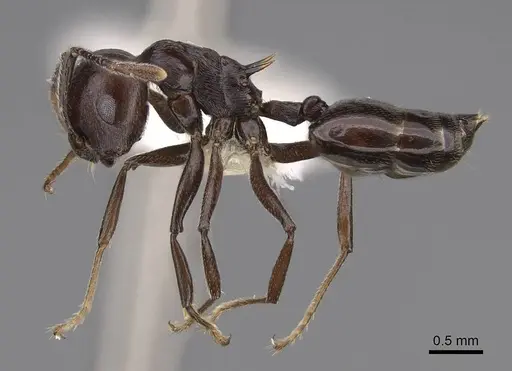
Crematogaster hova is a highly variable ant species native to Madagascar, belonging to the Crematogaster (Decacrema) group. Workers range from 0.74-1.19mm in head width, with queens significantly larger at 1.60-1.97mm [1]. The species displays remarkable morphological variation with five distinct morphotypes recognized, differing in head sculpture, body size, and propodeal spine length. Coloration ranges from light to dark brown or black, sometimes with a yellow patch on the fourth abdominal segment [1]. This species is part of a species complex that includes C. hova, C. schencki, and C. ensifera, which are difficult to distinguish morphologically [1].
Quick Summary
- Difficulty: Medium
- Origin & Habitat: Crematogaster hova originates from the humid and transition forests of Madagascar, ranging from the northern tip to the extreme south of the island. They are absent from western dry deciduous and spiny forests but present in isolated pockets in western protected areas like Zombitse and Isalo National Parks. Found at altitudes up to 2000m in the Marojejy massif [1]. This is a rainforest canopy species that forages on the forest floor and constructs distinctive carton nests in trees [1][2].
- Colony Type: Colony structure is not well documented. Polydomy is common, colonies occupy multiple nests that can be found on the same tree or adjacent trees. Queens have been found in carton nests along with workers and brood, but many nests contain only workers, suggesting possible satellite colonies or queenless groups [1].
- Size & Growth:
- Queen: 1.60-1.97mm head width,2.68-3.05mm Weber's length [1]
- Worker: 0.74-1.19mm head width,0.78-1.22mm Weber's length [1]
- Colony: Colony size is not precisely documented, but carton nests range from 6x4cm to 25x20cm, with larger nests housing queens and brood [1]
- Growth: Growth rate is unconfirmed, no direct development studies exist for this species
- Development: Unconfirmed, no specific development data available for this species. Based on typical Crematogaster patterns, expect 6-10 weeks at optimal temperature. (Development timeline has not been directly studied. Related Crematogaster species typically complete development in 6-10 weeks at warm temperatures.)
- Antkeeping:
- Temperature: Keep at room temperature around 22-26°C. No specific thermal requirements have been documented for this species, but its Madagascar rainforest origin suggests it prefers warm, stable conditions. A gentle heat gradient allows ants to regulate their temperature [1].
- Humidity: High humidity is essential, these ants inhabit humid rainforest environments in Madagascar. Keep the nest area at 60-80% humidity. Provide a water tube for moisture and mist the outworld occasionally. The carton nest construction behavior indicates they tolerate and may benefit from humid conditions [1][2].
- Diapause: Unknown, no documented diapause requirements exist. As a tropical species from Madagascar, it likely does not require hibernation. However, slight temperature reduction during winter months may be beneficial if colony activity decreases [1].
- Nesting: Arboreal carton nesters in the wild, they construct paper-like nests from plant fibers in trees, found at heights from 1.20m to over 20m. They also nest in dead twigs and branches. For captivity, a naturalistic setup with multiple small chambers or a Y-tong/plaster nest works well. Provide materials like small twigs, bark pieces, or cotton for nest construction. Multiple connected nest chambers accommodate their polydomous colony structure [1][2].
- Behavior: Workers are active foragers that search for food both in the canopy and on the forest floor. They are known to tend scale insects (Coccoidea) for honeydew, a common behavior in the Crematogaster genus. Workers have a characteristic habit of raising their abdomen when disturbed, displaying their ability to squirt formic acid, hence the name 'acrobat ants.' They are not particularly aggressive but will defend their nest vigorously. Escape risk is moderate due to their small size, tight-fitting lids and barrier gel are recommended [1][2].
- Common Issues: polydomous colony structure means colonies may appear to split, this is normal behavior, not a dying colony, carton nest construction requires specific materials, provide twigs, bark, or cotton for them to work with, high humidity requirements can lead to mold if ventilation is poor, balance humidity with airflow, small worker size means escape prevention must be adequate, use fine mesh and barrier gel, queen location may be difficult in multi-nest setups, colonies may have satellite nests without queens
Natural History and Distribution
Crematogaster hova is endemic to Madagascar, where it represents one of the most abundant and dominant ant species in the Malagasy rainforest canopy fauna. The species occupies humid and transition forests throughout the island, from the northern tip to the extreme south, with the highest recorded altitude at 2000m in the Marojejy massif. They are generally absent from the western dry deciduous and spiny forests, though isolated populations exist in western protected areas like Zombitse and Isalo National Parks [1]. This species is part of a complex of three described species (C. hova, C. schencki, and C. ensifera) that cannot be reliably distinguished morphologically, and taxonomic resolution awaits more detailed study [1].
Nest Preferences and Housing
In the wild, Crematogaster hova constructs arboreal carton nests, distinctive paper-like structures made from chewed plant fibers and wood particles. These nests are attached to vines or branches at various heights, from as low as 1.20m to over 20m high in the canopy. The species also uses dead twigs and branches as nesting sites, particularly during colony founding. Colony founding likely occurs in dead twigs, with carton nest construction beginning once the colony reaches sufficient size to allocate workers to building rather than just foraging [1][2]. For antkeepers, provide a naturalistic setup with multiple small chambers. Y-tong nests or plaster nests work well. Include materials like small twigs, pieces of bark, or cotton that workers can use to construct their characteristic carton structures. Multiple connected chambers accommodate their polydomous nature, colonies often maintain several nests in close proximity [1].
Feeding and Diet
Like other Crematogaster species, C. hova likely feeds on honeydew from tending scale insects (Coccoidea), which has been documented in their nests. They are opportunistic foragers that collect protein from small insects and carbohydrates from honeydew and nectar. In captivity, offer sugar water or honey regularly, along with small protein sources like fruit flies, pinhead crickets, or other small insects. Their small worker size means prey should be appropriately sized, very small insects or pre-killed pieces work best. The presence of scale insects in some wild nests suggests they may benefit from access to live scale insects or similar honeydew sources long-term [1][2].
Colony Structure and Polydomy
One of the most interesting aspects of C. hova biology is their polydomous colony structure, colonies maintain multiple nests that can be located on the same tree or adjacent trees. In the wild,17 out of 30 dissected carton nests contained a dealate queen along with workers and brood, while 13 nests contained only workers, sometimes with brood. These worker-only nests may function as satellite colonies or could represent colonies that lost their queen. This flexible colony structure is quite unusual and means you may find queenless groups within what is otherwise a healthy colony. Colonies may also contain staphylinid beetles and scale insects as symbionts [1].
Temperature and Seasonal Care
As a tropical rainforest species from Madagascar, C. hova prefers warm, stable conditions. While specific temperature requirements are not documented, aim for room temperature in the low-to-mid 20s Celsius (22-26°C). A gentle temperature gradient allows workers to self-regulate. No documented diapause requirement exists, this is not a temperate species requiring winter hibernation. However, slight temperature reduction during winter months may be beneficial if you notice reduced activity. The species tolerates a range of conditions given its altitudinal distribution from sea level to 2000m, but consistent warmth and high humidity best match their natural habitat [1].
Morphological Variation
Crematogaster hova displays remarkable variation across its range, with five distinct morphotypes recognized based on head sculpture, body size, and propodeal spine characteristics. Morphotype 1 includes small to large workers with reduced aciculate to superficially areolate head sculpture. Morphotype 4 features medium to large workers with deeply costulate to costulate-areolate head sculpture. This variation means captive colonies may contain workers that look quite different from each other, this is normal for this species and not a cause for concern. Color also varies from light to dark brown or black, sometimes with a yellow patch on the fourth abdominal segment [1].
Frequently Asked Questions
How long does it take for Crematogaster hova to produce first workers?
The exact development timeline is unconfirmed for this species. Based on typical Crematogaster patterns, expect 6-10 weeks from egg to first worker at optimal warm temperatures (around 24-26°C). No specific studies exist on their development, so this is an estimate based on related species [1].
What size colony does Crematogaster hova reach?
Colony size is not precisely documented, but carton nests in the wild reach up to 25x20cm, suggesting colonies of several hundred workers. Their polydomous nature means colonies can spread across multiple nest sites [1].
Do Crematogaster hova ants need hibernation?
No, as a tropical Madagascar species, they do not require hibernation. Slight temperature reduction during winter may be beneficial if colony activity decreases, but active cooling is not necessary [1].
What do Crematogaster hova ants eat?
They likely feed on honeydew from scale insects and small insects for protein. In captivity, offer sugar water or honey regularly, plus small insects like fruit flies or pinhead crickets. Their small worker size means prey should be appropriately sized [2].
Can I keep multiple queens together?
Colony structure (monogyne vs polygyne) is not well documented for this species. Their polydomous wild colonies sometimes contain single queens, but multiple queen arrangements have not been studied. It is not recommended to combine unrelated foundress queens until more is known about their colony structure [1].
What type of nest is best for Crematogaster hova?
They are arboreal carton nesters in the wild, also using dead twigs. A naturalistic setup with multiple small chambers works well. Y-tong or plaster nests with narrow passages suit their small size. Provide materials like small twigs, bark pieces, or cotton for nest-building behavior [1][2].
Do Crematogaster hova ants sting?
Crematogaster ants have the ability to squirt formic acid when threatened rather than stinging. They raise their abdomen in a defensive display, hence the common name 'acrobat ants.' They are not considered dangerous to humans [1].
Are Crematogaster hova good for beginners?
This species is rated as medium difficulty. While their basic care is straightforward (warm, humid conditions), their polydomous colony structure and specific nesting requirements (carton nest construction) make them better suited for antkeepers with some experience. Their small size also requires good escape prevention [1].
Why are some workers in my colony smaller than others?
This is normal for C. hova, they display remarkable morphological variation with five recognized morphotypes. Workers can range from 0.74-1.19mm in head width. Size variation within colonies is expected and reflects the species' natural variability [1].
My colony has multiple nests - is this normal?
Yes, this is completely normal and expected. Crematogaster hova is polydomous, colonies maintain multiple nests that can be on the same tree or adjacent trees. Having multiple nest sites is natural behavior for this species, not a sign of colony decline [1].
References

This caresheet is licensed under CC BY-SA 4.0 .
CASENT0101642
View on AntWeb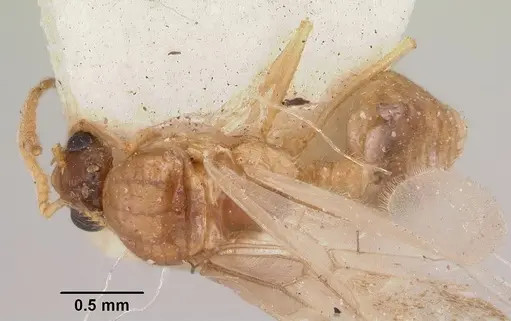
CASENT0101655
View on AntWeb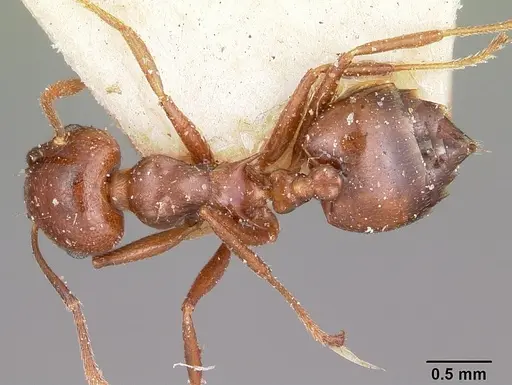
CASENT0101659
View on AntWeb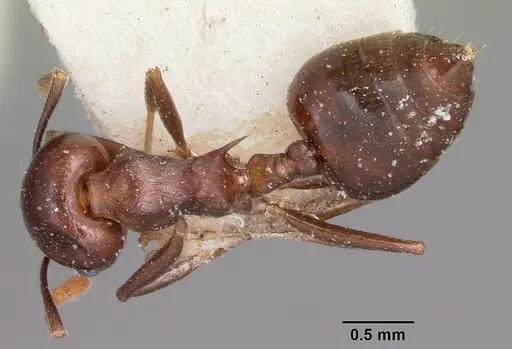
CASENT0101761
View on AntWeb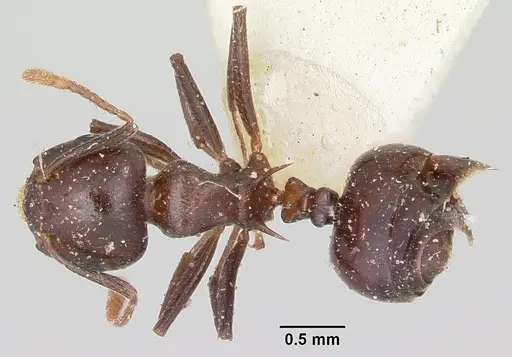
CASENT0101804
View on AntWeb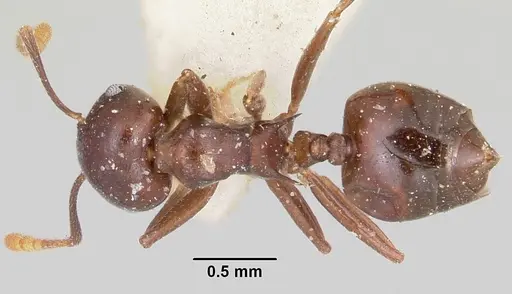
CASENT0101807
View on AntWeb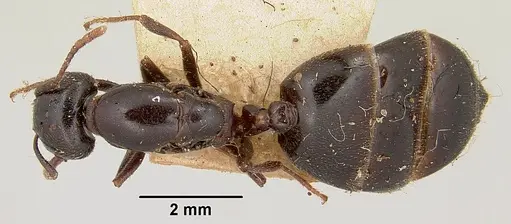
CASENT0102955
View on AntWeb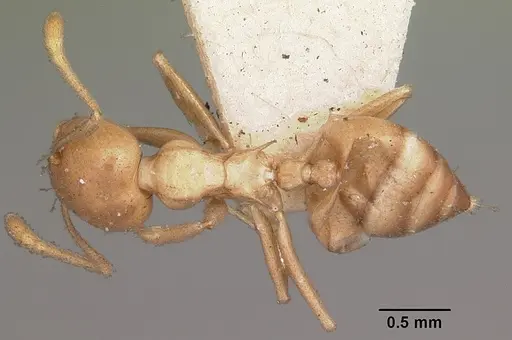
CASENT0140018
View on AntWeb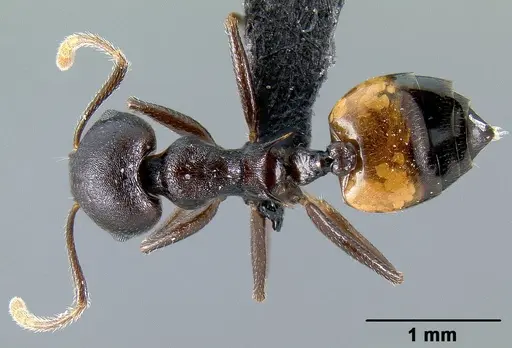
CASENT0193331
View on AntWeb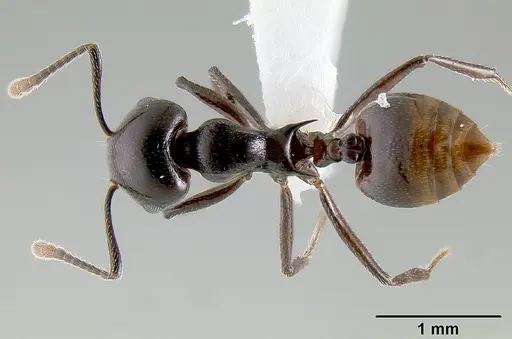
CASENT0193333
View on AntWeb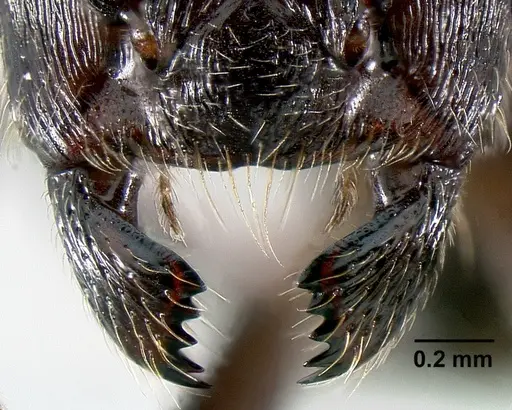
CASENT0193371
View on AntWeb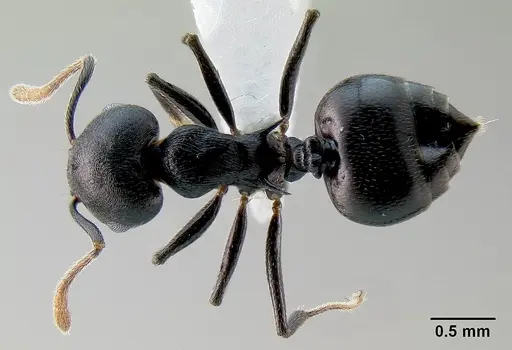
CASENT0193566
View on AntWeb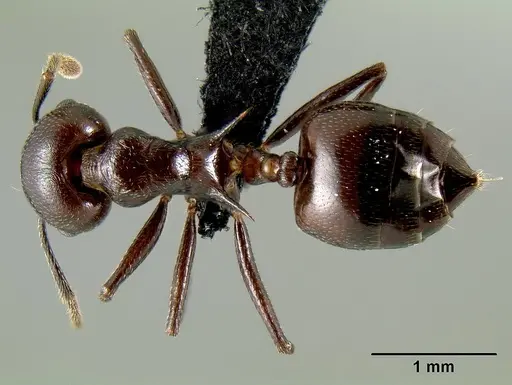
CASENT0495955
View on AntWeb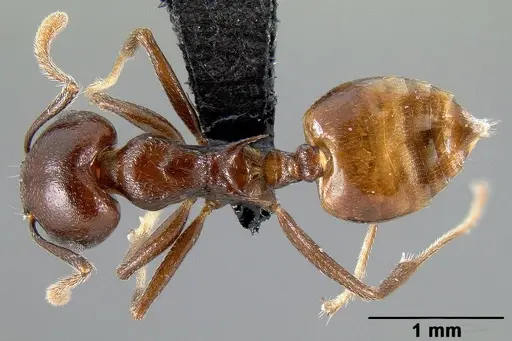
CASENT0922640
View on AntWeb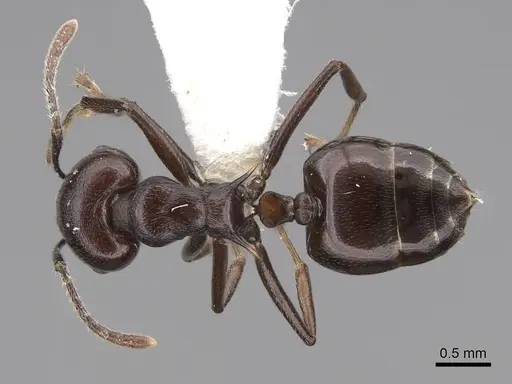
Literature
Loading...Loading products...