

Crematogaster grevei
- Scientific Name
- Crematogaster grevei
- Tribe
- Crematogastrini
- Subfamily
- Myrmicinae
- Author
- Forel, 1891
- Distribution
- Found in 1 countries
Crematogaster grevei Overview
Crematogaster grevei is an ant species of the genus Crematogaster. It is primarily documented in 1 countries , including Madagascar. Detailed taxonomic data and occurrence records can be further explored via authoritative databases such as AntWeb or the Global Biodiversity Information Facility (GBIF).
Crematogaster grevei
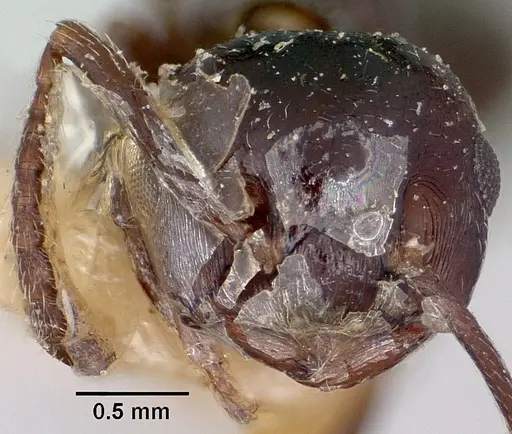
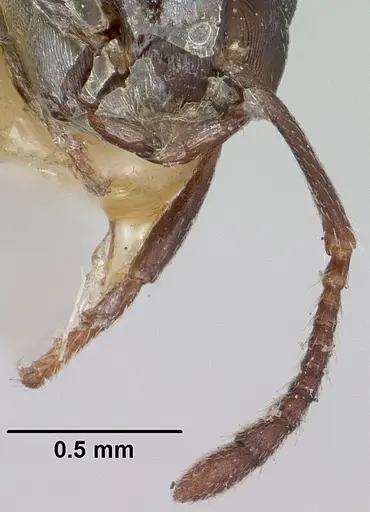
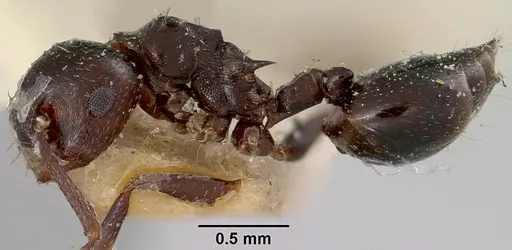
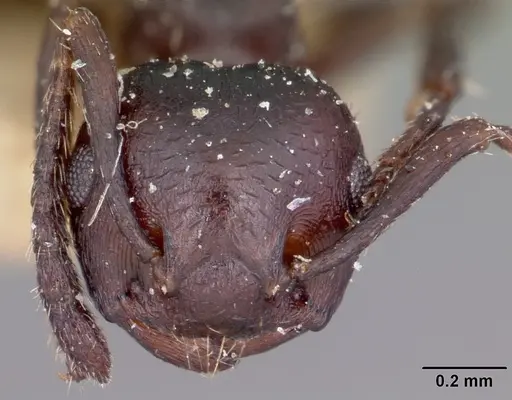
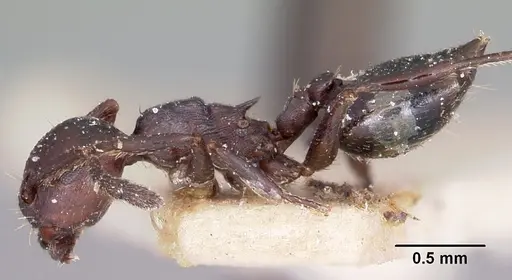
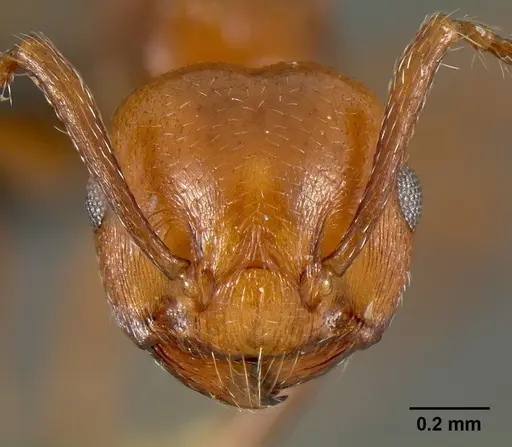
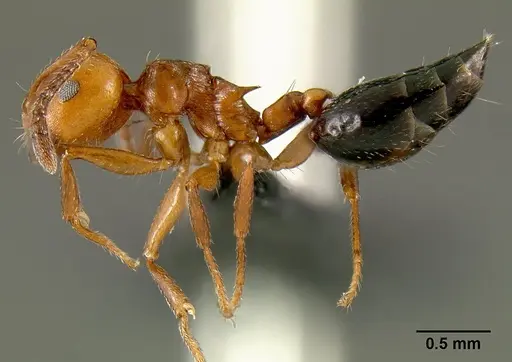
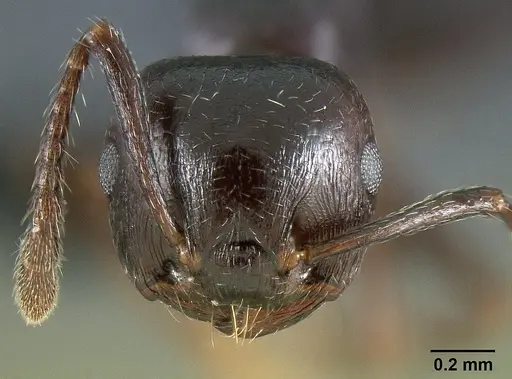
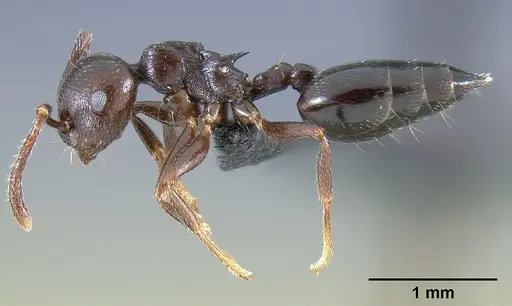
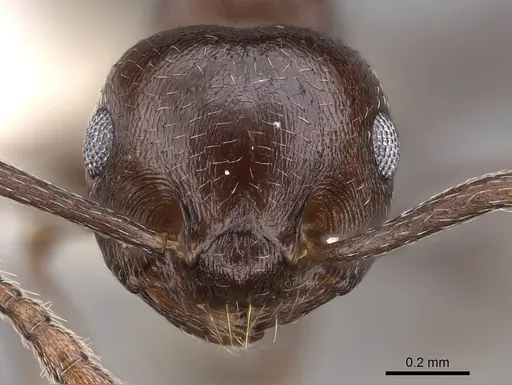
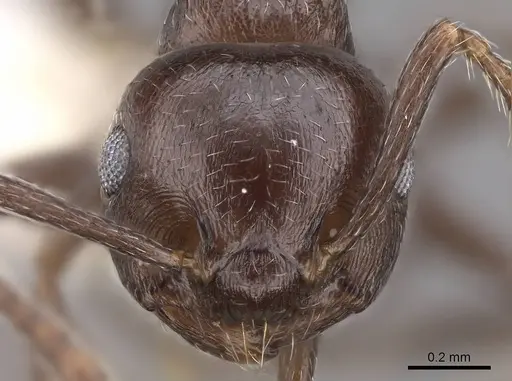
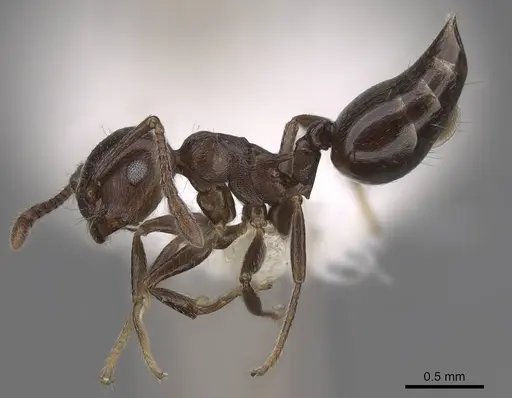
Crematogaster grevei is a small ant species native to Madagascar, measuring just 0.82-0.89mm for workers and 1.26-1.33mm for queens [1]. This species belongs to the Crematogaster subgenus Decacrema and is known for its distinctive appearance: workers have raised shoulder-like portions on the promesonotum, a bilobed postpetiole, and very small propodeal spines [1]. They have 4 teeth on their mandibles, which is unusual for the genus [1]. The species shows two color variants, one with an orange-red head and mesosoma contrasting with a dark gaster, and another that is uniformly brown to black [1]. These ants are found throughout the seasonally dry forests and spiny forests of western and southwestern Madagascar [1]. A notable behavior is that they often tend scale insects (Coccoidea) for honeydew, similar to other Crematogaster species [2].
Quick Summary
- Difficulty: Medium
- Origin & Habitat: Western and southwestern Madagascar, seasonally dry forests and spiny forests [1]. This species is a Malagasy endemic found in forest habitats [3].
- Colony Type: Likely single-queen colonies (monogyne) based on typical Crematogaster patterns. Queens may have ergatoid (wingless) replacement reproductives, though this hasn't been specifically documented for C. grievei.
- Colony: Monogyne
- Founding: Claustral
- Size & Growth:
- Queen: 1.26-1.33mm [1]
- Worker: 0.82-0.89mm [1]
- Colony: Likely several hundred workers based on genus patterns, Crematogaster colonies typically reach moderate sizes
- Growth: Moderate, based on typical Crematogaster development patterns
- Development: Estimated 6-8 weeks based on typical Crematogaster development at warm temperatures (Development time inferred from genus patterns, actual timeline may vary with temperature)
- Antkeeping:
- Temperature: Keep at 22-26°C, these are tropical ants from Madagascar's warm dry forests. A gentle gradient allowing them to choose their preferred temperature works best.
- Humidity: Moderate humidity around 50-70%. They come from seasonally dry forests, so avoid overly damp conditions. Provide a water tube but keep the nest area relatively dry.
- Diapause: No true diapause, Madagascar has mild winters. However, they may reduce activity during cooler periods. Keep warm year-round.
- Nesting: They naturally nest in dead twigs, rotten logs, and occasionally under stones or in plant stems [1]. Y-tong nests or acrylic nests with small chambers work well. They may also accept test tube setups if provided with twigs/branches inside.
- Behavior: These are active foragers with typical Crematogaster behavior, they raise their abdomens when disturbed as a defensive display. Workers are small but active, and they readily tend scale insects for honeydew. Escape risk is moderate due to their small size, use standard barrier methods. They are not particularly aggressive but will defend the colony. They show both arboreal and ground-nesting habits in the wild [4].
- Common Issues: small size means escapes are possible without proper barriers, dry forest origin means they can die from excessive humidity or mold, colonies may decline if not provided with honeydew or sugar sources, slow founding phase can lead to beginner impatience and overfeeding, wild-caught colonies may harbor parasites that affect captive survival
Housing and Nest Setup
Crematogaster grievei is a small ant that naturally nests in dead twigs, rotten logs, and occasionally under stones or in plant stems [1]. For captivity, Y-tong nests or acrylic nests with small, tight-fitting chambers work best. They do well in test tube setups as well, especially during founding, you can add small twigs or branches inside the tube to mimic their natural nesting sites. Because they show both arboreal and ground-nesting habits in the wild [4], they adapt to various nest types. Avoid overly large nests initially, smaller chambers help the colony feel secure. Ensure excellent escape prevention since workers are small enough to squeeze through small gaps.
Feeding and Diet
Like other Crematogaster species, C. grievei likely feeds on honeydew from scale insects (they often tend Coccoidea in the wild) [2], plus small insects and nectar. In captivity, offer sugar water or honey regularly, along with small protein sources like fruit flies, pinhead crickets, or mealworm pieces. They are small ants, so prey items should be appropriately sized. Feed protein 2-3 times per week, and keep sugar water available at all times. Remove uneaten prey after 24-48 hours to prevent mold.
Temperature and Humidity
These ants come from Madagascar's warm, seasonally dry forests, keep temperatures in the 22-26°C range. Room temperature is often sufficient if your home stays in this range. If needed, a heating cable on one side of the nest can create a gentle gradient. For humidity, aim for moderate levels (50-70%), these are dry forest ants, so they don't need the high humidity that tropical rainforest species require. Provide a water tube for drinking, but avoid over-wetting the nest. Good ventilation helps prevent mold while maintaining appropriate humidity. [1]
Colony Development
Queens measure 1.26-1.33mm and workers are tiny at 0.82-0.89mm [1]. The colony shows some size polymorphism, larger workers with disproportionately larger mesosomas sometimes appear among normal-sized workers [1]. Development from egg to first worker likely takes 6-8 weeks based on typical Crematogaster patterns, though this hasn't been specifically documented for this species. Founding can be slow, queens are small and claustral, sealing themselves in to raise the first brood. Be patient during this phase and avoid disturbing the nest.
Behavior and Temperament
Crematogaster ants are named for their ability to raise their abdomens over their heads like acrobats when disturbed, this is a defensive display. Workers are active foragers and will readily explore their outworld. They are not particularly aggressive toward keepers but will defend the colony if threatened. Their small size means they can be overlooked as escape artists, use fluon or other barriers if housing them in formicariums. They tend to be more skittish than aggressive, quickly retreating when disturbed. The species shows both arboreal and ground-nesting habits in the wild [4], suggesting adaptable behavior.
Frequently Asked Questions
How long does it take for Crematogaster grievei to produce first workers?
Based on typical Crematogaster development, expect first workers (nanitics) around 6-8 weeks after the queen lays eggs, assuming temperatures around 24-26°C. This is an estimate based on genus patterns, as specific development timing hasn't been documented for this species.
What do Crematogaster grievei ants eat?
They feed on honeydew (they tend scale insects in the wild), sugar water or honey, and small insects like fruit flies or pinhead crickets. Offer protein 2-3 times weekly and keep sugar water available constantly.
Can I keep Crematogaster grievei in a test tube?
Yes, test tubes work well, especially for founding colonies. Add small twigs or branches inside to mimic their natural nesting in dead twigs. Transfer to a larger nest (Y-tong or acrylic) once the colony reaches 30-50 workers.
Do Crematogaster grievei ants sting?
Crematogaster ants can sting but rarely do so. Their main defense is raising their abdomens in an acrobatic display. Given their tiny size (workers are under 1mm), any sting would be barely noticeable to humans.
Are Crematogaster grievei good for beginners?
They are rated as medium difficulty. They're smaller and more sensitive than beginner species like Lasius, but not as challenging as tropical rainforest ants. They're a good choice after you've kept a beginner species successfully.
What temperature do Crematogaster grievei need?
Keep them at 22-26°C. This matches their native Madagascar habitat. Room temperature is often suitable, but you may need a heating cable in cooler homes.
How big do Crematogaster grievei colonies get?
Based on typical Crematogaster patterns, colonies likely reach several hundred workers. They show some size polymorphism, with larger workers sometimes appearing in established colonies.
Do Crematogaster grievei need hibernation?
No, they come from Madagascar where winters are mild. Keep them warm year-round. They may reduce activity slightly during cooler periods but don't enter true diapause.
Why is my Crematogaster grievei colony dying?
Common causes include excessive humidity (they're dry forest ants), mold from overfeeding, temperatures too low, or stress during founding. Check that humidity is moderate, remove uneaten food promptly, and ensure temperatures stay in the 22-26°C range.
References

This caresheet is licensed under CC BY-SA 4.0 .
CASENT0101558
View on AntWeb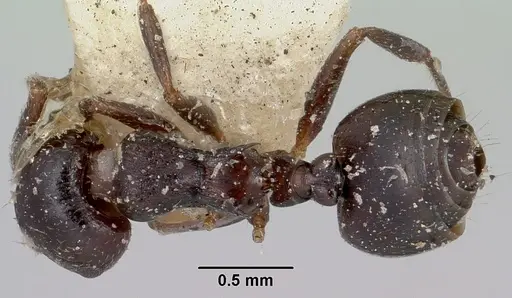
CASENT0101572
View on AntWeb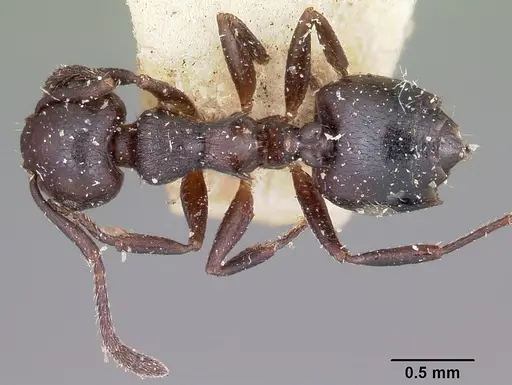
CASENT0449661
View on AntWeb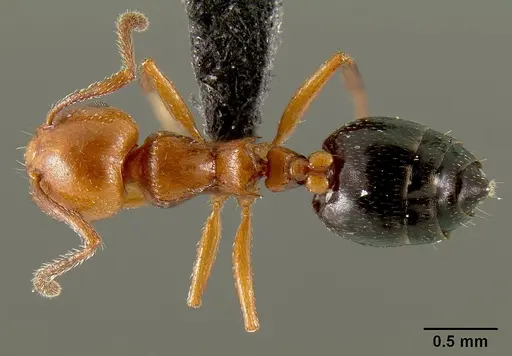
CASENT0454184
View on AntWeb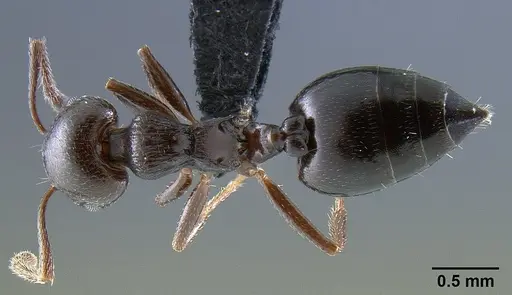
CASENT0922639
View on AntWeb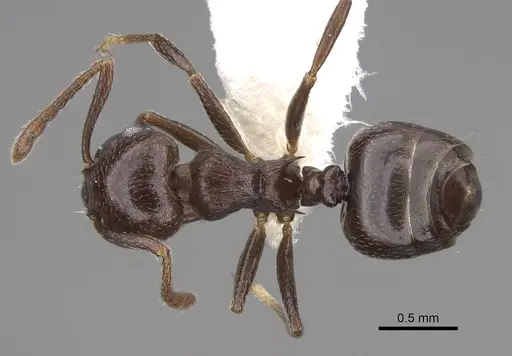
Literature
Loading...Loading products...