

Crematogaster gallicola
- Scientific Name
- Crematogaster gallicola
- Tribe
- Crematogastrini
- Subfamily
- Myrmicinae
- Author
- Forel, 1894
- Distribution
- Found in 1 countries
Crematogaster gallicola Overview
Crematogaster gallicola is an ant species of the genus Crematogaster. It is primarily documented in 1 countries , including Zimbabwe. Detailed taxonomic data and occurrence records can be further explored via authoritative databases such as AntWeb or the Global Biodiversity Information Facility (GBIF).
Crematogaster gallicola
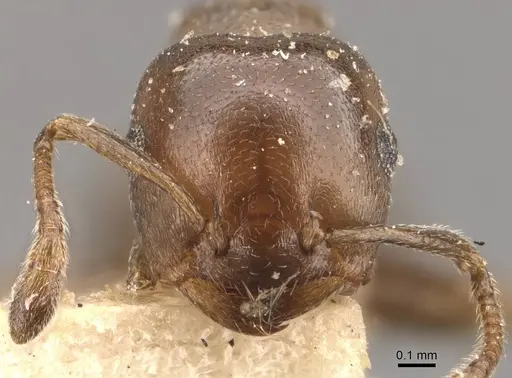
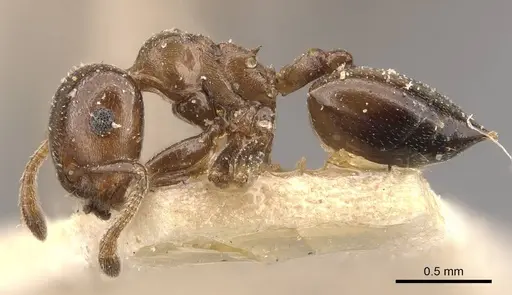
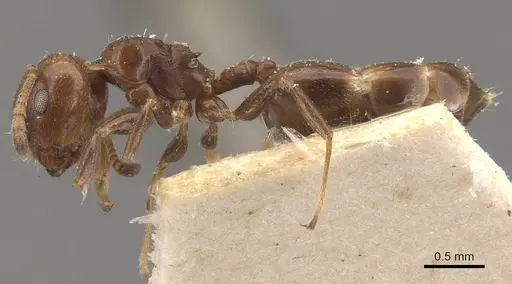
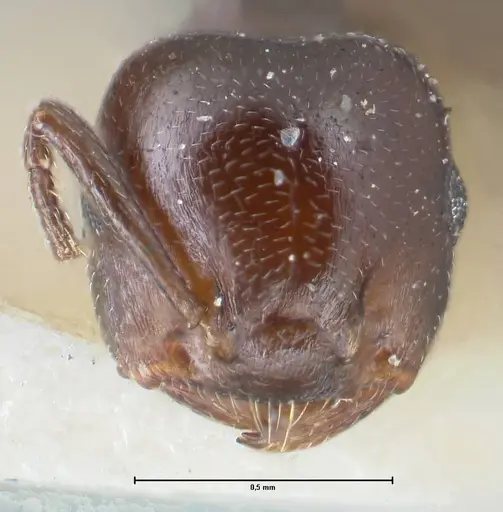
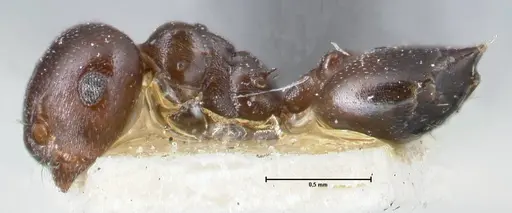
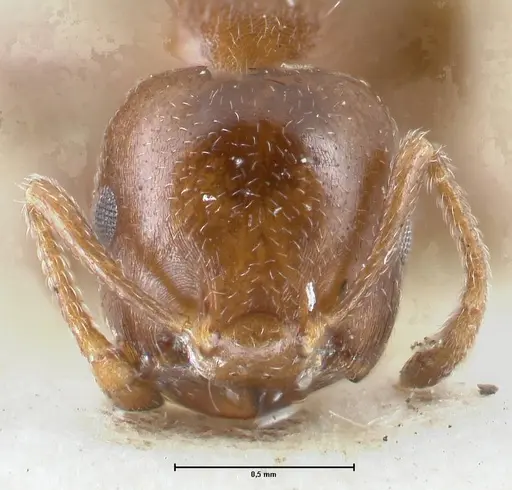
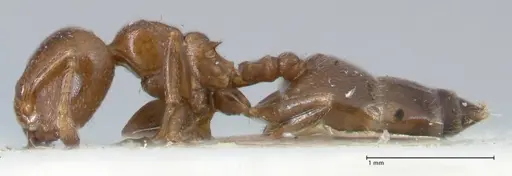
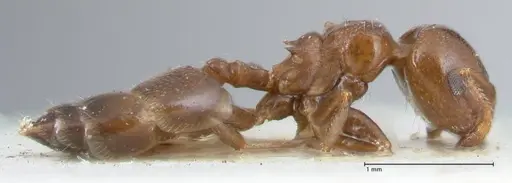
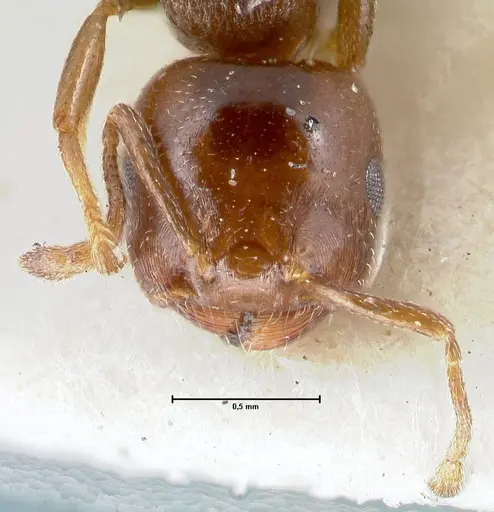
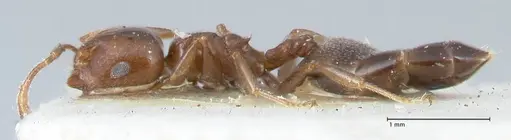
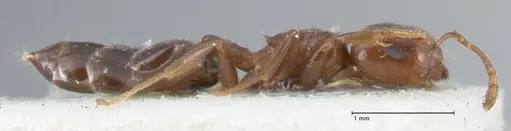
Crematogaster gallicola is a small ant species native to the Afrotropical region, found in Mozambique, Zimbabwe, and Somalia [1]. Workers are typical of the genus Crematogaster, with a distinctive heart-shaped gaster (the rear body segment) that they use to raise and point their abdomen when threatened [1]. This species earns its common name 'gall ant' because it nests exclusively inside plant galls, abnormal growths on plants that provide ready-made shelter [2]. The species was first discovered by Liengme in 1894 at Delagoa Bay, Mozambique, living inside a plant stem gall [2]. This gall-nesting behavior makes them unique among antkeepers, as they don't nest in soil or wood like many other species.
Quick Summary
- Difficulty: Unknown, poorly studied in captivity
- Origin & Habitat: Afrotropical region: Mozambique, Zimbabwe, and Somalia. They live inside plant galls in tropical to subtropical environments [2][1].
- Colony Type: Likely single-queen colonies (monogyne) based on typical Crematogaster patterns, though colony structure has not been directly studied. Queens have been found inside galls alongside workers, suggesting established colony structure [2].
- Colony: Monogyne
- Founding: Claustral
- Size & Growth:
- Queen: Estimated 6-8mm based on genus patterns, no direct species measurement available
- Worker: Estimated 3-5mm based on typical Crematogaster worker size, no direct measurement available
- Colony: Unknown, likely small to moderate colonies typical of gall-nesting species
- Growth: Unknown
- Development: Unknown, likely 4-8 weeks based on typical tropical Crematogaster development (Development timeline has not been directly studied for this species. Estimates based on related Crematogaster species suggest relatively fast development in warm conditions.)
- Antkeeping:
- Temperature: Keep at 24-28°C, they come from tropical/subtropical regions and need warmth. A gentle heat gradient allows them to regulate their temperature.
- Humidity: Moderate humidity around 60-70%. Gall interiors are protected from extreme moisture but aren't dry. Avoid both waterlogging and complete drying out.
- Diapause: No, this is a tropical species with no winter dormancy. Keep temperatures stable year-round.
- Nesting: This species naturally nests inside plant galls. In captivity, they may accept test tubes with small cavities or small acrylic nests that mimic enclosed spaces. They may be arboreal (tree-dwelling) in nature, so vertical space and branches could be beneficial.
- Behavior: Crematogaster ants are known for their defensive behavior, when threatened, they raise their gaster and can deliver a painful sting [1]. They are active foragers and typically accept both sugar sources and protein foods. Their small size means escape prevention is important, they can squeeze through tiny gaps. As gall-nesting ants, they likely prefer enclosed spaces and may be more secretive than ground-nesting species.
- Common Issues: limited available care information makes this a challenging species to keep successfully, escape prevention is critical due to their small size, tropical temperature requirements may be difficult to maintain in cooler climates, gall-nesting behavior may be difficult to replicate in captivity, they may not readily accept standard nest types, wild-caught colonies may have parasites or may not adapt to captive conditions
Natural History and Nesting
Crematogaster gallicola is one of the few ant species that lives exclusively inside plant galls, the abnormal rounded growths that form on plants in response to insects, mites, or fungi. The original specimen was collected by Liengme at Delagoa Bay (Mozambique) from inside a stem gall [2]. Later, Arnold found a colony containing a queen and workers in a gall at Somabula in Southern Rhodesia (now Zimbabwe) [2]. This gall-nesting behavior is unusual among ants and suggests this species has adapted to using pre-existing cavities rather than excavating their own nests. They are found across the Afrotropical region including Mozambique, Zimbabwe, and Somalia [1]. This species also has a known mutualistic relationship with Chrysoritis butterflies, a genus of lycaenid butterflies that form associations with Crematogaster ants [3].
Housing and Nest Preferences
The most challenging aspect of keeping this species is replicating their natural gall-nesting habitat. In captivity, they will likely need enclosed spaces that mimic the interior of a plant gall. Small test tubes with tight-fitting cotton plugs or small acrylic nests with narrow chambers may work better than open formicariums. Since they appear to be arboreal or semi-arboreal (living in plant stems), providing some vertical structure and small branches in the outworld can help them feel at home. Like other Crematogaster species, they are excellent climbers and will explore vertical surfaces. Escape prevention is essential, use fluon barriers and ensure all openings are sealed, as their small size allows them to squeeze through remarkably tiny gaps.
Feeding and Diet
Crematogaster ants are omnivorous and typically accept a variety of foods. They will likely take sugar water, honey, or diluted syrup as an energy source. For protein, offer small insects like fruit flies, pinhead crickets, or mealworms. In the wild, they likely forage for small arthropods and may tend aphids for honeydew, though this hasn't been specifically documented for this species. Feed them a few times per week, removing any uneaten protein after 24 hours to prevent mold. Sugar water should be available constantly in a small test tube or feeder.
Temperature and Seasonal Care
As a tropical species from Mozambique, Zimbabwe, and Somalia, Crematogaster gallicola needs warm temperatures to thrive. Keep the nest area at 24-28°C, with a slight gradient allowing workers to move between warmer and cooler areas. A heating cable or small heat mat on one side of the nest can help maintain these temperatures, but always monitor to avoid overheating. Unlike temperate species, they do not require hibernation or diapause, maintain consistent temperatures year-round. Sudden temperature drops should be avoided. Room temperature in heated homes (around 22-24°C) may be acceptable, but warmer is better for this tropical species.
Behavior and Defense
Like all Crematogaster species, these ants have a distinctive defensive behavior, when threatened, they raise their abdomen high above their head, pointing their gaster like a stinger. They possess a functional sting and can deliver a painful sting if handled roughly or if their nest is disturbed. They are active foragers and will explore their outworld thoroughly in search of food. Workers are relatively small but determined, and they can be aggressive when defending their colony. Provide them with a deep outworld area with substrate for foraging, and consider adding some hiding spots or plants to reduce stress. They are not aggressive toward humans unprovoked, but caution is advised when servicing their nest.
Frequently Asked Questions
How long does it take for Crematogaster gallicola to produce first workers?
The exact development timeline is unknown for this species. Based on typical Crematogaster patterns, expect first workers (nanitics) around 4-8 weeks after the queen lays eggs, assuming optimal temperatures around 26°C. The founding queen will remain in the nest chamber, sealed in or nearly so, until her first workers emerge.
What do Crematogaster gallicola ants eat?
They are omnivorous like other Crematogaster species. Offer sugar water or honey as a constant energy source, and protein foods like small insects (fruit flies, pinhead crickets, mealworms) a few times per week. They likely accept honeydew in captivity if you keep aphids, though this hasn't been specifically documented for this species.
Do Crematogaster gallicola ants sting?
Yes, they can sting. Crematogaster ants have a functional sting and will use it when threatened. The sting is painful but not dangerous to healthy humans. Handle them gently and avoid disturbing their nest unnecessarily.
Can I keep Crematogaster gallicola in a test tube?
Yes, test tubes can work for this species, especially for founding colonies. However, because they are gall-nesting ants that prefer enclosed spaces, they may do better in small acrylic nests or test tubes with very tight, enclosed chambers. Make sure to provide adequate escape prevention as they are small and can escape easily.
Do Crematogaster gallicola need hibernation?
No, they do not need hibernation. This is a tropical species from Mozambique, Zimbabwe, and Somalia where temperatures remain warm year-round. Keep them at consistent tropical temperatures (24-28°C) without seasonal cooling.
How big do Crematogaster gallicola colonies get?
The maximum colony size is unknown for this species. Based on their gall-nesting lifestyle and related species, colonies are likely small to moderate, probably under a few hundred workers. Gall interiors provide limited space, which may naturally constrain colony growth.
Are Crematogaster gallicola good for beginners?
This species is not recommended for beginners due to the lack of captive care information and their specialized gall-nesting requirements. If you're experienced with Crematogaster species and can provide warm temperatures and proper escape prevention, it can be a rewarding species to keep. However, there is very little documented husbandry information available.
Why is Crematogaster gallicola called the gall ant?
They are called gall ants because they nest exclusively inside plant galls, the abnormal rounded growths that form on plants. The original specimen was discovered in 1894 living inside a gall on a plant stem in Mozambique [2]. This nesting behavior is unusual and distinctive among ant species.
References

This caresheet is licensed under CC BY-SA 4.0 .
CASENT0902097
View on AntWeb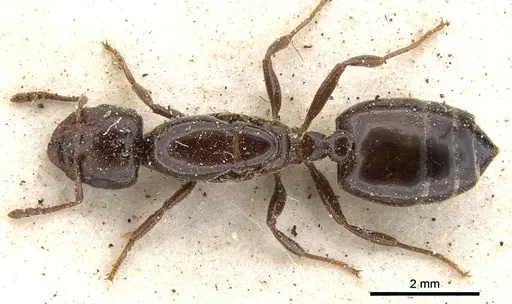
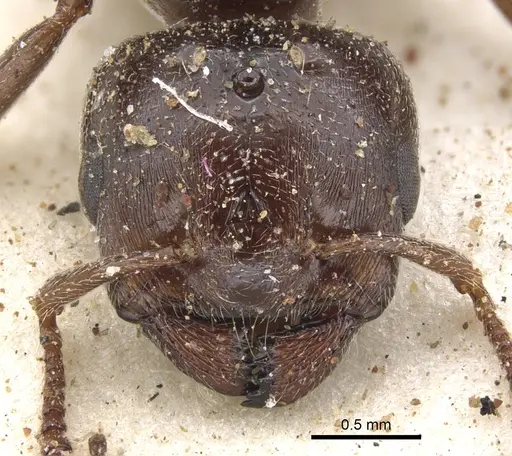
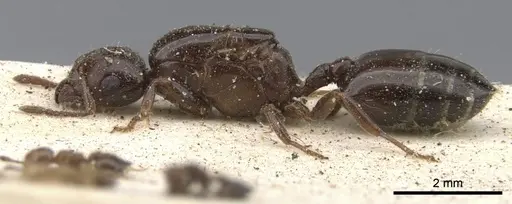
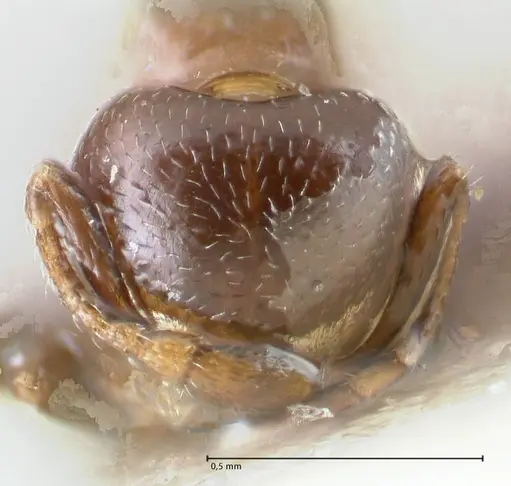
CASENT0908527
View on AntWeb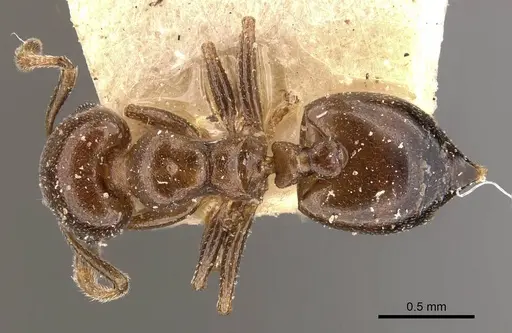
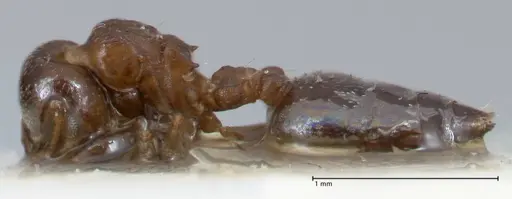
CASENT0908532
View on AntWeb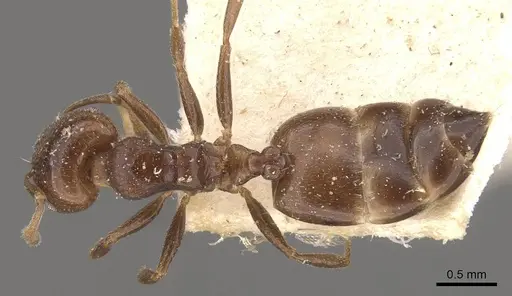
FOCOL1481
View on AntWeb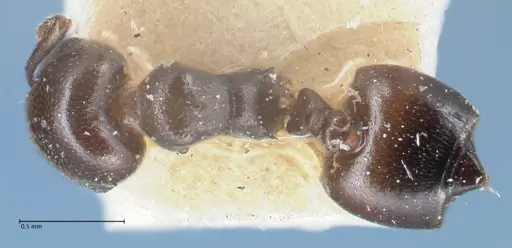
FOCOL1482
View on AntWeb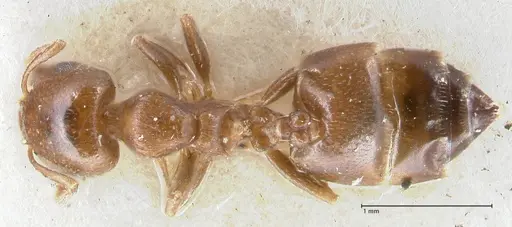
FOCOL1483
View on AntWeb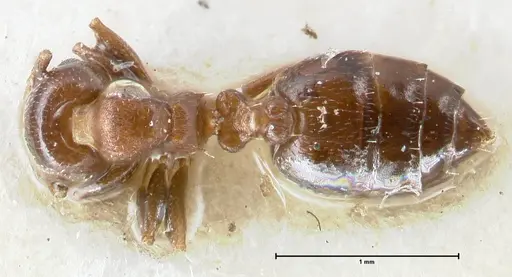
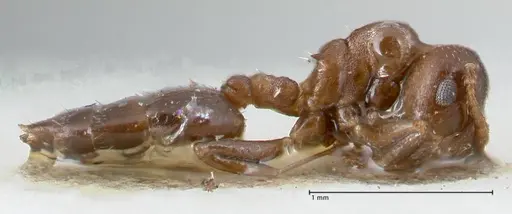
FOCOL1484
View on AntWeb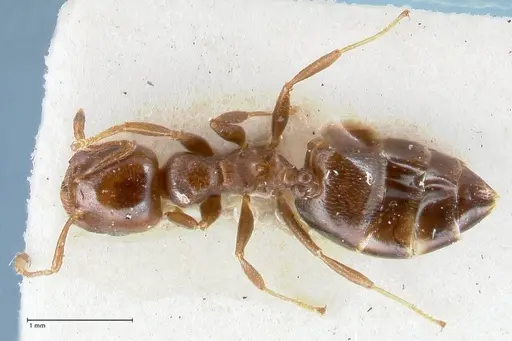
Literature
Loading...Loading products...