

Crematogaster fruhstorferi
- Scientific Name
- Crematogaster fruhstorferi
- Tribe
- Crematogastrini
- Subfamily
- Myrmicinae
- Author
- Emery, 1901
- Distribution
- Found in 1 countries
Crematogaster fruhstorferi Overview
Crematogaster fruhstorferi is an ant species of the genus Crematogaster. It is primarily documented in 1 countries , including Indonesia. Detailed taxonomic data and occurrence records can be further explored via authoritative databases such as AntWeb or the Global Biodiversity Information Facility (GBIF).
Crematogaster fruhstorferi
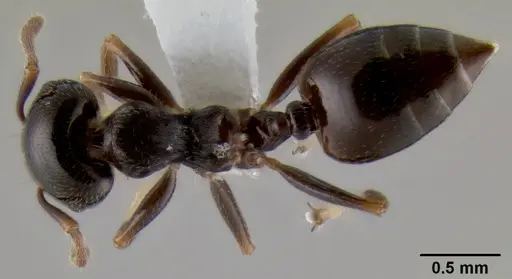
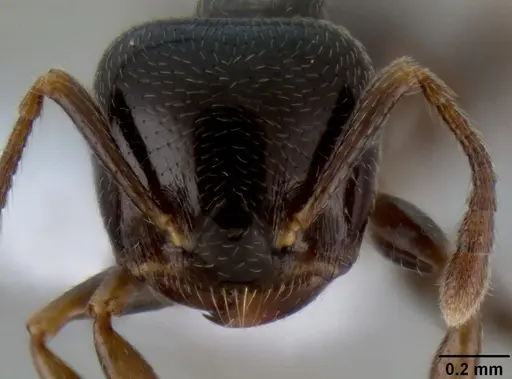
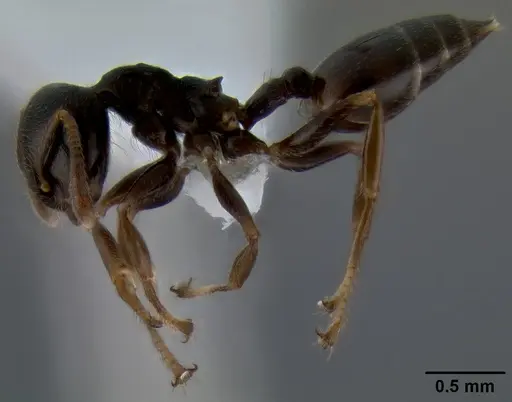
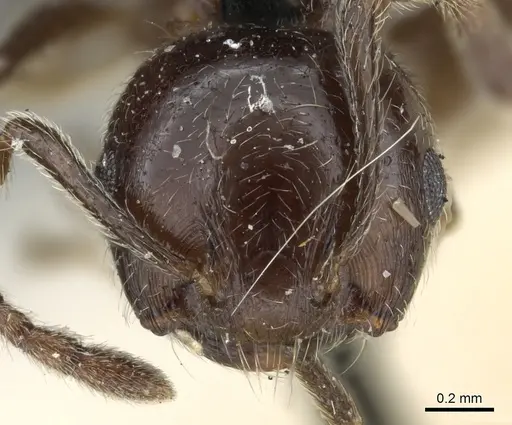
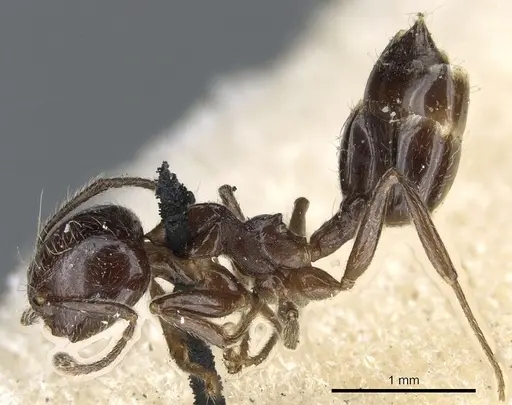
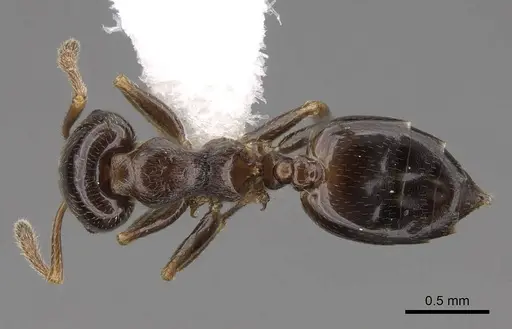
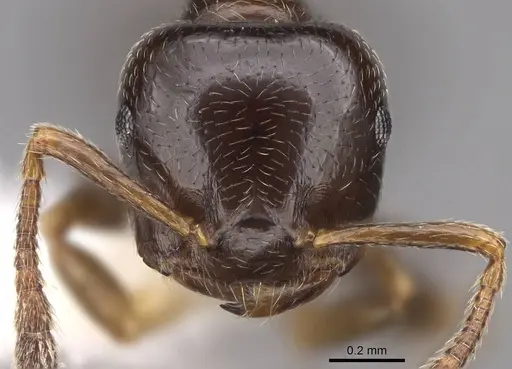
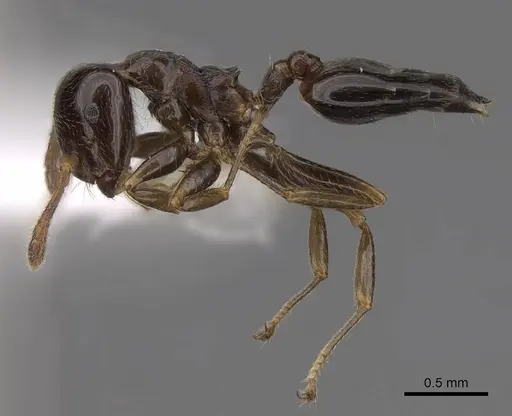
Crematogaster fruhstorferi is a small to medium-sized ant species belonging to the Decacrema subgenus, native to the Indonesian island of Sulawesi and also found on Borneo [1][2]. These ants are easily recognized by their distinctive heart-shaped gaster (abdomen) that they can raise and curl over their thorax like an acrobat's balance beam, hence the common name 'acrobat ant.' Workers measure around 3-4mm, with queens being significantly larger. The species has short, stout propodeal spines and notably large propodeal spiracles [2].
This species is part of clade C within the genus Crematogaster, which includes other Southeast Asian species [2]. In their natural habitat of Sulawesi's tropical forests, they typically nest in elevated locations such as tree hollows or under bark, consistent with other Decacrema species. They are active foragers with a varied diet and can be aggressive when defending their nest.
Quick Summary
- Difficulty: Medium
- Origin & Habitat: Native to Indonesia, specifically Sulawesi and Borneo. Found in tropical lowland and montane forest habitats at elevations around 1500m [3].
- Colony Type: Likely monogyne (single queen) based on typical Decacrema patterns, though colony structure is not specifically documented for this species.
- Colony: Monogyne
- Founding: Claustral
- Size & Growth:
- Queen: Estimated 8-10mm based on genus patterns for Decacrema species
- Worker: Estimated 3-4mm based on genus patterns
- Colony: Likely several hundred to a few thousand workers based on typical Crematogaster colony sizes
- Growth: Moderate, based on typical genus growth patterns
- Development: Estimated 6-8 weeks at tropical temperatures (25-28°C) (Development time inferred from related Crematogaster species, specific data for C. fruhstorferi is not available)
- Antkeeping:
- Temperature: Keep at 24-28°C. These are tropical ants from Sulawesi, so they prefer warm, stable conditions. A heating cable on one side of the nest creates a suitable gradient.
- Humidity: Moderate to high humidity (60-80%). Mist occasionally and keep the nest substrate slightly moist but not waterlogged. Provide a water tube for drinking water.
- Diapause: No, as a tropical species, they do not require hibernation. Keep them at stable temperatures year-round.
- Nesting: Decacrema species typically prefer elevated/nesting sites. In captivity, they do well in Y-tong (AAC) nests or plaster nests with chambers scaled to their size. They may also accept formicariums with multiple connected chambers. Avoid overly damp substrates.
- Behavior: Crematogaster fruhstorferi is an active forager with an aggressive defensive response when threatened. They will raise their gaster over their head as a warning display, this is where the 'acrobat' name comes from. They have a functional stinger and can deliver a mildly painful sting. They are skilled at escaping and can squeeze through small gaps due to their small size. They typically forage in trails and will recruit nestmates to food sources.
- Common Issues: escape prevention is critical due to their small size, use fine mesh barriers and tight-fitting lids, tropical species may struggle if temperatures drop below 22°C for extended periods, colonies may decline if humidity is too low, monitor substrate moisture regularly, aggressive defense when disturbed, handle gently during nest inspections, may be difficult to establish from founding queen due to limited specific care data
Housing and Nest Setup
Crematogaster fruhstorferi does well in several nest types. Y-tong (AAC) nests work excellently because they provide the dark, enclosed spaces these ants prefer. Plaster nests or acrylic formicariums with multiple chambers are also suitable. The key is providing appropriately sized chambers, not too large, as these ants feel safer in snugger spaces. A test tube setup can work for founding colonies, but you'll need to move them to a proper formicarium once the colony reaches 20-30 workers. Add some substrate or a small piece of bark/wood in the outworld to give foragers something to explore.
Feeding and Diet
Like most Crematogaster species, C. fruhstorferi is an omnivore with a sweet tooth. Offer sugar water, honey, or diluted maple syrup as a constant food source. They also need protein, small insects like fruit flies, pinhead crickets, or mealworms work well. In the wild, they likely forage for honeydew from aphids and scale insects, so occasional protein-rich foods keep them healthy. Feed them every 2-3 days, removing any uneaten prey after 24 hours. A constant sugar source should be available between feedings.
Temperature and Heating
As a tropical species from Sulawesi, these ants need warmth. Keep the nest area at 24-28°C for optimal brood development. Room temperature may suffice if your home stays above 24°C, but a small heating cable or heat mat on one side of the nest can help maintain stable temperatures. Place the heating on top of the nest, not underneath, to avoid drying out the nest too quickly. Monitor with a thermometer, avoid temperatures above 32°C as this can stress the colony. Stable temperatures are more important than exact precision.
Behavior and Colony Dynamics
This species gets its 'acrobat ant' name from its defensive behavior, workers can curl their heart-shaped gaster up over their head like a gymnast balancing on a beam. When threatened, they may also release formic acid as a defensive spray. They are active foragers and will establish foraging trails to food sources. Colonies grow at a moderate pace, with the queen laying eggs continuously once established. Workers live for several months to a year, and the colony will gradually replace workers as they age. New reproductives (alates) may be produced in mature colonies.
Escape Prevention
Excellent escape prevention is essential with this species. Their small size allows them to squeeze through remarkably tiny gaps. Use tight-fitting lids on all containers, apply fluon or similar barriers to the rim of the formicarium, and ensure any ventilation holes are covered with fine mesh (at least 0.5mm or smaller). Check for gaps around water tubes and any connections between nest and outworld. A thin barrier of baby powder mixed with alcohol (applied and dried) around the edges works well. Inspect the setup daily, especially during the first few weeks.
Frequently Asked Questions
How long does it take for Crematogaster fruhstorferi to produce first workers?
Based on related Crematogaster species, expect 6-8 weeks from egg to first worker at optimal temperatures (25-28°C). The queen will lay eggs, which hatch into larvae, then pupate before emerging as workers. This timeline can vary slightly depending on temperature and feeding.
Do Crematogaster fruhstorferi ants sting?
Yes, they can sting and have a defensive spray. The sting is mild but can cause temporary discomfort. They are not considered dangerous to humans, but they will defend their nest aggressively if threatened.
What temperature do Crematogaster fruhstorferi need?
Keep them at 24-28°C. As tropical ants from Sulawesi, they prefer warm conditions. A small heating cable on one side of the nest can help maintain these temperatures, especially in cooler climates.
Can I keep multiple queens together?
This is not recommended. While some Crematogaster species can be polygynous, there is no specific data on C. fruhstorferi. It's best to start with a single founding queen to avoid aggression and ensure colony success.
How big do Crematogaster fruhstorferi colonies get?
Based on typical Crematogaster colony sizes, expect several hundred to a few thousand workers at maturity. Growth is moderate, it takes several months to a year to reach significant numbers.
What do Crematogaster fruhstorferi eat?
They need a balanced diet: sugar sources (honey, sugar water, maple syrup) for energy, and protein (small insects like fruit flies, pinhead crickets, mealworms). Feed protein every 2-3 days and keep a constant sugar source available.
Do they need hibernation?
No, they do not need hibernation. As a tropical species from Sulawesi, they prefer stable warm conditions year-round. Do not expose them to temperatures below 20°C for extended periods.
When should I move them to a formicarium?
Move them once the colony reaches 20-30 workers or when the test tube becomes cramped. A Y-tong or plaster nest works well for this species. Make sure the new setup has appropriately sized chambers.
Are Crematogaster fruhstorferi good for beginners?
They are rated as medium difficulty. They require warm temperatures and good escape prevention, which may challenge complete beginners. However, they are not as demanding as some exotic species. If you can maintain stable warmth and have good escape prevention, they can be a rewarding species.
Why are my ants dying?
Common causes include: temperatures below 22°C (tropical species suffer in cool conditions), low humidity causing desiccation, poor escape prevention allowing escapes, or insufficient protein in their diet. Check these parameters first. Also ensure no mold issues in the nest.
References

This caresheet is licensed under CC BY-SA 4.0 .
Literature
Loading...Loading products...