

Crematogaster fritzi
- Scientific Name
- Crematogaster fritzi
- Subgenus
- Orthocrema
- Tribe
- Crematogastrini
- Subfamily
- Myrmicinae
- Author
- Emery, 1901
- Distribution
- Found in 3 countries
Crematogaster fritzi Overview
Crematogaster fritzi is an ant species of the genus Crematogaster. It is primarily documented in 3 countries , including Micronesia, Federated States of, Indonesia. Detailed taxonomic data and occurrence records can be further explored via authoritative databases such as AntWeb or the Global Biodiversity Information Facility (GBIF).
Crematogaster fritzi
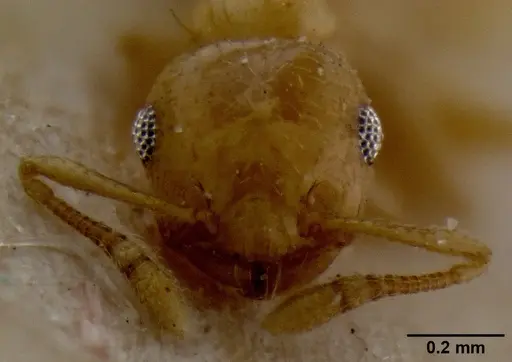
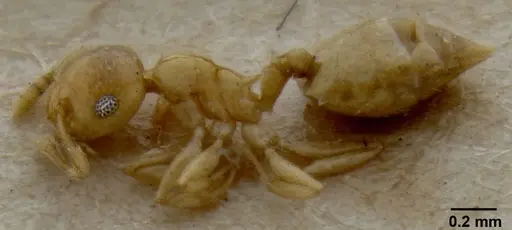
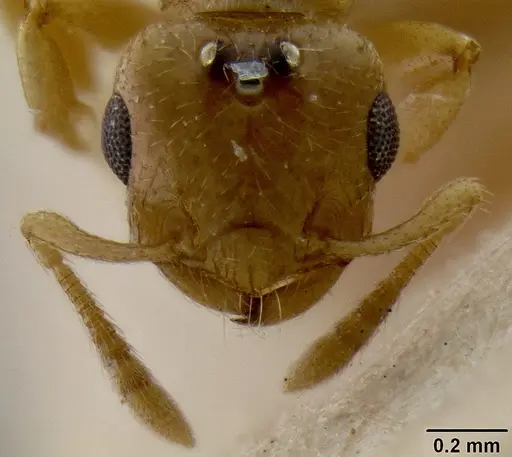
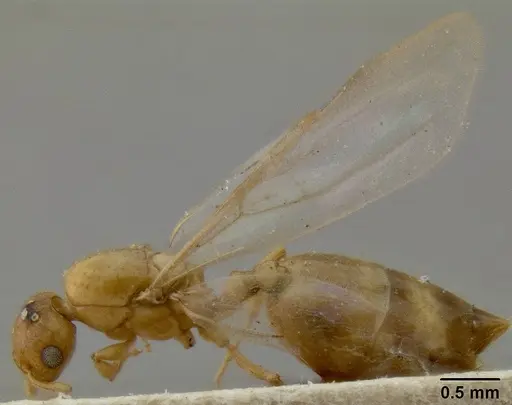
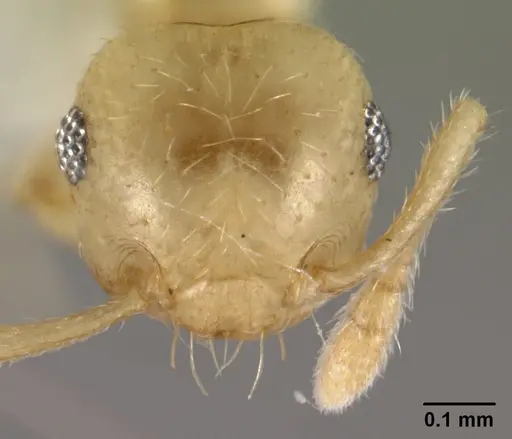
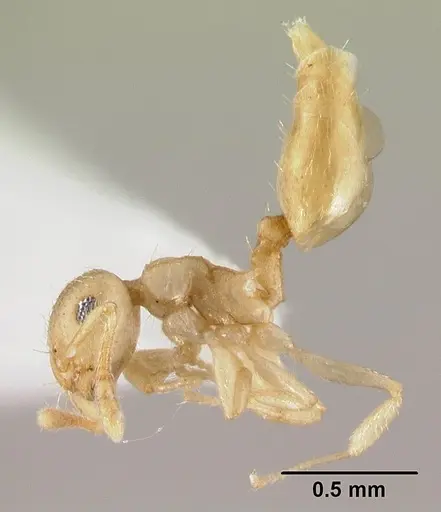
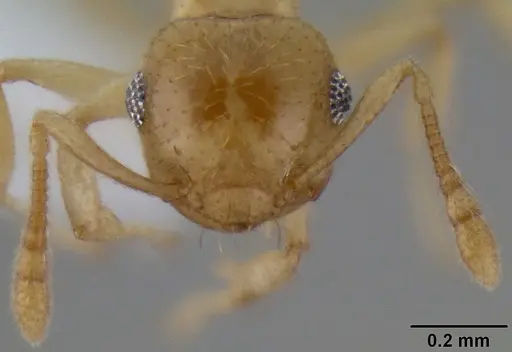
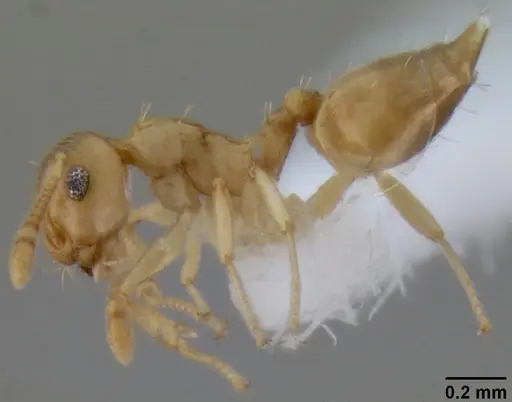
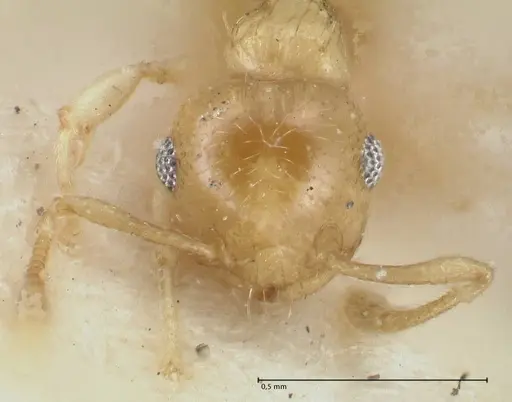
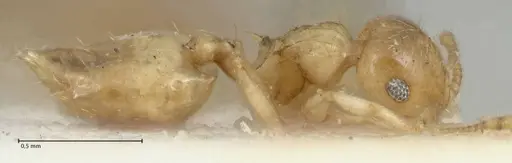
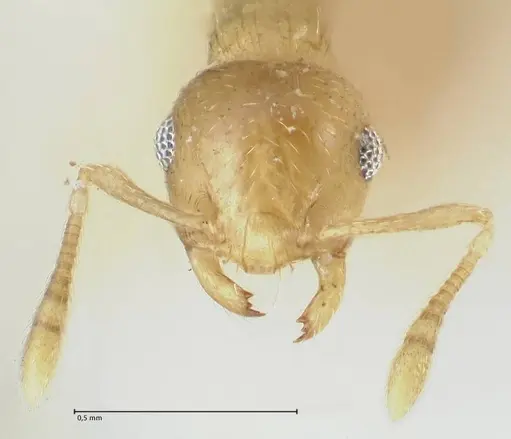
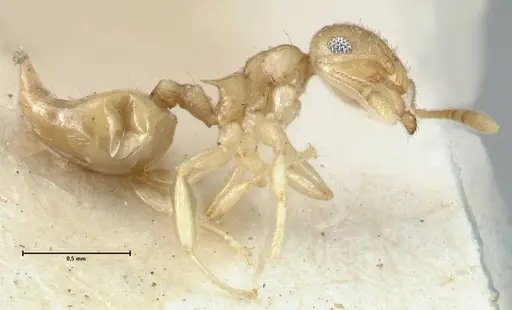
Crematogaster fritzi is a tiny arboreal ant belonging to the Crematogaster genus, commonly known as acrobat ants due to their distinctive ability to raise their heart-shaped gaster over their head when threatened. Workers measure just 0.40-0.48mm, making them one of the smaller ant species you'll encounter. They have yellow body coloration with distinct compound eyes that project beyond the sides of their head, and their scapes feature appressed setae. This species inhabits developed forests across Southeast Asia and Micronesia, nesting in dead twigs on trees [1][2].
What makes C. fritzi interesting is its arboreal lifestyle, unlike many ants that nest in soil, this species lives entirely in the canopy, nesting in hollow twigs and small branches. They belong to the Orthocrema clade, a group of Crematogaster species adapted to life in trees [3]. Their small size and arboreal nature mean they require different housing than typical ground-nesting ants.
Quick Summary
- Difficulty: Medium
- Origin & Habitat: Southeast Asia and Micronesia, found in Malaysia (Peninsula), Brunei, Indonesia (Sumatra, Sulawesi), New Guinea, and FSM Pohnpei. Inhabits developed forests from atoll coconut forest to high-elevation rain forest [1][2].
- Colony Type: Colony structure is not well documented. Based on genus patterns, likely single-queen (monogyne) colonies. Nests in dead twigs on trees in the wild.
- Colony: Monogyne
- Founding: Claustral
- Size & Growth:
- Queen: Not directly measured, estimated 4-5mm based on genus patterns
- Worker: 0.40-0.48mm [1]
- Colony: Unknown, likely small to moderate based on typical Crematogaster patterns
- Growth: Unknown, likely moderate
- Development: 6-8 weeks (estimated based on related Crematogaster species) (Estimate based on genus patterns for tropical Orthocrema species. Specific development data for C. fritzi is not available.)
- Antkeeping:
- Temperature: Keep warm at 24-28°C. This is a tropical species from Southeast Asia and Micronesia, so they need warm, stable temperatures. A heating cable on one side of the nest creates a suitable gradient.
- Humidity: High humidity, aim for 70-85%. These ants come from humid tropical forests. Keep the nest substrate consistently moist but not waterlogged. Their natural habitat in dead twigs in forests suggests they prefer damp conditions.
- Diapause: No, this is a tropical species that does not require hibernation. Keep temperatures stable year-round.
- Nesting: Arboreal specialists, they nest in dead twigs in trees. In captivity, they do well in small test tubes, acrylic nests, or Y-tong nests with narrow chambers scaled to their tiny size. Provide small twigs or bamboo sections if using a naturalistic setup. Avoid large, open spaces, they prefer tight, enclosed chambers.
- Behavior: Typical Crematogaster behavior, workers are active and agile foragers. They can raise their heart-shaped gaster as a defensive display, though this species lacks the stout hairs at the base of propodeal spines that some related species have [2]. They are likely generalist foragers, collecting honeydew and small prey. Escape prevention is critical due to their very small size, they can squeeze through tiny gaps. Use fine mesh and tight-fitting barriers.
- Common Issues: escape prevention is critical, their tiny 0.4mm size means they can slip through standard barrier setups, humidity control is challenging, they need high humidity but mold can become a problem in enclosed nests, small colony size means slow growth, beginners may lose patience and overfeed, causing mold issues, wild-caught colonies may have parasites or be stressed from collection in arboreal habitats, temperature drops below 22°C can slow or stop activity since they are tropical
Housing and Nest Setup
Crematogaster fritzi requires housing that matches their arboreal lifestyle. These tiny ants measure only 0.40-0.48mm, so escape prevention must be excellent, use fine mesh barriers and tight-fitting lids. Test tubes work well for founding colonies, but ensure the cotton is packed securely. For established colonies, acrylic nests or Y-tong nests with small, tight chambers are ideal. The chambers should be appropriately scaled to their tiny size, avoid large, open spaces that can stress them. You can add small bamboo sections or twigs to the outworld to simulate their natural twig-nesting habitat. Keep the nest humid by connecting a water tube, but monitor for condensation and mold. [1][2]
Feeding and Diet
Like other Crematogaster species, C. fritzi is likely a generalist feeder. In the wild, they probably forage for honeydew from aphids and scale insects, plus small insects and arthropods. In captivity, offer sugar water or honey as a constant energy source. For protein, provide small live prey appropriate to their tiny size, fruit flies, pinhead crickets, or small mealworms. Since they are so small, standard-sized prey items may be too large. Observe feeding behavior and adjust portion sizes accordingly. Feed protein 2-3 times per week, and keep sugar sources available at all times.
Temperature and Humidity
This is a tropical species from Southeast Asia and Micronesia, so they need warm, humid conditions. Maintain temperatures between 24-28°C, use a heating cable on one side of the nest if your room temperature is below this range. Place the heating on top of the nest, not underneath, to avoid evaporating moisture too quickly. Humidity should stay high at 70-85%. Keep the nest substrate consistently moist but not waterlogged. These ants come from humid forest environments, so drying out is a serious risk. However, balance humidity with adequate ventilation to prevent mold. Monitor condensation levels and adjust watering frequency based on conditions, not a fixed schedule. [1][2]
Behavior and Handling
Crematogaster fritzi displays typical acrobat ant behavior. When threatened, workers can raise their heart-shaped gaster over their head as a defensive display, this is where the common name comes from. They are active foragers and will explore their outworld thoroughly. Their small size makes them agile climbers, so ensure your setup has proper barriers. They are not particularly aggressive toward keepers but will defend their nest vigorously. Watch for them exploring and climbing on the sides of the formicarium, this is normal activity. Their distinct compound eyes help them navigate in the complex canopy environment where they naturally live. [2][1]
Colony Establishment
Starting a colony of C. fritzi requires patience. If you acquire a founding queen, she will likely seal herself in a small chamber (claustral founding is typical for Crematogaster, though not directly documented for this species). She will lay eggs and raise the first workers (nanitics) entirely on her stored energy reserves. Do not disturb her during this period, opening the nest can stress her and cause abandonment. Once workers emerge, they will begin foraging for food. Growth will be slow initially as the colony establishes itself. Expect 6-8 weeks for the first workers to emerge, though this is an estimate based on related species.
Frequently Asked Questions
How long does it take for Crematogaster fritzi to produce first workers?
Based on related Crematogaster species, expect 6-8 weeks from egg to first worker at optimal temperature (24-28°C). This is an estimate since specific development data for C. fritzi is not available.
What size colony does Crematogaster fritzi reach?
The maximum colony size is unknown. Based on typical patterns for small arboreal Crematogaster species, colonies likely reach a few hundred workers at most.
Do Crematogaster fritzi ants sting?
Crematogaster ants can raise their gaster as a defensive display and may bite, but their small size means they rarely penetrate human skin. They are not considered dangerous to keepers.
Can I keep multiple Crematogaster fritzi queens together?
This has not been documented for this species. Based on typical Crematogaster behavior, they are likely single-queen colonies. Combining unrelated queens is not recommended.
What do Crematogaster fritzi eat?
They are generalist feeders. Offer sugar water or honey constantly for energy, plus small live prey like fruit flies or pinhead crickets for protein. Feed protein 2-3 times per week.
Do Crematogaster fritzi need hibernation?
No, this is a tropical species from Southeast Asia and Micronesia. They do not require diapause. Keep temperatures stable year-round at 24-28°C.
Are Crematogaster fritzi good for beginners?
This species is rated as Medium difficulty. Their small size and specific humidity requirements can be challenging. They are better suited for keepers who have some experience with tropical species and small ants.
Where does Crematogaster fritzi come from?
They are found across Southeast Asia and Micronesia: Malaysia (Peninsula), Brunei, Indonesia (Sumatra, Sulawesi), New Guinea, and Pohnpei in the Federated States of Micronesia. They inhabit developed forests from atoll coconut forest to high-elevation rain forest.
References

This caresheet is licensed under CC BY-SA 4.0 .
CASENT0171221
View on AntWeb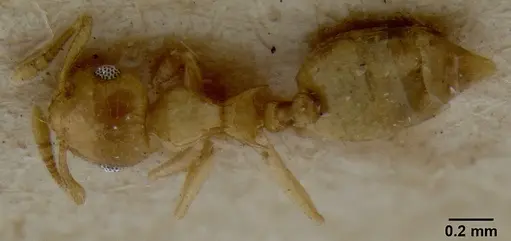
CASENT0171222
View on AntWeb
CASENT0171223
View on AntWeb
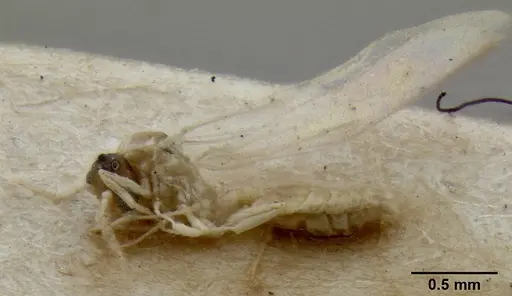
CASENT0178366
View on AntWeb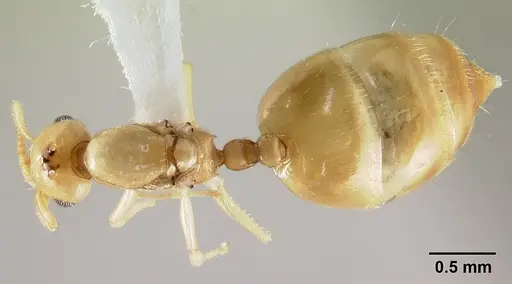
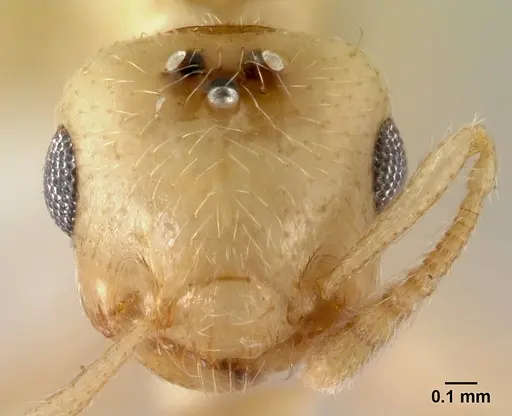
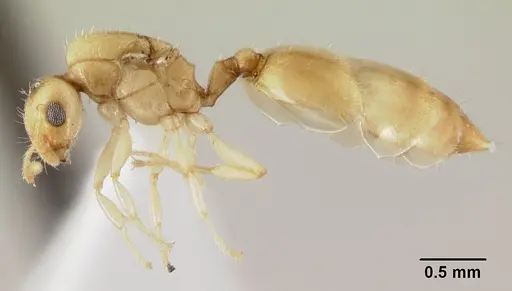
CASENT0178367
View on AntWeb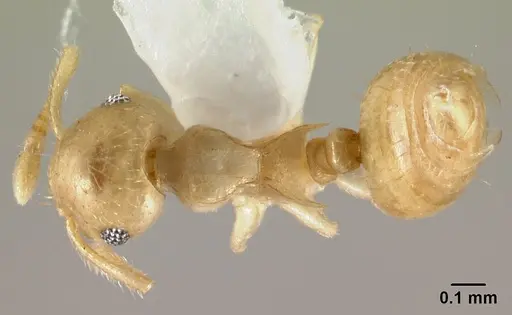
CASENT0193803
View on AntWeb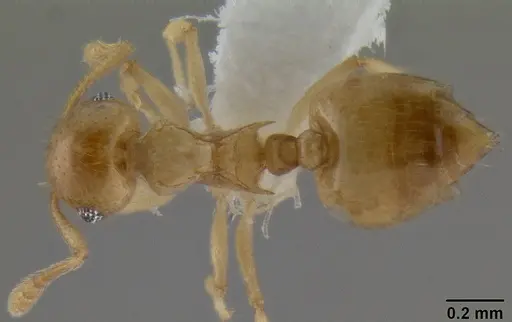
FOCOL1631-1
View on AntWeb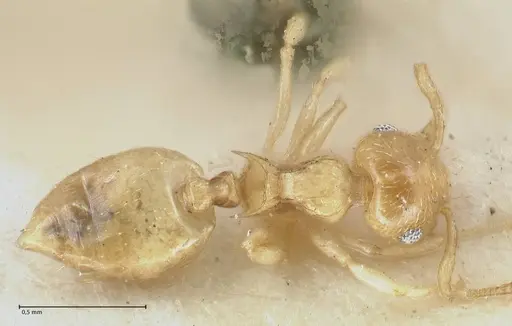
FOCOL1631-2
View on AntWeb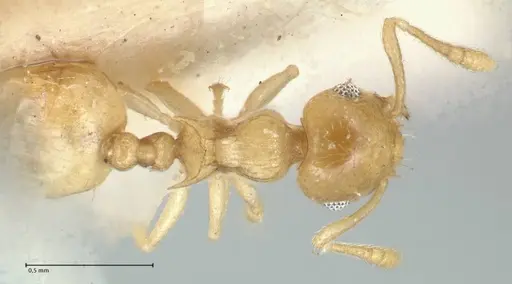
Literature
Loading...Loading products...