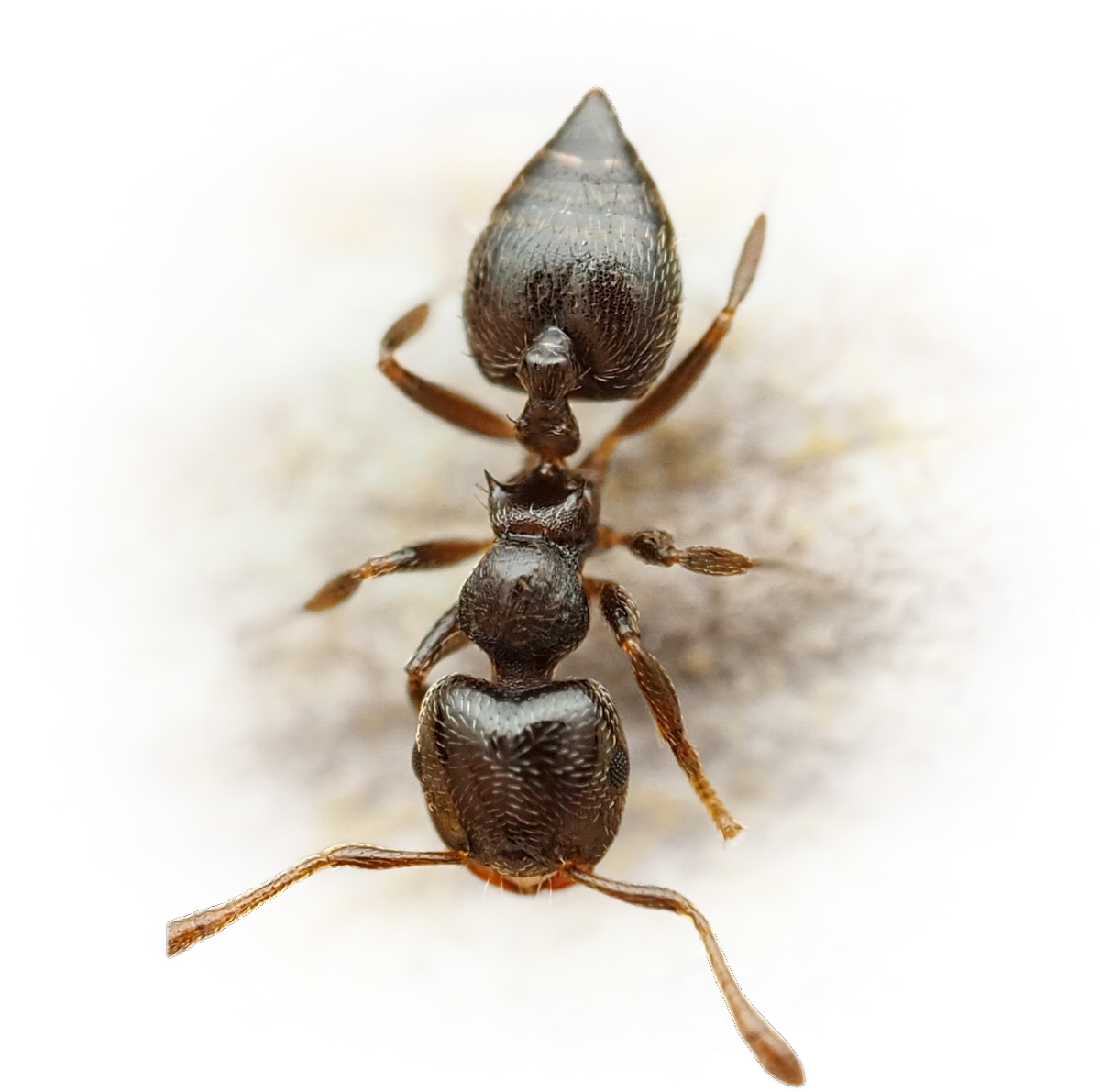

Crematogaster erecta
- Scientific Name
- Crematogaster erecta
- Subgenus
- Orthocrema
- Tribe
- Crematogastrini
- Subfamily
- Myrmicinae
- Author
- Mayr, 1866
- Distribution
- Found in 9 countries
Crematogaster erecta Overview
Crematogaster erecta is an ant species of the genus Crematogaster. It is primarily documented in 9 countries , including Brazil, Colombia, Costa Rica. Detailed taxonomic data and occurrence records can be further explored via authoritative databases such as AntWeb or the Global Biodiversity Information Facility (GBIF).
Crematogaster erecta
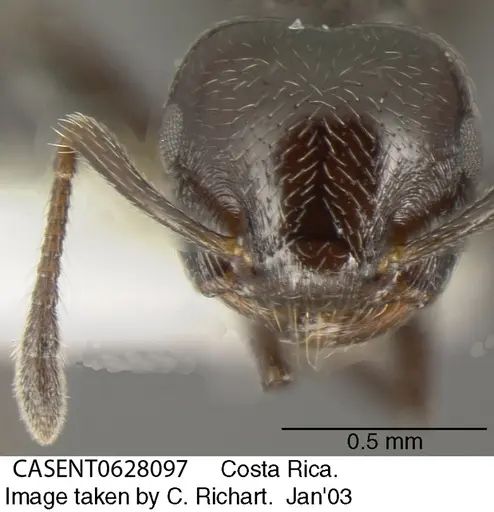
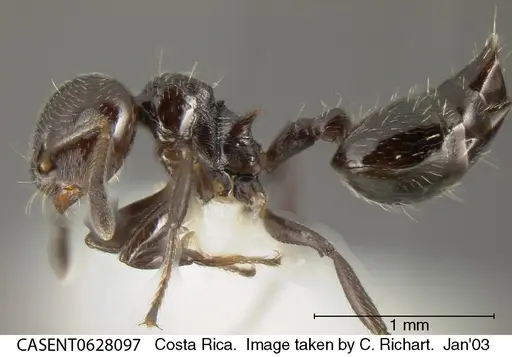
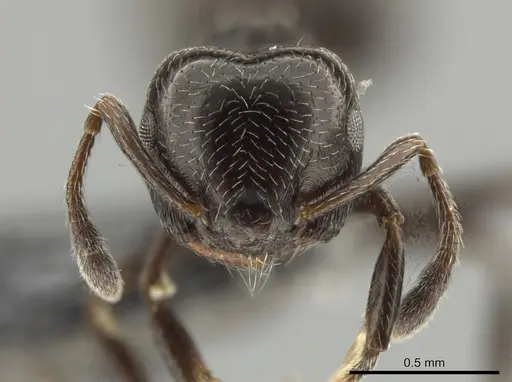
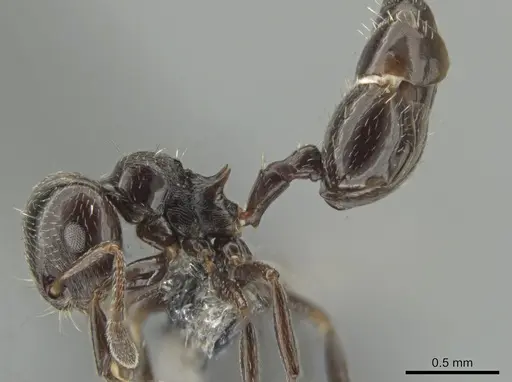
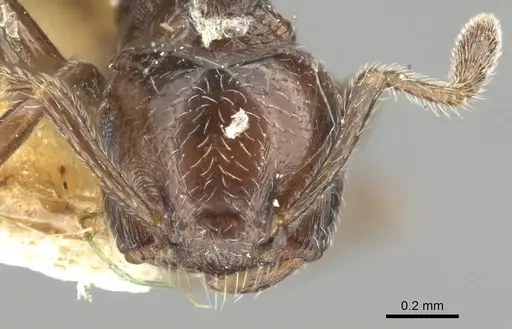
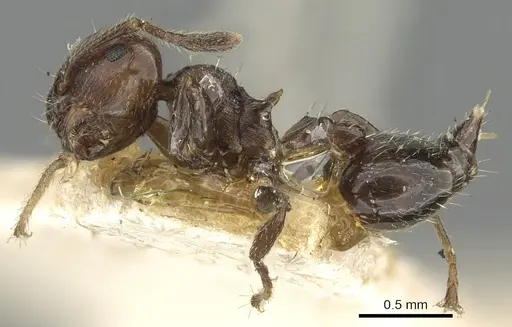
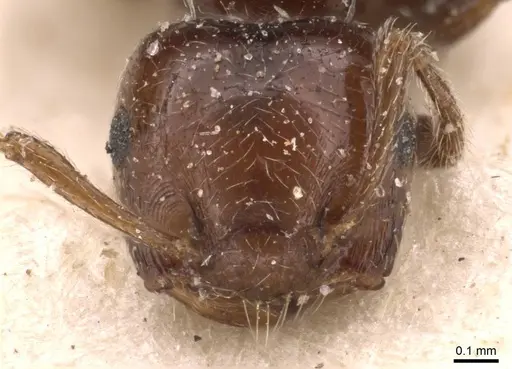
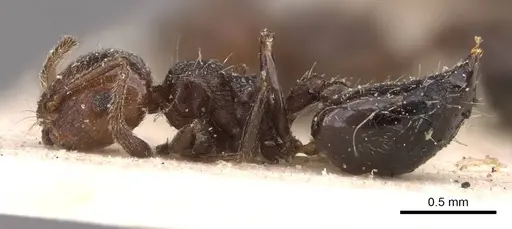
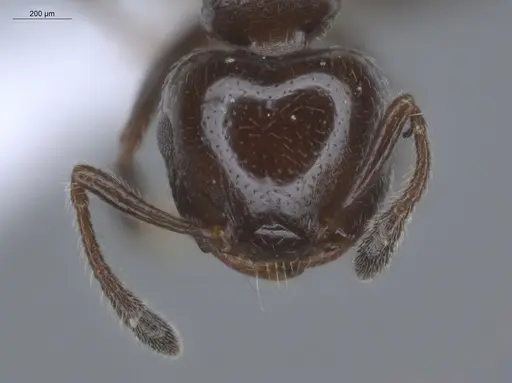
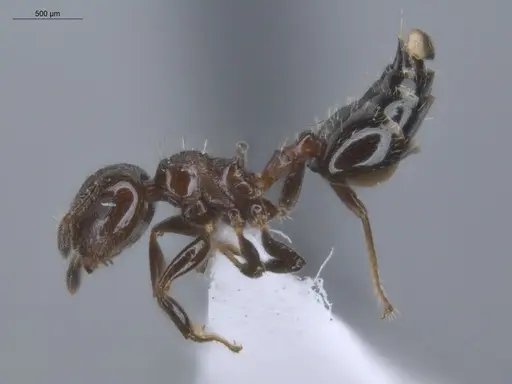
Crematogaster erecta is a small to medium-sized ant native to the Neotropics, ranging from Costa Rica through the Amazon basin to Brazil and Peru. Workers are reddish-brown to nearly black, with a distinctive darker gaster, and measure around 2-3mm. They have relatively uniform body size without pronounced polymorphism. These ants are famous for building massive polydomous colonies that can blanket entire areas of habitat, with workers forming visible columns streaming along vines, shrubs, and tree trunks during the day [1]. Unlike many Crematogaster species that nest in the ground, C. erecta is highly arboreal, nesting in dead twigs, plant cavities, and even building interiors where they sometimes become household pests [1].
Quick Summary
- Difficulty: Medium
- Origin & Habitat: Native to the Neotropical region from Costa Rica to Amazonian Brazil and Peru. Found in wet forest, seasonal dry forest, thorn scrub, and second growth habitats. More common in disturbed areas than mature forest [1][2].
- Colony Type: Polydomous (nests in multiple connected locations). Colonies start as single-queen (monogyne) during founding, but mature colonies often become polygynous with multiple dealate queens dispersed among nests. Large colonies can have no clear boundaries and may span entire habitat areas [1].
- Colony: Optionally polygyne
- Founding: Claustral
- Size & Growth:
- Queen: Estimated 5-7mm based on genus patterns [1]
- Worker: 2-3mm (HL 0.580-0.848mm) [1]
- Colony: Very large colonies that can dominate vegetation, thousands of workers across multiple nest sites [1]
- Growth: Moderate to Fast
- Development: 4-6 weeks (estimated based on typical tropical Crematogaster development) (Development is likely faster than temperate species due to tropical origin)
- Antkeeping:
- Temperature: Keep at 24-28°C. These are tropical ants that thrive in warm conditions. A gentle gradient is beneficial but not strictly required if room temperature is within range.
- Humidity: Moderate to high. Provide a water tube and keep the nest area slightly moist. They tolerate drier conditions better than many arboreal species but prefer some humidity.
- Diapause: No, these are tropical ants that do not require hibernation. Activity may slow slightly during cooler periods but no true diapause is needed [1].
- Nesting: Arboreal nesting preferences. In captivity, they do well in acrylic nests, test tubes with cotton, or naturalistic setups with dead twigs/branches. They will use plant cavities readily, you can provide artificial cavities in wood or cork. Y-tong nests work well for their size.
- Behavior: Diurnal foragers that form visible trails during daylight hours. Workers are omnivorous, readily recruiting to both sugar (honey water, sugar water) and protein sources (insects). They are aggressive defenders of food resources and will attack other insects. At night, workers cluster in nodes rather than returning to a central nest. They can be escape risks due to small size, use fine mesh and tight-fitting barriers. Workers are confident foragers and will explore widely.
- Common Issues: escape prevention is critical, their small size means they can squeeze through tiny gaps, large polydomous colonies need lots of vertical space and multiple nest sites, queens may fight if you try to combine unrelated foundresses, polygyny develops naturally over time, tropical species may struggle in cool rooms below 22°C, they are aggressive defenders, handling or disturbing nests will result in defensive swarming
Housing and Nest Setup
Crematogaster erecta is an arboreal species that naturally nests in dead twigs, plant stems, and cavities in vegetation. In captivity, they adapt well to various setups. Acrylic nests (Y-tong style) work excellently, provide narrow chambers scaled to their small size. Test tubes with cotton work for founding colonies, though you'll need to expand to larger housing as the colony grows. naturalistic setups with cork or wooden branches with artificial cavities mimic their natural preferences. They do not need soil substrate, a clean outworld with a separate nest area is fine. Provide multiple connected chambers or nest boxes to accommodate their polydomous nature as the colony expands. [1]
Feeding and Diet
These ants are omnivores and will accept a wide variety of foods. For carbohydrates, offer sugar water, honey, or ripe fruit regularly. For protein, they readily take small insects like fruit flies, small crickets, mealworms, and other appropriately-sized prey. They are aggressive foragers and will recruit heavily to good food sources. In observation of wild colonies, they have been documented scavenging on dead insects, visiting extrafloral nectaries, and even consuming small carrion. Feed protein 2-3 times per week and keep sugar sources available constantly. Remove uneaten prey after 24 hours to prevent mold. [1]
Temperature and Seasonal Care
As a tropical species from the Neotropics, Crematogaster erecta requires warm conditions. Keep the nest area at 24-28°C for optimal brood development. They can tolerate slightly cooler temperatures but growth will slow. Room temperature within this range is usually sufficient. If your space runs cool, a small heating cable on one side of the nest can help. Do not overheat, avoid temperatures above 32°C. Unlike temperate species, they do not require hibernation or winter cooling. Activity may naturally decrease during cooler periods, but this is not a true diapause. Maintain consistent warmth year-round. [1]
Colony Development and Growth
Colony founding is claustral, the queen seals herself in a small cavity (typically a dead stem or twig in the wild) and raises her first workers alone using stored fat reserves. The first workers (nanitics) are typically smaller than mature workers. Once the first workers emerge, the colony enters a growth phase. Based on typical tropical Crematogaster patterns, you can expect first workers within 4-6 weeks under optimal conditions. Growth is moderate to fast, mature colonies can become very large, potentially thousands of workers. The colony will naturally begin establishing multiple nest sites as it grows, reflecting their polydomous nature in the wild. Be patient during the founding phase, disturbing the queen can cause colony failure. [1]
Behavior and Colony Structure
One of the most fascinating aspects of C. erecta is their polydomous colony structure. In the wild, workers form vast networks connecting nodes of clustered ants in plant cavities, from small twigs with a dozen workers to large branches with thousands. During the day, columns of workers stream across vegetation, creating visible trails. At night, instead of returning to a central nest, workers coalesce into scattered clusters throughout their territory. This means in captivity, you should provide multiple potential nest sites as the colony grows. They are also diurnal, foraging primarily during daylight hours, though they will continue exploiting a good food source into the night if discovered during the day. [1]
Escape Prevention
Due to their small size, excellent escape prevention is essential. Use tight-fitting lids on all housing. If using test tubes, ensure the cotton plug is packed firmly and consider using a secondary barrier like fluon on tube rims. For outworlds, fine mesh (at least 0.5mm) is necessary. Check regularly for small gaps around connections. Their small size means they can exploit even tiny openings that larger ants would miss. A barrier of fluon or petroleum jelly around the edges of formicarium connections helps. Inspect your setup daily during the first few weeks until you are confident the colony is secure.
Frequently Asked Questions
How long does it take for Crematogaster erecta to produce first workers?
Expect first workers in about 4-6 weeks under optimal warm conditions (24-28°C). This is typical for tropical Crematogaster species. The queen is claustral and raises her first brood alone using stored energy reserves.
Do Crematogaster erecta ants need hibernation?
No, they do not require hibernation. These are tropical ants from the Neotropics. Keep them warm year-round at 24-28°C. They may show slightly reduced activity during cooler periods but this is not a true diapause.
What do Crematogaster erecta eat?
They are omnivores. Offer sugar water, honey, or ripe fruit for carbohydrates. For protein, they accept small insects like fruit flies, small crickets, and mealworms. They are aggressive foragers and will recruit heavily to good food sources.
Can I keep multiple Crematogaster erecta queens together?
Not recommended for founding colonies. While mature wild colonies often become polygynous (multiple queens), this develops naturally over time as the colony grows. Combining unrelated foundresses typically results in fighting. Let a single queen found your colony, additional queens may appear naturally as the colony matures.
Are Crematogaster erecta good for beginners?
They are intermediate in difficulty. They are more challenging than simple species like Lasius but not as demanding as some exotic requirements. Their main challenges are escape prevention (due to small size) and providing appropriate arboreal-style housing. They are rewarding because they are active, visible foragers with interesting colony structures.
How big do Crematogaster erecta colonies get?
Very large. Wild colonies can contain thousands of workers spread across multiple nest sites. In captivity, with good care, colonies can reach several thousand workers. They are polydomous, meaning they naturally spread across multiple connected nesting areas.
Do Crematogaster erecta sting?
They have a stinger but it is small and their sting is not medically significant to humans. They are aggressive defenders of food sources and will swarm to attack perceived threats, but the pain from a sting is minimal for most people.
What temperature do Crematogaster erecta need?
Keep them at 24-28°C. These tropical ants need warmth for optimal development. Room temperature in this range is ideal. If cooler, use a small heating cable on part of the nest to create a gentle gradient.
When should I move my colony to a formicarium?
Start with a test tube for the founding queen. Once you have 20-30 workers and the test tube is becoming crowded, consider moving to a larger acrylic nest or naturalistic setup. Provide multiple chambers to accommodate their polydomous nature.
Why are my Crematogaster erecta escaping?
Their small size makes them escape artists. Check for tiny gaps in your setup. Use fine mesh (0.5mm or smaller), ensure lids fit tightly, and apply fluon barriers around connection points. Inspect daily until you identify all potential escape routes.
References

This caresheet is licensed under CC BY-SA 4.0 .
CASENT0628096
View on AntWeb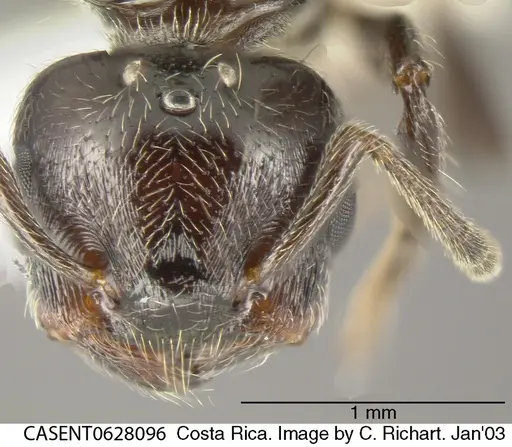
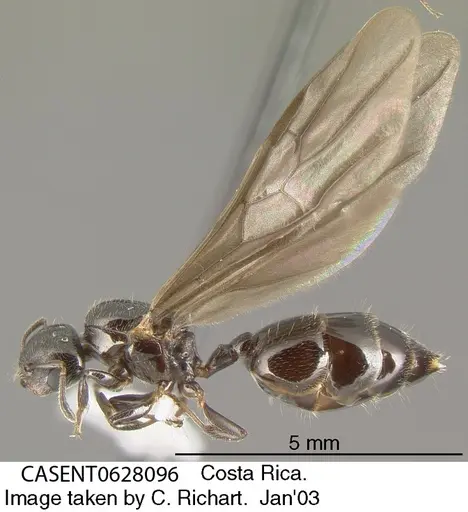
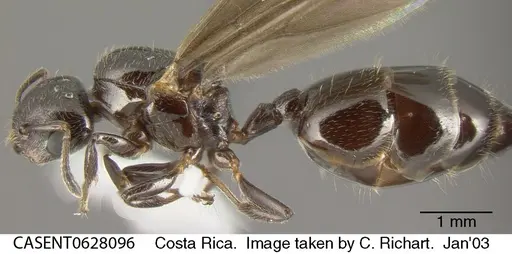
CASENT0628097
View on AntWeb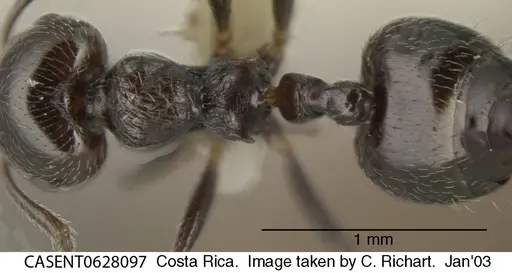
CASENT0649917
View on AntWeb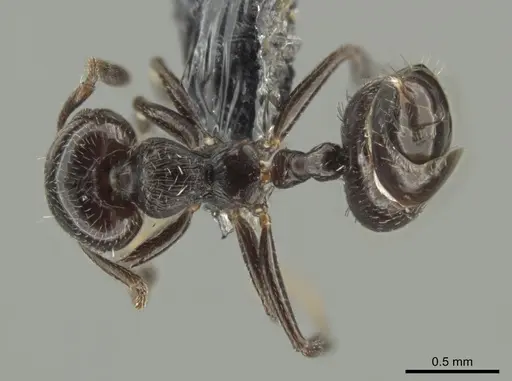
CASENT0902159
View on AntWeb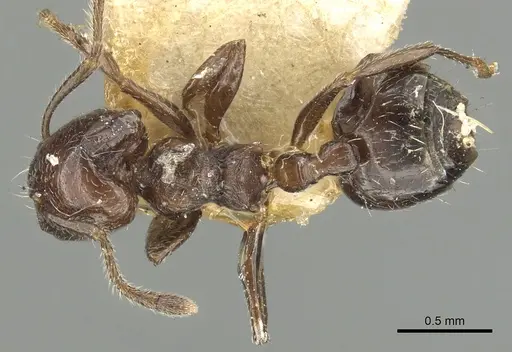
CASENT0908431
View on AntWeb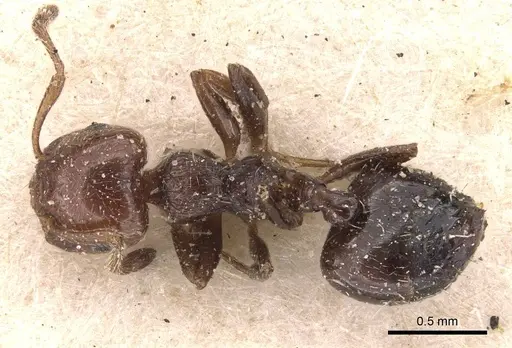
CASENT0912758
View on AntWeb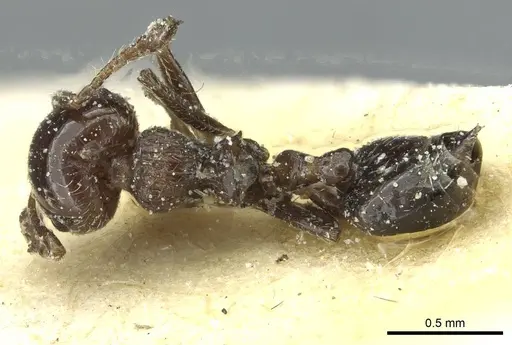
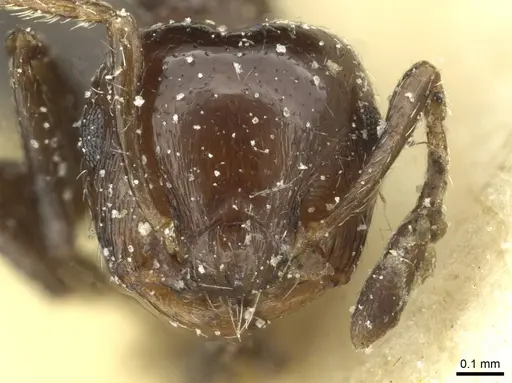
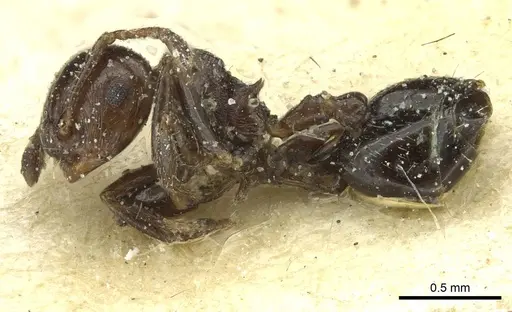
CASENT0914565
View on AntWeb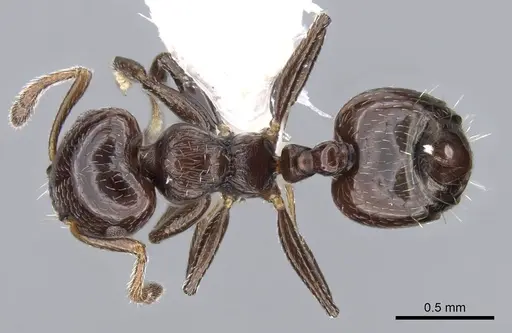
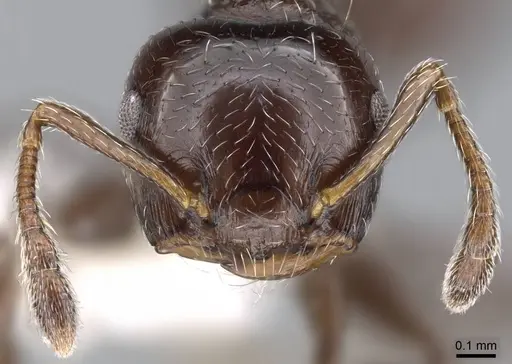
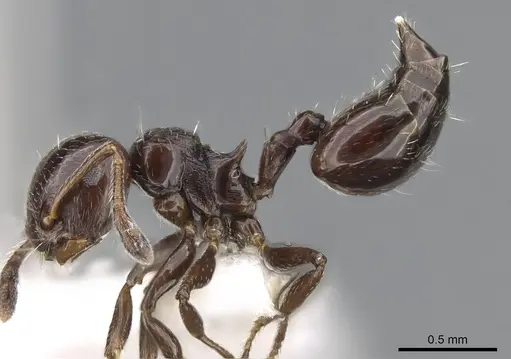
CASENT0919701
View on AntWeb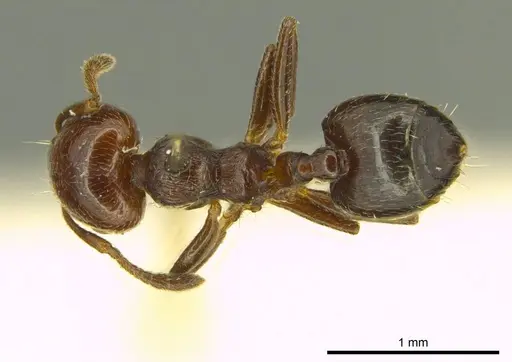
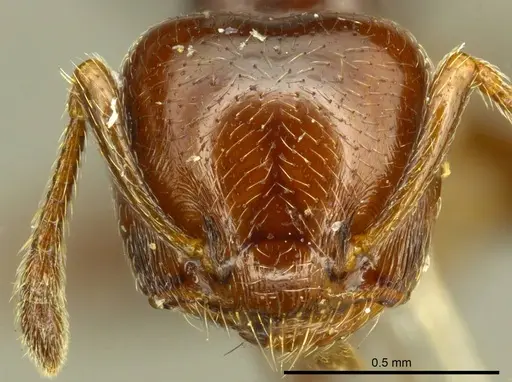
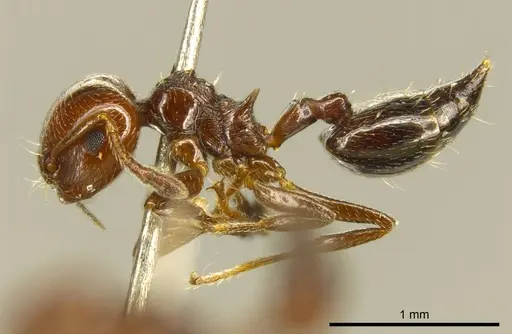
CBUMAGENT41941
View on AntWeb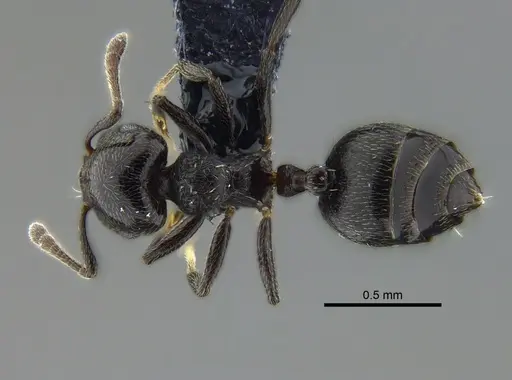
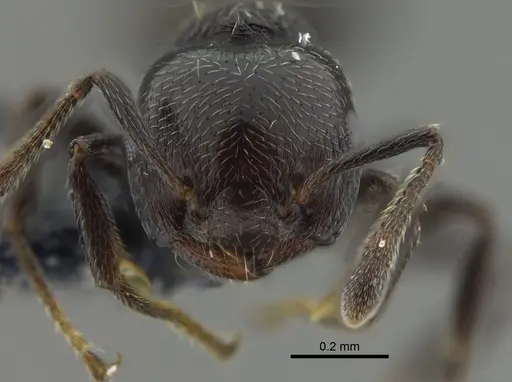
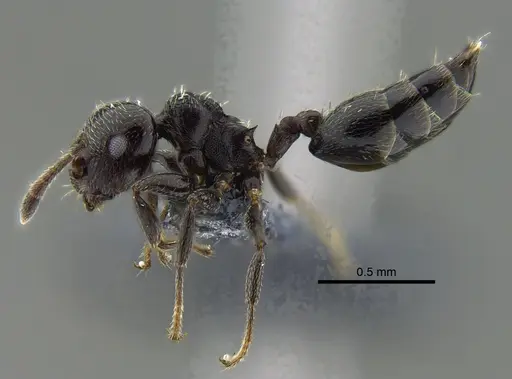
ECOFOG-BUG-0411-19
View on AntWeb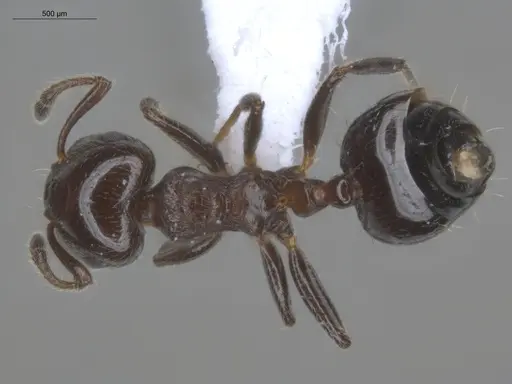
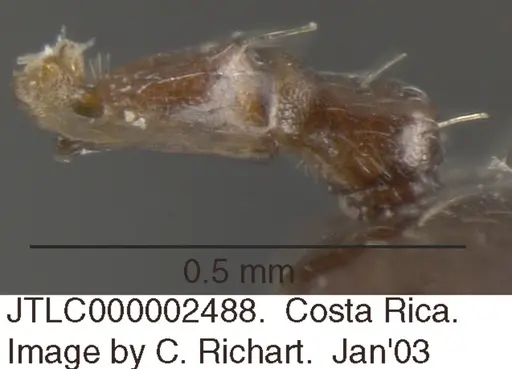
JTLC000002488
View on AntWeb
Literature
Loading...Loading products...