

Crematogaster egidyi
- Scientific Name
- Crematogaster egidyi
- Tribe
- Crematogastrini
- Subfamily
- Myrmicinae
- Author
- Forel, 1903
- Distribution
- Found in 2 countries
Crematogaster egidyi Overview
Crematogaster egidyi is an ant species of the genus Crematogaster. It is primarily documented in 2 countries , including China, Hong Kong. Detailed taxonomic data and occurrence records can be further explored via authoritative databases such as AntWeb or the Global Biodiversity Information Facility (GBIF).
Crematogaster egidyi
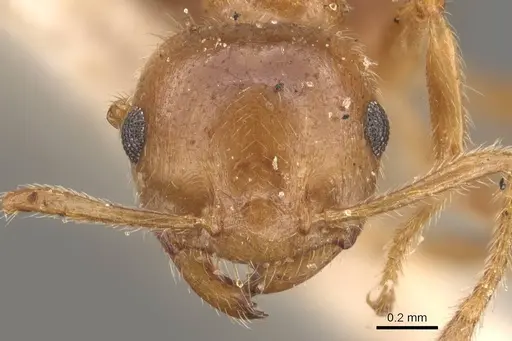
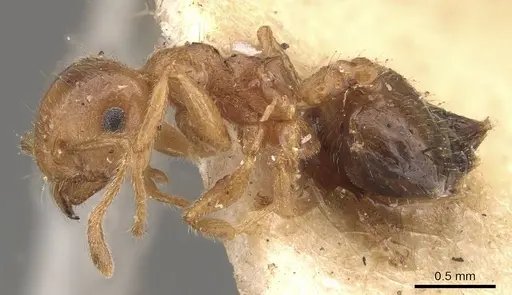
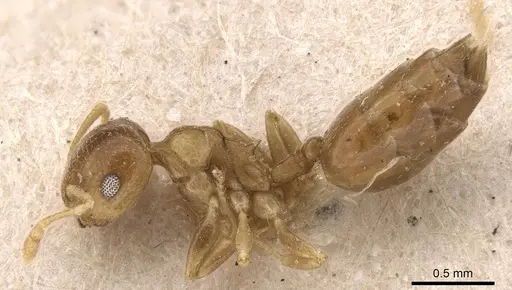
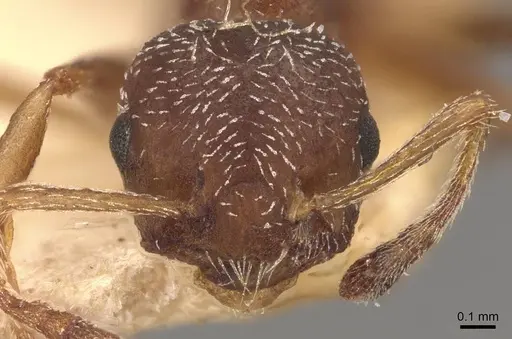
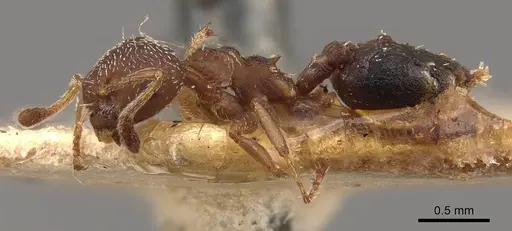
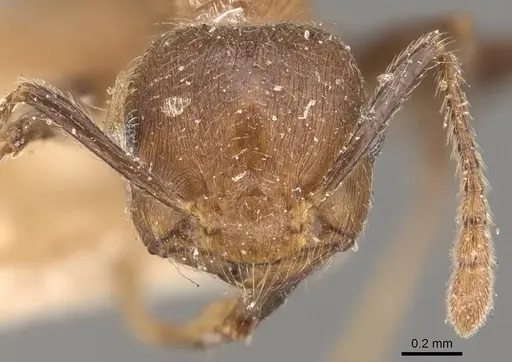
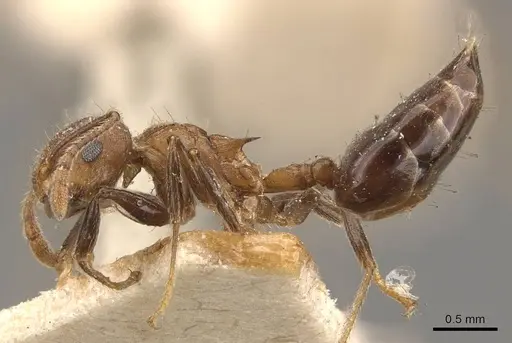
Crematogaster egidyi is a small arboreal ant species native to southern China and Southeast Asia. Workers measure 2.5-4.0mm with a distinctive yellow-red body and brown gaster, giving them a two-toned appearance [1]. Their most notable feature is their ability to raise their abdomen over their head like an acrobat, hence the common name 'acrobat ant', which they use as a defensive display. These ants are highly arboreal, typically nesting in hollow twigs, under bark, or in dead wood in forested areas. They have a strong association with aphids, ranking second among sampled ant species for aphid partnerships with 16 different aphid species [2]. This makes them important honeydew collectors in their native ecosystems.
Quick Summary
- Difficulty: Easy
- Origin & Habitat: Southern China (Hong Kong, Guangdong, Guangxi, Hunan, Jiangxi) and Southeast Asia (Borneo, Indonesia, Malaysia). Found in subtropical forested areas, typically arboreal in hollow twigs, under bark, or dead wood [1][3].
- Colony Type: Likely monogyne (single queen colonies) based on typical Crematogaster patterns, though colony structure is not directly documented for this specific species.
- Colony: Monogyne
- Founding: Claustral
- Size & Growth:
- Queen: 6.8mm [1]
- Worker: 2.5-4.0mm [1]
- Colony: Likely several hundred workers based on typical Crematogaster colony sizes, not directly documented for this species
- Growth: Moderate, based on typical genus patterns
- Development: 6-8 weeks estimated based on typical Crematogaster development at optimal temperature (Development time is inferred from genus patterns, specific data for C. egidyi is not available. Expect faster development in warmer conditions (25-28°C) and slower in cooler temperatures.)
- Antkeeping:
- Temperature: Keep at 24-28°C. These are subtropical ants that prefer warm conditions. A gentle heat gradient allows workers to regulate their temperature by moving between warmer and cooler areas of the nest.
- Humidity: Moderate humidity around 50-70%. As arboreal ants, they prefer slightly drier conditions than ground-nesting species. Allow the nest to dry out partially between water additions, aim for consistently damp but not wet conditions.
- Diapause: Yes, a short winter rest period of 2-3 months at 15-18°C is recommended. This mimics their natural seasonal cycle in subtropical China where winters are cooler but not freezing.
- Nesting: Arboreal setup works best, they prefer nests with narrow chambers and small tunnels. Y-tong (AAC) nests, plaster nests with tight chambers, or naturalistic setups with twigs and bark all work well. Avoid large open spaces, they feel more secure in snug-fitting chambers. Test tubes can work for founding colonies but may need modification to create the tight spaces they prefer.
- Behavior: Crematogaster egidyi is an active, arboreal ant species with moderate aggression when defending their nest. Workers are fast-moving and will readily swarm to defend against threats. They have a distinctive defensive behavior, raising their abdomen over their head like a scorpion, and can emit a foul-smelling secretion from their anal glands when threatened. Escape prevention is important due to their small size, use fine mesh barriers and ensure all openings are sealed. They are excellent climbers and may attempt to escape if given the opportunity. Workers are attracted to sweet substances and will tend aphids in captivity if given the chance.
- Common Issues: escape prevention is critical, their small size and arboreal nature means they squeeze through tiny gaps easily, overheating can kill colonies quickly, avoid temperatures above 32°C, colonies may decline if humidity is too high, they prefer drier conditions than many Myrmicinae, wild-caught colonies may have parasites that can devastate captive colonies, slow founding phase causes some keepers to abandon colonies before workers emerge
Nest Preferences and Setup
Crematogaster egidyi is an arboreal species that prefers tight, enclosed spaces. In the wild, they nest in hollow twigs, under bark, and in dead wood, they rarely nest in soil. For captivity, Y-tong (acrylic) nests or plaster nests with narrow chambers work well. The chambers should be sized appropriately for their small worker size (2.5-4.0mm), tight passages help them feel secure. Naturalistic setups with pieces of twig or bark can also work, though you may have difficulty observing the colony. Test tube setups can work for founding colonies but consider moving them to a more appropriate nest once the colony reaches 20-30 workers. Provide a water tube connected to the nest for humidity, but avoid creating overly wet conditions. These ants do best with a formicarium connected to an outworld that allows them to forage, they are active foragers that need space to search for food. [1]
Feeding and Diet
In the wild, Crematogaster egidyi has a strong association with aphids, they rank second among sampled ant species with 16 different aphid partnerships [2]. This means they primarily collect honeydew, but they also hunt small insects and larvae. In captivity, offer a varied diet: sugar water or honey as a constant energy source, and protein-rich foods like fruit flies, small crickets, mealworms, or other small insects. They are omnivorous but show a preference for sweet foods. Feed protein 2-3 times per week, and keep a sugar source available at all times. Remove uneaten prey after 24-48 hours to prevent mold. Some keepers report success with commercial ant jelly or prepared protein mixes, but live prey seems to encourage natural foraging behavior. Fresh fruit (like apple or pear) can also be offered occasionally as a sugar source.
Temperature and Seasonal Care
As a subtropical species from southern China, Crematogaster egidyi prefers warm conditions between 24-28°C. This temperature range supports active foraging and healthy brood development. You can use a heating cable or heating mat on one side of the nest to create a gentle gradient, this allows workers to regulate their temperature by moving between warmer and cooler areas. However, avoid direct heat on the nest and never exceed 32°C, as overheating can be fatal. During winter in temperate climates, a short diapause period of 2-3 months at 15-18°C is recommended. This mimics their natural seasonal cycle and helps maintain colony health. Do not keep them warm year-round without a winter rest period, this can stress the colony and reduce lifespan. Reduce feeding during diapause and keep the nest slightly cooler. [1]
Behavior and Defense
Crematogaster ants have a distinctive defensive behavior that gives them their 'acrobat ant' name, when threatened, workers raise their abdomen over their head and thorax, pointing it forward like a scorpion. This allows them to aim their stinger at predators. Additionally, they can emit a foul-smelling secretion from their anal glands as a chemical defense. In captivity, they are not particularly aggressive toward keepers but will defend their nest vigorously if disturbed. They are fast-moving and excellent climbers, so escape prevention is essential. They are diurnal and actively forage during the day, with peak activity in the warmer hours. Workers communicate through chemical trails and will quickly recruit nestmates to food sources. Their small size and arboreal nature mean they are constantly exploring their environment, providing enrichment with multiple paths and hiding spots can encourage natural behaviors.
Colony Founding and Growth
A newly mated queen will seal herself in a small chamber (claustral founding) and lay her first eggs without leaving to forage. She survives entirely on stored fat reserves while raising the first brood. The founding phase can take 4-8 weeks before the first workers (nanitics) emerge. These first workers are typically smaller than normal workers but will immediately begin foraging to feed the growing colony. Colony growth is moderate, expect the first year to produce perhaps 20-50 workers under good conditions. Growth accelerates in subsequent years as the colony establishes. A mature colony may reach several hundred workers. During the founding phase, keep the queen in a dark, quiet location and avoid disturbing her. Do not feed during this time, the sealed queen will not eat, and adding food only risks mold.
Frequently Asked Questions
How long does it take for Crematogaster egidyi first workers to emerge?
First workers typically emerge 6-8 weeks after the queen lays eggs, assuming optimal conditions around 24-28°C. The exact timing depends on temperature, warmer conditions speed development while cooler temperatures slow it. The queen will remain sealed in her chamber until the first workers hatch, surviving on stored fat reserves.
What do Crematogaster egidyi ants eat?
They are omnivorous with a preference for sweet foods. Offer sugar water or honey as a constant energy source, and protein-rich foods like fruit flies, small crickets, or mealworms 2-3 times per week. Their strong association with aphids in the wild (16 documented aphid species) [2] means they particularly love honeydew, you can simulate this with sugar water.
Do Crematogaster egidyi ants sting?
Yes, they can sting, though their small size means the sting is rarely painful to humans. Their more notable defense is raising their abdomen over their head like an acrobat, this is a warning display. They can also emit a foul-smelling secretion from their anal glands when threatened.
Are Crematogaster egidyi good for beginners?
Yes, they are considered a good beginner species. They are relatively hardy, adapt well to captivity, and have straightforward care requirements. Their small size and arboreal nature do require attention to escape prevention, but they are not difficult to keep alive. The main challenge is patience during the slow founding phase.
What temperature do Crematogaster egidyi need?
Keep them at 24-28°C for optimal activity and brood development. A gentle heat gradient is ideal, allow one side of the nest to be slightly warmer so workers can choose their preferred temperature. Never exceed 32°C as overheating can be fatal. In winter, provide a 2-3 month diapause at 15-18°C.
Do Crematogaster egidyi need hibernation?
Yes, a short winter rest period of 2-3 months at 15-18°C is recommended. This mimics their natural seasonal cycle in subtropical China where winters are cooler. Reduce feeding during this period and avoid disturbing the colony. This diapause helps maintain long-term colony health.
When should I move Crematogaster egidyi to a formicarium?
You can keep them in a test tube for the founding phase. Once the colony reaches 20-30 workers and you see regular foraging activity, consider moving them to a more appropriate arboreal setup like a Y-tong nest or plaster formicarium with small chambers. They prefer tight spaces, so choose a nest with chambers sized appropriately for their 2.5-4.0mm workers.
How big do Crematogaster egidyi colonies get?
Based on typical Crematogaster patterns, colonies likely reach several hundred workers at maturity. Specific data for C. egidyi is not available, but the genus generally produces moderate-sized colonies. Growth is slow initially, expect the first year to produce 20-50 workers, with faster growth in subsequent years.
Why are my Crematogaster egidyi escaping?
Their small size (2.5-4.0mm workers) means they can squeeze through tiny gaps. Use fine mesh (at least 0.5mm) on all openings, ensure lids fit tightly, and apply barrier tape or fluon to the edges of the outworld. Check for any cracks or gaps in the formicarium seals. Arboreal ants are naturally more active climbers, so escape prevention is especially important.
Can I keep multiple Crematogaster egidyi queens together?
Not recommended. While some Crematogaster species can be polygynous, combining unrelated queens of this species has not been documented. It is best to start with a single mated queen for founding. If you obtain a wild colony, it likely has a single queen based on typical Crematogaster patterns.
References

This caresheet is licensed under CC BY-SA 4.0 .
CASENT0908575
View on AntWeb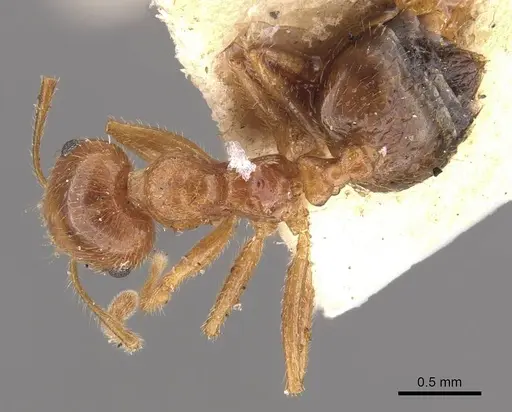
CASENT0908576
View on AntWeb
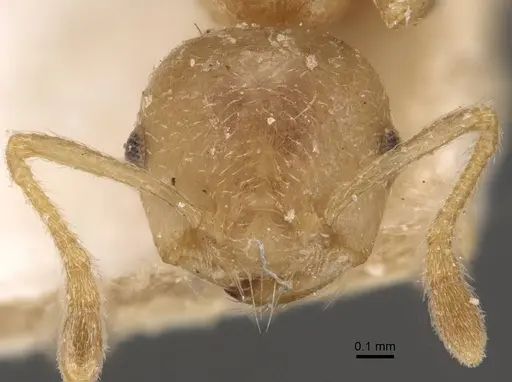
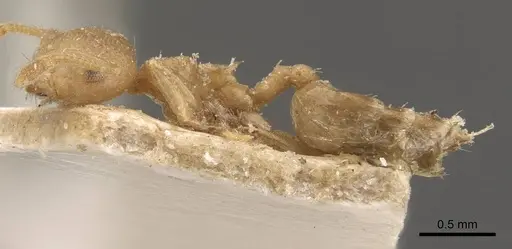
CASENT0908577
View on AntWeb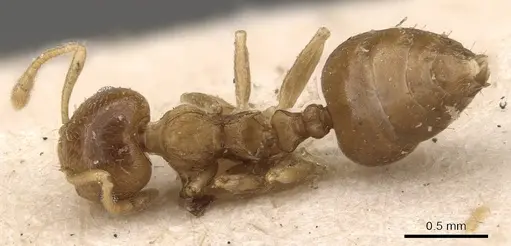
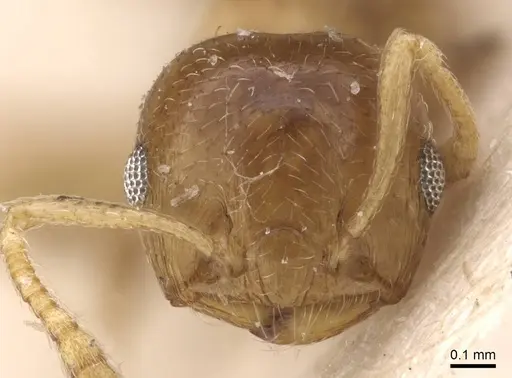
CASENT0908578
View on AntWeb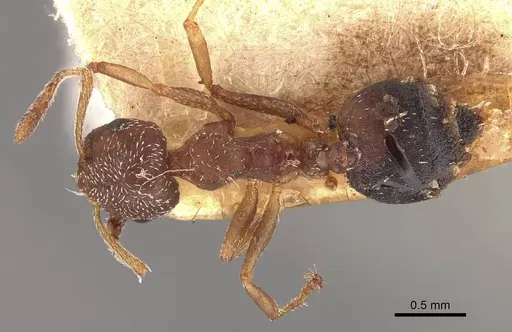
CASENT0908579
View on AntWeb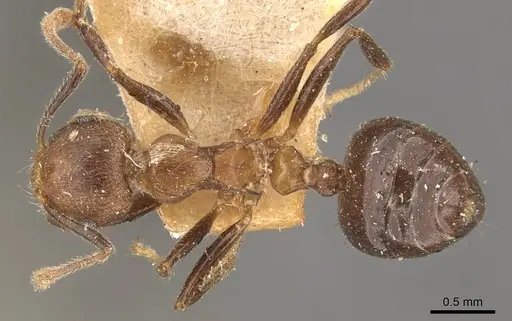
Literature
Loading...Loading products...