

Crematogaster depilis
- Scientific Name
- Crematogaster depilis
- Tribe
- Crematogastrini
- Subfamily
- Myrmicinae
- Author
- Wheeler, 1919
- Distribution
- Found in 2 countries
Crematogaster depilis Overview
Crematogaster depilis is an ant species of the genus Crematogaster. It is primarily documented in 2 countries , including Mexico, United States of America. Detailed taxonomic data and occurrence records can be further explored via authoritative databases such as AntWeb or the Global Biodiversity Information Facility (GBIF).
Crematogaster depilis
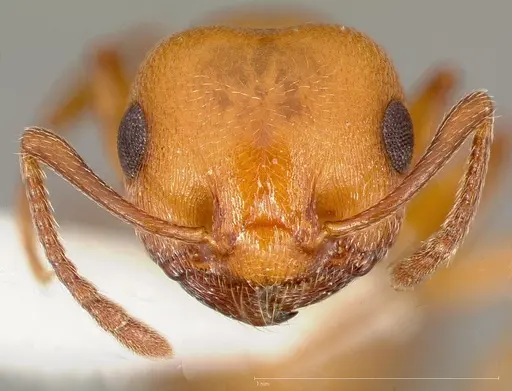
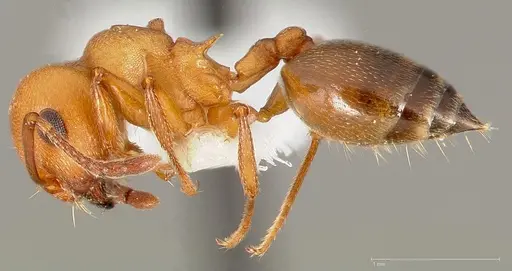
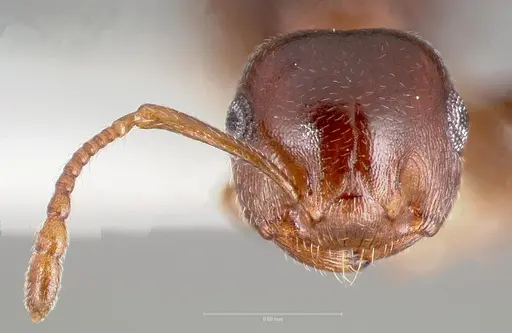
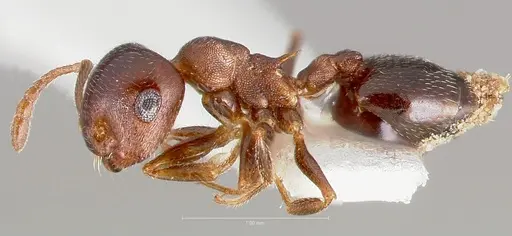
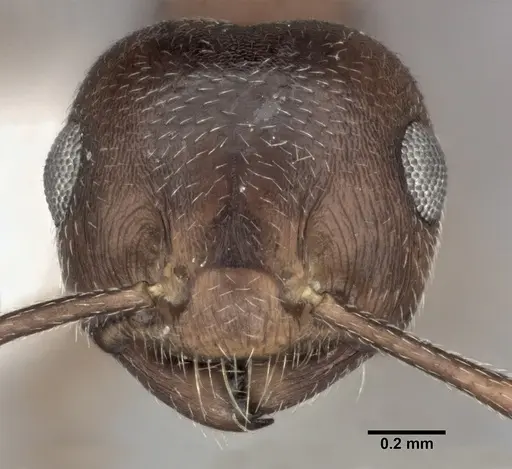
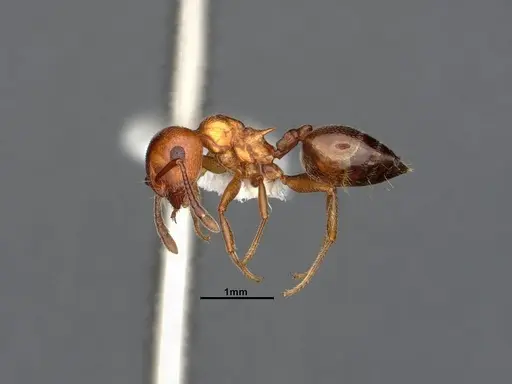
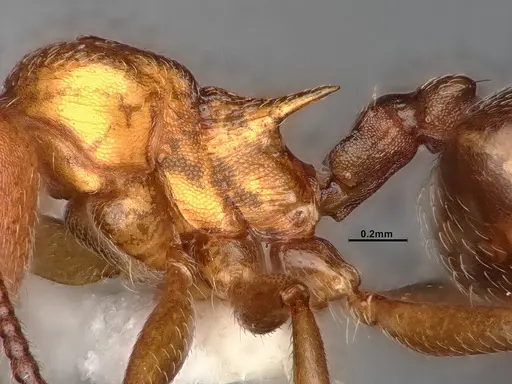
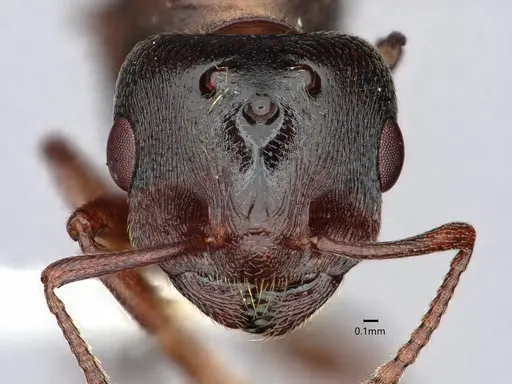
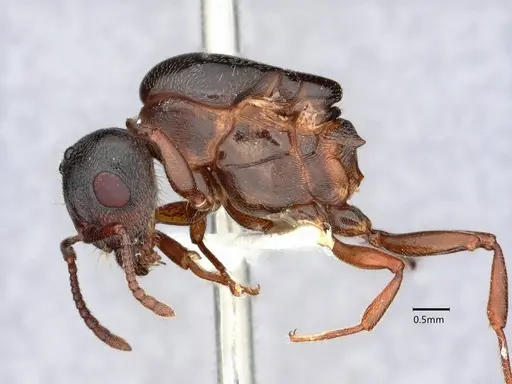
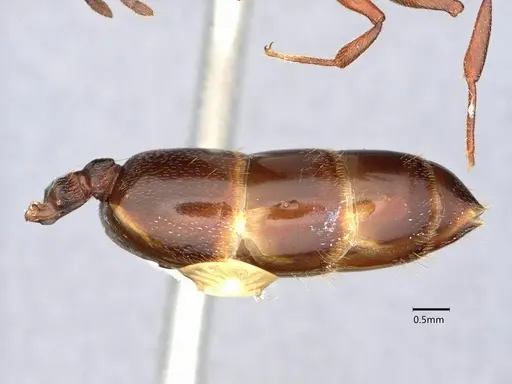
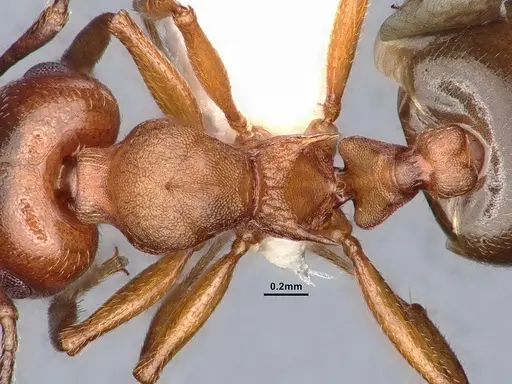
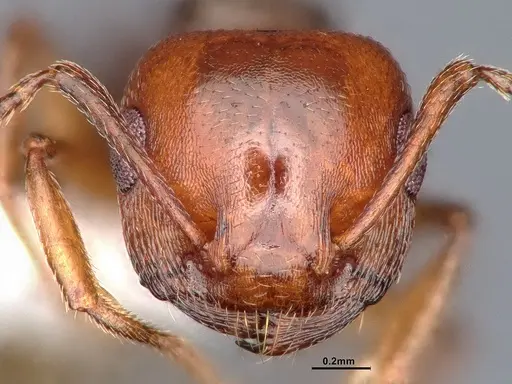
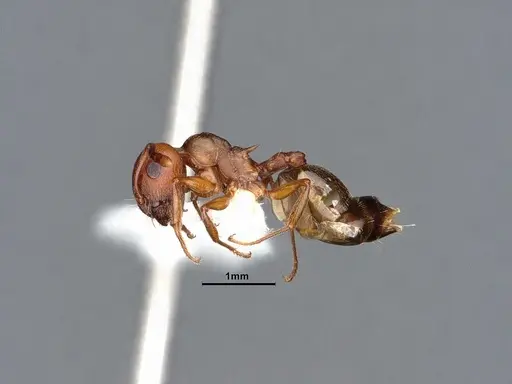
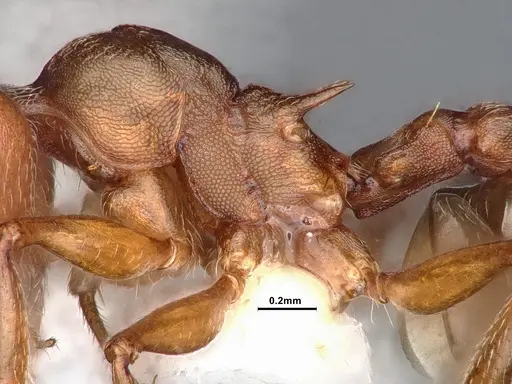
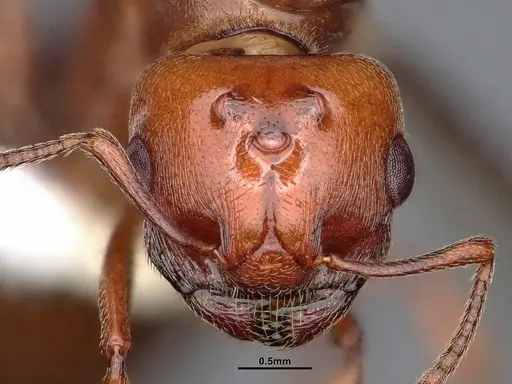
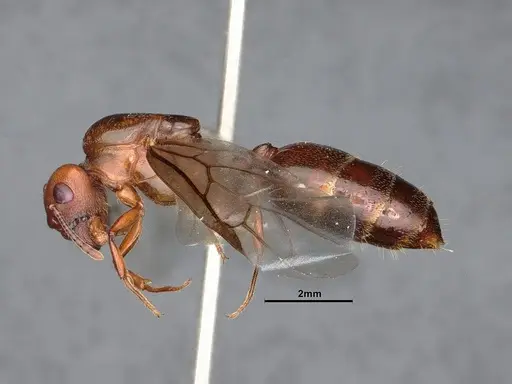
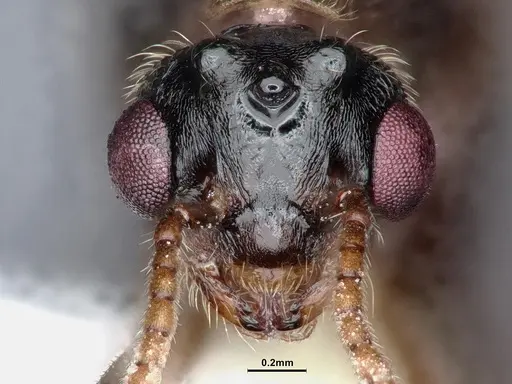
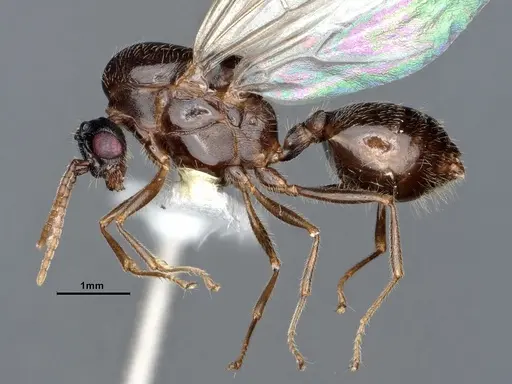
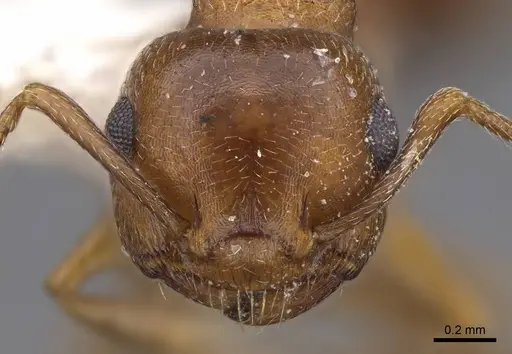
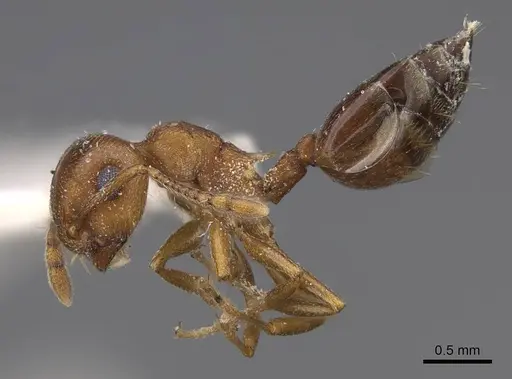
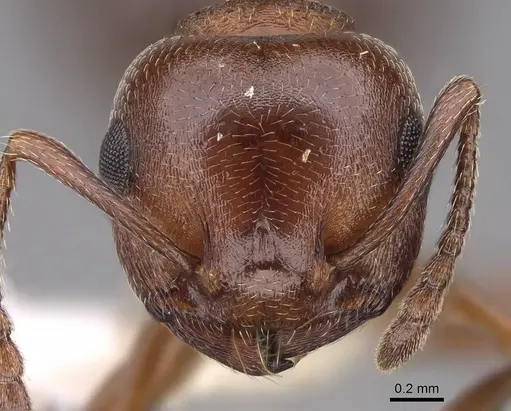
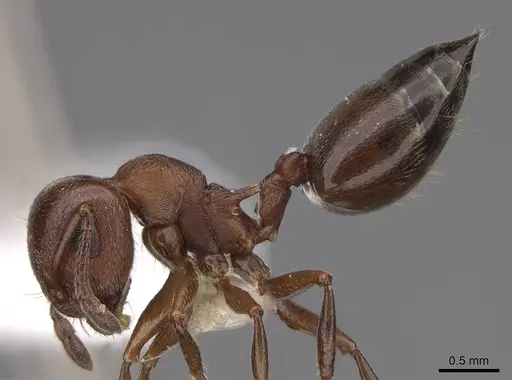
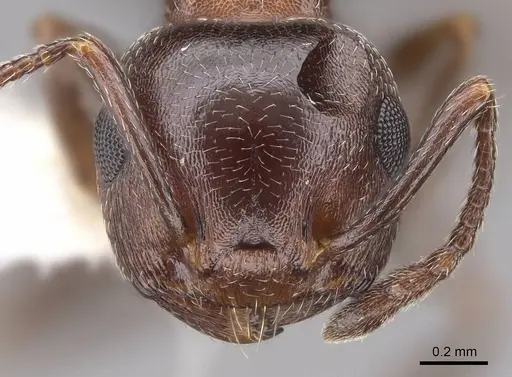
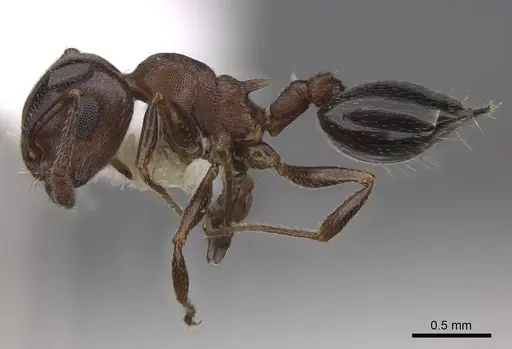
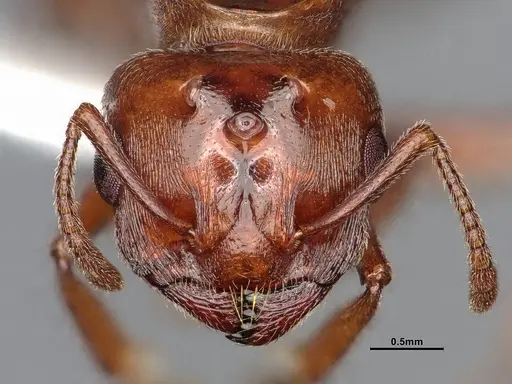
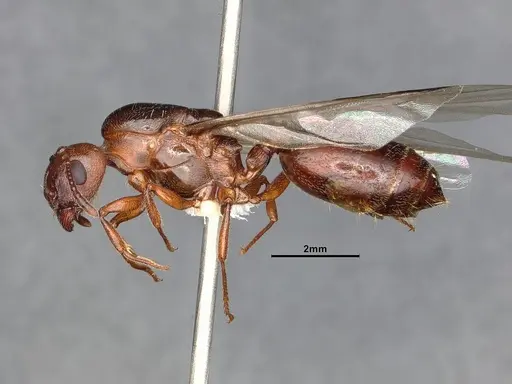
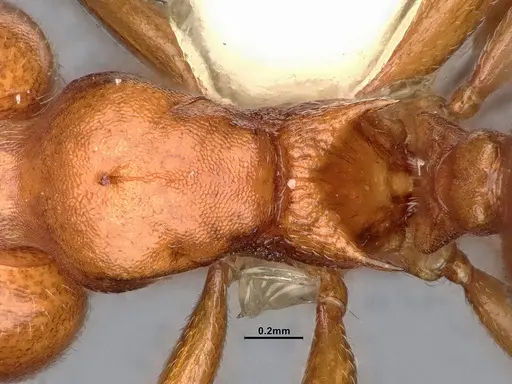
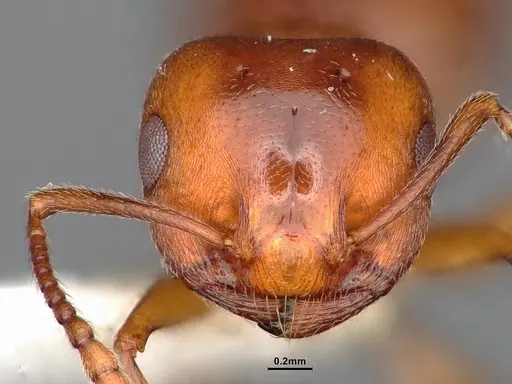
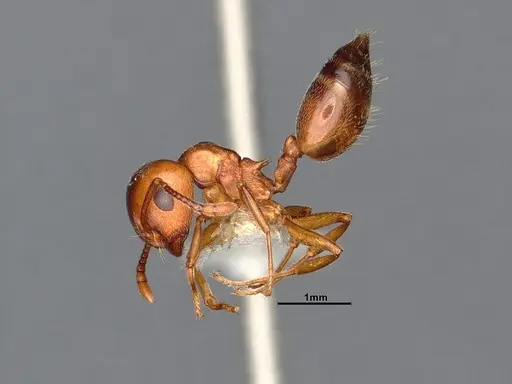
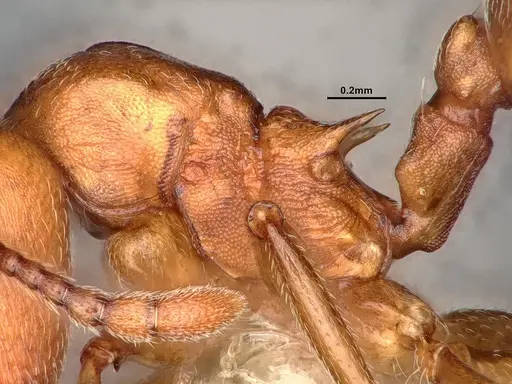
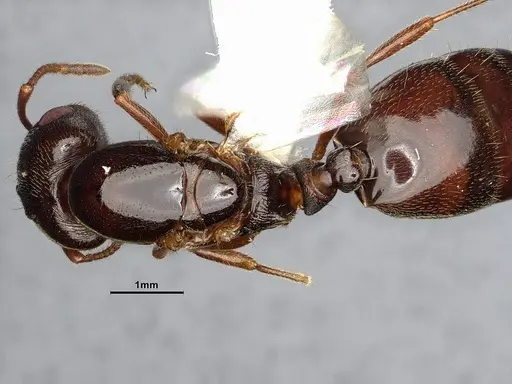
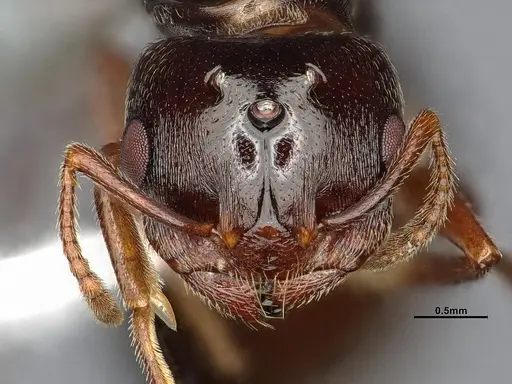
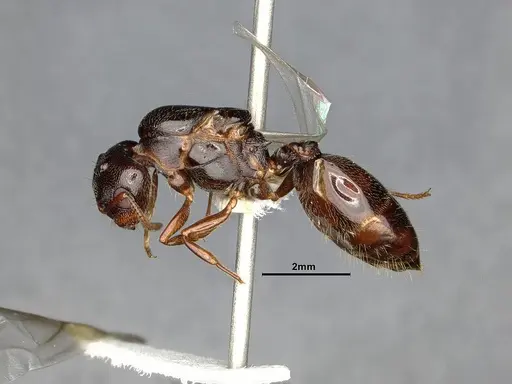
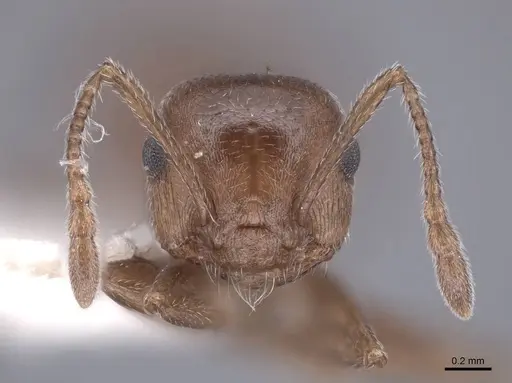
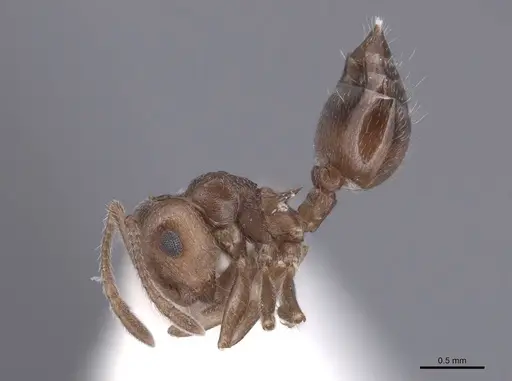
Crematogaster depilis is a medium-sized acrobat ant native to the deserts of the southwestern United States and northern Mexico. Workers measure 4-6mm with a distinctive heart-shaped abdomen that they raise like a stinger when threatened, giving them their 'acrobat' name. They are easily identified by their completely smooth, hairless mesosoma (the middle body section) and their punctured, dull body surface. Their coloring ranges from yellowish-red to reddish-brown on the head and body, with a darker brown abdomen. These ants are arboreal by nature, nesting in the roots and lower branches of desert shrubs like creosotebush (Larrea tridentata), cholla cactus (Opuntia), and yucca. They are famous for tending scale insects and feeding on nectar from flowers and extrafloral nectaries, making them a common sight on desert cacti in the late afternoon [1][2].
What makes C. depilis particularly interesting is their dual lifestyle, they forage both on the ground and high in vegetation, and they're active day and night. They form large colonies that can become aggressive if threatened, though small colonies are quite timid. As dominant consumers in their desert ecosystem, they play a key role in the ant community and are known to visit the extrafloral nectaries of barrel cactus and senita cactus [1][3].
Quick Summary
- Difficulty: Easy
- Origin & Habitat: Desert regions of southern California, Arizona, New Mexico, Texas, and northern Mexico. They inhabit creosotebush scrub, mesquite forests, and can be found up into pinyon-juniper and oak woodlands at elevations up to 2100 meters [1][2][3].
- Colony Type: Single-queen (monogyne) colonies. Colonies can become quite large with multiple chambers in their natural nesting sites among shrub roots and in buried wood [1][3].
- Colony: Monogyne
- Founding: Claustral
- Size & Growth:
- Queen: Approximately 7-9mm (estimated based on genus, specific measurements not available)
- Worker: 4-6mm (0.85-1.18mm head width) [2]
- Colony: Larger colonies can have thousands of workers, they form large colonies under stones or in nests marked by irregular craters of soil [4][3]
- Growth: Moderate, based on typical Crematogaster development patterns
- Development: 6-8 weeks (estimated based on genus patterns for similar desert species) (Brood is typically found in nests during summer months (June-August), suggesting a seasonal breeding cycle aligned with desert conditions)
- Antkeeping:
- Temperature: Keep at 24-28°C (warm desert conditions). They tolerate a wide range and can handle 20-30°C, but growth is optimal in the warmer range. Provide a temperature gradient so ants can self-regulate [3].
- Humidity: Low to moderate, these are desert ants. Keep the nest relatively dry with occasional misting. Provide a water source but avoid constant moisture. Think desert conditions, not rainforest.
- Diapause: Yes, they experience a winter rest period in their native range. Reduce temperature to 15-18°C for 2-3 months during winter, mimicking natural seasonal cycles [3].
- Nesting: These ants naturally nest in roots of desert shrubs, under stones, in buried wood, and occasionally in soil. In captivity, they do well in Y-tong (AAC) nests, plaster nests, or naturalistic setups with access to soil and roots. They prefer tight, enclosed spaces that mimic their natural root-nesting habitat. Provide some vertical space for their arboreal foraging instincts [3].
- Behavior: Crematogaster depilis is generally timid but becomes more aggressive as the colony grows. Workers raise their abdomen like a stinger when disturbed, this is a defensive display rather than actual stinging (though they can sting). They are excellent climbers and will explore vertical spaces readily. They are diurnal and nocturnal foragers, actively searching for nectar and honeydew throughout the day and into the night. Escape risk is moderate, they are not tiny but are agile climbers, so standard barrier methods work well [3].
- Common Issues: desert species are sensitive to overwatering, keep nesting area relatively dry to prevent mold and colony decline, large colonies can become aggressive and may bite if threatened, give them space as they grow, they are arboreal foragers, ensure formicarium has vertical space or multiple levels for natural behavior, winter diapause is essential for long-term colony health, skipping hibernation can weaken the colony over time, scale insects and honeydew are primary food sources, ensure consistent sugar supply alongside protein
Nest Preferences and Housing
In the wild, Crematogaster depilis nests at the base of desert shrubs and cacti, in the roots of plants like creosotebush (Larrea tridentata), cholla cactus, and yucca. They also nest under stones, in buried wood, and occasionally in open soil marked by small craters. For captive care, provide a nest that mimics these conditions, Y-tong (AAC) nests work well because they offer dark, enclosed chambers. You can also use plaster nests or naturalistic setups with a soil layer and some rocks or roots for them to explore. These ants are arboreal by nature, so they appreciate vertical space in their formicarium where they can climb and forage. Make sure the nest has a water tube and sugar feeder accessible. Since they're desert ants, keep the nesting area relatively dry, avoid the damp conditions you'd use for tropical species [1][3].
Feeding and Diet
Crematogaster depilis is primarily a nectivore and tending ant, in the wild, they collect nectar from flowers and extrafloral nectaries (especially on cacti like barrel cactus and senita cactus), and they tend scale insects for honeydew. They also eat dead insects and are attracted to protein baits. In captivity, offer a constant sugar source like sugar water, honey, or diluted honeydew. For protein, provide small insects like fruit flies, small crickets, or mealworms. They will readily accept most standard ant foods. Feed them every 2-3 days, removing any uneaten prey after 24 hours. Since they're desert ants that naturally travel to find food sources, they do best with regular, predictable feeding schedules. Make sure there's always a sugar option available, these ants need the energy for their active foraging lifestyle [1][3].
Temperature and Seasonal Care
As desert dwellers from the American Southwest, these ants prefer warm conditions. Keep the nest at 24-28°C for optimal growth and activity. They can tolerate temperatures from 20-30°C, but growth slows outside this range. A heating cable on one side of the nest creates a gradient that lets ants self-regulate. During winter, they require a diapause (hibernation) period, reduce temperatures to 15-18°C for 2-3 months, typically from late fall through early spring. This mimics their natural seasonal cycle and is important for long-term colony health. In the wild, they're active year-round in some areas but experience reduced activity in winter. Don't skip the winter rest, it helps trigger breeding cycles and keeps colonies healthy long-term. They can handle the cooler temperatures without issue [3].
Behavior and Colony Dynamics
Crematogaster depilis shows fascinating behavior, workers raise their abdomen over their head when threatened, making them look like they're doing a handstand. This is a defensive display, and while they can sting, small colonies are quite timid. Large colonies become more defensive and may bite if the nest is disturbed. They are active foragers both day and night, climbing vegetation to reach nectar sources and tending scale insects for honeydew. Colonies grow moderately, founding colonies start with a single queen who seals herself in to raise the first workers (nanitics). Over time, colonies can expand to thousands of workers. They're generalist foragers and will explore widely, making them entertaining to watch. Their ability to dominate food sources in their habitat makes them important members of desert ecosystems [1][3].
Frequently Asked Questions
Can I keep Crematogaster depilis in a test tube?
Test tubes work for founding colonies, but you'll need to move them to a proper formicarium once the colony reaches 20-30 workers. These ants are arboreal and like to climb, so a Y-tong or naturalistic setup with vertical space is better for established colonies.
How long does it take for the first workers to appear?
Expect first workers (nanitics) in about 6-8 weeks after the queen lays eggs, depending on temperature. Warmer temperatures (around 26°C) speed development, while cooler conditions slow it down.
Do Crematogaster depilis ants sting?
Yes, they can sting, but they're not particularly aggressive. Small colonies are quite timid. When threatened, workers raise their abdomen in a defensive display, this is more of a warning than an immediate attack. Large colonies may become more defensive.
What do Crematogaster depilis eat?
They need a constant sugar source (honey, sugar water, or honeydew) and protein (small insects like fruit flies, crickets, or mealworms). In the wild, they feed on nectar and honeydew from scale insects.
Do Crematogaster depilis need hibernation?
Yes, they benefit from a winter rest period. Reduce temperatures to 15-18°C for 2-3 months during winter. This mimics their natural seasonal cycle in the desert and helps maintain healthy breeding cycles.
Are Crematogaster depilis good for beginners?
Yes, they're considered easy to keep. They're tolerant of temperature variations, don't require high humidity, and are not aggressive. Their interesting behavior and arboreal foraging make them rewarding to watch.
How big do Crematogaster depilis colonies get?
Mature colonies can reach thousands of workers. In the wild, they form large colonies under stones or in nests with irregular soil craters.
When should I move my colony to a formicarium?
Move them when the colony reaches about 20-30 workers or when the test tube becomes cramped. They appreciate vertical space for climbing and foraging, so choose a formicarium with multiple chambers or levels.
Why is my Crematogaster depilis colony dying?
The most common causes are overwatering (they're desert ants, keep nesting area dry), insufficient sugar (they need constant honeydew/sugar access), or skipping winter diapause. Check these factors first.
References

This caresheet is licensed under CC BY-SA 4.0 .
CASENT0005668
View on AntWeb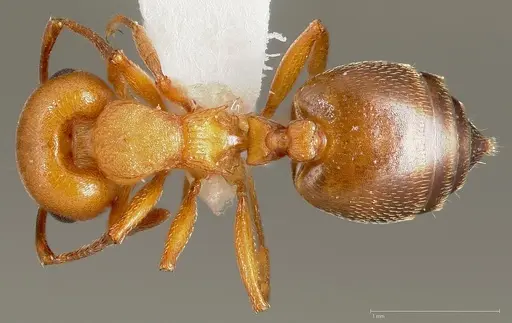
CASENT0005943
View on AntWeb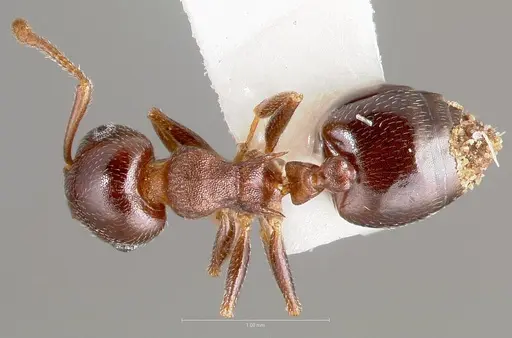
CASENT0246026
View on AntWeb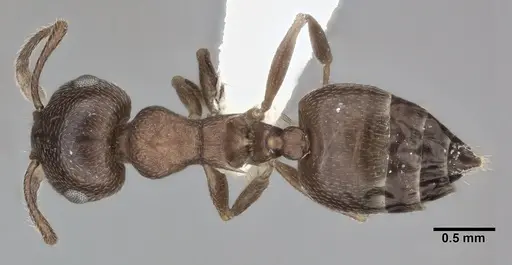
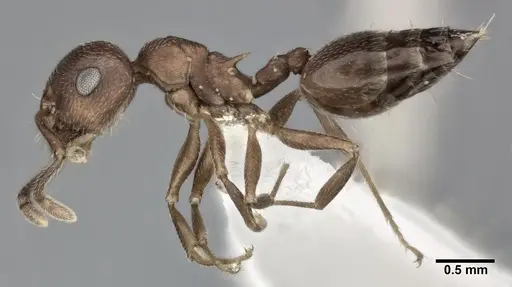
CASENT0796880
View on AntWeb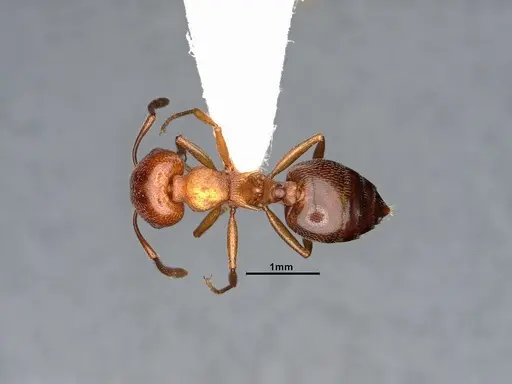
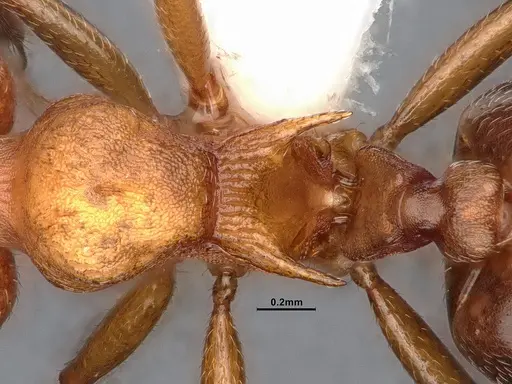
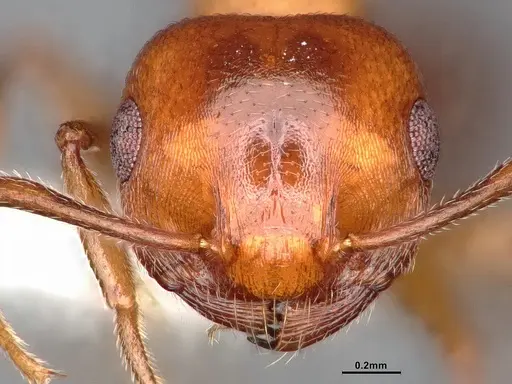
CASENT0882152
View on AntWeb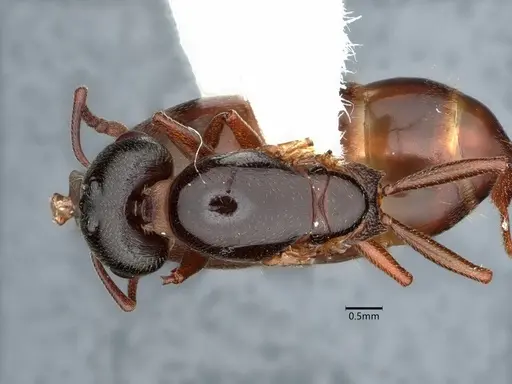
CASENT0884352
View on AntWeb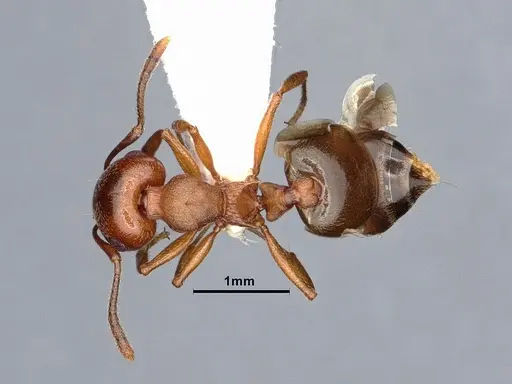
CASENT0884385
View on AntWeb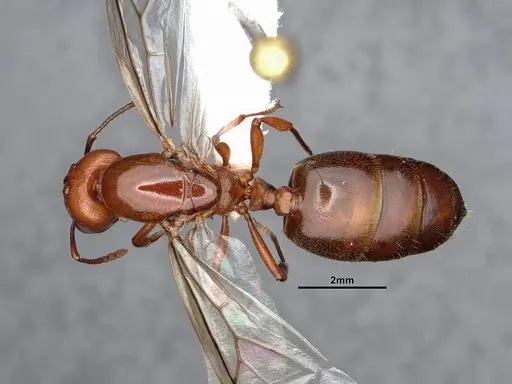
CASENT0885483
View on AntWeb
CASENT0914491
View on AntWeb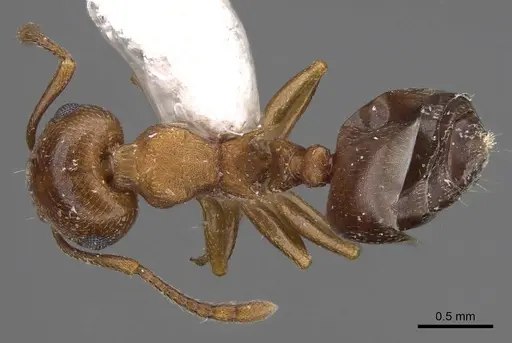
CASENT0922728
View on AntWeb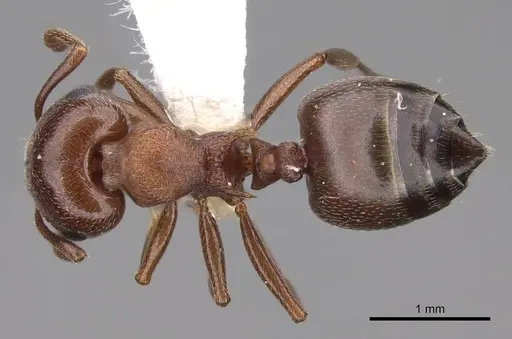
CASENT0922732
View on AntWeb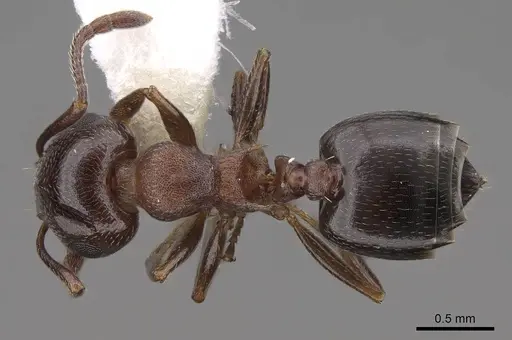
CASENT4031310
View on AntWeb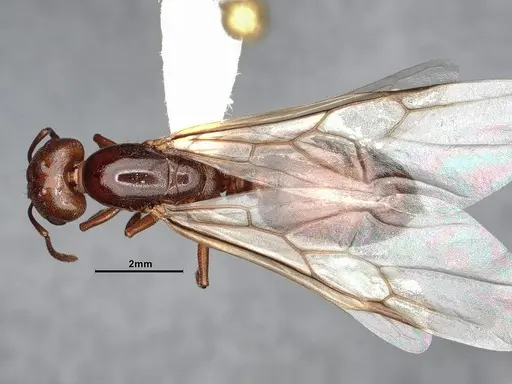
CASENT4031313
View on AntWeb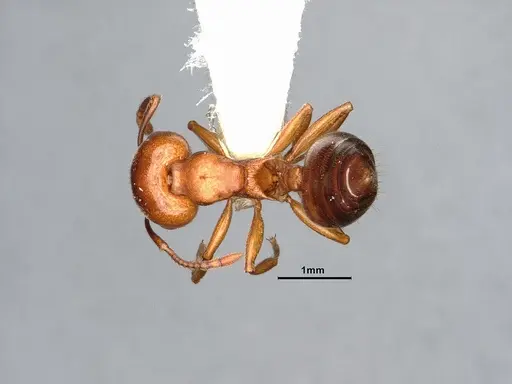
CASENT4031432
View on AntWeb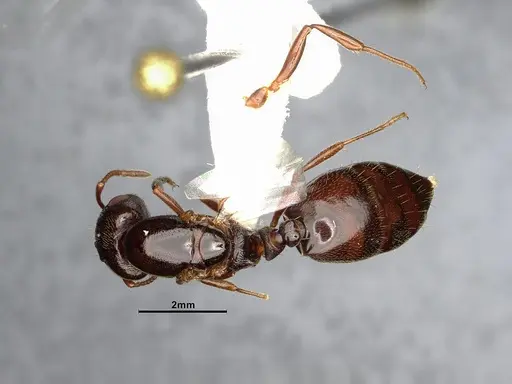
FMNHINS0000062954
View on AntWeb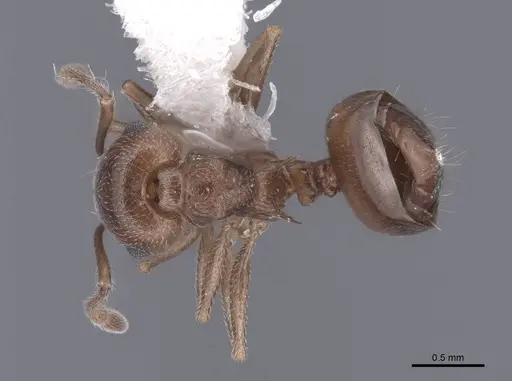
Literature
Loading...Loading products...