

Crematogaster dentata
- Scientific Name
- Crematogaster dentata
- Tribe
- Crematogastrini
- Subfamily
- Myrmicinae
- Author
- Dalla Torre, 1893
- Distribution
- Found in 3 countries
Crematogaster dentata Overview
Crematogaster dentata is an ant species of the genus Crematogaster. It is primarily documented in 3 countries , including Madagascar, Mauritius, Mayotte. Detailed taxonomic data and occurrence records can be further explored via authoritative databases such as AntWeb or the Global Biodiversity Information Facility (GBIF).
Crematogaster dentata
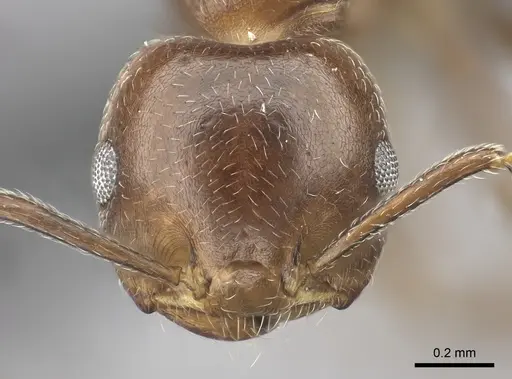
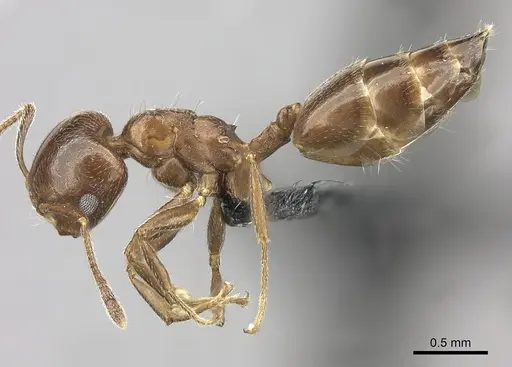
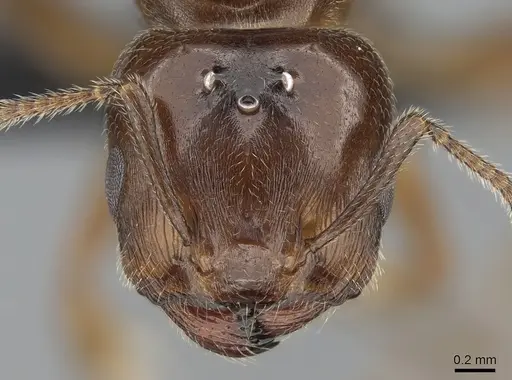
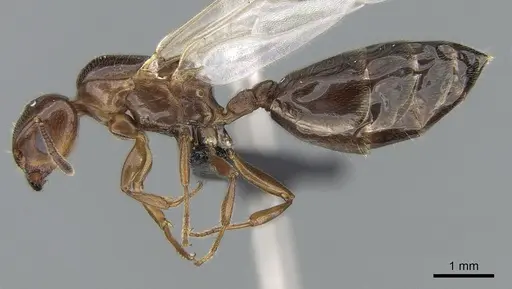
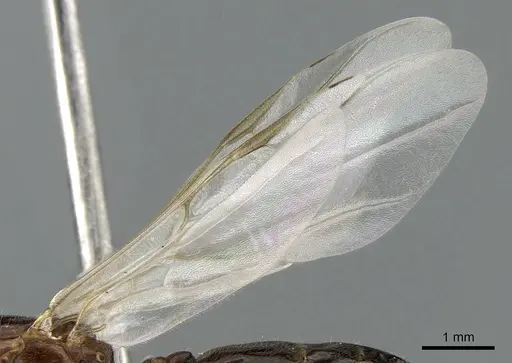
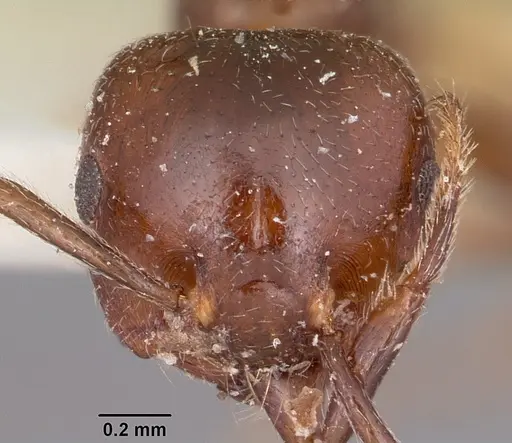
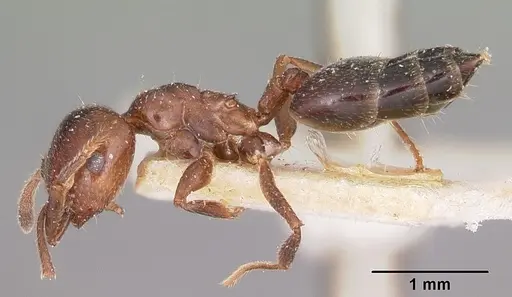
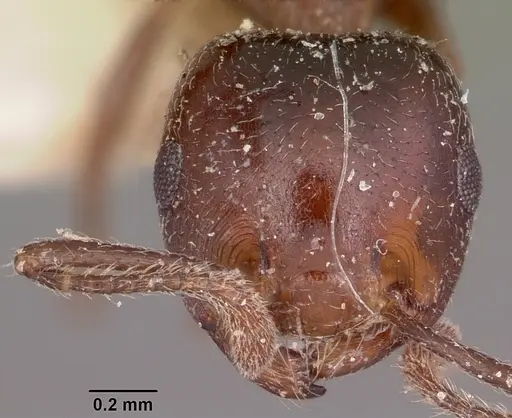
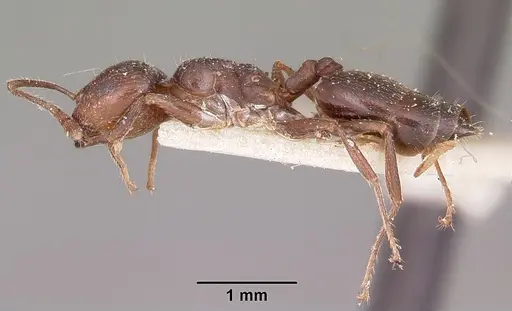
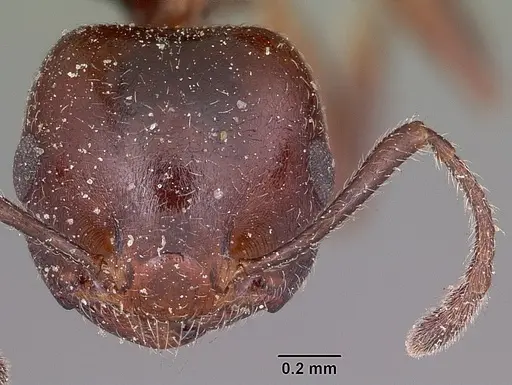
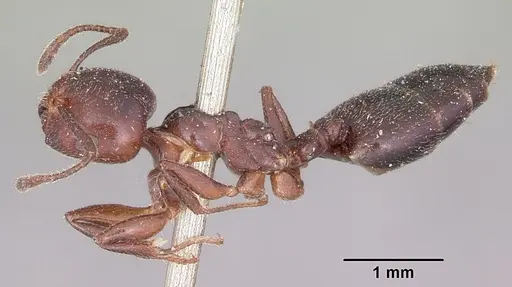
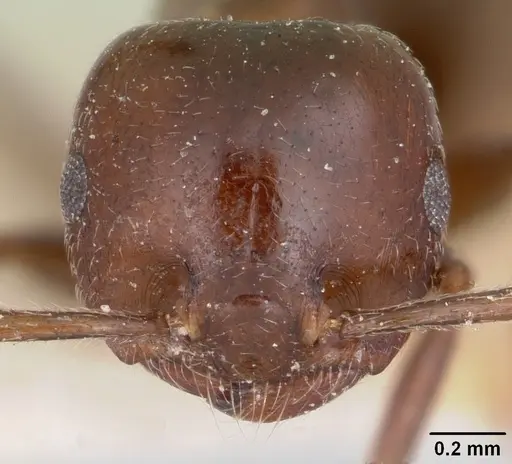
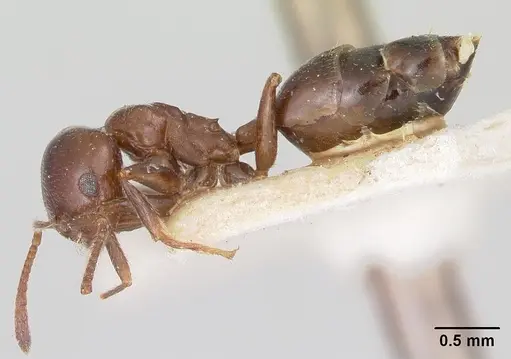
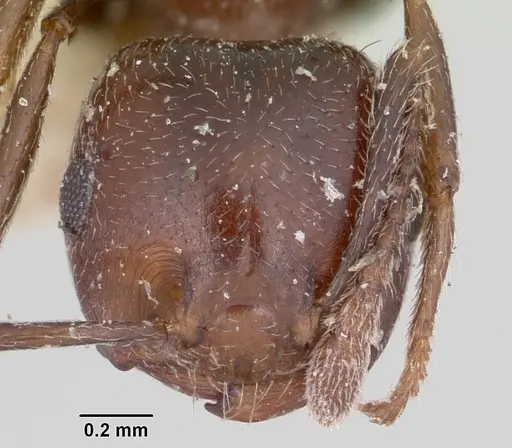
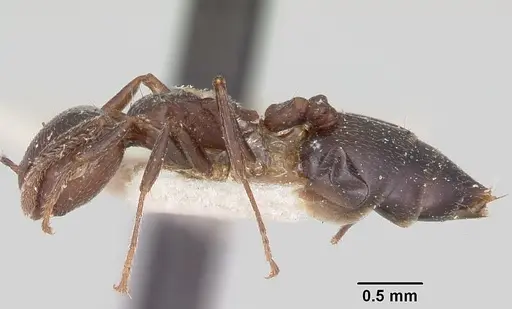
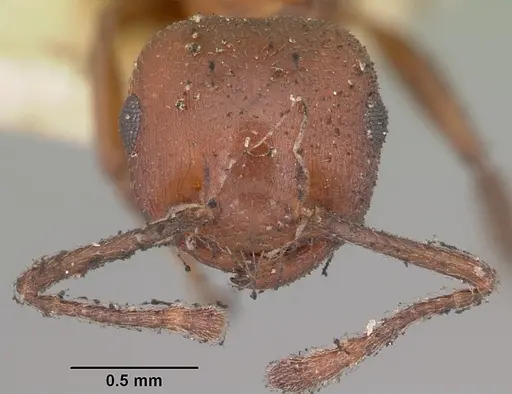
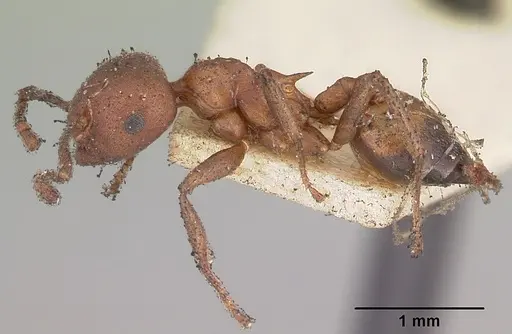
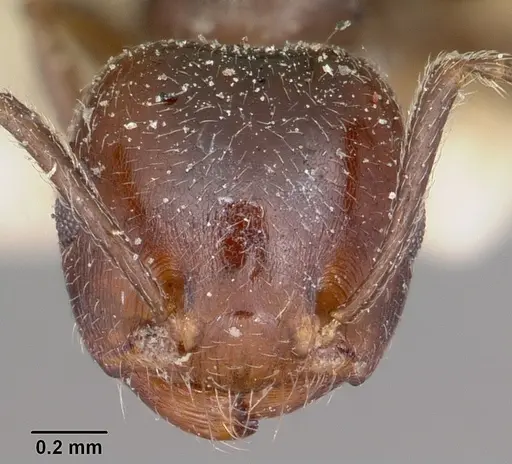
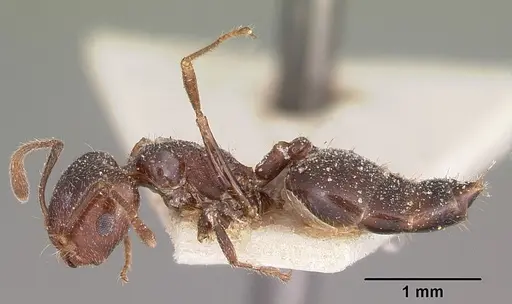
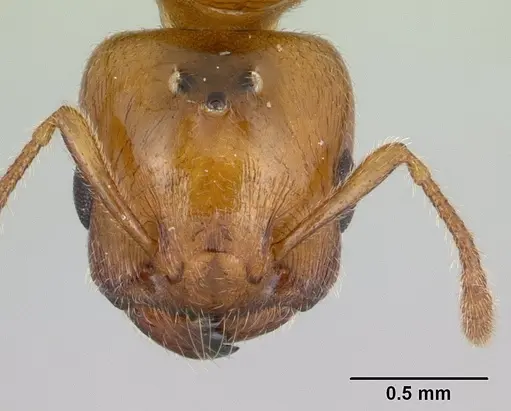
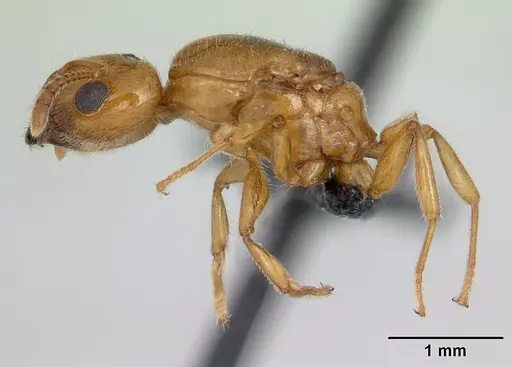
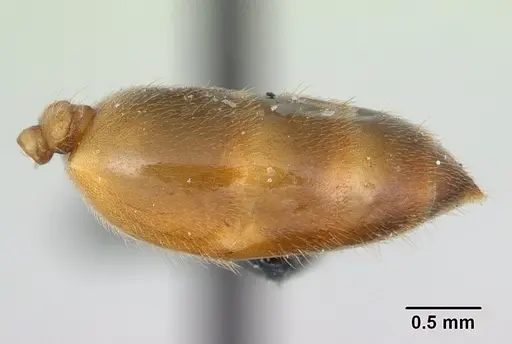
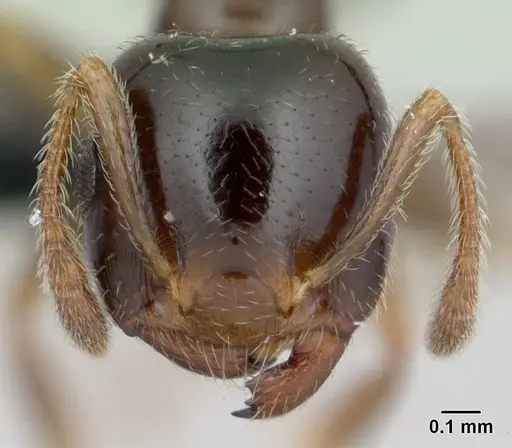
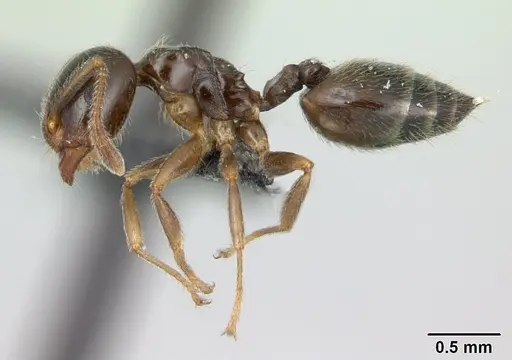
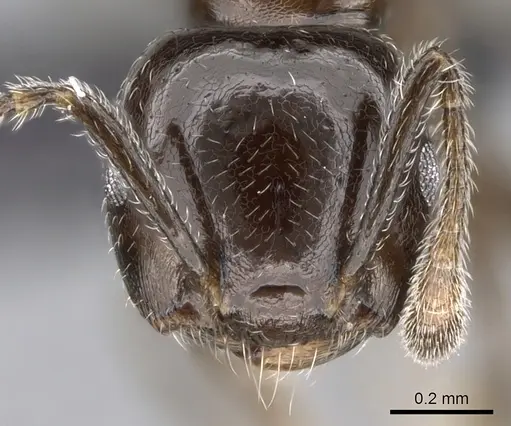
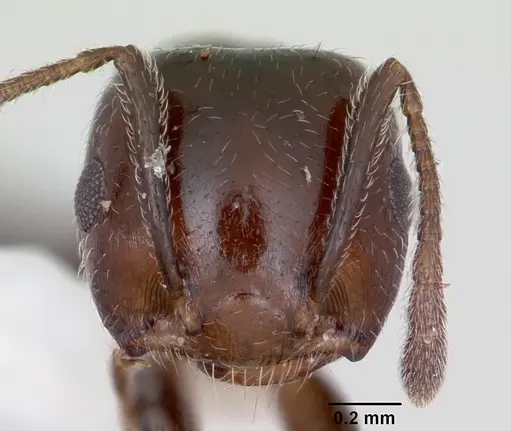
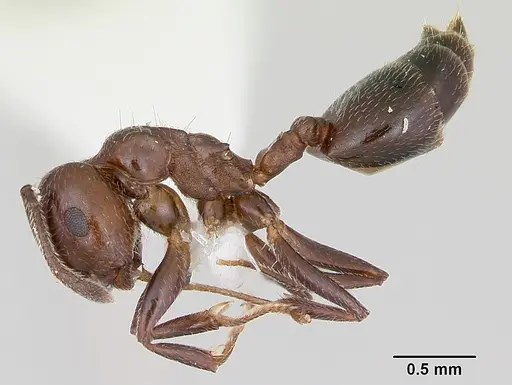
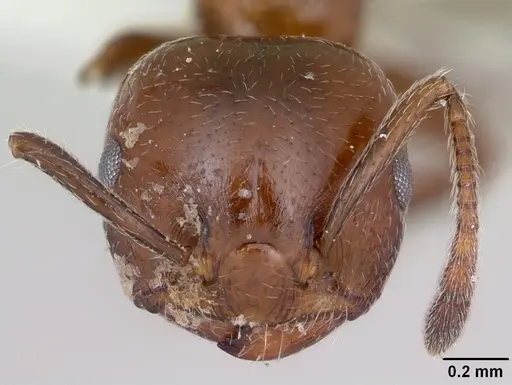
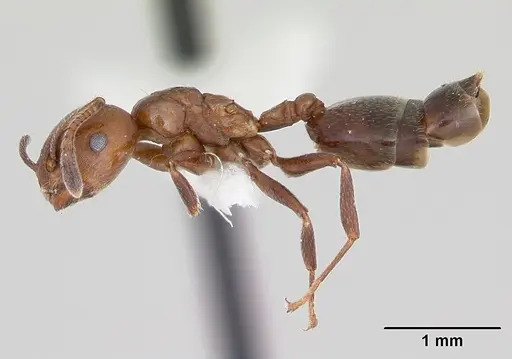
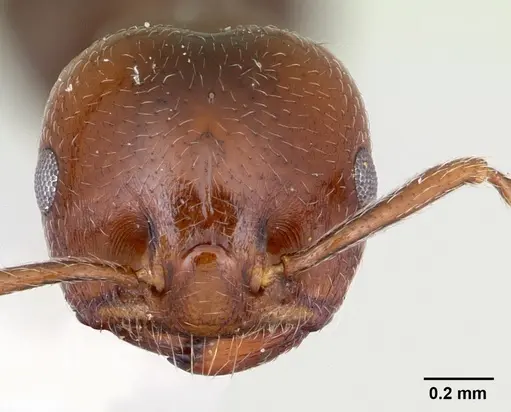
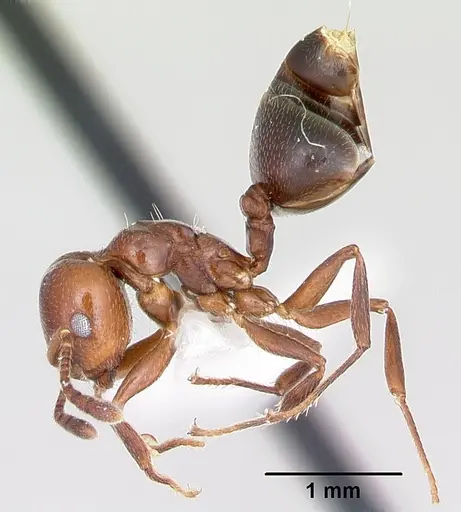
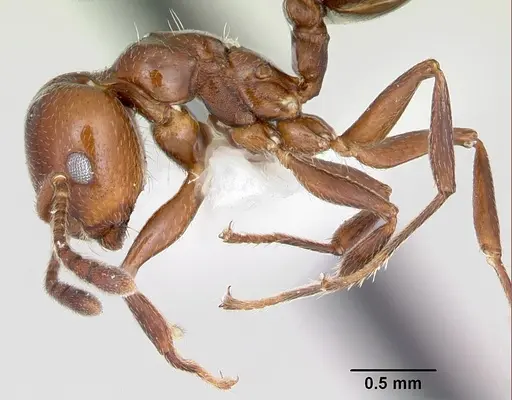
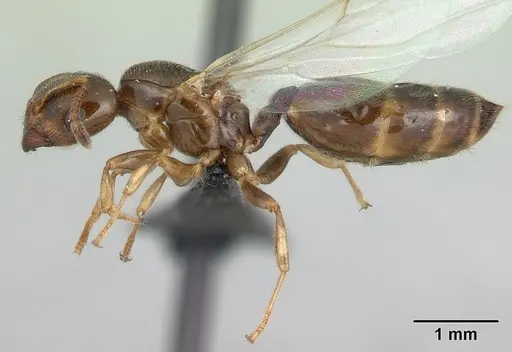
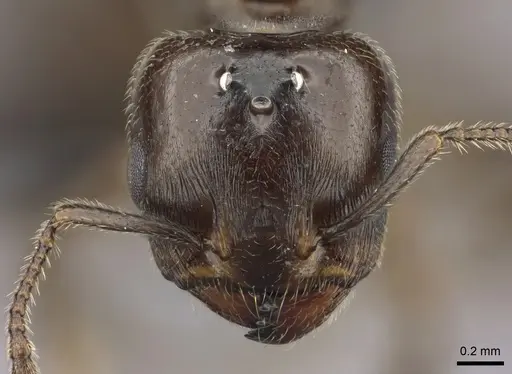
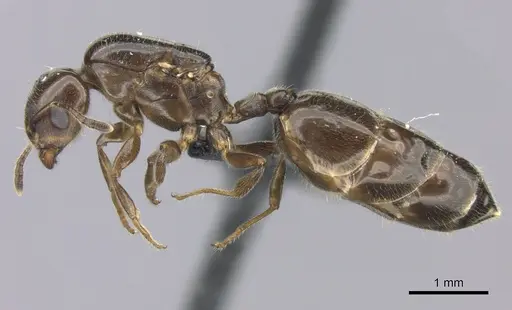
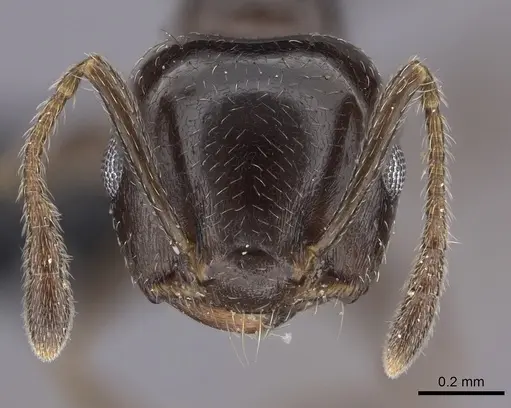
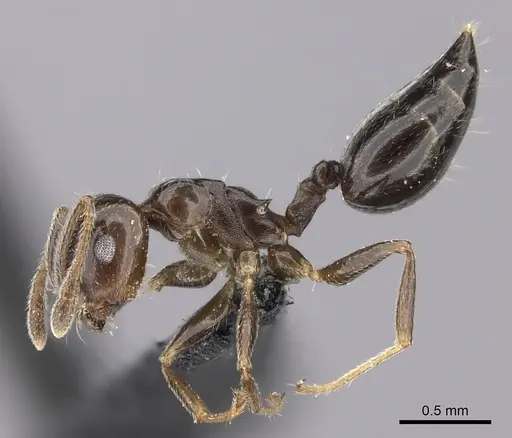
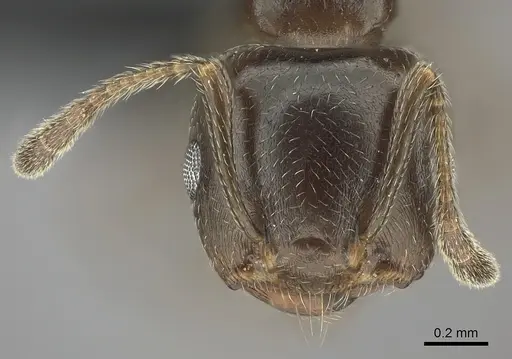
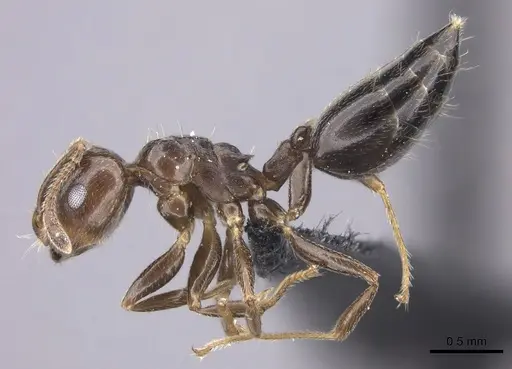
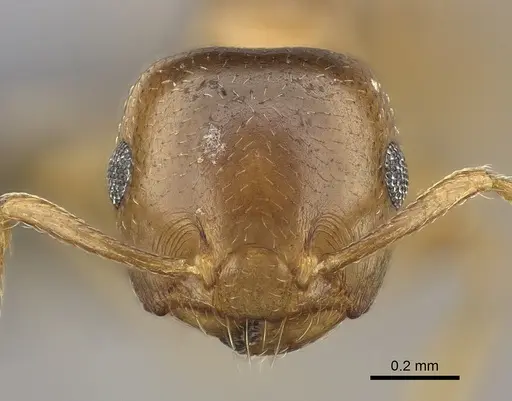
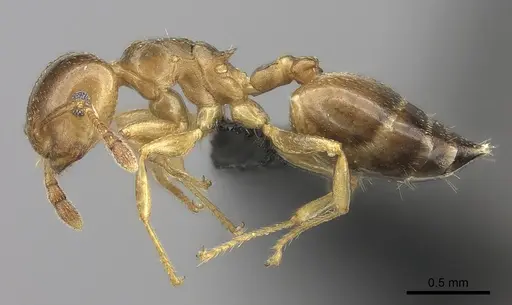
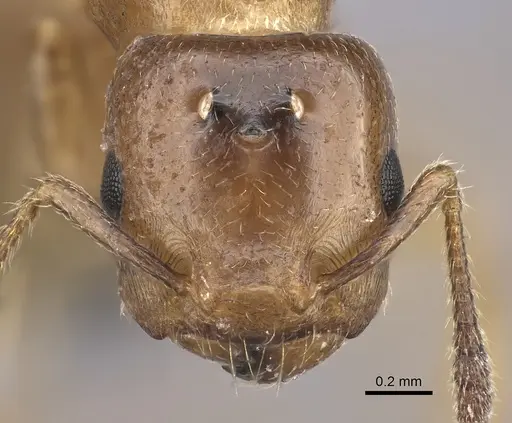
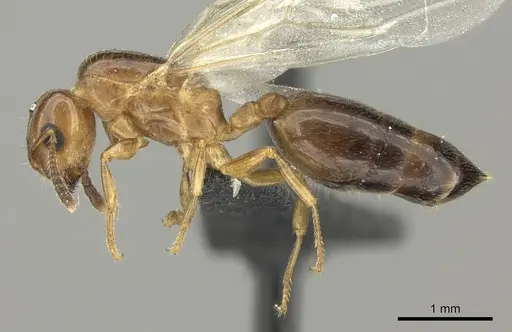
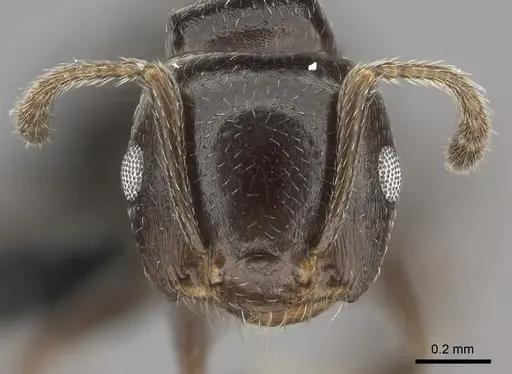
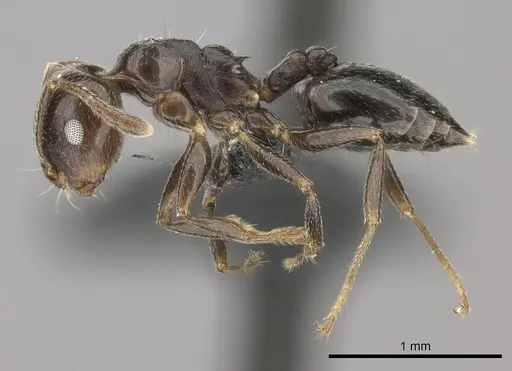
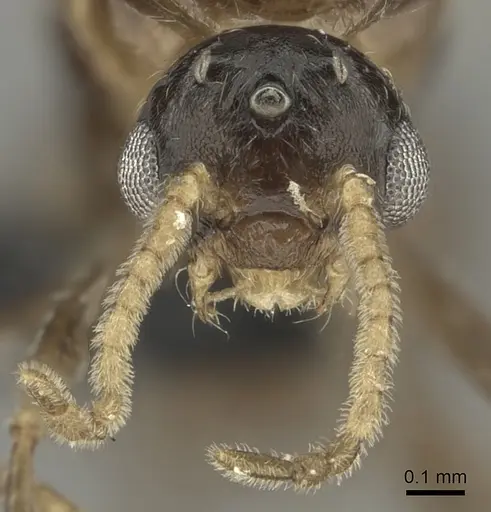
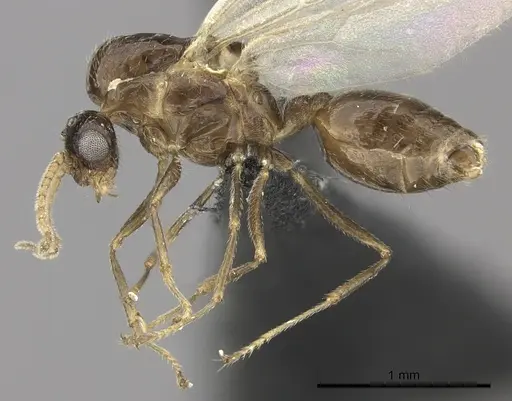
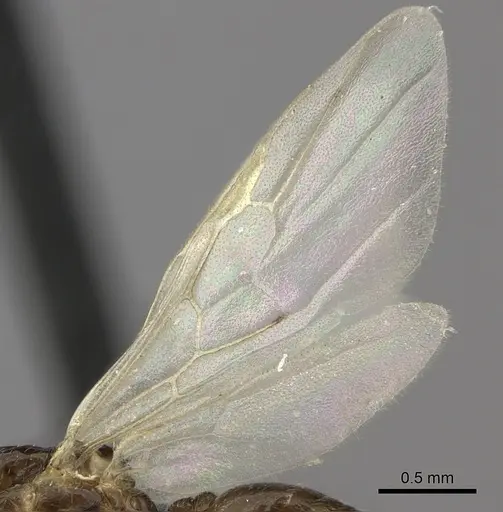
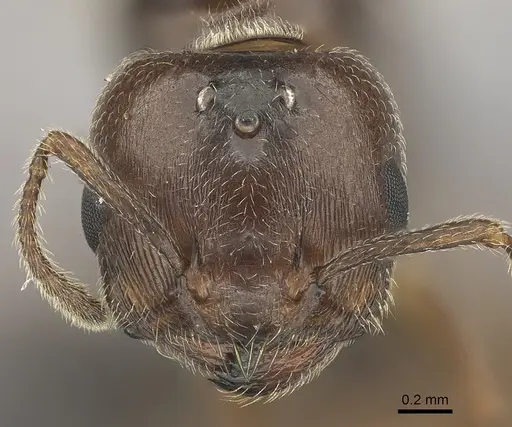
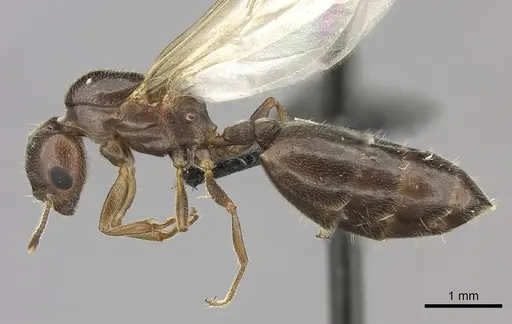
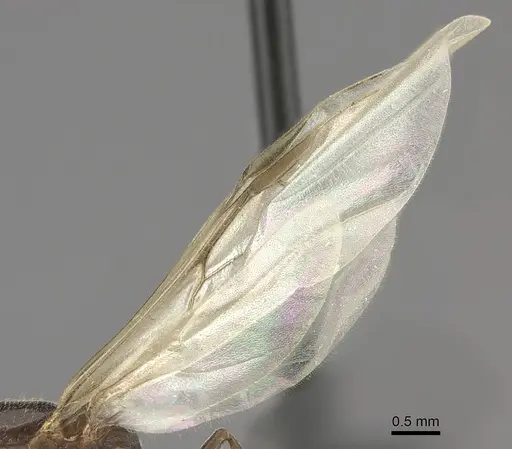
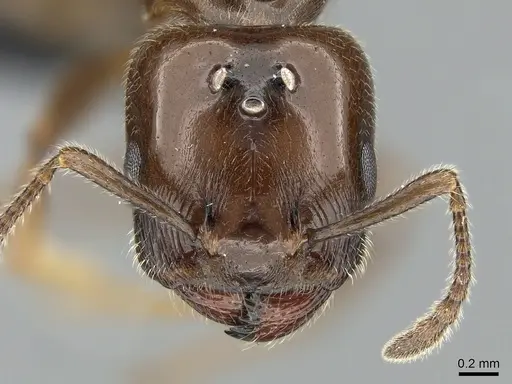
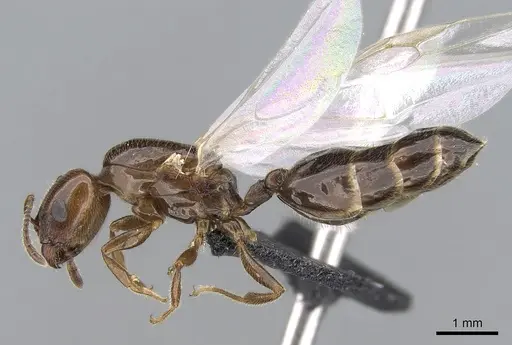
Crematogaster dentata is a small to medium-sized ant native to Madagascar and surrounding islands. Workers measure 0.72-1.10mm and display remarkable color variation, they can be light brown, dark brown, black, or orange-red with black abdominal segments. This species is part of the Crematogaster degeeri species group and is known for its distinctive heart-shaped abdomen that it raises when threatened, giving it the 'acrobat ant' name. The most striking physical feature is the very abundant pilosity (hair) on the promesonotum, with over eight erect setae [1][2].
This species thrives in diverse habitats across the Malagasy region, from dry deciduous forests and spiny forests in western and southern Madagascar to coastal shrub and mangrove areas. They nest arboreally in dead twigs and branches, and sometimes in live plant parts. They are highly active, foraging both day and night and readily attracted to protein baits like fish [1]. The species is morphologically very variable, with workers from southern and western spiny forests typically being larger and more reddish-orange compared to darker brown rainforest populations.
Quick Summary
- Difficulty: Medium
- Origin & Habitat: Madagascar, Mauritius, Mayotte, and Juan de Nova. Found in dry deciduous forests, littoral forests, spiny forests, coastal shrub, and mangrove habitats at low elevations (0-1410m) [1][2].
- Colony Type: Colony structure is not well-documented in scientific literature. Crematogaster species are typically polygynous (multiple queens), but specific data for C. dentata is lacking.
- Size & Growth:
- Queen: 1.13-1.41mm [3]
- Worker: 0.72-1.10mm [1]
- Colony: Unknown, estimated moderate (hundreds of workers) based on related species
- Growth: Moderate, inferred from tropical ant patterns
- Development: 6-8 weeks (estimated based on typical Crematogaster development) (Development time is estimated, no specific study found for this species. Tropical Crematogaster typically develop faster than temperate species.)
- Antkeeping:
- Temperature: Keep at 24-28°C. Being from tropical Madagascar, they prefer warm conditions. A gentle gradient allowing them to move between warmer and cooler areas is ideal.
- Humidity: Moderate to high. Provide a moist nest chamber but ensure ventilation to prevent mold. These ants are adaptable and can handle drier conditions than many tropical species due to their presence in dry forests.
- Diapause: No, being a tropical species from Madagascar, they do not require hibernation. Maintain consistent temperatures year-round.
- Nesting: Arboreal nesters in the wild, they prefer dead twigs and branches. In captivity, they do well in Y-tong (AAC) nests, plaster nests with narrow chambers, or naturalistic setups with twigs/branches. Tight-fitting chambers scaled to their small size work best.
- Behavior: Active foragers that search for food both day and night. They are attracted to protein sources and will readily take fish and other protein baits. When threatened, they raise their heart-shaped abdomen in an 'acrobat' display, this is where the common name comes from. Workers are small (under 2mm) so escape prevention must be excellent, they can squeeze through tiny gaps. They are not aggressive toward keepers but will defend their colony.
- Common Issues: escape prevention is critical due to their tiny size, use fine mesh and tight-fitting barriers, colonies may be slow to establish initially, patience is needed during founding, test tube setups can work but monitor for flooding as they prefer arboreal nesting, wild-caught colonies may harbor parasites, quarantine and observe new colonies, overheating can be fatal, avoid temperatures above 32°C
Housing and Nest Setup
Crematogaster dentata is an arboreal species that naturally nests in dead twigs and branches. In captivity, they do well in Y-tong (AAC) nests or plaster nests with chambers sized appropriately for their small workers (0.72-1.10mm). Naturalistic setups with small twigs or branches work well and mimic their natural nesting preferences. Test tubes can work for founding colonies but monitor moisture levels, arboreal ants often prefer slightly drier conditions than ground-nesting species. Ensure the nest has tight-fitting connections to the outworld and use fluon or other barriers on the outworld rim to prevent escapes. Because workers are only about 1mm, even tiny gaps can allow escape. [1][2]
Feeding and Diet
In the wild, Crematogaster dentata is highly active and attracted to protein baits like fish, suggesting they are primarily predatory or scavengers. They forage both day and night. In captivity, offer protein sources like small insects (fruit flies, small crickets, mealworms), and occasionally fish or other meat. Sugar sources like honey or sugar water are typically accepted, though protein should form the bulk of their diet. Feed every 2-3 days, adjusting based on colony size and consumption. Remove uneaten prey after 24 hours to prevent mold. [1]
Temperature and Environment
As a tropical species from Madagascar, Crematogaster dentata prefers warm temperatures in the range of 24-28°C. They can tolerate slightly cooler conditions but growth and activity will slow below 22°C. Avoid temperatures above 32°C as this can be fatal. Provide a temperature gradient so workers can choose their preferred zone. Unlike temperate species, they do not require diapause or hibernation, maintain consistent temperatures year-round. Humidity should be moderate, aim for 50-70% relative humidity in the nest area. Their presence in dry forests shows they can handle drier conditions than many tropical ants, but avoid extreme dryness. [1][2]
Colony Development
Queen size is 1.13-1.41mm, making them relatively small but not tiny. Workers range from 0.72-1.10mm, showing significant size variation within the species. The colony growth rate is moderate, expect several months for a founding colony to produce first workers (nanitics), and then gradual growth over the first year or two. Based on typical Crematogaster patterns, egg to worker development likely takes 6-8 weeks at optimal temperature. Colonies likely reach several hundred workers over time, though exact maximum colony size is unknown for this species. Be patient during the founding phase, claustral queens may take 4-8 weeks before eggs appear, then another 4-8 weeks until workers emerge. [1][2]
Behavior and Temperament
Crematogaster dentata gets its common name 'acrobat ant' from its distinctive defensive behavior, when threatened, workers raise their heart-shaped abdomen over their head, resembling an acrobat balancing. This is a visual warning display. They are not particularly aggressive toward keepers but will defend the colony if threatened. Workers are small and fast-moving, actively foraging throughout the day and night. They are excellent climbers and will explore vertical surfaces. Their small size (under 2mm) means they can escape through remarkably tiny gaps, excellent escape prevention is essential. They are not known to sting, though some Crematogaster species can deliver mild chemical defense. [1][2]
Frequently Asked Questions
How long does it take for Crematogaster dentata to produce first workers?
Based on typical Crematogaster development, expect 6-8 weeks from egg to first worker at optimal temperature (24-28°C). Founding colonies may take 3-4 months before nanitics (first workers) appear, as the queen needs time to lay eggs after establishing her chamber.
What do Crematogaster dentata ants eat?
They are primarily protein feeders. Offer small insects like fruit flies, pinhead crickets, or mealworms. They will also accept sugar sources like honey or sugar water. Protein should make up the majority of their diet, offer prey 2-3 times per week.
Do Crematogaster dentata ants need hibernation?
No. Being a tropical species from Madagascar, they do not require diapause or hibernation. Keep temperatures consistent year-round in the 24-28°C range.
What size colony do Crematogaster dentata colonies reach?
Exact colony size is not documented, but based on related species, expect colonies to reach several hundred workers over 1-2 years. They are not among the largest Crematogaster species.
Are Crematogaster dentata good for beginners?
They are moderate difficulty. The main challenges are their tiny size (excellent escape prevention is required) and the need for warm, stable temperatures. They are not as hardy as some common pet ant species, but with proper setup they can be rewarding.
Can I keep multiple Crematogaster dentata queens together?
Not documented. Crematogaster species are often polygynous (multiple queens) in the wild, but combining unrelated foundress queens in captivity is risky and has not been studied for this specific species. It is not recommended.
What nest type is best for Crematogaster dentata?
Y-tong (AAC) nests or plaster nests work well. They are arboreal nesters in the wild, so they prefer chambers that are not too humid. Naturalistic setups with small twigs also mimic their natural habitat. Avoid very wet test tube setups.
Do Crematogaster dentata ants sting?
Crematogaster ants do not have a functional stinger like some ant species. They defend through chemical means (formic acid) and their characteristic 'acrobat' display where they raise their abdomen. They are not dangerous to keepers.
Why are my Crematogaster dentata escaping?
Their small size (workers are only 0.72-1.10mm) means they can squeeze through incredibly tiny gaps. Use fine mesh (at least 0.5mm), ensure all connections are tight, and apply fluon or similar barriers to outworld edges. Check for any cracks or gaps larger than 0.5mm.
What temperature range is ideal for Crematogaster dentata?
Keep them at 24-28°C. They are tropical and need warmth, but avoid overheating above 32°C. A gentle temperature gradient allows workers to regulate their own conditions.
References

This caresheet is licensed under CC BY-SA 4.0 .
CASENT0059574
View on AntWeb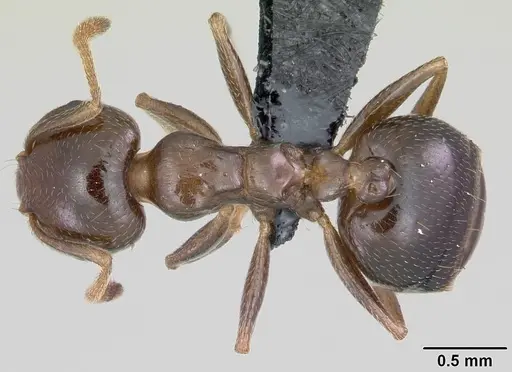
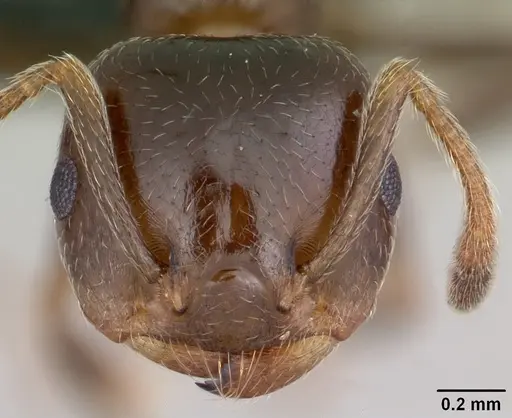
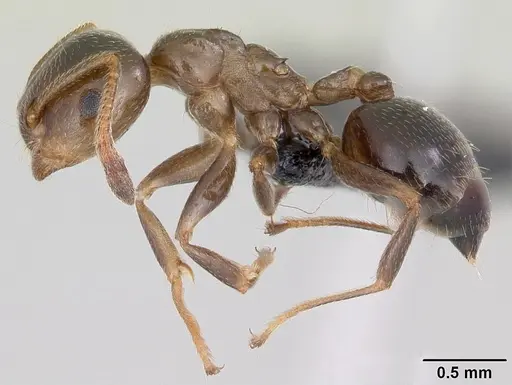
CASENT0077927
View on AntWeb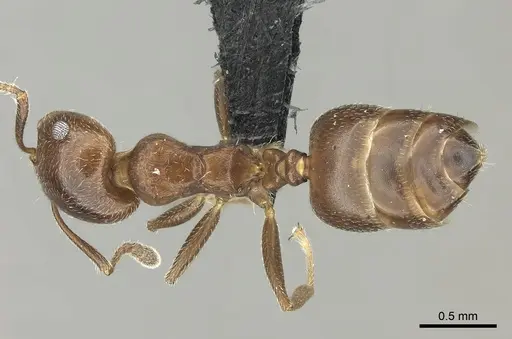
CASENT0085128
View on AntWeb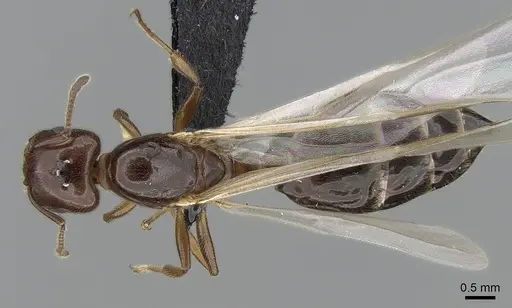
CASENT0101665
View on AntWeb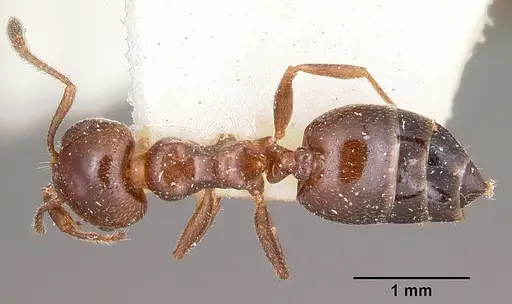
CASENT0101677
View on AntWeb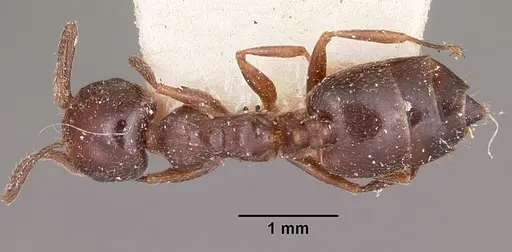
CASENT0101683
View on AntWeb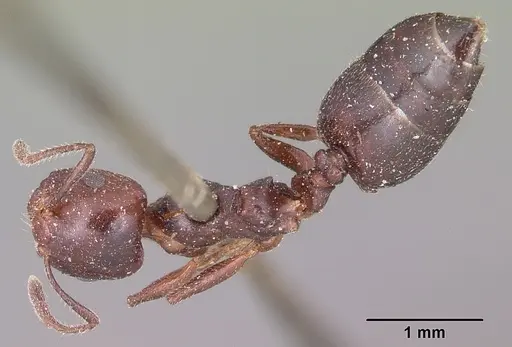
CASENT0101752
View on AntWeb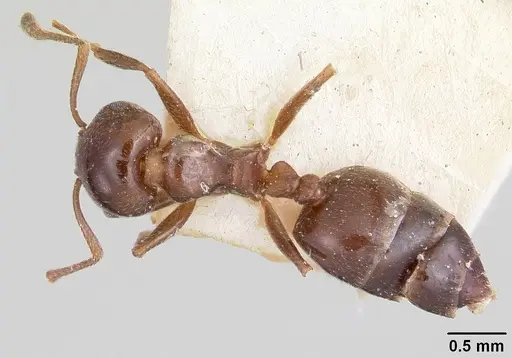
CASENT0101915
View on AntWeb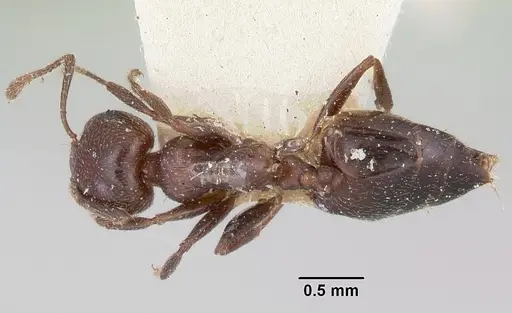
CASENT0102954
View on AntWeb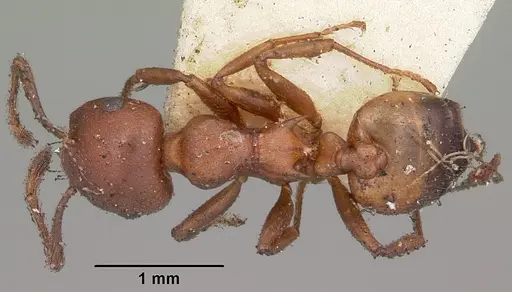
CASENT0104588
View on AntWeb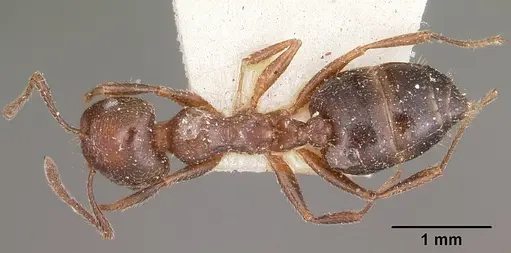
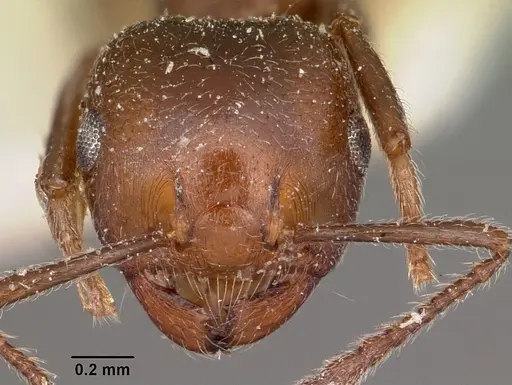
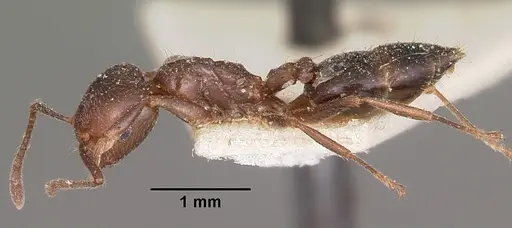
CASENT0104589
View on AntWeb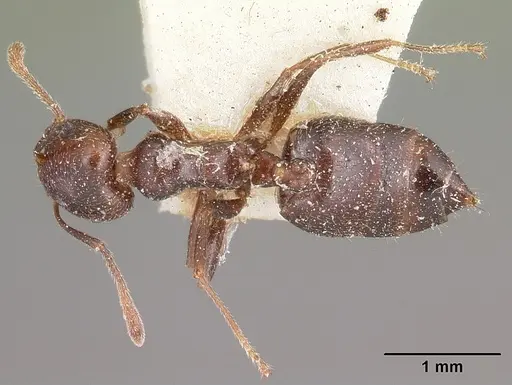
CASENT0132820
View on AntWeb
CASENT0134874
View on AntWeb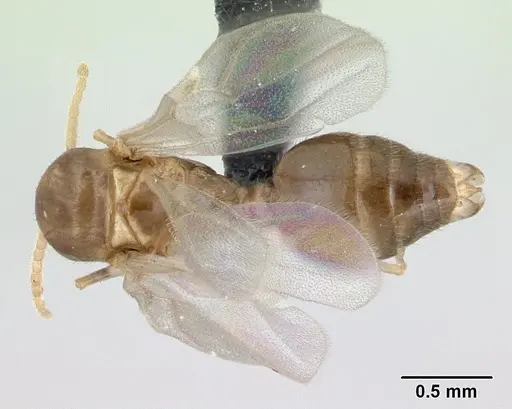
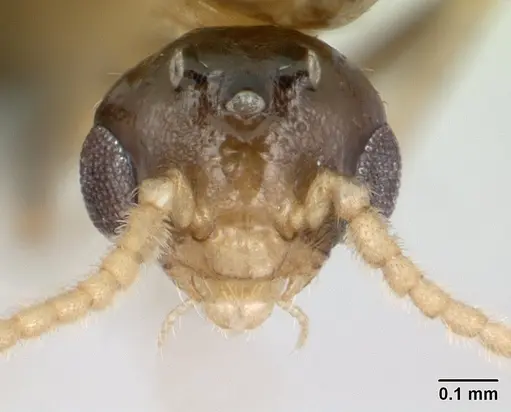
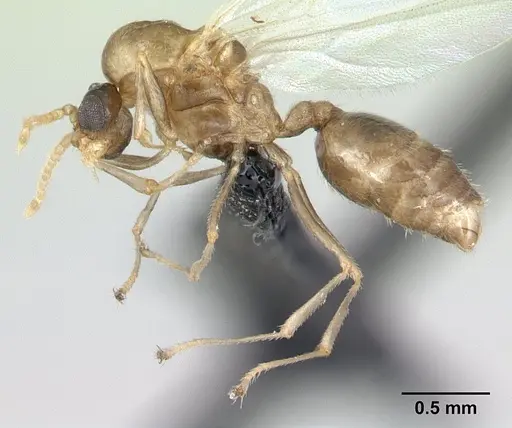
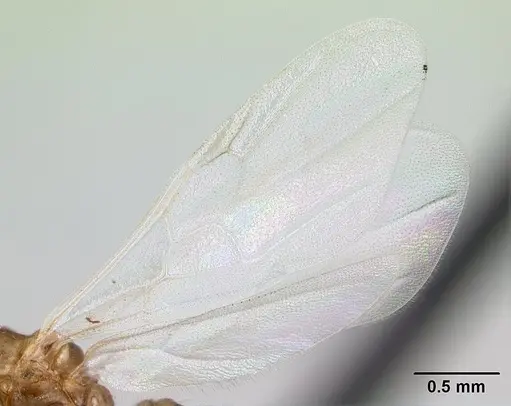
CASENT0134931
View on AntWeb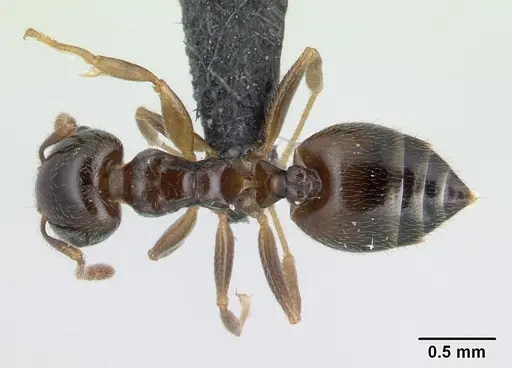
CASENT0138289
View on AntWeb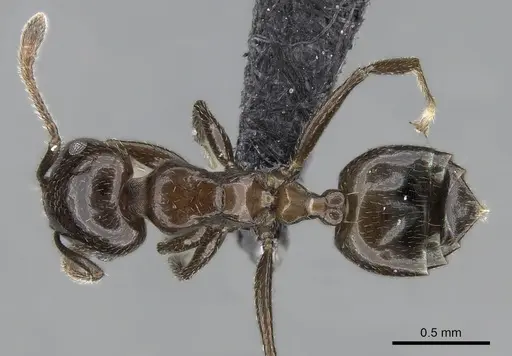
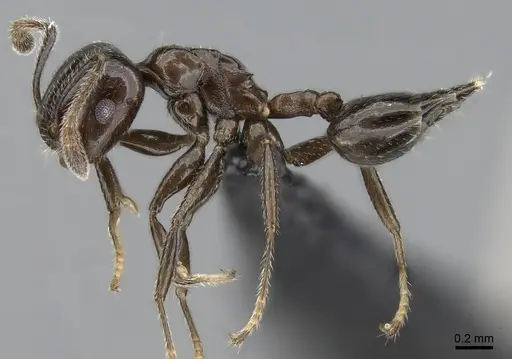
CASENT0144079
View on AntWeb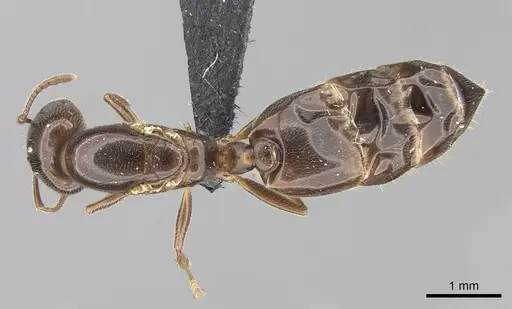
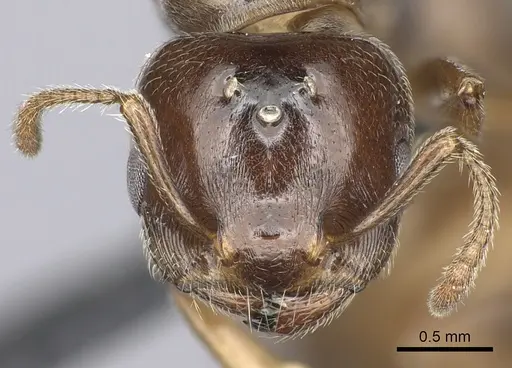
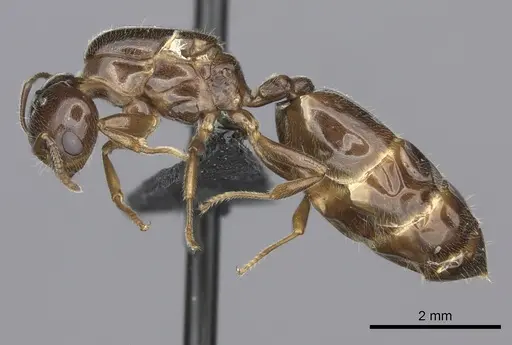
CASENT0172819
View on AntWeb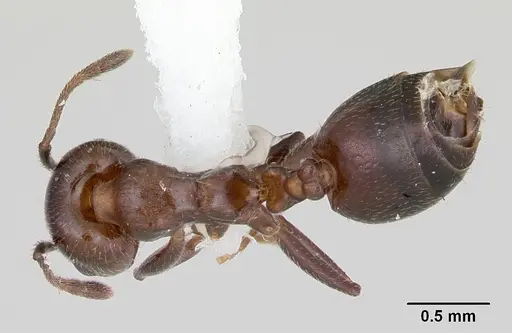
CASENT0172820
View on AntWeb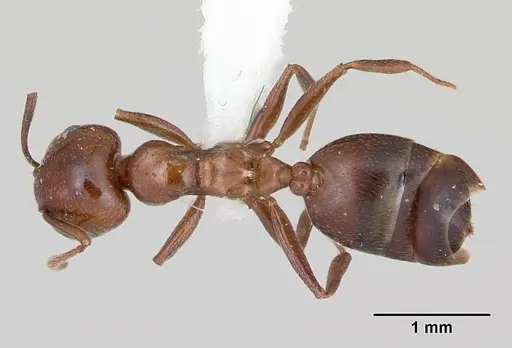
CASENT0172821
View on AntWeb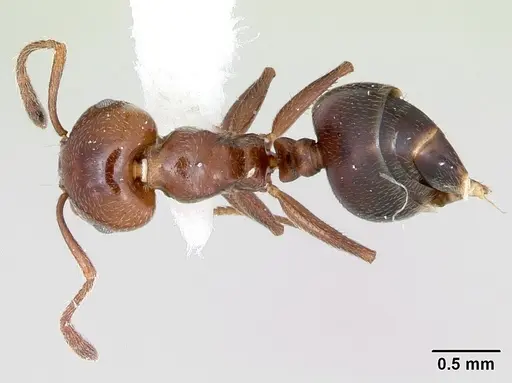
CASENT0178195
View on AntWeb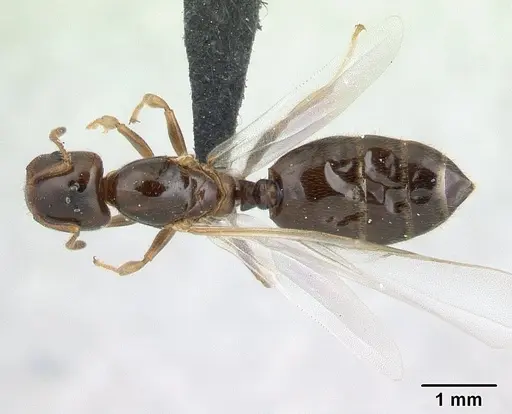
CASENT0442879
View on AntWeb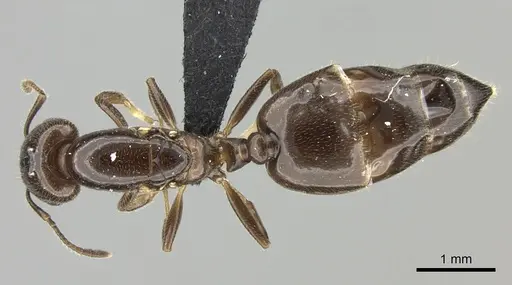
CASENT0443123
View on AntWeb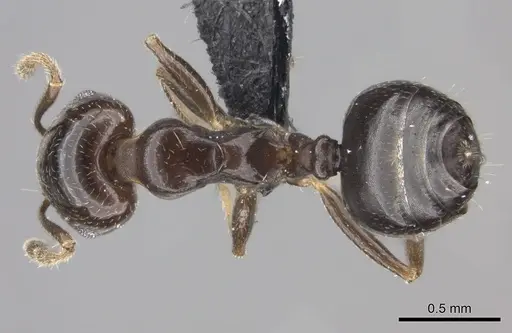
CASENT0443126
View on AntWeb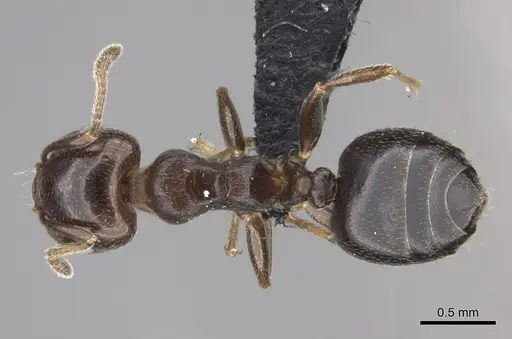
CASENT0453559
View on AntWeb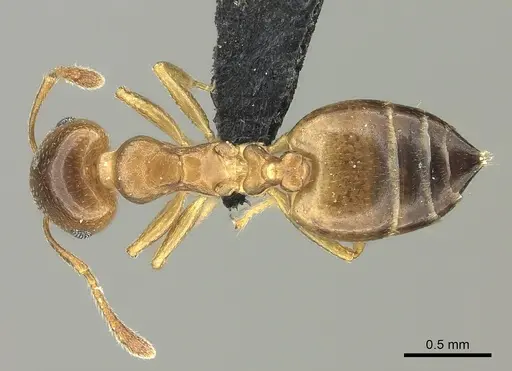
CASENT0453568
View on AntWeb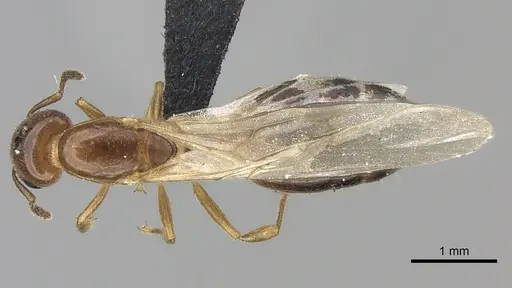
CASENT0456641
View on AntWeb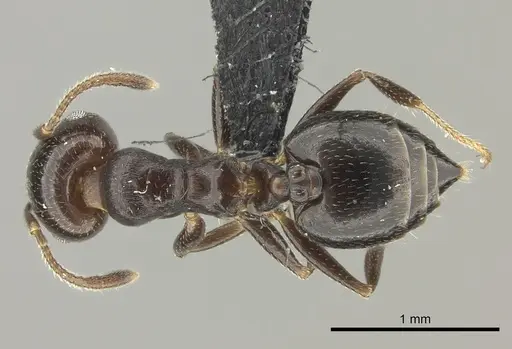
CASENT0456644
View on AntWeb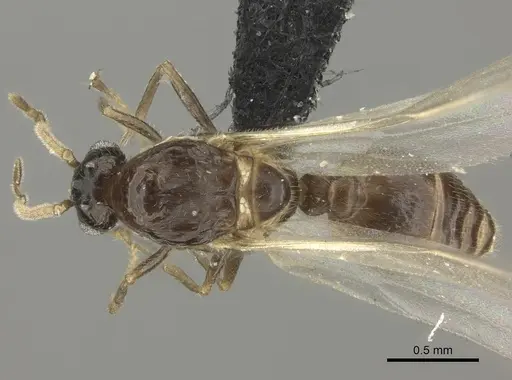
CASENT0484928
View on AntWeb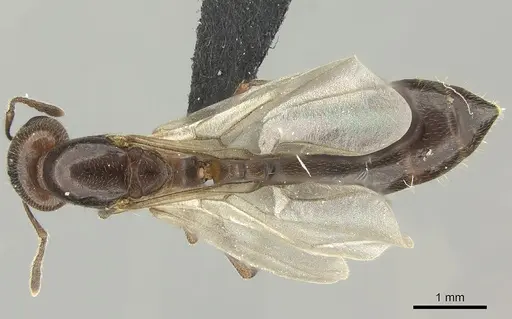
CASENT0484998
View on AntWeb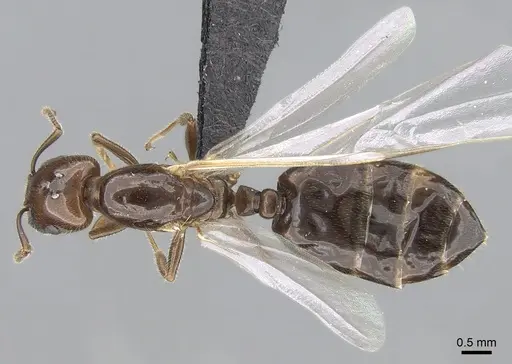
Literature
Loading...Loading products...