

Crematogaster dalyi
- Scientific Name
- Crematogaster dalyi
- Tribe
- Crematogastrini
- Subfamily
- Myrmicinae
- Author
- Forel, 1902
- Distribution
- Found in 2 countries
Crematogaster dalyi Overview
Crematogaster dalyi is an ant species of the genus Crematogaster. It is primarily documented in 2 countries , including India, Lao People's Democratic Republic. Detailed taxonomic data and occurrence records can be further explored via authoritative databases such as AntWeb or the Global Biodiversity Information Facility (GBIF).
Crematogaster dalyi
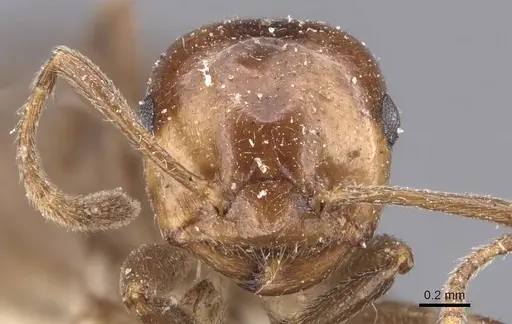
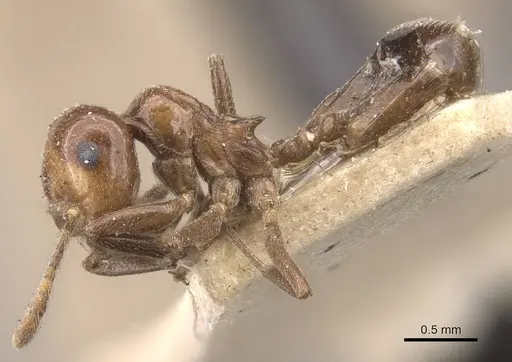
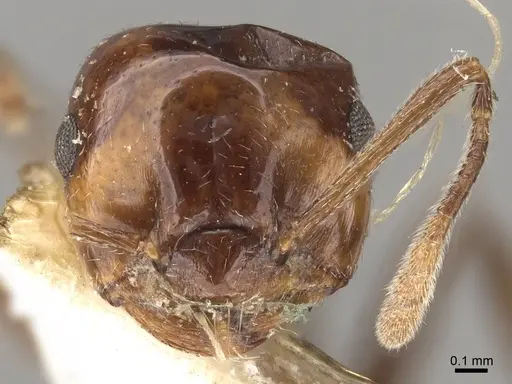
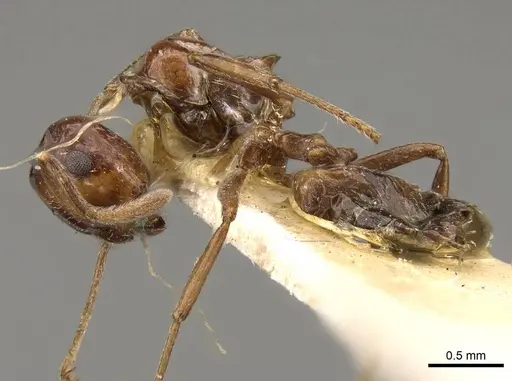
Crematogaster dalyi is a tiny ant species belonging to the ranavalonae-group, native to India. Workers measure just 0.86-0.92mm in head width, making them one of the smaller Crematogaster species [1]. They have the classic acrobat ant appearance with a smooth, shiny brown body and a distinctive heart-shaped gaster that they raise when threatened. The species is endemic to India, known from several states including Tamil Nadu (the type locality), Karnataka, West Bengal, and Haryana [2]. This species is closely related to Crematogaster sikkimensis but can be distinguished by its notably short propodeal spines [1].
What makes C. dalyi interesting is its rarity in both the wild and in antkeeping circles. It's a high-altitude species, recorded at around 1500 meters in the Himalayan regions [3], suggesting it prefers cooler, more temperate conditions than many tropical Crematogaster species. The smooth, shiny integument and the strongly bilobed postpetiole give these ants a refined, elegant appearance that appeals to collectors seeking unusual species.
Quick Summary
- Difficulty: Hard
- Origin & Habitat: Endemic to India, found in Himalayan regions at approximately 1500 meters elevation. Recorded from Tamil Nadu (type locality Coonoor), Karnataka, West Bengal, and Haryana [3][2].
- Colony Type: Colony structure is unconfirmed. Based on genus patterns, likely single-queen (monogyne) colonies, but this has not been directly studied.
- Size & Growth:
- Queen: Undocumented, no queen measurements available [1]
- Worker: 0.86-0.92mm head width [1]
- Colony: Unknown, no colony size data available
- Growth: Unknown, no development data exists for this species
- Development: Unconfirmed, no direct measurements. Based on typical Crematogaster patterns and small worker size, estimate 6-8 weeks at optimal temperature, but this is a rough guess. (Small worker size suggests relatively fast development compared to larger Crematogaster species, but this is inferred, not confirmed.)
- Antkeeping:
- Temperature: Based on altitude (1500m) and Himalayan distribution, likely prefers cooler conditions than typical tropical ants. Start around 18-22°C and observe colony activity. A gentle temperature gradient allows workers to self-regulate.
- Humidity: Moderate humidity preferred. Keep nest substrate lightly moist but not waterlogged. Crematogaster often nest in partially decayed wood or under bark in nature, suggesting they tolerate some dryness between watering.
- Diapause: Likely yes, being a Himalayan species at 1500m elevation, they probably experience seasonal temperature drops. Provide a winter rest period of 2-3 months at 10-15°C if the colony shows reduced activity.
- Nesting: No specific nesting data exists for this species. Based on genus patterns, they likely prefer nesting in small cavities, perhaps under bark, in rotting wood, or in tight rock crevices. A Y-tong (AAC) nest with narrow chambers or a small naturalistic setup with tight spaces would likely suit them. Avoid large, open chambers.
- Behavior: These are tiny, active ants with typical Crematogaster defense behavior, they raise their gaster (the rear part of their body) when disturbed and may release a chemical alarm. Workers are small enough to be escape risks, so fine mesh barriers are essential. They are likely opportunistic foragers, gathering honeydew from aphids and small insects. No specific aggression data exists, but Crematogaster species are generally not highly aggressive toward humans. Their small size means they pose no sting threat to keepers.
- Common Issues: tiny worker size means escape prevention must be excellent, they can squeeze through standard mesh, no species-specific care information exists, keepers must rely on genus-level inference, slow or failed colony development is likely without proper temperature management, high altitude origin means they may not tolerate typical room temperatures without cooling, wild-caught colonies may be difficult to find as the species is rarely collected
Nest Preferences and Housing
Crematogaster dalyi is a poorly studied species with no documented nesting preferences in the scientific literature. Based on its membership in the ranavalonae-group and the genus patterns, these ants likely nest in tight, protected spaces in nature, possibly under loose bark, in rotting wood cavities, or within rock crevices at higher elevations [1]. The worker measurements of just 0.86-0.92mm indicate you should provide appropriately scaled housing with narrow chambers and passages.
For captive care, a Y-tong (AAC) nest with small, tight chambers works well for tiny Crematogaster species. Alternatively, a small plaster or acrylic nest with chambers sized to the worker dimensions would be appropriate. Avoid large, open spaces that might stress such small ants. Test tube setups can work for founding colonies, but you may need to use fine mesh (0.5mm or smaller) on any ventilation holes due to their tiny size. The nest should have a water reservoir to maintain slight humidity without flooding the ants.
Feeding and Diet
No specific dietary studies exist for Crematogaster dalyi. However, Crematogaster genus members are typically omnivorous with a strong preference for sugary substances (honeydew from aphids, nectar) and protein from small insects [4]. You should offer a varied diet including sugar water or honey as a constant energy source, and protein sources like fruit flies, small mealworms, or other tiny arthropods.
Given their tiny worker size (under 1mm), prey items must be appropriately sized. Springtails or flightless fruit flies make excellent protein sources. Avoid large prey items that workers cannot tackle. Sugar water should be provided regularly, especially for colony growth and queen reproduction. Remove uneaten prey within 24-48 hours to prevent mold issues in the nest.
Temperature and Seasonal Care
This is where species-specific knowledge is most critical. C. dalyi has been recorded at approximately 1500 meters elevation in Himalayan regions [3], suggesting it naturally experiences cooler temperatures than typical tropical ants. While no specific thermal studies exist for this species, you should aim for cooler room temperatures than you would use for most Crematogaster.
Start around 18-22°C as a baseline. Observe your colony, if workers are consistently clustered near any heat source, the temperature may be too low. If they appear sluggish and inactive, try slightly warming one area of the nest using a heating cable on low setting. Create a gentle gradient so ants can choose their preferred temperature. During winter, if your colony shows reduced activity, provide a 2-3 month diapause period at 10-15°C to simulate natural seasonal conditions.
Behavior and Handling
Crematogaster ants are known for their distinctive defensive behavior, when threatened, they raise their abdomen (gaster) high, which is how they got the common name "acrobat ants" [4]. This display is accompanied by the release of alarm pheromones that recruit nearby workers. While this species is too small to sting humans effectively, the chemical defense can be unpleasant in enclosed spaces.
Workers are tiny (under 1mm) and very active, making them quick colonizers of any available space. Escape prevention is critical, these ants will find and exploit the smallest gaps in housing. Use tight-fitting lids, fine mesh barriers, and check regularly for any potential escape routes. They are not aggressive toward keepers and can be handled gently if necessary, but their small size makes careful transfer important to avoid crushing them.
Frequently Asked Questions
How long does it take for Crematogaster dalyi to produce first workers?
The egg-to-worker timeline is unconfirmed for this species. Based on typical Crematogaster patterns and their very small worker size, expect approximately 6-8 weeks at optimal temperature, but this is a rough estimate rather than a confirmed measurement.
Can I keep Crematogaster dalyi in a test tube?
Yes, test tubes work well for founding colonies. Use a small water reservoir and ensure any ventilation is covered with fine mesh (0.5mm or smaller) to prevent escapes, as these ants are extremely tiny.
What temperature do Crematogaster dalyi ants need?
Being a Himalayan species recorded at 1500m elevation, they prefer cooler conditions than most Crematogaster. Aim for 18-22°C initially and adjust based on colony behavior. A gentle temperature gradient allows workers to self-regulate.
Do Crematogaster dalyi ants sting?
They are too small to effectively sting humans. Their primary defense is raising the gaster and releasing chemical alarm signals to recruit nestmates.
How big do Crematogaster dalyi colonies get?
Colony size is unknown, no scientific data exists on maximum colony size for this species. Based on their tiny worker size and the ranavalonae-group patterns, colonies are likely smaller than many common Crematogaster species.
Are Crematogaster dalyi good for beginners?
No. This species is not recommended for beginners due to several factors: extremely limited distribution and availability, no species-specific care information, tiny size requiring excellent escape prevention, and likely specific temperature requirements as a Himalayan species. Consider starting with more established species like Crematogaster ashbyi or other common Crematogaster.
Do Crematogaster dalyi need hibernation?
Likely yes, being a Himalayan species at higher elevation, they probably experience seasonal temperature drops in the wild. Provide a winter rest period of 2-3 months at 10-15°C if your colony shows reduced activity during cooler months.
What do Crematogaster dalyi eat?
Based on genus patterns, they accept sugary liquids (honey water, sugar water) and small protein sources like fruit flies, springtails, or tiny arthropods. Their tiny worker size means prey must be appropriately small.
Where is Crematogaster dalyi found in the wild?
This species is endemic to India, known only from higher elevation areas. Type locality is Coonoor in Tamil Nadu, with records also from Karnataka, West Bengal, and Haryana. It has been found at approximately 1500 meters elevation in Himalayan regions.
Why are my Crematogaster dalyi dying?
Without species-specific research, common causes include: temperature too high (they prefer cooler conditions), improper humidity (too wet or too dry), escape-related losses due to their tiny size, or simply the challenges of establishing a rarely-kept species. Review temperature, housing, and ensure escape prevention is excellent.
References

This caresheet is licensed under CC BY-SA 4.0 .
CASENT0907510
View on AntWeb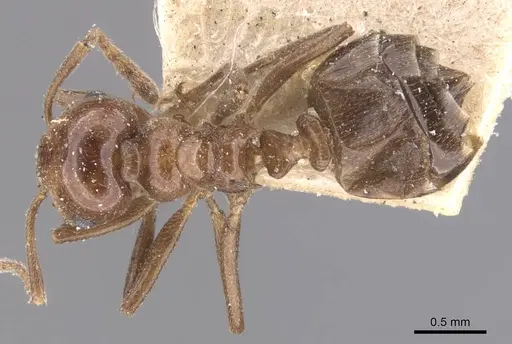
CASENT0914301
View on AntWeb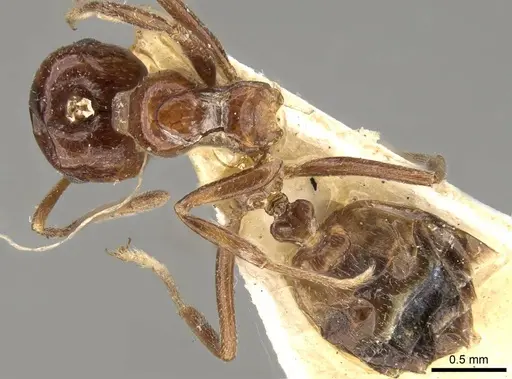
Literature
Loading...Loading products...