

Crematogaster dahlii
- Scientific Name
- Crematogaster dahlii
- Tribe
- Crematogastrini
- Subfamily
- Myrmicinae
- Author
- Forel, 1901
- Distribution
- Found in 1 countries
Crematogaster dahlii Overview
Crematogaster dahlii is an ant species of the genus Crematogaster. It is primarily documented in 1 countries , including Papua New Guinea. Detailed taxonomic data and occurrence records can be further explored via authoritative databases such as AntWeb or the Global Biodiversity Information Facility (GBIF).
Crematogaster dahlii
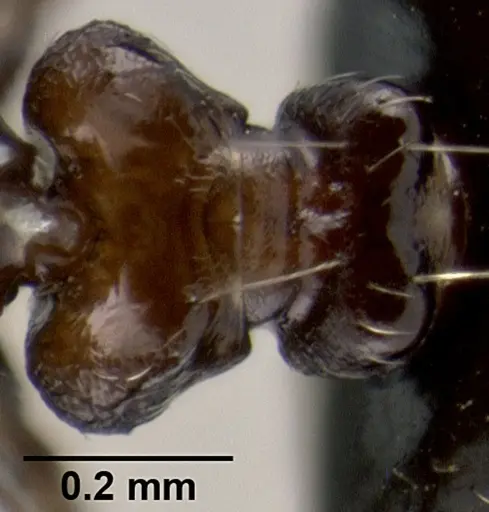
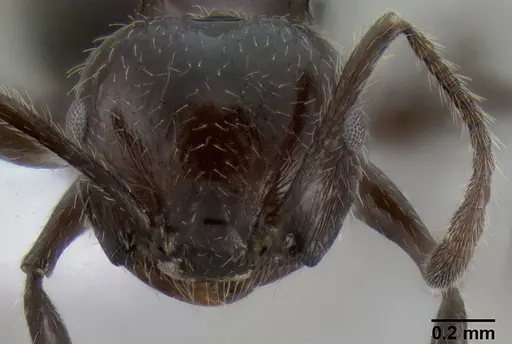
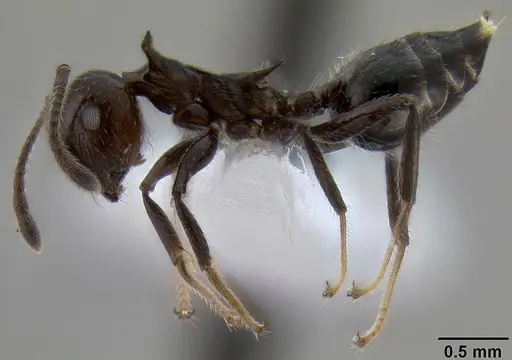
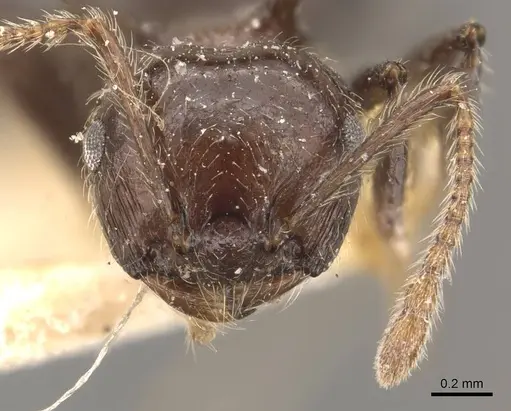
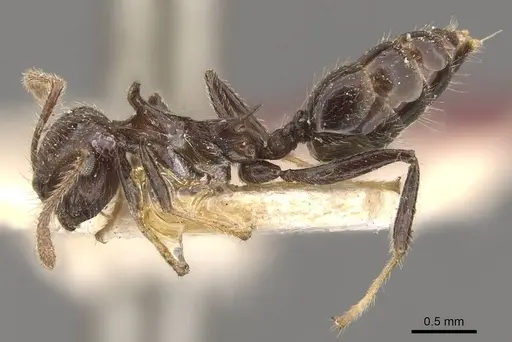
Crematogaster dahlii is a medium-sized ant species belonging to the Crematogaster genus, commonly known as acrobat ants due to their distinctive ability to raise their abdomen over their head when disturbed. Workers measure approximately 4-6mm and feature distinctly developed pronotal shoulders that form spines, placing them in the tetracantha-group [1]. This species originates from the Australasian region, specifically Papua New Guinea and the Bismarck Archipelago [2]. They are a member of the Xiphocrema subgenus, which is characterized by their spined pronotum and tropical distribution [3].
This species remains poorly documented in scientific literature, with limited specific research on its behavior and colony structure. Like other Crematogaster species, they likely nest in rotting wood or arboreal locations in their natural tropical habitat. Their spined pronotum distinguishes them from many other Crematogaster and makes them relatively identifiable among their genus.
Quick Summary
- Difficulty: Medium
- Origin & Habitat: Papua New Guinea and Bismarck Archipelago (New Britain), tropical rainforest environment [2]
- Colony Type: Likely monogyne (single queen) based on typical Crematogaster patterns, colony structure is unconfirmed for this specific species
- Colony: Monogyne
- Founding: Claustral
- Size & Growth:
- Queen: Estimated 6-8mm based on genus patterns
- Worker: Approximately 4-6mm [1]
- Colony: Likely several hundred workers based on typical Crematogaster colony development
- Growth: Moderate, estimated based on tropical Crematogaster patterns
- Development: Estimated 5-8 weeks at tropical temperatures (25-28°C) (Development timeline is estimated based on genus-level data, specific measurements for this species are unavailable)
- Antkeeping:
- Temperature: Keep at 24-28°C (tropical warmth). A gentle gradient allowing workers to self-regulate is ideal. Avoid temperatures below 22°C as this species originates from tropical New Guinea [3].
- Humidity: Maintain moderate to high humidity (60-80%). These ants come from a tropical environment and prefer moist conditions. Keep the nest substrate damp but not waterlogged.
- Diapause: Unlikely, as a tropical species from Papua New Guinea, they probably do not require a diapause period. However, some seasonal slowing may occur during cooler months.
- Nesting: In captivity, they do well in Y-tong (AAC), plaster, or acrylic nests. Provide a moist nesting environment with some vertical space. They may also accept naturalistic setups with rotting wood or cork bark, reflecting their natural arboreal/rotting wood nesting preferences.
- Behavior: Crematogaster dahlii workers are active and agile foragers. Like other acrobat ants, they will raise their abdomen in a defensive posture when threatened. They are generally not aggressive toward keepers but will defend their nest. Workers are moderate in size (4-6mm) and can escape through small gaps, use standard escape prevention measures. They are omnivorous and will accept both sugar sources and protein foods.
- Common Issues: limited documented care information makes specific guidance uncertain, tropical species requires warm, humid conditions year-round, escape prevention needed, workers can fit through moderate gaps, slow colony growth may frustrate beginners expecting rapid development, wild-caught colonies may carry parasites or face adaptation challenges
Housing and Nest Setup
Crematogaster dahlii does well in various nest types including Y-tong (AAC), plaster nests, or acrylic formicariums. They prefer a moist nesting environment, the substrate or nest material should remain damp but not saturated with standing water. As a species likely nesting in rotting wood or arboreal locations in nature, providing some vertical space and textured surfaces can encourage natural behavior. A test tube setup works well for founding colonies, with a water reservoir connected to a foraging area. For mature colonies, a formicarium with multiple chambers allows for colony expansion. Always provide a water source and sugar food in the outworld. [3]
Feeding and Diet
Like other Crematogaster species, C. dahlii is omnivorous and accepts a varied diet. Offer sugar water, honey, or diluted maple syrup as a constant energy source. For protein, provide small insects such as fruit flies, pinhead crickets, or mealworms. They are likely to tend aphids for honeydew if given the opportunity. Feed protein foods 2-3 times per week, and ensure sugar sources are always available. Remove uneaten prey after 24-48 hours to prevent mold. Fresh water should always be accessible.
Temperature and Humidity
This tropical species requires warm conditions. Maintain temperatures between 24-28°C, avoiding drops below 22°C. A heating cable or mat on one side of the nest can create a gentle gradient allowing workers to self-regulate their temperature preference. Humidity should remain moderate to high (60-80%), reflecting their New Guinea rainforest origin. Monitor condensation levels in the nest, some condensation is beneficial but excessive moisture can lead to mold. Mist the outworld occasionally to maintain humidity, but allow periods of slight drying between mistings. [3]
Colony Development
Colony growth is moderate, with estimated egg-to-worker development taking 5-8 weeks at optimal tropical temperatures. The first workers (nanitics) will be smaller than mature workers but should quickly begin foraging and caring for subsequent brood. Colonies may take several months to reach 50+ workers and a year or more to reach several hundred. Be patient with development, Crematogaster colonies often grow steadily but not rapidly. Once established, colonies can live for many years with the queen potentially living for a decade or more.
Behavior and Temperament
Crematogaster dahlii workers are active and alert. When threatened, they exhibit the characteristic acrobat ant behavior of raising their abdomen over their head, which serves as a warning display. They are not typically aggressive toward keepers but will vigorously defend their nest. Workers are good climbers and may attempt to explore outside the enclosure. Use standard escape prevention such as fluon barriers on smooth surfaces. They are diurnal foragers, actively searching for food during daylight hours. Their moderate size and active nature make them engaging to observe.
Frequently Asked Questions
How long does it take for Crematogaster dahlii to produce first workers?
Based on typical Crematogaster development patterns, expect first workers (nanitics) approximately 5-8 weeks after the queen lays eggs, assuming temperatures around 25-28°C. Development may be slower at cooler temperatures.
What temperature do Crematogaster dahlii ants need?
Keep them at 24-28°C. This tropical species from Papua New Guinea requires warm conditions year-round. Avoid temperatures below 22°C.
Do Crematogaster dahlii ants sting?
Crematogaster ants can bite and may use their acidopore (the tip of their abdomen) to dispense formic acid as a defensive spray. While not dangerous to humans, it can be irritating. They are not considered dangerous to keep.
What do Crematogaster dahlii eat?
They are omnivorous. Offer sugar water, honey, or maple syrup as a constant energy source. Feed protein such as small insects (fruit flies, pinhead crickets, mealworms) 2-3 times per week.
Is Crematogaster dahlii good for beginners?
This species is rated as Medium difficulty. While not the easiest species, experienced beginners can succeed with them. The main challenges are maintaining tropical warmth and humidity year-round, and their care is better understood once you have kept easier species first.
How big do Crematogaster dahlii colonies get?
Based on typical Crematogaster patterns, colonies likely reach several hundred workers over several years. Exact maximum size is unconfirmed for this specific species.
Do Crematogaster dahlii need hibernation?
No. As a tropical species from Papua New Guinea, they do not require hibernation or diapause. Maintain warm temperatures year-round.
What type of nest is best for Crematogaster dahlii?
Y-tong (AAC), plaster, or acrylic nests work well. They prefer moist conditions in the nest chamber. A test tube setup is suitable for founding colonies.
Can I keep multiple Crematogaster dahlii queens together?
This species is likely monogyne (single queen). Combining unrelated queens is not recommended as they would likely fight. Only keep one queen per colony.
Why are my Crematogaster dahlii dying?
Common causes include: temperatures below 22°C (tropical species need warmth), low humidity, mold from excessive moisture, stress from too much handling, or poor nutrition. Ensure proper temperature, humidity, and varied diet. Wild-caught colonies may also carry parasites.
References

This caresheet is licensed under CC BY-SA 4.0 .
CASENT0193602
View on AntWeb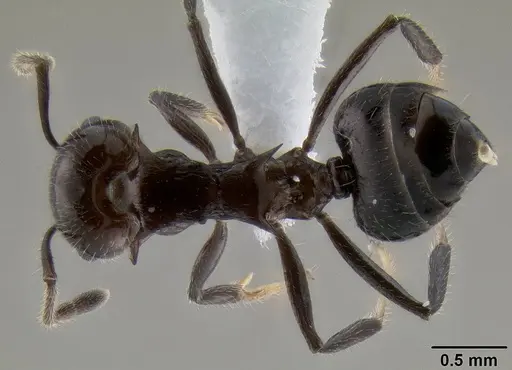
CASENT0908463
View on AntWeb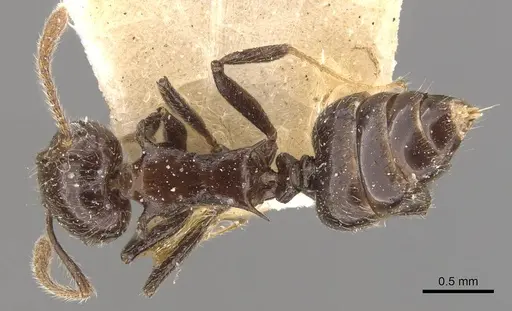
Literature
Loading...Loading products...