

Crematogaster cypria
- Scientific Name
- Crematogaster cypria
- Tribe
- Crematogastrini
- Subfamily
- Myrmicinae
- Author
- Santschi, 1930
- Distribution
- Found in 1 countries
Crematogaster cypria Overview
Crematogaster cypria is an ant species of the genus Crematogaster. It is primarily documented in 1 countries , including Cyprus. Detailed taxonomic data and occurrence records can be further explored via authoritative databases such as AntWeb or the Global Biodiversity Information Facility (GBIF).
Crematogaster cypria
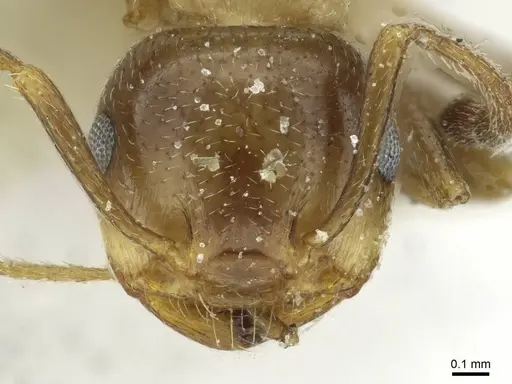
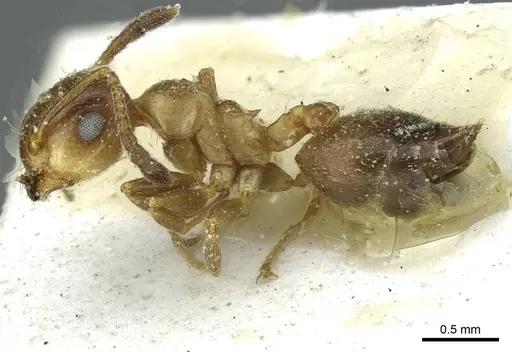
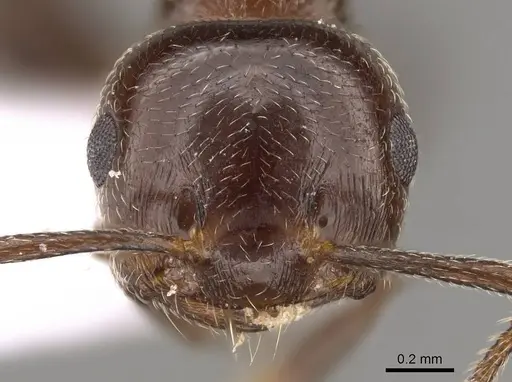
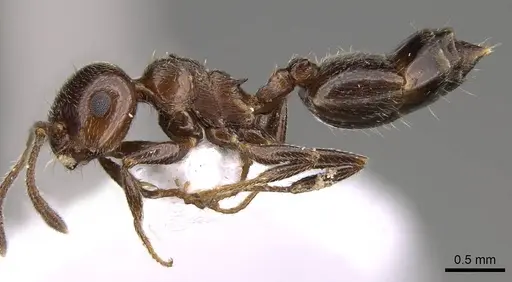
Crematogaster cypria is a tiny acrobat ant found only on the island of Cyprus. Workers measure just 0.8-1mm in head length, making them one of the smaller ant species you'll encounter [1]. They have a uniformly brown to reddish-brown coloration with short propodeal spines and a distinctive feature: their first abdominal segment (gaster) has numerous erect setae (bristles) covering its surface, which helps distinguish them from similar species like Crematogaster jehovae [2]. These ants get their common name 'acrobat ants' from their ability to raise their abdomen over their thorax and head when threatened, making them appear to be doing a handstand. In the wild, they live in Mediterranean habitats ranging from coastal areas near sea level to montane pine forests at around 755m elevation [1].
Quick Summary
- Difficulty: Medium
- Origin & Habitat: Endemic to Cyprus, found only in this Mediterranean island nation. They inhabit areas from near sea shore (17m elevation) in shallow valleys with intermittent streams to montane pine forests at 755m [1][2].
- Colony Type: Colony structure is unconfirmed. Based on typical Crematogaster patterns, likely single-queen (monogyne) colonies, though this has not been directly documented for this species.
- Size & Growth:
- Queen: Undocumented, estimated 4-6mm based on genus patterns
- Worker: 0.8-1mm head length (HL 0.804-1.017mm) [1]
- Colony: Likely several hundred workers based on typical Crematogaster colony sizes
- Growth: Moderate, based on genus patterns
- Development: Estimated 6-8 weeks at optimal temperature based on genus patterns (Development time is inferred from related Crematogaster species, not directly studied for this species)
- Antkeeping:
- Temperature: Keep at 22-26°C. This matches their Mediterranean origin and aligns with typical Crematogaster care requirements. A heating cable on one side of the nest creates a gentle gradient [1].
- Humidity: Moderate humidity around 50-60%. These ants are found in both coastal areas and montane pine forests, suggesting they tolerate a range of conditions. Keep the nest substrate slightly moist but allow some drying between waterings.
- Diapause: Likely yes, as a Mediterranean species from Cyprus, they probably experience mild winter dormancy. Reduce temperature to 15-18°C for 2-3 months during winter.
- Nesting: In nature they are found on shrubs, on ground around shrubs, and on rocks [1]. For captivity, a Y-tong (AAC) nest or plaster nest works well. They prefer tight chambers and narrow passages scaled to their tiny size. Avoid tall, open spaces.
- Behavior: These are active, agile ants with typical Crematogaster behavior. Workers are quick-moving and will readily explore their outworld. They are not particularly aggressive but will defend the colony if threatened. Their small size (under 1mm) makes them excellent escape artists, you must use fine mesh barriers and tight-fitting lids. They do not have a painful sting.
- Common Issues: escape prevention is critical, they are tiny and can squeeze through the smallest gaps, slow founding phase means colonies may appear stagnant for months before first workers arrive, overfeeding can lead to mold problems in small colony setups, temperature fluctuations can stress these Mediterranean ants, wild-caught colonies may carry parasites that cause issues in captivity
Nest Preferences and Housing
Crematogaster cypria is a tiny ant that needs appropriately scaled housing. In the wild, they are found on shrubs, on the ground around shrubs, and on rocks [1], suggesting they may nest in crevices or under objects. For captivity, Y-tong (AAC) nests or plaster nests work well because they provide tight chambers that match the ants' small size. Test tube setups can work for founding colonies but may need upgrading as the colony grows. Avoid naturalistic setups with large open spaces, these ants feel more secure in compact, enclosed spaces. The nest should have some moisture available but not be waterlogged. A small water reservoir connected to the nest via cotton works well for maintaining humidity.
Feeding and Diet
Like other Crematogaster species, these ants are omnivorous. They likely feed on honeydew from aphids and scale insects in the wild, along with small insects and nectar. In captivity, offer sugar water or honey as a constant energy source. For protein, provide small live prey like fruit flies, pinhead crickets, or other appropriately sized insects. Because the workers are so tiny (under 1mm), prey items must be very small. Feed protein 2-3 times per week, and remove any uneaten prey after 24 hours to prevent mold. Observe your colony to determine appetite, smaller colonies need less food.
Temperature and Seasonal Care
As a Mediterranean species from Cyprus, Crematogaster cypria prefers warm conditions. Keep the nest area at 22-26°C for optimal brood development [1]. A heating cable placed on top of the nest (never underneath to avoid drying) can create a gentle temperature gradient. During winter, reduce temperature to 15-18°C for 2-3 months to simulate their natural seasonal cycle. This winter rest period helps maintain colony health and may trigger reproduction in the spring. Monitor your colony's activity levels, if workers become sluggish and cluster together, the temperature may be too low.
Behavior and Temperament
Crematogaster cypria displays typical acrobat ant behavior. When threatened, workers raise their abdomen over their head like a gymnast doing a handstand, this is how they got their common name. They are active foragers and will quickly explore their outworld searching for food. These ants are not particularly aggressive toward keepers but will defend their colony if disturbed. Their small size makes them very quick, and they are capable of escaping through remarkably small gaps. Excellent escape prevention is essential, use fine mesh (at least 0.5mm) on all openings and check lids regularly. They do not have a painful sting that affects humans. [1][2]
Colony Founding and Growth
The founding behavior of Crematogaster cypria has not been directly documented, but based on typical Crematogaster patterns, the queen likely seals herself in a small chamber (claustral founding) and lives off her stored fat reserves until the first workers emerge. This means you should not disturb a founding queen or offer food during the founding phase. First workers (nanitics) will be smaller than normal workers. Colony growth is moderate, expect several months before you see significant numbers. A healthy mature colony may reach several hundred workers. Be patient during the slow early stages, as this is when many new keepers make the mistake of overfeeding or disturbing the queen.
Frequently Asked Questions
How long does it take for Crematogaster cypria to produce first workers?
Based on typical Crematogaster development, expect 6-8 weeks from egg to first worker at optimal temperature (22-26°C). This is an estimate since the specific development time has not been documented for this species.
Can I keep Crematogaster cypria in a test tube?
Yes, test tubes work well for founding colonies. Use a small test tube with a water reservoir secured by cotton. The tiny size of these ants means you should use a relatively small diameter tube. Upgrade to a larger nest (Y-tong or plaster) once the colony reaches 50+ workers.
Do Crematogaster cypria ants sting?
They do not have a painful sting that affects humans. Like other Crematogaster species, they may use their abdominal tip defensively, but the sting is not significant to keepers.
What do Crematogaster cypria eat?
Offer sugar water or honey as a constant energy source. For protein, provide small live prey like fruit flies, tiny crickets, or other small insects. Because workers are under 1mm, prey must be very small.
Are Crematogaster cypria good for beginners?
They are moderate difficulty. Their small size makes escape prevention challenging, and founding colonies grow slowly. They are more suitable for keepers with some experience, though dedicated beginners can succeed with careful attention to escape prevention.
Do Crematogaster cypria need hibernation?
As a Mediterranean species from Cyprus, they likely benefit from a mild winter rest. Reduce temperature to 15-18°C for 2-3 months during winter. This helps maintain colony health and may trigger spring reproduction.
Why are my Crematogaster cypria escaping?
Their tiny size (under 1mm workers) means they can escape through gaps you might not notice. Use fine mesh (0.5mm or smaller) on all ventilation and lid edges. Check connections between the nest and outworld regularly. Even small gaps can lead to escape.
How big do Crematogaster cypria colonies get?
Based on typical Crematogaster colony sizes, expect several hundred workers at maturity. This species is only known from Cyprus, and specific colony size data has not been documented.
Can I keep multiple queens together?
Not recommended without documented evidence. Combining unrelated queens of this species has not been studied. Based on typical Crematogaster behavior, single-queen colonies are most common.
When should I move my colony to a formicarium?
Move to a larger nest (Y-tong, plaster, or naturalistic setup) when the colony reaches 30-50 workers and the test tube shows signs of crowding or mold. Make the transition gradual by connecting the new nest to the outworld and allowing the ants to explore and move on their own.
References

This caresheet is licensed under CC BY-SA 4.0 .
CASENT0912688
View on AntWeb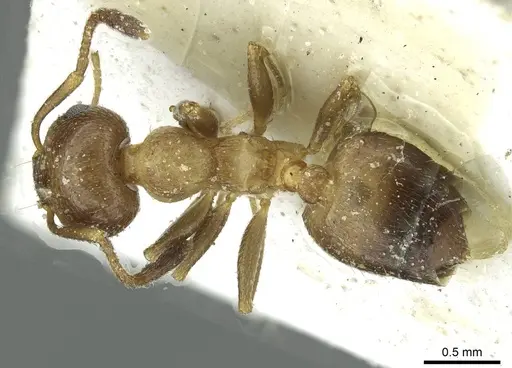
CASENT0914410
View on AntWeb
Literature
Loading...Loading products...