

Crematogaster corticicola
- Scientific Name
- Crematogaster corticicola
- Subgenus
- Orthocrema
- Tribe
- Crematogastrini
- Subfamily
- Myrmicinae
- Author
- Mayr, 1887
- Distribution
- Found in 3 countries
Crematogaster corticicola Overview
Crematogaster corticicola is an ant species of the genus Crematogaster. It is primarily documented in 3 countries , including Argentina, Brazil, Paraguay. Detailed taxonomic data and occurrence records can be further explored via authoritative databases such as AntWeb or the Global Biodiversity Information Facility (GBIF).
Crematogaster corticicola
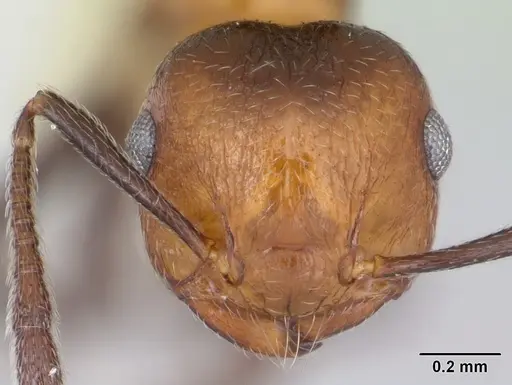
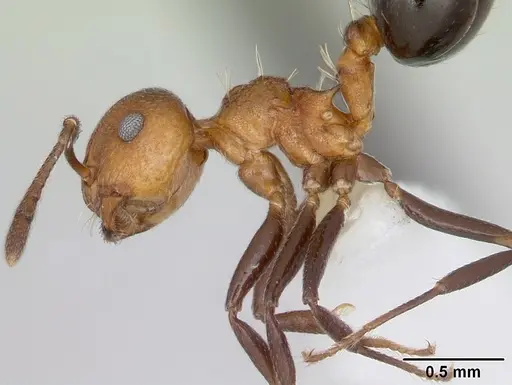
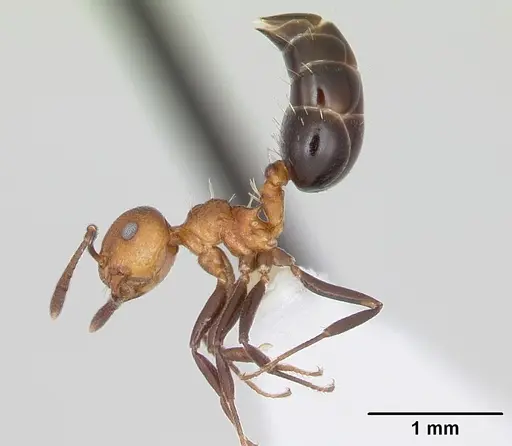
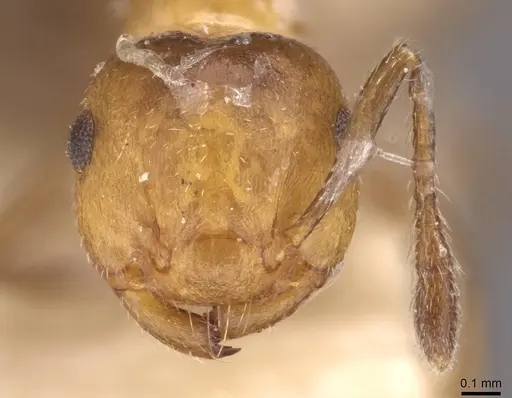
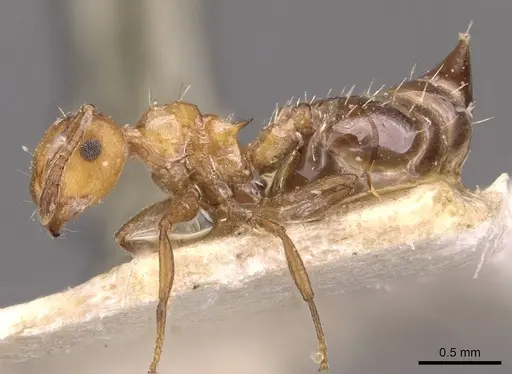
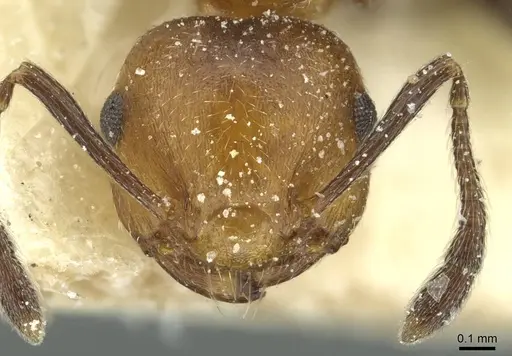
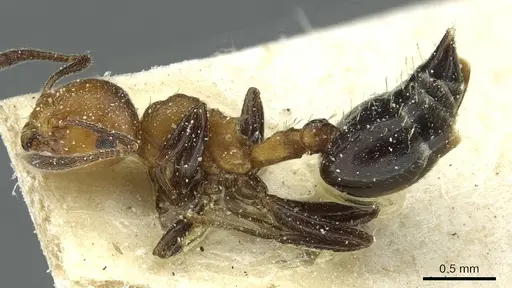
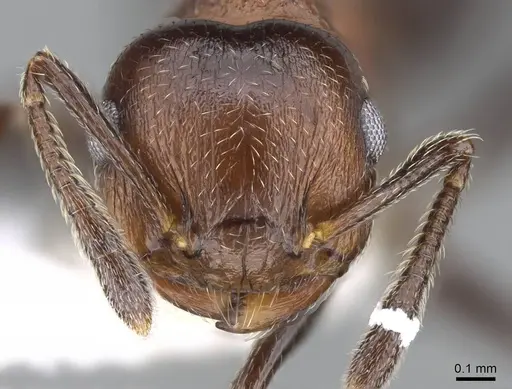
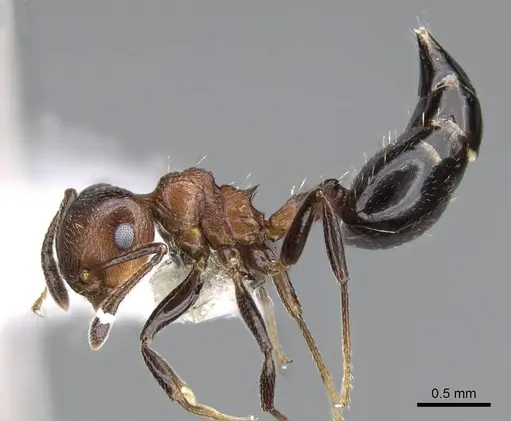
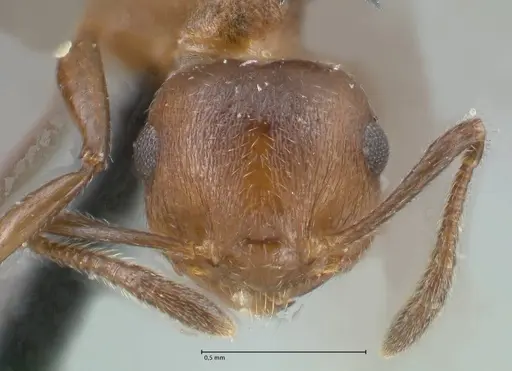
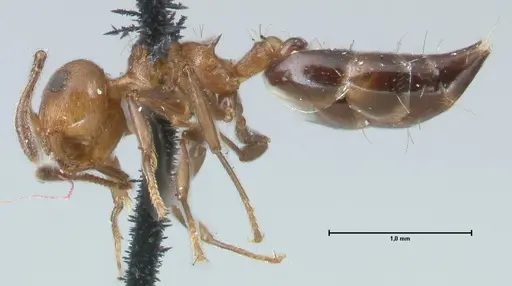
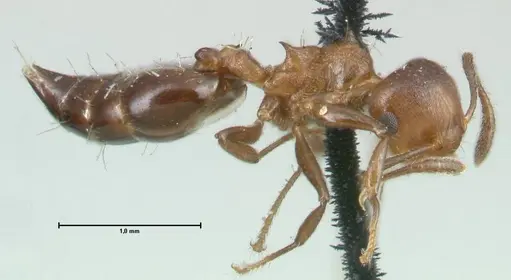
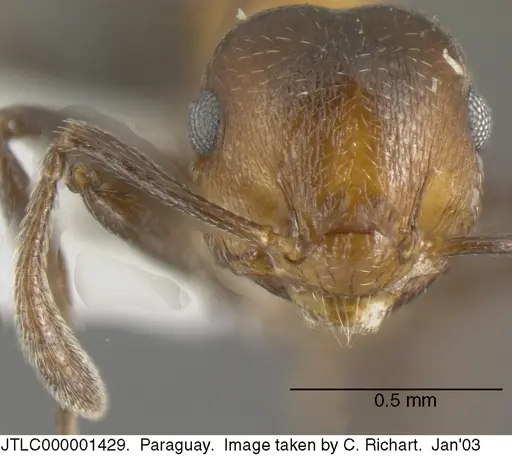
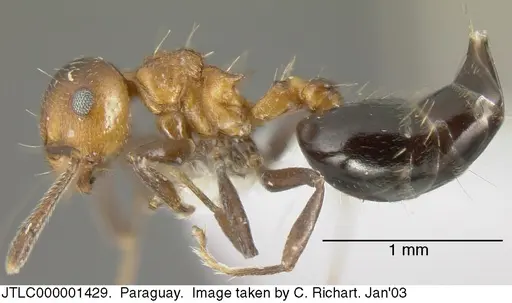
Crematogaster corticicola is a tiny Neotropical ant species native to the forests of southern Brazil, Argentina, Paraguay, and Bolivia. Workers are among the smallest in the genus, measuring around 2-3mm with a distinctive heart-shaped gaster that gives them the common name 'acrobat ant.' They have a dark reddish-brown to black coloration with a smooth, glossy body surface. In the wild, they nest in decaying wood, under bark, and in tree hollows across the Atlantic Forest and surrounding regions, making them a typical arboreal-nesting Crematogaster species [1][2].
What makes C. corticicola interesting is its ecological flexibility, these ants have been documented thriving in various habitats from pristine native forests to modified eucalyptus and pine plantations, showing they can adapt to human-modified landscapes while still preferring forest environments [1]. Their small size and generalized nesting habits make them an accessible species for antkeepers interested in the genus, though their tropical origin means they have specific temperature needs.
Quick Summary
- Difficulty: Medium
- Origin & Habitat: Native to the Neotropical region, specifically found in Brazil (Santa Catarina, Paraná), Argentina (Misiones), Paraguay, and Bolivia. They inhabit subtropical forests and forest edges, typically nesting in rotting wood, under bark, and in tree cavities. Studies show they prefer native forest areas but can survive in modified plantation habitats [1][2][3].
- Colony Type: Monogyne, single queen colonies are standard for this species. No documented polygyny or ergatoid replacement systems.
- Colony: Monogyne
- Founding: Claustral
- Size & Growth:
- Queen: Estimated 5-6mm based on genus patterns, direct measurements not available
- Worker: 2-3mm (Weber's length ~0.88mm from morphometric studies) [4]
- Colony: Estimated 200-500 workers at maturity based on similar small Crematogaster species
- Growth: Moderate, expect 6-10 months to first workers based on tropical Crematogaster patterns
- Development: Estimated 6-8 weeks at 24-27°C based on genus-level data for tropical species (Development is faster than temperate species due to their tropical origin. Nanitics (first workers) will be smaller than normal workers.)
- Antkeeping:
- Temperature: Keep at 24-27°C (warm room temperature). As a Neotropical species, they need consistent warmth. A heating cable on one side of the nest creates a gradient they can regulate themselves. Avoid temperatures below 20°C for extended periods [5].
- Humidity: Moderate humidity (60-75%). These forest ants prefer damp conditions but not waterlogged nests. Provide a water tube and keep the nest substrate slightly moist. Their natural forest habitat has consistent moisture from leaf litter and decaying wood.
- Diapause: No, as a tropical/subtropical species from southern Brazil and Argentina, they do not require true hibernation. However, they may slow down slightly during cooler winter months if your room temperature drops.
- Nesting: Arboreal nesting preferences mean they do well in Y-tong (AAC) nests, plaster nests with wood pieces, or naturalistic setups with rotting wood/twigs. They prefer tight chambers and narrow passages scaled to their tiny size. Avoid tall open spaces.
- Behavior: Crematogaster corticicola is an active, arboreal-nesting species known for their characteristic 'acrobat' behavior, they raise their heart-shaped gasters over their heads when disturbed, which is a defensive display. They are generalist foragers, collecting honeydew from aphids and small insects. Workers are fast-moving and can be skittish. They have a mild sting but due to their tiny size, it's rarely felt by humans. Their small size means escape prevention is important, they can squeeze through standard test tube cotton if given the opportunity. They are not aggressive toward keepers but will flee if their nest is disturbed.
- Common Issues: tiny size means escapes are likely without fine mesh barriers and tight-fitting lids, colonies may fail if kept too cold, maintain warm temperatures year-round, slow founding phase can lead to beginner impatience and overfeeding, wild-caught colonies may have parasites that kill them in captivity, they prefer arboreal/naturalistic setups, standard test tube setups may not suit them long-term
Nest Preferences and Housing
Crematogaster corticicola is an arboreal species that naturally nests in rotting wood, under bark, and in tree cavities. In captivity, they do best in Y-tong (AAC) nests, plaster nests with wood inclusions, or naturalistic setups that mimic their natural arboreal environment. They prefer tight chambers and narrow passages scaled to their tiny size, avoid large, open spaces in the nest. A water tube should be provided for humidity. Because they are small and can escape through standard cotton, use fluon barriers or tight-fitting lids. Some keepers have success with test tube setups short-term, but they generally prefer wood-based nests that match their natural habitat [1].
Feeding and Diet
Like other Crematogaster species, C. corticicola is a generalist feeder. In the wild, they forage for honeydew from aphids and scale insects, and hunt small insects and arthropods. In captivity, offer sugar water or honey as a constant energy source, and protein sources like small crickets, fruit flies, or mealworms twice weekly. They are small ants, so prey items should be appropriately sized, tiny insects work better than large ones. They typically forage actively and will discover food quickly. Remove uneaten prey after 24-48 hours to prevent mold.
Temperature and Seasonal Care
As a Neotropical species from southern Brazil and Argentina, C. corticicola needs warm temperatures year-round. Keep the nest area at 24-27°C. A heating cable on one side of the nest creates a temperature gradient they can regulate by moving between areas. They do not require hibernation (diapause), but may show slightly reduced activity during cooler winter months if your room temperature drops. Avoid keeping them below 20°C for extended periods, as this can weaken or kill the colony. Consistent warmth is more important than exact temperature precision. [5]
Behavior and Temperament
Crematogaster corticicola exhibits the characteristic 'acrobat' behavior the genus is known for, when disturbed, workers raise their heart-shaped gasters over their heads in a defensive display. They are active foragers and generalist feeders, quickly discovering and recruiting to food sources. Workers are fast-moving and can be skittish, often fleeing when the nest is opened. They are not particularly aggressive toward keepers but will defend their nest if directly threatened. Their small size (2-3mm workers) means they can escape through tiny gaps, excellent escape prevention is essential. They rarely sting, and due to their tiny size, any sting is barely noticeable to humans.
Colony Founding
Queen founding follows the typical claustral pattern for Crematogaster, the queen seals herself in a small chamber and lives entirely on stored fat reserves while raising the first brood. She does not forage during this time. Expect a waiting period of 6-8 weeks at warm temperatures before the first nanitic (first) workers emerge. The founding chamber should be small and dark. Avoid disturbing the queen during this critical period. Once workers emerge, they will begin foraging and the colony can be transitioned to normal feeding schedules.
Frequently Asked Questions
How long does it take for Crematogaster corticicola to produce first workers?
At optimal temperatures (24-27°C), expect first workers (nanitics) in approximately 6-8 weeks after the queen lays her first eggs. This is based on typical tropical Crematogaster development patterns.
What do Crematogaster corticicola ants eat?
They are generalist feeders. Offer sugar water or honey constantly as an energy source, and protein (small crickets, fruit flies, mealworms) 2-3 times per week. They are small, so prey should be appropriately sized.
Do Crematogaster corticicola ants sting?
They have a stinger but due to their very small size (2-3mm), stings are rarely felt by humans. The main defensive behavior is their characteristic 'acrobat' display where they raise their gaster.
What temperature do Crematogaster corticicola need?
Keep them warm at 24-27°C. As a Neotropical species, they need consistent warmth year-round. A heating cable on one side of the nest creates a suitable gradient.
Are Crematogaster corticicola good for beginners?
They are rated Medium difficulty. They require warm temperatures and proper escape prevention due to their tiny size. Their arboreal nesting preferences mean they need specific housing. Experienced antkeepers will have more success.
How big do Crematogaster corticicola colonies get?
At maturity, colonies likely reach 200-500 workers based on similar small Crematogaster species. This is smaller than many common pet ant species.
Do Crematogaster corticicola need hibernation?
No, as a tropical/subtropical species from southern Brazil and Argentina, they do not require true hibernation. They may slow slightly during cooler months but no special winter care is needed.
What type of nest is best for Crematogaster corticicola?
They prefer arboreal-style nests, Y-tong (AAC) nests, plaster nests with wood pieces, or naturalistic setups with rotting wood and twigs. They do not do well in standard test tube setups long-term.
Why are my Crematogaster corticicola escaping?
Their tiny size (2-3mm) means they can squeeze through very small gaps. Use fluon barriers on test tube rims, fine mesh on outworlds, and ensure all connections are tight. Escape prevention must be excellent.
Can I keep multiple Crematogaster corticicola queens together?
No, this is a monogyne (single-queen) species. Multiple unrelated queens will fight. Only keep one queen per colony.
References

This caresheet is licensed under CC BY-SA 4.0 .
CASENT0173934
View on AntWeb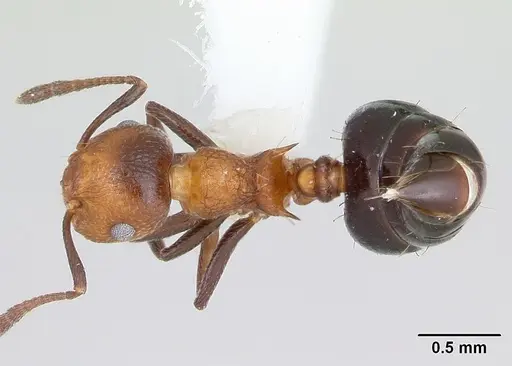
CASENT0902148
View on AntWeb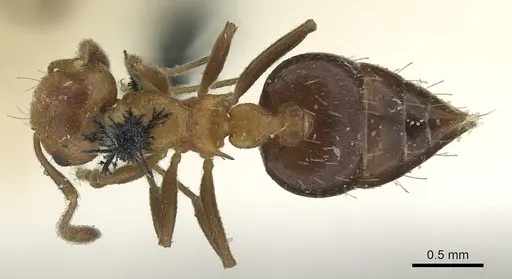
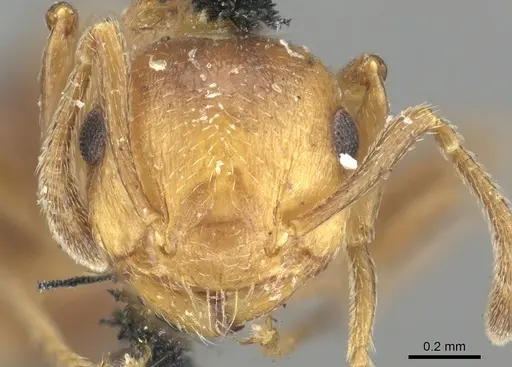
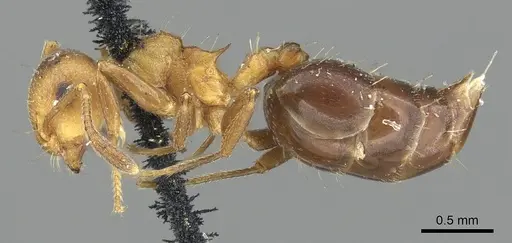
CASENT0908415
View on AntWeb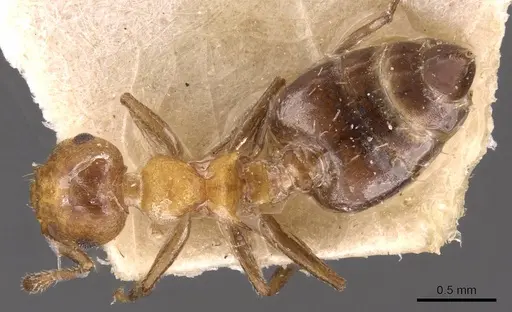
CASENT0912740
View on AntWeb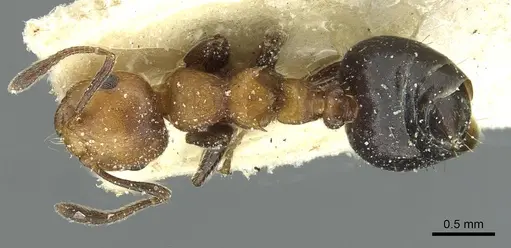
CASENT0914556
View on AntWeb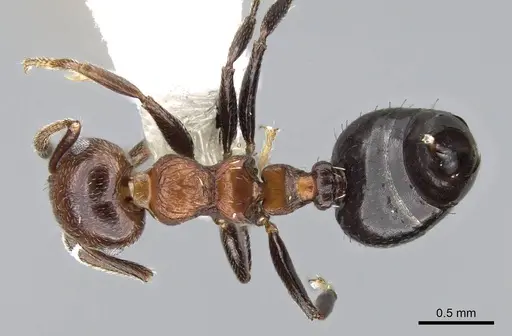
CASENT0919697
View on AntWeb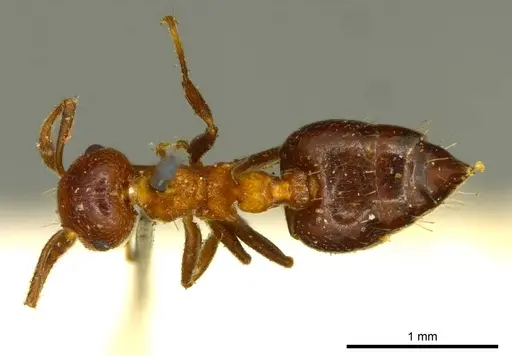
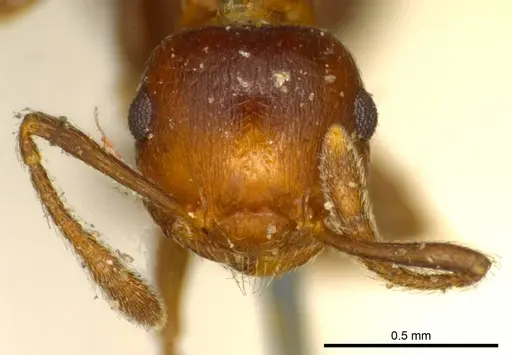
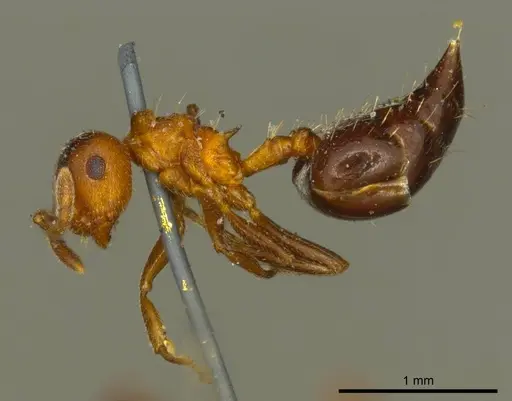
FOCOL1620
View on AntWeb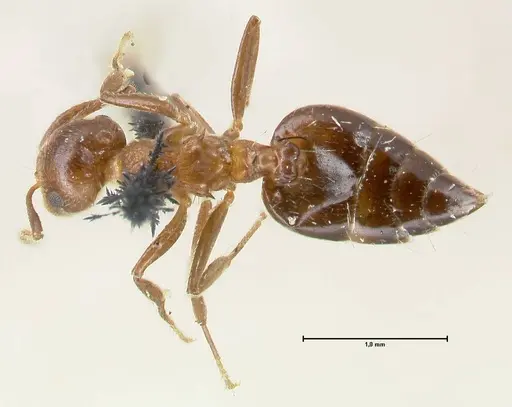
FOCOL1621
View on AntWeb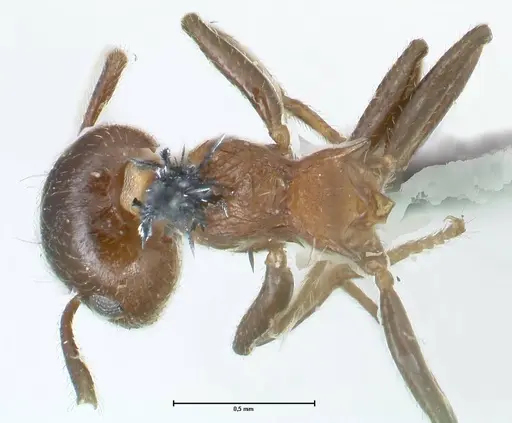
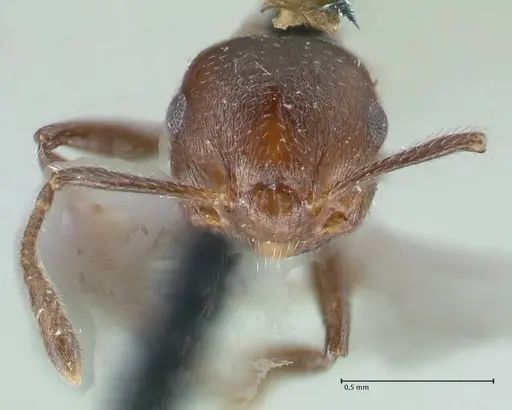
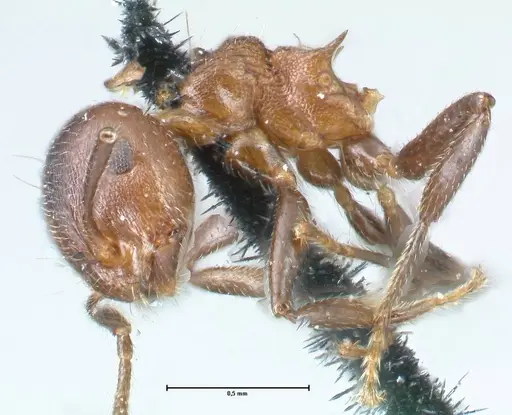
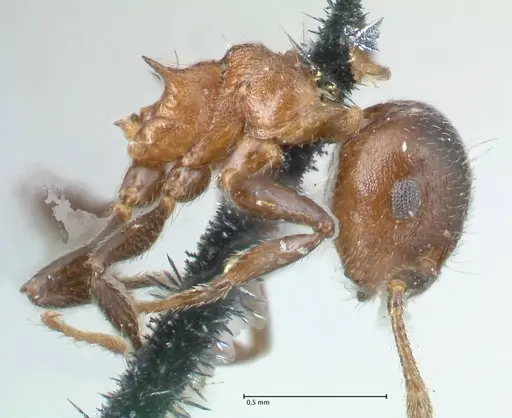
JTLC000001429
View on AntWeb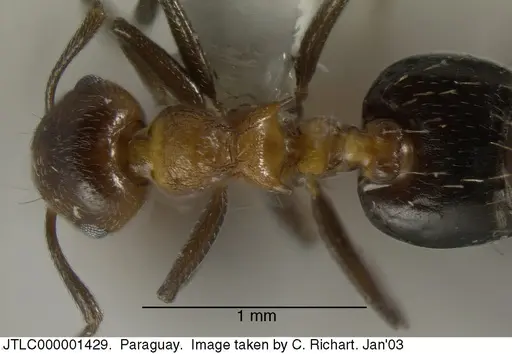
Literature
Loading...Loading products...