

Crematogaster coriaria
- Scientific Name
- Crematogaster coriaria
- Tribe
- Crematogastrini
- Subfamily
- Myrmicinae
- Author
- Mayr, 1872
- Distribution
- Found in 3 countries
Crematogaster coriaria Overview
Crematogaster coriaria is an ant species of the genus Crematogaster. It is primarily documented in 3 countries , including Indonesia, Malaysia, Thailand. Detailed taxonomic data and occurrence records can be further explored via authoritative databases such as AntWeb or the Global Biodiversity Information Facility (GBIF).
Crematogaster coriaria
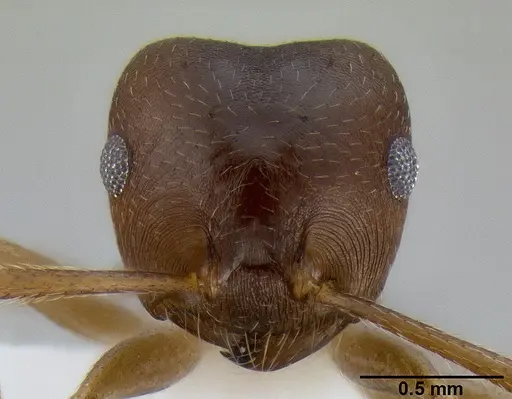
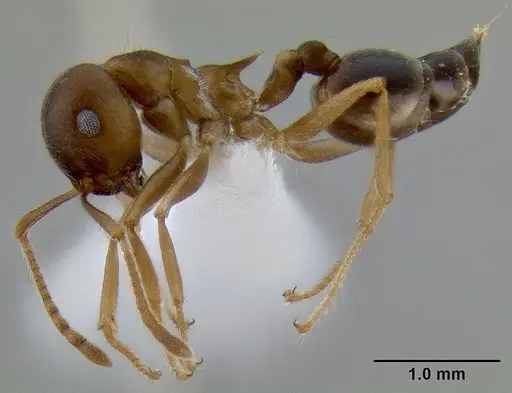
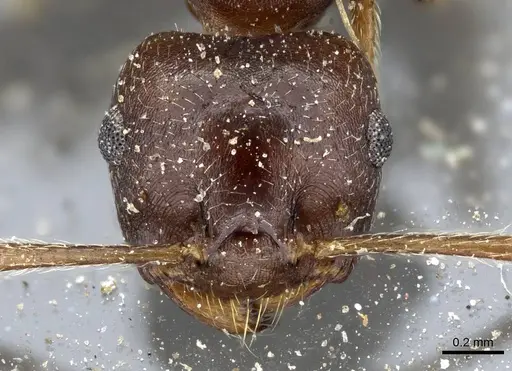
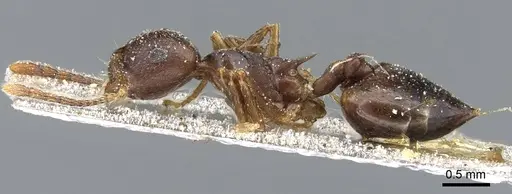
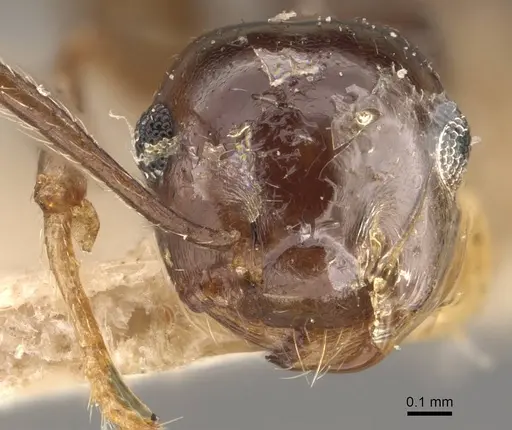
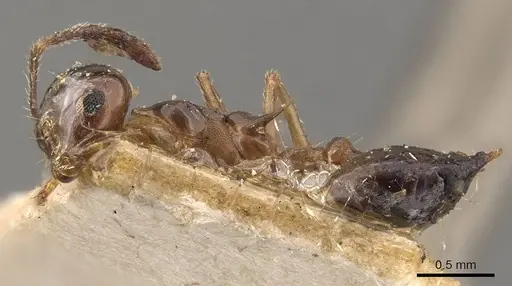
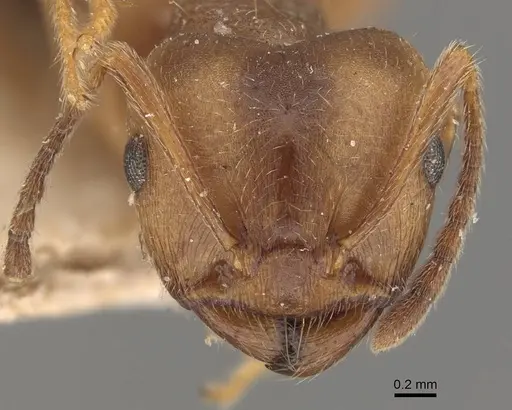
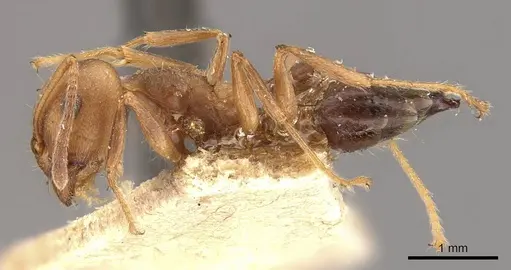
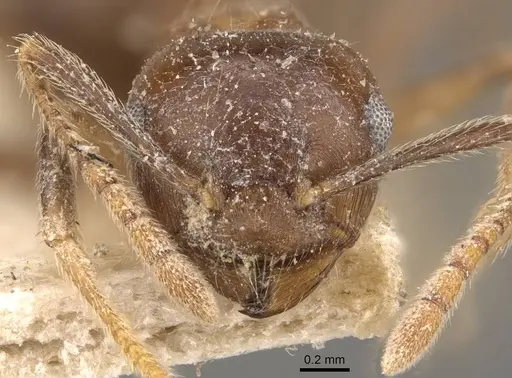
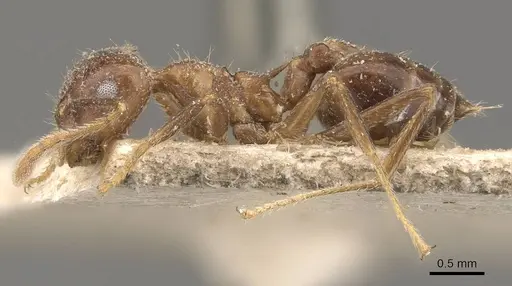
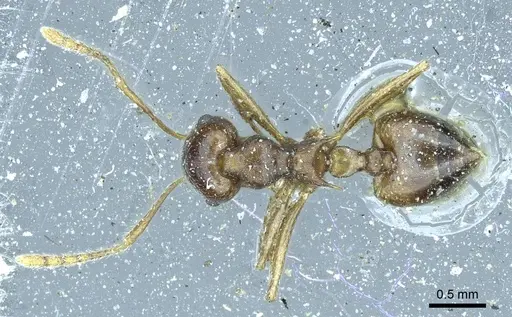
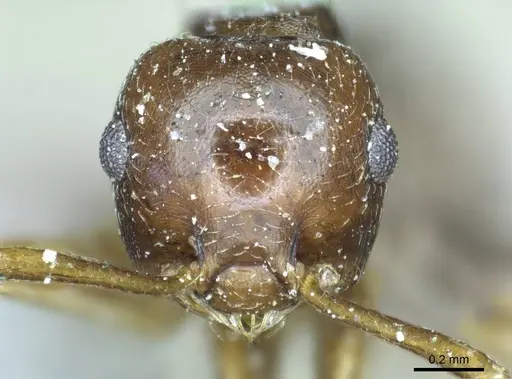
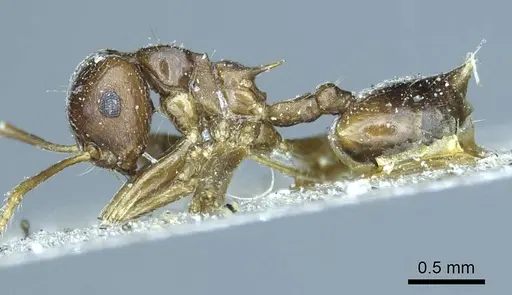
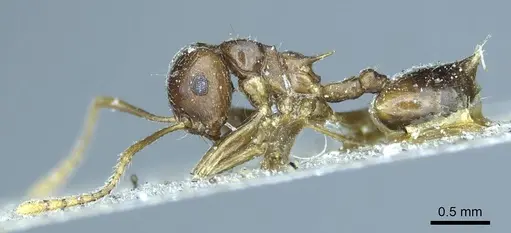
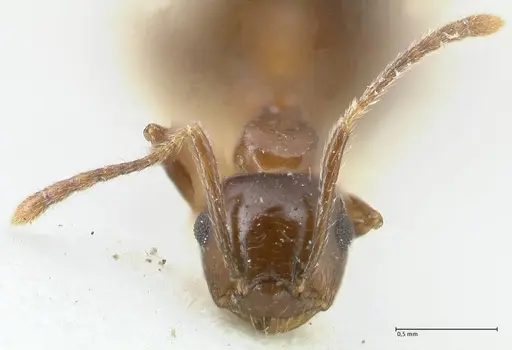
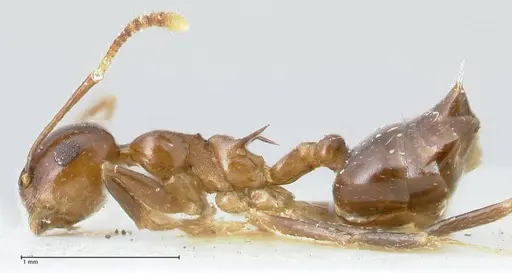
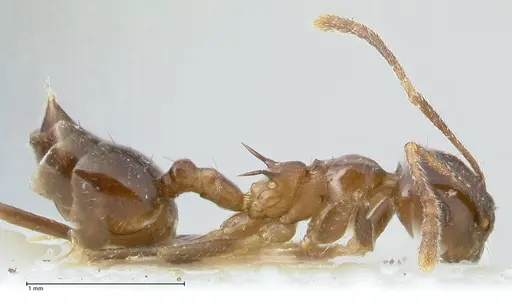
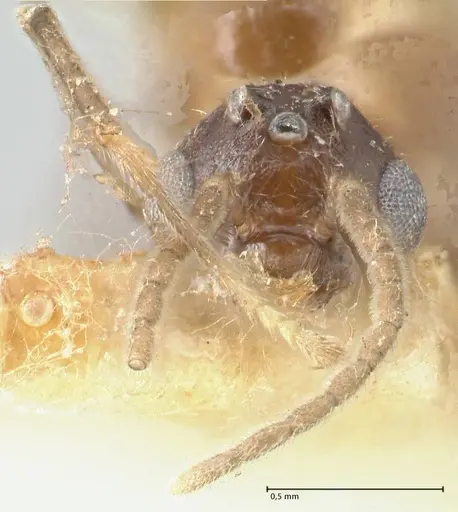
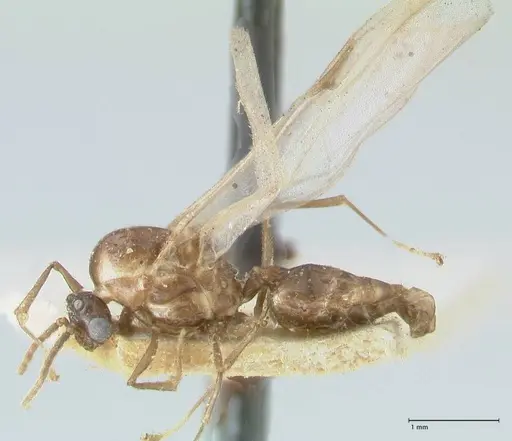
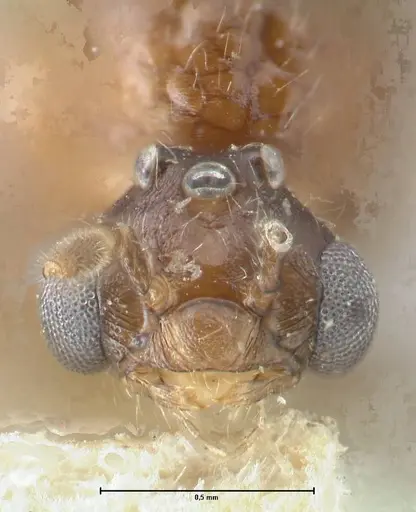
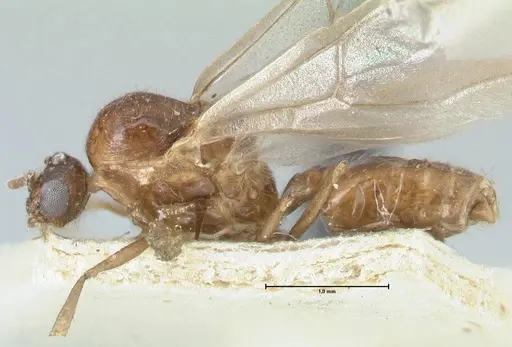
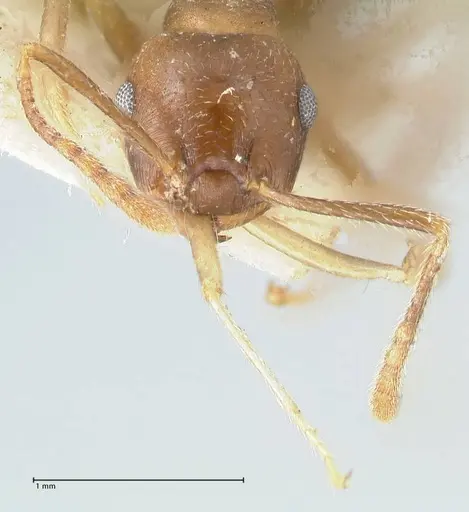
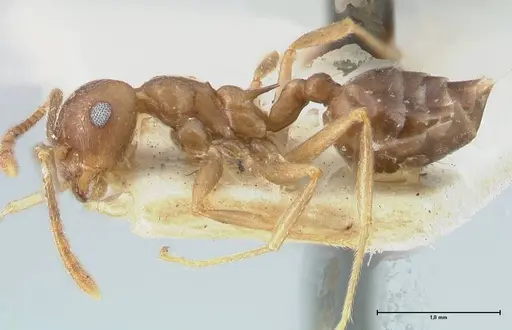
Crematogaster coriaria is a large-sized ant species native to Southeast Asia, found throughout Peninsular Malaysia, Sumatra, Java, and Borneo [1]. Workers are distinctly polymorphic, meaning they come in different sizes, smaller workers have a relatively smooth body while larger workers develop rugulae and sculpture [1]. The species is yellow-brown in color with notably long propodeal spines and a distinctive scoop-shaped petiole [1]. These ants are easily found in well-developed forests where they nest in dead wood [1]. The genus Crematogaster is commonly called 'acrobat ants' because they can raise their abdomen over their head like an acrobat when threatened, often releasing a caustic chemical spray as defense.
What makes C. coriaria particularly interesting is its role in tropical ecosystems as a participant in ant-hemipteran trophobioses, they tend to hemipterans (like aphids and scale insects) for honeydew, forming mutualistic relationships [2]. They also produce unique compounds called crematoenones that function as appeasement signals, reducing aggression from other ant species like Camponotus rufifemur [3]. This chemical defense system helps them coexist with aggressive competitors in the crowded rainforest understory.
Quick Summary
- Difficulty: Medium
- Origin & Habitat: Southeast Asia, Peninsular Malaysia, Sumatra, Java, and Borneo. Inhabits well-developed tropical forests and nests in dead wood [1][4].
- Colony Type: Colony structure is not well-documented in scientific literature. Based on genus patterns, likely single-queen (monogyne) colonies with potential for multiple queens in some populations. Founding behavior is unconfirmed but likely claustral based on typical Crematogaster patterns.
- Size & Growth:
- Queen: 1.54-1.59 mm head width,2.77-2.78 mm mesosoma length [1]
- Worker: 0.64-1.63 mm head width,0.88-1.58 mm mesosoma length [1]
- Colony: Unknown from direct studies, estimated several hundred to a few thousand workers based on similar species
- Growth: Moderate, based on typical Crematogaster development patterns
- Development: 6-10 weeks estimated based on genus patterns (Development time is inferred from related Crematogaster species. Polymorphic workers mean larger workers take longer to develop than nanitics.)
- Antkeeping:
- Temperature: Keep at 24-28°C. As a tropical Southeast Asian species, they need warm conditions. A heating cable on one side of the nest creates a temperature gradient [1].
- Humidity: High humidity required, they inhabit damp forest environments. Keep nest substrate consistently moist but not waterlogged. Provide a water tube as a moisture source.
- Diapause: No, this is a tropical species that does not require hibernation. Maintain warm temperatures year-round [1].
- Nesting: In nature they nest in dead wood [1]. In captivity, they do well in test tubes with a water reservoir, Y-tong nests, or plaster nests that retain moisture. They prefer tight, enclosed spaces that stay humid.
- Behavior: These ants are diurnal and moderately active. They are not particularly aggressive toward keepers but will defend their colony vigorously. The main defense mechanism is raising the abdomen and spraying formic acid or other caustic chemicals, this is why they're called acrobat ants. Workers are polymorphic with distinct size variation. They are skilled foragers and will recruit nestmates to food sources. Escape prevention is important, while not the smallest ants, they can squeeze through small gaps, so use standard barrier methods [1].
- Common Issues: tropical humidity requirements mean mold can develop if ventilation is poor, balance humidity with adequate airflow, colonies may decline if temperatures drop below 22°C, keep warm year-round, wild-caught colonies may carry parasites that affect survival in captivity, larger colonies need more space and may outgrow small test tube setups, chemical spray defense can irritate eyes, handle gently and avoid close face contact when disturbed
Nest Preferences and Housing
In the wild, Crematogaster coriaria nests in dead wood within well-developed tropical forests [1]. This tells us they prefer enclosed, humid nest environments that mimic the conditions inside rotting logs, dark, moist, and protected from direct sunlight.
For captive care, test tubes with a water reservoir work well for founding colonies and smaller setups. The water reservoir provides humidity through evaporation, and the ants will naturally cluster near the moist end. For established colonies, Y-tong (acrylic) nests or plaster nests are excellent choices because they hold humidity well while allowing you to observe the colony. Avoid dry, airy setups, these ants are adapted to the humid rainforest understory and will struggle in dry conditions.
Because they nest in wood in the wild, you could also consider a naturalistic setup with rotting wood pieces in a terrarium, though this makes observation more difficult. Whatever nest type you choose, ensure it can maintain consistent humidity without becoming waterlogged.
Feeding and Diet
Crematogaster coriaria participates in ant-hemipteran trophobioses in the wild, meaning they tend to hemipterans (aphids, scale insects, and similar insects) and harvest their honeydew [2]. This makes them primarily sugar-loving ants, but they also need protein from prey.
For captive feeding, offer a constant source of sugar water or honey water. They will readily accept these, especially given their natural preference for honeydew. For protein, offer small insects like fruit flies, small crickets, mealworms, or other appropriately-sized prey. Feed protein roughly twice per week, adjusting based on colony size and appetite.
Because they are diurnal foragers [2], they are most active during the day and will readily discover and recruit to food sources. Leave food in the outworld for several hours before removing any leftovers to prevent mold. The combination of sugar for energy and protein for brood development mirrors their natural diet of honeydew plus small arthropod prey.
Temperature and Seasonal Care
As a tropical species from Southeast Asia, Crematogaster coriaria requires warm temperatures year-round. Keep the nest area at 24-28°C, with a slight gradient if possible so workers can choose their preferred temperature. This matches the warm, humid conditions of their native habitat in Malaysian and Indonesian rainforests [1].
Unlike temperate ant species, these ants do not require hibernation or diapause. Maintaining consistent warmth is critical, temperatures below 22°C for extended periods can weaken the colony and slow or stop brood development. If your room temperature is below this range, use a heating cable placed on top of the nest (never underneath, as direct heat can dry out the nest too quickly) or a small heat mat on one side of the enclosure to create a warm zone.
Monitor your colony's activity levels. If workers seem sluggish and cluster together, they may be too cold. If they avoid the heated area entirely, the temperature may be too high. The goal is stable warmth that allows normal activity and brood development year-round.
Behavior and Defense Mechanisms
Crematogaster coriaria exhibits the classic acrobat ant behavior that gives the genus its common name. When threatened, workers raise their abdomen over their head, making them appear to be doing a handstand or acrobat pose. This positioning allows them to spray caustic chemicals from the tip of their abdomen toward threats [3].
This chemical defense is quite effective, research shows that other ant species like Camponotus rufifemur specifically avoid attacking Crematogaster species because of these chemical defenses [3]. The compounds produced (crematoenones) even function as appeasement signals that reduce aggression from potential competitors.
For the antkeeper, this means these ants are capable of defending themselves but are not typically aggressive toward humans. They are more likely to flee than to attack when the nest is disturbed. However, the chemical spray can be irritating, so avoid putting your face close to an agitated colony. They are diurnal [2] and moderately active foragers, so you will see regular activity during daylight hours.
Colony Growth and Development
Workers of Crematogaster coriaria are distinctly polymorphic, this means within a single colony, you will find workers of significantly different sizes [1]. The species shows allometric growth, meaning larger workers have proportionally wider head capsules (slope greater than 1) but proportionally shorter antennal scapes (slope less than 1) compared to smaller workers [1]. This polymorphism is functional, larger workers may specialize in defense or heavy lifting, while smaller workers handle brood care and foraging.
The queen measures 1.54-1.59 mm in head width and 2.77-2.78 mm in mesosoma length [1]. Males are smaller at 0.80 mm head width [1]. Based on typical Crematogaster development patterns, expect 6-10 weeks from egg to first worker, though this is an estimate since specific development data for this species is not published.
Colony growth is moderate, these are not among the fastest-growing ant species, but they are steady. The polymorphic nature of the workers means you will see size variation among the first workers (nanitics) and subsequent generations.
Frequently Asked Questions
How long does it take for Crematogaster coriaria to have first workers?
Based on typical Crematogaster development patterns, expect 6-10 weeks from egg to first worker at optimal temperature (24-28°C). The exact timeline for this species has not been directly studied, so this is an estimate. Nanitics (first workers) will be smaller than subsequent generations due to the species' polymorphic nature.
Do Crematogaster coriaria ants sting?
Crematogaster coriaria does not have a painful sting like some ants. Their primary defense is raising their abdomen and spraying caustic chemicals, this is why they're called acrobat ants. The spray can be irritating to skin and eyes, so handle gently and avoid close contact when the colony is disturbed.
What temperature do Crematogaster coriaria need?
Keep them at 24-28°C. This tropical Southeast Asian species requires warm conditions year-round. Do not let temperatures drop below 22°C for extended periods, as this can weaken the colony. Use a heating cable on the nest if your room temperature is below this range.
Can I keep Crematogaster coriaria in a test tube?
Yes, test tubes work well for founding colonies. Use a test tube with a water reservoir to maintain humidity. The tube should be placed in a warm, dark area. As the colony grows, you may need to move them to a larger setup like a Y-tong nest or plaster formicarium that can hold more workers and maintain humidity.
What do Crematogaster coriaria eat?
They need a balanced diet of sugar and protein. Offer sugar water or honey water constantly, this mirrors their natural diet of honeydew from hemipterans. For protein, feed small insects like fruit flies, small crickets, or mealworms roughly twice per week. Remove uneaten food after several hours to prevent mold.
Do Crematogaster coriaria need hibernation?
No, they do not require hibernation. This is a tropical species from Southeast Asia that needs warm temperatures year-round. Unlike temperate species, they do not enter diapause. Maintain temperatures of 24-28°C consistently throughout the year.
How big do Crematogaster coriaria colonies get?
The exact maximum colony size is not documented in scientific literature. Based on similar species and collection data showing thousands of individuals in some areas, colonies likely reach several hundred to a few thousand workers. Growth is moderate, they are not among the fastest-growing ants.
Are Crematogaster coriaria good for beginners?
They are rated as medium difficulty. They require warm, humid conditions year-round and do not tolerate cool temperatures. If you can maintain proper temperature and humidity, they are manageable. The main challenges are their tropical environment requirements and ensuring adequate humidity without causing mold.
Why are my Crematogaster coriaria dying?
Common causes include: temperatures below 22°C (tropical species are sensitive to cold), low humidity causing desiccation, mold from excessive moisture without ventilation, or stress from wild-caught colonies. Check that temperatures are stable at 24-28°C, humidity is adequate but not excessive, and the colony has proper ventilation. Wild-caught colonies may also carry parasites.
References

This caresheet is licensed under CC BY-SA 4.0 .
CASENT0193778
View on AntWeb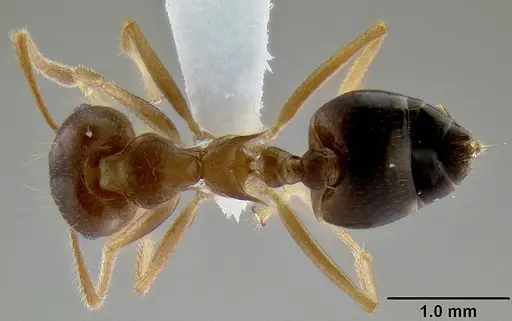
CASENT0905761
View on AntWeb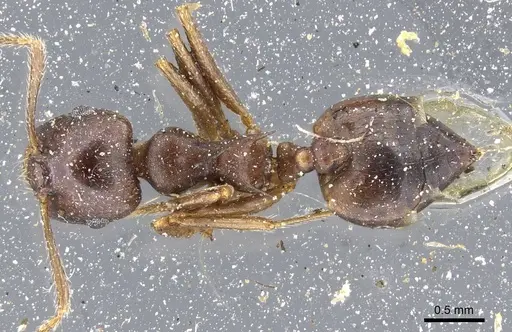
CASENT0908634
View on AntWeb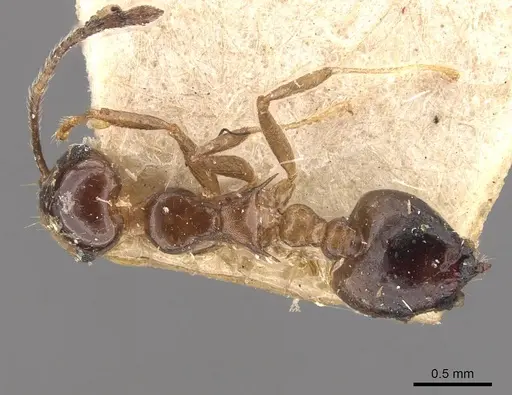
CASENT0908637
View on AntWeb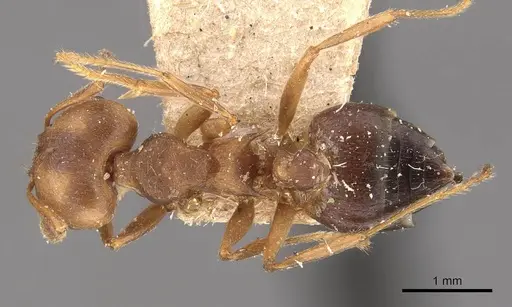
CASENT0908638
View on AntWeb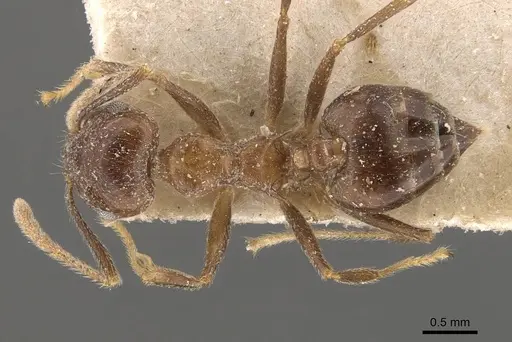
CASENT0919681
View on AntWeb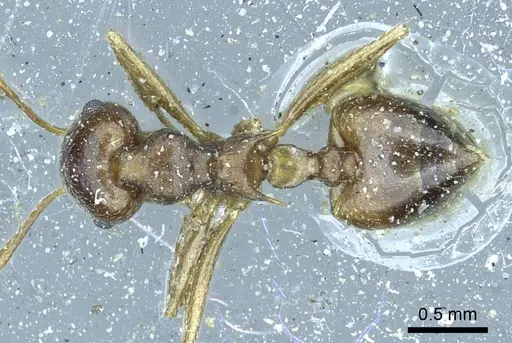
FOCOL1641
View on AntWeb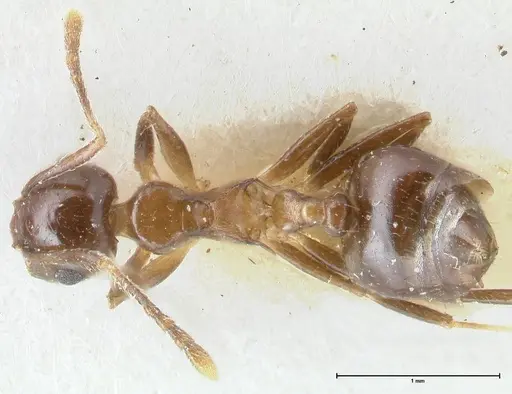
FOCOL1642
View on AntWeb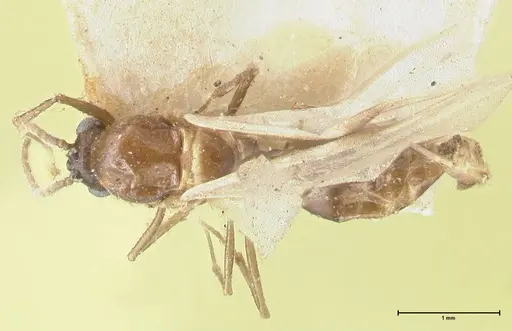
FOCOL1643
View on AntWeb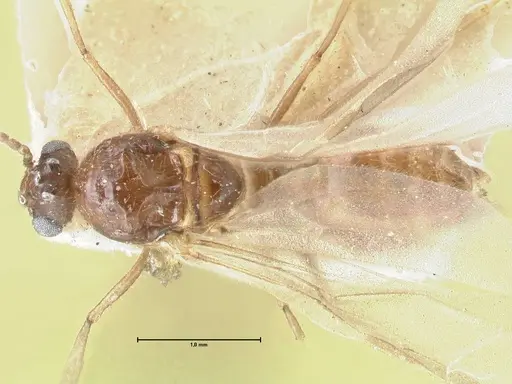
FOCOL1644
View on AntWeb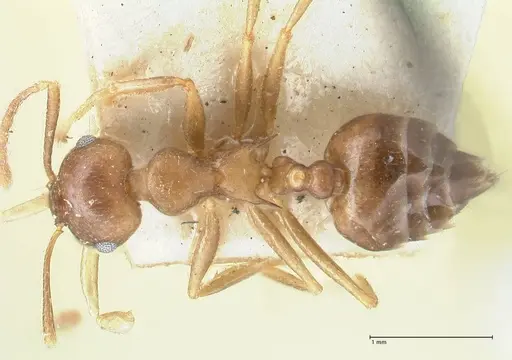
Literature
Loading...Loading products...