

Crematogaster contemta
- Scientific Name
- Crematogaster contemta
- Tribe
- Crematogastrini
- Subfamily
- Myrmicinae
- Author
- Mayr, 1879
- Common Name
- Indian Orange Acrobat Ant
- Distribution
- Found in 1 countries
Crematogaster contemta Overview
Crematogaster contemta (commonly known as the Indian Orange Acrobat Ant) is an ant species of the genus Crematogaster. It is primarily documented in 1 countries , including India. Detailed taxonomic data and occurrence records can be further explored via authoritative databases such as AntWeb or the Global Biodiversity Information Facility (GBIF).
Crematogaster contemta - "Indian Orange Acrobat Ant"
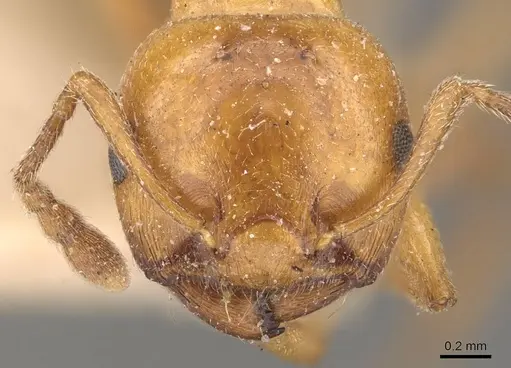
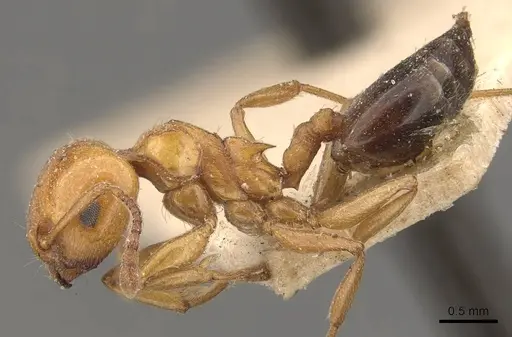
Crematogaster contemta is a small bicolored ant species native to South and Southeast Asia, ranging from India and Sri Lanka through Bangladesh to southern China. Workers measure 3-4mm and feature a distinctive yellowish-brown head, mesosoma, petiole, and postpetiole with a dark brown to black gaster. They get their common name 'acrobat ants' from their defensive behavior, when disturbed, they lift their heart-shaped gaster up over their heads like an acrobat balancing on their head [1]. This species is part of the Crematogaster genus, which is one of the most diverse ant groups in tropical Asia, with over 1000 species worldwide.
What makes C. contemta interesting is its flexibility in nesting habits, they can nest in soil, under stones, in decaying wood, and even build carton nests in trees [1]. This adaptability has helped them thrive across a wide range of climates from the wet zones of Sri Lanka to the more seasonal regions of northern India. They're also comfortable in human-modified landscapes, being found in both urban and peri-urban areas.
Quick Summary
- Difficulty: Easy
- Origin & Habitat: Native to the Indomalaya region, India, Sri Lanka, Bangladesh, and southern China (Yunnan). Found across multiple Indian states including Punjab, Rajasthan, Gujarat, Maharashtra, Karnataka, Tamil Nadu, and West Bengal [2][3]. In Sri Lanka, they are restricted to the wet zone [4]. They inhabit diverse environments from urban areas to forests, nesting in soil, under stones, in decaying wood, and arboreal carton nests [1].
- Colony Type: Colony structure is not well-documented in scientific literature. Based on typical Crematogaster patterns, they are likely monogyne (single queen) colonies, though some Crematogaster species can be polygynous. Workers are polymorphic with larger major workers and smaller minor workers.
- Colony: Monogyne
- Founding: Claustral
- Size & Growth:
- Queen: Estimated 5-7mm based on genus patterns
- Worker: 3-4mm [1][5]
- Colony: Likely several hundred workers based on typical Crematogaster colony sizes
- Growth: Moderate
- Development: Estimated 6-8 weeks based on typical Crematogaster development at warm temperatures (Development time is inferred from genus patterns, direct observations for this specific species are not available)
- Antkeeping:
- Temperature: Keep at 24-28°C. This species originates from tropical and subtropical regions, so warmth is important for colony activity and brood development. A gentle gradient allowing workers to self-regulate is ideal.
- Humidity: Moderate to high humidity (60-80%). They naturally inhabit areas from wet zones to agricultural land, so they tolerate a range of conditions. Keep the nest substrate moist but not waterlogged, with some drier areas available.
- Diapause: Likely no true diapause required. Being a tropical/subtropical species, they probably remain active year-round with适当降温 in cooler months. However, if kept in a temperate climate, a cool period (15-18°C) for 2-3 months may benefit the colony.
- Nesting: Highly adaptable, they nest in soil, under stones, in decaying wood, and build carton nests in trees [1]. For captivity, a Y-tong (AAC) nest, plaster nest, or naturalistic setup with soil and hiding spots works well. Their small size (3-4mm) means they need tight-fitting connections and fine mesh barriers to prevent escapes.
- Behavior: Crematogaster contemta is an active forager that searches for food on ground, trees, and low vegetation [1]. When threatened, they exhibit their signature acrobat behavior, raising the gaster over their head, and may release formic acid or attack with their mandibles. They are not particularly aggressive but will defend their nest vigorously. Workers are fast-moving and excellent climbers. Escape prevention is critical due to their small size, they can squeeze through surprisingly small gaps.
- Common Issues: escape prevention is critical, their tiny 3-4mm size means they can slip through standard mesh and gaps in equipment, colonies may be stressed by consistently low temperatures below 20°C, wild-caught colonies may carry parasites that can decimate captive colonies, overheating can be as dangerous as cold, avoid temperatures above 32°C, their arboreal nesting instincts mean they may try to build carton structures if given fibrous materials
Housing and Nest Setup
Crematogaster contemta is highly adaptable when it comes to nesting, which gives you flexibility in how you house them. In the wild, they nest in soil, under stones, in decaying wood and stumps, and even build arboreal carton nests in trees [1]. For captivity, a Y-tong (AAC) acrylic nest or plaster nest works well, both hold humidity consistently and allow you to observe the colony easily.
Because workers are only 3-4mm tall, escape prevention must be excellent [1]. Use tight-fitting lids, seal any gaps around tubing connections, and use fine mesh (at least 0.5mm) on any ventilation openings. These ants are excellent climbers, so smooth surfaces alone won't stop them, they can scale glass with ease.
For the outworld (foraging area), provide a space large enough for food dishes and territory exploration. You can add pieces of cork bark, small stones, or fake plants as enrichment. A water test tube with a cotton plug should always be available as a drinking source.
Feeding and Diet
Like most Crematogaster species, C. contemta is an omnivore with a sweet tooth. In nature, they forage for honeydew from aphids and scale insects, tend plant-sucking insects for their sugary secretions, and hunt small insects for protein [1].
For captive colonies, offer a constant source of sugar, sugar water, honey, or diluted maple syrup works well. For protein, provide small insects like fruit flies, pinhead crickets, mealworms, or other small arthropods. Feed protein 2-3 times per week, adjusting based on colony size and consumption. Remove any uneaten prey after 24-48 hours to prevent mold.
These ants are active foragers, so place food in the outworld where workers can easily find it. Because they're small, food items don't need to be large, tiny portions are perfectly adequate. Watch to see what they prefer and adjust your feeding schedule accordingly.
Temperature and Seasonal Care
Being a species native to tropical and subtropical Asia (India, Sri Lanka, Bangladesh, southern China), C. contemta prefers warm conditions. Keep the nest area at 24-28°C for optimal brood development and colony activity. They can tolerate temperatures down to around 20°C but will become less active below this threshold.
A heating cable or heating mat on one side of the nest creates a temperature gradient, allowing workers to move to warmer or cooler areas as needed. Place the heating element on top of the nest, not underneath, to avoid drying out the substrate too quickly.
Regarding diapause: as a tropical/subtropical species, they likely don't require a true hibernation period. However, if you're keeping them in a temperate climate, a slight cool period (15-18°C) during winter months may simulate their natural seasonal cycle and benefit reproduction. Just avoid sudden temperature drops and keep them above 15°C. [2][3]
Behavior and Defense
The most distinctive behavioral trait of Crematogaster contemta is their 'acrobat' defense response, when threatened, workers raise their heart-shaped gaster up over their head, like an acrobat balancing on their head [1]. This display is accompanied by the release of formic acid from the gaster tip, which they can direct at potential threats.
While not particularly aggressive toward humans, they will defend their nest vigorously if disturbed. Their small size (3-4mm) means they're not likely to cause painful stings, but the formic acid can be irritating, especially if you have sensitive skin or accidentally touch an agitated ant.
Workers are fast-moving and excellent climbers, they'll readily explore vertical surfaces in search of food. This makes them entertaining to watch but also means you need secure enclosures. They're most active during the day, with peak foraging activity in the warmer hours.
Colony Growth and Development
Crematogaster contemta colonies grow at a moderate pace. While specific development times haven't been documented for this species, typical Crematogaster development from egg to worker takes about 6-8 weeks at optimal temperatures (around 25-27°C). The first workers (nanitics) are typically smaller than normal workers but will be replaced by larger workers as the colony grows.
Colonies likely reach several hundred workers at maturity, which is typical for the genus. You'll notice polymorphism, larger major workers with proportionally larger heads for tasks like defense and food processing, and smaller minor workers for general foraging and nursing duties.
Queen longevity isn't documented for this species, but Crematogaster queens typically live several years in captivity with proper care. A healthy queen can produce workers continuously once established, with production increasing as the colony grows.
Frequently Asked Questions
How long does it take for Crematogaster contemta to produce first workers?
Based on typical Crematogaster development, expect first workers (nanitics) in about 6-8 weeks after the queen lays eggs, assuming temperatures around 25-27°C. This is an estimate since specific development data for this species isn't available.
What do Crematogaster contemta ants eat?
They are omnivores that accept sugar sources (honey, sugar water, maple syrup) and protein (small insects like fruit flies, pinhead crickets, mealworms). They naturally forage for honeydew and hunt small prey in the wild.
Do Crematogaster contemta ants sting?
They don't have a painful sting like some larger ants, but they can release formic acid as a defensive spray when threatened. This can be irritating to sensitive skin but isn't dangerous to healthy humans.
Are Crematogaster contemta good for beginners?
Yes, they are considered an easy species to keep. They're adaptable to various nest types, accept a wide range of foods, and are forgiving of minor care mistakes. The main challenge is their small size requiring good escape prevention.
What temperature do Crematogaster contemta need?
Keep them at 24-28°C for optimal health and activity. They can tolerate 20-30°C but avoid extremes. A temperature gradient allowing self-regulation is ideal.
How big do Crematogaster contemta colonies get?
Based on typical Crematogaster species, colonies likely reach several hundred workers at maturity. Exact maximum isn't documented but expect moderate colony growth over 1-3 years.
Do Crematogaster contemta need hibernation?
Probably not, being a tropical/subtropical species, they likely remain active year-round. If kept in a temperate climate, a slight cool period (15-18°C) for 2-3 months in winter may benefit the colony but isn't strictly required.
Why do they raise their gaster over their head?
This is their signature defensive behavior, the 'acrobat' display. By raising their heart-shaped gaster, they can aim and deliver formic acid at potential threats. It's a warning display that says 'stay back' before they resort to chemical defense.
Can I keep Crematogaster contemta in a test tube setup?
Yes, test tubes work well for founding colonies. Use a water tube with cotton as a reservoir. Just ensure the tube is sealed with cotton that isn't too loose, these tiny ants can squeeze through small gaps. Transfer to a larger nest once the colony reaches 30-50 workers.
How do I prevent Crematogaster contemta from escaping?
Escape prevention is critical because they're tiny (3-4mm). Use fine mesh (0.5mm or smaller), seal all gaps around tubing, use tight-fitting lids, and check connections regularly. They're excellent climbers, so smooth surfaces alone won't contain them.
Where is Crematogaster contemta found naturally?
They range across South and Southeast Asia: India (multiple states including Punjab, Rajasthan, Gujarat, Maharashtra, Karnataka, Tamil Nadu, West Bengal), Sri Lanka (wet zone), Bangladesh, and southern China (Yunnan) [2][3][4].
What size are Crematogaster contemta workers?
Workers are small, measuring 3-4mm in length [1][5]. This is important for escape prevention, they can fit through surprisingly small gaps.
References

This caresheet is licensed under CC BY-SA 4.0 .
CASENT0908569
View on AntWeb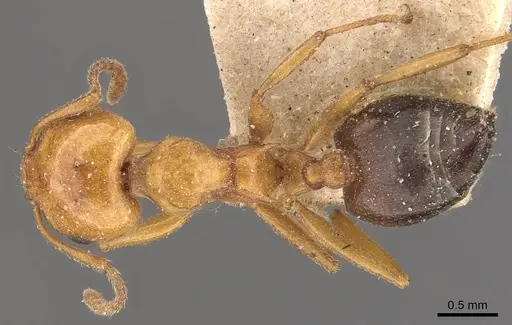
Literature
Loading...Loading products...