

Crematogaster colei
- Scientific Name
- Crematogaster colei
- Tribe
- Crematogastrini
- Subfamily
- Myrmicinae
- Author
- Buren, 1968
- Distribution
- Found in 2 countries
Crematogaster colei Overview
Crematogaster colei is an ant species of the genus Crematogaster. It is primarily documented in 2 countries , including Mexico, United States of America. Detailed taxonomic data and occurrence records can be further explored via authoritative databases such as AntWeb or the Global Biodiversity Information Facility (GBIF).
Crematogaster colei
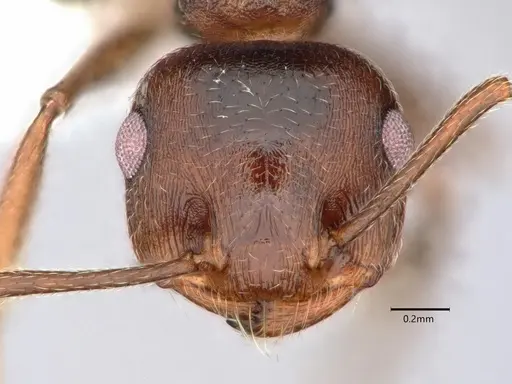
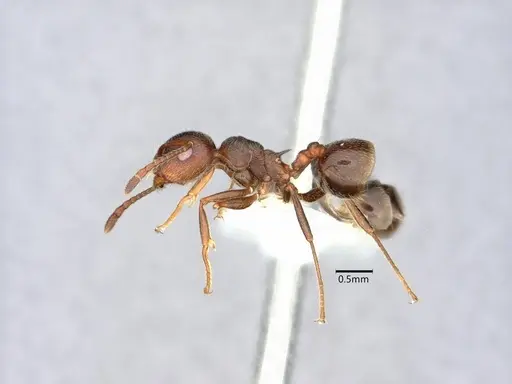
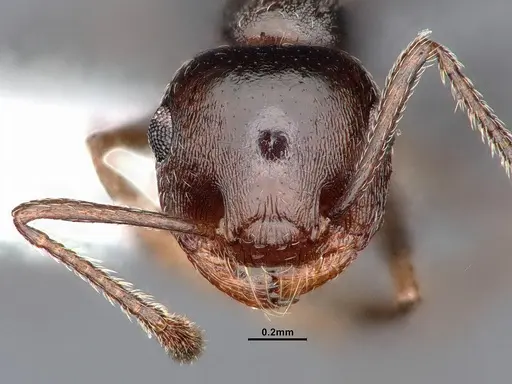
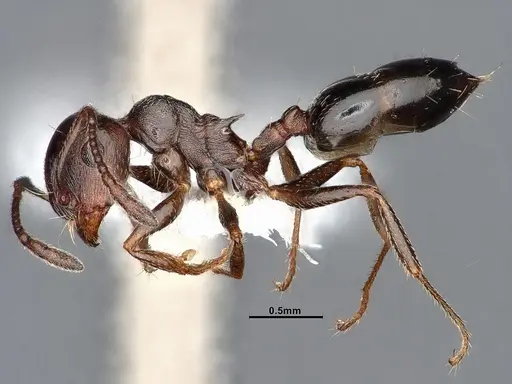
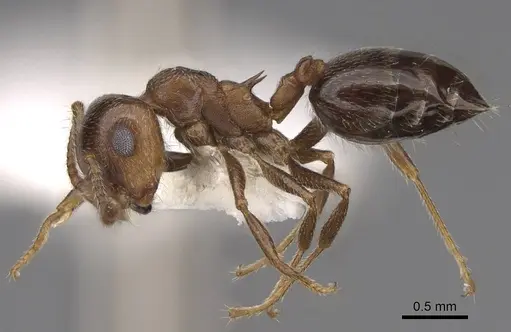
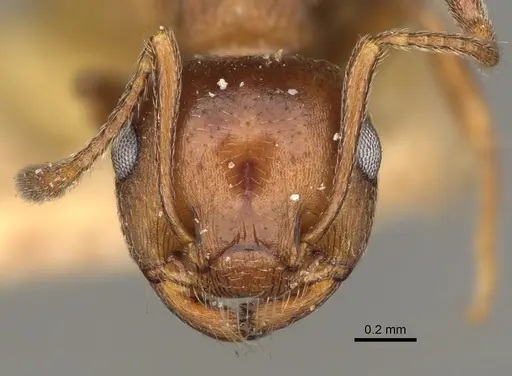
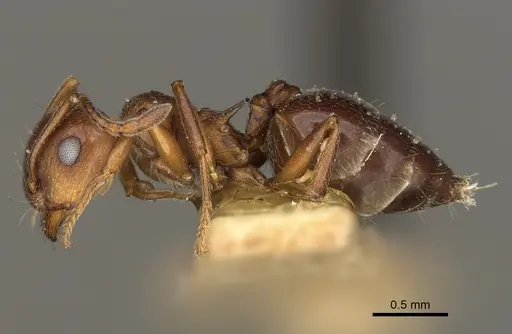
Crematogaster colei is a small to medium-sized ant native to the mountainous regions of the American Southwest. Workers measure 3-4mm and are uniformly black, while queens are larger at 10mm with a dark brown coloration [1]. This species is distinguished by its elongated scapes (the antennae segments closest to the head), sharply angulate hemilobes on the postpetiole (the segment behind the waist), and relatively long legs and propodeal spines [2]. The species was described by Buren in 1968 and named in honor of the prominent American myrmecologist Dr. Arthur C. Cole, Jr. [1].
Unlike its close relatives C. californica, C. opuntiae, and C. depilis which are true desert species found below 5000 feet, C. colei inhabits higher elevation grasslands and oak-pine-juniper woodlands in Nevada, Arizona, New Mexico, and western Texas [1][2]. Colonies nest under stones and occasionally in dead branches of live oak, making them a species that prefers cooler, more temperate mountain environments rather than hot desert conditions.
Quick Summary
- Difficulty: Medium
- Origin & Habitat: Mountainous regions of the American Southwest, Nevada, Arizona, New Mexico, and western Texas. Found in desert grassland and oak-pine-juniper woodland at elevations over 5000 feet [1][2].
- Colony Type: Colony structure is not well documented in scientific literature. Based on typical Crematogaster patterns, colonies likely have a single queen (monogyne), though some Crematogaster species can form multi-queen colonies. Further research needed to confirm colony structure.
- Size & Growth:
- Queen: 10mm [1]
- Worker: 3-4mm [1]
- Colony: Unknown, likely moderate-sized colonies based on related species patterns
- Growth: Moderate, estimated based on typical Crematogaster development
- Development: 6-10 weeks, estimated based on genus-level data for Crematogaster species (Development time is temperature-dependent. Higher elevations suggest adaptation to cooler conditions may slow development compared to tropical species.)
- Antkeeping:
- Temperature: Keep at 20-24°C. This species comes from higher elevations (5000+ feet) in mountainous areas, so it prefers cooler conditions than typical desert ants. Avoid temperatures above 28°C. A room-temperature setup around 20-22°C is likely ideal, with a slight gradient if possible.
- Humidity: Moderate humidity. In their natural habitat, they nest under stones in grassland areas, which suggests they prefer moderately moist substrate that doesn't dry out completely but isn't waterlogged. Keep the nest substrate slightly damp, with some drier areas available.
- Diapause: Yes, this species is adapted to higher elevation climates with cold winters. Expect a hibernation period during winter months (roughly November-March in the Northern Hemisphere). Keep at 5-10°C during this period.
- Nesting: Nests naturally under stones and in dead branches. In captivity, a Y-tong (AAC) nest or plaster nest works well. The key is providing a cool location and moderate humidity. Avoid overheating the nest. Naturalistic setups with stones on top of substrate can also work.
- Behavior: Workers are moderately active and typically foragers. Crematogaster ants have a distinctive habit of raising their abdomens when alarmed, giving them a "cocked" appearance, this is their primary defense display. They are not particularly aggressive but will defend their nest if threatened. Workers are small (3-4mm) so escape prevention should be moderate, they can fit through small gaps but aren't as tiny as some species. They likely recruit nestmates to food sources using chemical trails.
- Common Issues: overheating, this species prefers cooler conditions than many ants, so keeping them too warm can stress or kill the colony, drying out, while they need moderate humidity, the nest substrate shouldn't be allowed to completely dry out, hibernation failure, if not given a proper cool period in winter, colonies may become stressed or fail to thrive the following year, small colony slow growth, like many higher elevation species, colonies grow more slowly than tropical ants, which can frustrate beginners
Natural History and Distribution
Crematogaster colei is found exclusively in the mountainous regions of the American Southwest, including Nevada, Arizona, New Mexico, and western Texas [1]. Unlike its close relatives which are true desert species (C. californica, C. opuntiae, C. depilis, C. larreae), this species is restricted to higher elevations above 5000 feet where the climate is cooler and more temperate [1]. Their habitat consists of desert grassland and oak-pine-juniper woodland, and colonies have been collected under stones and in dead branches of live oak [2]. The type localities include the Sacramento Mountains and Guadalupe Mountains in New Mexico, the Huachuca Mountains in Arizona, and the Davis Mountains in Texas, all at elevations between 5800 and 7500 feet [1]. This high-elevation preference distinguishes C. colei from most other Crematogaster species in North America.
Temperature and Seasonal Care
Because C. colei comes from higher elevations (5000+ feet) in the American Southwest, they prefer cooler temperatures than many other ant species. Keep the nest area at 20-24°C, with 20-22°C being ideal. Avoid temperatures above 28°C, as this species is not adapted to extreme heat. Room temperature is often suitable for this species. If you use heating, place it very gently, a heating cable on one side of the nest with a thermostat set to low is preferable to direct heat. During winter (roughly November through March in the Northern Hemisphere), this species requires a hibernation period. Move the colony to a cool location around 5-10°C, a refrigerator set to vegetable drawer temperature or an unheated garage that stays above freezing works well. Do not feed during hibernation and keep the substrate slightly moist but not wet.
Nesting Preferences
In the wild, C. colei nests under stones and occasionally in dead branches of live oak [2]. The stones provide a cool, stable microclimate and protection from predators. In captivity, Y-tong (acrylic) nests or plaster nests work well. The key requirements are: moderate humidity retention, the ability to maintain cooler temperatures, and dark interior chambers. Avoid placing the nest in direct sunlight or near heat sources that would cause overheating. A naturalistic setup with a flat stone on top of moist substrate can also work, but monitor for mold. The nest chambers should be appropriately sized, not too large for small colonies, as ants prefer snug spaces.
Feeding and Diet
Crematogaster ants are omnivorous, feeding on honeydew (a sugary substance secreted by aphids and scale insects), small insects, and occasionally nectar. In captivity, offer a mix of foods: sugar water or honey as a constant energy source, and protein sources like small crickets, mealworms, or fruit flies. Feed protein roughly twice per week, removing any uneaten prey after 24 hours. Unlike some specialized predators, C. colei should accept a variety of foods. Fresh water should always be available. Because this is a moderate-sized ant with workers around 3-4mm, prey items should be appropriately sized, small fruit flies, pinhead crickets, or small mealworm pieces work well.
Behavior and Defense
Crematogaster ants have a distinctive defensive behavior: when threatened, workers raise their abdomens high, giving them a "cocked" or alert appearance. This is accompanied by the release of defensive chemicals from the abdomen. They are not particularly aggressive toward keepers but will defend their nest vigorously if disturbed. Workers are moderately active foragers and will establish chemical trails to food sources, recruiting nestmates. The colony will likely establish a foraging territory around the nest. When moving colonies, be aware that their small size (3-4mm workers) means they can squeeze through small gaps, use standard escape prevention measures but you don't need the finest mesh required for tiny species like Pheidole.
Colony Growth and Development
Crematogaster colei colonies likely start with a single queen (though this isn't directly documented). The queen measures 10mm and is significantly larger than workers (3-4mm), which is typical for claustral founding species. Based on genus-level data, expect 6-10 weeks from egg to first worker (nanitic). The initial colony growth will be slow as the queen raises her first brood alone. Once workers emerge, growth accelerates but remains moderate compared to tropical species. This slower growth is consistent with the species' high-elevation adaptation, cooler temperatures and seasonal constraints naturally limit development rates. Colonies likely reach several hundred workers over several years. Patience is key with this species.
Frequently Asked Questions
How long does it take for Crematogaster colei to produce first workers?
Expect 6-10 weeks from egg to first worker under optimal conditions (around 20-22°C). This is based on typical Crematogaster development patterns, as specific timing hasn't been documented for this species. The queen will be alone during this founding phase, sealed in her chamber, living off her stored fat reserves.
What temperature do Crematogaster colei ants need?
Keep them at 20-24°C, ideally around 20-22°C. This species prefers cooler conditions because it comes from higher elevations (5000+ feet) in the American Southwest. Avoid temperatures above 28°C, they are not adapted to extreme heat.
Do Crematogaster colei ants need hibernation?
Yes, they do. This is a high-elevation species adapted to cold winters. Provide a hibernation period from roughly November through March at 5-10°C. Keep the substrate slightly moist during this time and do not feed. A refrigerator set to vegetable drawer temperature works well.
What do Crematogaster colei ants eat?
They are omnivorous. Offer sugar water or honey as a constant energy source, and protein sources like small crickets, mealworms, or fruit flies twice weekly. Remove uneaten prey after 24 hours.
Are Crematogaster colei good for beginners?
They are moderate difficulty. The main challenges are providing proper cooler temperatures and managing the hibernation period correctly. Their slower growth compared to tropical ants requires patience. If you can maintain proper seasonal temperatures, they are manageable for intermediate antkeepers.
How big do Crematogaster colei colonies get?
The exact maximum colony size is unknown, but based on related species, expect several hundred workers over several years. Growth is moderate and slower than many tropical ant species.
Do Crematogaster colei ants sting?
Crematogaster ants can sting but their primary defense is raising their abdomen and releasing defensive chemicals. They are not considered dangerous to humans and are too small to cause significant pain.
What type of nest is best for Crematogaster colei?
Y-tong (AAC) nests or plaster nests work well. The key is maintaining moderate humidity and keeping temperatures cool. Avoid placing nests near heat sources or in direct sunlight.
Can I keep multiple Crematogaster colei queens together?
This has not been documented for this species. Based on typical Crematogaster behavior, single-queen colonies are most common. Combining unrelated queens is not recommended as it often leads to fighting.
Where is Crematogaster colei found in the wild?
They live in the mountainous American Southwest, Nevada, Arizona, New Mexico, and western Texas. They prefer elevations above 5000 feet in desert grassland and oak-pine-juniper woodland, nesting under stones.
Why is my Crematogaster colei colony not growing?
Check three things: 1) Temperature, if it's too warm (above 28°C) or too cold, development slows. 2) Nutrition, ensure they're getting enough protein and sugar. 3) Hibernation, if they didn't get a proper winter rest, the next season's growth may be affected. This species naturally grows more slowly than tropical ants.
When should I move my colony to a formicarium?
Wait until the colony has at least 20-30 workers and is actively using the outworld for foraging. Moving too early can stress the queen. Test tube setups work fine for founding colonies and small colonies, only move to a formicarium when the colony outgrows the tube or needs more space.
References

This caresheet is licensed under CC BY-SA 4.0 .
CASENT0882157
View on AntWeb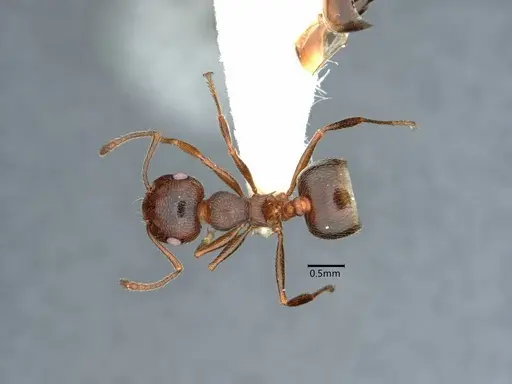
CASENT0884412
View on AntWeb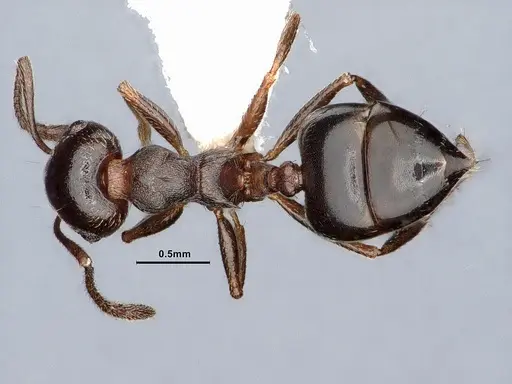
CASENT0922739
View on AntWeb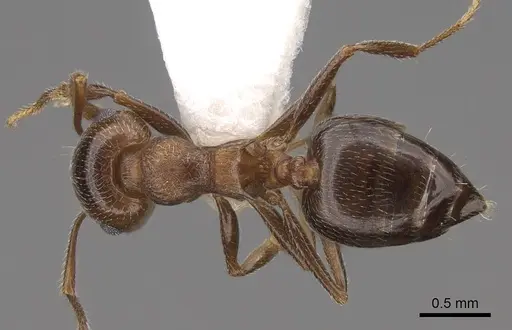
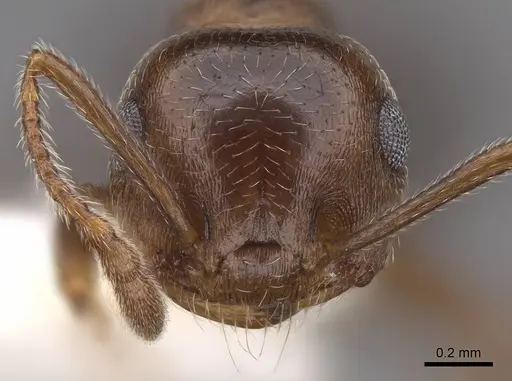
USNMENT00528846
View on AntWeb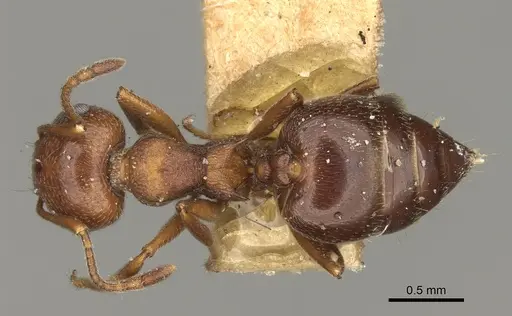
Literature
Loading...Loading products...